
Inspiration
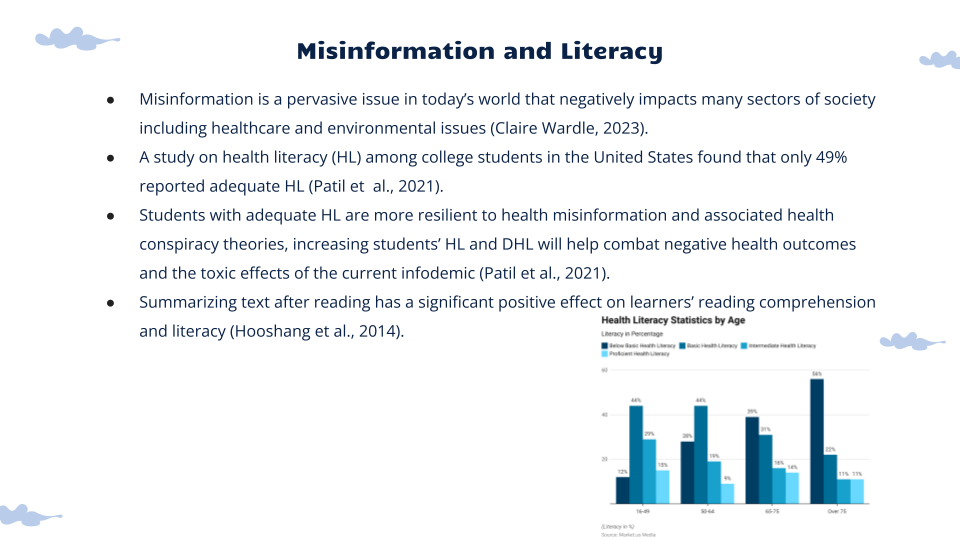
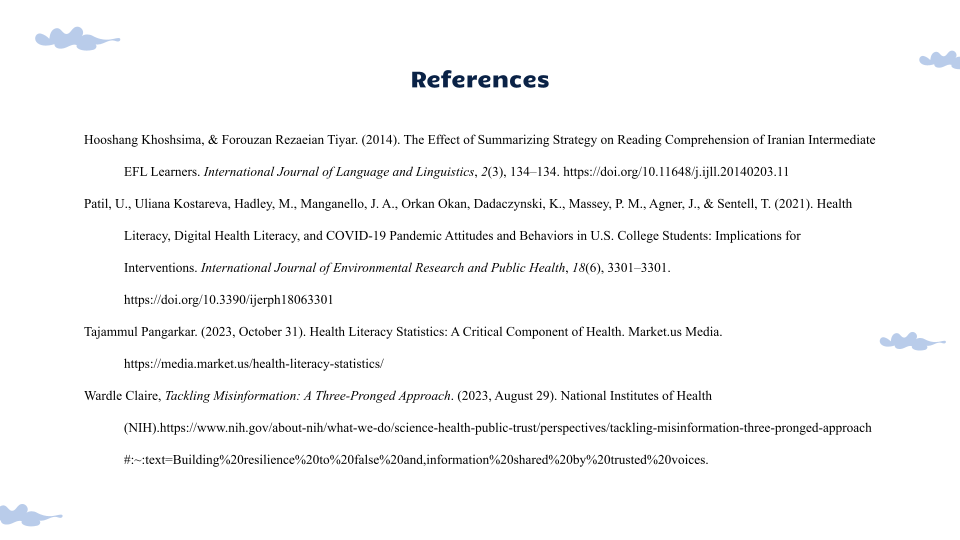
Misinformation is a pervasive issue in today’s world that negatively impacts many sectors of society including healthcare and environmental issues. This leads to an increase in conspiracies and for example, in healthcare, a lack of crucial basic COVID preventive practices (Claire Wardle, 2023). Furthermore, a study on health literacy (HL) among college students in the United States found that only 49% reported adequate HL (Patil et al., 2021). Fortunately, they also found that there was a significant positive correlation between one’s HL and their willingness to comply with basic COVID preventive practices (Patil et al., 2021).
Given that students with adequate HL are more resilient to health misinformation and associated health conspiracy theories, increasing students’ HL and DHL will help combat negative health outcomes and the toxic effects of the current infodemic (Patil et al., 2021). Thus, one method to build one’s resilience to false and misleading information is through the improvement of literacy .
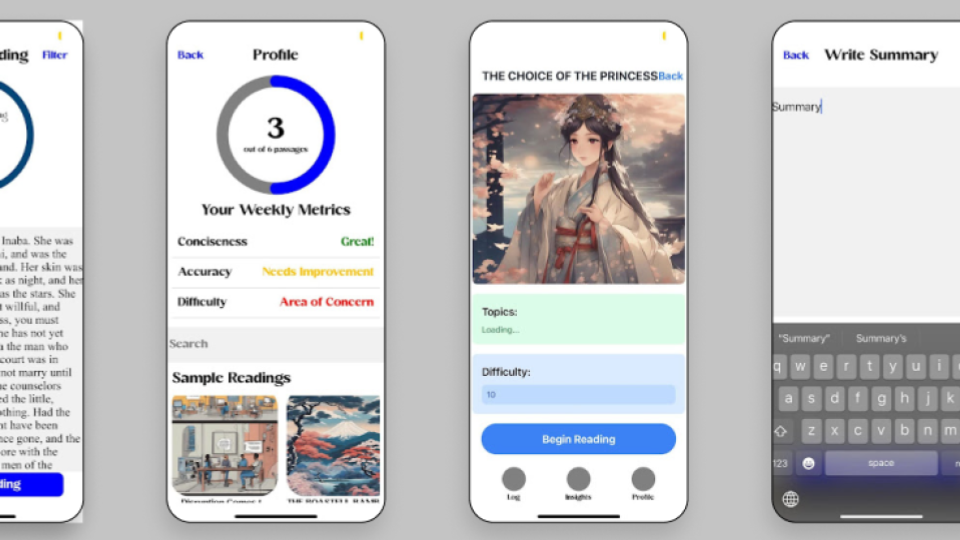
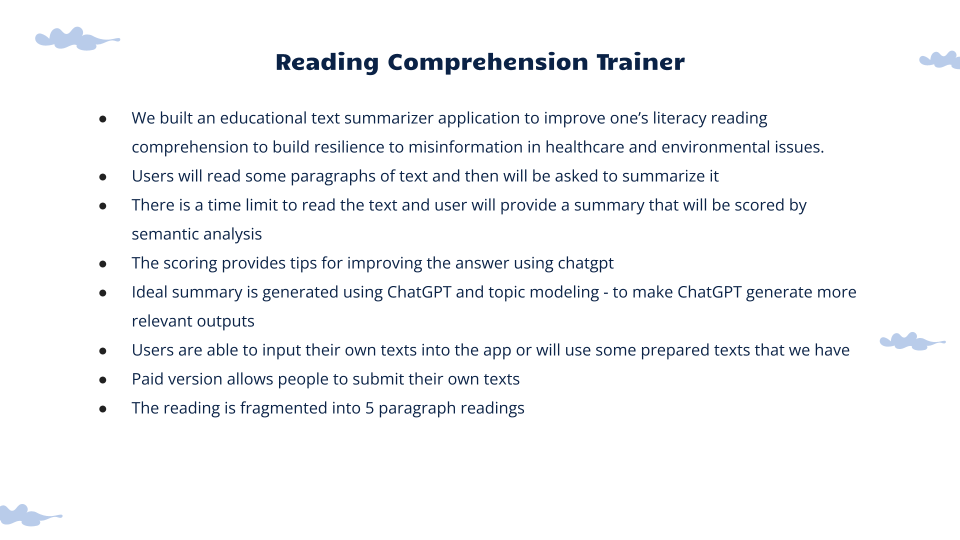
Lastly, in a study on EFL Learners, Hooshang et al., found that summarizing text after reading has a significant positive effect on learners’ reading comprehension (Hooshang et al., 2014). Therefore, we have built an educational text summarizer application to improve one’s literacy reading comprehension to build resilience to misinformation in healthcare and environmental issues.
What it does
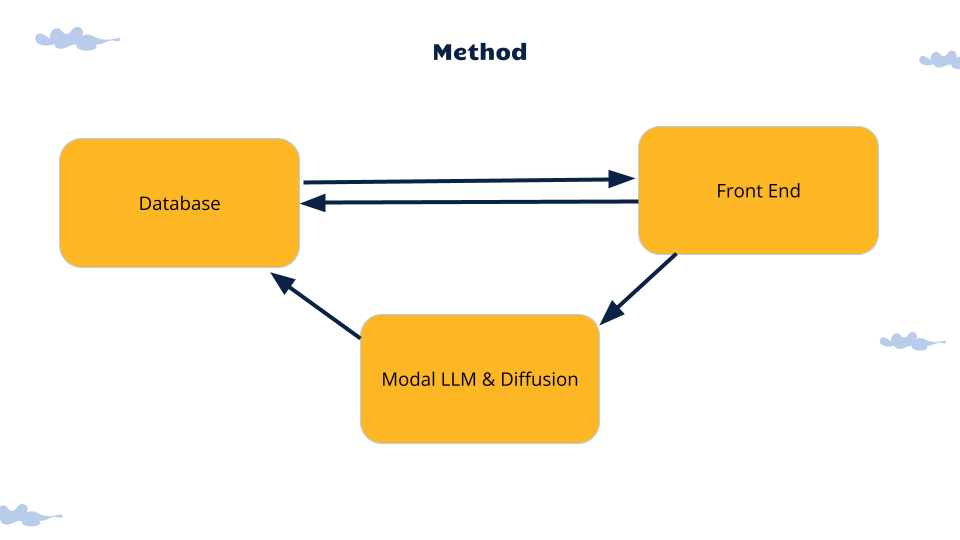
Generate a summary of the text using an LLM Topic modeling could be used to generate keywords that provide insight into what the summary should capture Topic modeling could highlight the keywords from the text and alert the user to these Ideally a summary could be used to compare the semantic similarity between what was read and what is ideal. Use semantic analysis for the app and the user input The semantic analysis will use cosine similarity to map similarity of the text inputs - word2vec is better for this apparently Find some text examples that people might consider using to practice their reading comprehension Use chatgpt to generate a response that could help the user with improving their reading comprehension Use chatgpt to generate questions and answers? Or maybe an alternative llm specifically trained to do so Receive the text input and generate a summary of it. Also generate main idea words using topic modeling Use a LLM that already does summary generation Host an LLM on modal Use a model that already conducts topic modeling (Like BERT) Use sentiment analysis to find whether or not the user input was similar to the summary The sentiment analysis will be used as the scoring metric Use chatgpt api call to analyze what the reader wrote and come up with an analysis of how the summary could be improved using the concise key words and the optimal summary Generate other metrics about the reader such as reading time and response time. Utilize modal to generate relevant image based off reading text
How we built it
Generate a summary of the text using an LLM Topic modeling could be used to generate keywords that provide insight into what the summary should capture Topic modeling could highlight the keywords from the text and alert the user to these Ideally a summary could be used to compare the semantic similarity between what was read and what is ideal. Use semantic analysis for the app and the user input The semantic analysis will use cosine similarity to map similarity of the text inputs - word2vec is better for this apparently Find some text examples that people might consider using to practice their reading comprehension Use chatgpt to generate a response that could help the user with improving their reading comprehension Use chatgpt to generate questions and answers? Or maybe an alternative llm specifically trained to do so Receive the text input and generate a summary of it. Also generate main idea words using topic modeling Use a LLM that already does summary generation Host an LLM on modal Use a model that already conducts topic modeling (Like BERT) Use sentiment analysis to find whether or not the user input was similar to the summary The sentiment analysis will be used as the scoring metric Use chatgpt api call to analyze what the reader wrote and come up with an analysis of how the summary could be improved using the concise key words and the optimal summary Generate other metrics about the reader such as reading time and response time. Utilize modal to generate relevant image based off reading text
Challenges we ran into
Integrating front end and back end.
Accomplishments that we're proud of
We finished.
What we learned
First times at a MLH competition.
What's next for VistaRead
To implement a schedules to determine when users should read. Send notifications to remind users. Make VistaRead more educational based through questions prompting their knowledge of the subject
Built With
- amazon-web-services
- chatgpt
- flask
- javascript
- modal.ai
- python
- react
- react-native

Log in or sign up for Devpost to join the conversation.