-
-
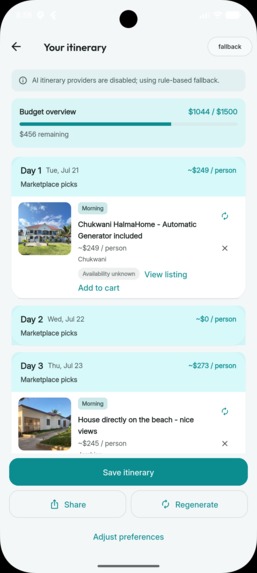
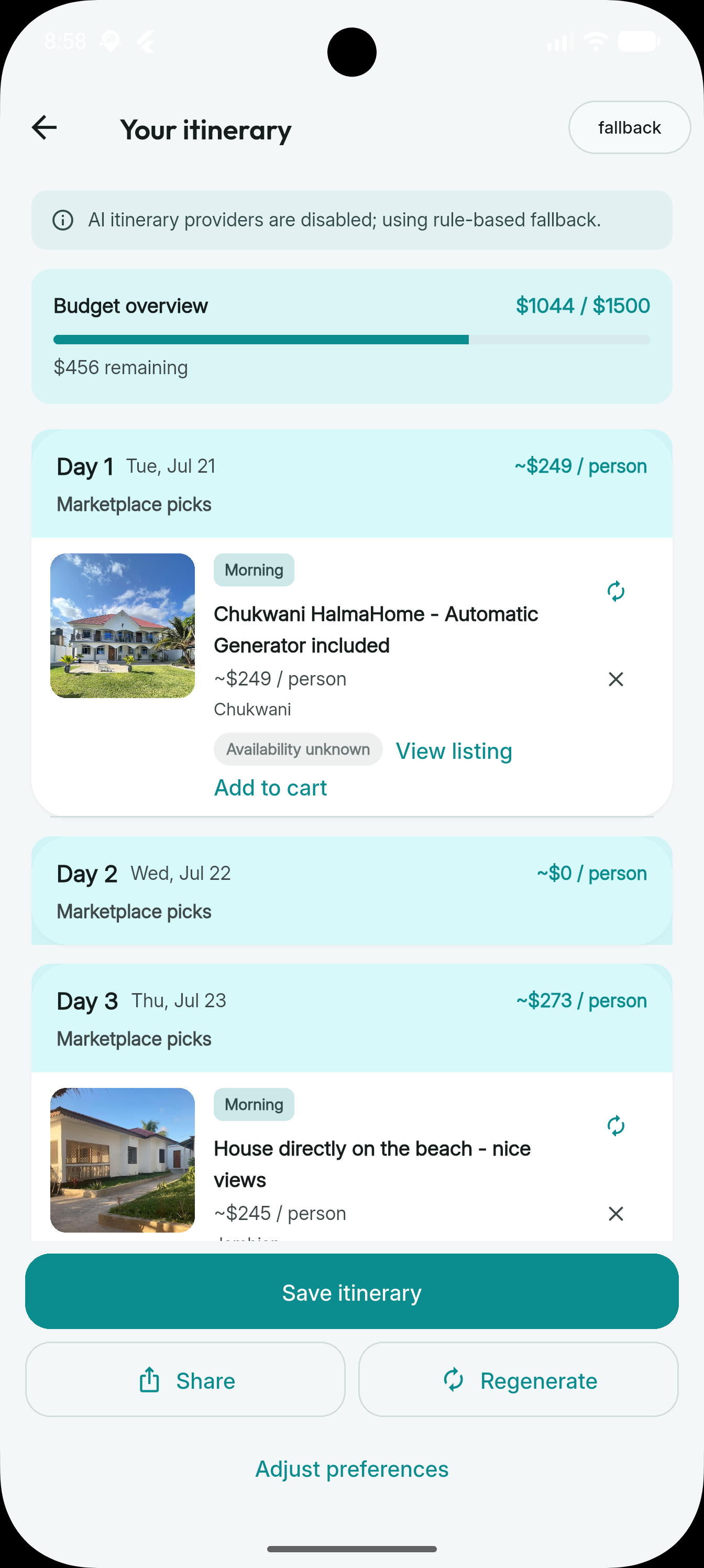
AI Itinerary
-
-
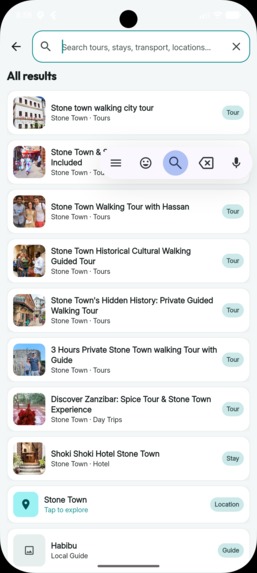
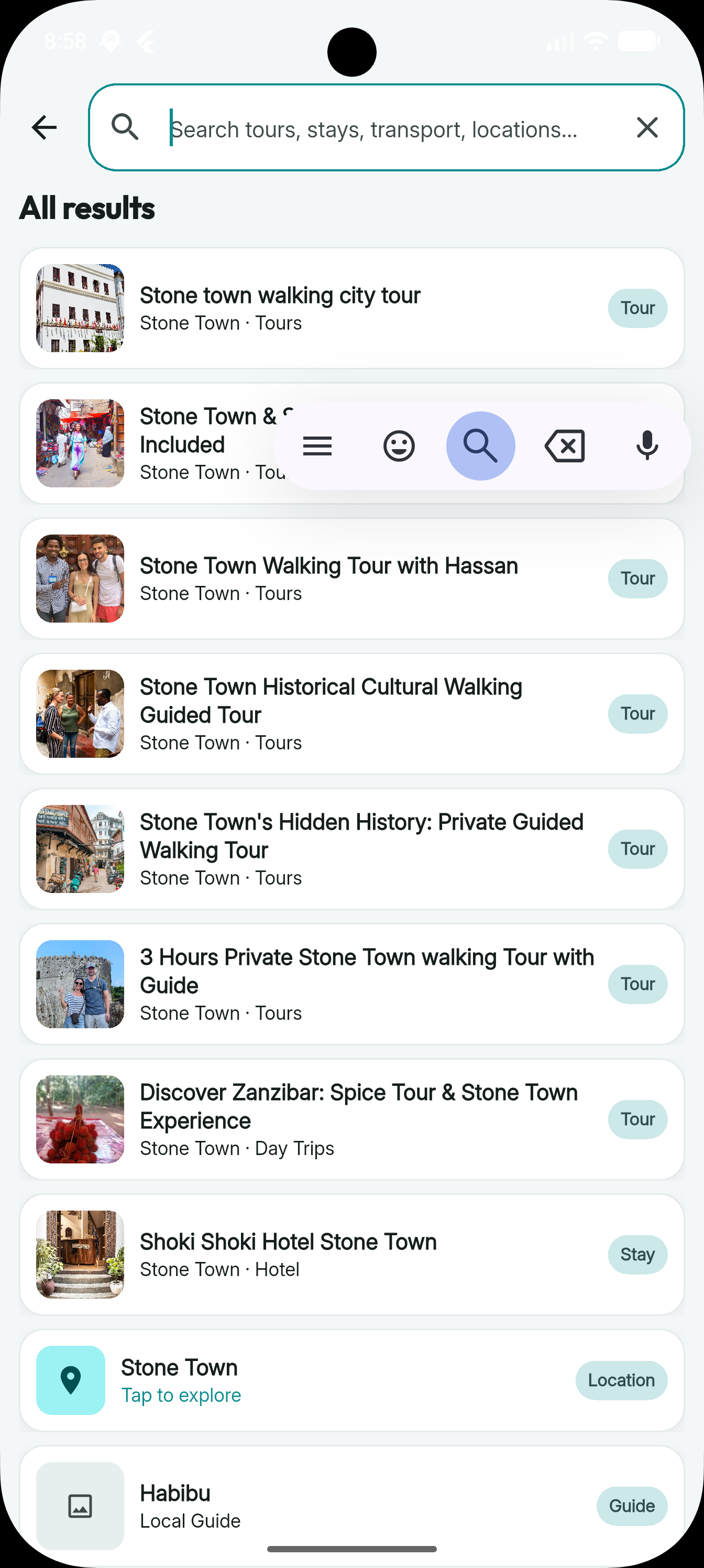
Search screen
-
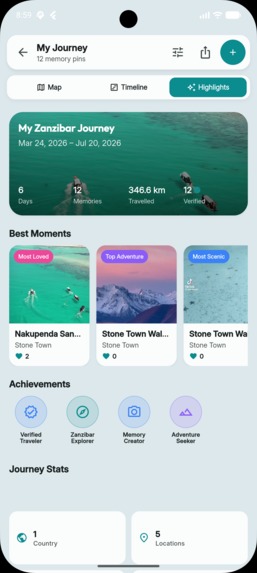
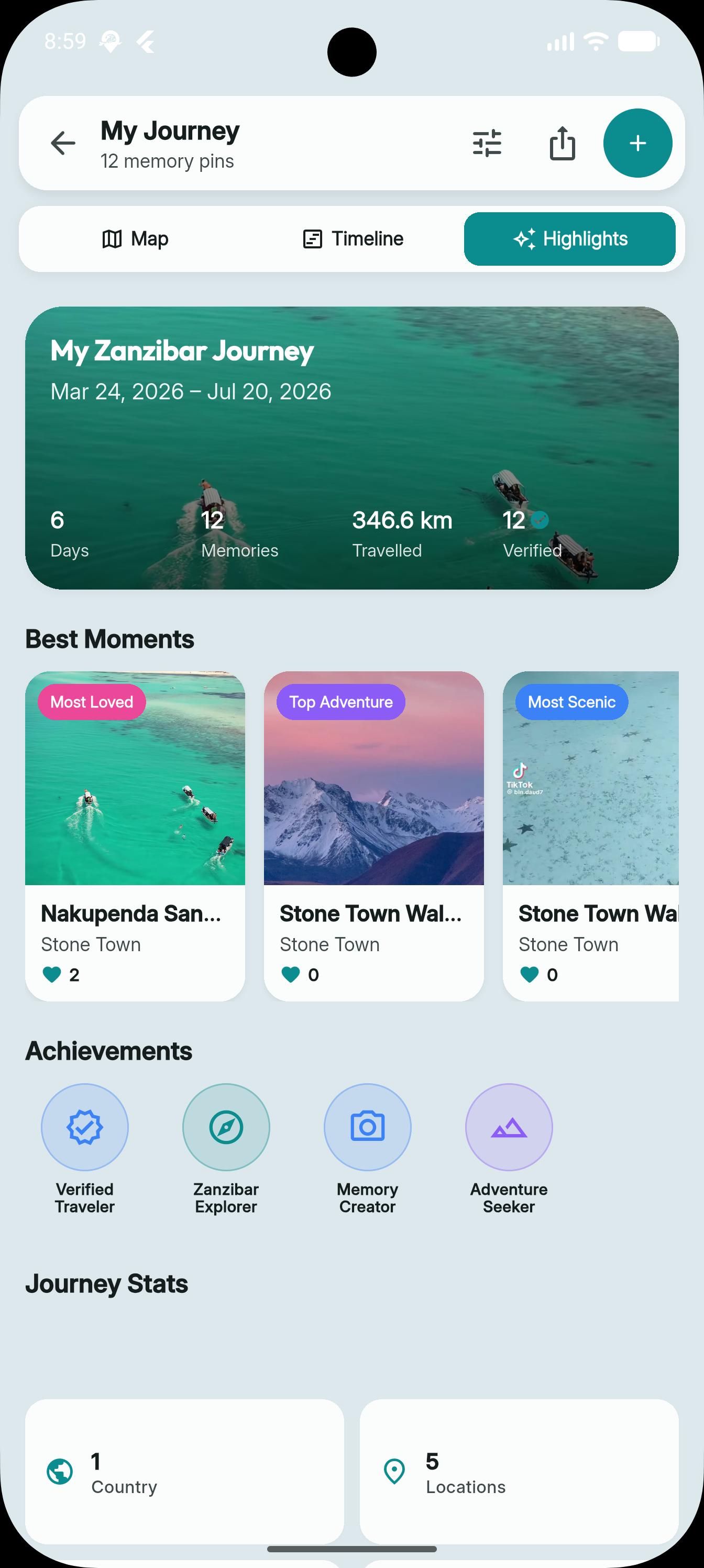
Highlight
-
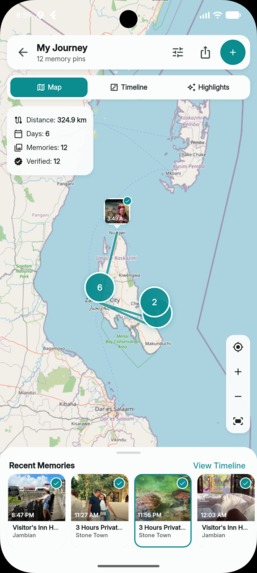
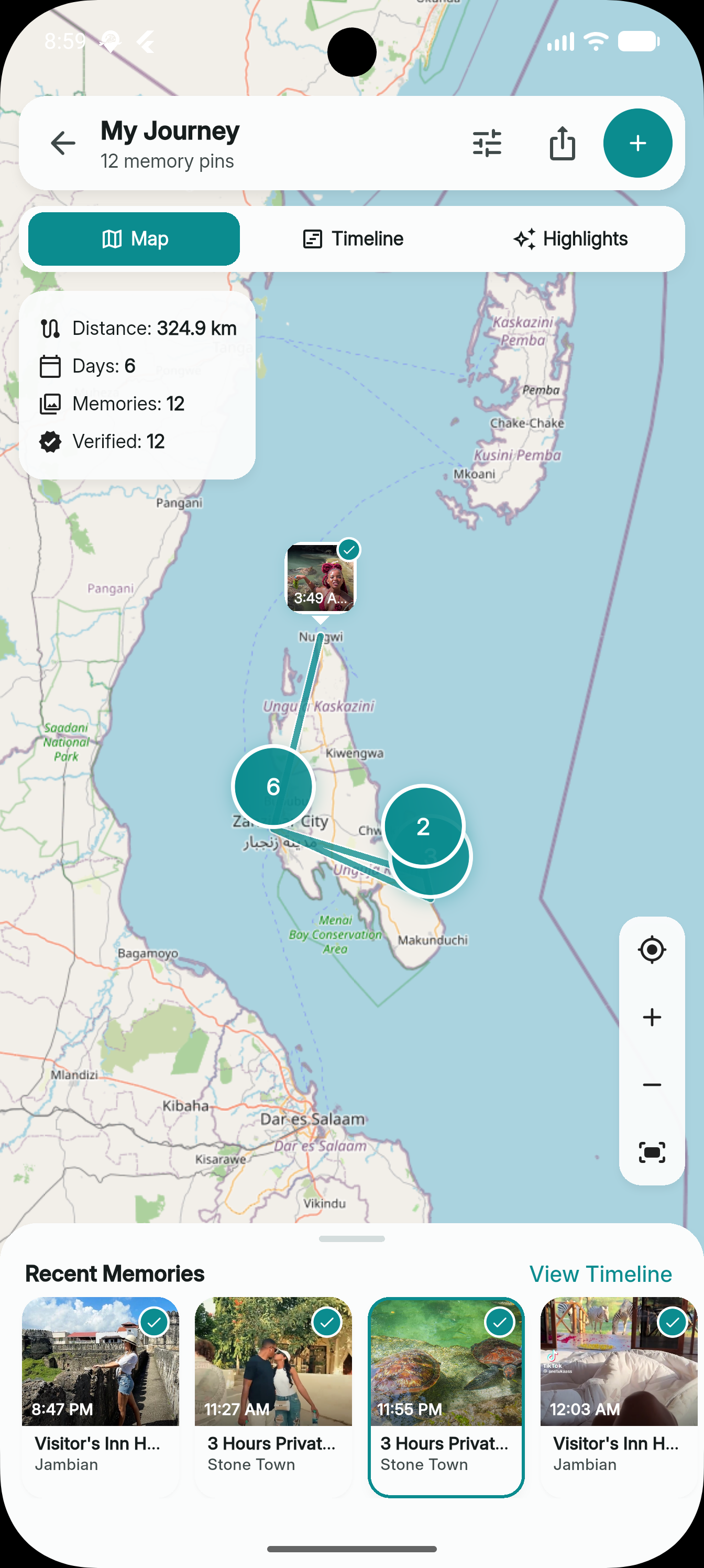
My Journey Map Screen
-
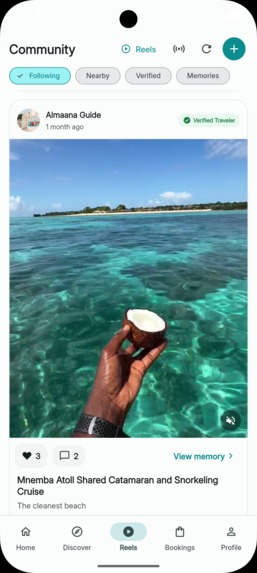
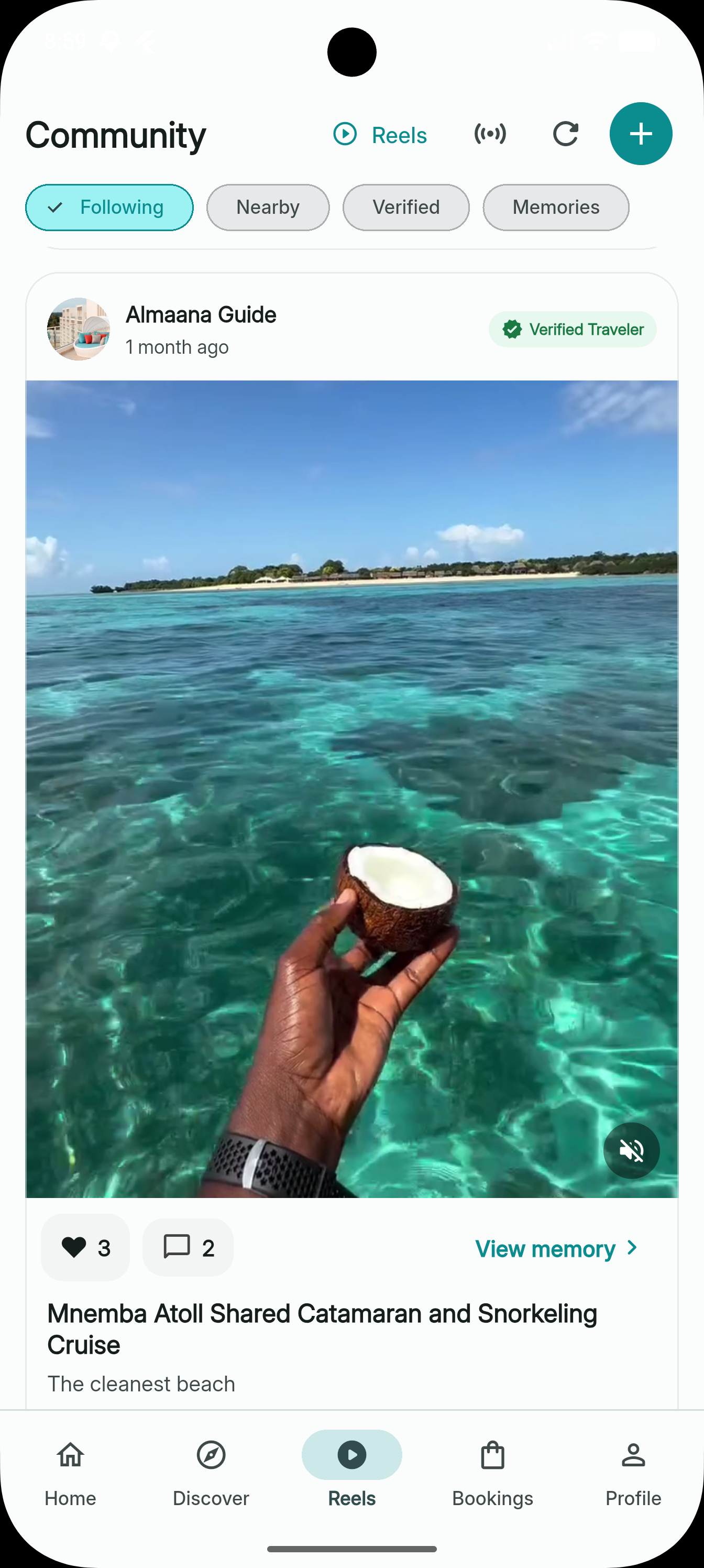
Travel Community Screen
-
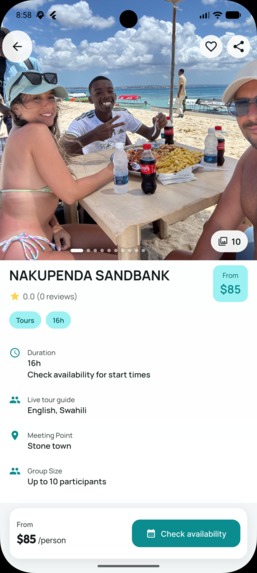
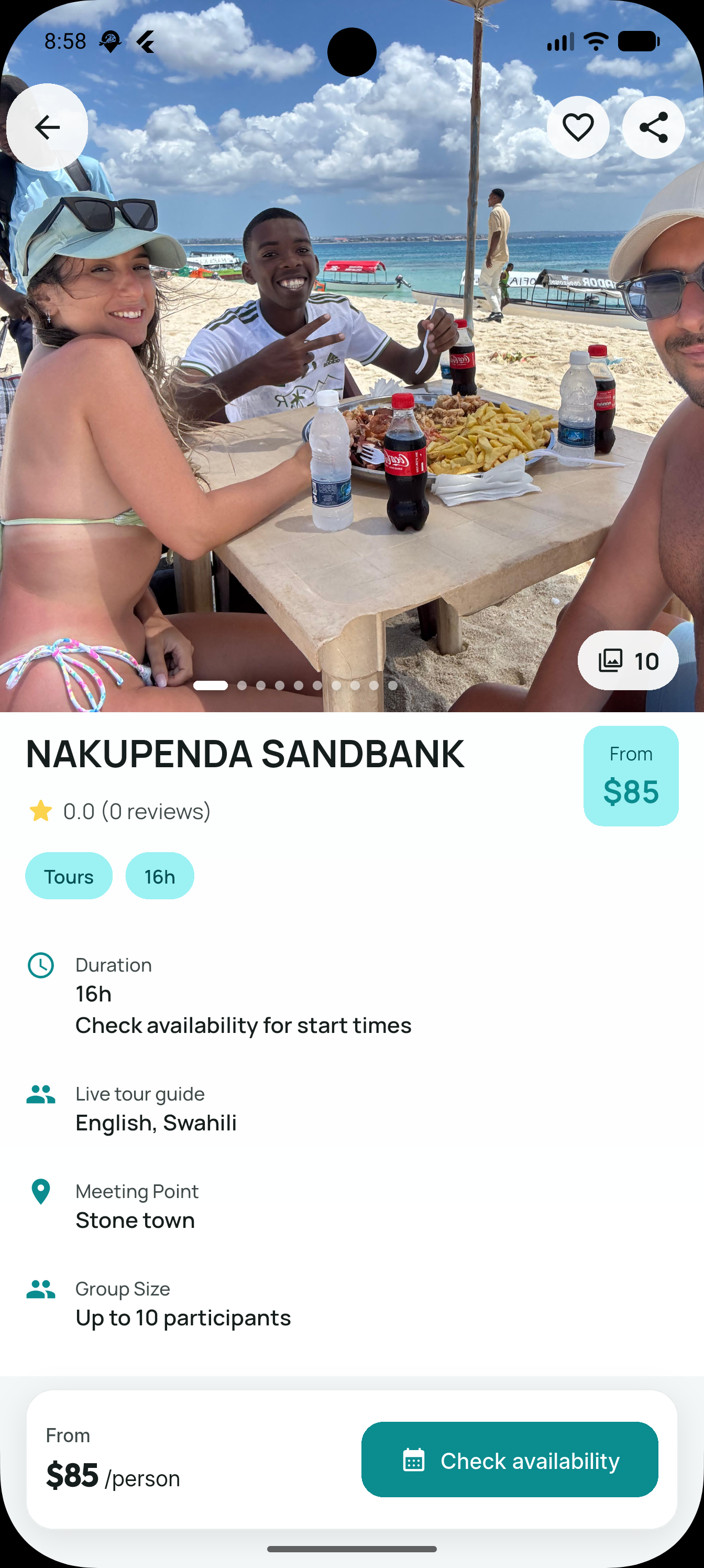
Listing Details
-
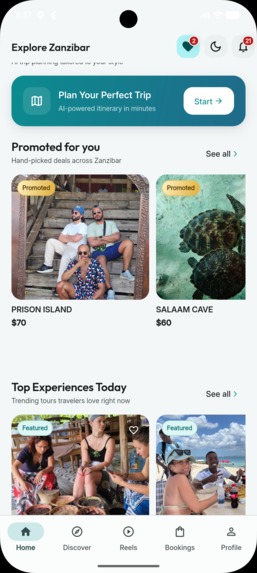
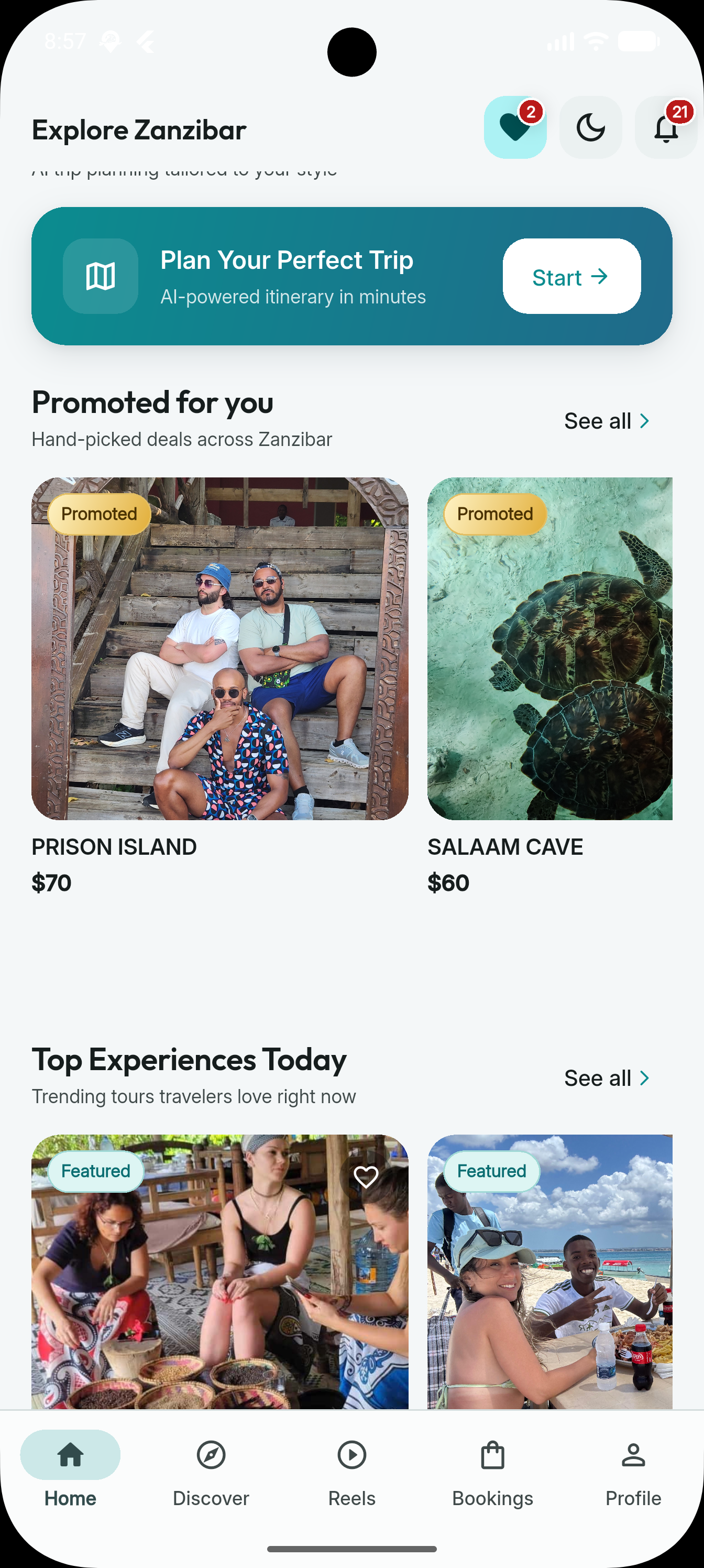
Home Screen
-
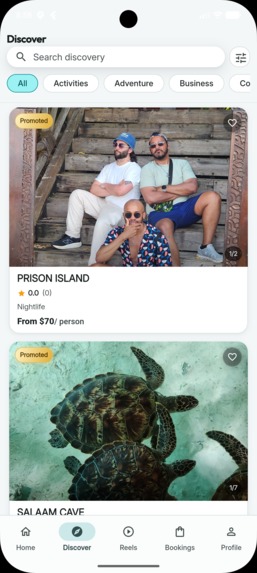
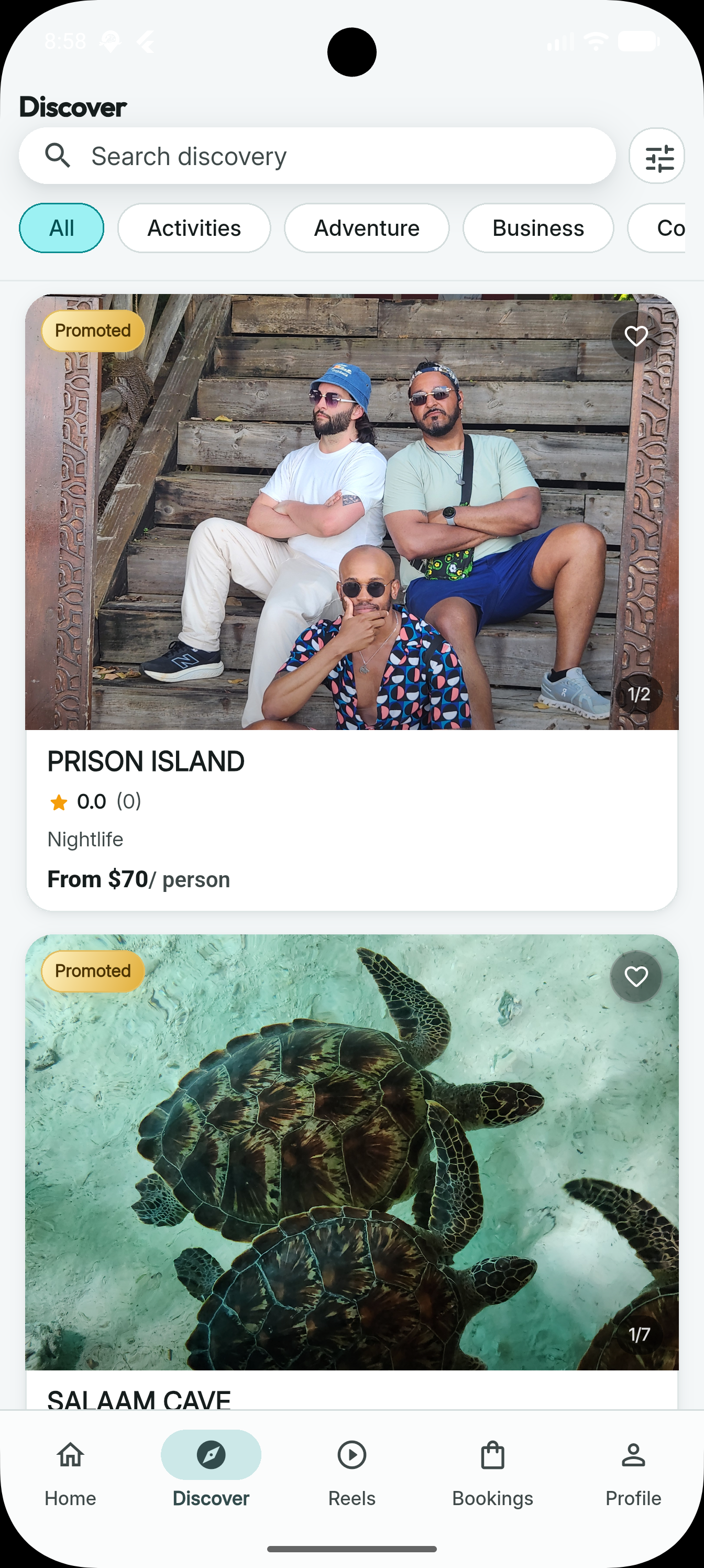
Discovery Screen
-
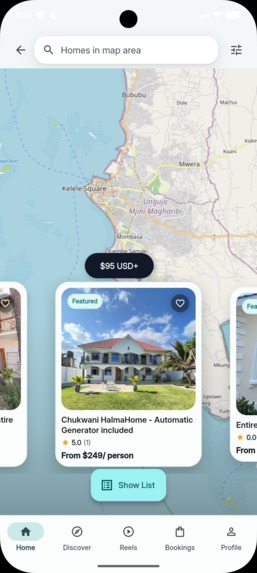
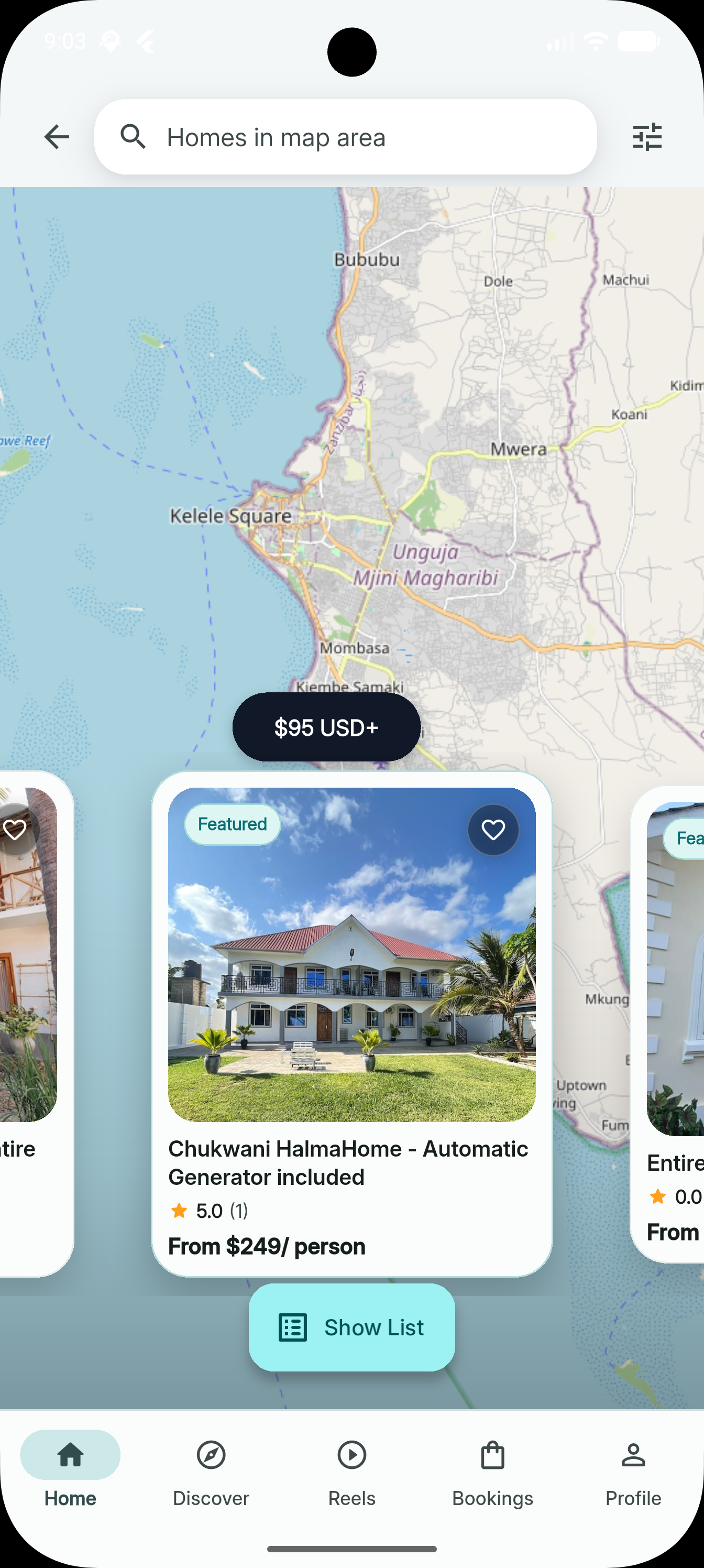
Home List view by map

Inspiration
Travelers visiting Zanzibar often have to use several disconnected platforms to plan one trip. They search for accommodations on one website, tours on another, transportation through messaging apps, and local recommendations through social media.
This creates uncertainty, fragmented communication, unreliable information, and limited visibility for trusted local businesses.
I created Visit Zanzibar to bring the complete Zanzibar travel experience into one platform. Travelers can discover destinations, accommodations, vacation rentals, local guides, tours, transport providers, events, community travel content, and trip memories.
For OpenAI Build Week, I meaningfully extended the existing Visit Zanzibar platform with the Visit Zanzibar AI Travel Copilot, using GPT-5.6 and Codex.
The goal is to transform travel planning from a collection of search results into an intelligent, personalized, and bookable journey.
What it does
Visit Zanzibar is an AI-assisted travel marketplace and community platform connecting travelers directly with verified local tourism partners.
The application supports:
- Hotels and vacation rentals
- Local tours and experiences
- Professional local guides
- Airport transfers and transportation
- Events and activities
- Community travel posts and short-form videos
- Collaborative journeys and trip blueprints
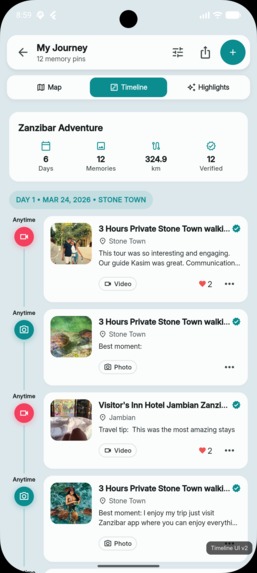
- Live trip memories
- Partner onboarding and identity verification
- Booking, messaging, reviews, notifications, and payments
The Build Week extension: AI Travel Copilot
During OpenAI Build Week, I added an intelligent travel-planning experience powered by GPT-5.6.
A traveler can describe a trip in natural language, including:
- Travel dates
- Number and type of travelers
- Budget
- Preferred destinations
- Interests and activities
- Accommodation preferences
- Travel pace
- Dietary, accessibility, or family requirements
The AI Travel Copilot converts this information into a structured, day-by-day Zanzibar itinerary.
Instead of producing a generic text response, the assistant is designed to connect its recommendations with real entities available inside Visit Zanzibar, such as destinations, tours, accommodations, transportation services, and local guides.
The generated journey can include:
- A daily schedule
- Recommended places and activities
- Suggested accommodations
- Estimated costs
- Travel time between activities
- Transportation recommendations
- Cultural and practical guidance
- Alternative activities
- Bookable marketplace listings
- A reusable journey blueprint
Travelers can then customize the journey, save it, share it, collaborate with other travelers, or begin booking the recommended services.
How I built it
Visit Zanzibar is a multi-platform product consisting of:
- A Flutter traveler and partner mobile application
- A Laravel API backend
- MySQL for transactional data
- Redis for caching, queues, and real-time infrastructure
- Cloudflare R2 for image and video storage
- WebSocket-based real-time messaging and notifications
- A React-based administration platform
- Firebase services for mobile notifications
- Stripe and PayPal payment integrations
The original product journey began with idea refinement and product planning using ChatGPT. I then used Rocket.new to explore the initial user-interface direction. Early development was assisted by GitHub Copilot, and later development and refactoring were performed using Cursor.
For OpenAI Build Week, I used Codex with GPT-5.6 to meaningfully extend the existing application.
Codex assisted with:
- Inspecting the existing Flutter and Laravel architecture
- Identifying safe integration points for the AI Travel Copilot
- Designing the structured itinerary data model
- Implementing and refining API contracts
- Generating validation and error-handling logic
- Connecting AI output to existing marketplace entities
- Refactoring service boundaries
- Writing tests and debugging integration issues
- Documenting the new Build Week functionality
- Reviewing implementation quality and edge cases
GPT-5.6 powers the reasoning layer behind the travel-planning experience. It interprets traveler intent, balances multiple constraints, creates a coherent itinerary, and produces structured results that the application can validate and display.
I retained responsibility for product decisions, architecture, data privacy, business rules, testing, and final implementation. Codex accelerated engineering execution, while GPT-5.6 enabled the new intelligent travel experience.
Existing work versus Build Week work
Visit Zanzibar existed before OpenAI Build Week.
The pre-existing platform included the core travel marketplace, listings, booking flows, partner tools, community features, messaging, notifications, and administration capabilities.
The meaningful Build Week extension includes:
- GPT-5.6-powered conversational trip planning
- Structured day-by-day itinerary generation
- Integration between AI recommendations and Visit Zanzibar marketplace data
- Journey customization and persistence
- Improved validation and fallback handling for AI-generated plans
- New Flutter interfaces for the AI Travel Copilot
- New Laravel services and endpoints supporting itinerary generation
- Tests, documentation, and integration improvements created with Codex
The repository includes dated commits and documentation distinguishing the existing platform from the functionality added during the Build Week submission period.
Challenges I ran into
Integrating AI into an existing production architecture
Visit Zanzibar was already a large application. The challenge was not simply generating itinerary text; it was adding AI without destabilizing existing booking, marketplace, authentication, and partner workflows.
I addressed this by isolating AI orchestration behind a dedicated service layer and defining structured contracts between GPT-5.6, the Laravel backend, and the Flutter client.
Preventing invented marketplace information
A travel assistant should not recommend nonexistent listings, prices, or availability.
The application treats GPT-5.6 as a planning and reasoning layer while the backend remains the source of truth for listing identifiers, prices, partner status, availability, and booking eligibility.
AI recommendations are validated against platform data before being presented as bookable options.
Converting natural language into a usable itinerary
Travel requests are often incomplete or conflicting. A traveler may request many activities, a limited budget, and very little time.
The system converts the request into structured constraints and asks for clarification or provides transparent alternatives when all preferences cannot be satisfied.
Working with a pre-existing project
Because Visit Zanzibar existed before the hackathon, I needed to maintain a clear boundary between previous functionality and the new Build Week implementation.
I documented the new architecture, dated commits, Codex workflow, and GPT-5.6 integration so the Build Week contribution can be reviewed independently.
Accomplishments that I am proud of
I am proud that Visit Zanzibar is more than a travel-planning prototype. It is an evolving platform designed around real travelers and real Zanzibar tourism businesses.
The Build Week extension connects generative AI with practical travel actions. The result is not only an itinerary that a traveler can read, but a journey they can customize, collaborate on, and eventually book.
I am also proud that the product supports local economic participation. Guides, accommodation owners, transport providers, and experience operators can gain direct visibility and communicate with travelers through one platform.
What I learned
This project reinforced that successful AI product development requires more than placing a chatbot inside an application.
The most important work involved:
- Giving the model reliable context
- Defining structured outputs
- Validating model responses
- Separating AI recommendations from transactional truth
- Creating graceful failure and clarification flows
- Preserving user control
- Making AI results actionable within the product
Codex was especially useful when working across a large existing codebase. It helped inspect relationships between modules, accelerate implementation, identify integration risks, and iterate on the solution without treating the project as a blank prototype.
What is next for Visit Zanzibar
The next phase includes:
- Real-time availability-aware AI itineraries
- Dynamic trip-budget optimization
- Multilingual planning, including English and Swahili
- Context-aware recommendations during an active trip
- Weather-aware itinerary adjustments
- Collaborative group-trip planning
- AI assistance for local tourism partners
- Personalized accessibility and family-travel support
- Expansion beyond Zanzibar to additional destinations
- Responsible recommendation ranking that supports trusted local businesses
The long-term vision is to make Visit Zanzibar an intelligent travel operating system that helps travelers move from inspiration to planning, booking, collaboration, and memory preservation in one trusted experience.
Built With
- actions
- api
- chatgpt
- cloudflare
- codex
- cursor
- dart
- firebase
- flutter
- github
- gpt-5.6
- laravel
- mysql
- nginx
- openai
- paypal
- php
- r2
- react
- redis
- rest
- rocket.new
- stripe
- typescript
- websockets


Log in or sign up for Devpost to join the conversation.