-
-
VisionPro
Inspiration
We were inspired by the everyday difficulties faced by people with visual or other disabilities when performing simple tasks independently, especially when identifying money. A person may need to depend on others to identify a currency note or understand what object they are holding. We wanted to create an affordable and intelligent device that could provide assistance in real time. This led us to develop VisionPro, an AI-powered assistive device using a camera and Machine Learning.
What it does
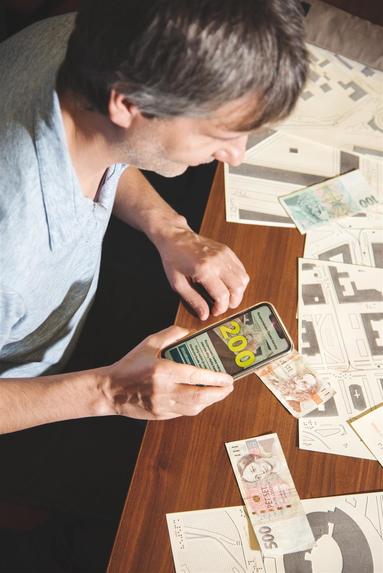
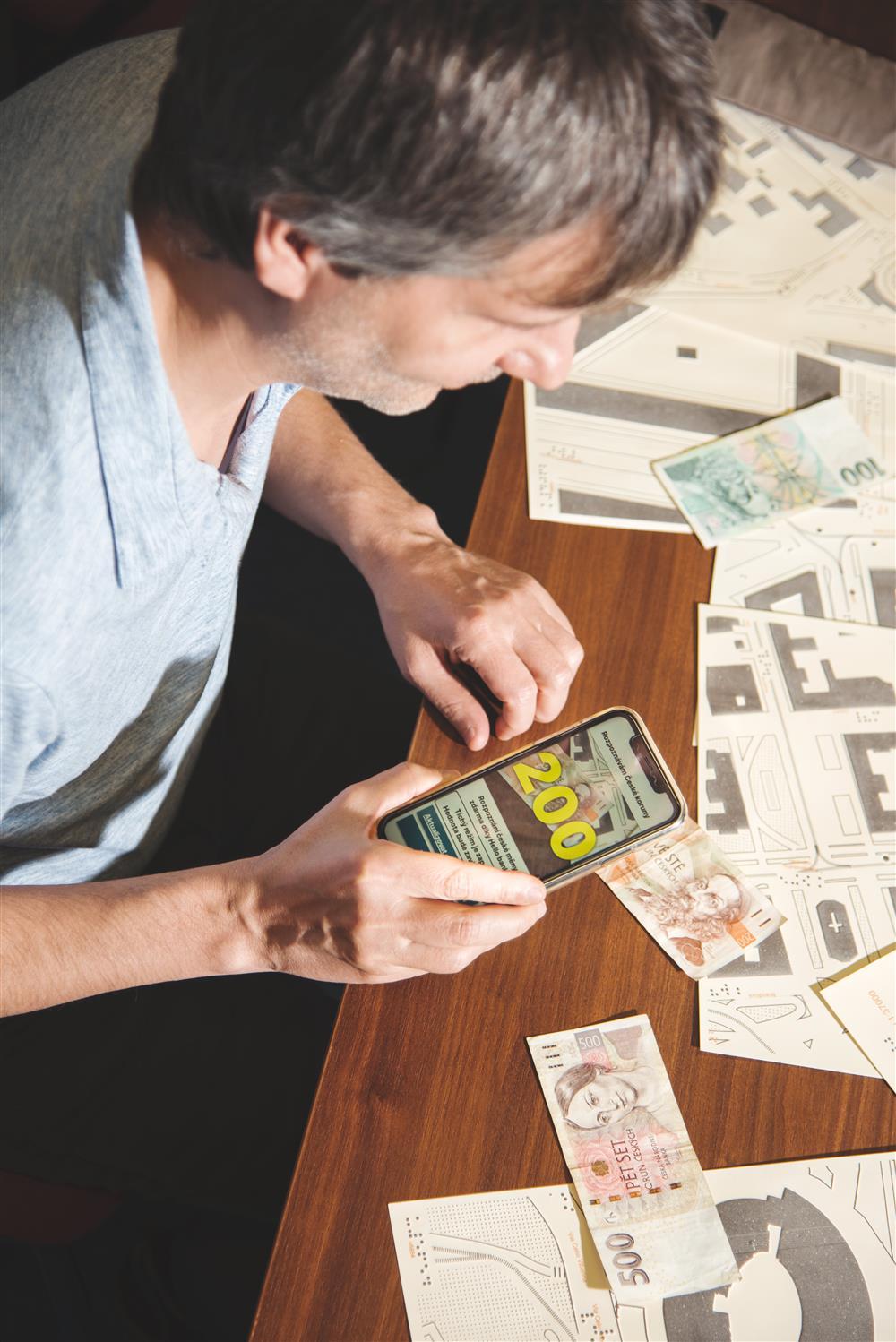
VisionPro uses an ESP32-CAM to capture images of objects and currency handled by the user. The captured image is processed using a trained Machine Learning model that identifies the object or currency denomination.
For example, when the user holds a ₹100 note, the system can recognize it as ₹100 and provide the result through an alert or voice-based output. The system can be extended to recognize different objects and activities, helping users perform daily tasks with greater independence.
How we built it
We built the prototype using an ESP32-CAM, which acts as the main image-capturing device. First, we collected images of different Indian currency notes and selected objects. These images were used to create and train our Machine Learning dataset.
After training the model, we integrated the detection process with the ESP32-CAM. When the camera captures an image, the system sends the image for classification. The trained model predicts the corresponding currency or object, and the result can be communicated to the user through an audio or notification system.
Main Technologies ESP32-CAM – Image and video capture Machine Learning – Object and currency classification Image Processing – Preparing camera images for detection Wi-Fi – Communication and data transfer Audio/Alert System – Communicating detected information Challenges we ran into
One of our main challenges was collecting a suitable dataset with different angles, lighting conditions, backgrounds, and orientations of currency notes. We also faced difficulties in achieving accurate detection when the note was partially covered or placed at different distances from the camera.
Another challenge was integrating the Machine Learning model with the limited processing and memory resources of the ESP32-CAM. We had to consider model size, processing time, and communication speed while developing the prototype.
Accomplishments that we're proud of
We are proud to have developed a working concept that combines embedded hardware, computer vision, and Machine Learning into a single assistive solution.
Our key accomplishments include:
Successfully integrating the ESP32-CAM for real-time image capture. Creating and training a dataset for currency/object recognition. Developing an ML-based classification system. Designing the system with accessibility and independence in mind. Creating a low-cost prototype that can be further improved for real-world use. What we learned
Through this project, we learned how to combine hardware and Artificial Intelligence to solve a real-world problem. We gained practical knowledge of ESP32-CAM, image processing, dataset preparation, Machine Learning model training, and hardware-software integration.
We also learned that real-world AI systems require more than model accuracy. Factors such as lighting, camera position, processing limitations, response time, and user accessibility are equally important.
What's next for VisionPro
Our future goal is to make VisionPro a more complete AI-powered assistive device. We plan to expand the system to recognize more everyday objects, read text and labels, identify different denominations more accurately, and provide natural voice guidance.
We also plan to improve the device's portability, reduce response time, support offline operation, and develop a mobile application that can provide caregivers with useful alerts when required.
Ultimately, we want VisionPro to become an affordable and reliable assistive technology that helps people with disabilities perform everyday tasks more confidently and independently.

Log in or sign up for Devpost to join the conversation.