-
-
-
-
-
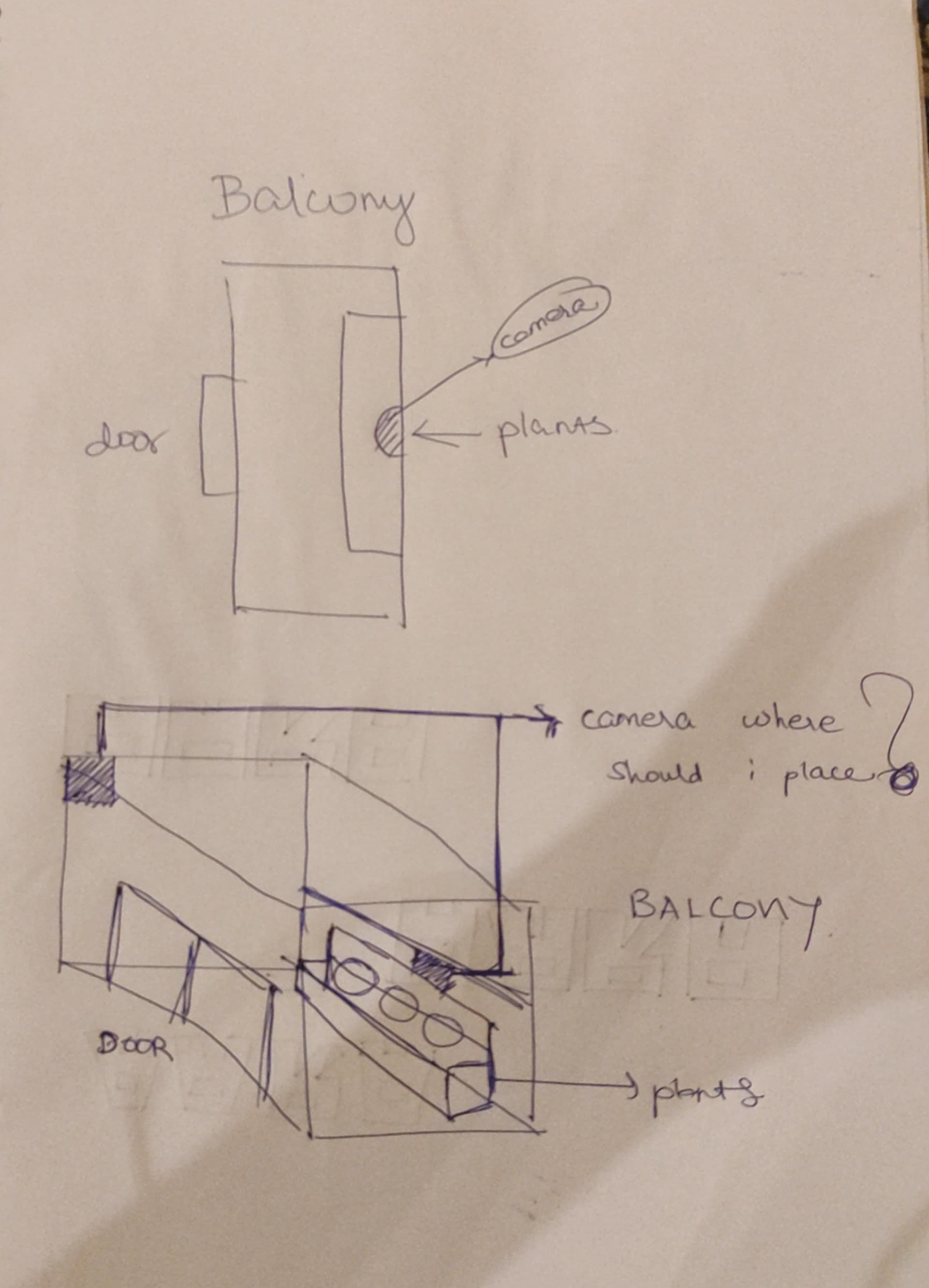
Trays detection
-
Inspiration
The idea started with observing everyday struggles. Elderly people and specially-abled individuals often find it difficult to water plants regularly, while busy urban lifestyles make people forget such simple yet important tasks. We wanted to create a solution that felt natural, intuitive, and human-centered. That is when we asked: what if plants could understand us through gestures?
What it does
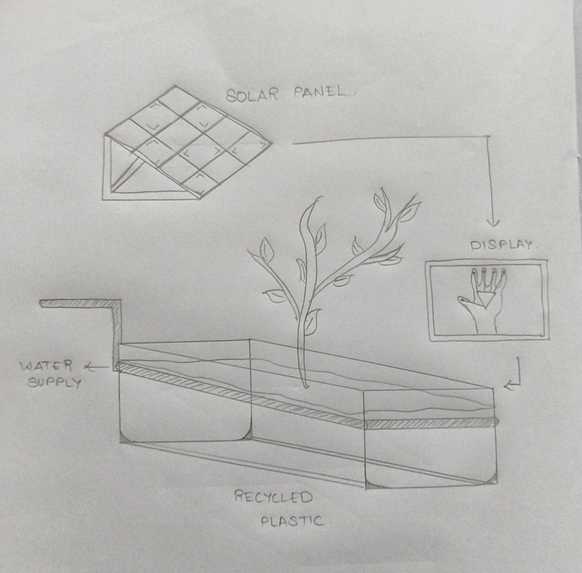
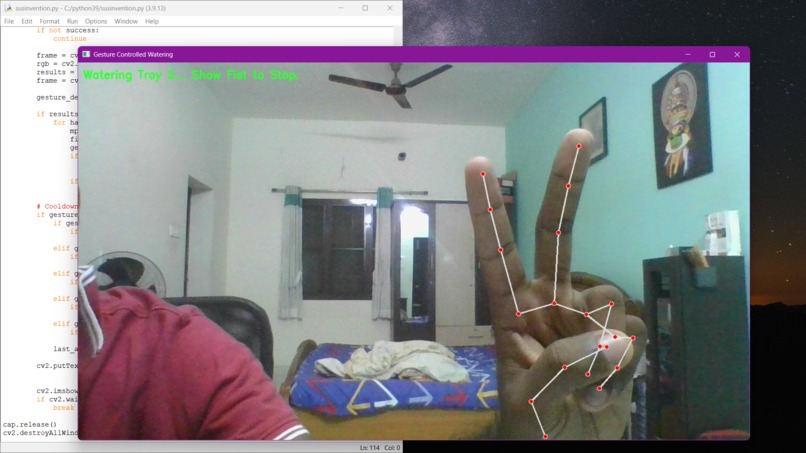
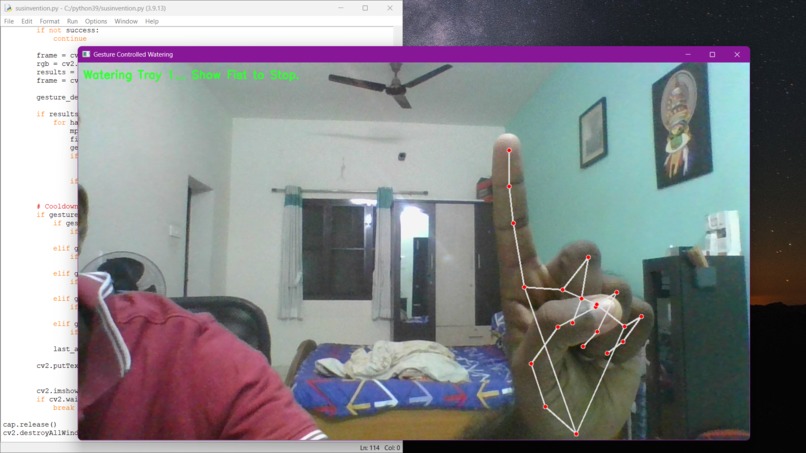
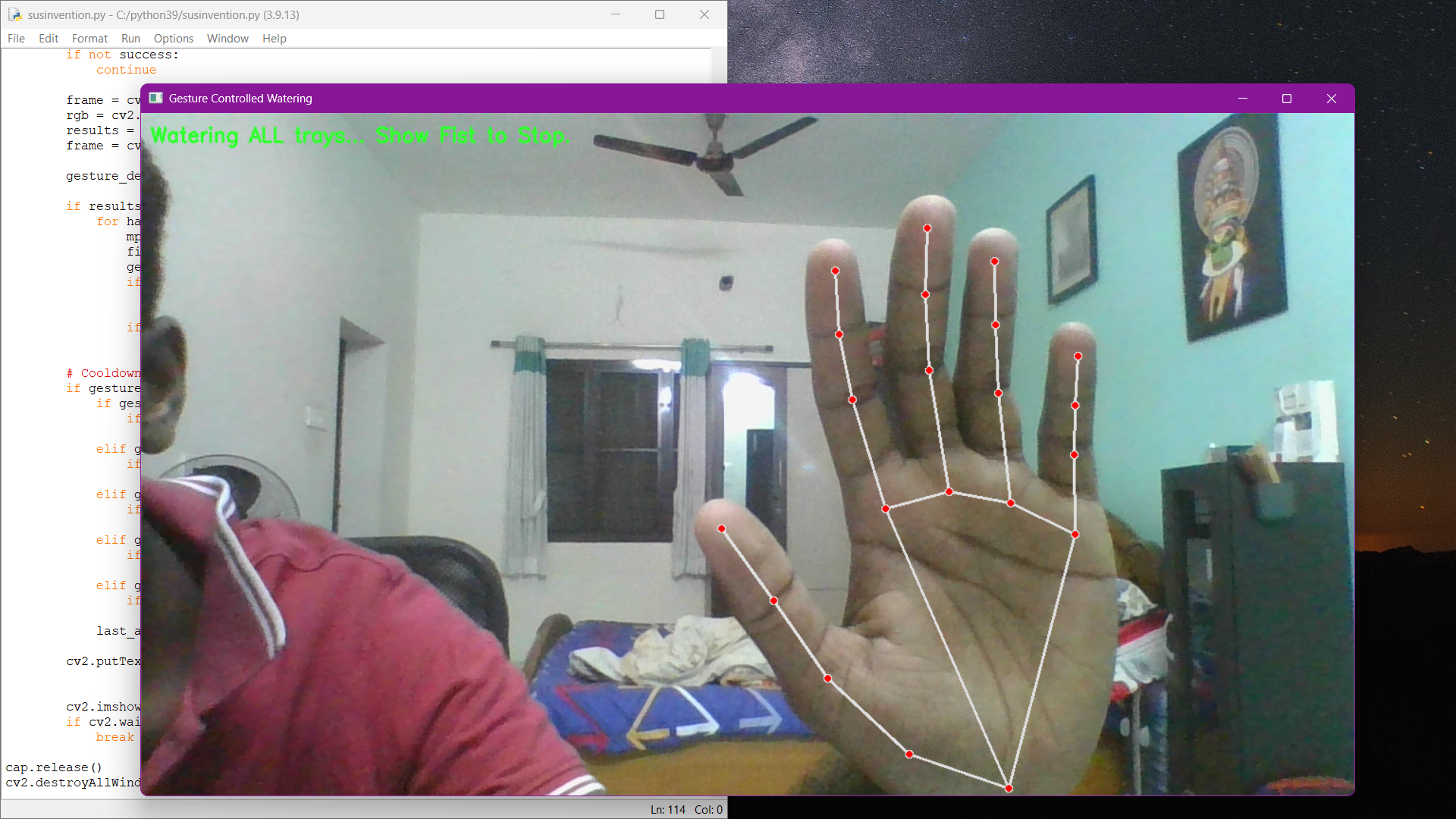
The Vision-Based AI Plant Watering System allows users to water plants using simple hand gestures. For example:
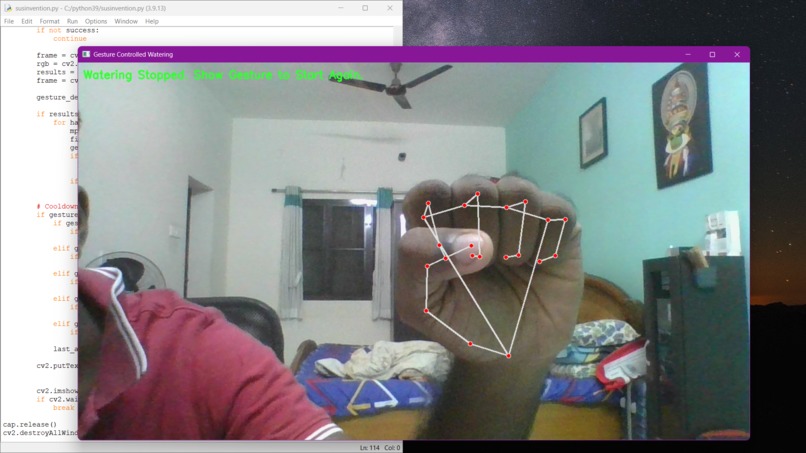
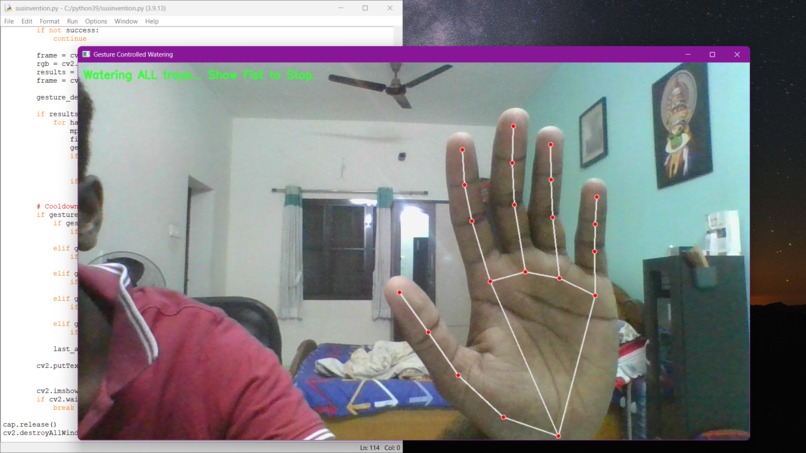
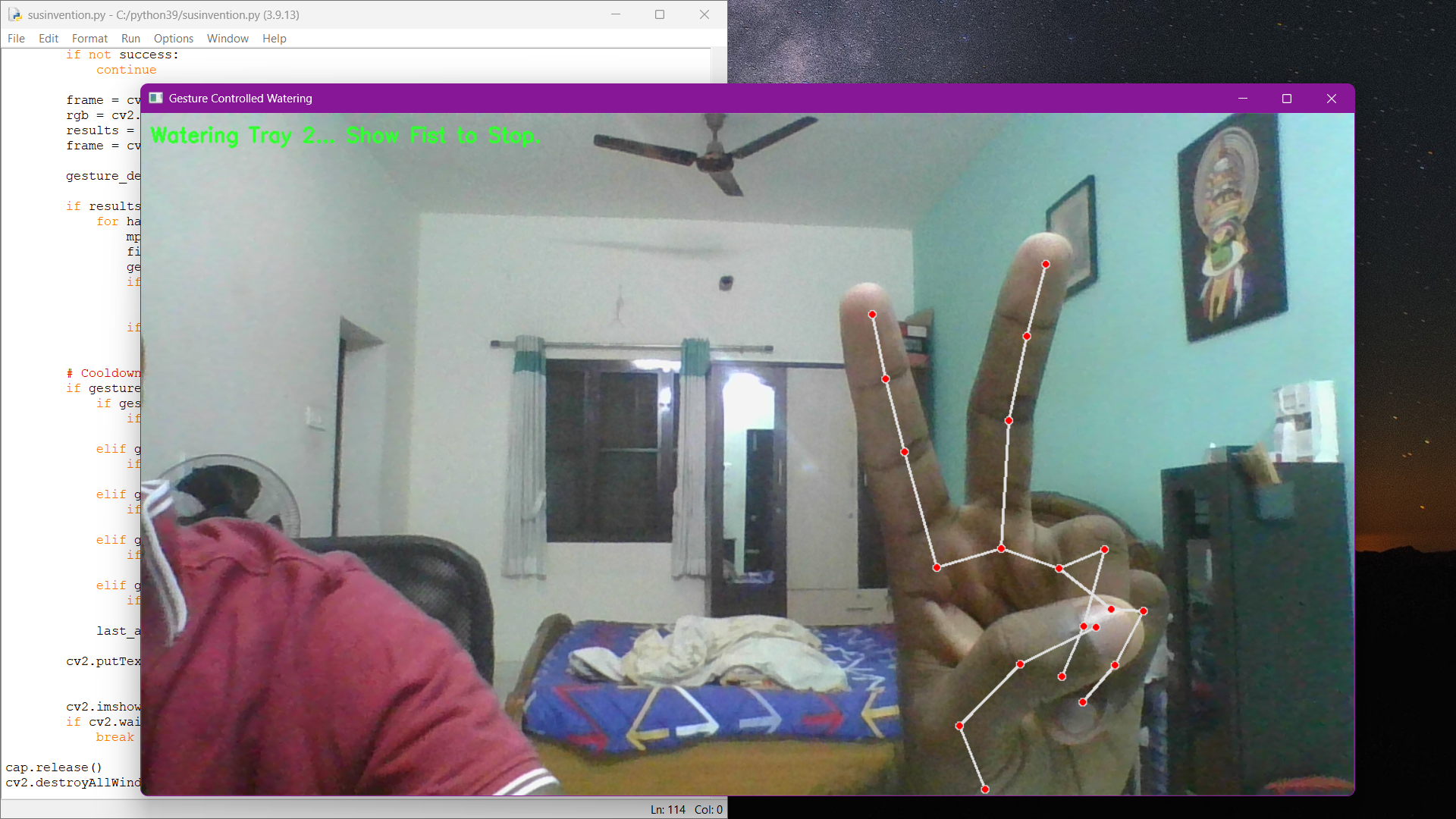
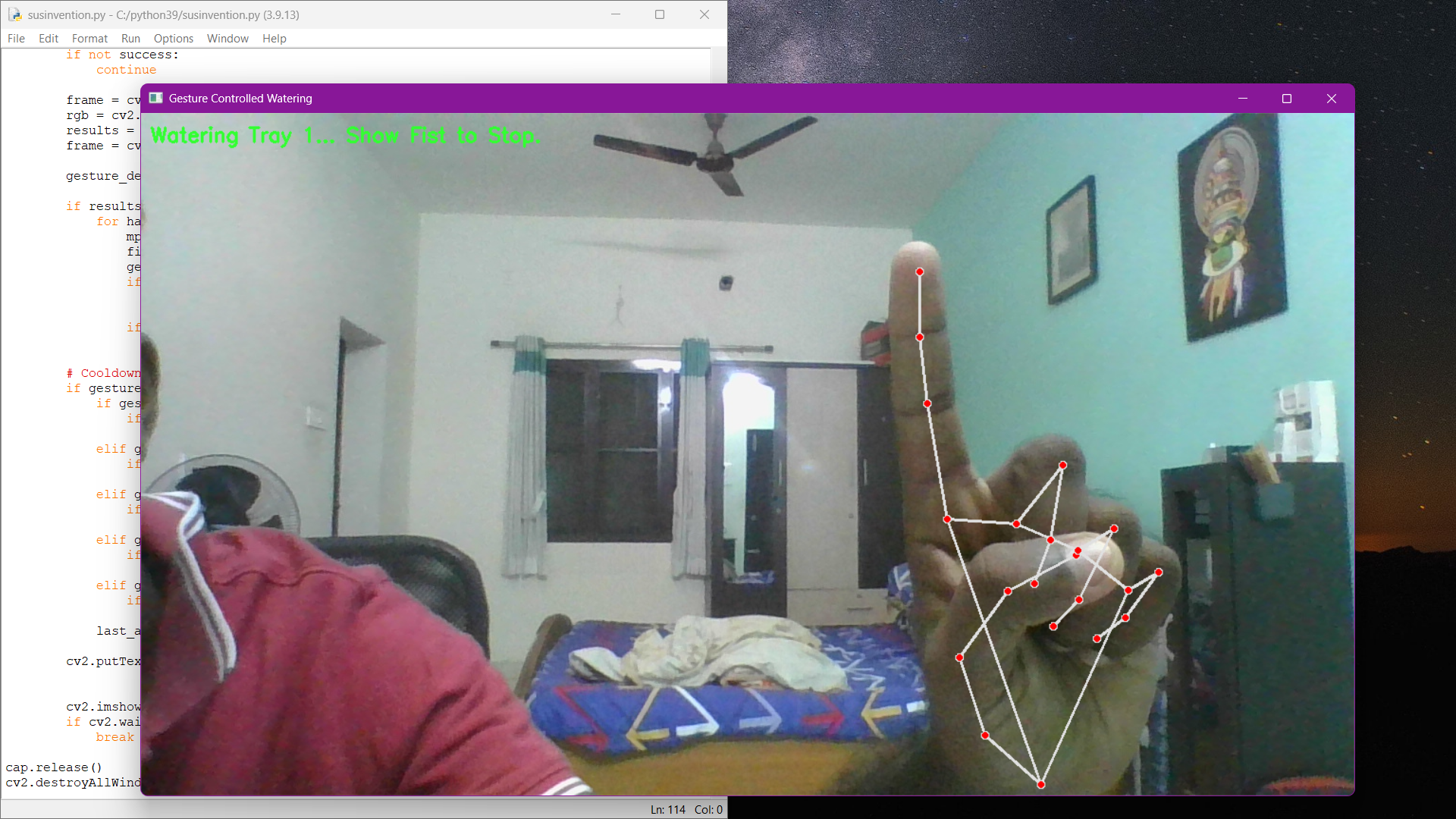
1.Showing one finger waters Tray 1.
2.Showing two fingers waters Tray 2.
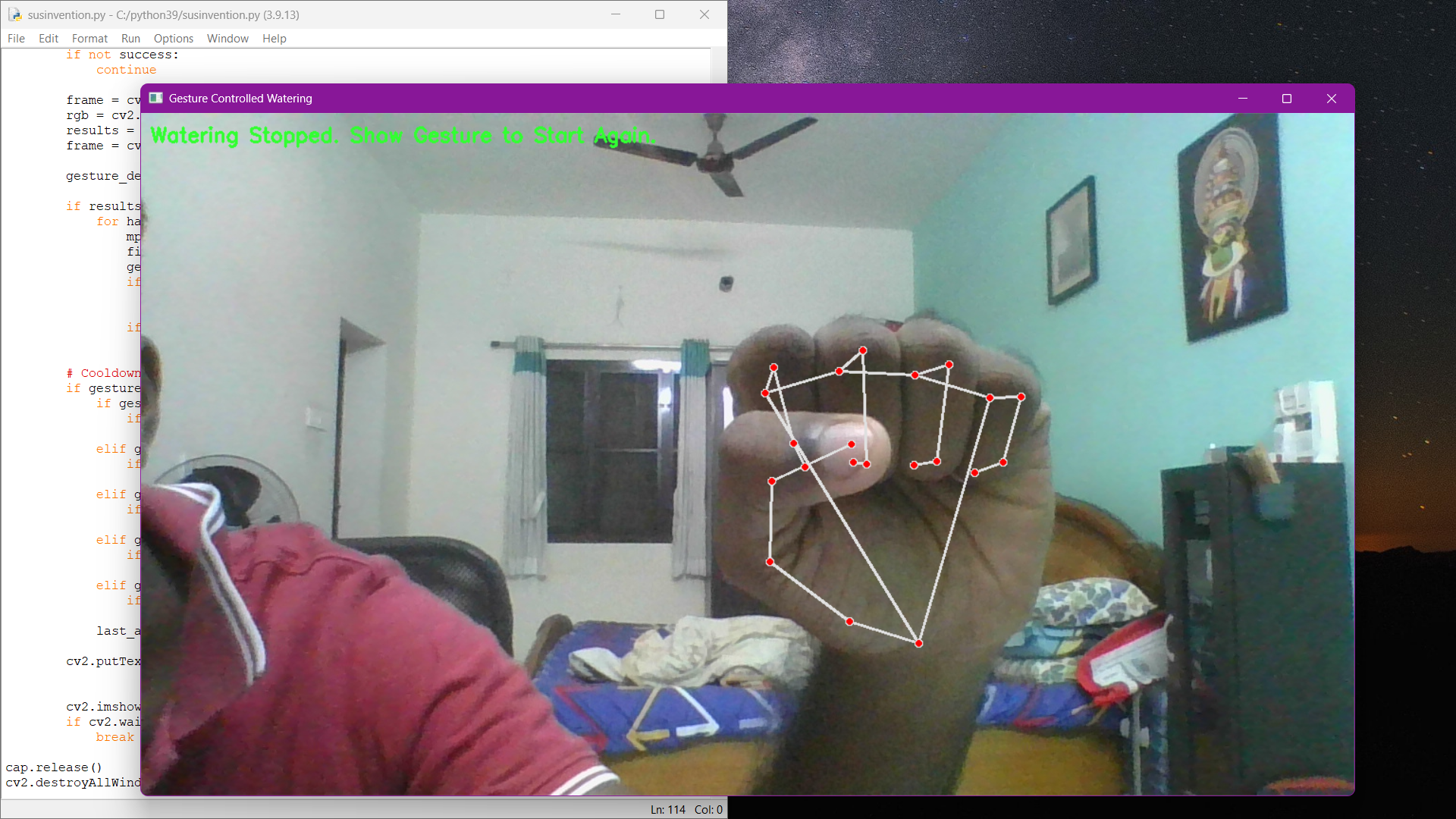
3.A closed fist immediately stops the watering.
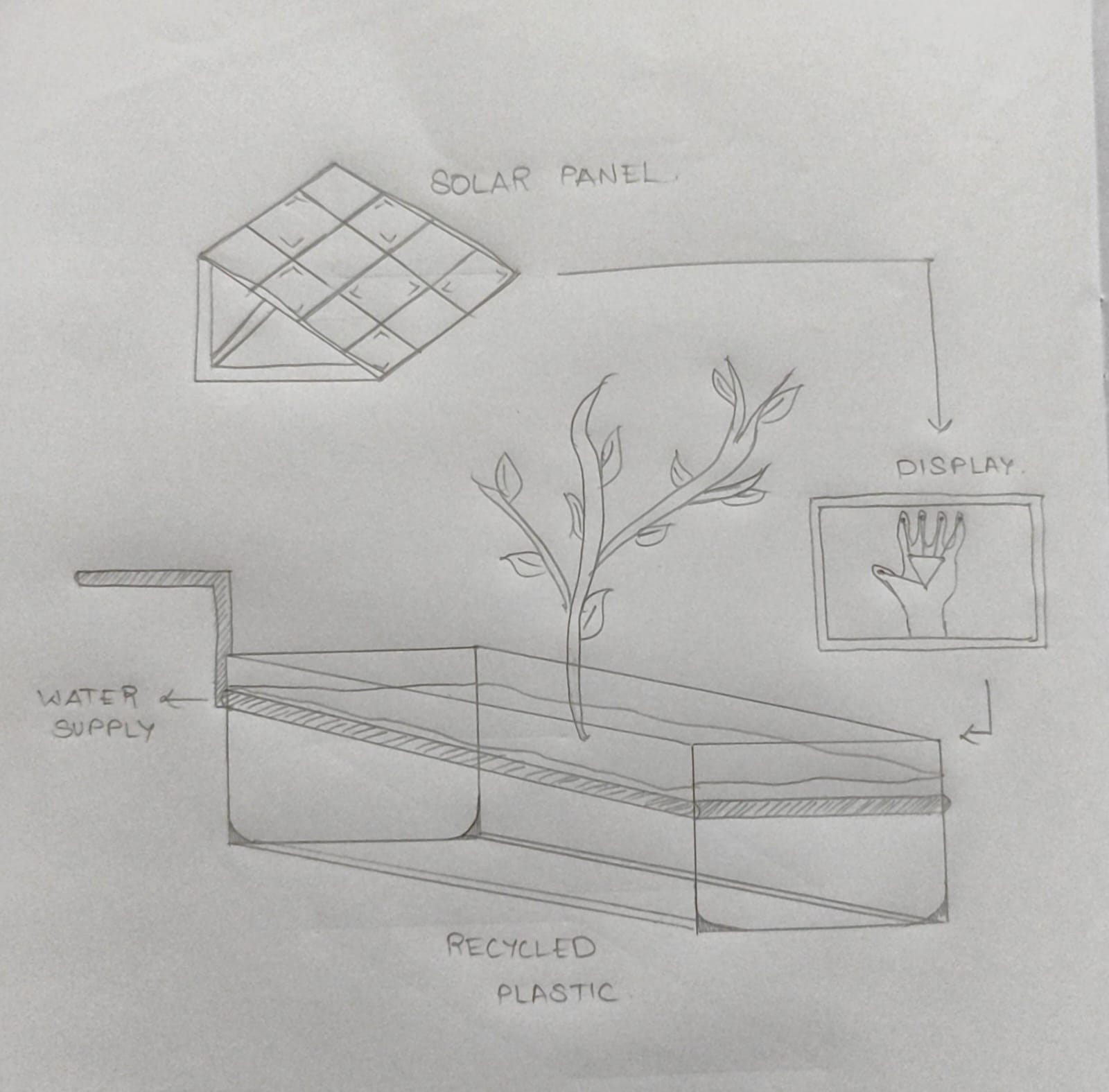
The system is powered by solar energy, making it sustainable and eco-friendly. Every watering action is logged with a timestamp, which can be used to analyze plant care frequency.
How we built it
We divided the project into three major parts:
- Software: #Used Python and OpenCV for real-time gesture recognition. #Implemented gesture mapping for different trays. #Added a logging system to record actions. -------- $$ \text{Gesture} ;\xrightarrow{\text{Camera}} ;\text{AI Model} ;\xrightarrow{\text{ESP32}} ;\text{Relay/Valve} ;\rightarrow ;\text{Water Flow} $$
Hardware:
Raspberry Pi for AI processing.
ESP32 for relay and valve control.
DC pump and solenoid valves for water flow.
Solar panel, charge controller, and battery for power.
Community Add-On:
A mobile app concept for surplus vegetable sharing within communities.
Challenges we ran into
1.Ensuring gesture accuracy under different lighting conditions.
2.Smooth communication between Raspberry Pi and ESP32 for real-time control.
3.Managing power reliability with solar panels during cloudy days.
4.Designing the system to remain simple enough for elderly and non-technical users.
Accomplishments that we're proud of
1.Built a working prototype that combines AI, IoT, and sustainability.
2.Created a contactless and inclusive system that makes gardening accessible.
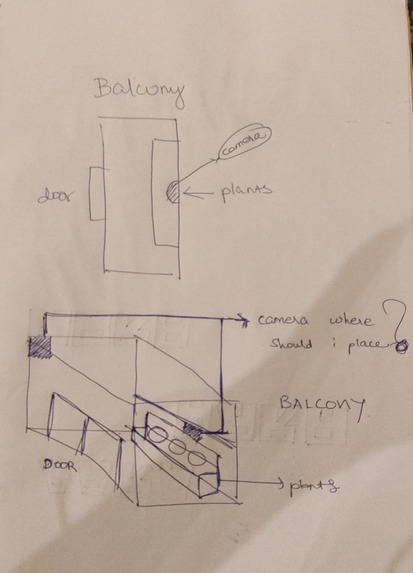
3.Designed the project to be scalable, from balcony gardens to community farming.
4.Added a community-driven vision through the surplus vegetable sharing feature.
What we learned
1.Hands-on experience with computer vision and gesture recognition.
2.Integrating hardware and software into a seamless system.
3.Importance of sustainable energy solutions like solar integration.
4.Building with empathy and user-centric design at the core.
What's next for Vision-Based AI Plant Watering System
1.Optimize the AI model to run efficiently on edge devices.
2.Develop a fully functional mobile app for monitoring and community sharing.
3.Extend the system to nurseries, vertical farms, and smart city initiatives.
4.Explore IoT cloud integration for remote monitoring and control.

Log in or sign up for Devpost to join the conversation.