-
-
Project Logo
-
Screenshot 1
-
Screenshot 2
-
Screenshot 3
-
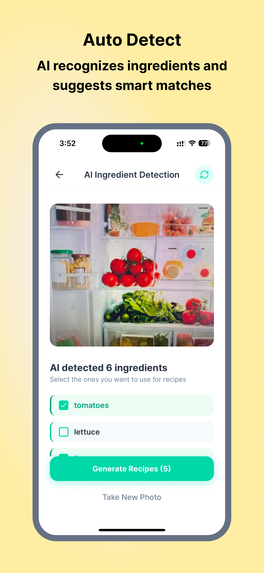
Screenshot 4
-
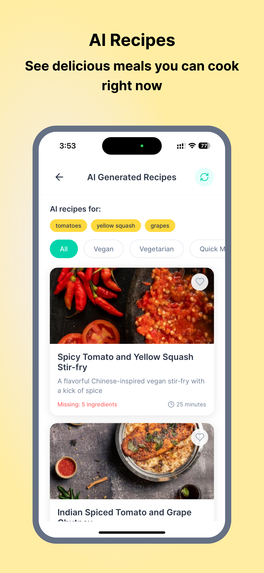
Screenshot 5
-
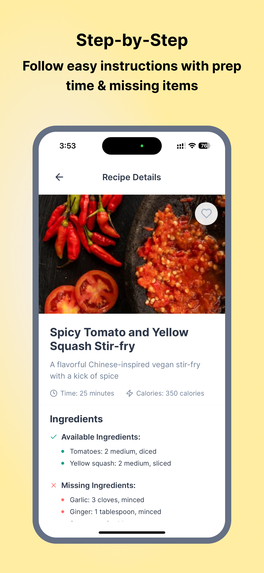
Screenshot 6
-
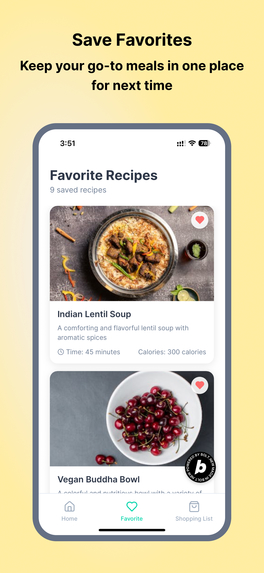
Screenshot 7
-
Screenshot 8
-
Screenshot 10
Inspiration
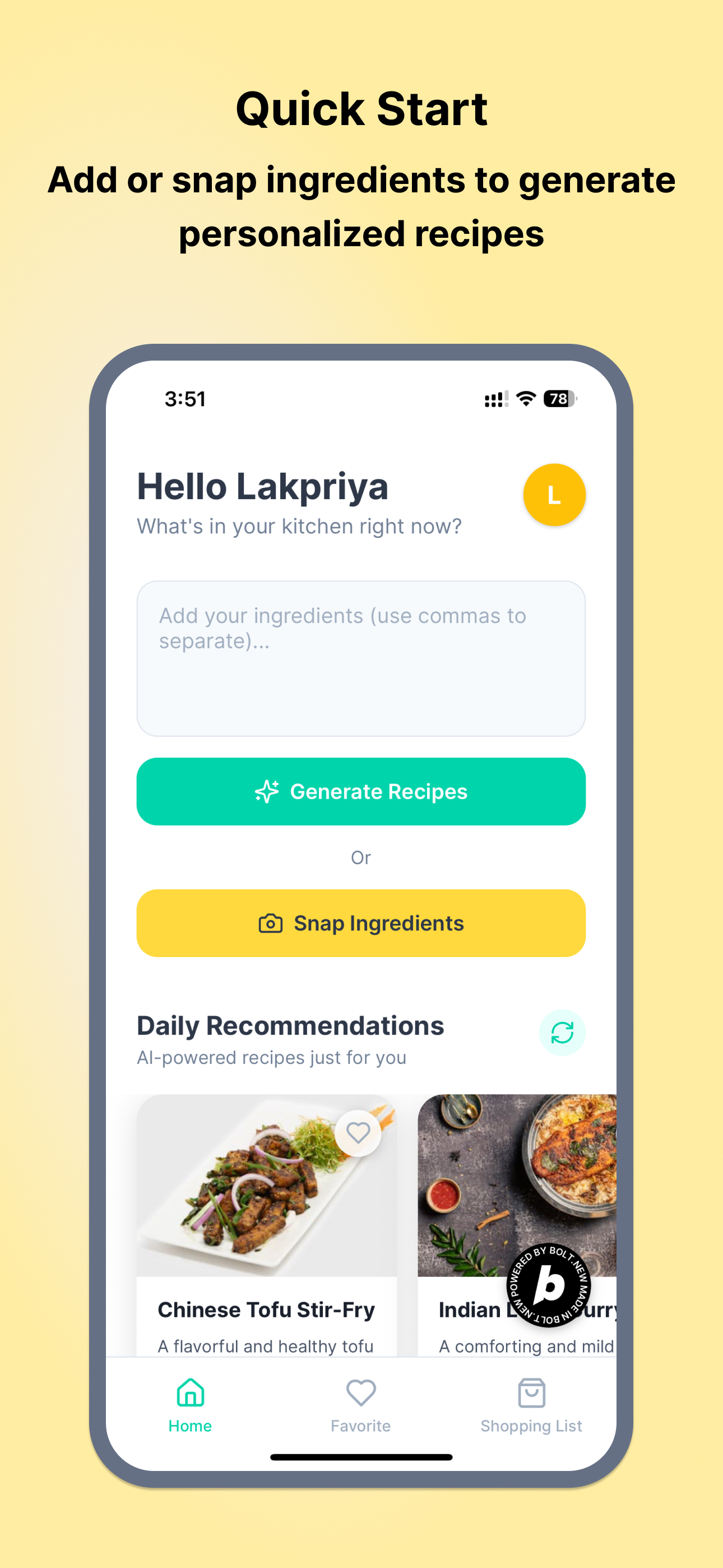
I was inspired by a familiar, everyday problem: staring into the fridge and thinking, “What can I make with this?” I wanted to solve that frustration with a smart, practical tool—something that could take the food I already had and turn it into real, cookable meals. That idea became VisChef.
What it does
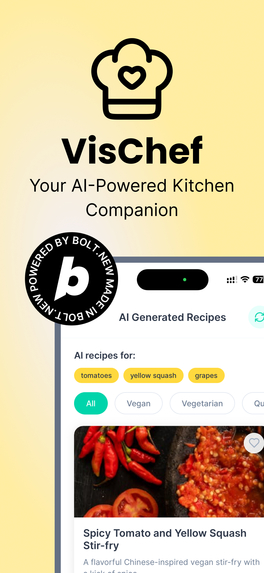
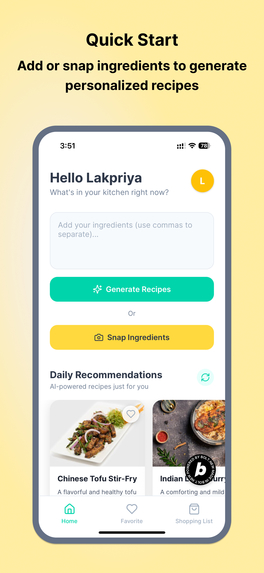
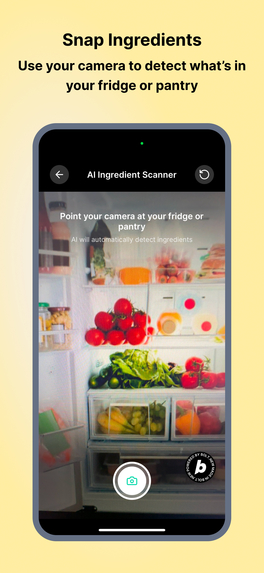
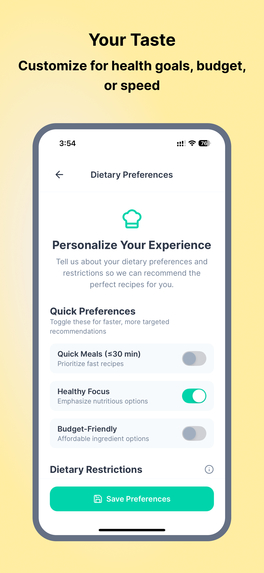
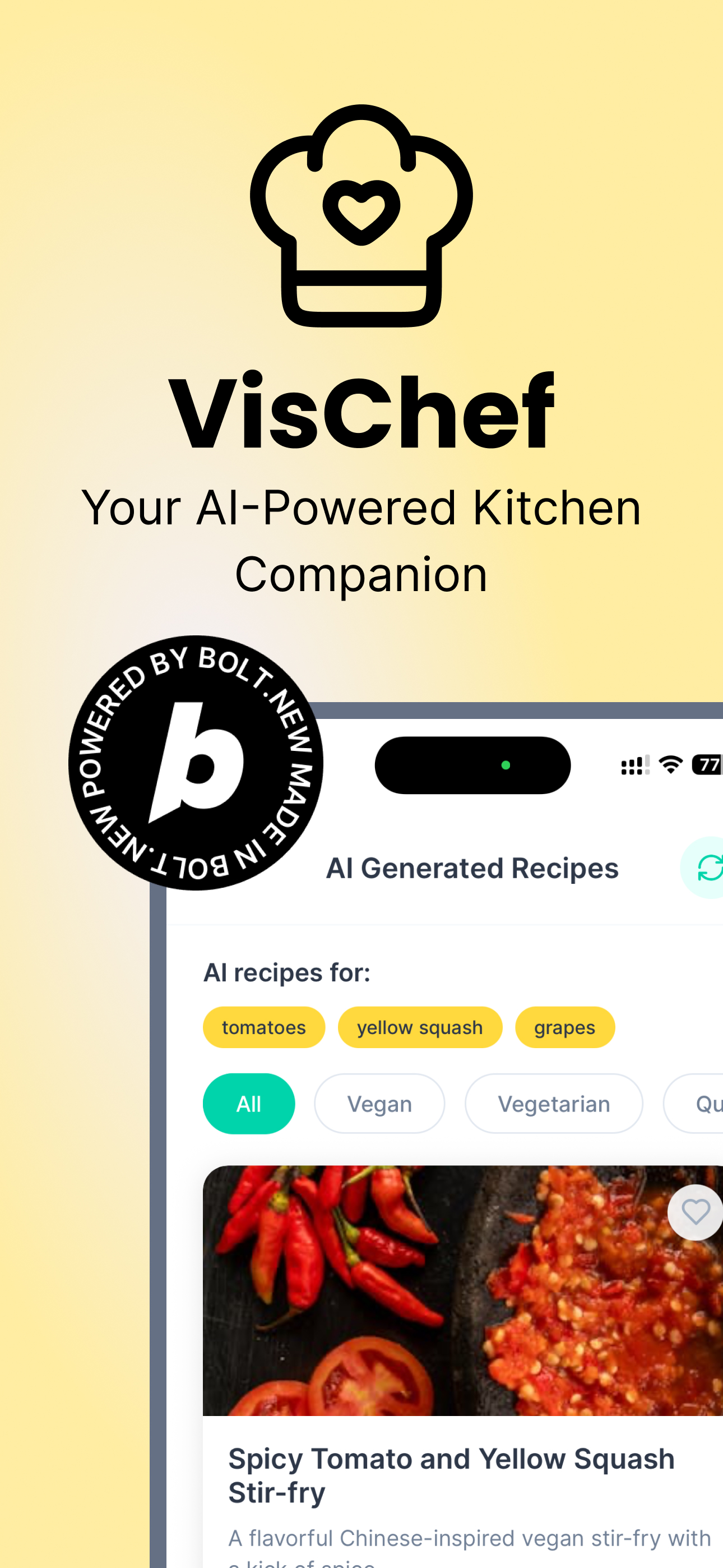
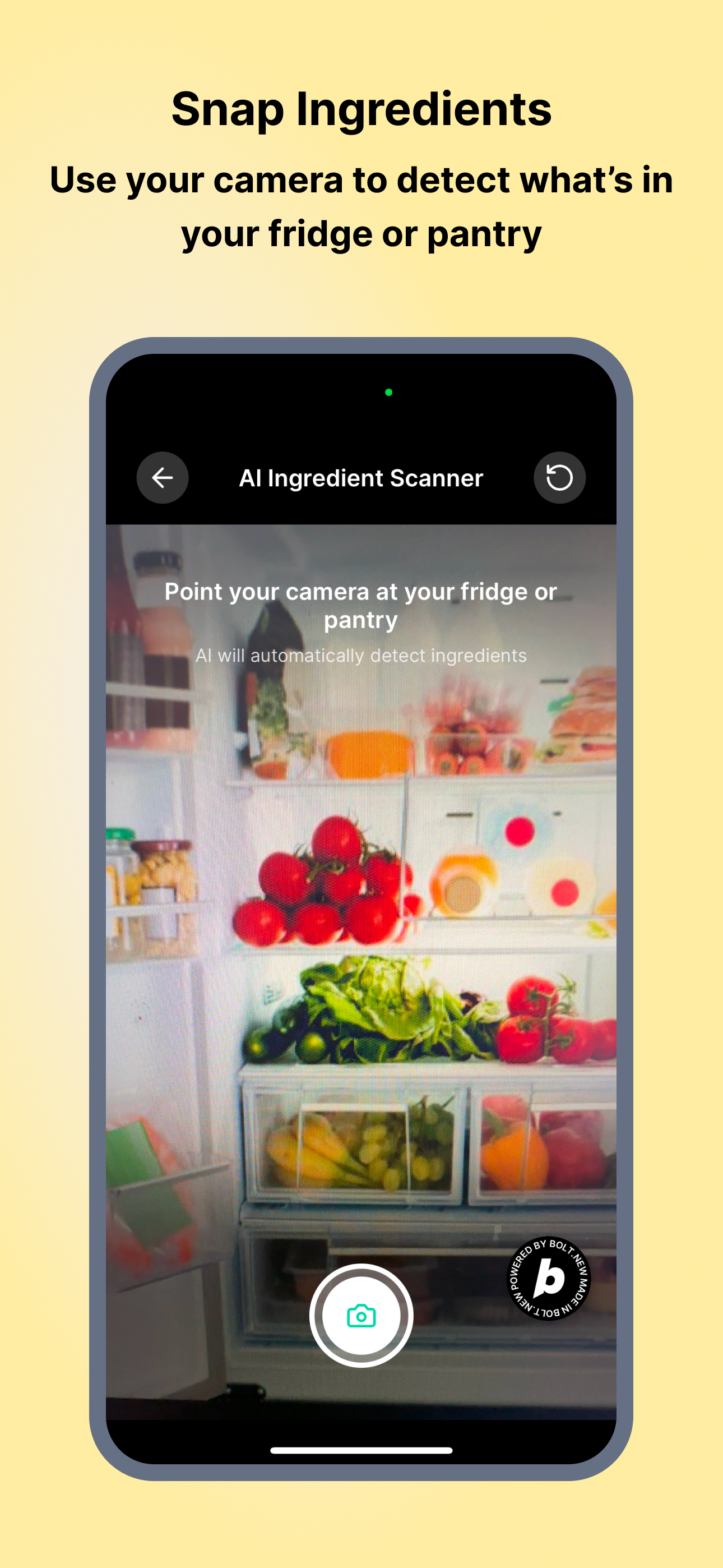
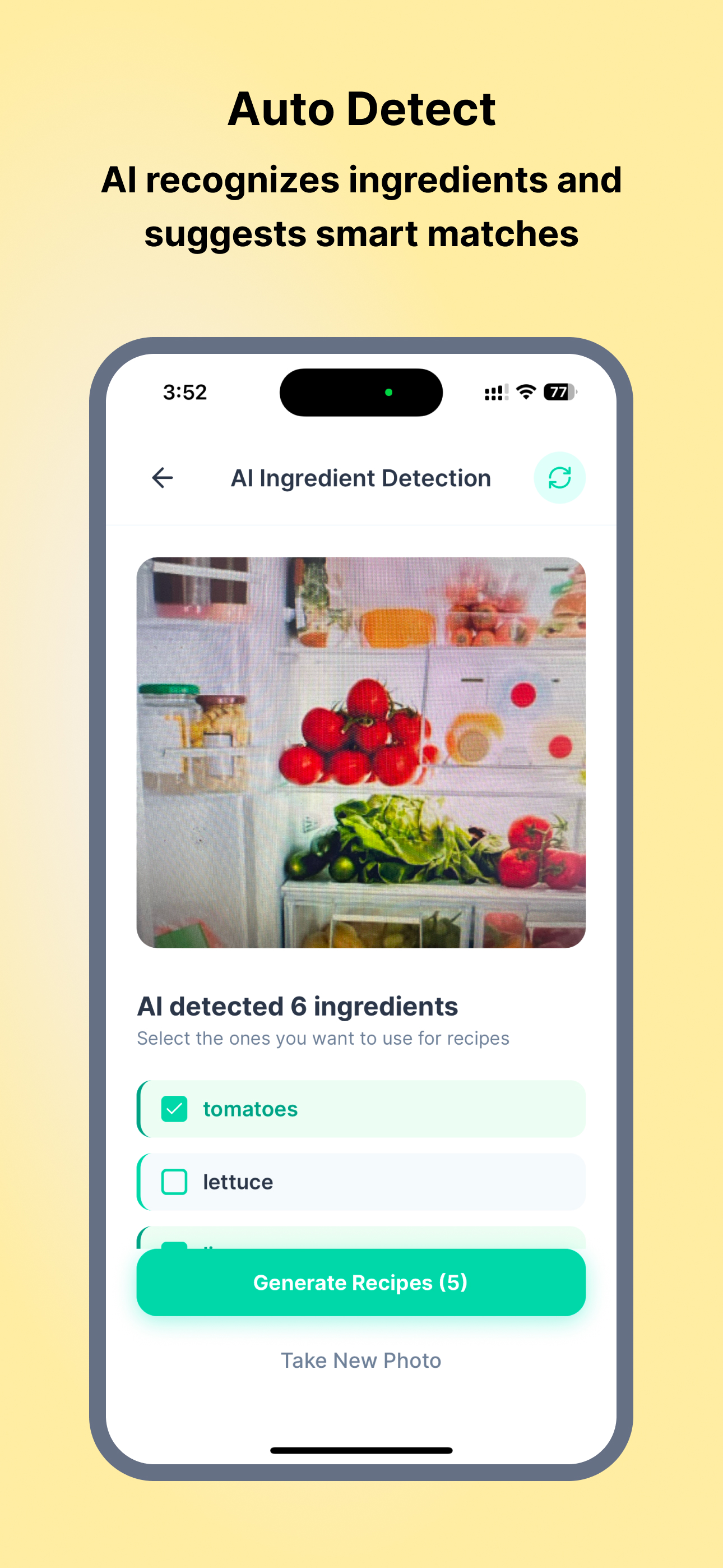
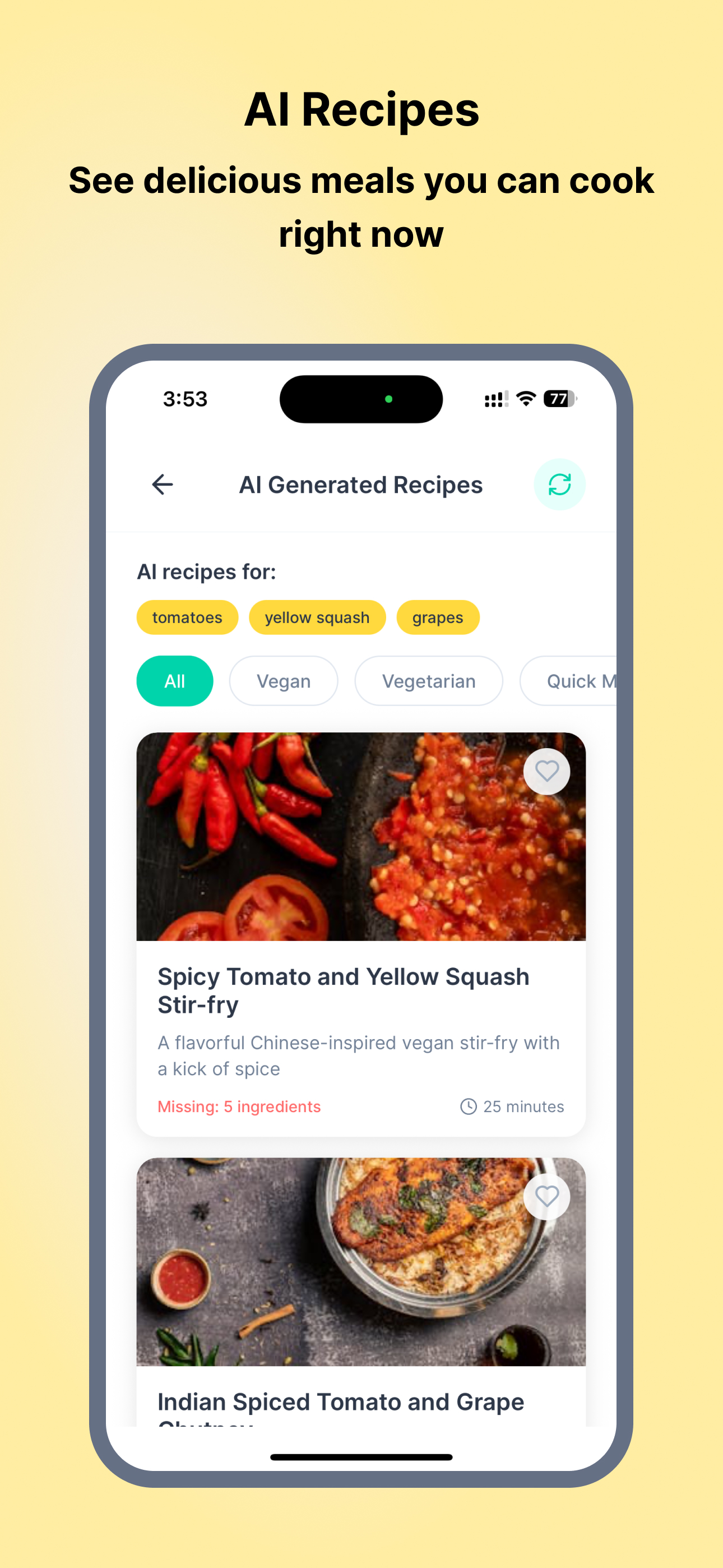
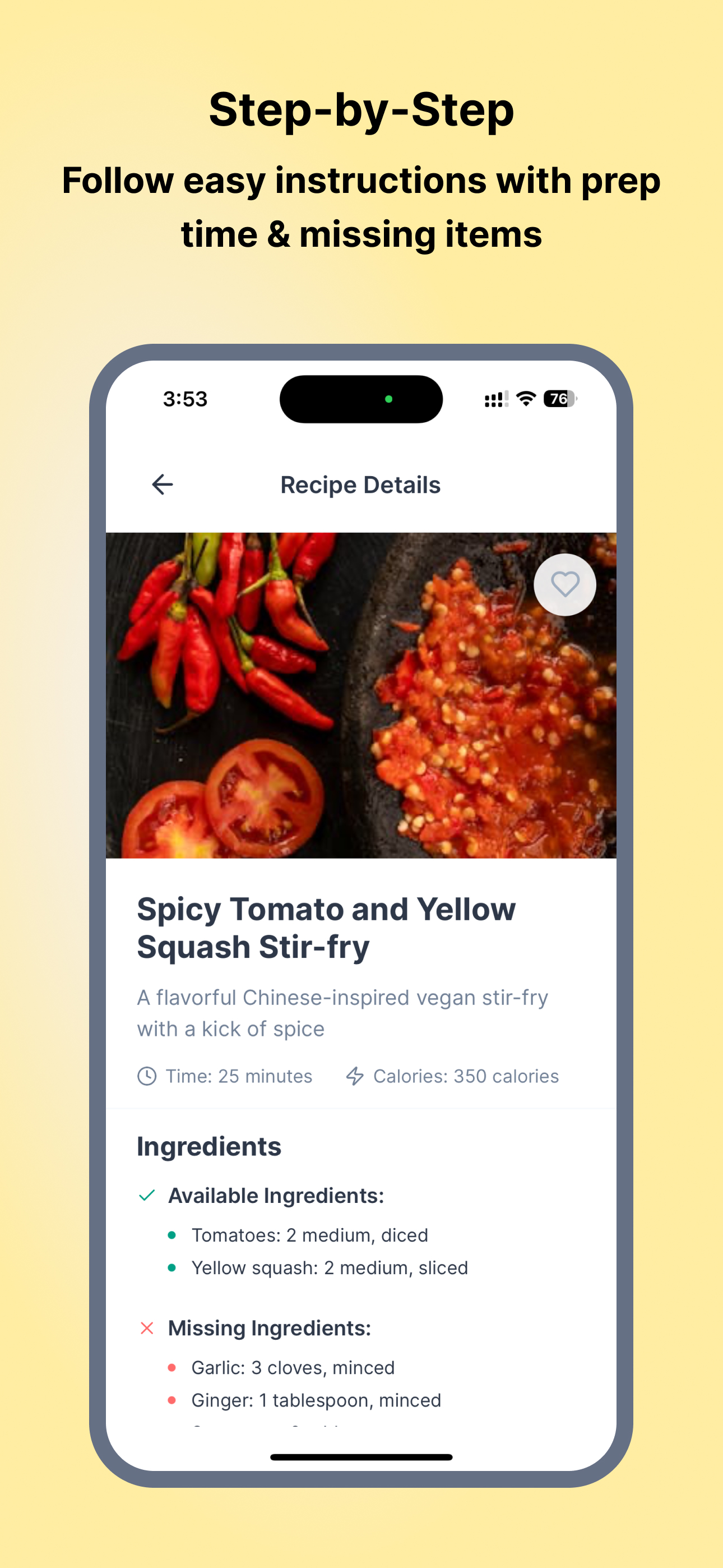
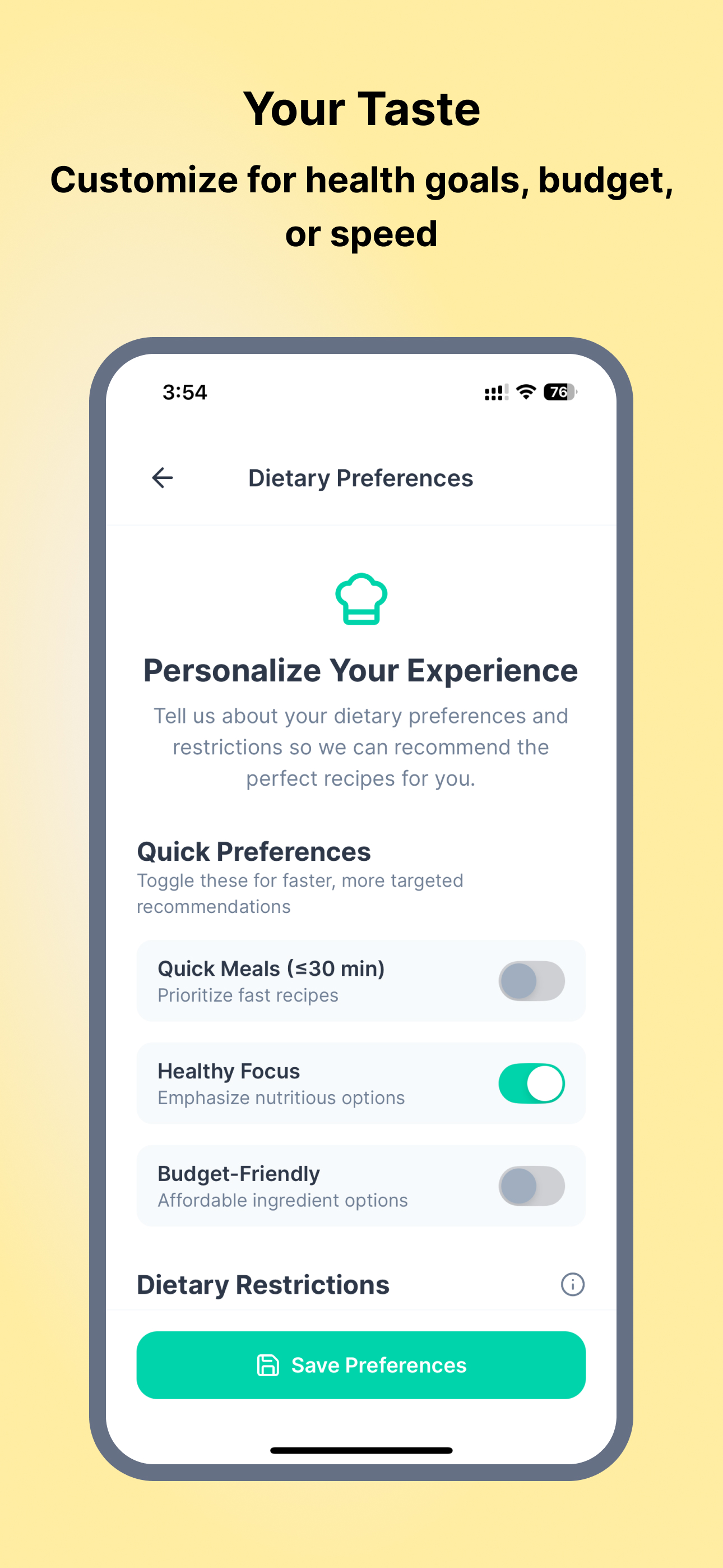
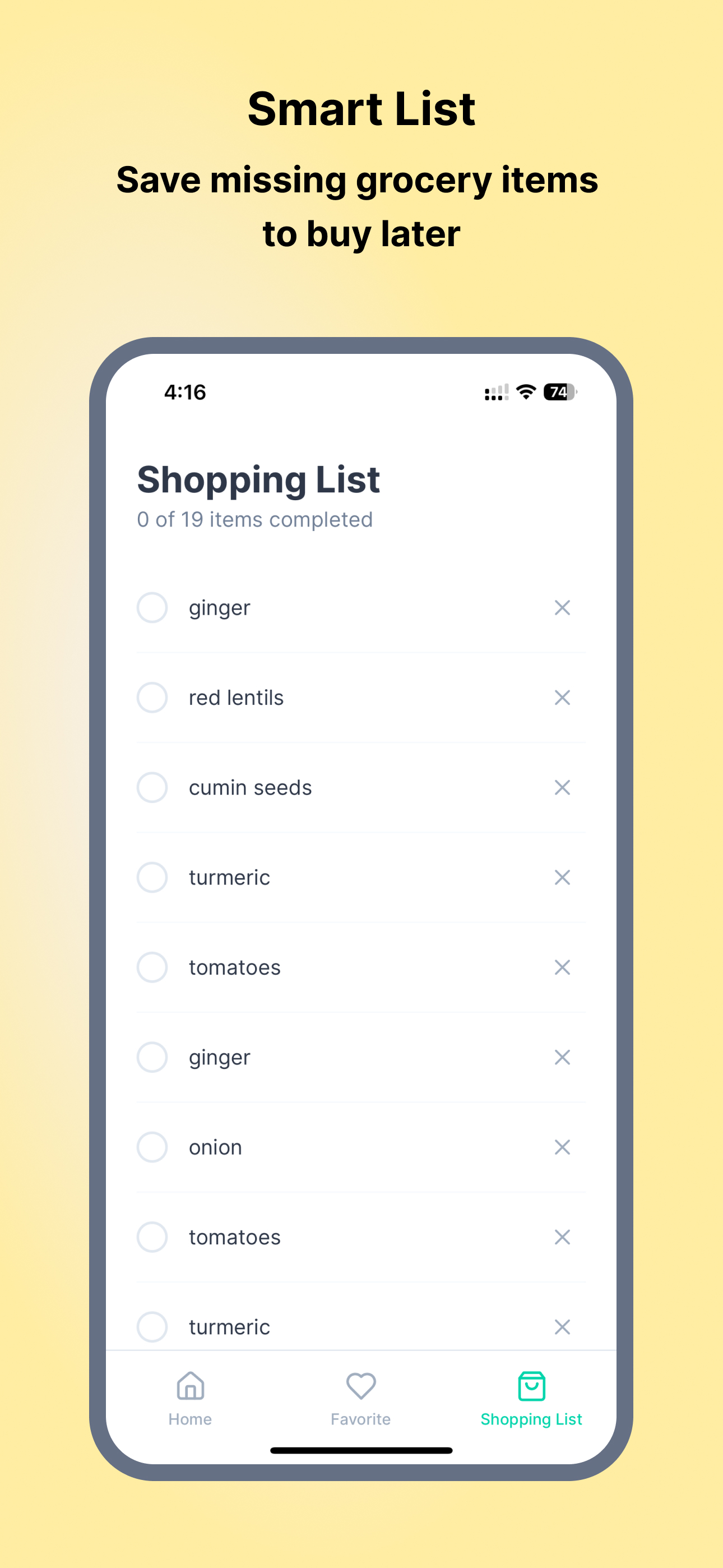
VisChef is an AI-powered mobile app and web app that generates personalized recipes based on what you have in your kitchen. Users can either manually enter their ingredients or snap a photo of their fridge or pantry. The app detects ingredients using image recognition, then suggests recipes using an AI recipe engine. It also highlights missing ingredients and allows users to save or explore variations based on dietary preferences.
How we built it
I used the Bolt.new platform to rapidly prototype and build the frontend. Supabase powers the backend for user authentication and data storage.
AI functionality includes:
- Image recognition to detect ingredients from photos
- Natural language generation to produce customized recipes
- User-specific filtering based on stored preferences
I focused on a clean, user-friendly design with onboarding screens, secure authentication, and a modular recipe generation engine.
Challenges we ran into
One major challenge was prompt engineering with OpenAI. Getting the AI to consistently generate accurate and useful recipes based on minimal or vague ingredient input took a lot of iteration. I had to carefully design the prompts to balance creativity and practicality, while still keeping responses short and readable for mobile users.
Accomplishments that we're proud of
- Built a fully functional, end-to-end app in a short time
- Seamlessly integrated AI for both image detection and recipe generation
- Designed a beautiful, intuitive UI with smooth onboarding
- Delivered real-time, relevant meal suggestions using live ingredient input
- Made cooking feel fun and effortless—especially for non-chefs
What we learned
- How to leverage vibe coding tools like Bolt.new and Supabase to move fast without sacrificing flexibility
- The value of using AI to solve everyday, relatable problems
- Designing for real-world conditions requires thoughtful fallback UX
- Creating delight in user experience can be as important as getting the tech right
What's next for VisChef: Your AI-Powered Kitchen Companion
VisChef has a strong foundation, and I'm excited to expand it into a more intelligent, interactive, and connected cooking experience. Here’s what’s next:
Enable Voice Input & Smart Speaker Integration
Users will be able to talk to VisChef—ask what they can cook, request substitutions, or follow cooking instructions hands-free via voice commands or through smart speakers like Alexa or Google Home.
Stream Recipes and Ask Questions in Real-Time
Users can follow along with interactive, step-by-step recipe guides via audio or video, and even ask the AI clarifying questions like, “How do I sauté onions properly?” or “What can I use instead of garlic?”
Offer Recipe Sharing and Social Features
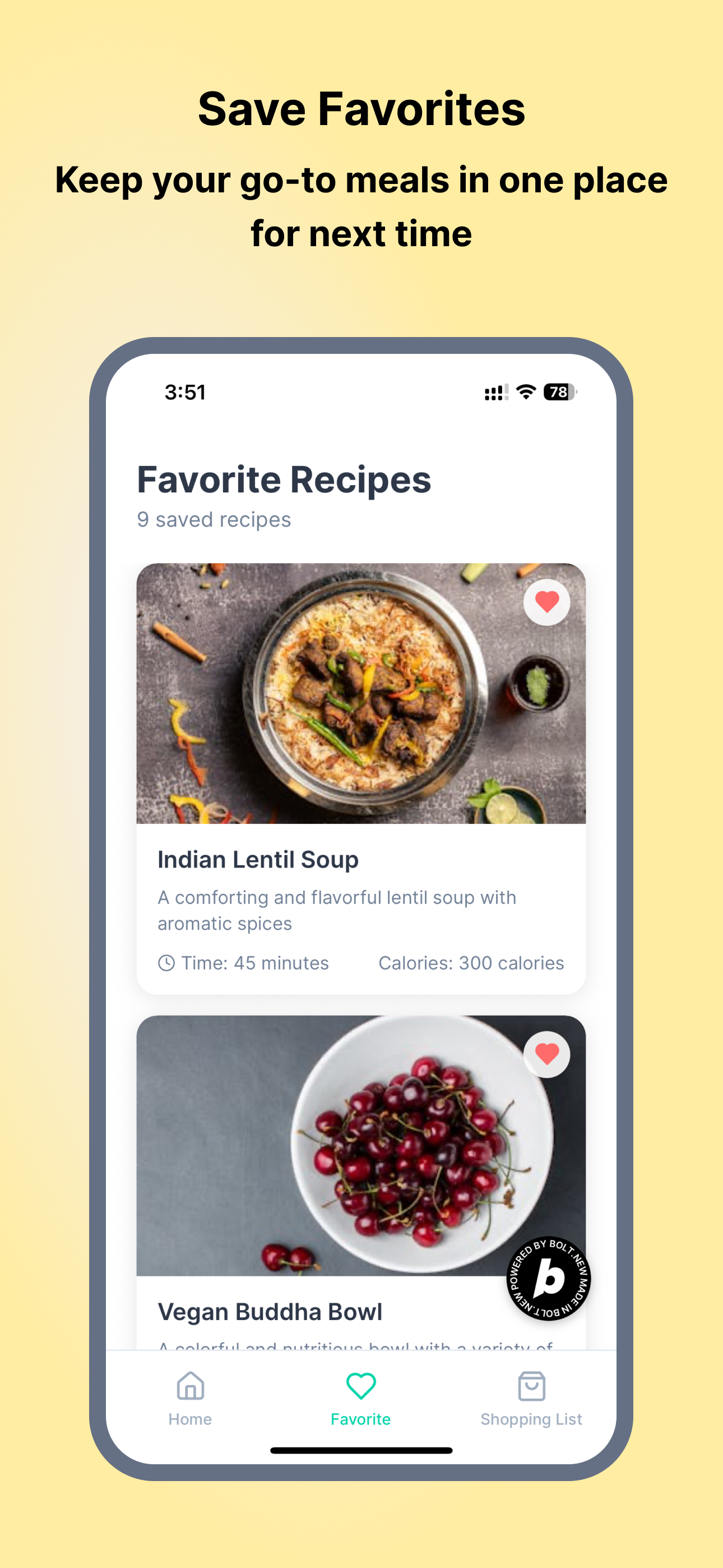
Add the ability for users to save, rate, and share their favorite recipes with friends or within a community. Profiles could include “My Creations” and allow custom AI-generated recipes to be published.
Improve AI Accuracy with Feedback Loops
Introduce user feedback mechanisms like thumbs-up/down on recipes, or success tracking ("Did you cook this?"), to help refine the AI’s suggestions based on real usage and preferences.
Integrate a Marketplace to Buy Ingredients and Kitchen Tools
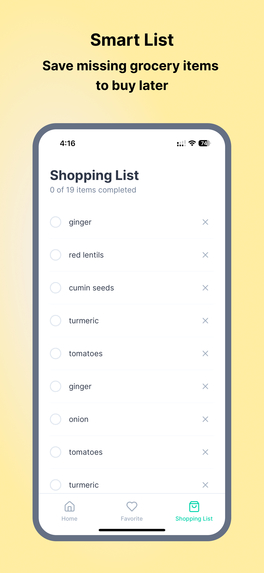
Allow users to buy missing ingredients or recommended kitchen tools directly from the app via integrated partners (like Instacart, Amazon, or local grocers), turning the app into a smart cooking + shopping assistant.
Contact Real Chefs If Needed
Offer an expert layer where users can chat or schedule quick Q&As with real chefs for tips, substitutions, or live help with a recipe. This could be a premium or community-driven feature.
Built With
- bolt.new
- expo.io
- react-native
- supabase
- web


Log in or sign up for Devpost to join the conversation.