Inspiration
We all love traveling and have family overseas that we like to visit occasionally (or sometimes they come visit us), but the complexity of the visa application process has stopped us from doing so more often. The high cost, confusing requirements, and time-consuming nature of the process inspired us to create a more intuitive, accessible way to apply for travel visas — especially for short-term tourism.
What it does
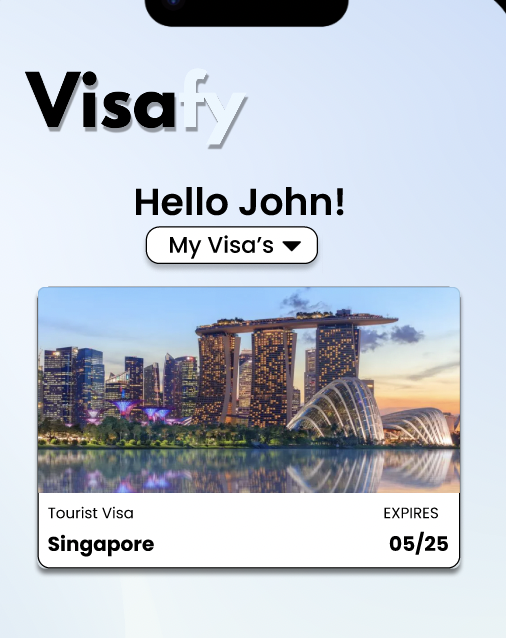
Our application streamlines the e-VISA process by allowing users to select their destination, check eligibility, fill out application forms, and upload required documents — all within a single, user-friendly interface. It also includes features like biometric scanning, AI chatbot support, and real-time status tracking, all designed to reduce friction in planning international travel.
How we built it
We designed the entire user experience in Figma, starting with low-fidelity wireframes to map out core user flows like selecting a country, uploading documents, and tracking application status. From there, we developed mid- and high-fidelity prototypes with interactive components, simulating key user actions like clicking through form steps or scanning biometrics. We focused on clean layout, accessibility, and clarity to make the platform feel approachable for first-time users
Challenges we ran into
One of the biggest challenges was figuring out how to present a complex process like visa applications in a way that felt simple and approachable. It took multiple iterations to design clear user flows that wouldn’t overwhelm the user. We also had to carefully consider how to represent sensitive features like biometric data collection and document uploads in a trustworthy and secure-looking way — all while working within the constraints of a design tool like Figma.
Accomplishments that we're proud of
We’re proud of how well we translated a real-world problem into a clean, intuitive user interface. From wireframes to high-fidelity prototypes, we created a full set of interactive screens that demonstrate exactly how VisaFy would work in practice. We're also proud of incorporating accessibility and multilingual support considerations into our design from the start, making the app more inclusive for international users.
What we learned
We learned how important it is to break down complex systems into smaller, user-friendly flows. We also gained experience working collaboratively in Figma, from wireframing and component creation to prototyping and user testing. Most importantly, we learned how thoughtful UX design can empower users, especially when dealing with something as intimidating as international bureaucracy.
What's next for VisaFy
Next, we’d love to start building out a working version of the application using frontend tools and connect it with APIs for real-time visa requirement data and secure document processing. We also want to conduct usability testing with people who’ve applied for visas before to refine the experience. Long-term, we envision VisaFy becoming the go-to hub for short-term travel visa applications: fast, secure, and stress-free.
Built With
- figma

Log in or sign up for Devpost to join the conversation.