Inspiration
Virus Hunter was inspired by the electronic board games I loved growing up in the 1990s—those glowing consoles that blended light, sound, and imagination into something unforgettable. I wanted to capture that same thrill of racing against time, but bring it to life in an immersive, multiplayer world where players are inside the action instead of sitting around the board.
What it does
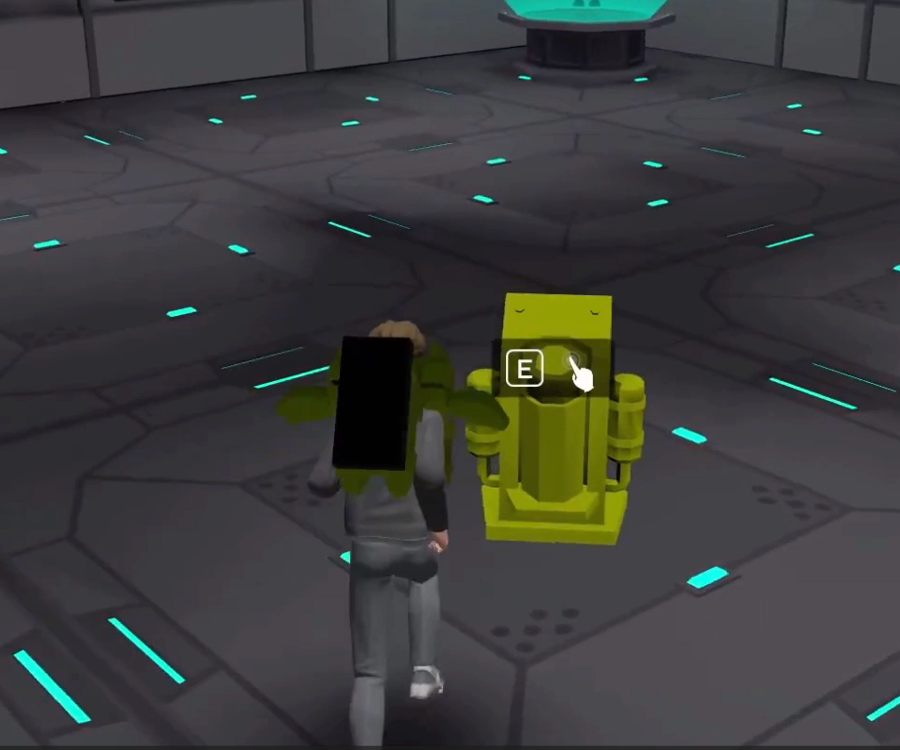
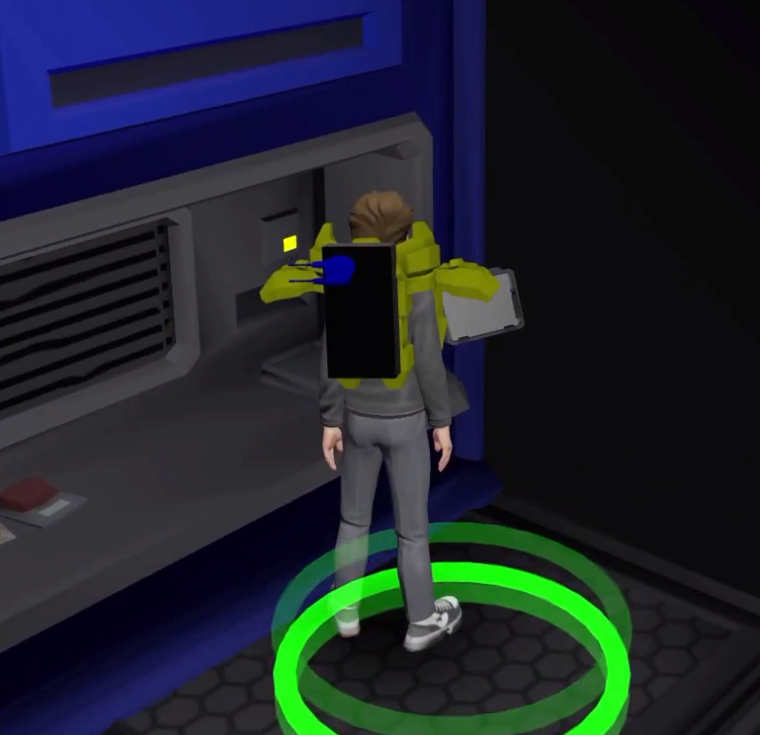
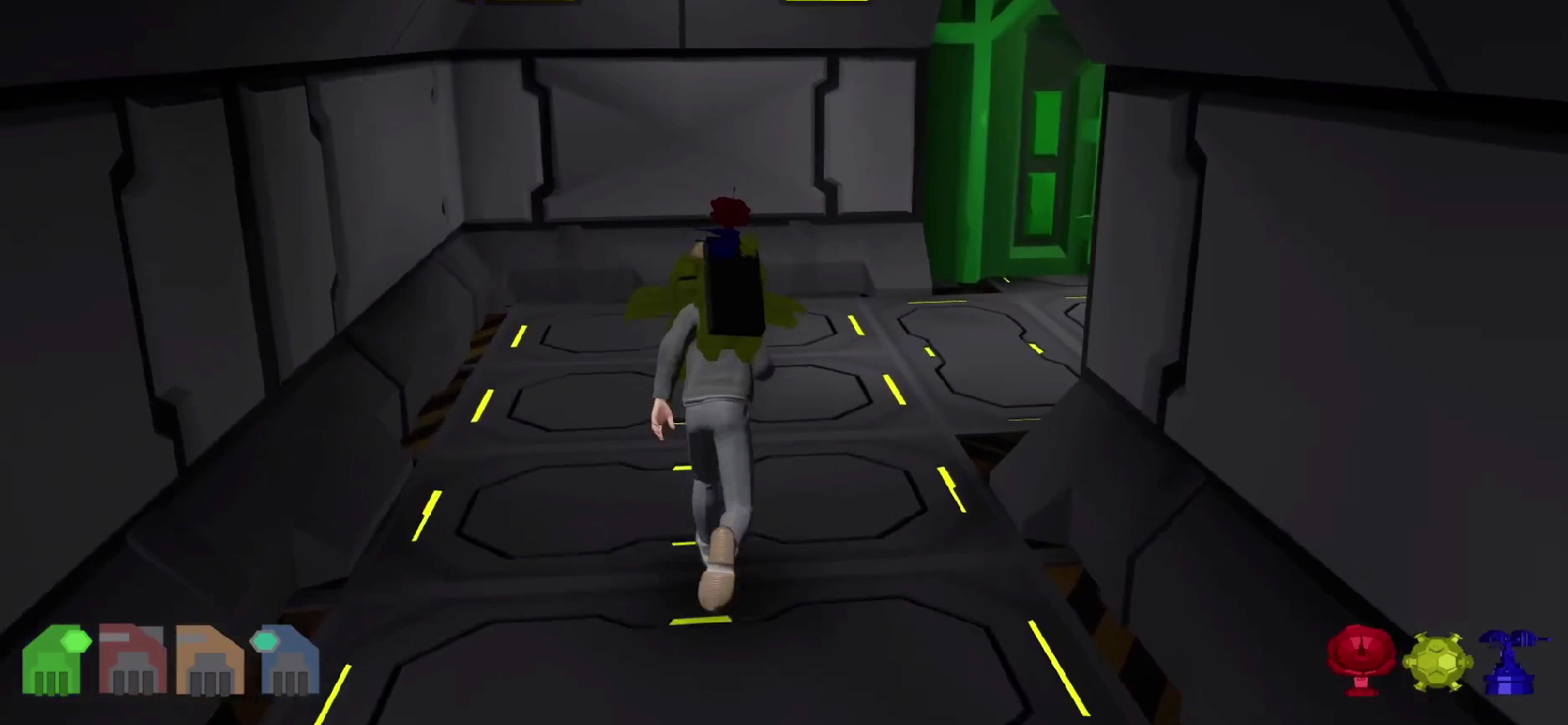
Virus Hunter drops players into a space station under attack by a rogue AI. They must explore rooms, collect key items, and outsmart both the virus and each other before the system collapses. The virus moves secretly, shutting down rooms and corrupting systems, making each playthrough a mix of tension, teamwork, and betrayal.
How we built it
I built Virus Hunter using Horizon Worlds Scripting with TypeScript, creating modular logic managers that control movement, inventory, and random virus behavior. Communication between local and default scripts was a key focus, ensuring that multiplayer synchronization felt smooth and reliable.
Challenges we ran into
The biggest challenges were learning TypeScript from scratch and understanding how Horizon handles script scopes. Getting local and networked events to work together took experimentation, debugging, and lots of iteration.
Accomplishments that we're proud of
I’m proud of how the world captures the atmosphere of a sci-fi board game—complete with glowing corridors, tense sound design, and unpredictable outcomes. It feels both nostalgic and fresh.
What we learned
This project taught me how Horizon Worlds really thinks. I learned efficient event design, script communication patterns, and multiplayer testing techniques that will carry into every future project.
What's next for Virus Hunter
Next, I plan to expand Virus Hunter with PvP combat, leaderboards, quests, and unlockables.
Built With
- horizon
- typescript


Log in or sign up for Devpost to join the conversation.