
Inspiration
The inspiration behind E-Mind Mirror stemmed from recognizing the dire need for accessible mental health care solutions in today's society (1 in 8 people globally live with a mental health problem – depression, anxiety, addictions, etc.). As a team deeply invested in understanding and addressing mental health issues, we observed the growing prevalence of mental health problems juxtaposed with the increasing awareness of the importance of mental well-being. This paradox prompted us to delve deeper into exploring innovative ways to make mental health care more accessible, convenient, and effective for everyone. In our exploration, we learned about the widespread adoption of cognitive-behavioral therapy (CBT) as one of the most effective treatments for various mental and emotional health challenges. However, traditional methods of CBT journaling often proved to be tedious and time-consuming, acting as barriers for many individuals seeking therapy. This highlighted the crucial need for a more efficient and user-friendly approach to CBT journaling. With a clear understanding of the problem and the potential of leveraging technology to address it, we embarked on building E-Mind Mirror. The core concept was to develop a diary app that simplifies the practice of CBT, making therapy more accessible and convenient for users.
What it does
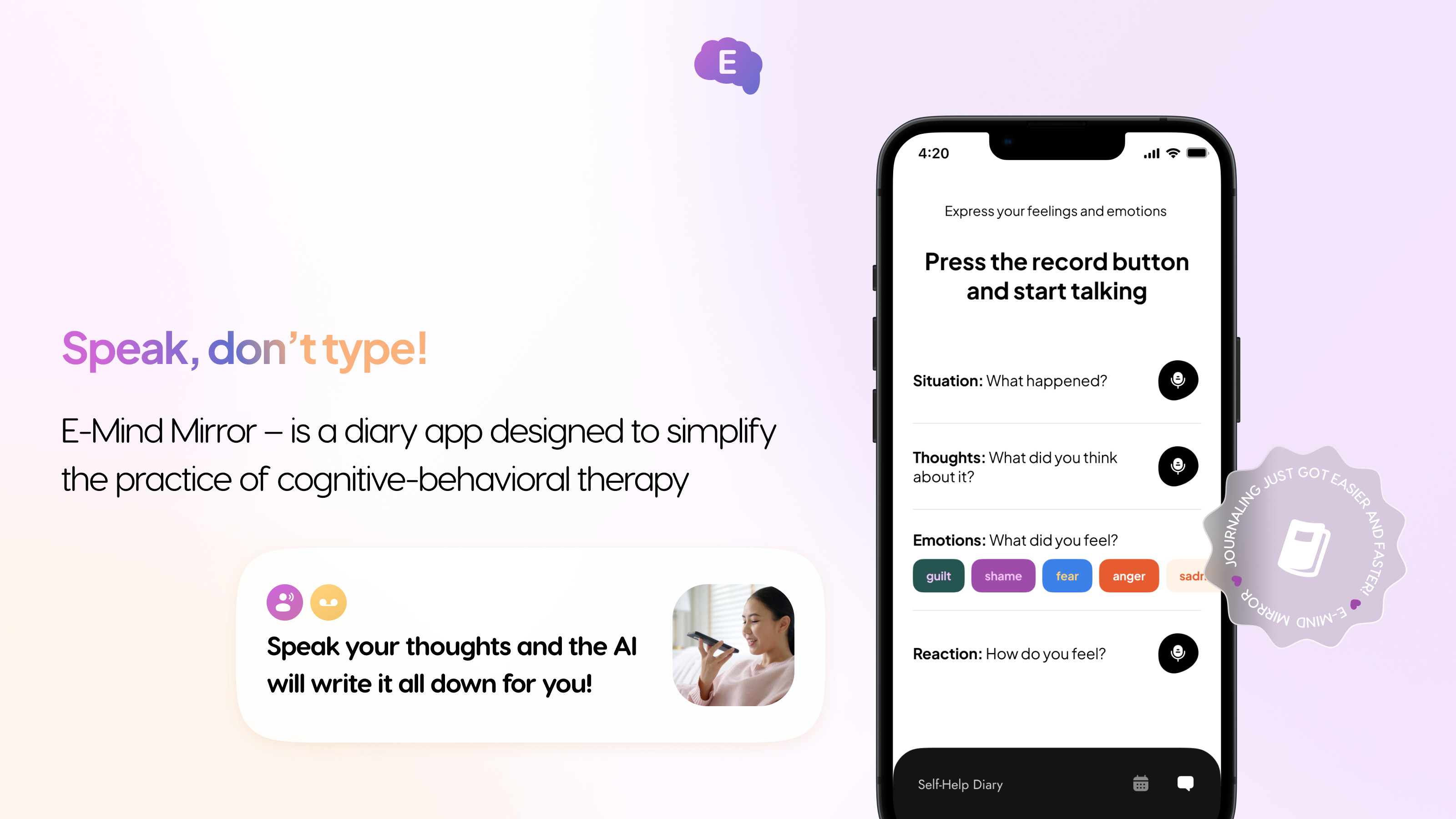
The E-Mind Mirror App is a mobile CBT self-monitoring diary that simplifies the practice of cognitive behavioral therapy. Intuitive CBT Journaling: The app presents a set of questions based on Cognitive Behavioral Therapy. What happened? What did you feel? How did it affect your behavior? Users can record voice responses to each question. Select a tag from a list to describe their emotion (for example fear). Automatic Speech-to-Text Transforms and Mood Calendar:
- Voice recordings are automatically transcribed into text format, providing a convenient record of users' thoughts.
- Each entry is saved in a calendar, with the day color-coded according to the user's selected emotion. Analysis and Sharing:
- Users can tap on a calendar entry to view their thoughts in text format
- These text entries can be downloaded in PDF format and shared with psychotherapist
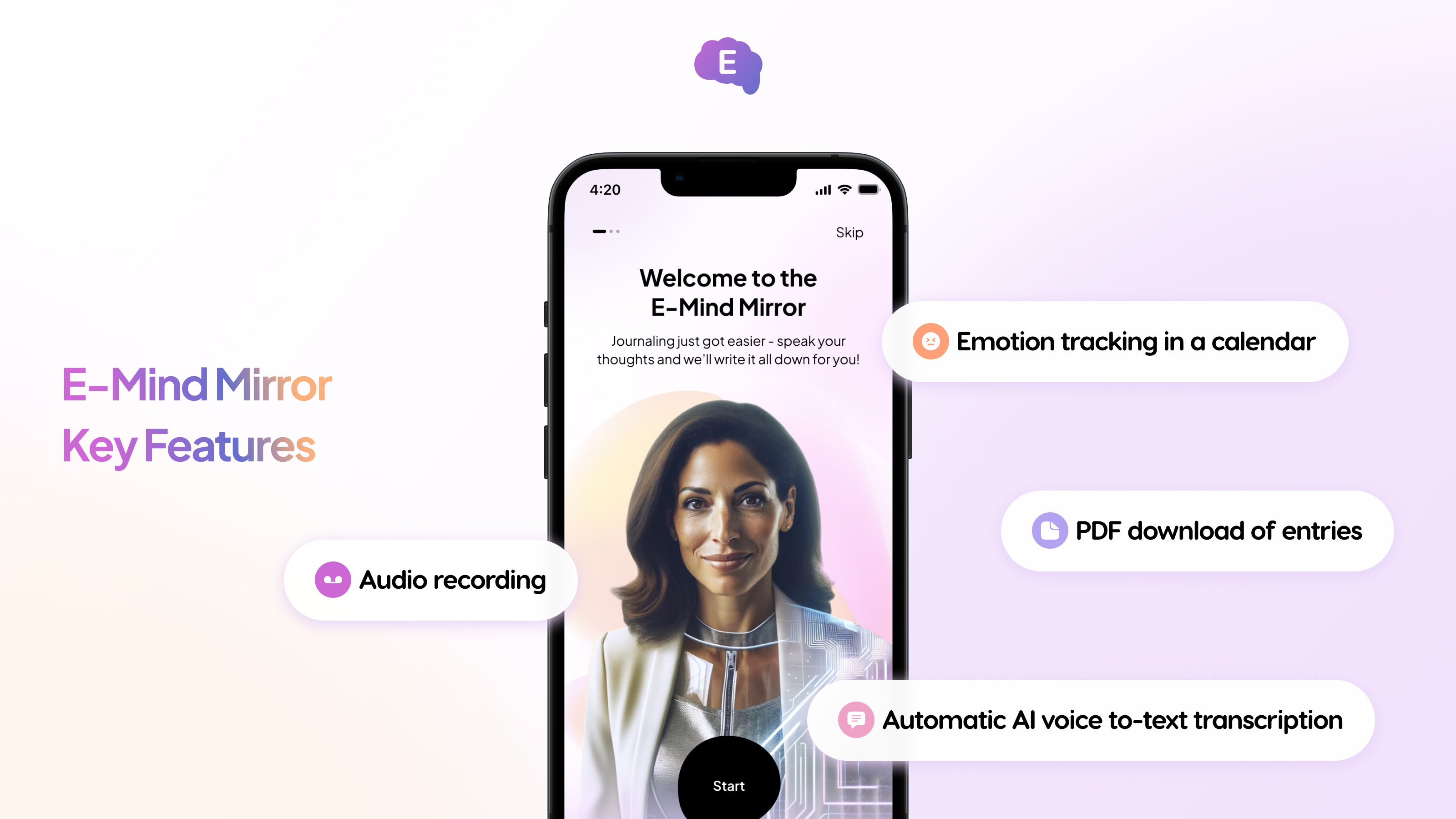
Key features:
- Audio recording
- Automatic AI voice-to-text transcription
- Emotion tracking in a calendar
- PDF download of entries
How we built it
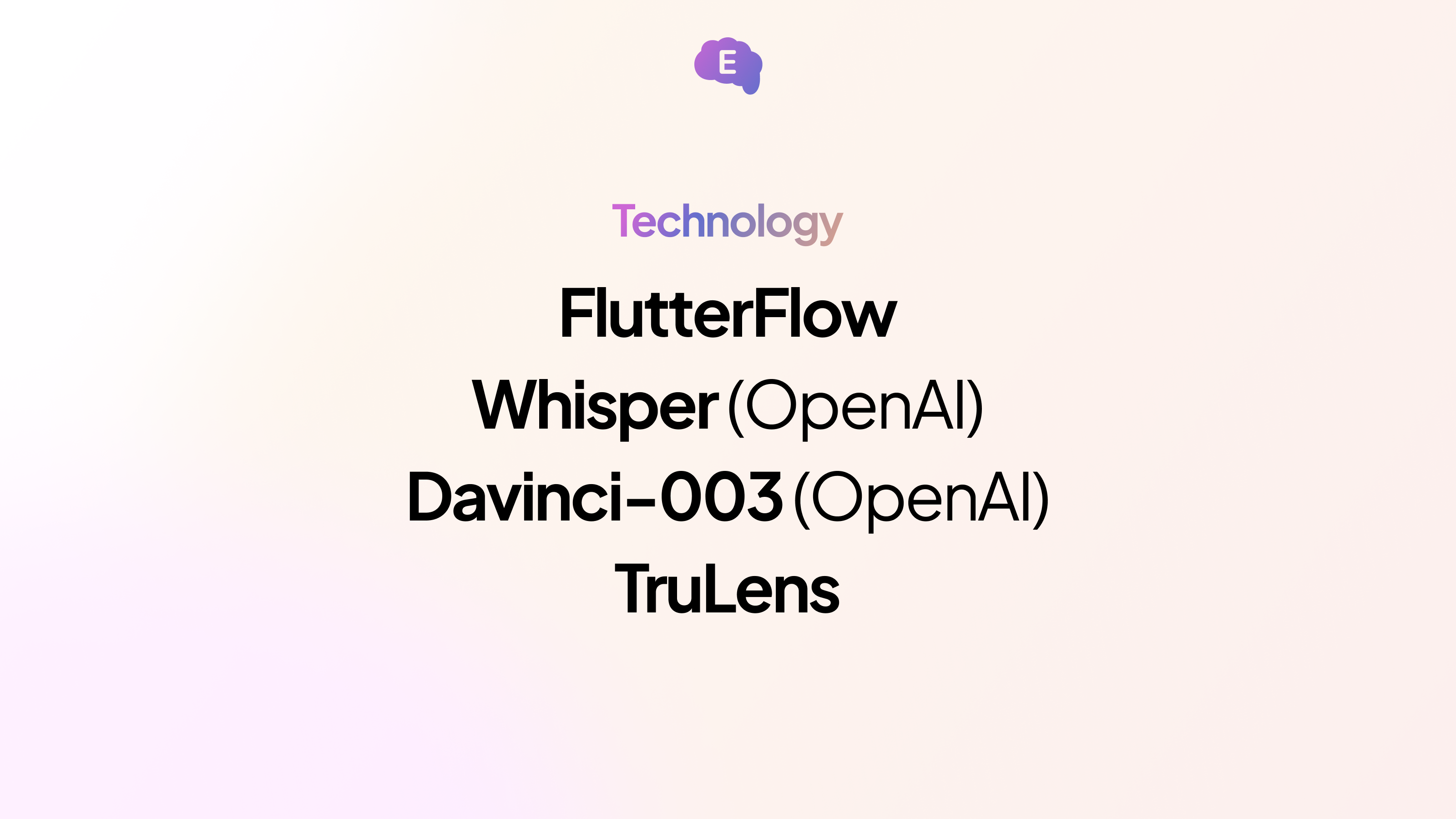
Our cross-platform mobile app is developed utilizing FlutterFlow. For speech-to-text conversion, we employ Whisper by OpenAI. To summarize all records for a month, we use Davinci-003 from OpenAI and evaluate the summarization using TruLens. Additionally, We use TruLens to protect users from leakage of personal data (during text summarization: we check that no personal data is transmitted to the OpenAI Api) How it works:
- Users record voice using the phone's voice recorder within our application.
- We transmit the audio to Whisper via API and receive a response in the form of text.
- We save the text on the user’s device (we don’t store it in the database, as it contains confidential information) and provide the opportunity to upload the note in PDF format.
- We transfer the texts of all entries for the month to Davinci-003 via API and receive a summarized text.
- We provide the opportunity to download the summary of all records for a month in one file.
Research and Conceptualization: We conducted thorough research on cognitive-behavioral therapy, understanding its principles and methodologies. This helped us conceptualize the features and functionalities necessary for an effective CBT diary app.
AI Integration: Recognizing the time-consuming nature of traditional journaling, we decided to integrate AI technology to transcribe users' thoughts instantly. This not only saved users time but also made the journaling process more seamless and accessible.
Remote Monitoring: Building a mood calendar feature was crucial for enabling users to track their progress over time. This provided valuable insights into their emotional fluctuations and mental health journey.
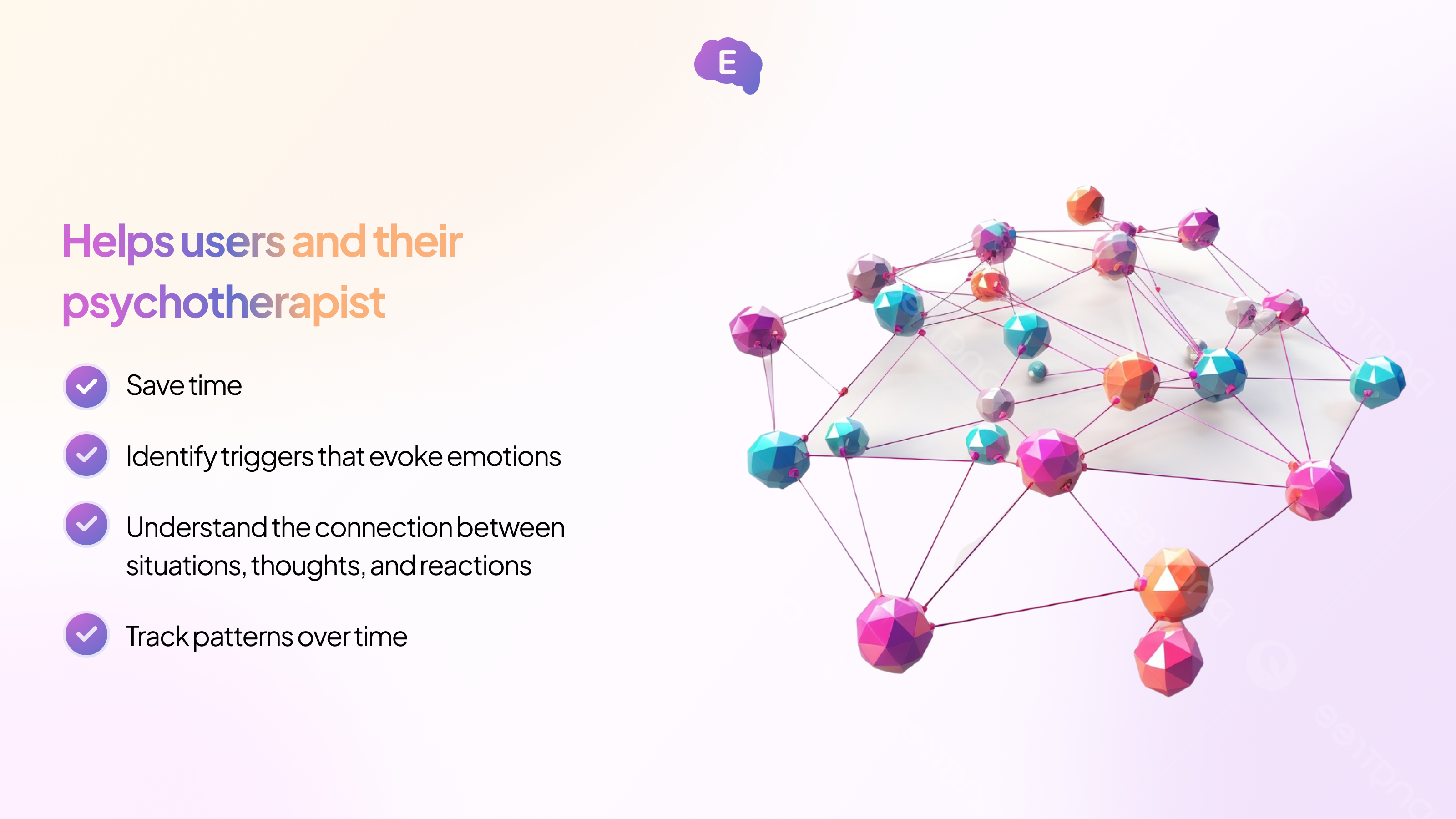
Comprehensive medical records: centralized records of users' emotional state, their responses to questions about emotions, situations, reactions, and so on. We made it easy to keep these records using audio recording and voice-to-text transcription, and also created the ability to conveniently store these records in text format in the application and in mood calendar format. This will allow users and their therapists to make informed health decisions and effectively coordinate therapy.
Challenges we ran into
Building E-Mind Mirror presented several challenges, including:
AI Accuracy: Ensuring accurate transcription of users' voice inputs by the AI assistant was a significant challenge. Extensive testing and refinement were necessary to improve accuracy and reliability.Our cross-platform mobile app is developed utilizing FlutterFlow. For speech-to-text conversion, we employ Whisper by OpenAI. To summarize all records for a month, we use Davinci-003 from OpenAI and evaluate the summarization using TruLens.
User Interface Design: Designing an intuitive and user-friendly interface for both mobile and web platforms required careful consideration of usability principles and user feedback.
Data Privacy and Security: Safeguarding users' sensitive data and ensuring compliance with privacy regulations posed a challenge. We use TruLens to protect users from leakage of personal data (during text summarization: we check that no personal data is transmitted to the OpenAI Api)
Accomplishments that we're proud of
Our product is unique and has no analogs on the market Benefits:
- Ease of use: Speak your thoughts and let AI do the writing.
- Accessibility: Therapy on-the-go, anytime, anywhere.
- Time-saving: 10x faster than traditional journaling.
- Progress tracking: Track emotions and actions for deeper understanding. Confidentiality: Your data is protected
- Proven effectiveness: Based on CBT principles, scientifically proven to improve mental well-being.
What we learned
During the project development, we delved deeper into various artificial intelligence technologies to integrate them into our product. We conducted research and mastered the principles of machine learning algorithms necessary for effective data processing. Integrating artificial intelligence into our product required a deep understanding of natural language processing methods and text analysis. Our team successfully acquired new tools and technologies, enabling us to implement innovative features and enhance the accessibility and usability of our product.
What's next for E-Mind Mirror
- Beta Testing and Feedback Refinement
- Finalization and App Store and Google Play Submission Milestone
Strategic Marketing Campaign for E-Mind Mirror
- Execute multi-platform social media campaigns on Instagram, Facebook, and Twitter.
- Foster a vibrant community by actively engaging with users and addressing inquiries, cultivating discussions on mental health and well-being.
- Forge partnerships with influencers in the mental health and wellness sphere to amplify outreach.
Investment Acquisition Endeavor
- Develop a comprehensive business blueprint elucidating the company's vision, mission, market insights, and financial forecasts.
- Identify potential investment avenues encompassing venture capital firms, angel investors, and strategic collaborators.
- Prepare and refine pitches for investor presentations.
Ongoing Enhancement and Expansion of E-Mind Mirror
- Innovate by integrating new features to enrich user engagement.
- Expand accessibility by offering multilingual support for a broader global audience.
- Tailor content and functionalities to align with diverse cultural contexts and preferences.
Built With
- davinci-003
- flutterflow
- openai
- trulens
- whisper

Log in or sign up for Devpost to join the conversation.