-
-
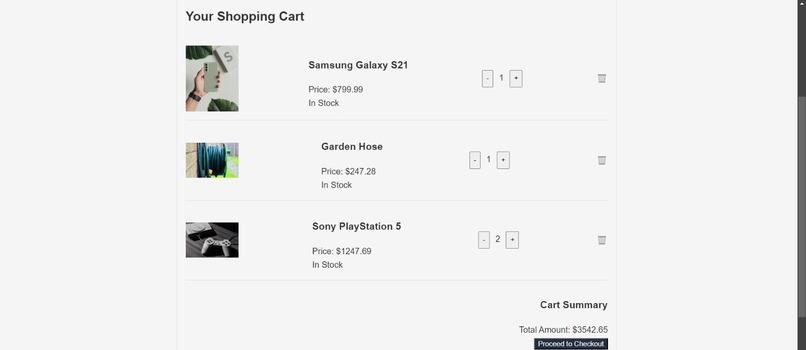
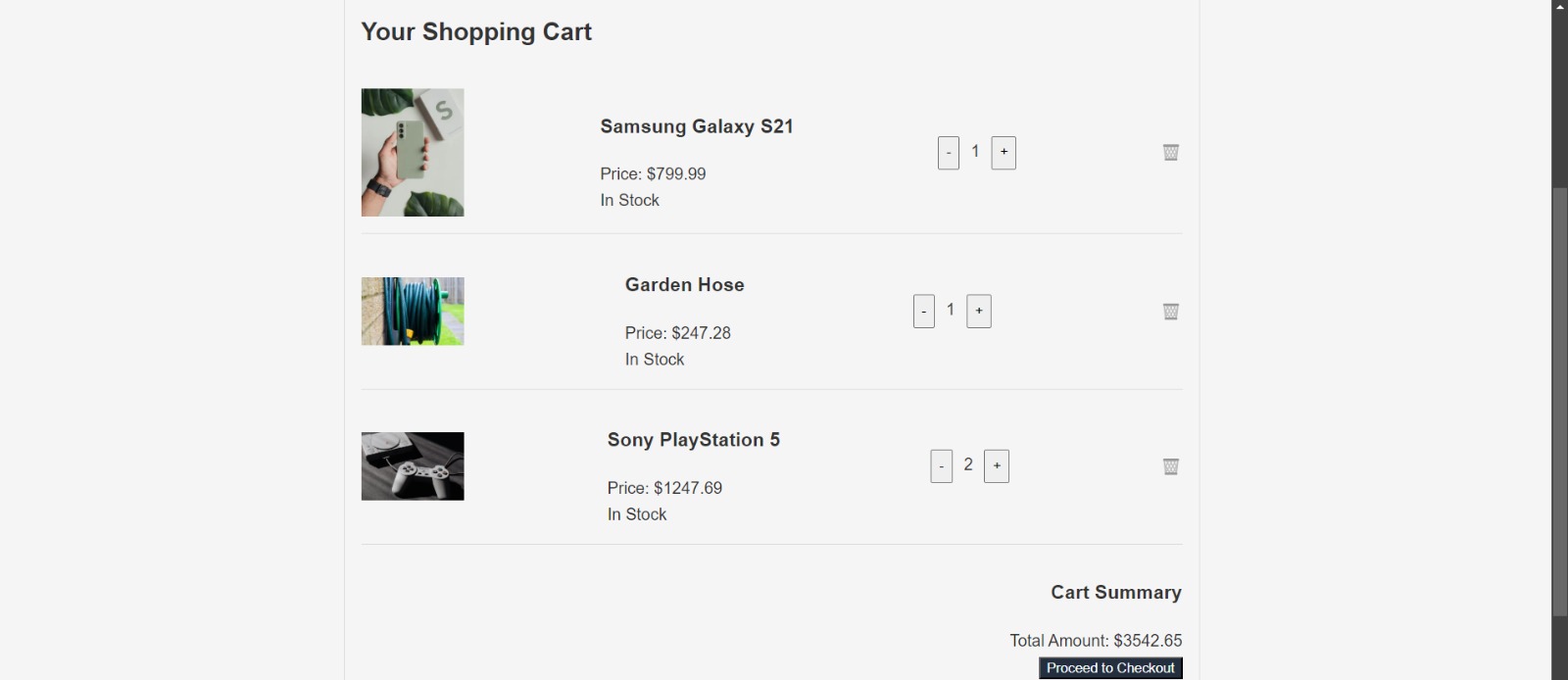
add to cart
-

login page
-
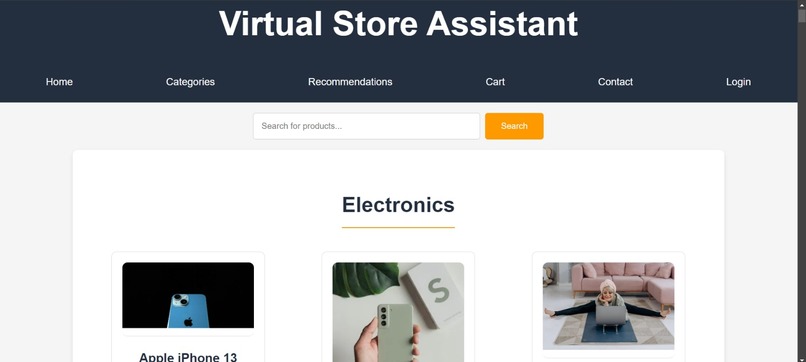
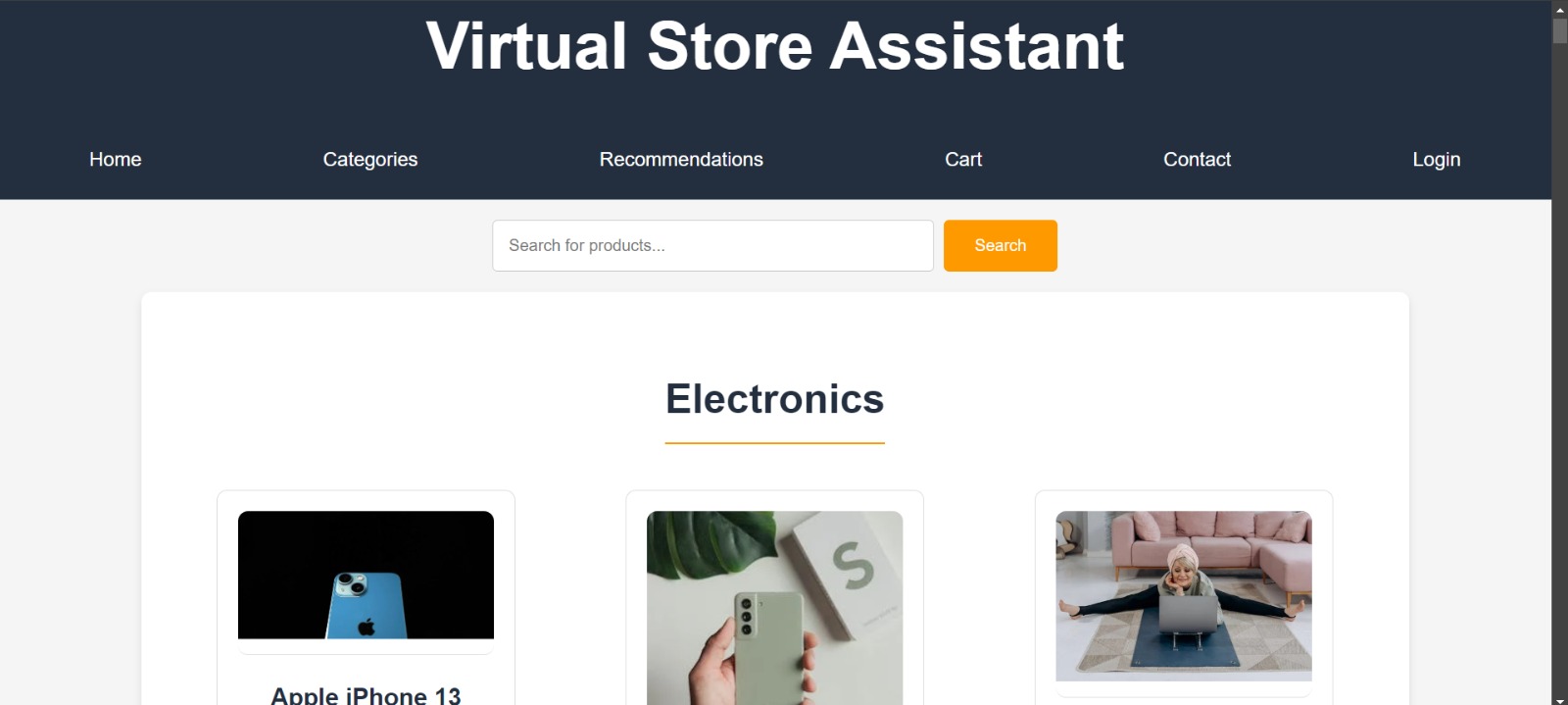
homepage
-
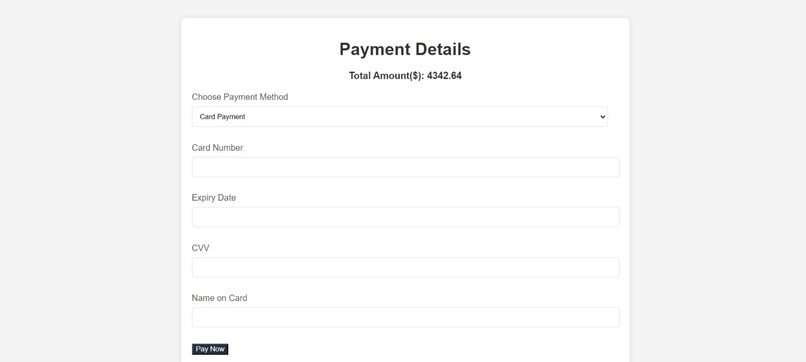
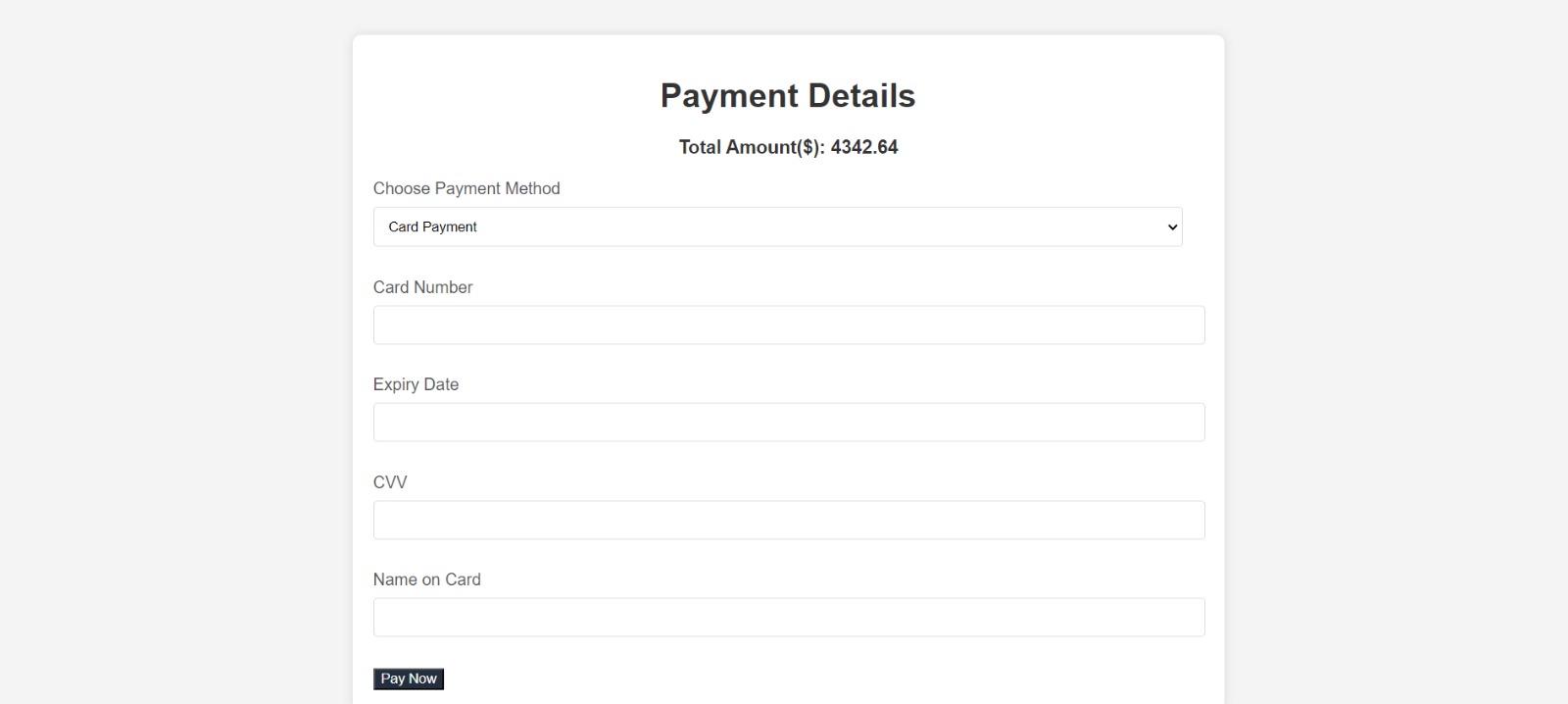
payment details page
-

payment succesful
-
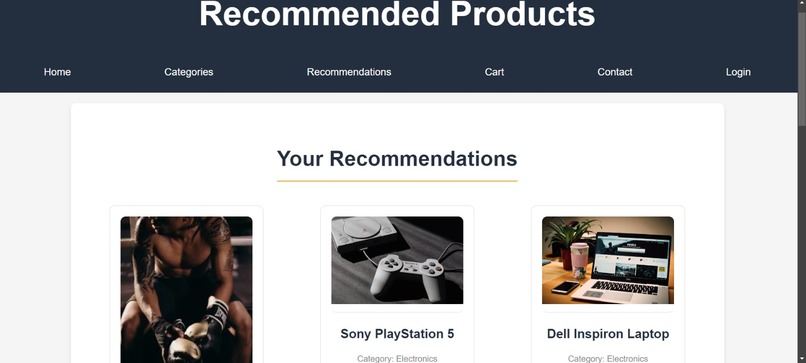
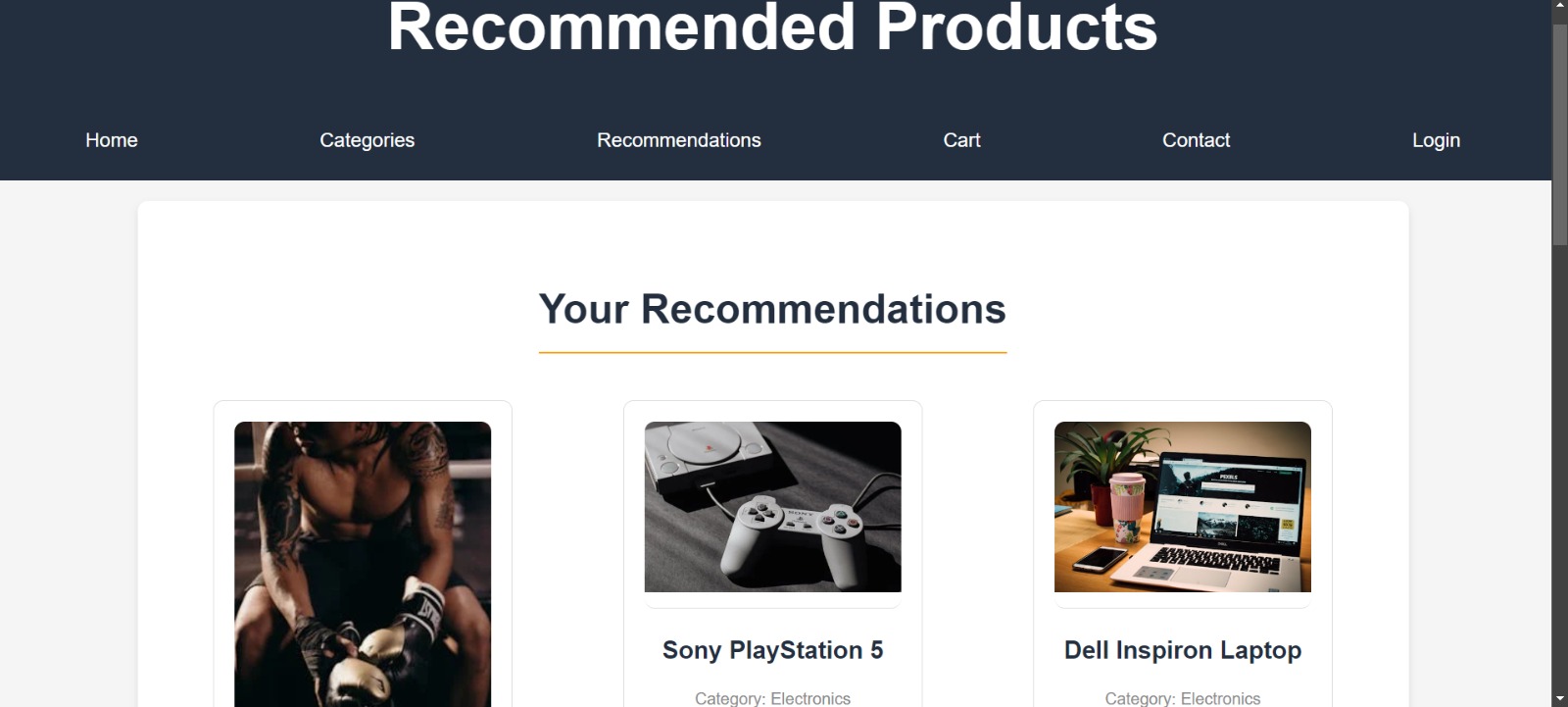
recommended products
-
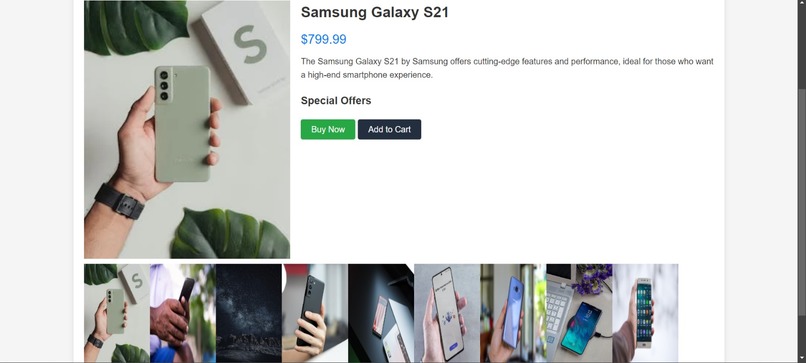
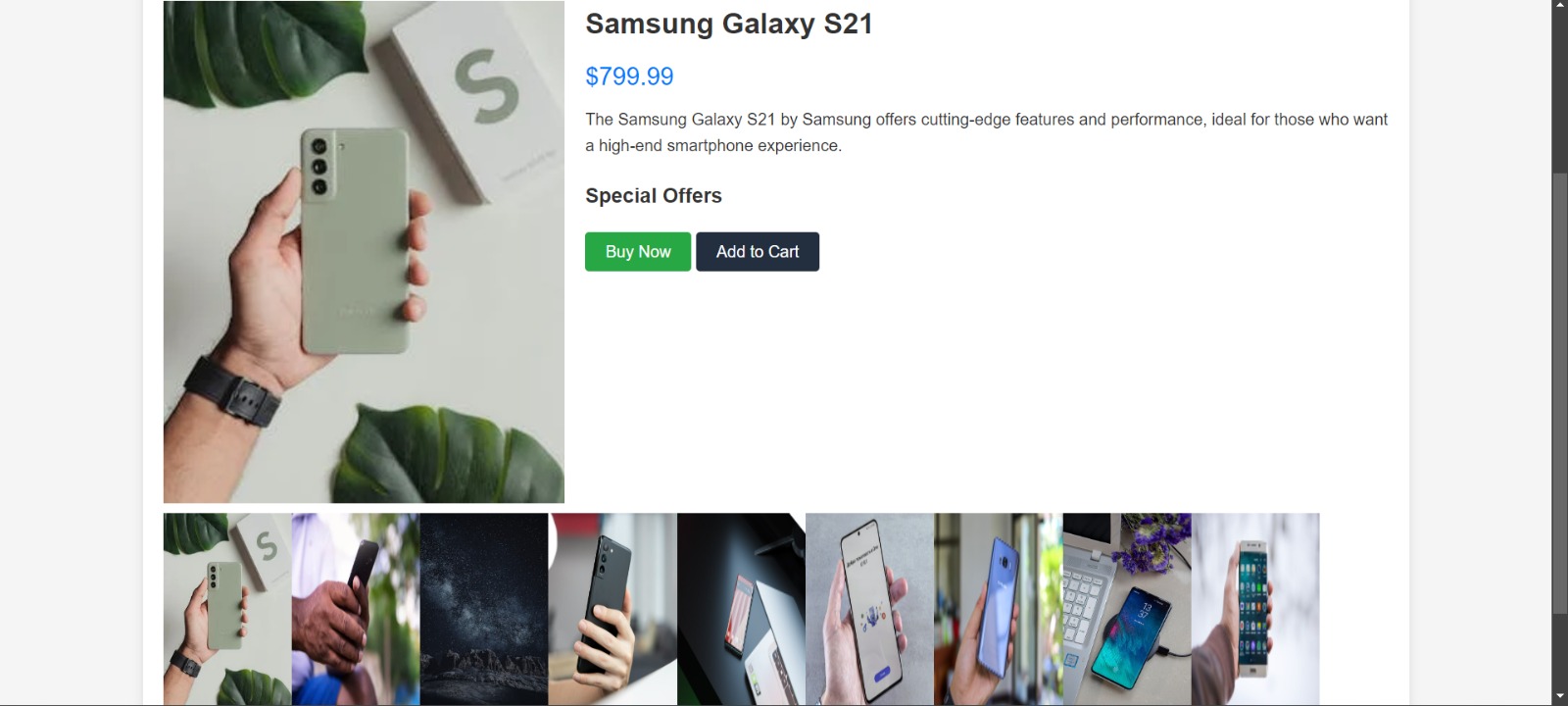
product description
-
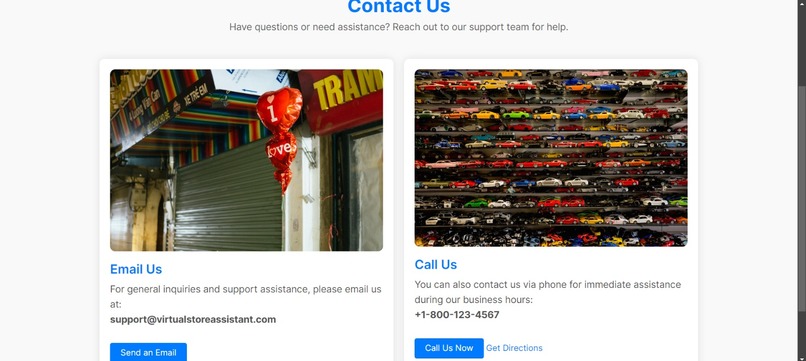
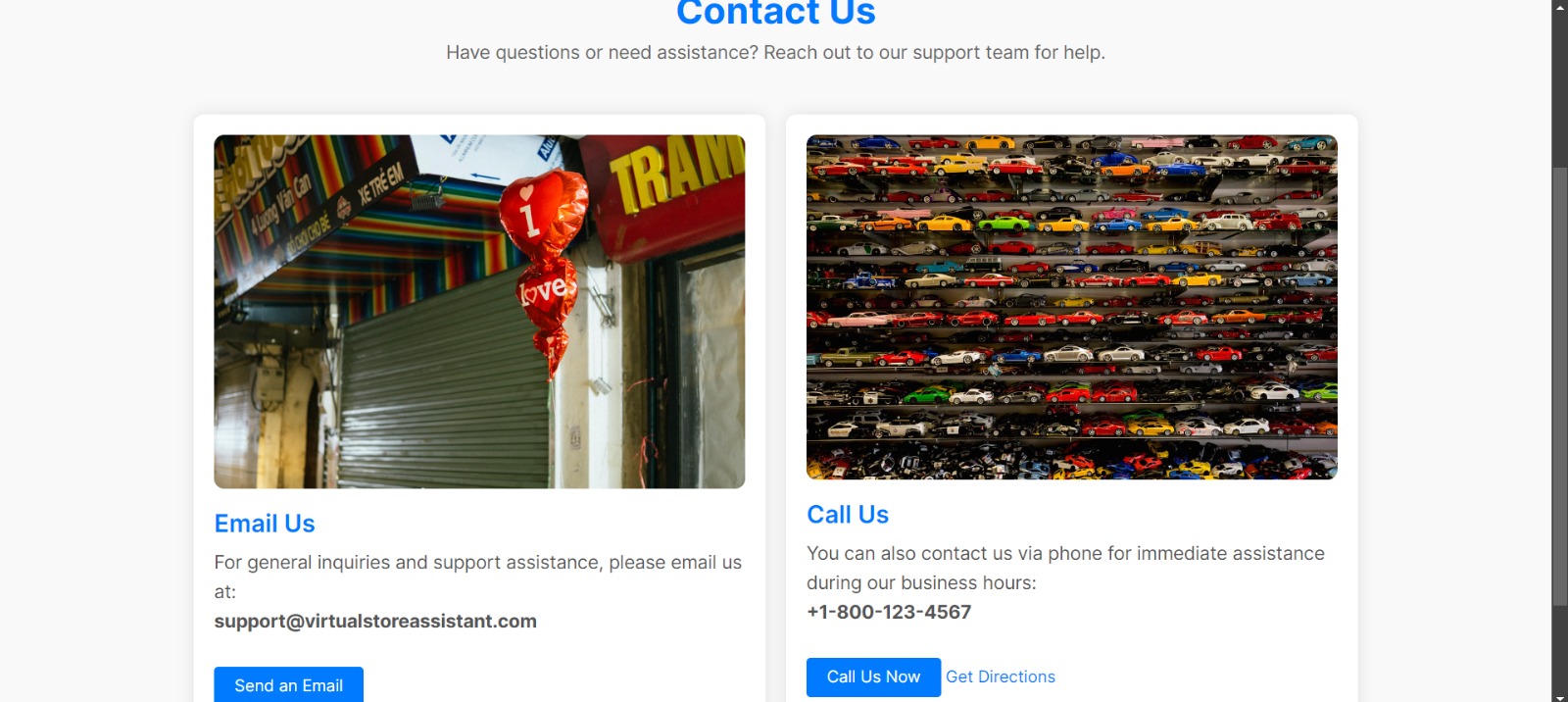
contact us page
-
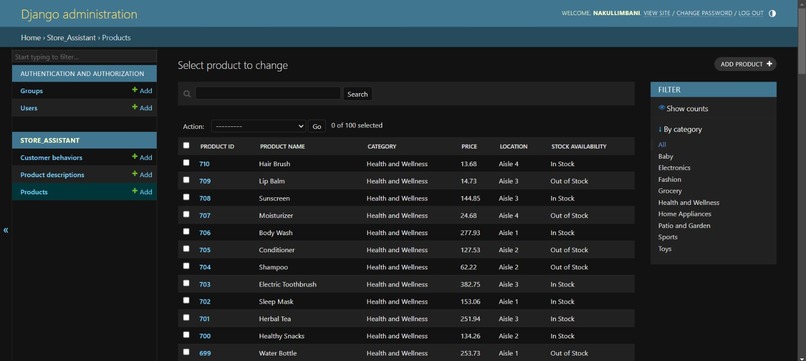
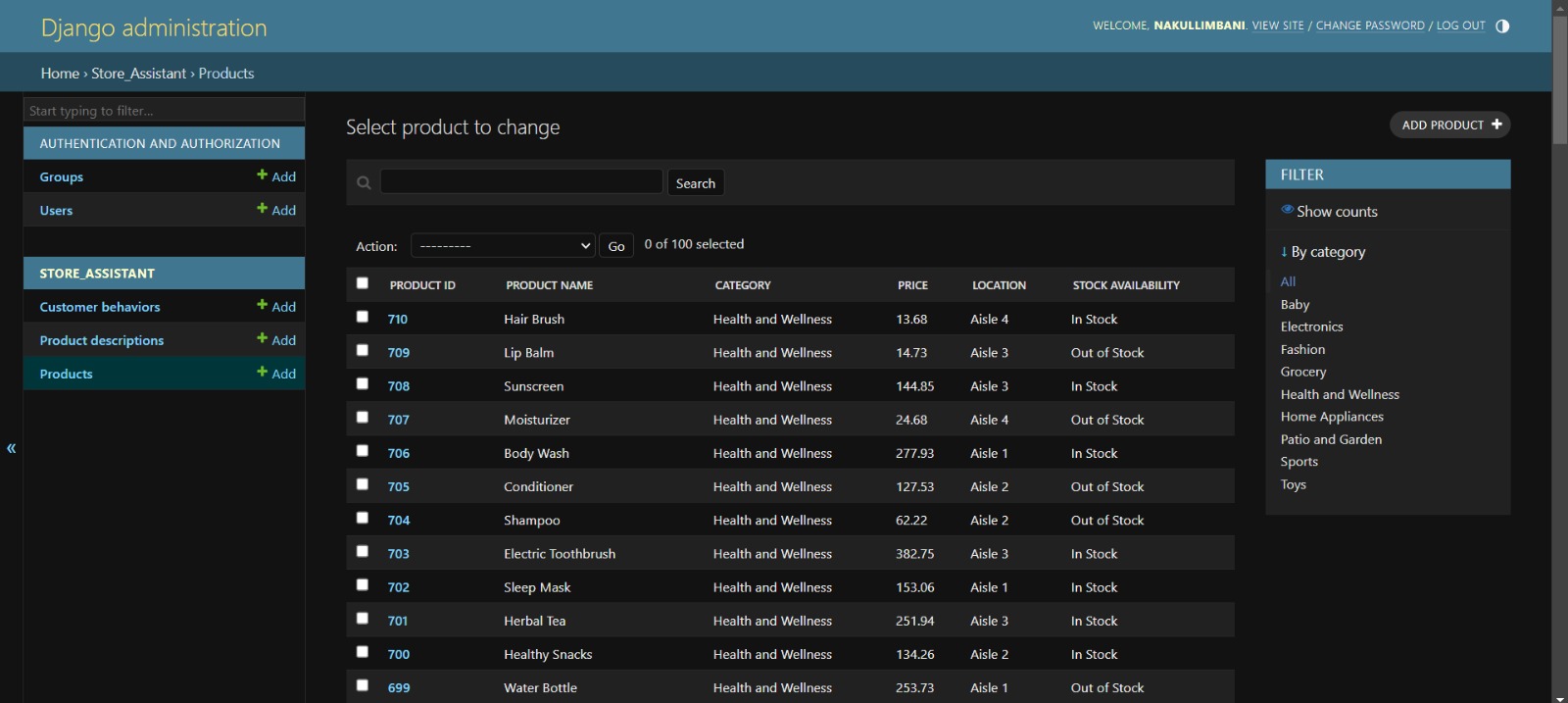
django database


Inspiration The idea for the Virtual Store Assistant stemmed from the need to enhance the online shopping experience by providing personalized product recommendations. With the vast amount of products available, it can be overwhelming for customers to find items that match their preferences. Our goal was to create a smart assistant that understands user behavior and offers tailored suggestions, making shopping more efficient and enjoyable.
What We Learned Throughout this project, we gained insights into several key areas:
Collaborative Filtering: Implementing the Alternating Least Squares (ALS) method to capture user-item interactions and provide recommendations based on similar user behaviors. Content-Based Filtering: Utilizing TF-IDF vectorization and cosine similarity to recommend products with similar features and reviews. Hybrid Models: Combining collaborative and content-based filtering to leverage the strengths of both approaches for more accurate recommendations. Data Preprocessing: Handling large datasets, normalizing purchase amounts, and preparing data for machine learning models. Model Evaluation: Using precision and recall to measure the effectiveness of our recommendation system and refine our approach based on the results. How We Built the Project Data Preparation: We started by loading the customer behavior dataset, normalizing purchase amounts, and combining search queries with product reviews to create rich item profiles. Collaborative Filtering: We trained an ALS model using the user-item interaction matrix, capturing latent factors that influence user preferences. Content-Based Filtering: By vectorizing the combined text features with TF-IDF and calculating cosine similarity, we built a system to recommend products with similar descriptions and reviews. Hybrid Recommendation System: We integrated the collaborative and content-based models to generate recommendations that account for both user behavior and product features. Evaluation: Splitting the data into training and test sets, we evaluated our model's performance using precision and recall metrics, ensuring our recommendations were relevant and accurate. Challenges Faced Data Sparsity: Handling sparse user-item interaction matrices was challenging, requiring careful preprocessing and normalization to ensure effective model training. Model Integration: Combining collaborative and content-based filtering required fine-tuning to balance the influence of both models and produce cohesive recommendations. Performance Optimization: Training the ALS model on large datasets demanded significant computational resources and optimization to achieve reasonable training times and accurate results.

Log in or sign up for Devpost to join the conversation.