-
-
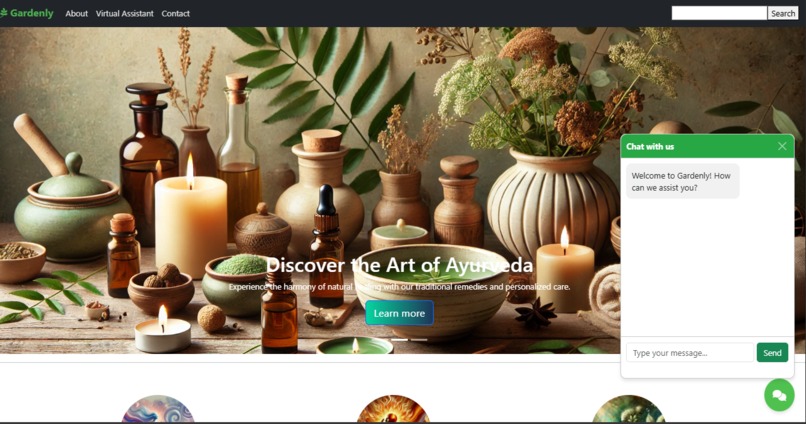
front page
-


Inspiration🌱 Inspiration
Traditional herbal knowledge is a treasure trove in the AYUSH sector, yet it remains largely untapped due to limited accessibility and awareness. Researchers, students, and the general public often struggle to identify medicinal plants and understand their benefits. Inspired by the mission to preserve and promote this ancient wisdom, we envisioned the Virtual Herbal Garden—a digital haven where users can explore medicinal plants in a visually captivating and educational manner.
🌿 What It Does
The Virtual Herbal Garden is an immersive, AI-powered platform that enables users to: Explore 3D models of medicinal plants used in Ayurveda, Unani, Siddha, and Homeopathy. Access detailed information, including botanical names, uses, benefits, and cultivation methods. Take virtual guided tours to learn about various plant categories. Use search and filter options to find plants based on ailments, regions, or medicinal properties. Interact with experts through Q&A forums and community discussions.
🛠️ How We Built It
Frontend: Developed with React.jsfor a seamless UI/UX. Backend: Powered by Django and PostgreSQL to efficiently store and manage plant data. 3D Models: Created using Blender and Three.jsfor an engaging virtual experience. AI Integration: Utilized ML models for plant recognition and NLP-based chatbots for user queries. Cloud Deployment: Hosted on AWS for scalability and real-time accessibility.
🚧 Challenges We Faced
Optimizing 3D Models: Balancing high-quality visuals with performance. Cross-Platform Compatibility: Ensuring accessibility on mobile, web, and AR devices. Data Collection & Validation: Curating authentic and scientifically verified herbal information. User Engagement: Designing an intuitive interface that appeals to both researchers and casual users.
🏆 Our Proud Accomplishments
Integrated interactive 3D visualization with herbal knowledge successfully. Developed a user-friendly search and filter system for plant categorization. Implemented an AI-based chatbot to assist users in identifying medicinal plants. Built a scalable and cloud-hosted solution for wider accessibility. Received positive feedback from students, researchers, and AYUSH practitioners.
📖 What We Learned
The importance of UI/UX design in crafting an engaging digital experience. Optimizing 3D models for web applications without compromising detail. Best practices for integrating AI and NLP into an educational platform. Effective data management techniques for handling herbal plant information.
🚀 What's Next for the Virtual Herbal Garden?
Augmented Reality (AR) Feature: Allowing users to place and visualize plants in their real environment. Gamification & Quizzes: To boost user engagement and learning. Voice-Guided Tours: Offering an immersive educational experience. Community Forum: A collaborative space for researchers and herbalists. Partnerships with AYUSH Institutes: To expand plant databases and validate information.
The Virtual Herbal Garden isn't just a project; it's a step towards preserving ancient herbal wisdom through technology! 🚀


Log in or sign up for Devpost to join the conversation.