-
-
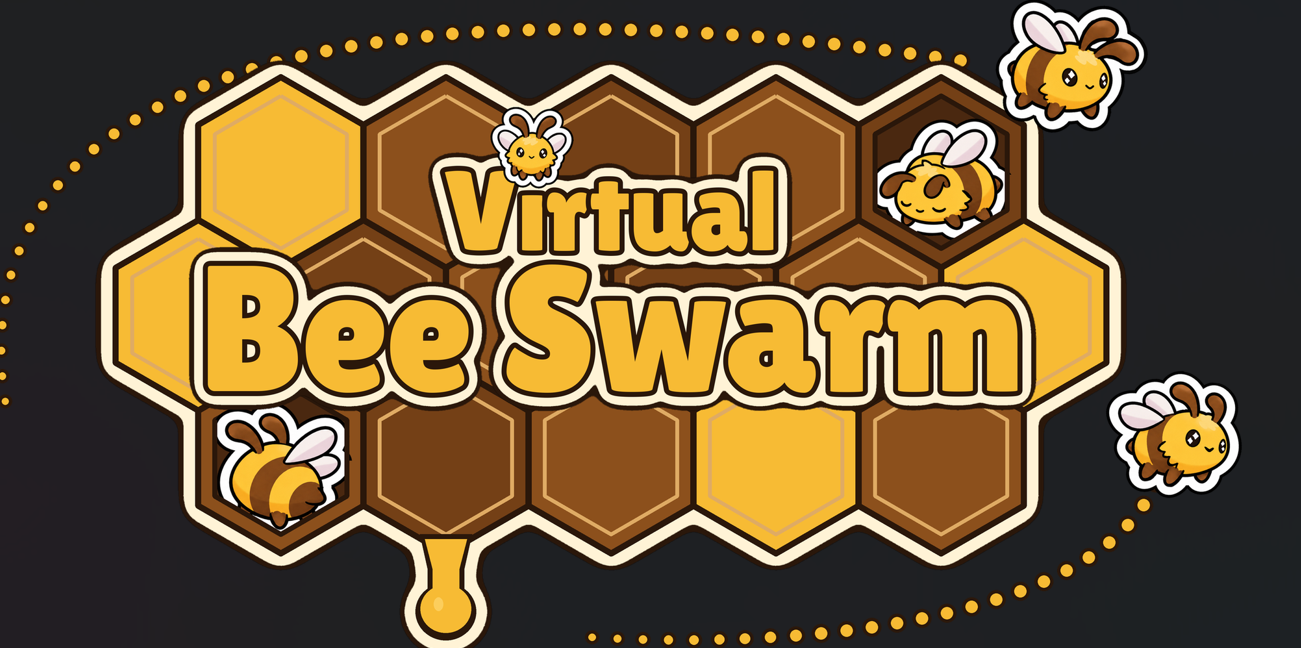
Virtual Bee Swarm
-
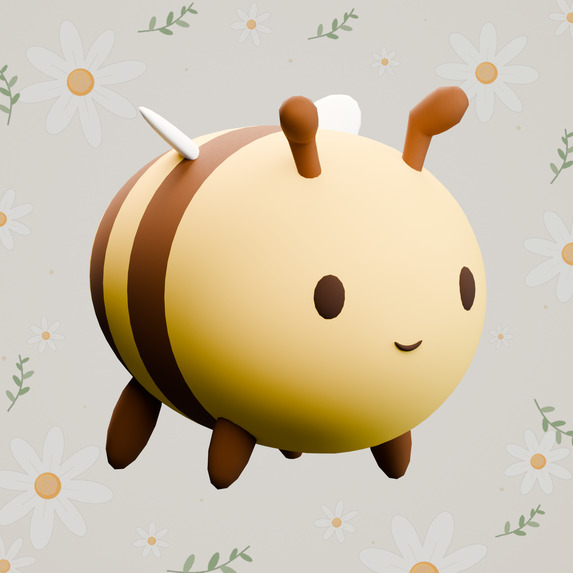
Logo
-
Sticker3
-
Sticker2
-

Sticker1
-
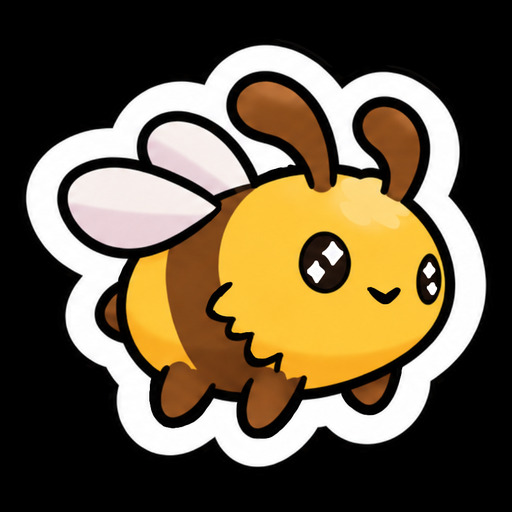
Sticker4
-
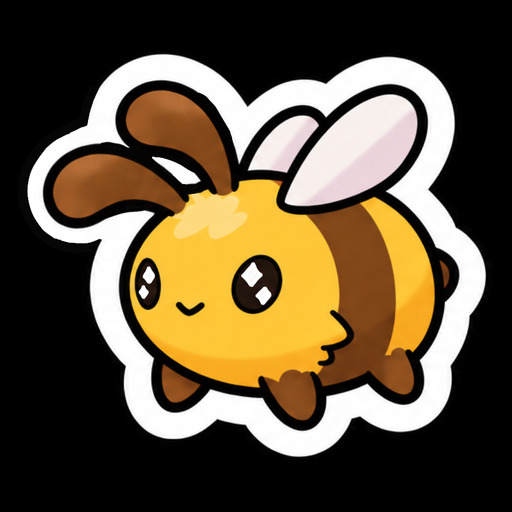
Sticker5
-

Bee Union Badge


Inspiration
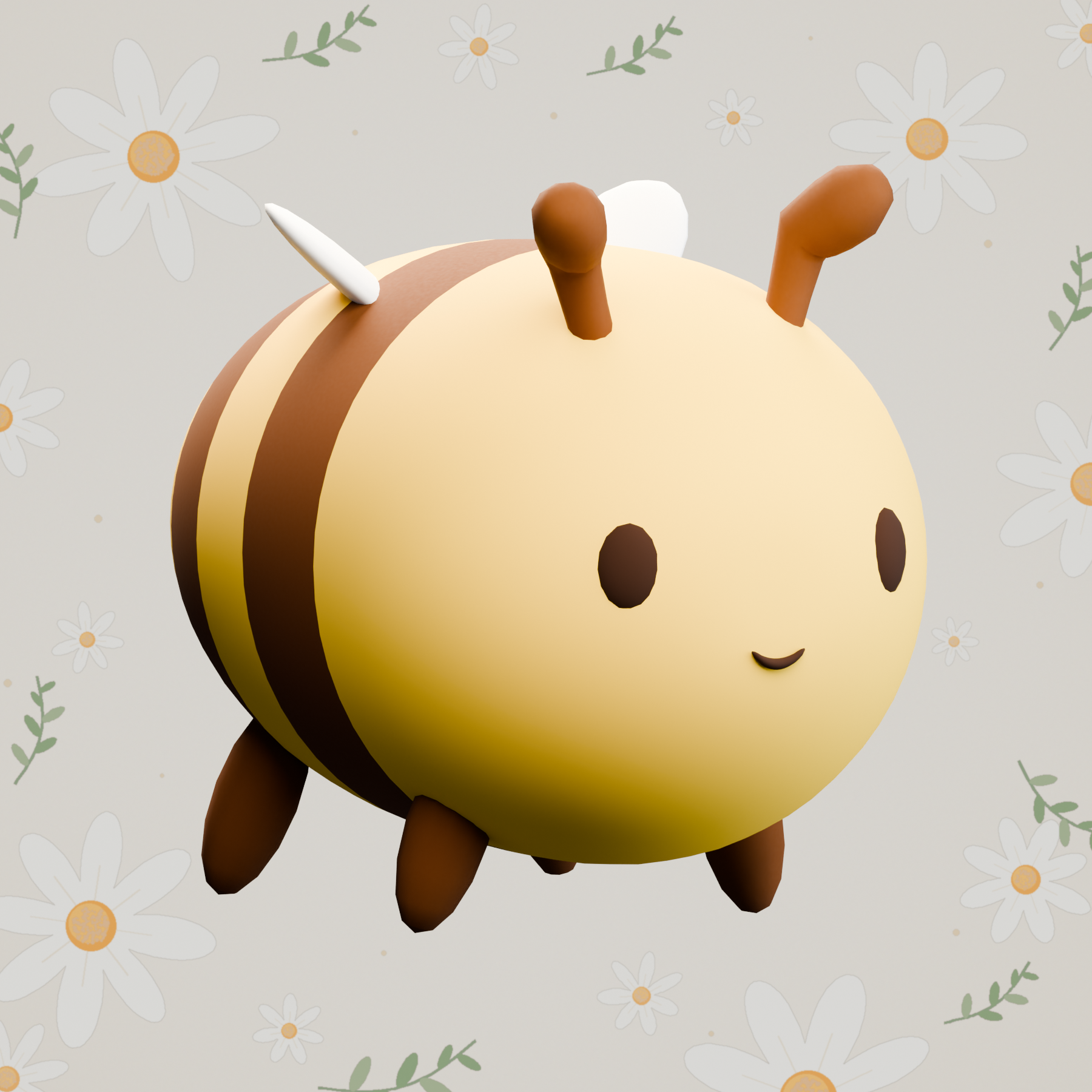
While thinking unseriousley suggesting team names one of us suggest angry bee swarm, and we decided that line of thinking was too good to give up. We wondered what might make bees leave Earth and came up with Beeswax, a union rep who’s had enough. If his hive doesn’t recover, he’s taking the colony to the Moon.
We wanted each repair to teach something real without stopping the game for a lecture. The honey choice was an obvious one: feeding a hungry hive honey sounds generous, but honey from outside a colony can carry spores that spread American foulbrood. It’s a choice that makes sense until Beeswax tells you more.
What it does
Put on a Quest and a hive arrives in your room, surrounded by a meadow. Beeswax gives you four minutes to help the colony: calm the swarm, choose safe food, protect the entrance from wasps, and give thirsty bees a shallow dish with pebbles to land on.
Your choices change the meadow window. Make a bad pick and Beeswax files a grievance while the crew hauls the offending prop away. You can also ask what would happen if a fire started: the meadow catches fire and embers drift into your room. Save the hive and the evacuation is called off. Beeswax takes his rocket to the Moon anyway, then returns with one complaint: “Not one flower.”
We also made Bee Scout, a separate Mentra Live glasses game. It recognizes six prepared station cards, then Beeswax shares a short fact and a practical next step in your ear.
How we built it
We built the Quest game in Unity and made the character, props, and animations in Blender. Our Bun and TypeScript Hive backend connects the game to voice features and operator controls. Beeswax’s ride dialogue is recorded; when connected, speech features can recognize what the player says and answer bee questions. Unity acts only on known game choices, so a model can’t invent a new action.
Visko Orbis powers the meadow window. A small relay sends its video into the Quest app, and recorded scenes are available when a live session isn’t. Bee Scout has a separate glasses app, vision worker, and server.
Challenges we ran into
A prop can look right in Blender and still be awkward to reach or recognize in a headset. We kept adjusting the hive, tools, and choices so they felt usable in a real room. Furniture and the player’s starting view can also hide things we meant them to see.
Voice recognition can miss a command in a noisy room, so we added operator controls and local fallbacks to keep the ride moving.
Accomplishments that we’re proud of
Beeswax has 21 animations, from talking and hovering to getting visibly annoyed. The small details carry a lot of his personality: his antennae twitch, his expression changes when you make a bad choice, and he reacts instead of standing around like a mascot. We also put together two one-minute music loops for the game.
What we learned
The honey choice changed how we thought about teaching through play. When someone picks honey because they’re trying to help, the meadow’s reaction gives them a reason to ask what went wrong. That felt more memorable to us than putting the fact on a card before they’ve made a choice.
What’s next for Virtual Bee Swarm
We’d like to add more hives in places like farms and city rooftops, each with its own pollinator challenges. We also want to connect Bee Scout to the Quest ride so one person can work on the hive while another scouts the real-world props and helps decide what to do.
Built With
- anthropic-claude
- attractor-labs-satie
- bun
- c\#
- computer-vision
- education
- elevenlabs
- hand-tracking
- hono
- mentraos
- meta-quest
- mixed-reality
- openxr
- python
- reactor
- typescript
- unity
- visko-orbis
- webrtc
- websockets


