-
-
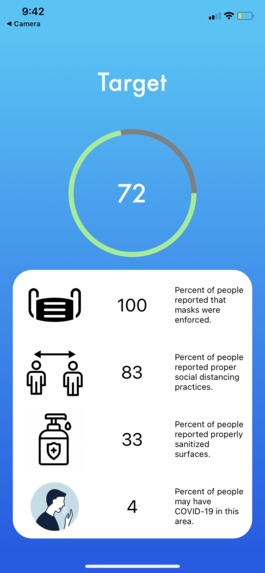
Covid-19 Scorecard
-
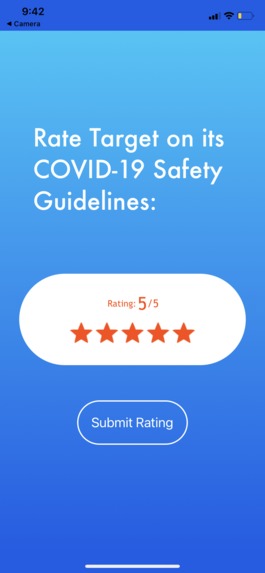
Rate a business you visited!!
-
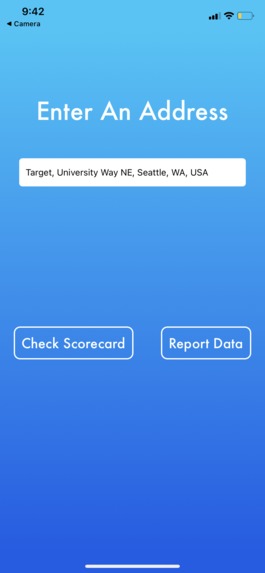
Find safe business with good covid practices
-
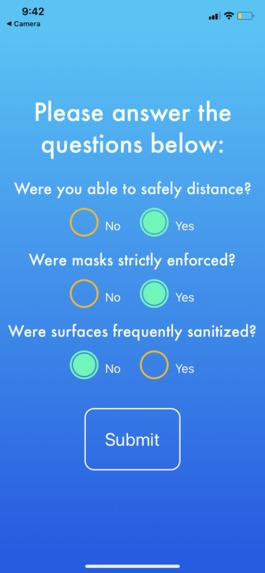
Ranking System
Inspiration
Due to the global pandemic, many people are left stranded outdoors in fear of what lays outside. We were inspired to create an application that helped ease these worries
What it does
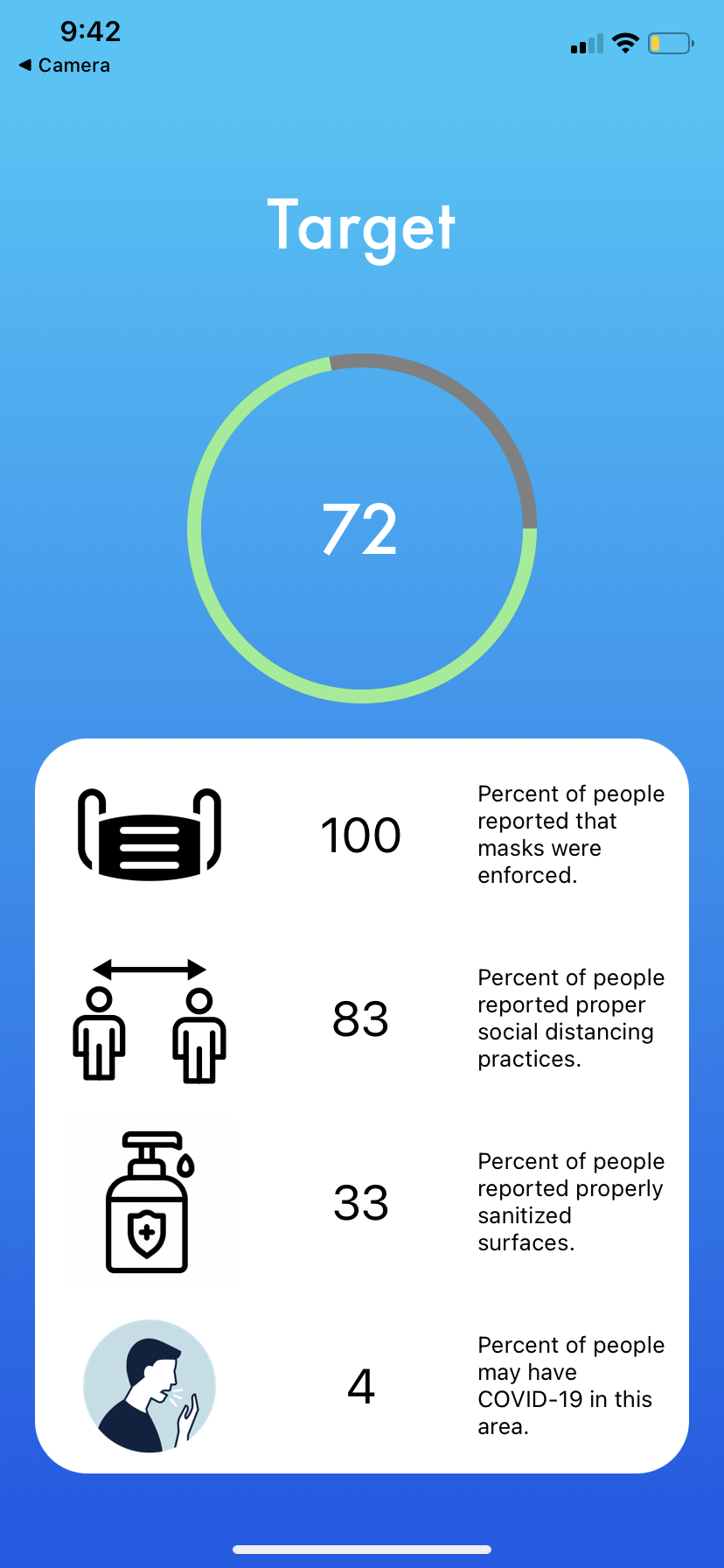
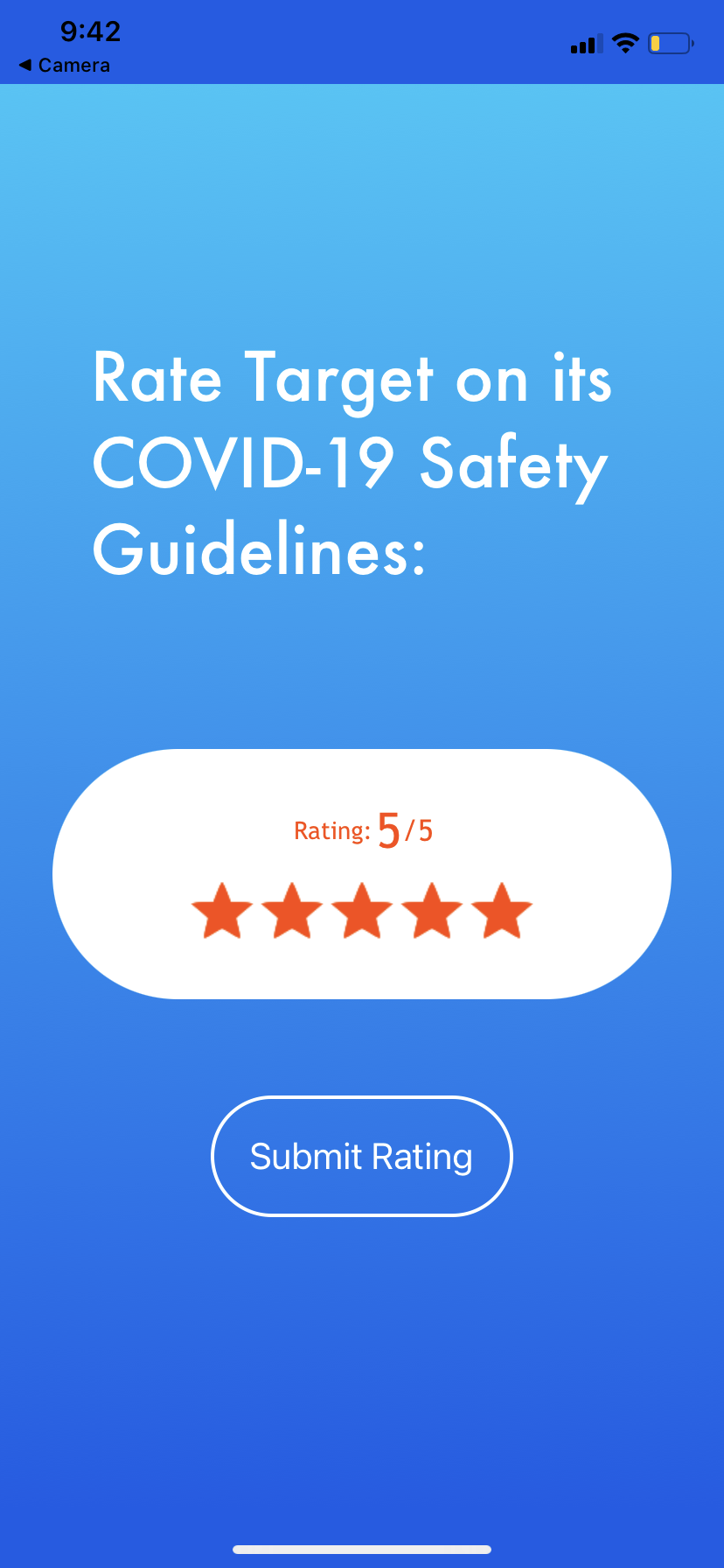
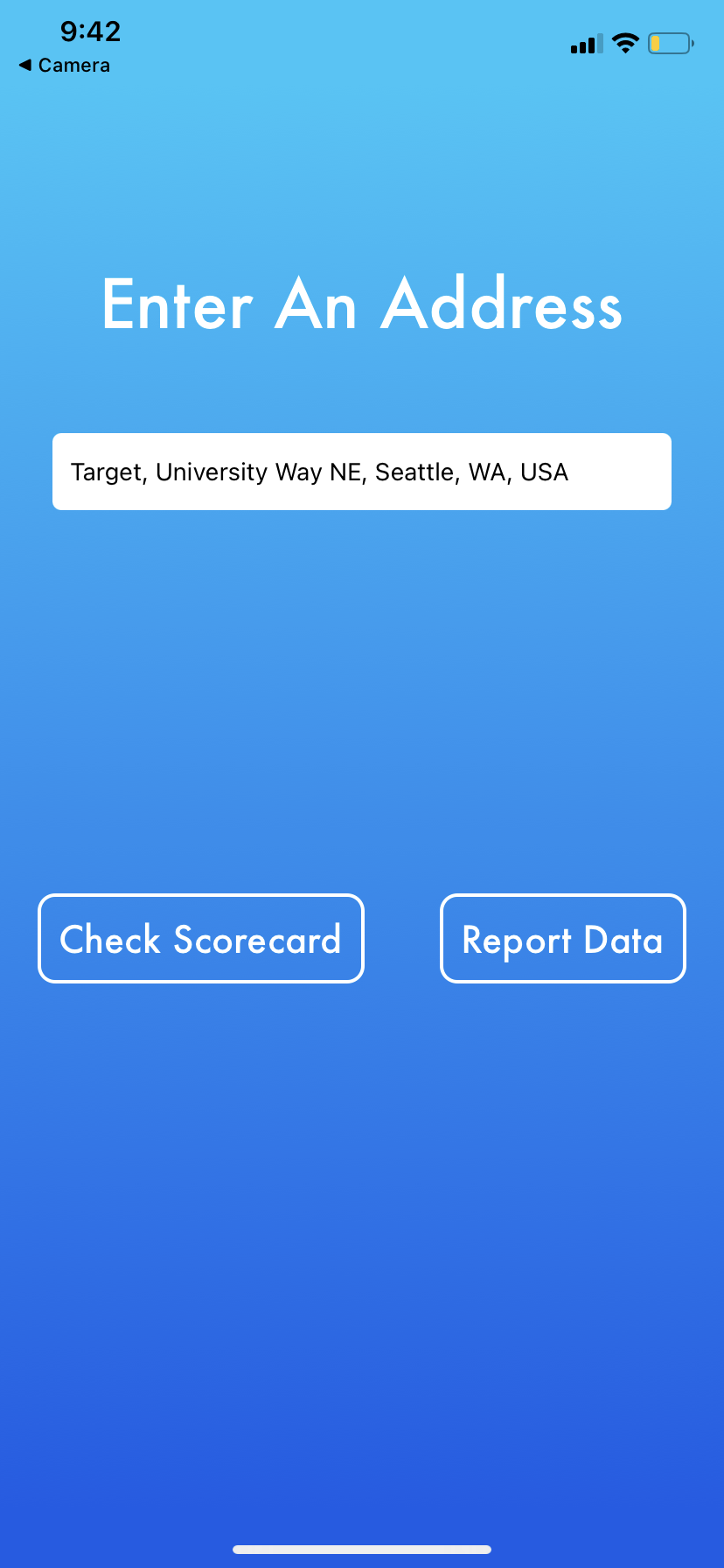
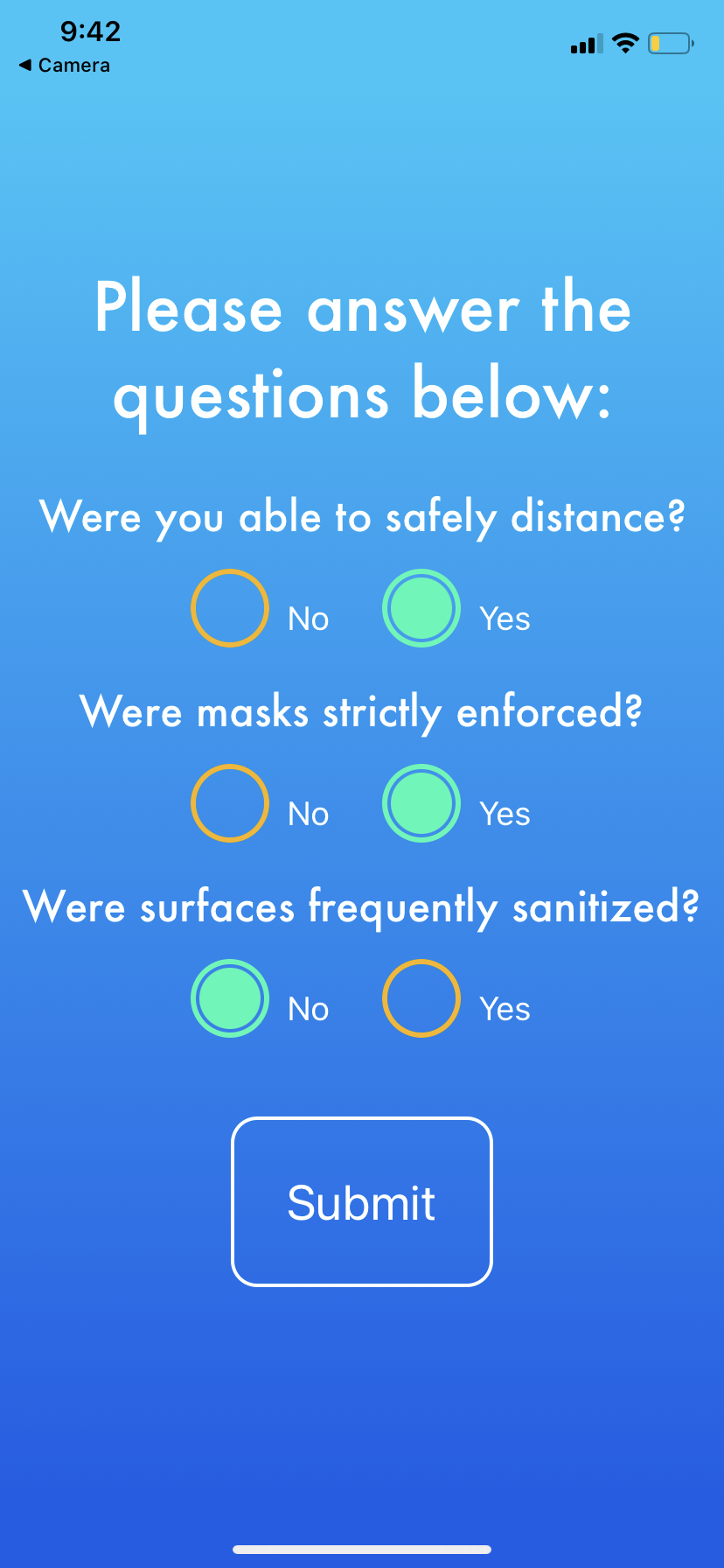
This app takes coronavirus data found on official government websites to calculate how prevalent COVID-19 is in your area. This rating pairs with user-inputted data about individual business practices. Ultimately, users have the ability to search grocery stores, restaurants, gyms near them and see the risk attached to visiting these locations.
How I built it
We used React-Native to build a mobile application showing this data. We used Google Cloud Platform for our project and Heroku to host the python back-end.
The application accesses government data to calculate the risk in your area and also uses a firebase database in order to keep track of user reviews on businesses. The firebase database has two endpoints, for adding a review and for grabbing information about a queried business.
Challenges I ran into
We are all new to React-Native and as mostly back-end developers, the design is always a struggle. Then there were the obvious difficulties like building up our api to access the database.
Accomplishments that I'm proud of
We were able to put out a fully functional application that accomplished all of the goals that we had at the beginning of the hackathon. Being able to demo a mobile application with no prior front-end experience will be a proud moment for all of us.
What I learned
We learned a lot about front-end development but also learned how to work through exhaustion which is always a fun thing to learn...
What's next for ViRisk
ViRisk is next going to be able to expand out of King County to be able to get covid data from not just this area. In addition, we will be developing a head-counter system that businesses and restaurants can use to keep track of people at their location. With this information, we can better inform ViRisk users about potential risks with going to a heavily populated area.
Currently, we weight all of our crowd sourced metrics same (ability to social distance, wearing masks, and sanitary practices) when combining it with our government case data. However, we also want to fine tune the risk calculation formula.This might mean adding more crowd sourced data or evaluating how effective our metrics as indicators are.
A more far out goal: Working with contact tracing agencies to collect data like where cases may have been contracted or other trends to help us more accurately predict risk.


Log in or sign up for Devpost to join the conversation.