Inspiration
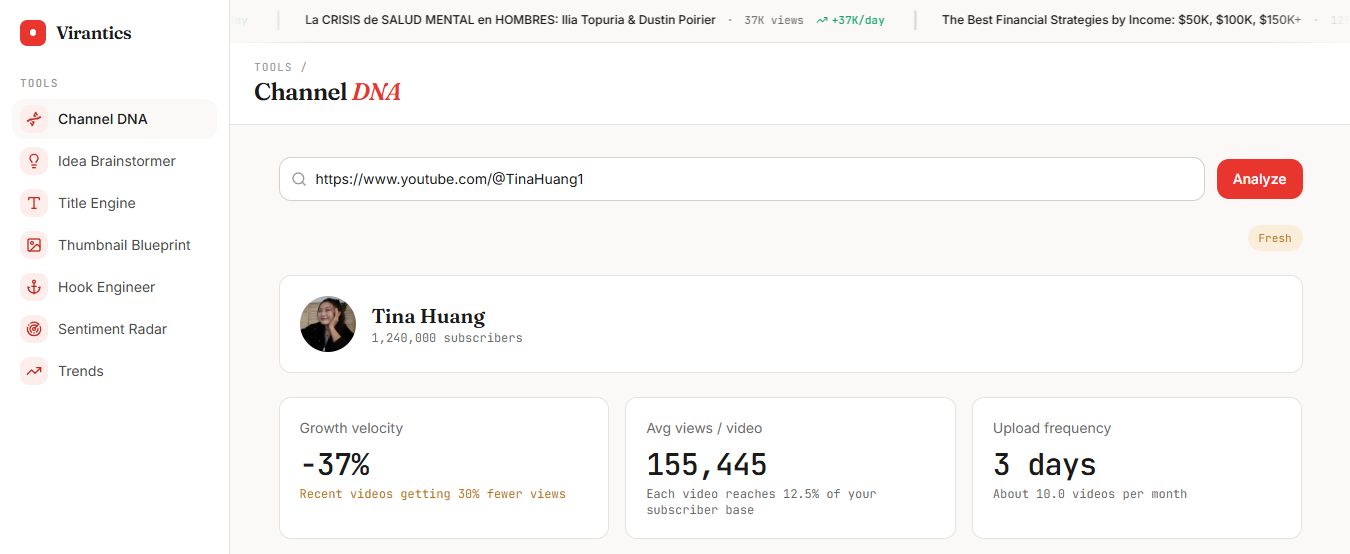
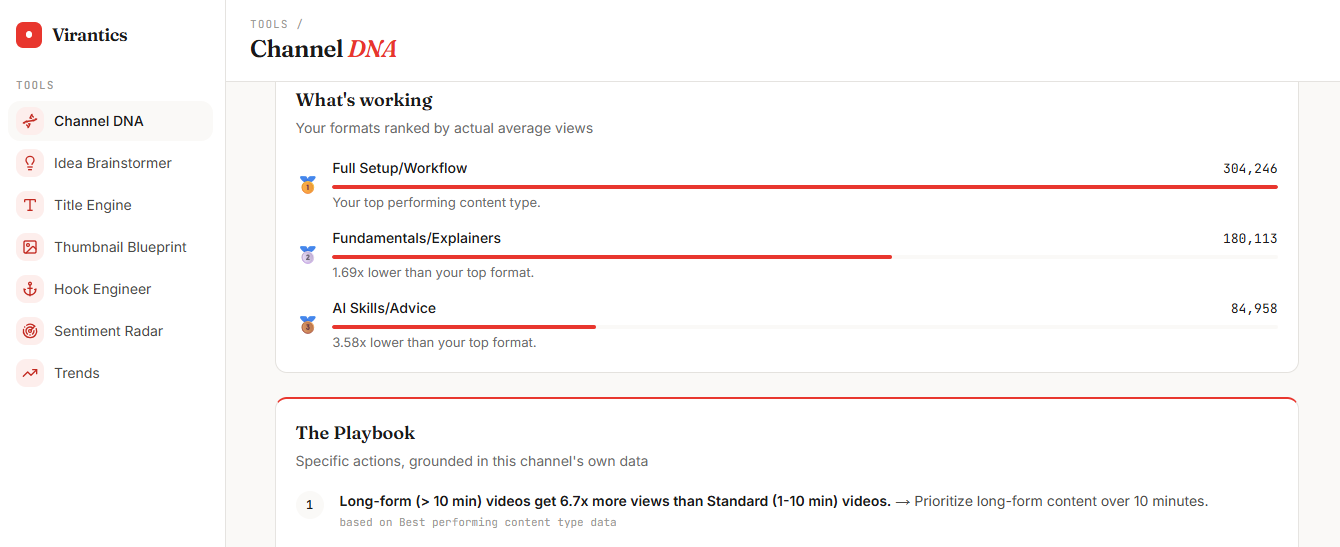
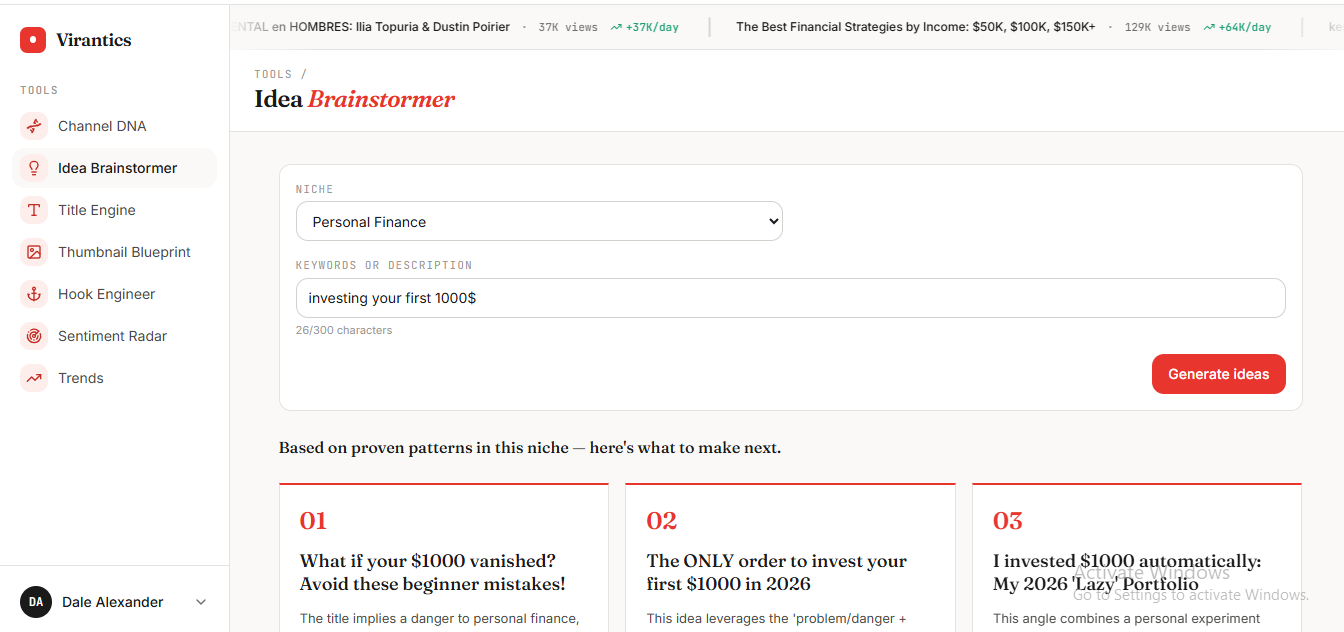
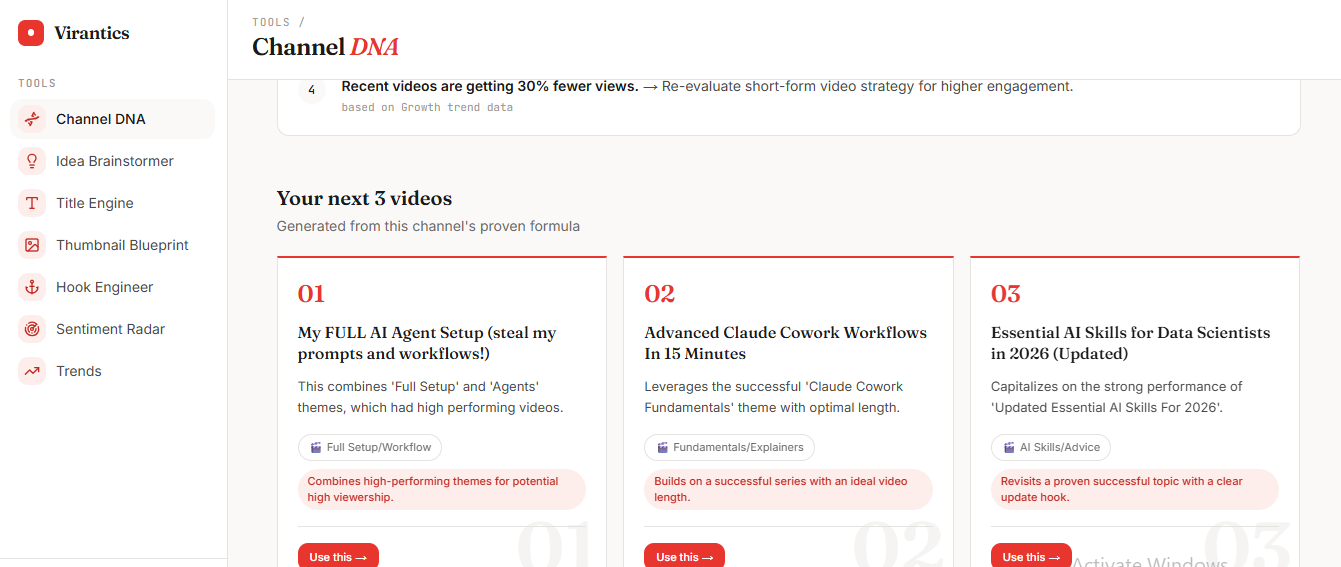
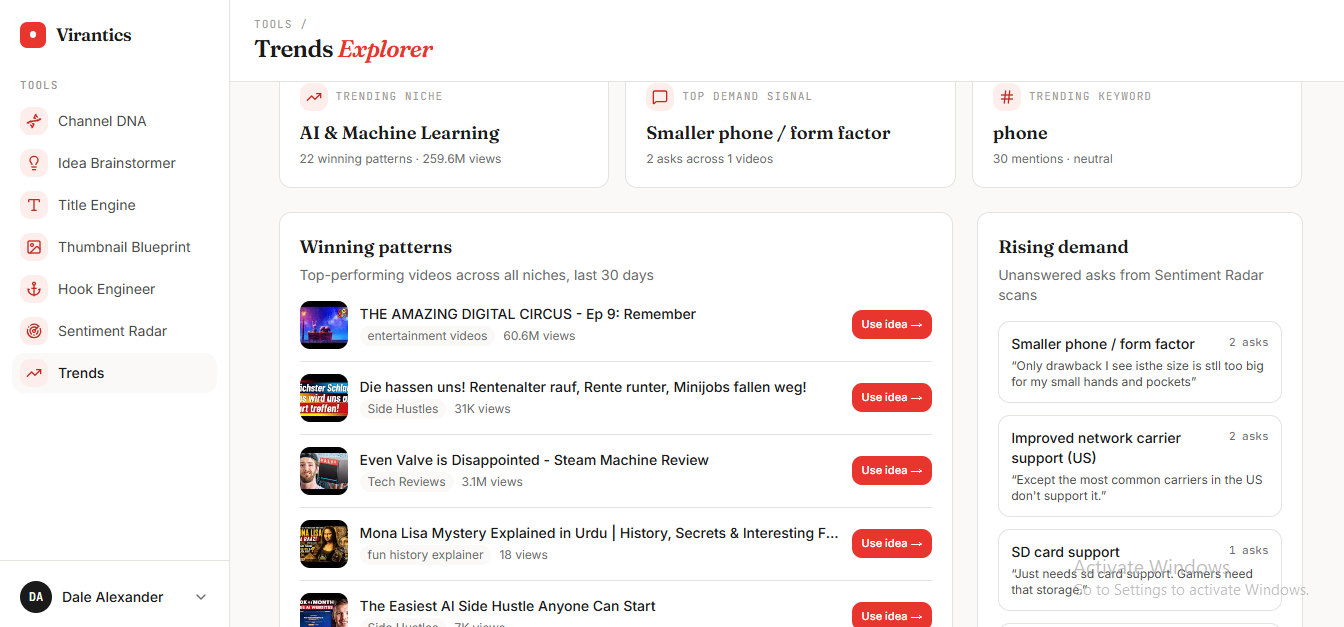
I came up with Virantics because I was getting annoyed trying to grow my faceless YouTube channel. I kept spotting video trends way too late, usually after they had already peaked. Standard tools didn't really help either—they just give you isolated, stateless guesses. I wanted a system that actually knew what was getting views right now and could use that real-world data to write better scripts and titles over time.
The Background
The crazy part is that eight months ago, I didn't know how to write a single line of code. I got interested in building things, which led me down the rabbit hole of figuring out how websites actually works—learning the difference between frontend and backend, and picking up different coding languages. I started out by building simple micro-tools and utility sites to get the hang of things. Then I stumbled onto Devpost and saw the "H0: Hack the Zero Stack" hackathon. I figured, why not? This is the first hackathon I've ever done.
How it was built
For the frontend, I used v0 to quickly scaffold the UI, wrote the actual logic using Kilo IDE, built it out in Next.js, and hosted the whole thing on Vercel.
The heavy lifting happens on the backend. Instead of just wrapping a language model, I built a three-layer memory system using AWS Aurora Serverless PostgreSQL with the pgvector extension.
- Layer 1 (The Cache): Stores raw YouTube API responses for 24 hours so I don't burn through my API quota on duplicate searches.
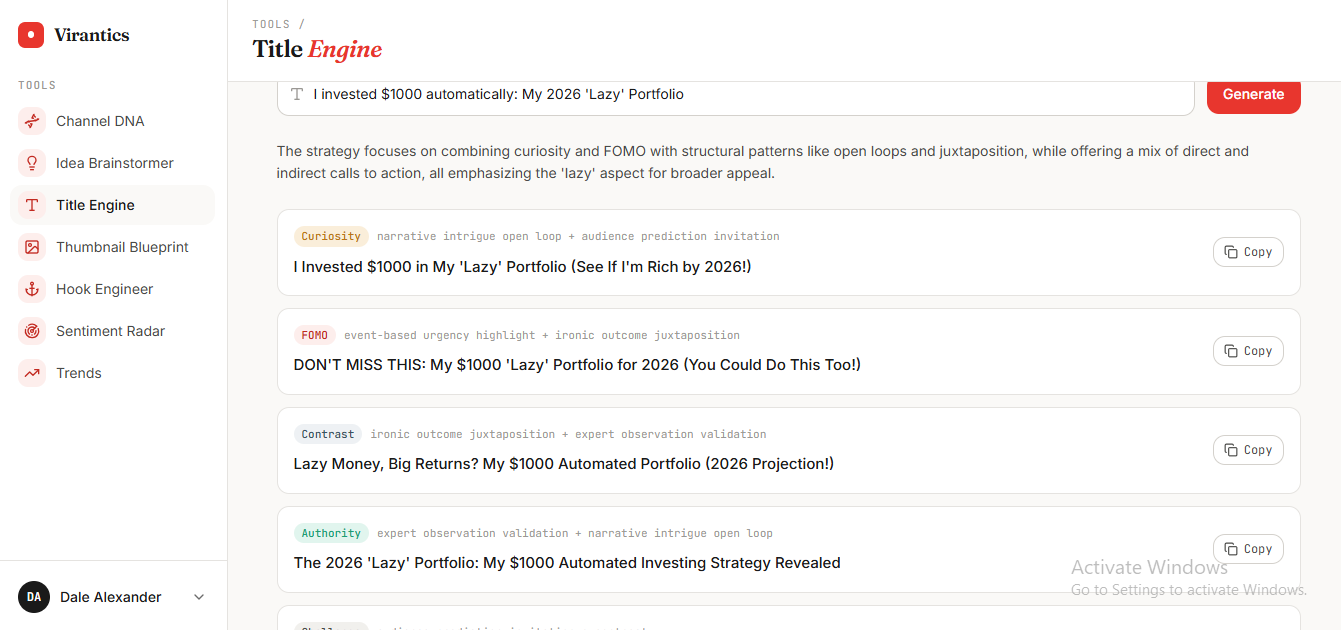
- Layer 2 (The AI Memory): Saves every single generated output as a vector embedding. Before the system writes anything new, it searches this table to find its own best past work, so it learns a consistent style.
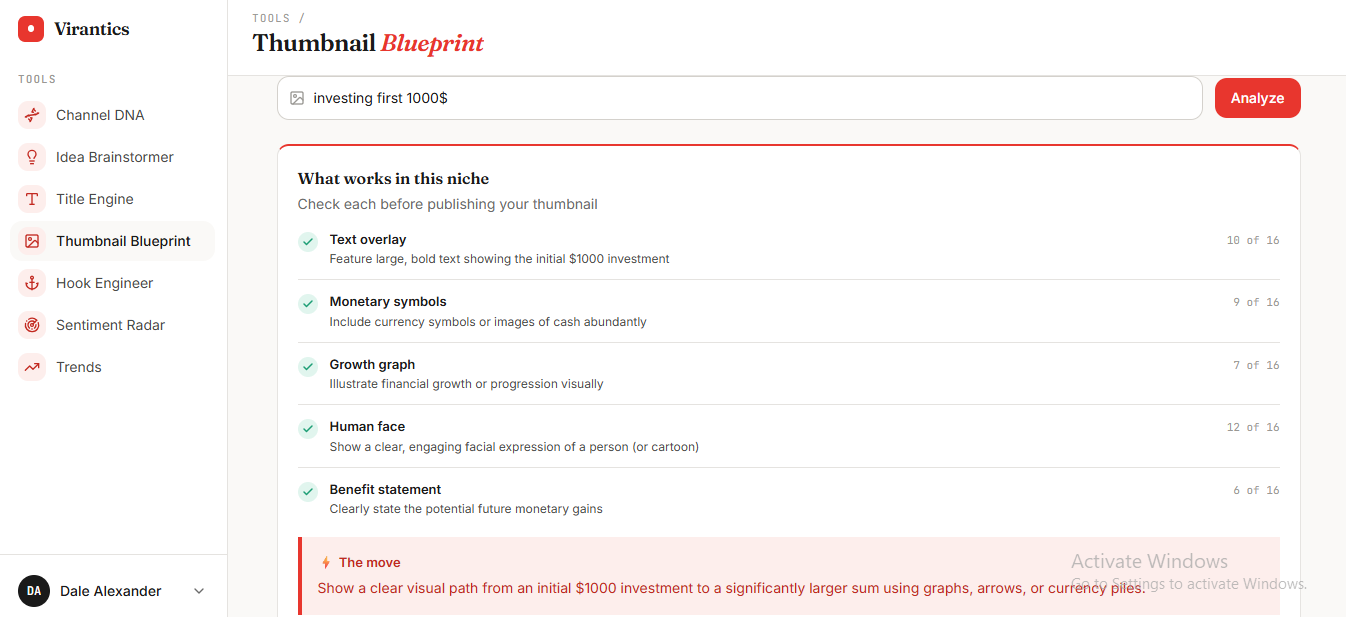
- Layer 3 (The Real-World Proof): This is the most important part. I pull real YouTube videos, score them based on views and engagement rates, and only save the top 30% as vector embeddings. When the user asks for a video idea or title, it pulls these proven winners to use as context.
The whole database scales to zero when nobody is using it, and I set up Vercel OIDC Federation with AWS IAM so I don't have to deal with hardcoded database passwords.
Challenges I ran into
The infrastructure was a beast. Coming from building smaller, lightweight web apps, I had zero experience with AWS before I started this. Figuring out how to provision Aurora Serverless, get pgvector working for similarity search, and tie it all together with secure IAM roles was exhausting. There were a lot of late nights just trying to get the cloud architecture to play nice with the app.
Accomplishments that I'm proud of
I'm honestly just proud I got the whole thing working. Going from zero coding knowledge to architecting a self-learning, scale-to-zero vector database on AWS in eight months feels pretty good. The app doesn't just pretend to learn; the database actually accumulates real evidence and gets tangibly smarter every time someone runs a scan.
What's next for Virantics
Right now, the app is in a bit of a "chicken-and-egg" situation—the database gets smarter the more people use it, but since it's brand new, it needs more data to really show off its potential.
Moving forward, the main focus is seeding the database with a massive initial injection of winning patterns across major YouTube niches so it hits the ground running for new users. I also want to build out a few more micro-tools to cover the full video production workflow, like automated script outline builders and thumbnail A/B testing simulators. The ultimate goal is to keep expanding the evidence base so the predictions get more accurate.
Built With
- amazon-web-services
- aws-aurora
- gemini-2.5-flash
- kilo-ide
- next.js
- pgvector
- postgresql
- v0
- vercel
- youtube

Log in or sign up for Devpost to join the conversation.