-
-
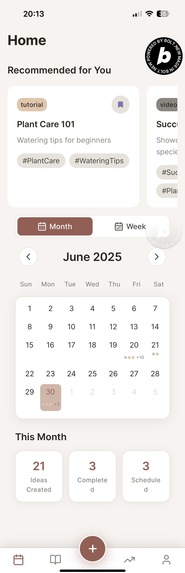
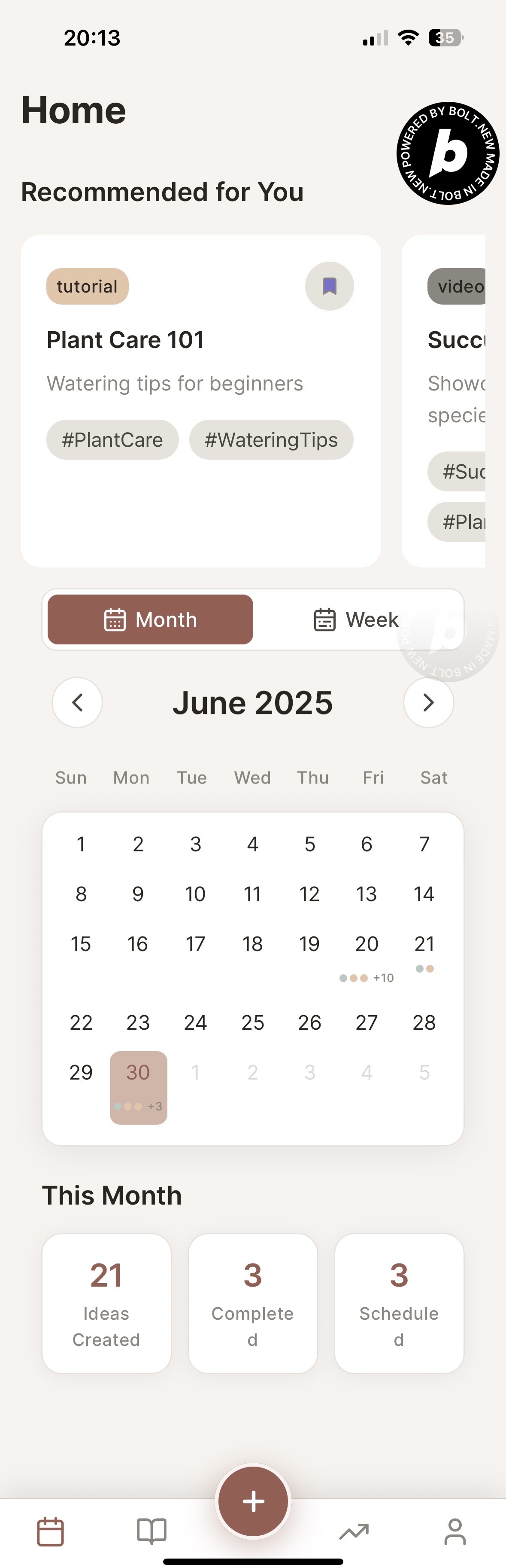
Homepage that automatically suggests ideas tailored to the user’s preferences, plus a calendar to schedule and get an overview of posts
-
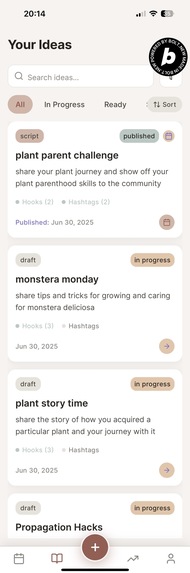
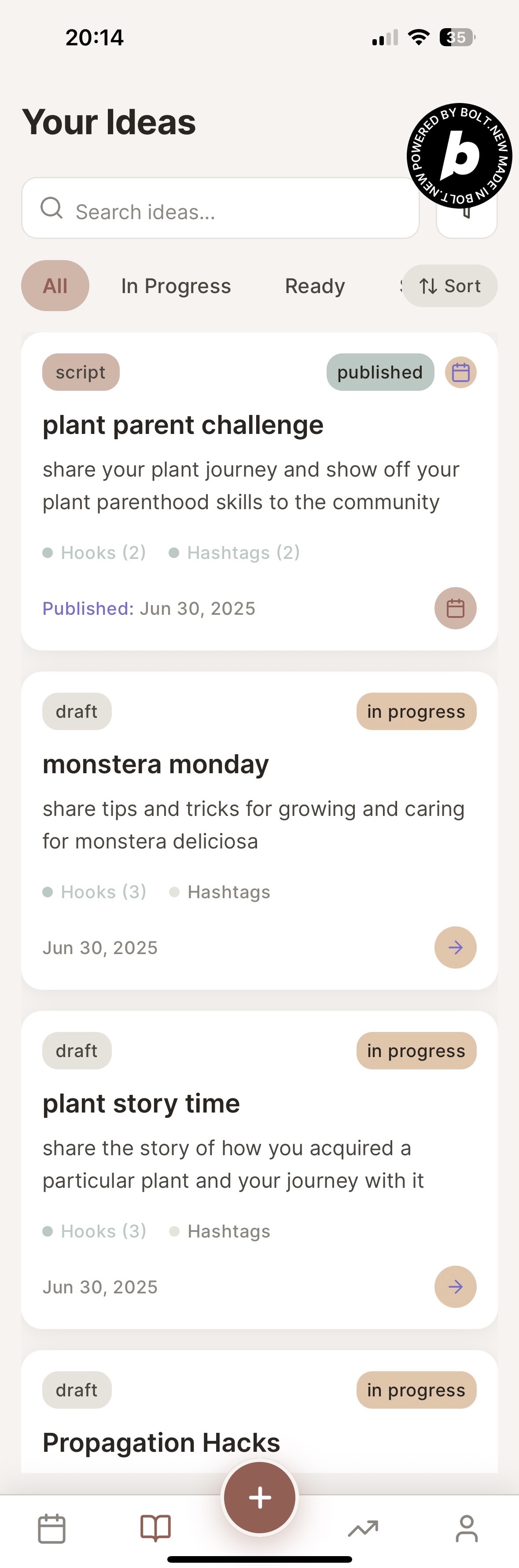
Ideas overview screen where users can track their ideas and see their current status
-
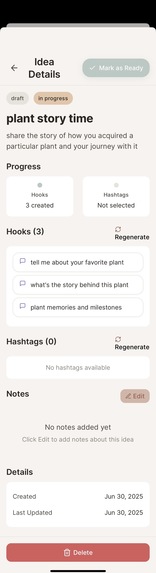
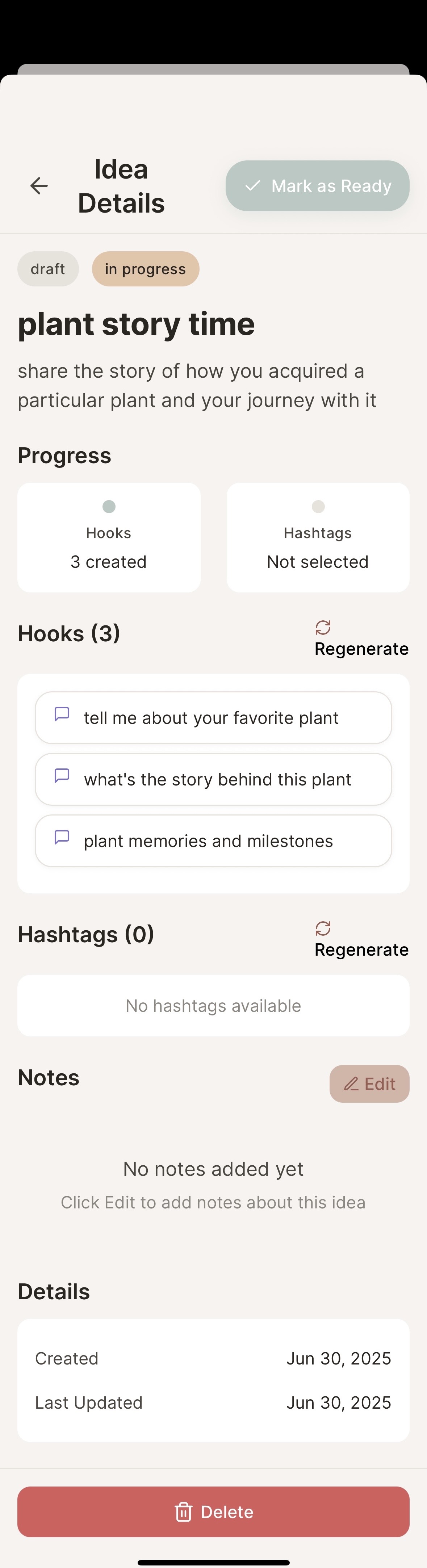
Idea details page where users can generate new hooks and hashtags, update the status, and schedule their posts
-
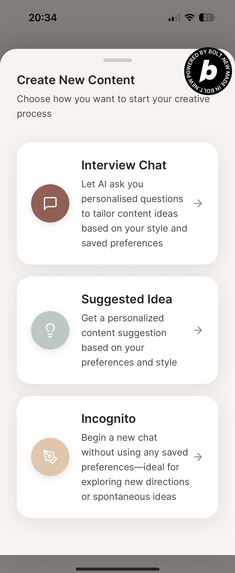
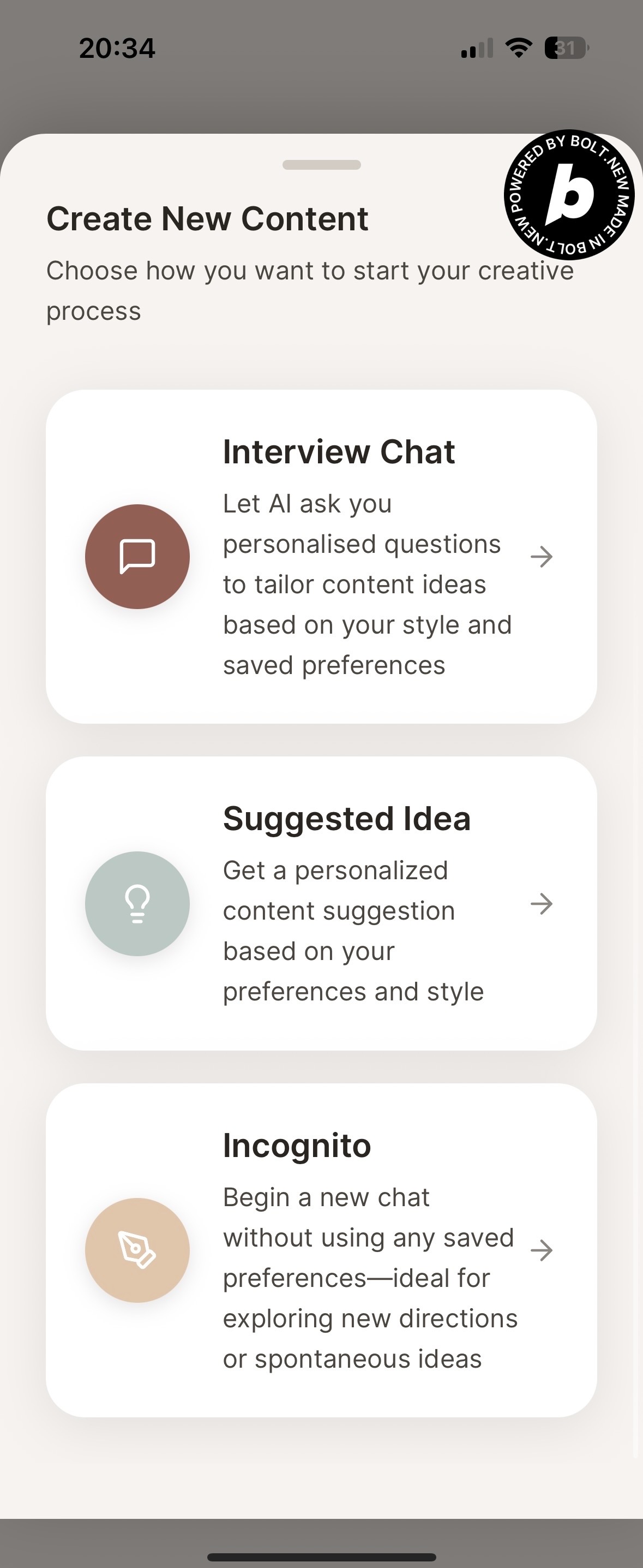
Modal to start a chat with options like Interview Chat, Suggested Idea, or Incognito.
-
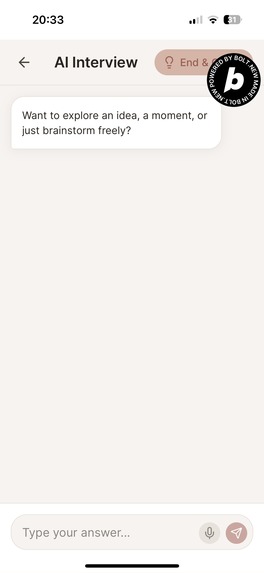
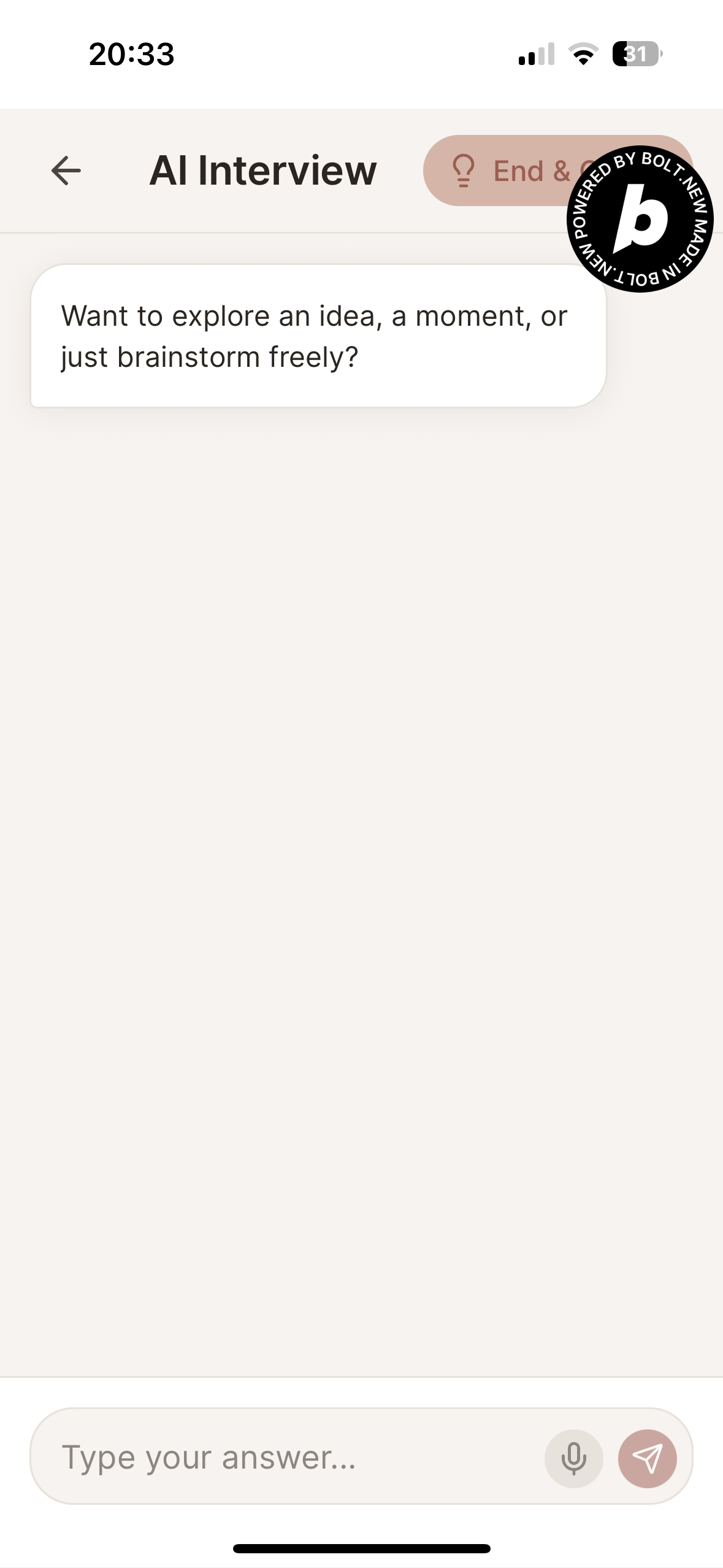
Chat where users can create new ideas and get inspired
-

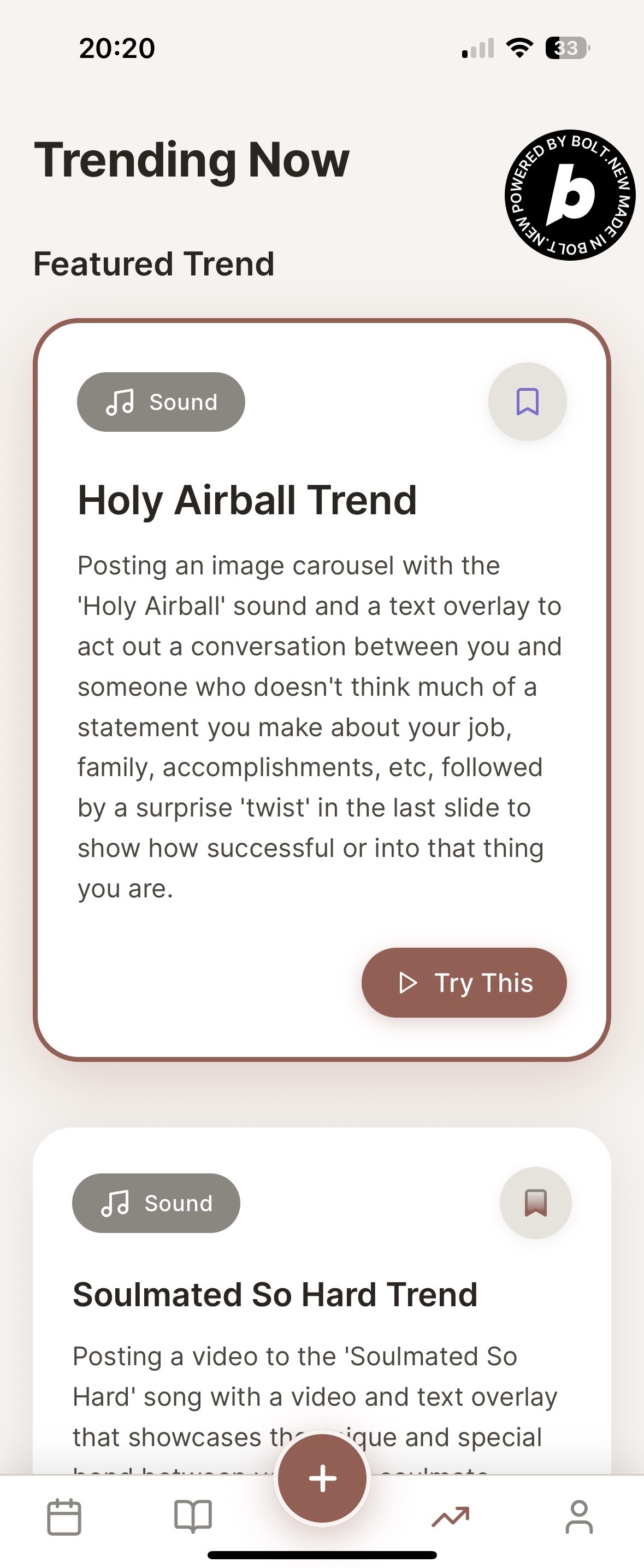
The Trends page lets users pick from latest trends, the AI creates personalised ideas based on the chosen trend and the user’s preferences
-
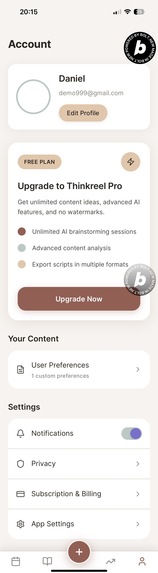
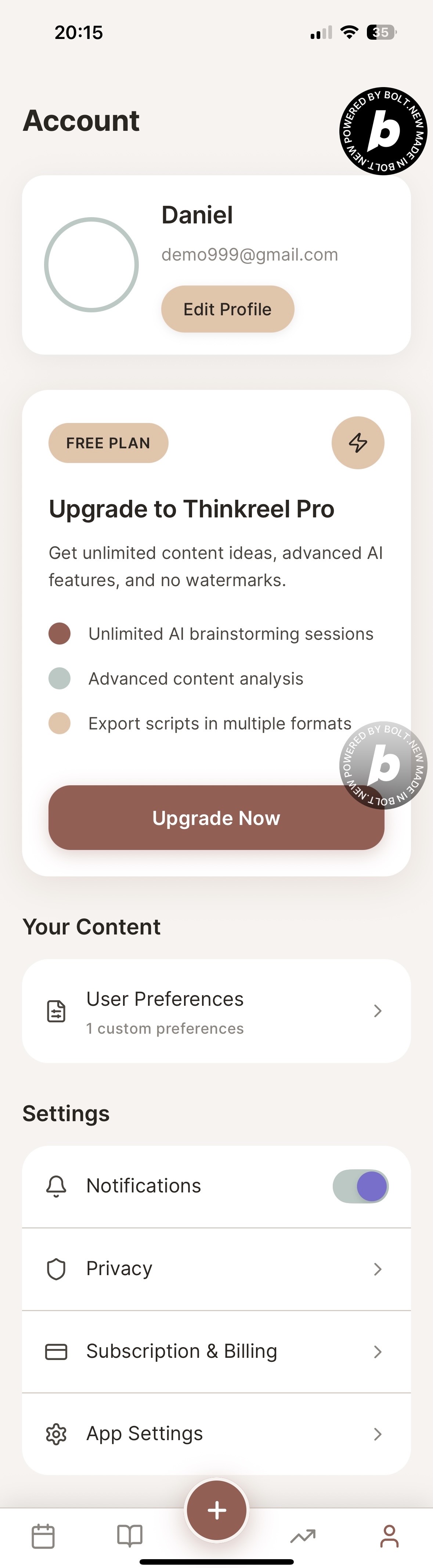
Account page where users can update their preferences and, in the future, manage subscriptions and other settings
-
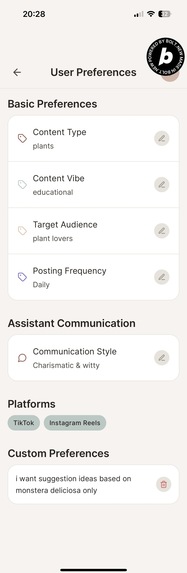
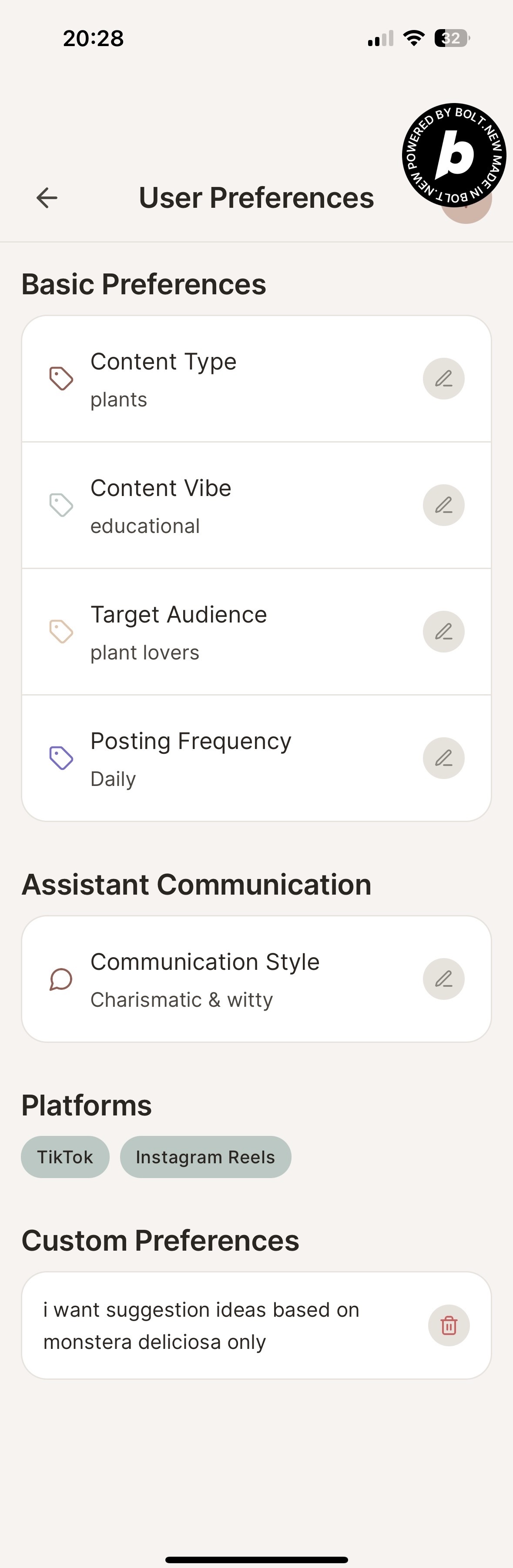
Page where users personalise their experience by choosing preferences that shape the ideas and content they receive
Thinkreel Project
✨ About the Project
Content creation can feel like shouting into the void, especially when you’re trying to stay relevant, inspired, and on-brand. Most AI tools either dump out generic text or force you into rigid prompts. I wanted something different.
So I built Thinkreel, a tool that talks through ideas with you to help you unlock content ideas, hooks, and hashtags tailored to your niche, your style, and your audience. It’s not just about output, it’s about inspiration, creativity, and helping people explore their voice in a structured yet flexible way.
🎉 Core Features
✨ AI-Powered Content Ideation
- Interview-style sessions based on user preferences
- Incognito sessions for wild brainstorming
- Multi-AI system: Groq (Llama 3.3-70B) + Gemini 2.0 Flash
- Context-aware idea generation
📅 Content Management
- Organise and edit ideas by status (draft, completed, scheduled)
- Visual calendar to plan posts
- Advanced filters and keyword search
🌐 Trend Intelligence
- Auto-fetch trends (sounds, formats, hashtags)
- Remix trending formats to fit your niche
- Bookmark trends for future use
👤 User Profiles
- Save tone, platforms, audience details
- Define post types, frequency, goals
🙇 Challenges Faced (And how I dealt with them)
Expo APK Generation
- First time working with keystores and APK signing.
- Used
eas buildwith debug profiles and manual keystore management.
Multi-AI Coordination
- APIs had inconsistent JSON responses and rate limits.
- Created fallback chains and normalised responses for reliability.
TikTok Trend Access
- Official API is limited and scraping is risky.
- Ended up using trend aggregator sites with caching and I built a backup dataset that pretends to be real in case everything breaks.
UX Iteration Spiral
Displaying lots of content ideas and sessions in a small UI felt overwhelming.
Kept simplifying the interface, reducing friction, and tweaking focus states... way too many times.
📈 Things I Learned
- Expo speeds up dev massively, but some things (like APK generation and permissions) are still a learning curve.
- AI isn’t one-size-fits-all. Groq is amazing for raw generation, but Gemini is better at relevance and search.
- Don’t force a chatbot UI. People want inspiration, not a replica of ChatGPT.
- That I shouldn't leave everything until the last minute
⚖️ Tech Stack
- Frontend: React Native (Expo), Expo Router, Tailwind
- Backend: Supabase (PostgreSQL, Edge Functions, Auth)
- AI: Groq (Llama 3.3-70B), Gemini 2.0 Flash
☕ Future Ideas
- Voice sessions instead of typing
- Analytics-based idea feedback
- Calendar integrations (Google, Notion)
- More platform-specific idea sets (LinkedIn, Pinterest)
- Collaborative mode for teams
- Multi-language support
Built With
- expo.io
- gemini-api
- groq
- react-native
- subapase
- tailwind

Log in or sign up for Devpost to join the conversation.