-

Logo
-
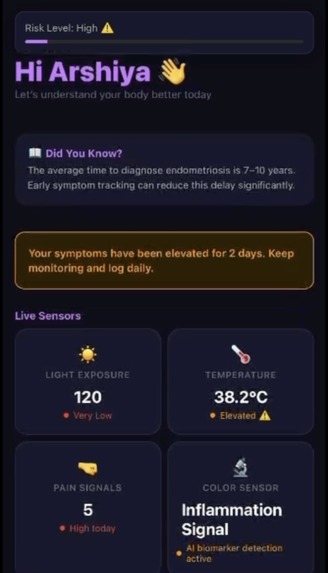
App Prototype
-
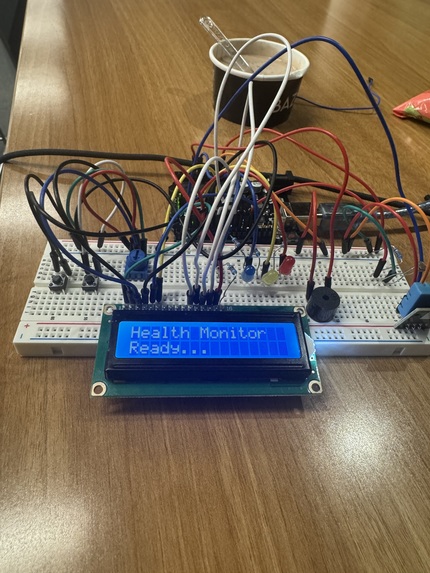
Hardware prototype

Inspiration
The future of women's health starts with listening. But for most of history, it hasn't.
"Hysteria" was a formal medical diagnosis used to dismiss women's pain until 1980. Endometriosis was first described in medical literature in 1860, yet wasn't taken seriously by the broader medical community until the 1990s. PCOS was identified in 1935 and remains one of the most misdiagnosed conditions on the planet today. Women in the 1800s used herbal cycles, body temperature tracking, and lifestyle rhythms to manage what we now know are complex hormonal disorders. They were onto something. Nobody listened.
The number that broke our team: The average endometriosis diagnosis still takes 7 to 10 years. That is not a statistic. That is nearly a decade of a woman's life spent in pain, being told it's normal, being told it's in her head, and being told to come back next year. We built Viora because that number is not acceptable, and because technology, finally, gives us the tools to change it.
What it does
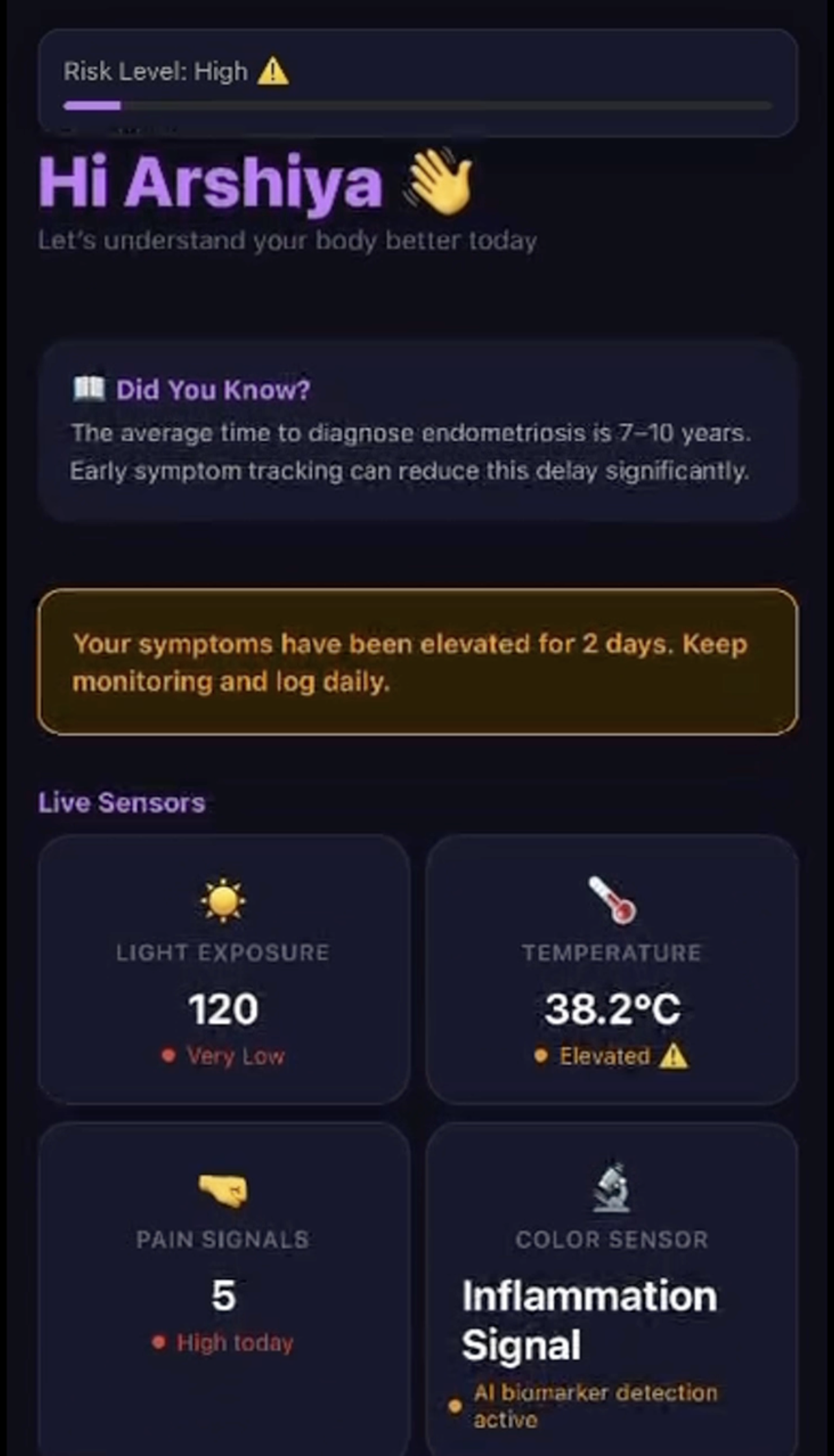
Viora is an integrated hardware-software women's health platform that detects patterns associated with PCOS, PCOD, and Endometriosis and surfaces them to both the patient and her physician before they become a crisis. The mobile and web app, built with React and Expo, is the heart of the system. Every day, users complete a symptom log covering:
- Pain level (1–10)
- Bloating
- Fatigue
- Mood disruption
- Irregular bleeding
- Metabolic flags (unusual hunger, weight changes) This data flows into an AI-powered risk engine that scores symptom combinations against patterns historically associated with hormonal flare-ups. When a risk threshold is crossed, Viora automatically sends a 7-day summary report and alert to a connected gynecologist - a house-call-grade clinical picture, delivered without a clinic visit.
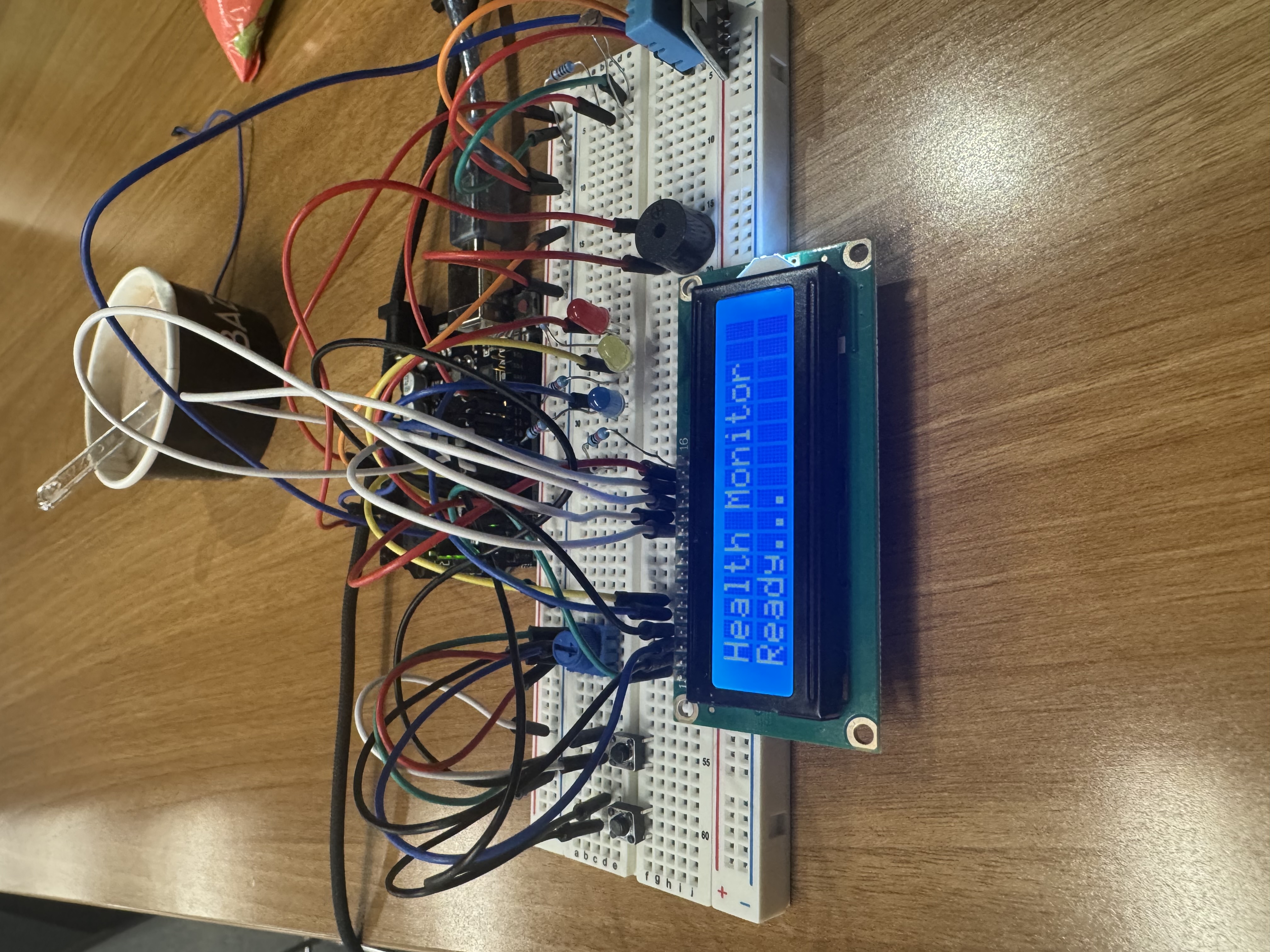
The hardware layer, built on Arduino, extends sensing beyond self-report. A skin temperature and humidity sensor captures physiological signals. A light sensor measures urine sample absorbance as a proxy for hormonal and inflammatory markers. Woven throughout the app are historical minifacts which surface the medical history women were never taught. They contextualize a user's symptoms within a century of dismissed research and speak directly to the WEHack Night at the Museum theme. Studying the past to unlock the future is not a metaphor for Viora. It is the architecture of the entire product. A global support group connects users with a community moderated by AI, which flags medical misinformation in real time. A physician portal allows connected doctors to receive alerts, view trend graphs, and respond directly through the dashboard. Daily positive affirmations and discreet notifications round out an experience designed to feel like a trusted companion, not a clinical tool.
How we built it
We divided the project across two tracks: hardware and software. Frontend - React + Expo We built Viora as a cross-platform application using React and Expo, allowing the app to run on both mobile and web from a single codebase. The UI is designed to feel warm and personal - soft typography, a rose-and-purple palette, and interaction patterns that respect the emotional weight of what users are logging. Screens include the daily symptom log, weekly trend report, physician portal, support group, and the history minifacts system. Backend - Node.js Our Node.js backend powers the REST API that handles authentication, symptom log storage, hardware data ingestion over USB serial, and the alert pipeline. The risk engine lives here - a scoring system that evaluates daily symptom inputs against weighted clinical thresholds. When a patient's score crosses a defined risk level, the alert pipeline fires automatically. Hardware - Arduino The sensor array reads skin temperature, humidity, and urine light absorbance on a user-defined schedule. A buzzer and LCD display surface task-specific reminders - yellow for medication, blue for vitals, red for urine testing. AI - Claude API (Anthropic) Posts in the support group are passed to Claude for real-time misinformation detection and flagged with a warning label when they contradict current medical consensus. Daily affirmations are generated contextually based on each user's logged mood and symptom data. Alerts - Email + SMS When the risk engine fires, a formatted 7-day summary is delivered to the physician via email. An SMS backup ensures the alert is never missed.
Challenges we faced
Bridging hardware and software was the most technically demanding part of the build. Reading serial data from the Arduino reliably, parsing it without blocking the API, and surfacing it live on the React/Expo frontend required careful architecture and a lot of debugging at the seam between two very different systems. Designing for emotional sensitivity was a challenge we did not anticipate. This is not a productivity app. Users logging pain scores and menstrual irregularities are often already exhausted and dismissed by the medical system. Every copy decision, every color, every interaction had to be reconsidered through that lens. Making clinical accuracy and emotional warmth coexist in a single interface took real iteration. Cross-platform consistency with Expo required constant testing across web and mobile viewports. Components that looked perfect on web needed adjustment for mobile, and the symptom log form in particular went through several redesigns to feel natural on a small screen. Time. A hackathon is 24 hours. Women's health has been underfunded and under-researched for 200 years. The gap between what Viora is today and what it could become is humbling - and motivating.
What we learned
We learned that the history of women's medicine is not ancient history. It is recent, it is documented, and it is the direct cause of diagnostic gaps that exist today. Building Viora made that real in a way that reading about it never did. We learned that hardware-software integration is unforgiving at the seams - and deeply satisfying when it works. We learned that AI, used carefully, can be a genuine force multiplier for underserved communities - not by replacing physicians, but by generating the kind of longitudinal, structured data that makes a physician's job possible in the first place. And we learned that the best products are built when the team genuinely cares about the problem. We cared about this one.


Log in or sign up for Devpost to join the conversation.