-
-
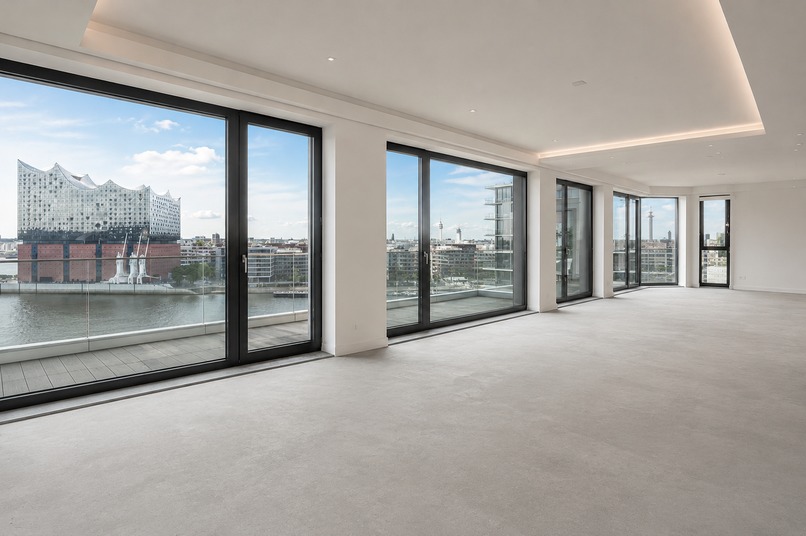
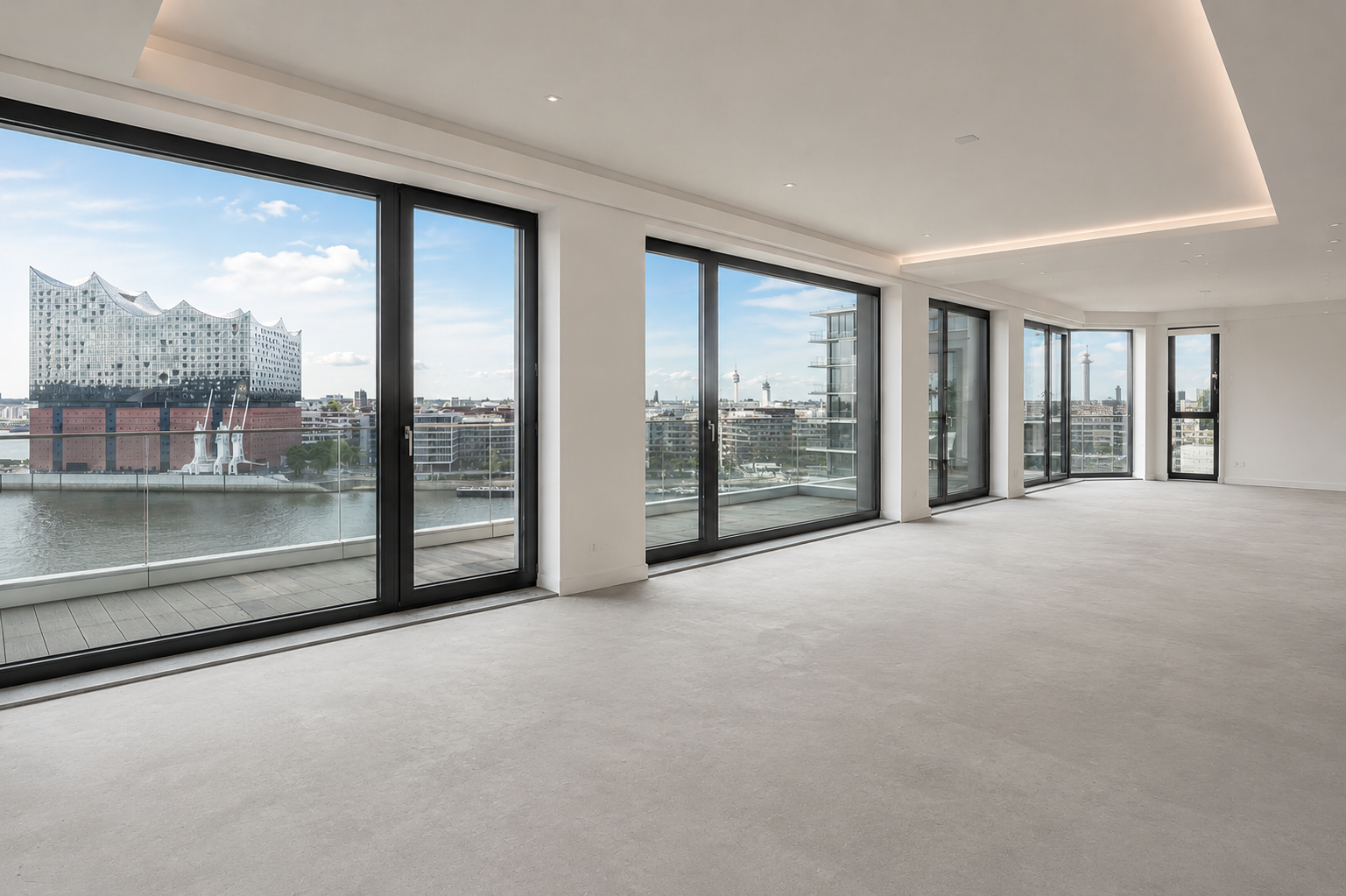
Empty modern apartment with panoramic city views.
-

After: AI-staged luxury living room with preserved architecture.
-
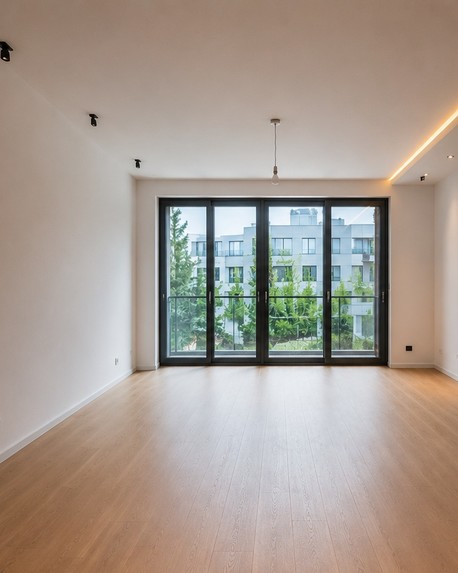
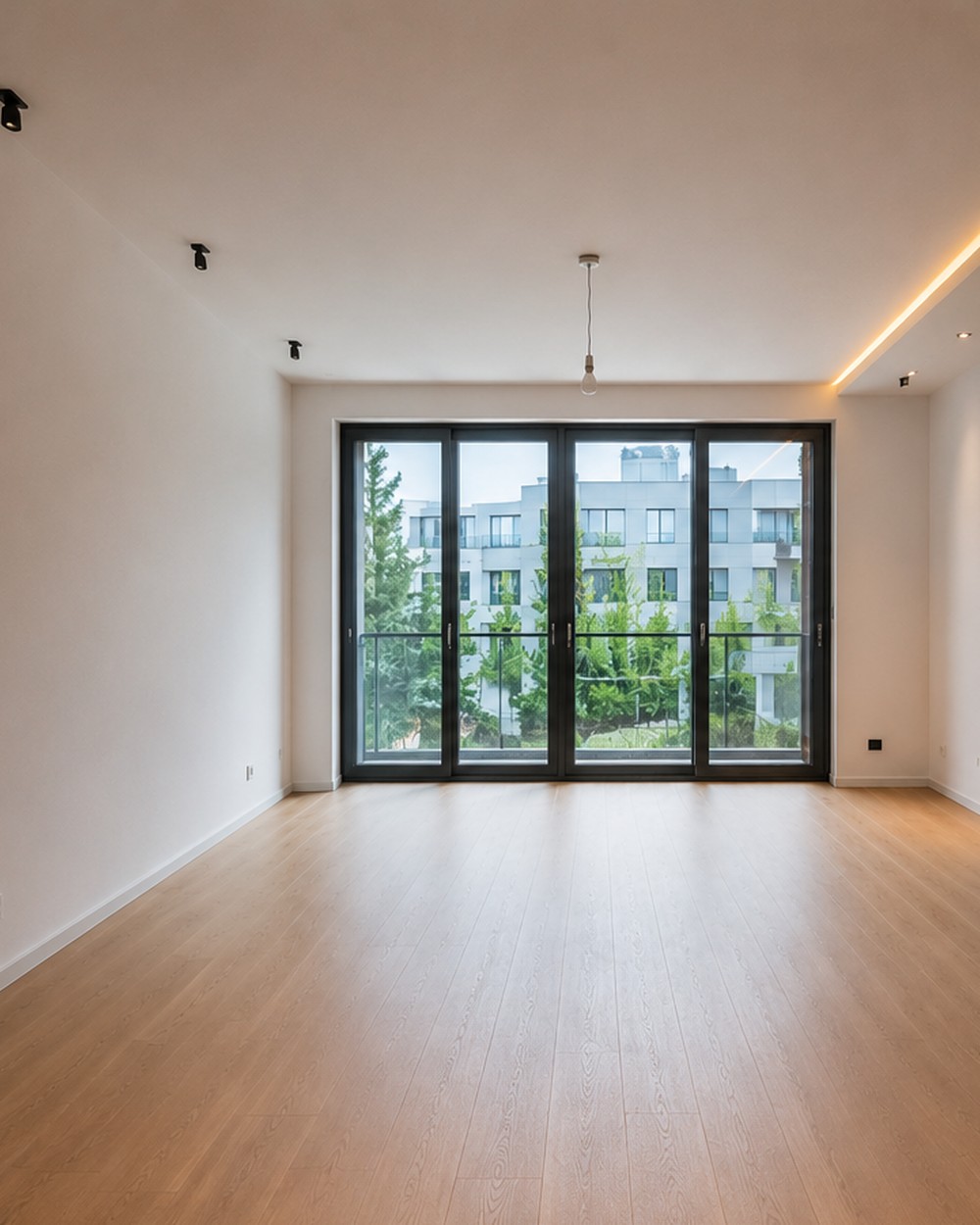
Before: Unfurnished interior prepared for AI visualization.
-

After: Photorealistic AI interior staging for real estate marketing.


Demo Access
Live application: https://nextjs-with-supabase-vimmoai.vercel.app
Demo account: Email: [email protected] Password: Atlas_VimmoAI#2026!
After signing in, open the dashboard and select the available demo project.
Development Status
VimmoAI is currently a functional MVP and is still under active development.
Due to the limited hackathon timeframe, I focused on building and demonstrating the core workflow: authentication, project creation, image upload, secure project storage, AI-assisted project preparation, dashboard tracking, and the real estate visualization concept.
Some planned features, including the fully automated end-to-end Kling AI video generation workflow, payment integration, and additional production controls, are not yet fully completed.
The current version is intended to demonstrate the product vision, technical foundation, user experience, and the practical use of GPT-5.6 and Codex in an AI-powered real estate workflow.
Inspiration
The real story behind VimmoAI
VimmoAI did not begin with a development team, investors, or a finished business plan. It began with a simple question: could ordinary real estate photos be transformed into more engaging and cinematic presentations without hiding the reality of the property?
I started working on this idea alongside my regular warehouse job and a minijob. The project has been financed from my own savings and developed mostly after work. Progress was not fast or perfect. Some days I built useful features; other days I spent hours trying to understand a configuration problem or rebuilding something that did not work.
The project also changed several times. I first created a simple website and produced manual demonstrations using AI tools. Later, I realized that a website alone was not enough. I needed a structured platform where a client could create a property project, enter the relevant information, upload images and receive an AI-generated cinematic presentation concept.
The current VimmoAI MVP uses the OpenAI API to analyze the submitted project information and create a structured visual plan. Supabase manages authentication, project data and uploaded files, while the application is built with Next.js, React and TypeScript. Codex helped me understand the codebase, implement features, find errors and improve parts that I could not have completed alone.
VimmoAI is not finished, and I do not want to present it as finished. Fully automated video generation is still a future stage. At the moment, human review remains part of the process because AI can make mistakes, change architectural details or produce results that should not be delivered to a client.
My goal is not to replace real property photography or architectural documentation. It is to build a transparent tool that helps real estate professionals present properties in a more modern and emotional way.
The principle behind the project is simple: I do not want to promise anything that I cannot demonstrate.
What it does
VimmoAI is an AI-powered real estate visualization platform.
The current MVP allows users to:
- Create a property project
- Add client and property information
- Upload property images
- Submit the project for AI analysis
- Generate a structured cinematic presentation concept
- Receive visual direction for scenes, camera movement, style, and video planning
The platform is designed to make the preparation of cinematic real estate presentations faster, clearer, and easier to manage.
The current MVP focuses on project creation, image upload, AI analysis, and cinematic planning. Fully automated video generation is part of the next development phase.
How we built it
VimmoAI was built with:
- Next.js
- React
- TypeScript
- Supabase
- PostgreSQL
- OpenAI API
- GPT-5.6
- Codex
- Vercel
- GitHub
Supabase is used for authentication, database management, project storage, and uploaded property files.
GPT-5.6 is used to interpret project information and produce structured cinematic presentation plans adapted to each property.
Codex supported the development process by helping me implement application features, debug errors, improve routes and components, refactor code, and accelerate the overall development workflow.
The application is deployed through Vercel and the source code is managed through GitHub.
Challenges we ran into
One of the main challenges was creating a workflow that is simple enough for real estate professionals while still producing detailed and useful AI results.
I also had to solve several technical challenges involving authentication, protected routes, image uploads, database structure, API routes, secure handling of internal prompts, and deployment.
Another important challenge was defining the correct scope for the MVP. Instead of trying to build the complete commercial platform immediately, I focused on one functional workflow that could be demonstrated clearly.
Maintaining realistic architecture and visual consistency in AI-generated real estate content is also an ongoing challenge that VimmoAI aims to address through structured prompts and controlled workflows.
Accomplishments that we're proud of
I am proud that VimmoAI developed from an idea into a functional full-stack MVP.
The current application includes:
- User authentication
- A protected project dashboard
- Property project creation
- Image upload and storage
- AI-powered project analysis
- Structured cinematic planning
- A deployable web application
I am also proud that I built the project independently while learning and solving each technical step along the way.
The most important accomplishment is that the platform demonstrates a real use case for GPT-5.6 and Codex instead of using AI only as a visual effect.
What we learned
Building VimmoAI taught me how to structure a full-stack application using Next.js, TypeScript, Supabase, and PostgreSQL.
I learned how to connect an AI model to a practical user workflow, how to structure prompts for predictable results, and how to separate internal AI instructions from the information shown to clients.
I also learned that a strong MVP does not need every planned feature. It needs one clear problem, one understandable workflow, and a result that can be tested and demonstrated.
Codex helped me understand the codebase, troubleshoot technical problems, and work more efficiently during development.
What's next for VimmoAI – AI Real Estate Visualization
The next development phase will focus on:
- Connecting automated cinematic video generation
- Improving property and image analysis
- Creating a clearer client delivery workflow
- Adding project status tracking
- Improving the user interface
- Expanding prompt consistency controls
- Adding secure payment and order management
- Creating scalable workflows for real estate agencies
The long-term vision is to make professional AI-powered real estate presentations accessible to agencies, property developers, and independent real estate professionals.
VimmoAI is currently an MVP, but the foundation is designed to grow into a complete AI-powered real estate visualization platform.
Built With
- ai
- api
- authentication
- codex
- dashboard
- engineering
- estate
- full
- github
- gpt-5.6
- image
- next.js
- openai
- postgresql
- prompt
- react
- real
- saas
- stack
- supabase
- typescript
- upload
- vercel
- web


Log in or sign up for Devpost to join the conversation.