Inspiration
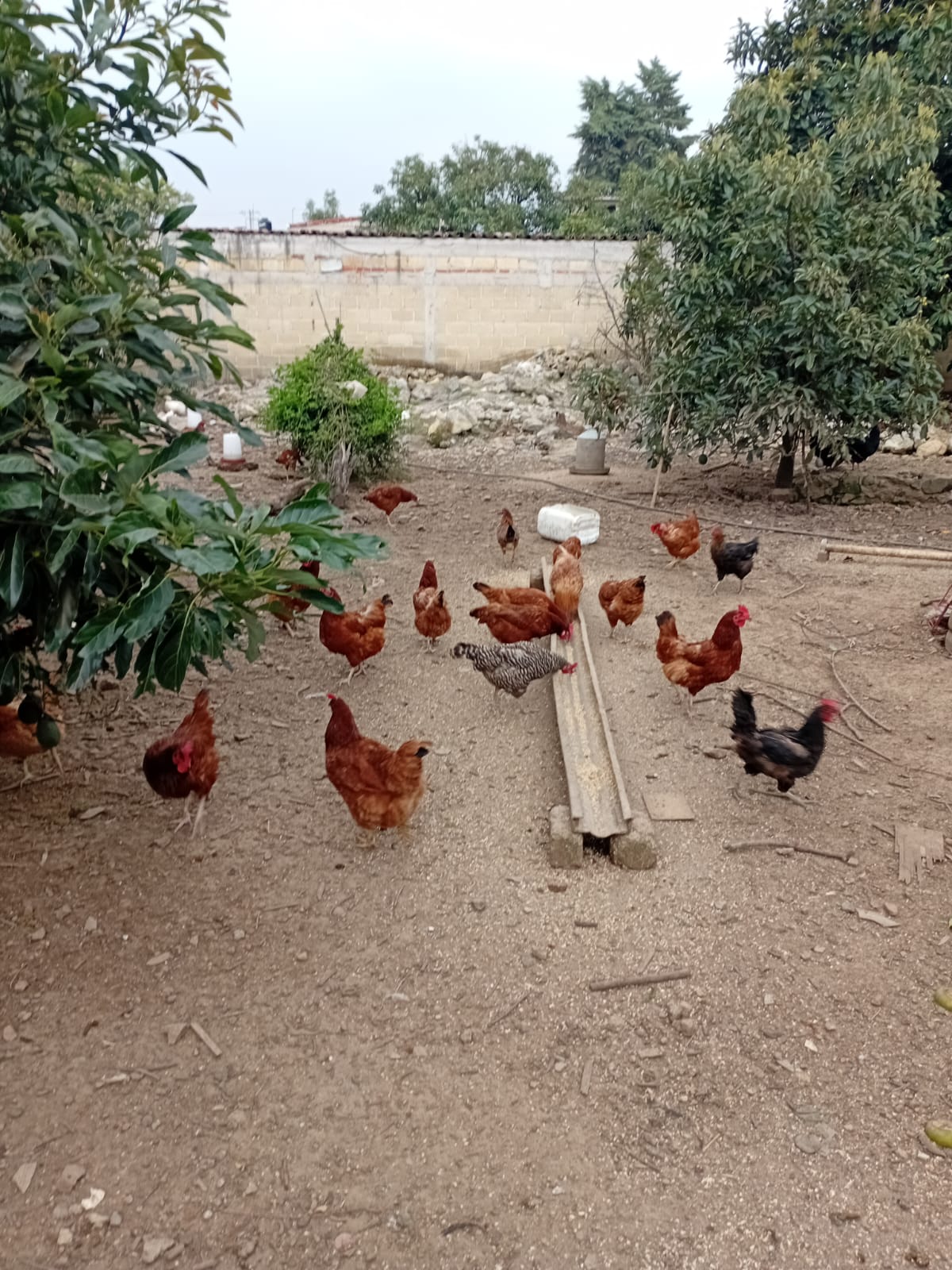
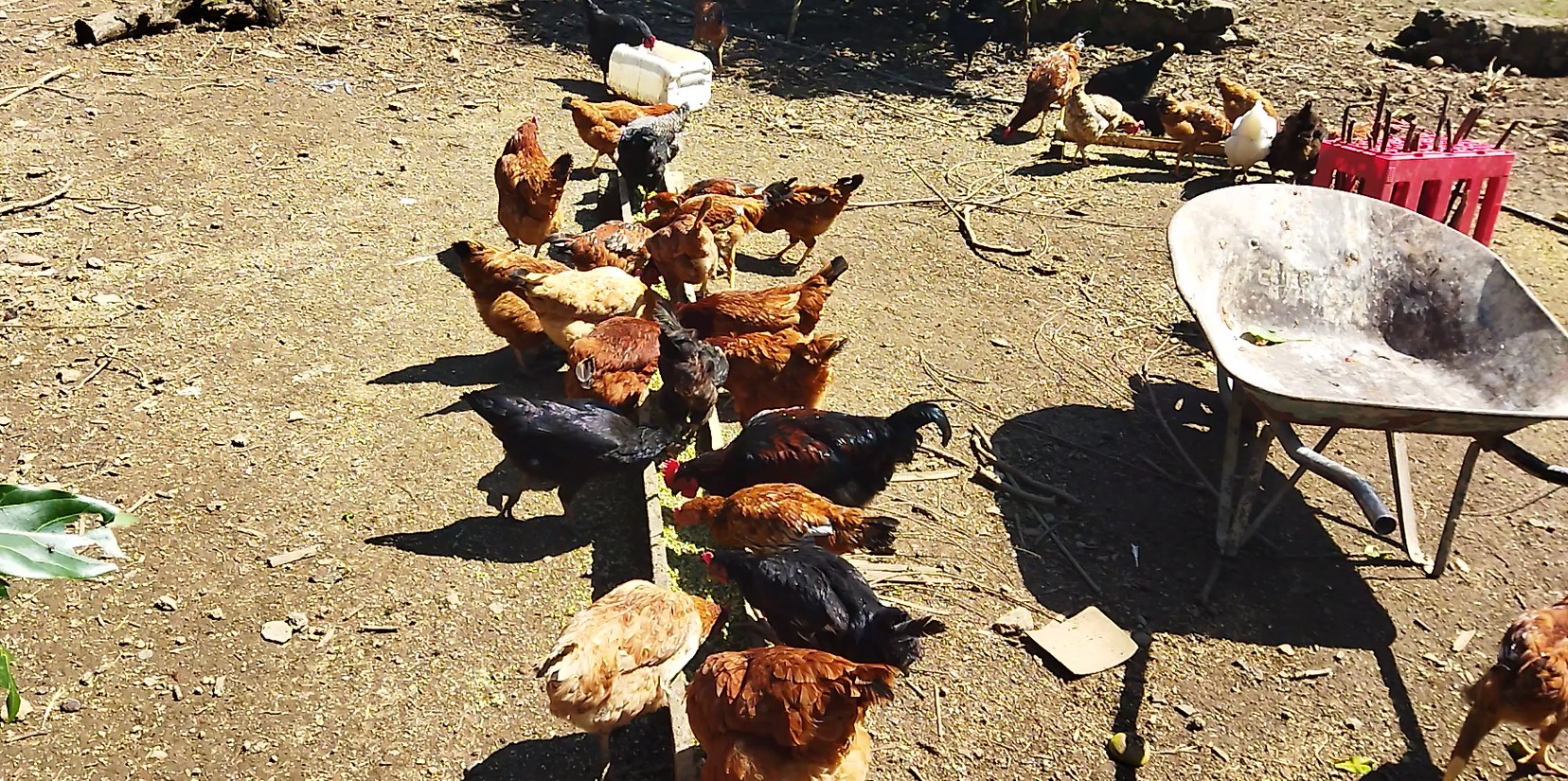
Granja La Villa Verde AI was born from a real problem inside my family's free-range poultry farm in Zitácuaro, Michoacán, Mexico.
My mother is 73 years old and my father, Arturo, is 76. Both of them help me care for the animals and carry out the farm's daily production processes. Their participation inspired me to design an application that is simple, accessible, and useful for older rural producers.
Every day, we produce and sell eggs, purchase feed and medicine, care for the birds, and make decisions that directly affect profitability. Like many small rural producers, we had operational information, but it was scattered across memory, handwritten notes, receipts, and informal calculations.
This made apparently simple questions difficult to answer: How much did we really earn? How much did feed affect our margins? Was production improving? How many birds were available for sale? What action should we take when costs increased or production changed?
Small farmers do not only need another data-entry application. They need an accessible assistant that can transform their operational data into understandable and actionable decisions.
During the Build with Gemini XPRIZE submission period, I created and tested Granja La Villa Verde AI as a new digital service within our existing farm. The farm provides a real production environment, while the application represents the new AI-powered solution being developed for small agricultural businesses.
What it does
Granja La Villa Verde AI is an offline-first Android application that helps small poultry farmers manage their operations, understand their financial performance, and make data-driven decisions.
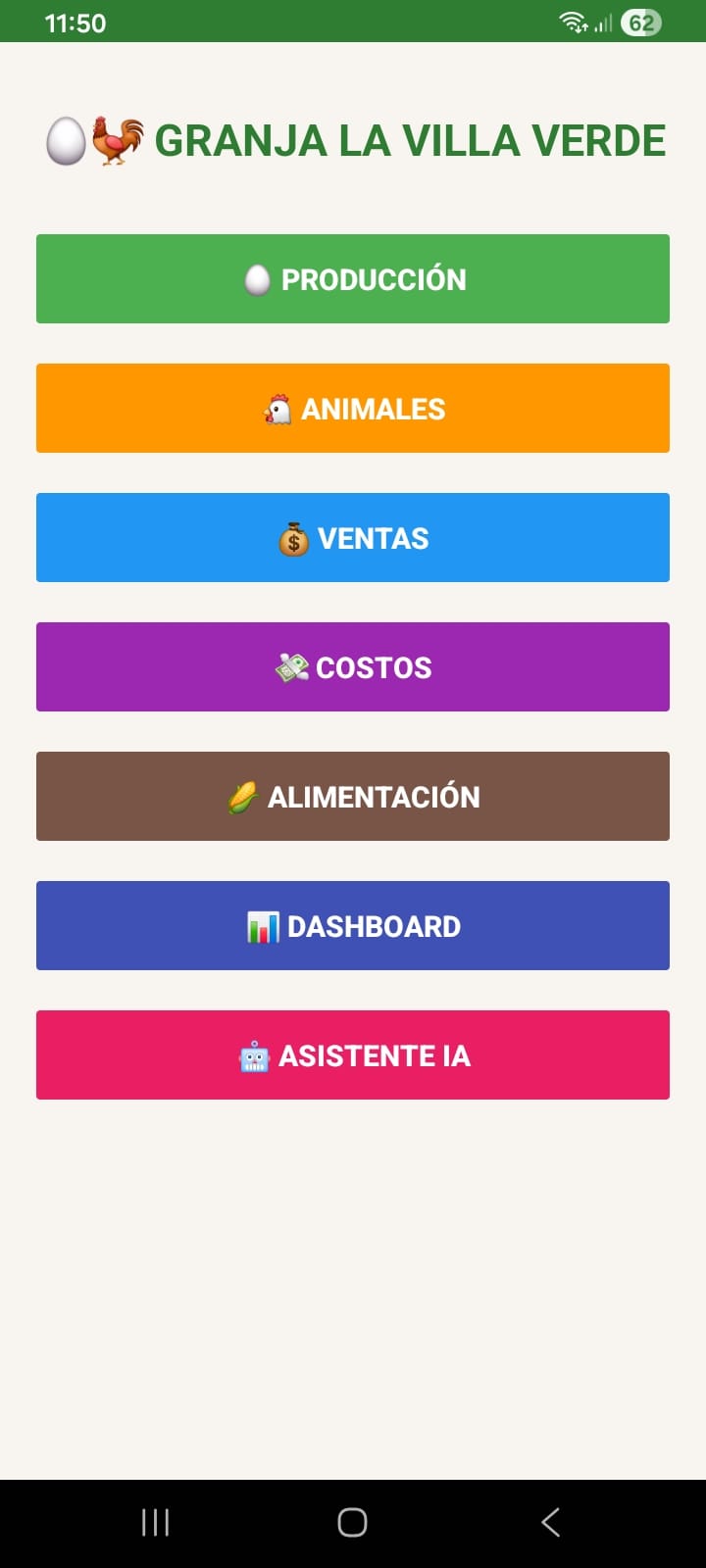
The application allows farmers to:
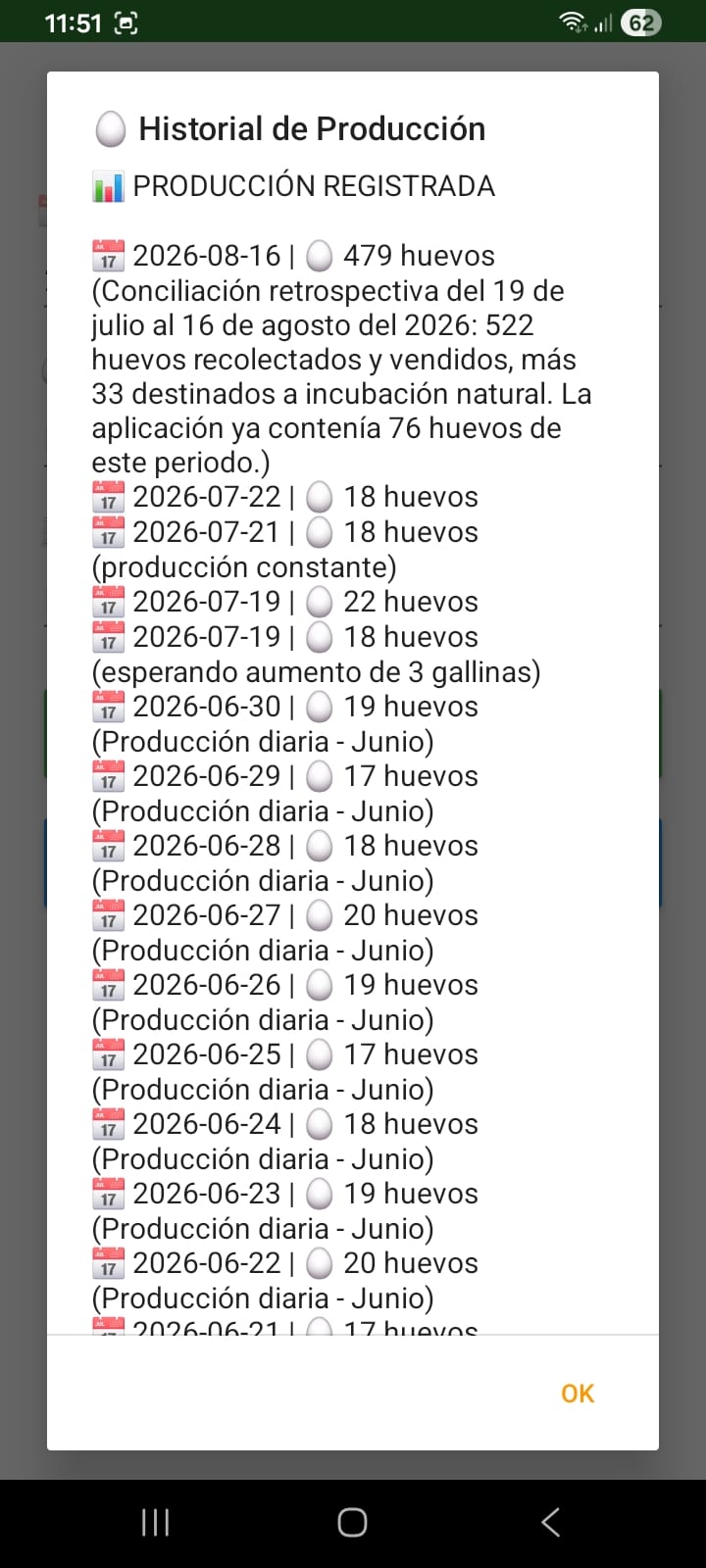
- Record daily egg production
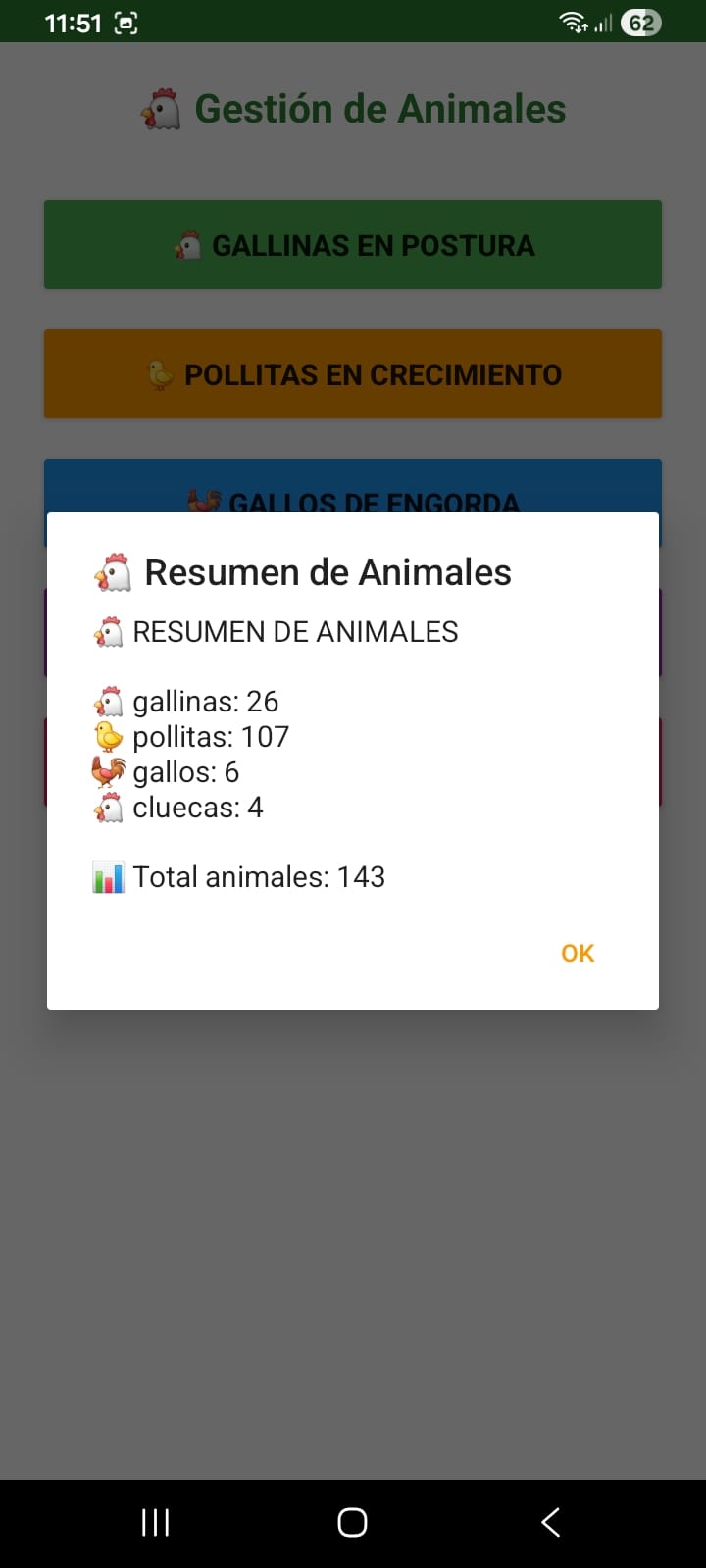
- Manage poultry inventory
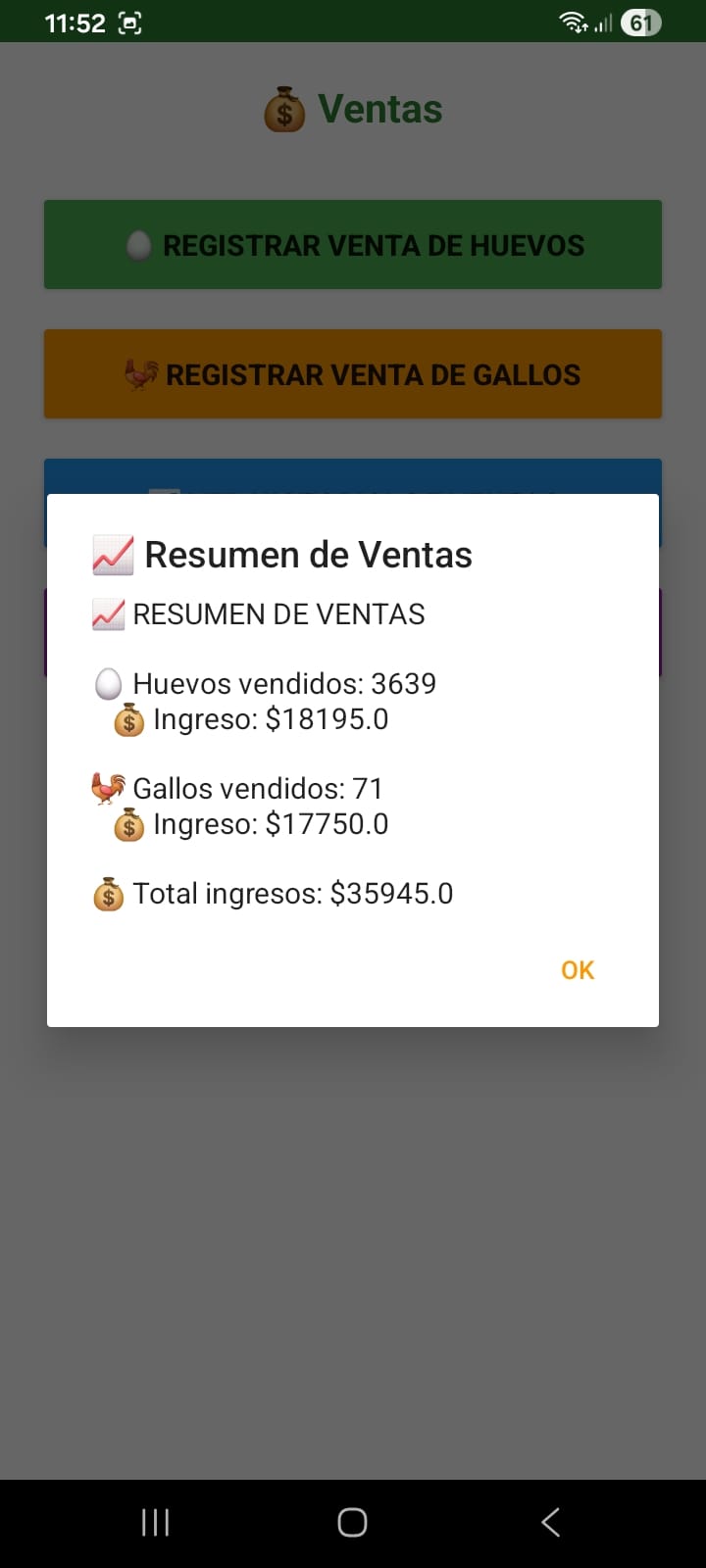
- Register egg and poultry sales
- Record feed, medicine, transportation, and operating costs
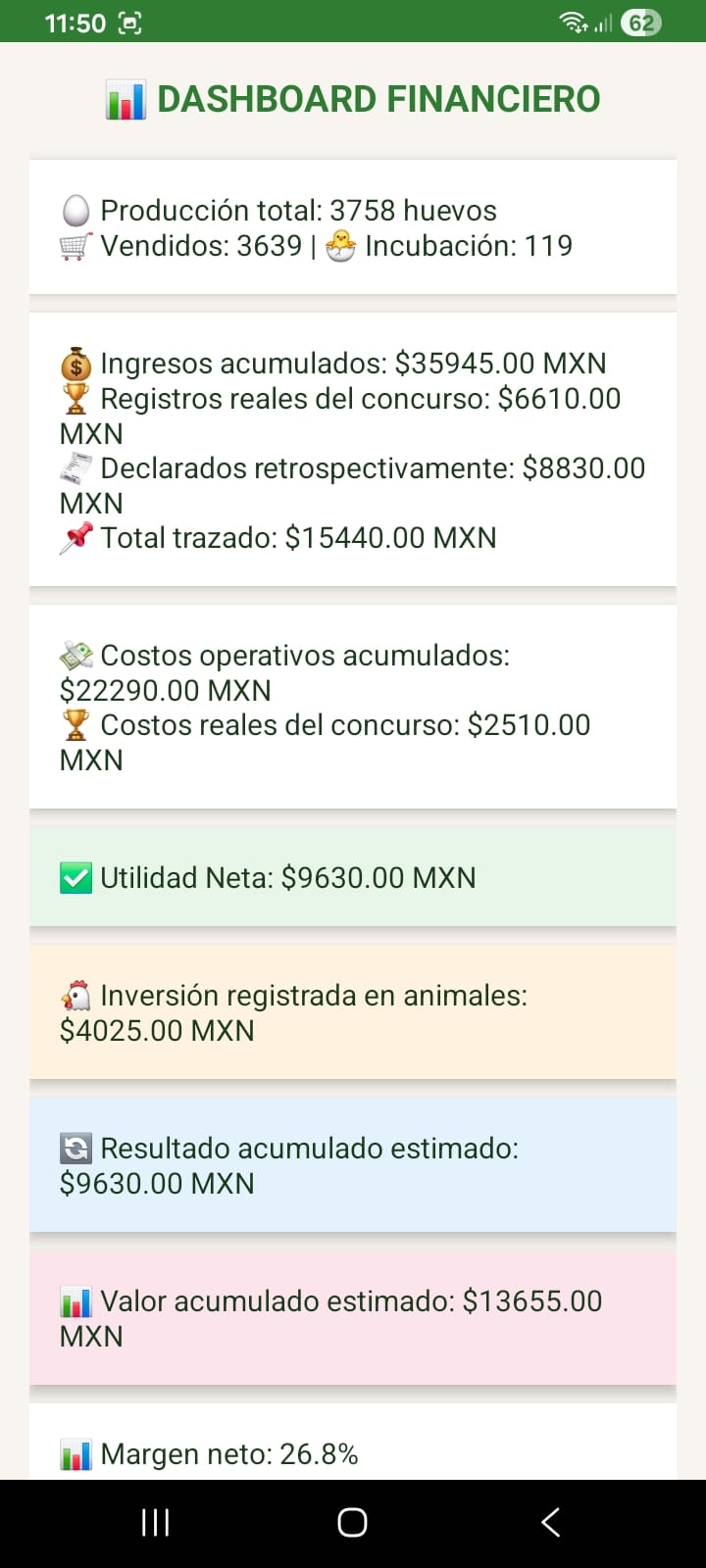
- Calculate revenue, expenses, margins, and profitability
- Review operational and financial indicators
- Maintain farm records even without an internet connection
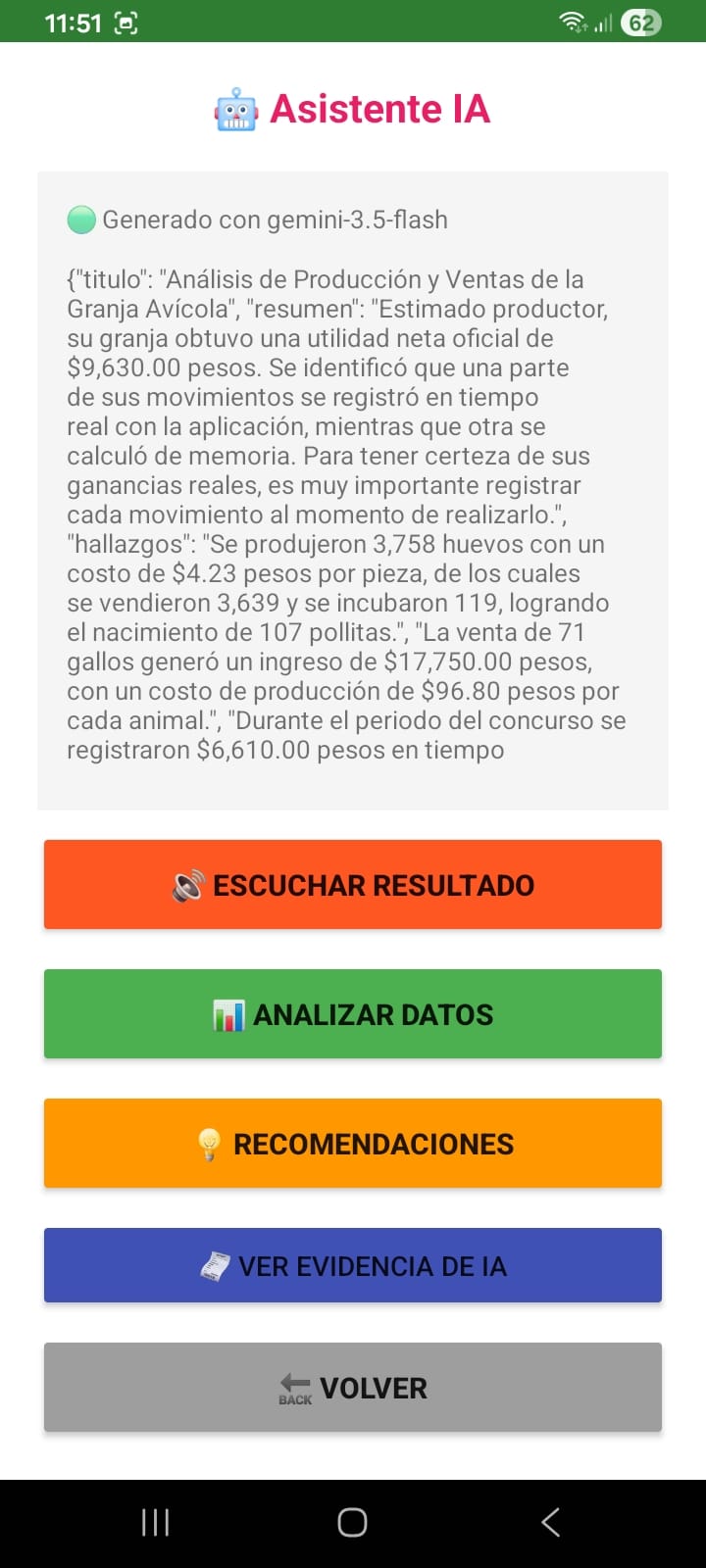
The application integrates the Gemini API to transform farm data into practical recommendations written in natural language.
Gemini can help the farmer:
- Analyze production and financial information
- Identify changes in costs, sales, and productivity
- Detect operational inefficiencies and potential risks
- Explain financial results in simple language
- Recommend actions to improve profitability
- Support everyday decisions using the farm's actual records
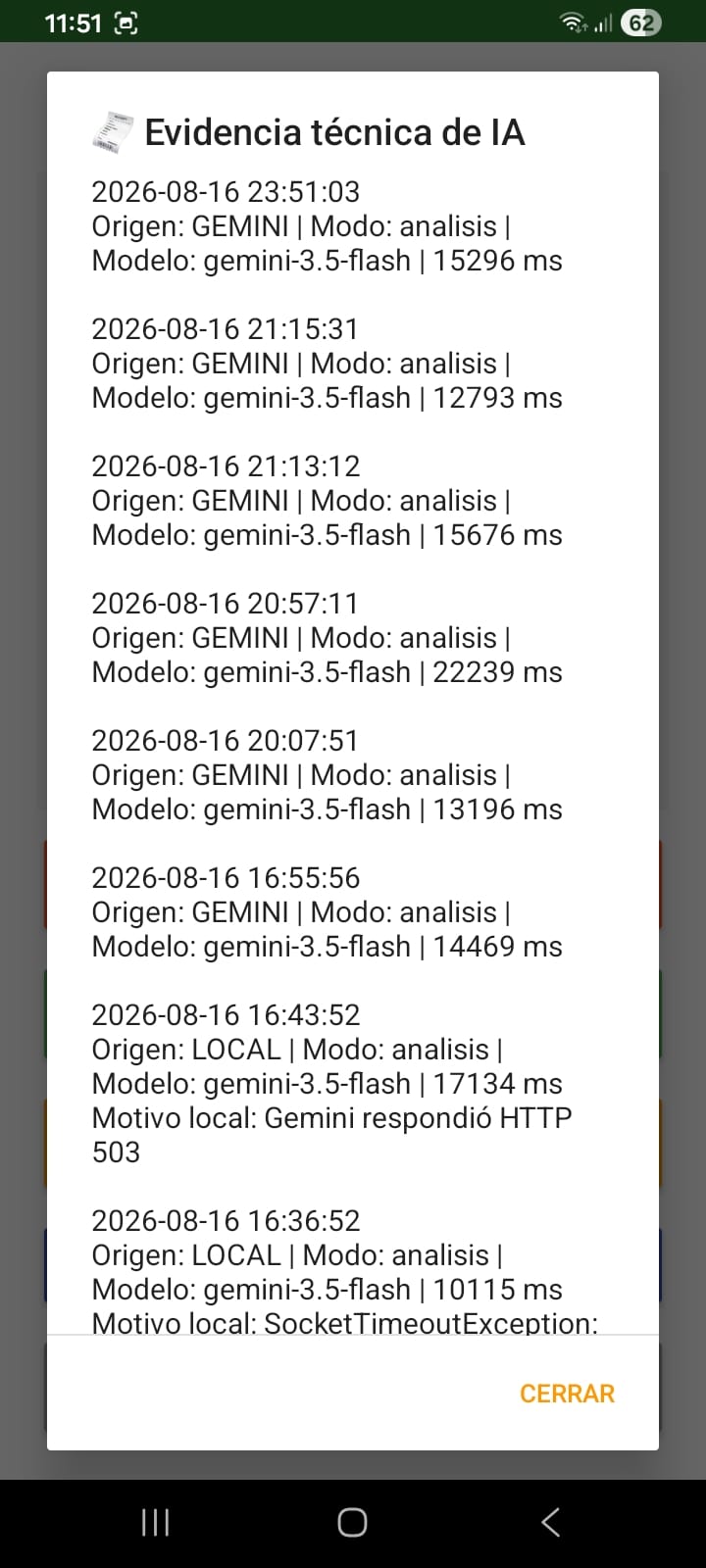
When an internet connection and the Gemini API are available, the application generates an online AI analysis. If Gemini is unavailable, the application can provide a rule-based local analysis so that essential guidance remains accessible. The origin of each analysis is clearly identified as GEMINI or LOCAL, preventing the offline result from being presented as an AI-generated response.
The application also includes Spanish Text-to-Speech functionality, allowing users to listen to the recommendations. This is especially useful for older adults and farmers who may be less comfortable reading detailed financial information on a mobile screen.
How I built it
I developed Granja La Villa Verde AI as a native Android application using Java and Android Studio.
The application uses SQLite for local data storage, allowing production, inventory, sales, and cost records to remain available without a constant internet connection. This offline-first architecture was selected because rural communities may experience limited or unstable connectivity.
The system includes:
- A structured SQLite database for farm operations
- Daily production and poultry inventory records
- Sales and operating-cost management
- Financial calculations and performance indicators
- Contest-period reporting
- Integration with the Gemini API
- A clearly labeled local analysis fallback
- Text-to-Speech accessibility in Spanish
- A technical evidence log for analysis requests
The Gemini layer receives structured operational and financial information from the farm and converts it into understandable recommendations. The application records technical evidence such as the date and time of the request, analysis origin, model information, response, and duration.
The interface was designed around simple workflows and clearly labeled actions so that users with limited technical experience can operate the application.
How I used Gemini
Gemini is not included merely as a chatbot or a decorative feature. It is connected to the farm's operational and financial records.
When the user requests an analysis, the application organizes relevant information about production, inventory, sales, costs, and profitability. This context is sent to the Gemini API with instructions to provide a clear analysis in Spanish and recommend practical actions for the farmer.
The generated response can identify patterns that may be difficult to recognize by reviewing individual records. For example, Gemini can explain how changes in feed costs affect profitability, whether production is meeting demand, and which operational decisions deserve immediate attention.
This converts the application from a record-keeping tool into a decision-support assistant designed for small poultry farms.
Challenges I ran into
One of the main challenges was calculating real profitability when several variables affect the result, including feed, medicine, transportation, production levels, animal inventory, and different types of sales.
Another challenge was combining offline operation with online artificial intelligence. The application needed to remain useful when connectivity was unavailable while also taking advantage of Gemini whenever internet access was restored.
It was also important to distinguish clearly between a Gemini-generated analysis and a local rule-based response. For this reason, the application visibly identifies the origin of every analysis.
A further challenge was converting complex operational and financial information into recommendations that non-technical users could understand and apply.
Finally, accessibility influenced several design decisions. Seeing my parents participate in the daily operation of the farm reinforced the need for simple navigation, readable information, and voice playback in Spanish.
Accomplishments that I'm proud of
I am proud that Granja La Villa Verde AI is being tested in a real family farm using actual production, cost, inventory, and sales data.
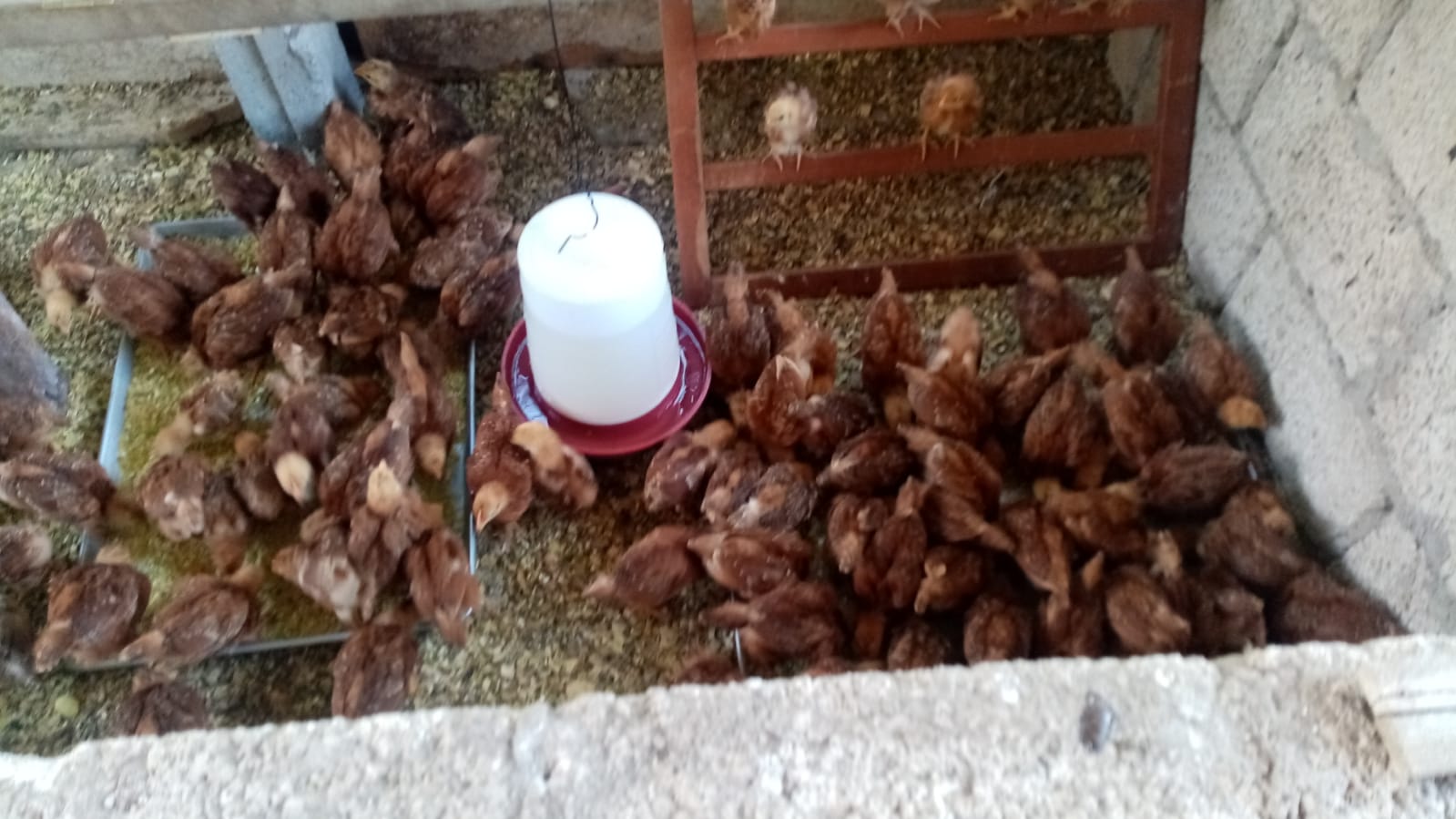
This is not a fictional use case. The farm produces approximately 18 to 20 eggs per day, and customer demand frequently exceeds current production. The same operation also manages poultry sales, feed purchases, medicine expenses, and the growth of new chicks that will later join the productive flock.
The application brings this information together and helps convert it into evidence for decision-making.
I am particularly proud of:
- Developing a functional native Android application
- Connecting Gemini to real operational and financial data
- Creating an offline-first experience for rural environments
- Clearly separating Gemini analysis from local fallback analysis
- Adding Spanish voice playback for accessibility
- Testing the solution with members of my own family
- Applying artificial intelligence to a practical small-business problem
The project demonstrates that generative AI can create value beyond large companies and highly connected urban environments.
What I learned
This project taught me that implementing artificial intelligence successfully requires more than connecting an API. The quality of the result depends on collecting reliable data, organizing it correctly, providing appropriate context, and presenting the response in a way that supports a real decision.
I learned how to combine mobile development, SQLite database design, financial calculations, API integration, accessibility, and offline-first architecture in one functional solution.
I also learned the importance of transparency. Users must know whether a recommendation came from Gemini or from a local fallback system.
Most importantly, I learned that the best technology begins with listening to the people who will use it. Working alongside my parents and observing the farm's daily processes helped me design the application around real needs instead of assumptions.
What's next for Granja La Villa Verde AI
The next step is to test the application with additional small poultry farmers and improve the recommendations using a wider variety of operational scenarios.
Future improvements include:
- Predictive analysis of production and profitability
- Automated alerts for unusual costs or production changes
- Production and sales forecasts
- Feed-consumption optimization
- Cloud synchronization across multiple devices
- Secure user accounts and farm profiles
- Expanded accessibility features
- Support for additional types of agricultural production
- An optional cloud platform for farms that need remote access and scalability
The long-term goal is to make practical artificial intelligence accessible to small agricultural businesses, including producers working in rural environments with limited connectivity.
Granja La Villa Verde AI aims to help farmers move from scattered records and intuition-based decisions to clear information, understandable recommendations, and better control of their businesses.
Built With
- android
- android-studio
- dataanalytics
- geminiapi
- generativeai
- google-cloud
- googleaistudio
- java
- mobileapp
- offlinefirst
- poultry
- poultryfarming
- smallbusiness
- sqlite
- texttospeech

Log in or sign up for Devpost to join the conversation.