Inspiration
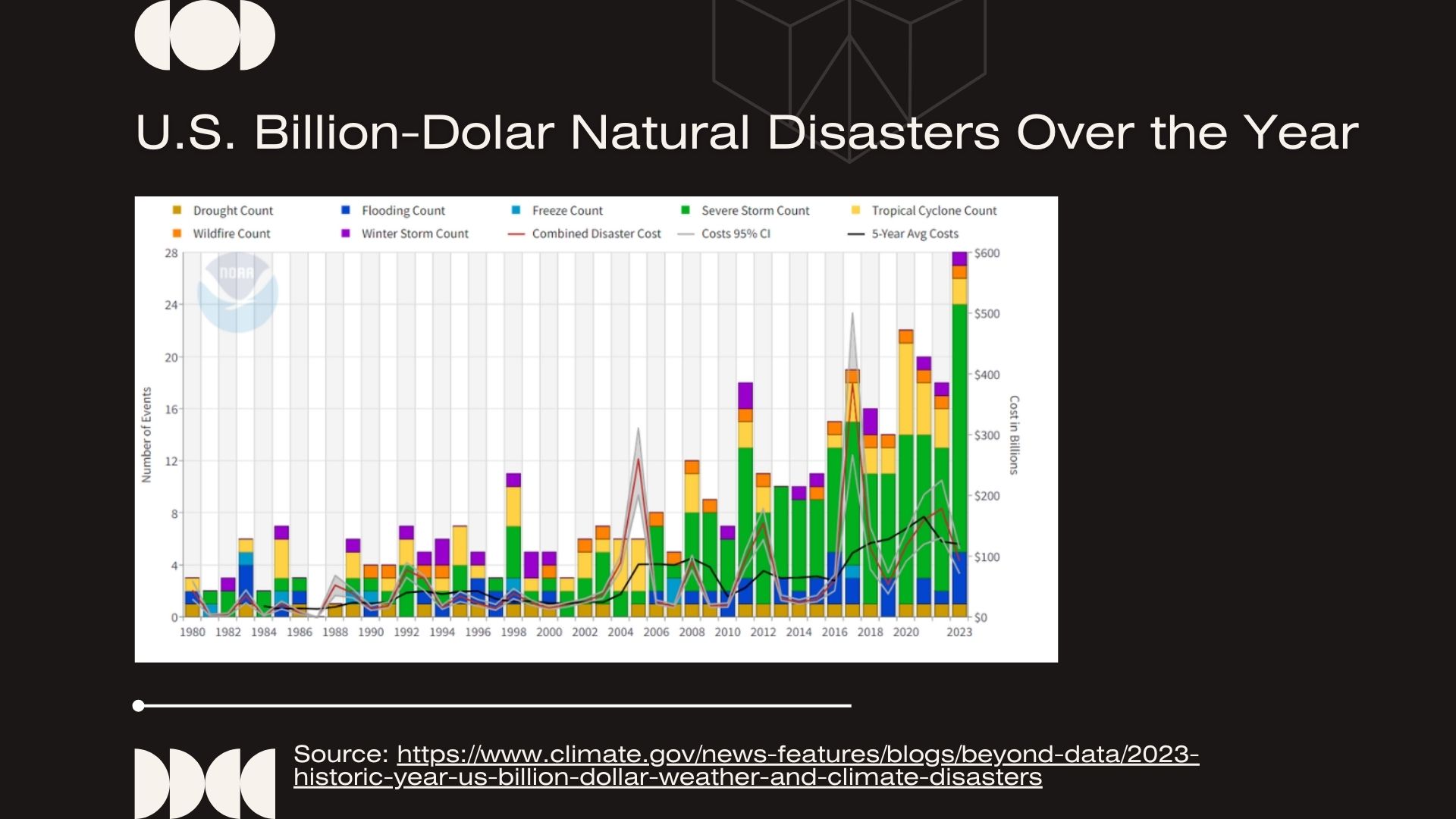
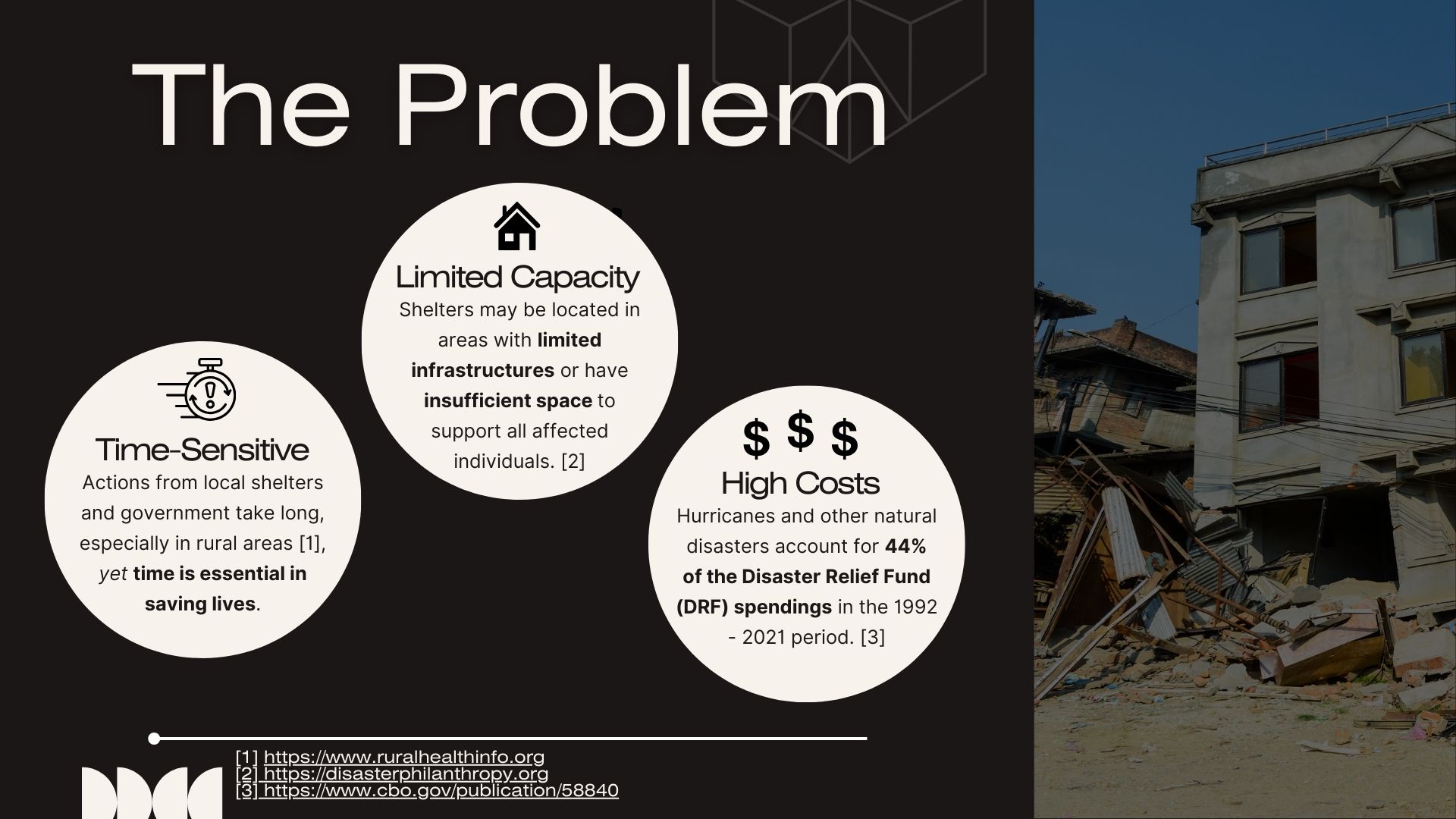
The name of our app, "Vigilo", is the Latin word for "protect" and also has similarities to "vigilance" in English, which we used to express the concept of a community-based platform that focuses on offering shelter and relief to those in need. The project is motivated by recent events of natural disasters that has wrecked havoc on various regions around the world, from Hurricane Milton in Florida to Typhoon Yagi in Southeast Asia, with an emphasis on supporting rural communities through these crises.
What it does
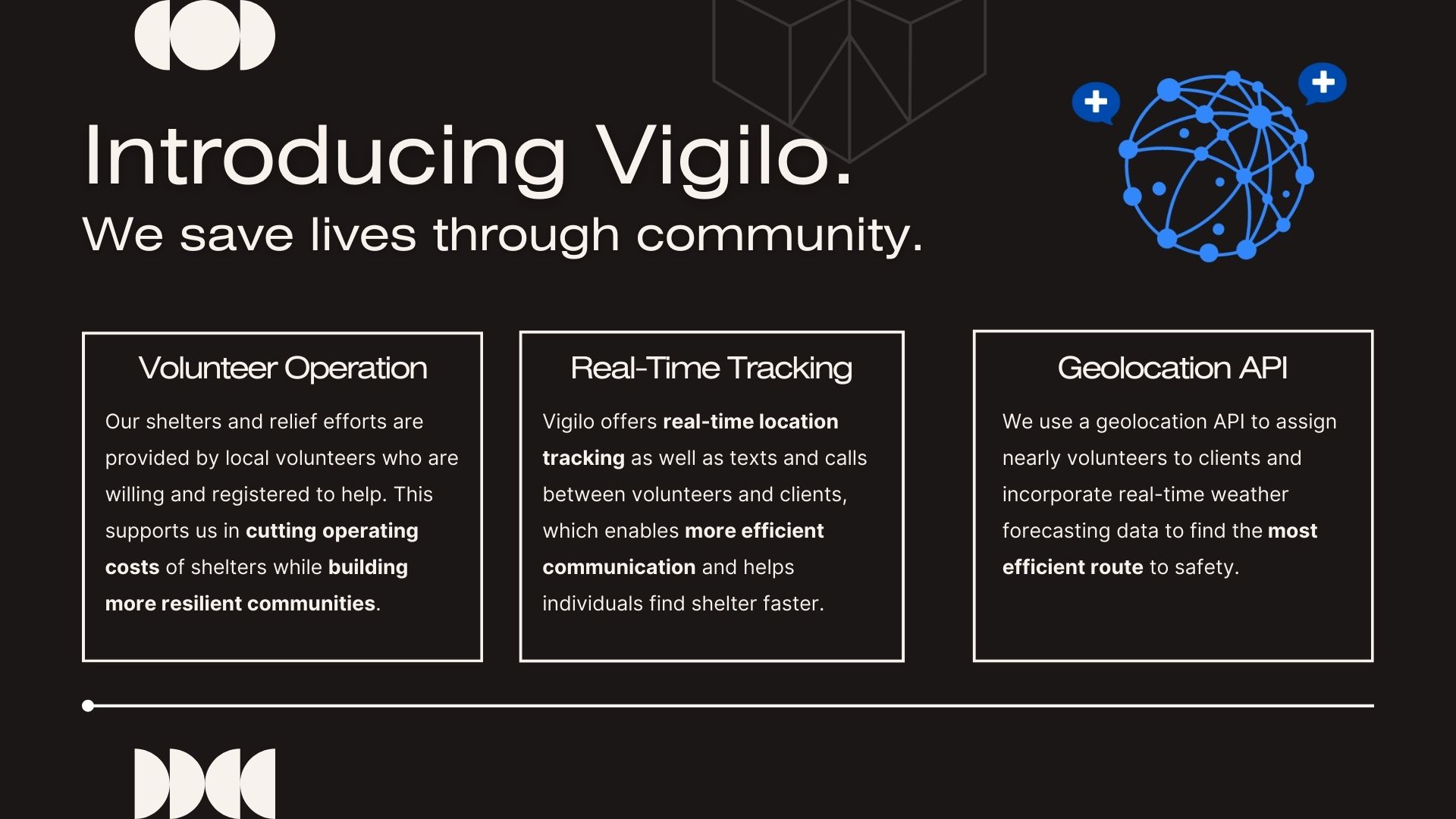
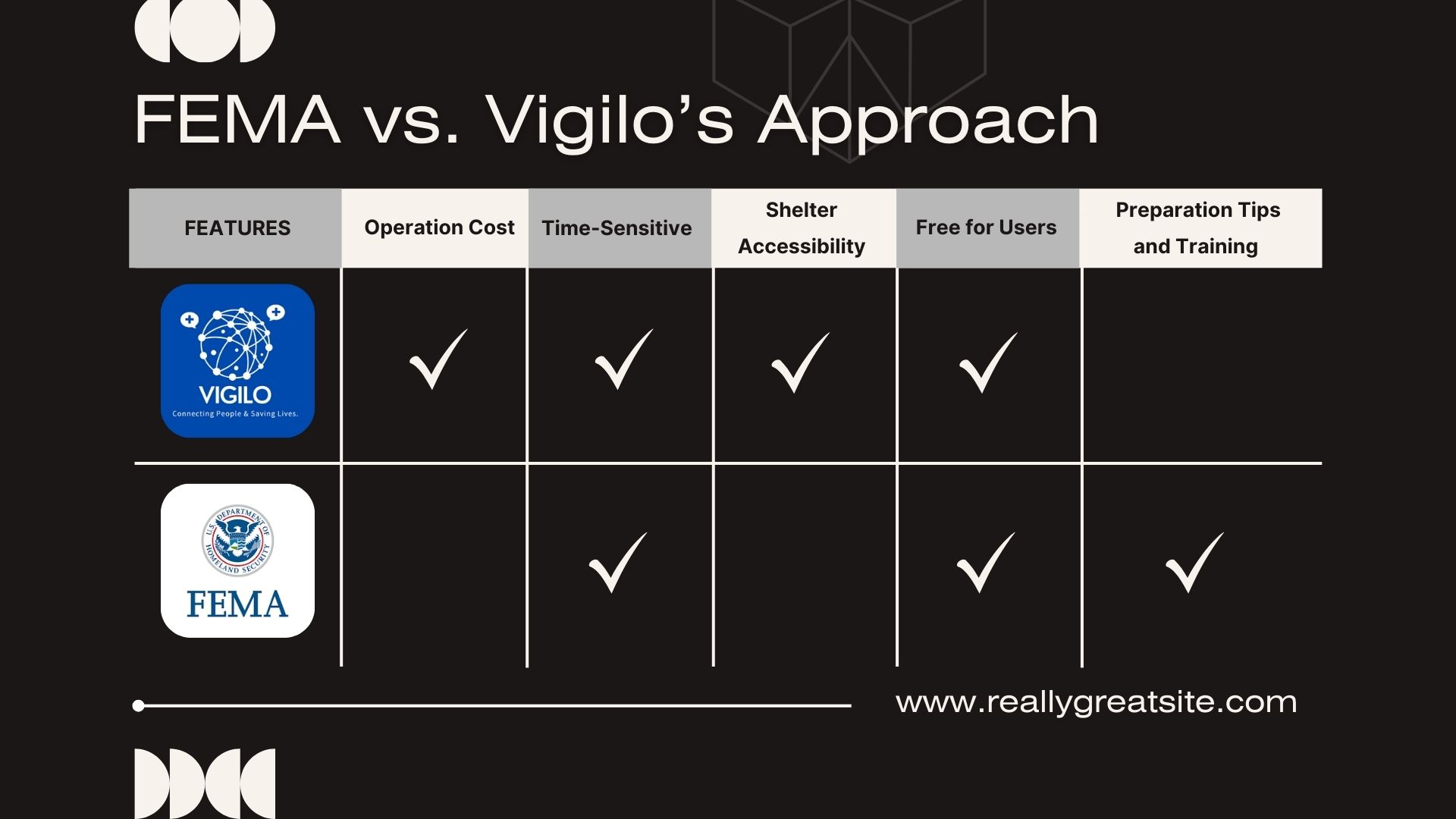
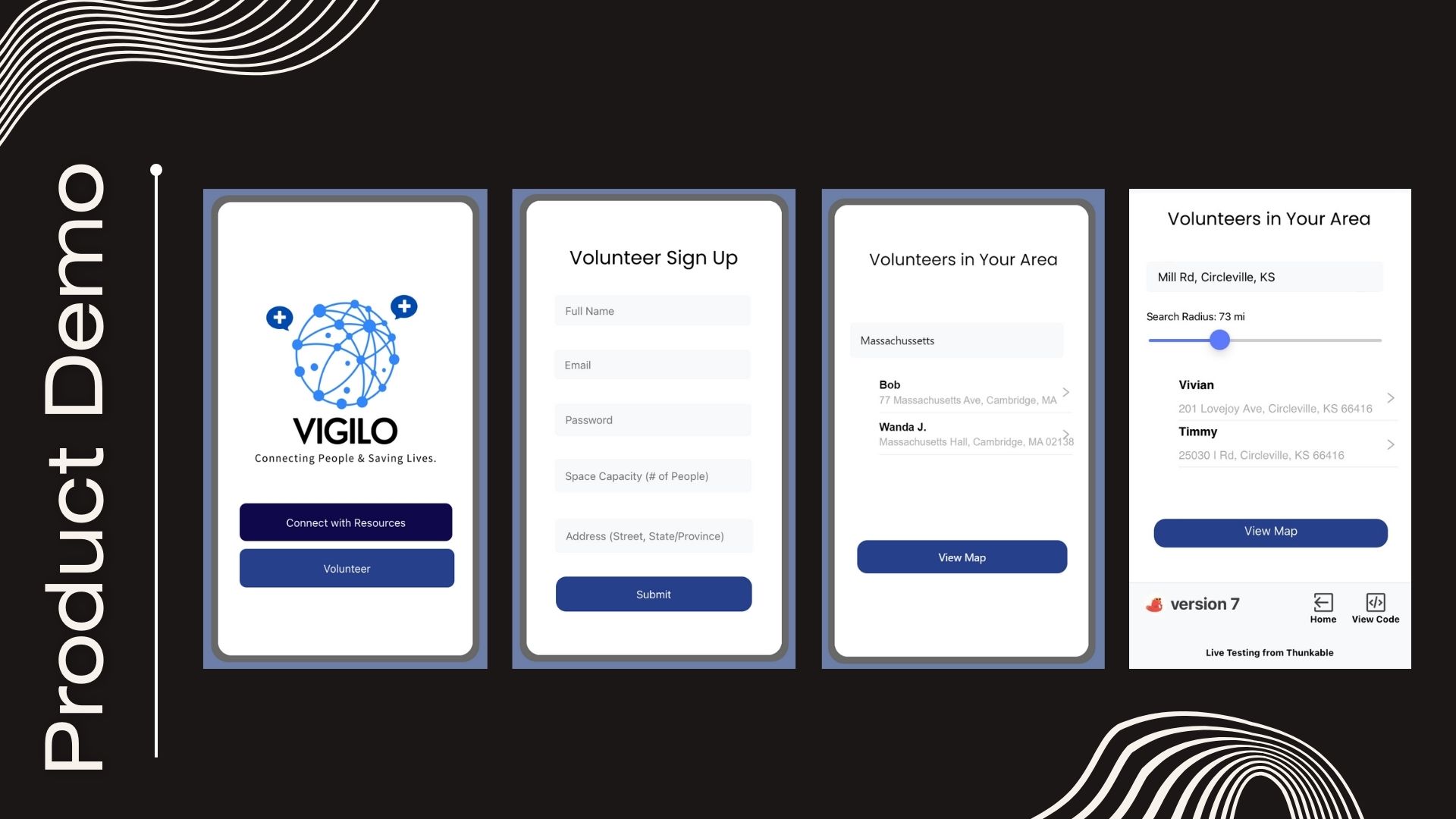
Vigilo operates through local volunteer members, who are willing and capable of supporting those in need during natural disasters. This enables government programs to cut down on costs of building more shelters and grows resilient communities in rural areas by increasing the support network during disasters. The program offers real-time location tracking as well as texts and calls between volunteers and clients, which also enables more efficient communication and helps individuals find shelter and relief sooner. Vigilo also uses a geolocation API to assign nearby volunteers to clients and incorporate real-time weather forecasting data to help clients find the most efficient route to safety.
How we built it
Our app was built using Thunkable, which is a software development platform that allows anyone to create an app without much coding experience. This was the most realistic choice for us, as we were new to app development and needed a simple platform that can perform complex tasks without having too much of a learning curve. We also developed our own database system using Google Sheets to ensure a more personalized user experience, as well as embedded Google Map to drop pins that enable volunteers and clients to track each other's locations.
Challenges we ran into
Initially, we faced some challenges in narrowing down the scope of the project to something that we felt like was feasible with our skill levels and experiences as new hackers. While we had ambitious ideas, we had to scale down or change some of our initial plans as we discovered the challenges of implementing these features on the Thunkable platform, which is limited in terms of which platforms it is compatible with. A major challenge that we encountered was also storing and accessing the data, where we attempted to use Firebase but was unable to connect it to Thunkable . We ultimately resolved this issue by switching to a Google Sheet database system instead, which enabled us to transfer and store the data on Thunkable to create a more personalized user experience for the volunteer app users through a registration and sign in portal. Lastly, we also faced challenges in integrating a disaster map into our system, where we realized how difficult it is to incorporate real-time data into our program and ultimately resolved to simplifying the app to a location drop instead.
Accomplishments that we're proud of
We were able to get the map to display the data points of clients and volunteers. We were also able to run our system independently so that people can sign up and have their databases stored in our spreadsheets, which was surprisingly challenging throughout the hackathon.
What we learned
We learned about control flow and how to manage real-time data in our system. Furthermore, in the process of finding which platform to use, we learned a bit about Swift, Firebase, and MATLAB, which are tools that we look forward to exploring after the hackathon but were unable to incorporate into our projects due to constraints in time.
What's next for Vigilo
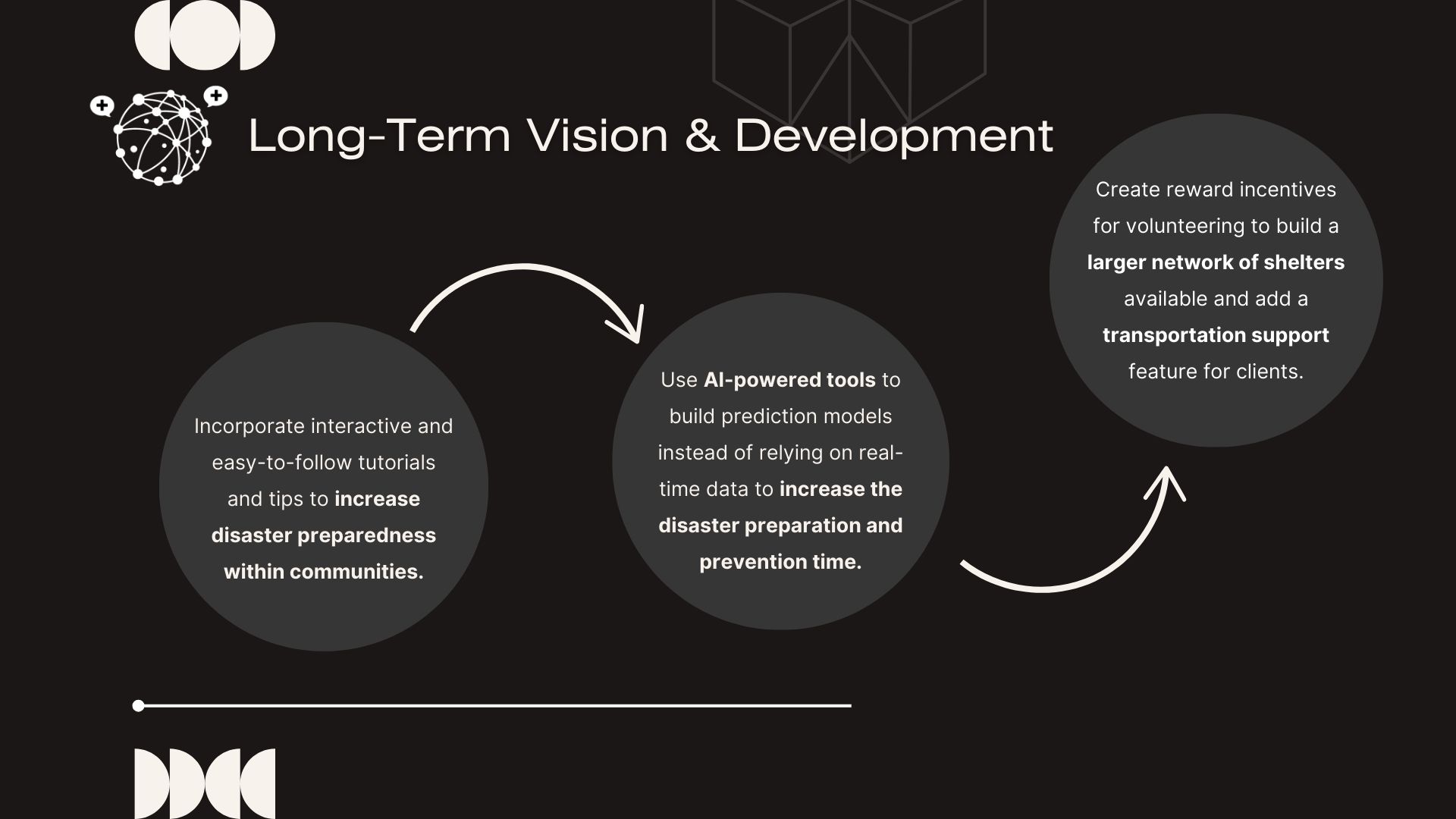
After HackHarvard, we have some long-term vision & development for Vigilo. Firstly, we hope to incorporate interactive and easy-to-follow tutorials and tips to increase disaster preparedness within communities and focus on prevention, which has been shown to benefit individuals in becoming more resilient to natural disasters. We would also like to explore AI-powered tools for building prediction models instead of relying on real-time data to inform users on the weather, which could increase the disaster preparation time for both clients and volunteers. Lastly, we also aim to have reward incentives for volunteering to build a larger network of local shelters available and also add a transportation support feature to the app for clients who are unable to safely move themselves to the shelters.
Built With
- google-spreadsheets
- thunkable


Log in or sign up for Devpost to join the conversation.