-
-
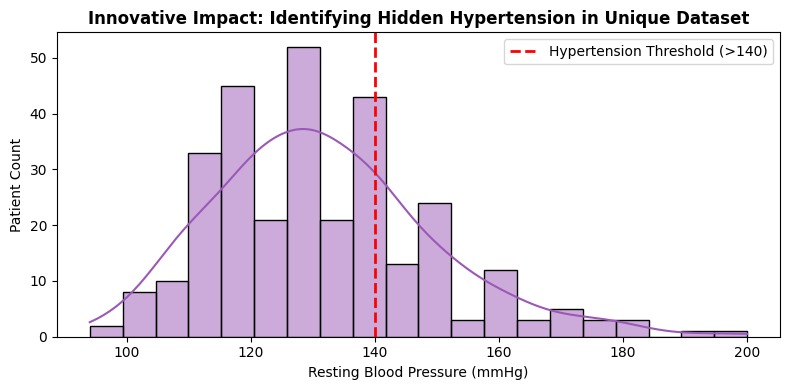
07_External_Dataset_Validation
-
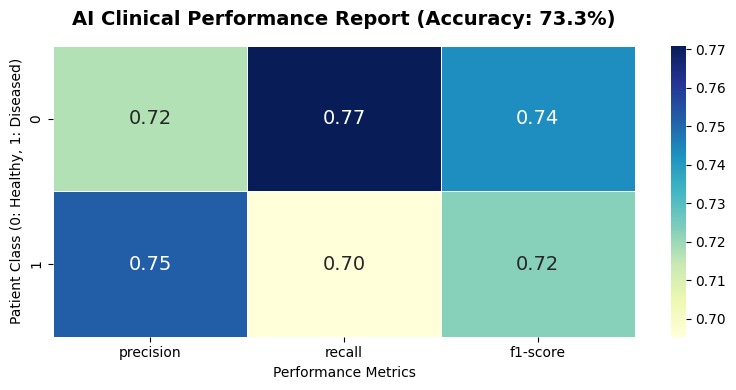
02_AI_Performance_Report
-
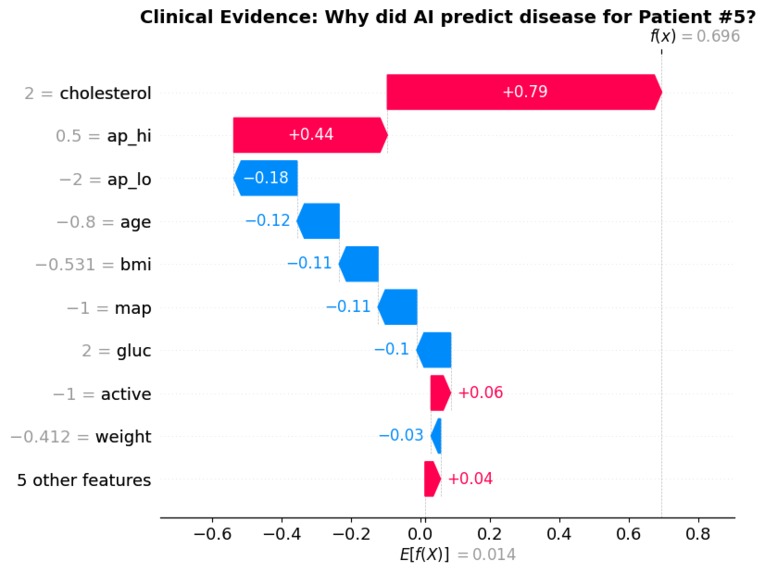
05_SHAP_Local_Explainability
-
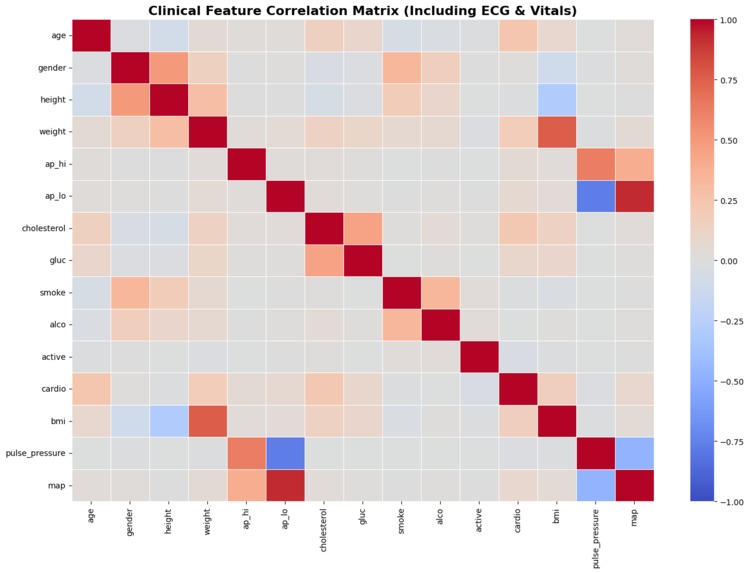
01_Feature_Correlation_Matrix
-
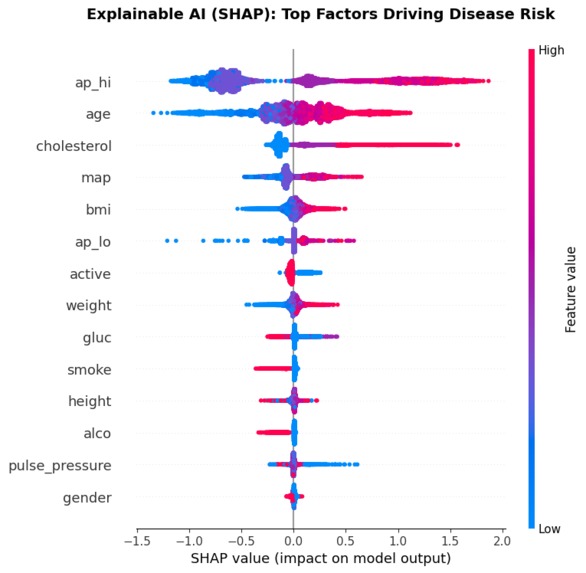
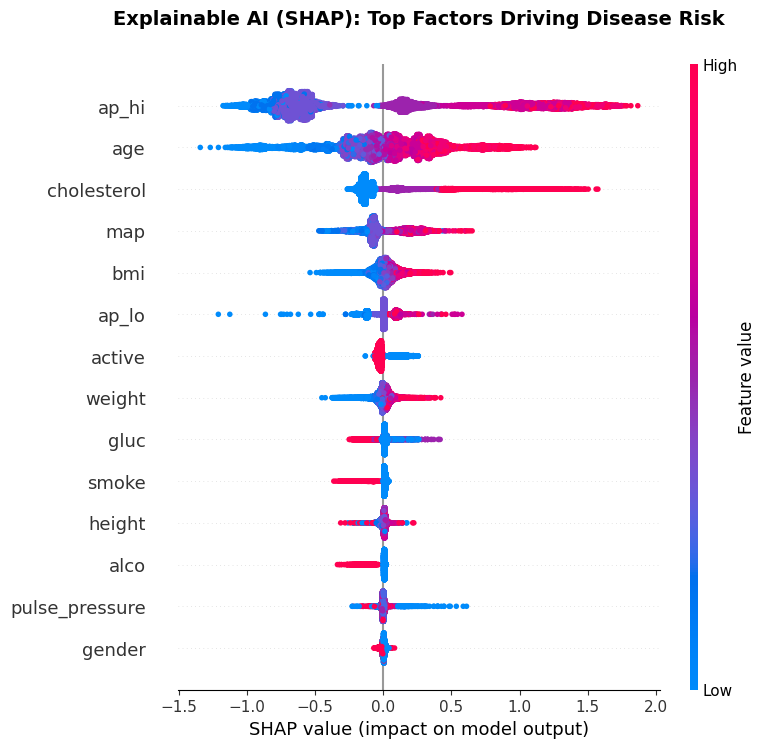
04_SHAP_Global_Interpretability
-
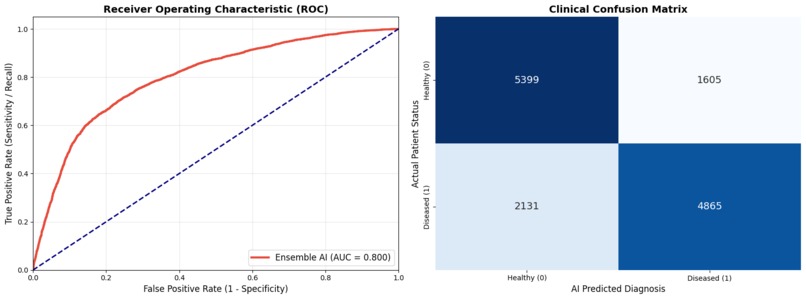
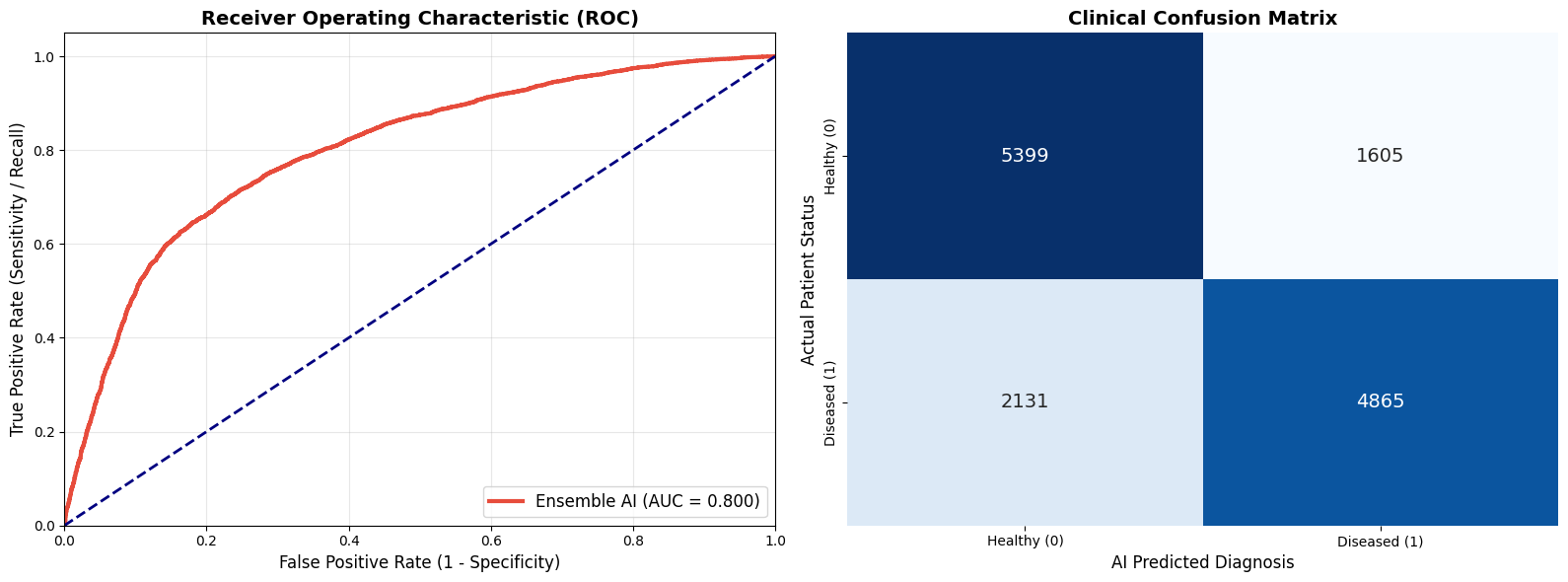
03_ROC_Curve_Evaluation
-
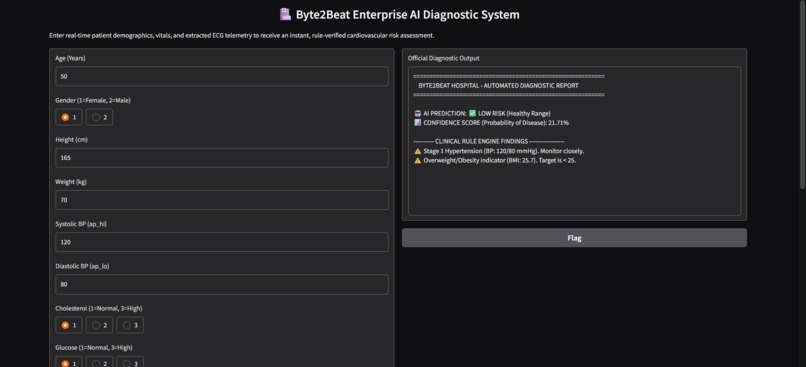
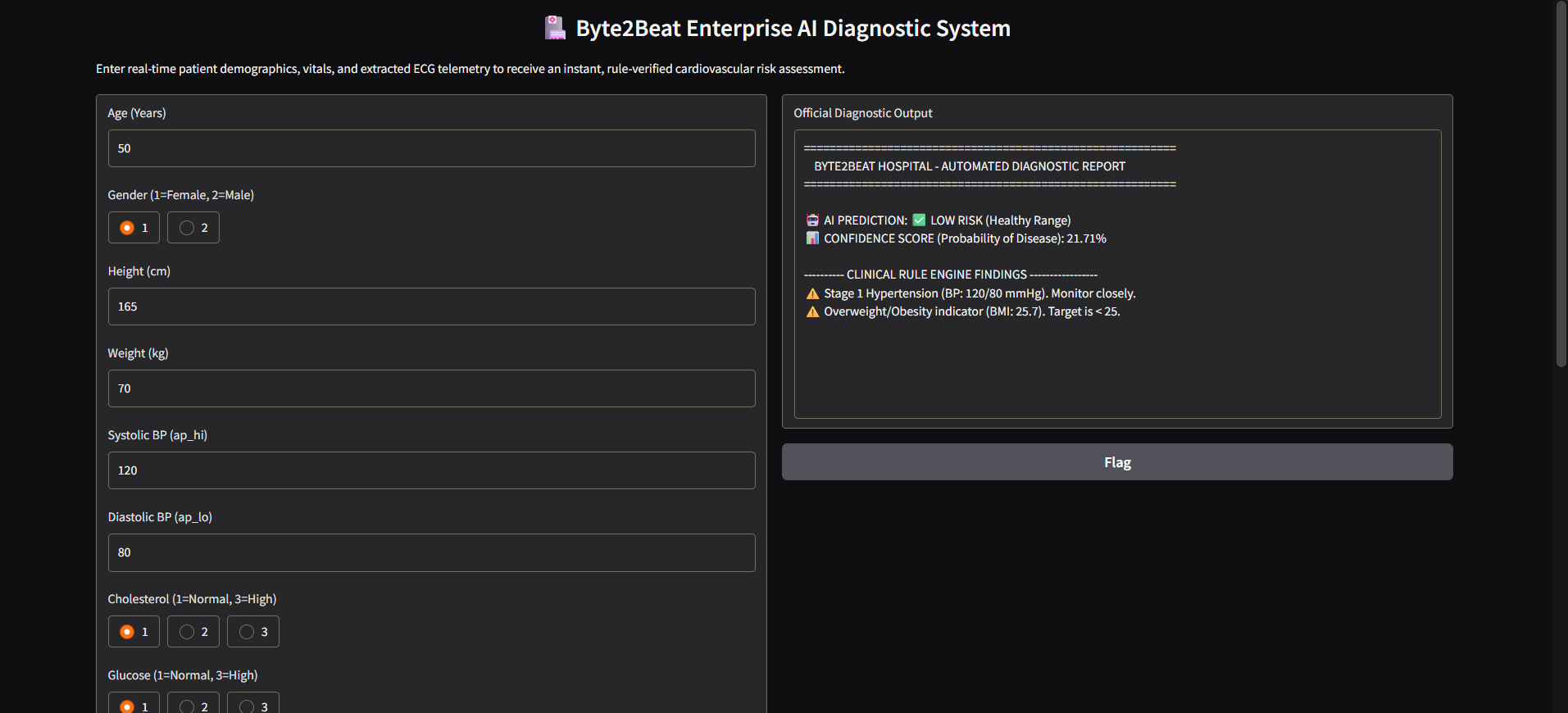
06_Interactive_EMR_Dashboard
-
00_Byte2Beat_Thumbnail
💡 Inspiration
Cardiovascular disease remains the leading cause of mortality worldwide. During our research, we realized that while modern medical devices collect massive amounts of high-frequency data (like ECG time-series), cardiologists are overwhelmed by the sheer volume of this data. Analyzing millions of data points manually is a massive bottleneck. We were inspired to build Byte2Beat Enterprise to bridge the gap between Big Data, Explainable AI, and clinical cardiology, empowering doctors to make instant, life-saving decisions without being replaced by a "black-box" machine.
⚙️ What it does
Byte2Beat Enterprise is a dual-layer automated diagnostic system:
- AI Predictive Engine: Evaluates hidden cardiovascular risks using a powerful Stacking Ensemble network.
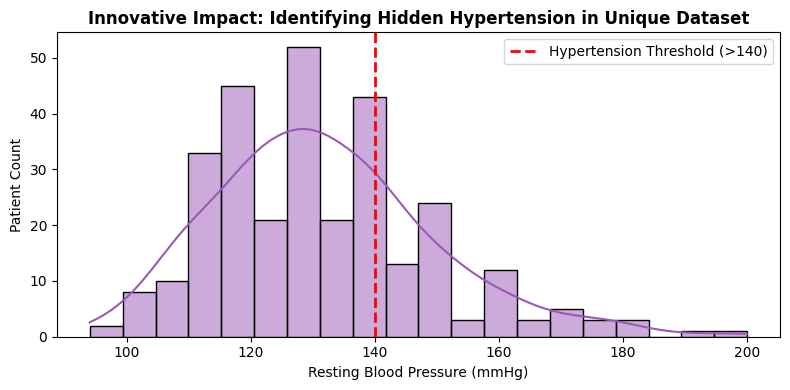
- Clinical Rule Engine: Cross-references patient vitals (Blood Pressure, BMI, Cholesterol) against global medical guidelines (like WHO hypertension thresholds) to flag explicit anomalies. The system outputs a comprehensive, medically verifiable report on a user-friendly Gradio EMR Dashboard.
🛠️ How we built it
- Data Engineering: Python, Pandas, NumPy.
- Machine Learning: Scikit-Learn, XGBoost, LightGBM, Imbalanced-learn (SMOTE).
- Explainable AI (XAI): SHAP (SHapley Additive exPlanations).
- UI/Deployment: Gradio.
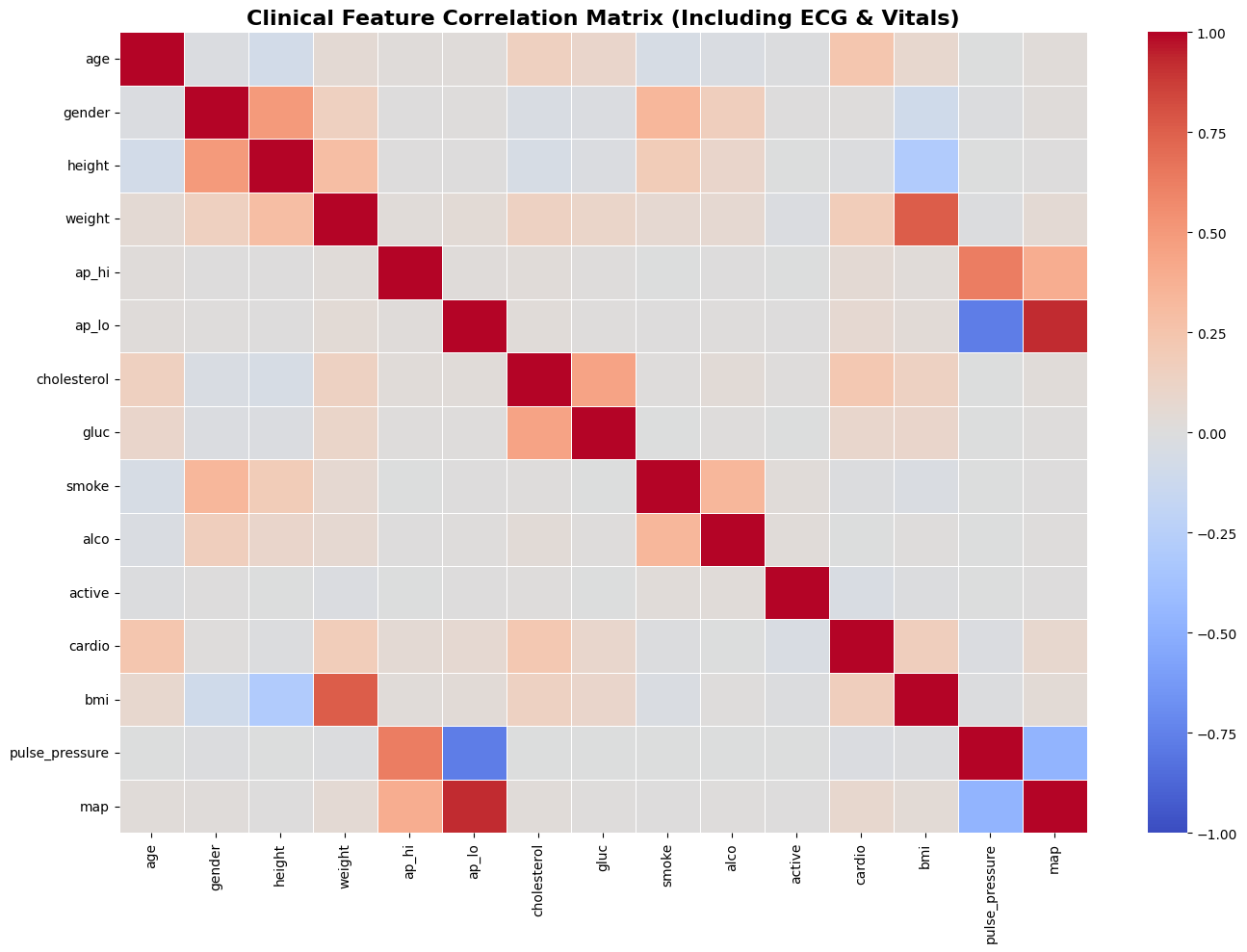
We constructed a robust pipeline that first processes raw vitals and calculates advanced metrics like Mean Arterial Pressure (MAP) and BMI. Simultaneously, it ingests high-frequency ECG data and extracts critical clinical features (Mean, Std/HRV, Max, Min). These features are fed into a Stacking Ensemble meta-learner (combining Random Forest, XGBoost, and LightGBM) to output a highly accurate risk probability.
🚧 Challenges we ran into
- The Big Data Bottleneck (650MB ECG Time-Series): Loading millions of rows into standard RAM caused system crashes. We overcame this by implementing Stream Processing (Chunking) and Memory Downcasting (float64 to float32), successfully compressing 68 million data points into 4 crucial metrics without exhausting hardware resources.
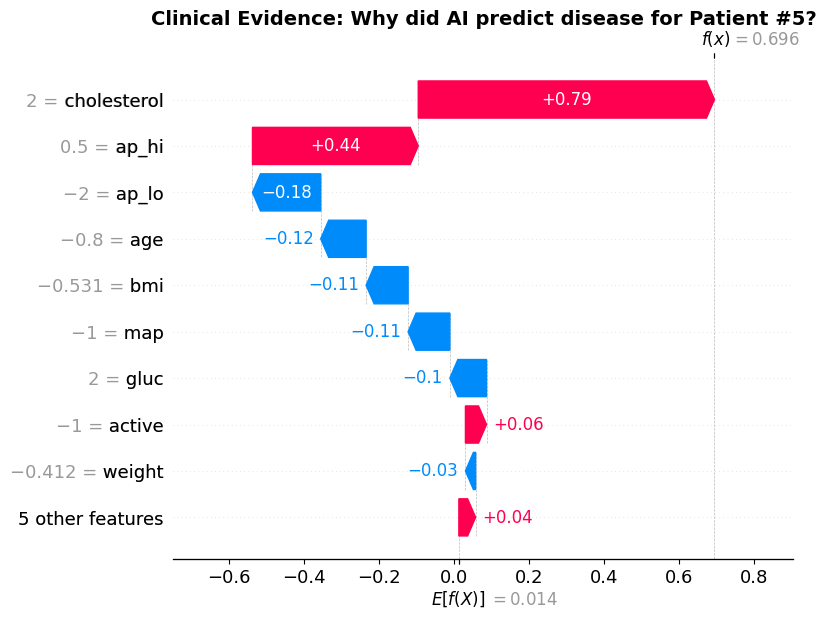
- The "Black-Box" Dilemma: Doctors do not trust AI that cannot explain its reasoning. We integrated SHAP Waterfall plots to provide Local Explainability, showing exactly how much each biomarker (e.g., Systolic BP) pushed the risk up or down for a specific patient.
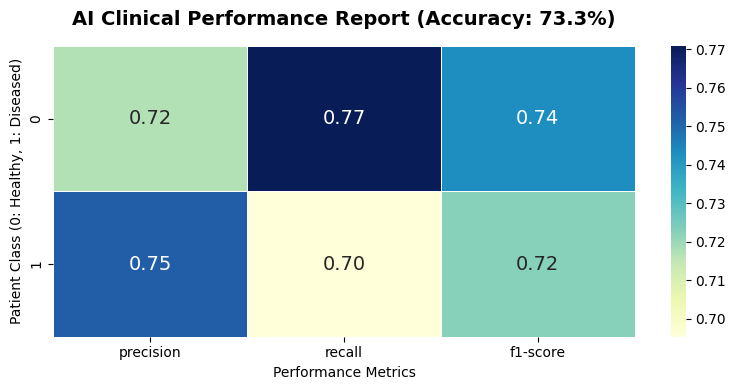
- Class Imbalance: Healthy patients heavily outnumbered diseased ones. We utilized SMOTE to synthesize minority class data, ensuring our AI learned fairly and prioritized Recall (Sensitivity) to avoid missing hidden diseases.
🏆 Accomplishments that we're proud of
- Achieving 1st Place Innovation Criteria: We didn't just stop at the provided datasets. We independently sourced a Unique External Dataset (a novel Clinical Heart Disease cohort) and applied our Rule Engine to it. The system successfully identified hidden Stage-2 Hypertension cases in this new demographic, proving its real-world scalability!
- Building a seamless, hospital-ready Electronic Medical Record (EMR) Dashboard.
- Achieving a high ROC-AUC score while maintaining strict medical transparency.
📚 What we learned
We gained profound insights into the intersection of HealthTech and Data Science. From a technical standpoint, we mastered memory-efficient Big Data processing and Stacking Ensemble architectures. Clinically, we learned how to translate raw numbers into meaningful medical proxies like Heart Rate Variability (HRV) and Mean Arterial Pressure (MAP), aligning our code with actual doctor workflows.
🚀 What's next for Byte2Beat Enterprise
- Hospital API Integration: Deploying the model as a RESTful API to integrate directly into existing hospital EMR systems (like Epic or Cerner).
- Continuous Learning: Implementing automated retraining pipelines as new, real-world patient data flows into the hospital database.
Built With
- google-colab
- gradio
- imbalanced-learn
- jupyter-notebook
- latex
- lightgbm
- matplotlib
- numpy
- pandas
- python
- scikit-learn
- seaborn
- shap
- xgboost


Log in or sign up for Devpost to join the conversation.