-
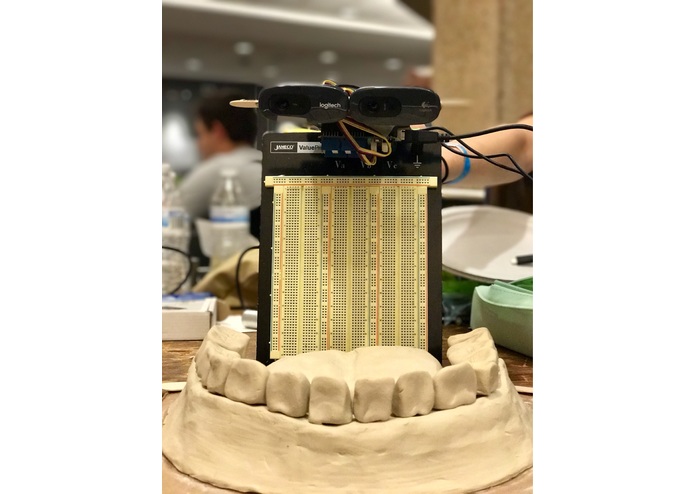
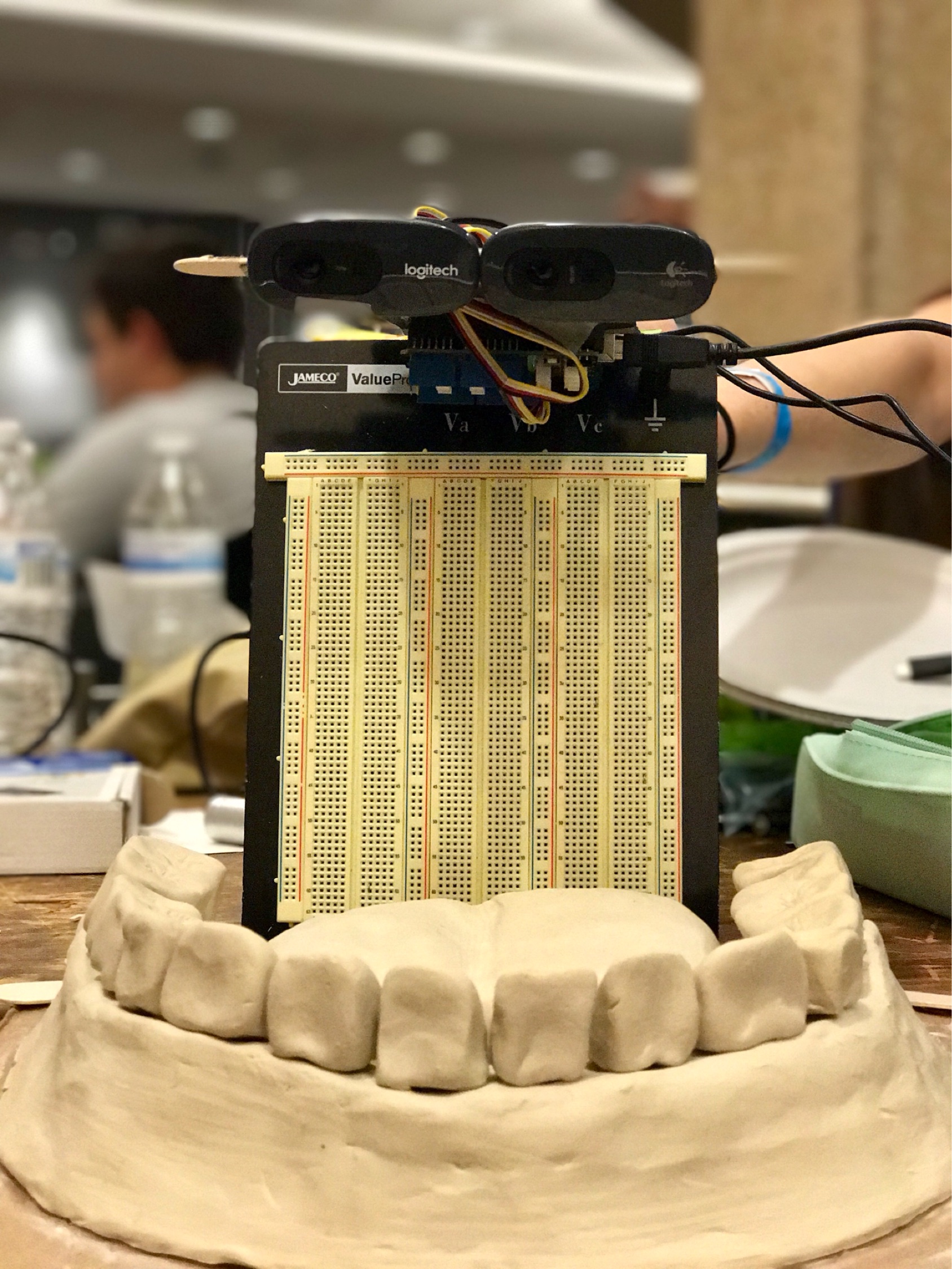
Hand-held hardware imaging device
-
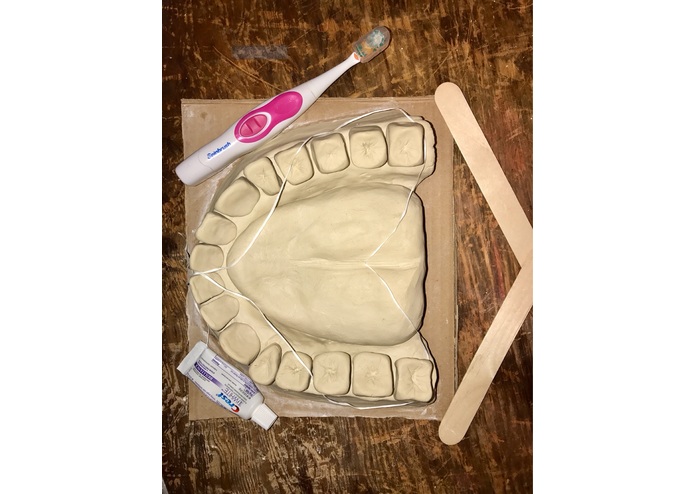
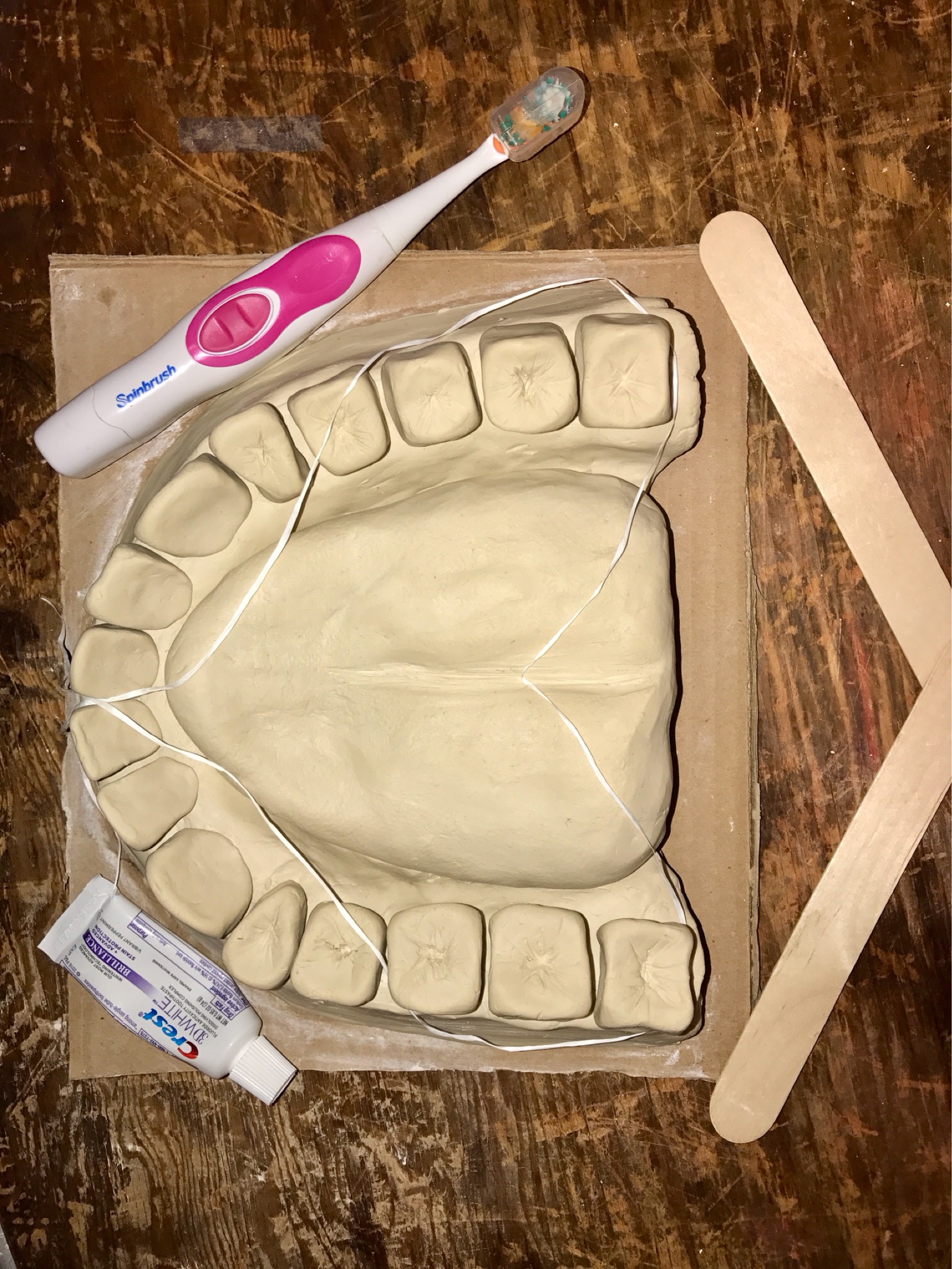
Physical dental model provides visual representation of problematic teeth
Inspiration
Dental equipment is expensive, and access to dentistry can be difficult in some areas and uncommon in others. We have built a device that, with a bit of miniaturizing if cast into production, will use cameras to observe a person's teeth and autonomously detect developing cavities.
What it does
The device is hovered over a person's jaw and scans their teeth, detecting potential cavities. A press of a button allows the user to save the image to computer storage for later analysis by a medical professional.
How I built it
We've used OpenCV, Arduino, and an amazingly talented master of clay to create our demo.
Challenges I ran into
It was sometimes difficult to distinguish between cavities and shade in our teeth, and the combination of the physical and software nature of our project required collaboration across software, mechanical, and artistic bounds.
Accomplishments that I'm proud of
We had a team of a computer engineer, mechanical engineer, electrical engineer, biomedical engineer, and an aspiring high schooler who will become an amazing engineering designer in the future to build a functioning demo.
What I learned
How to implement hardware/software codesign to create a product, and how to collaborate across engineering bounds.
What's next for Videre Dental Imaging
We've heard from a neighboring team that dove into app development and was just missing a computer vision component, and since we both happen to be from Georgia Tech may all collaborate on a future project in the medical domain.
In pursuit to reduce dental anxiety and improving patients' experience, VDI seeks to revolutionizing 3D dental imaging as a hand-held device that creates a rapid, cost-efficient model of a patient's teeth and serves as a preliminary diagnostic tool to identify dental issues. The device uses OpenCV software to produce a point-cloud based model. Based on imaging contrasts and distinct features, the software identifies dental issues such as cavities and weakened enamel and relays this information to a physical dental model. This physical dental model serves as both a visual representation and education tool for the dental provider to improve patients' understanding of their dental health. VDI eases the patient experience of imaging by eliminating the need for radiation and reduces the need for clunky imaging machines as a mobile tool. VDI is the next essential tool in the dental device industry.


Log in or sign up for Devpost to join the conversation.