-
-
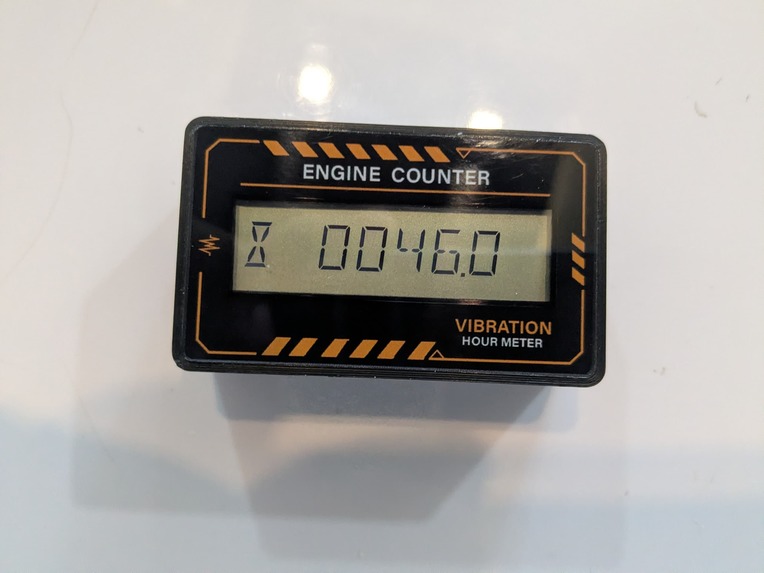
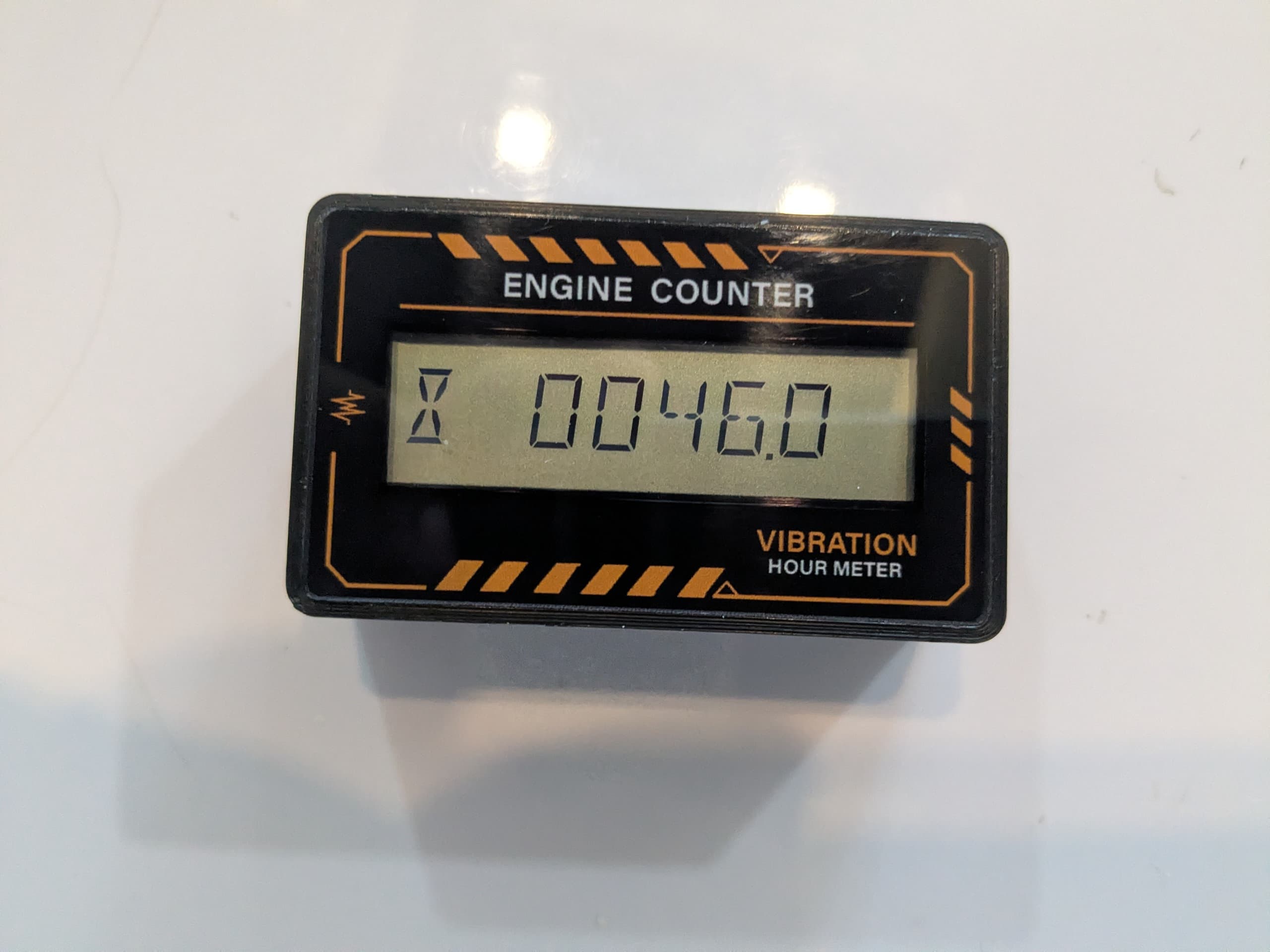
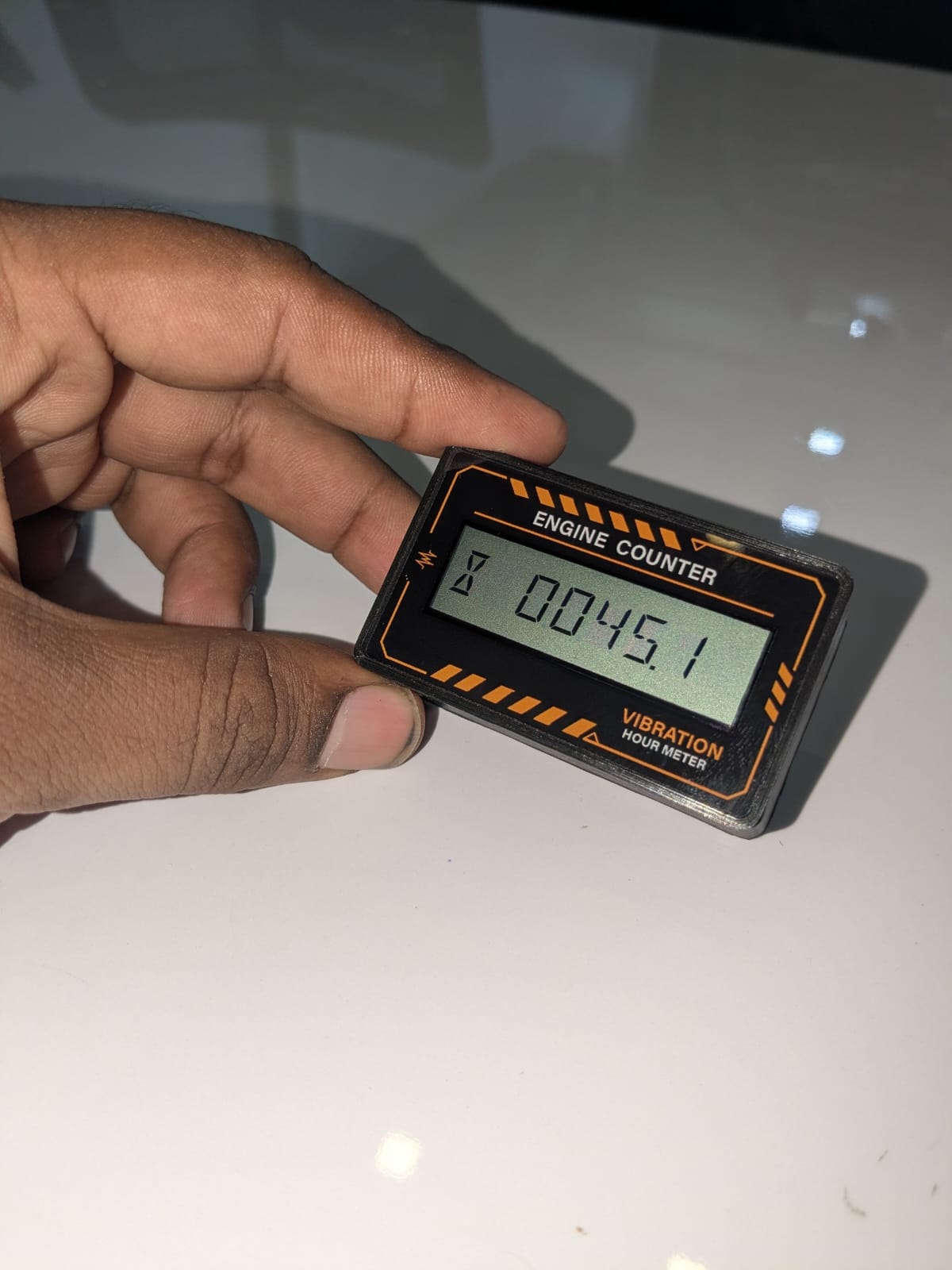
this final product which we made
-

brand logo
-
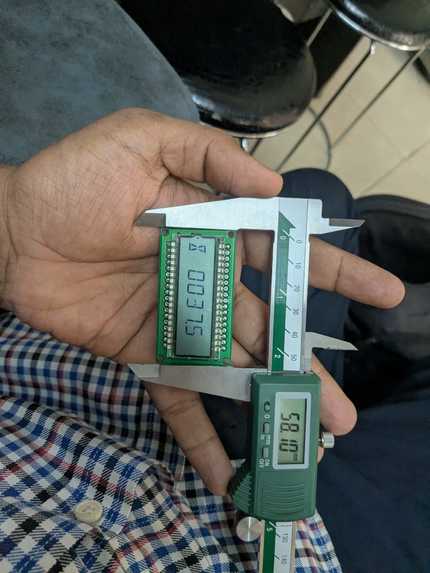
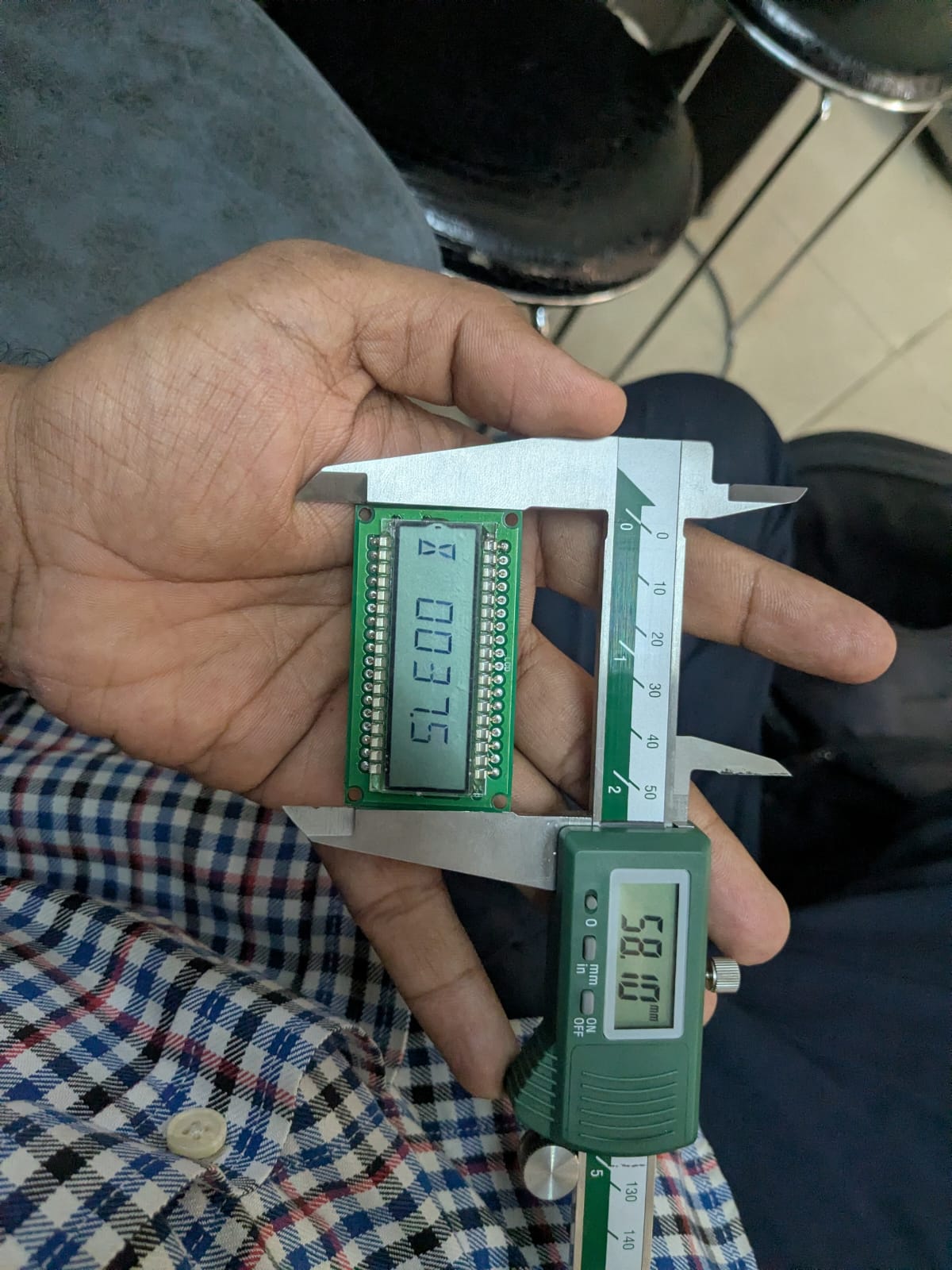
size calibration for encloser
-
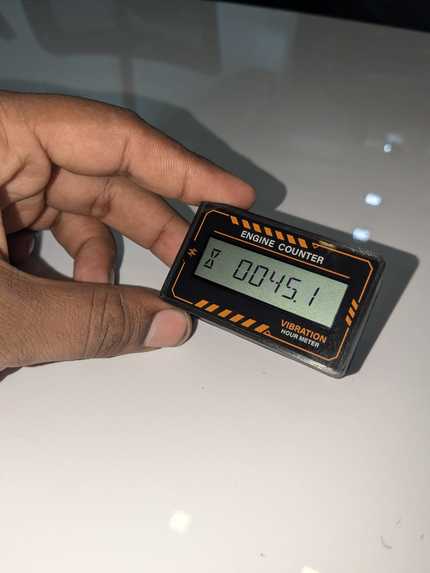
Prototype
-
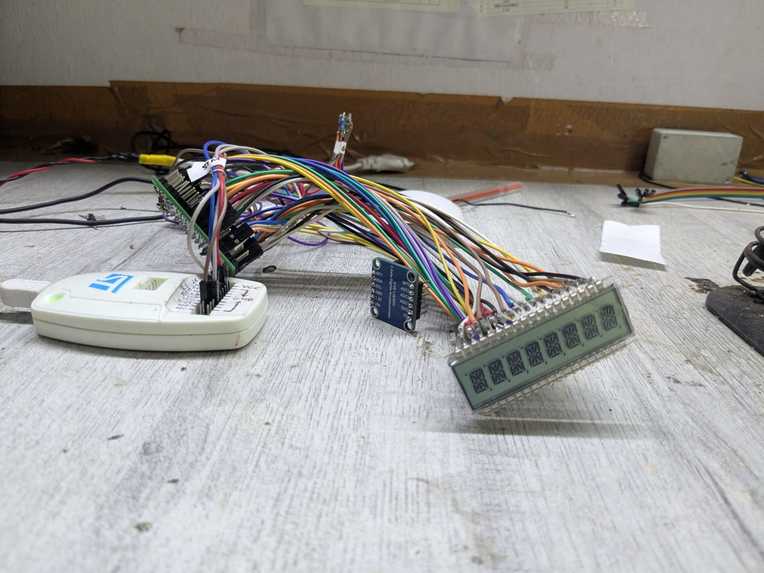
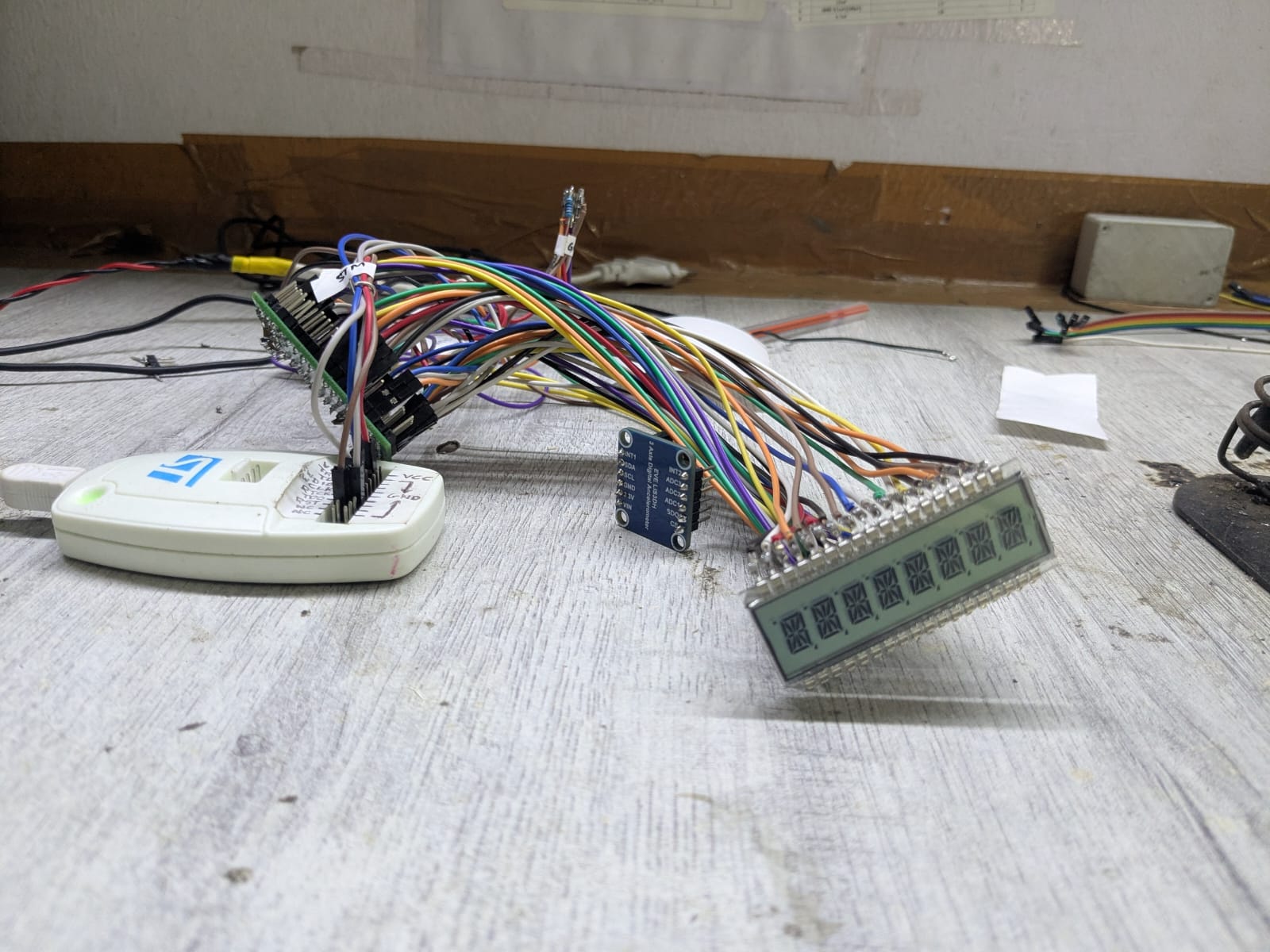
Embracing the spaghetti wiring life
-
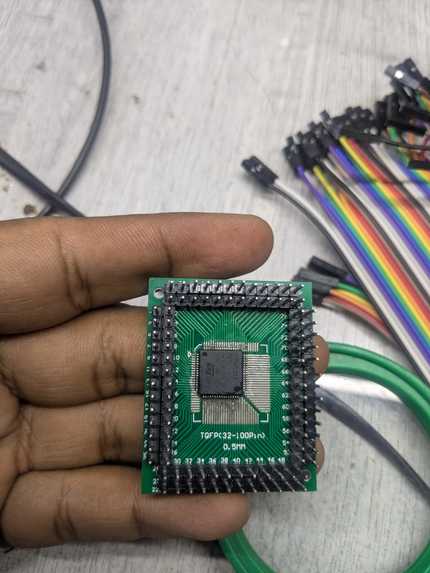
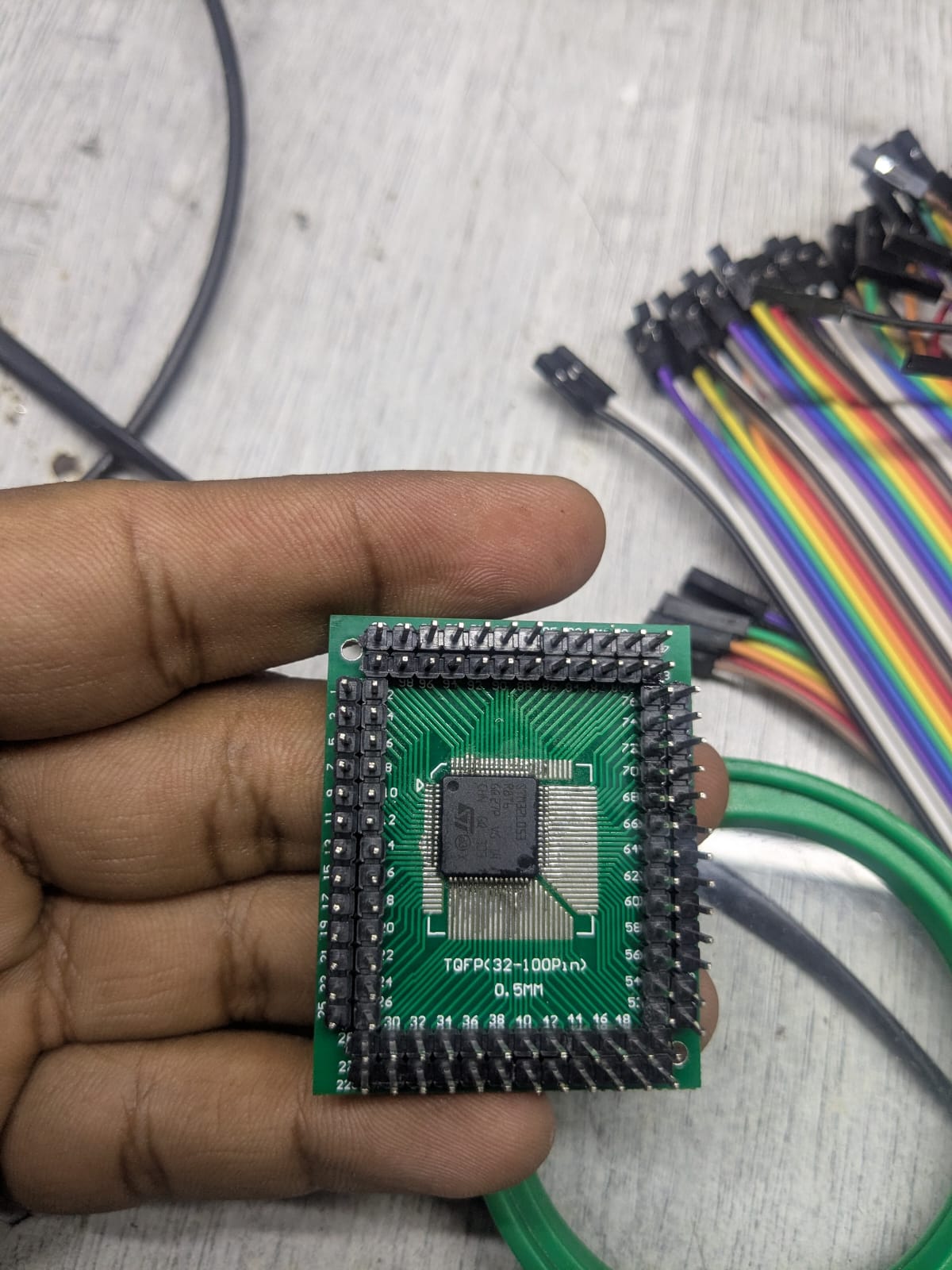
Breadboarding and debugging

Inspiration
They say that necessity is the mother of invention, and this project was born out of a very real, everyday industry problem.
In my work as an Assistant Service Manager for infrastructure equipment, I consistently noticed a major point of friction in international markets, particularly in Africa: billing disputes between equipment rental companies and their clients.
A common scenario plays out like this: a client hires equipment for a standard 8-hour shift but intentionally runs it for 12 hours. When the rental vendor bills for the extra 4 hours of usage, the client simply denies it. To resolve this, vendors need concrete proof of operation. Unfortunately, standard, built-in hour meters are easily manipulated, bypassed, or tampered with by end-users, leaving the vendor with no leverage and lost revenue. My friend Ashish and I decided to build a definitive solution. We looked at the market for external vibration-activated hour meters and immediately identified a massive gap. The current landscape is polarized: the cheaper options manufactured in China are notoriously unreliable and fail to meet performance expectations, while the European-made alternatives are prohibitively expensive for most rental fleets. We set out to bridge that gap. Our goal was to engineer a highly accurate, tamper-proof vibration hour meter that delivers undeniable proof of equipment operation—providing a dependable, cost-effective solution that protects rental companies from revenue loss.
What it does
Our vibration-activated hour meter is a standalone, tamper-proof tracking device designed to record the true operational time of heavy machinery and infrastructure equipment. Instead of relying on the machine's built-in electrical system—which can be easily bypassed or disconnected by a user—our device mounts directly to the equipment. It utilizes a highly calibrated sensor to detect the specific vibrations produced when the engine or motor is running.
How we built it
Developing this device took over a year of rigorous hardware and firmware engineering. When our initial prototype failed after 500 hours in the field, AI became our crucial engineering partner.
Hardware Redesign: We used ChatGPT to diagnose our failing mechanical sensor and pivot to a highly reliable, solid-state MEMS accelerometer with zero moving parts.
Firmware Optimization: We leveraged Codex to rebuild the software, vastly improving sensor logic, ultra-low-power management, counting accuracy, and data protection.
AI didn't just write code for us—it helped diagnose a real-world field failure and turn a fragile prototype into a rugged, industry-ready solution.
Challenges we ran into
Hardware Durability: Our original mechanical sensor lost sensitivity and failed after just 500 hours in the field. Need battery life at actual 5 year so need super and tight battery budget firmware . Signal Noise: It was difficult to filter out false positives and distinguish actual machine operation from transport bumps or sudden shocks.
Firmware Stability: We struggled with ultra-low-power memory management and keeping the UI from freezing when rendering precise layout elements (like keeping an exact 662.7 reading stable with its decimal dot and square symbol).
The Solution With ChatGPT and Codex, we diagnosed the hardware flaw and pivoted to a solid-state MEMS accelerometer. AI then helped us rewrite the firmware to perfect the vibration filtering, power management, and overall system reliability.
Accomplishments that we're proud of
We are proud that we transformed a real industry problem into a practical, market-ready product. After more than a year of hardware development, field testing, failures, and firmware improvements, we built a standalone hour meter that records equipment operating time without connecting to the machine’s electrical system.
With help from ChatGPT and Codex, we identified the limitations of the mechanical vibration sensor, upgraded to a solid-state MEMS accelerometer, improved the detection algorithm, strengthened long-term data storage, and optimized power consumption.
Most importantly, this journey helped me grow from an infrastructure-equipment professional into an entrepreneur. I am now selling this hour meter to real customers, turning an idea developed from field experience into a business that can reduce disputes between equipment rental companies and their clients.
and also want add we have already many hour meter order already in pipeline
What we learned
We learned that a working prototype is very different from a reliable product. Real-world testing helped us discover problems we could not see in the lab. Our mechanical vibration sensor failed after around 500 hours, so we switched to a MEMS sensor. ChatGPT and Codex helped us choose components, find bugs, and improve the firmware. Most importantly, I learned how to turn my industry experience into a real product and start my journey as an entrepreneur.
What's next for Vibration hour meter
Next, I plan to develop a Bluetooth-based version of the vibration hour meter. Users will be able to check operating hours directly on their phones through Bluetooth advertising. I will also add an RTC to record the exact date and time when equipment turns on and off. The device will store up to one year of operating history for tracking and dispute resolution. The next version will focus on long battery life, reliability, and easy installation.
Built With
- chatgpt
- codex


Log in or sign up for Devpost to join the conversation.