-
-
Brief Intro
-
Showcase Videos
-
Video Editor
-
Gen Spaces
VibeVideo IO
Launch day: 2026-01-20
Product: https://vibevideo.io/
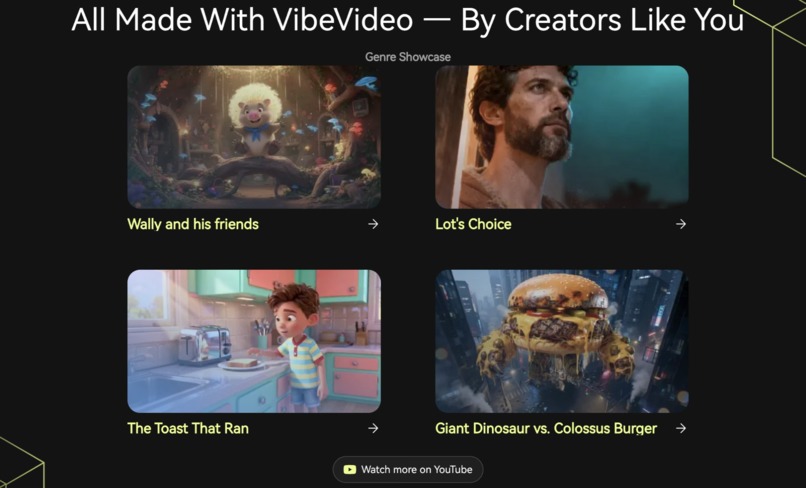
Videos Created by our users: https://www.youtube.com/playlist?list=PL1j110EcP-tpQ9oPkrpJmumZpjlWqDKM5
Inspiration
Most AI video tools are amazing at generating a single clip, but story-driven shorts (60–180s) need multiple shots, consistent characters, and coherent pacing. In practice, creators bounce between a script doc, prompt spreadsheets, image/video generators, TTS, and an editor—then spend endless time fixing continuity and redoing iterations.
We built VibeVideo IO to make story-to-video feel like a real production workflow: story first, then shots, then assembly.
What we built
VibeVideo is a shot-based studio that turns a script into a production-ready plan and output:
- Story-first generation: consistent characters, coherent plot flow, and professional cinematography out of the box—so you iterate less.
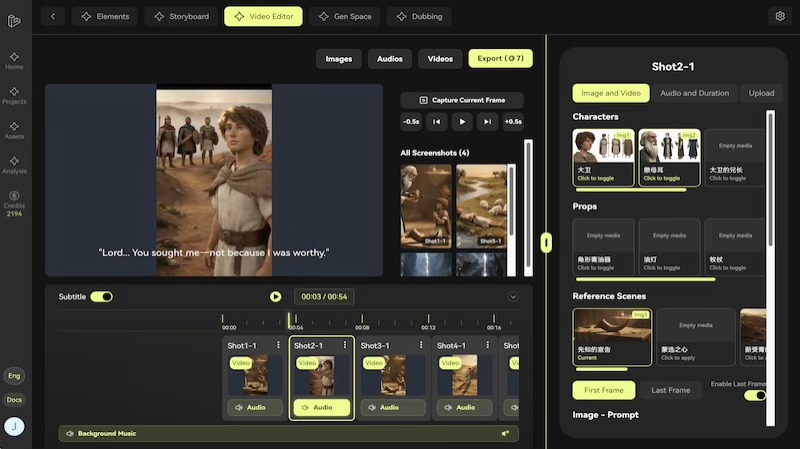
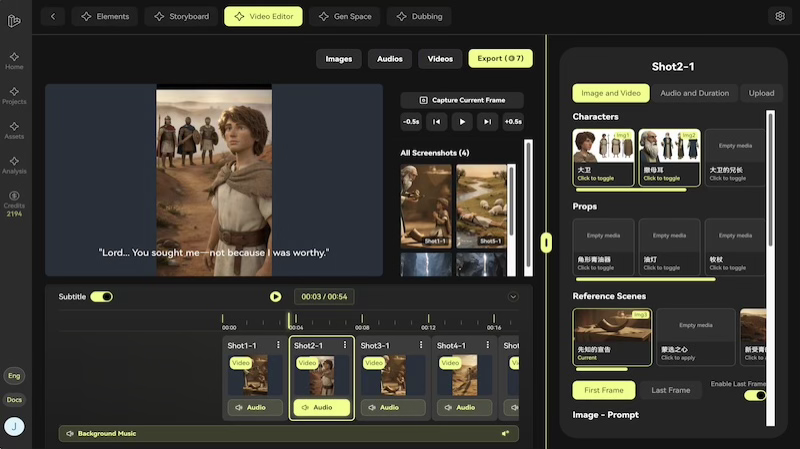
- Studio mode (one tool to publish): script → storyboard → visuals → voiceover → editing/assembly.
- Quick Create: Story → Confirm Outlines → Generate Shot Videos → Export, for creators who want speed.
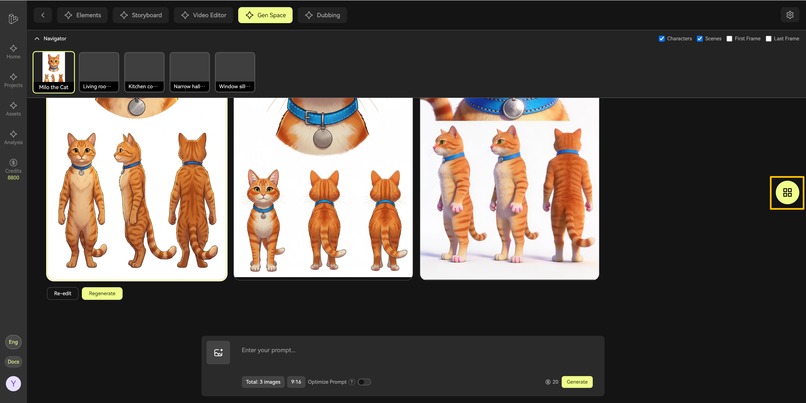
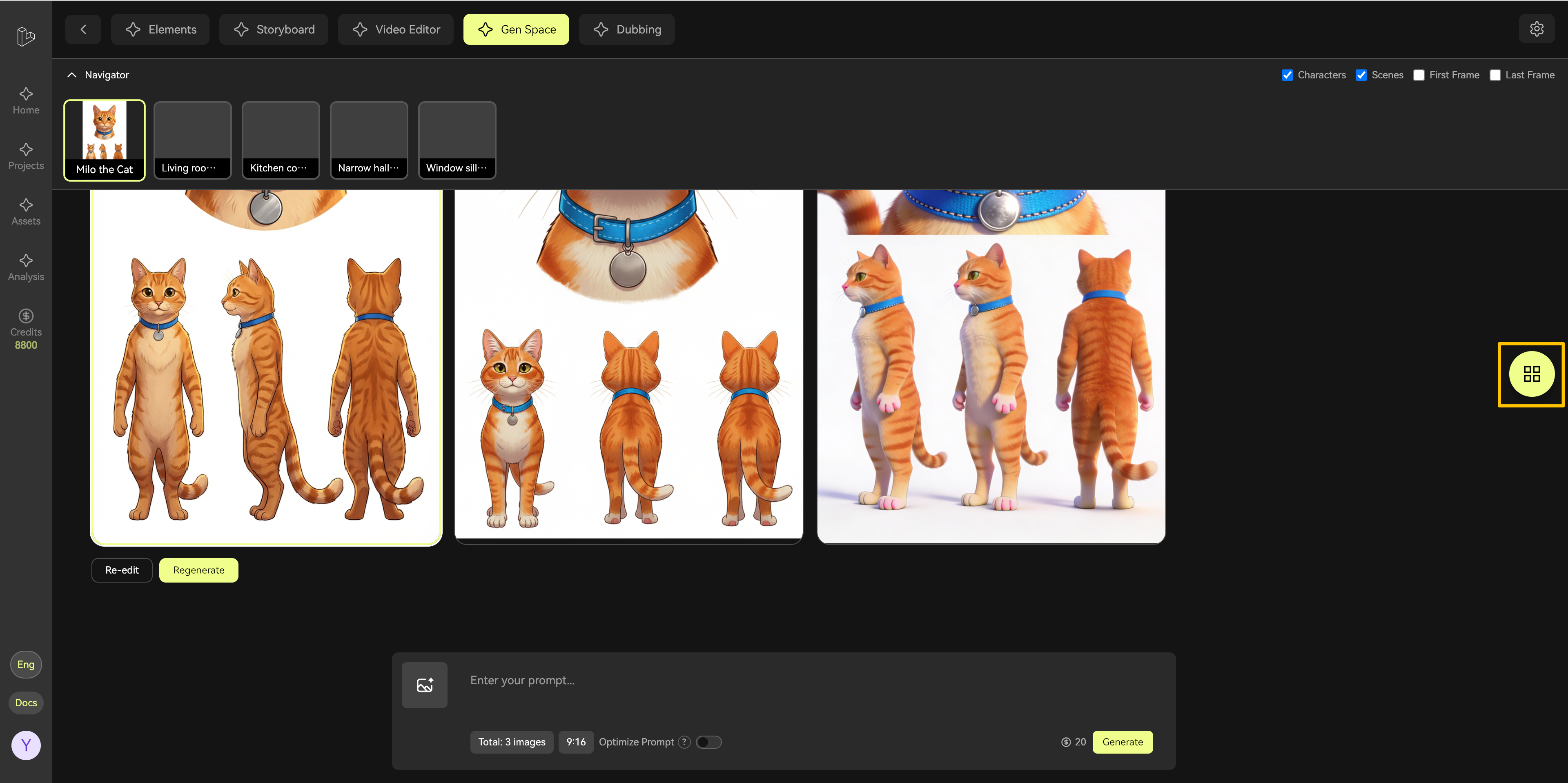
- Reference-driven iteration (Gen Space): reuse first/last/favorite frames (up to 6 references) and apply results directly to shots.
- Multi-character dubbing: role-to-voice binding, filters, emotion cues, and timeline audio split/placement.
- Multi-engine generation: Seedance / Kling / Vidu + optional Sora 2 (beta) inside the same workflow, with ElevenLabs for voice.
How we built it
- Frontend: Next.js (React) + TypeScript for the shot table, storyboard, timeline, and review tools
- Backend: Python workers for AI orchestration and media processing
- Data: PostgreSQL + pgvector for projects/shots and retrieval/embedding use cases
- Queue/Cache: Redis for job queueing, caching, and rate control
- Media: FFmpeg pipeline for rendering/assembly, audio mixing, subtitles, and exports
- Storage/CDN: S3-compatible object storage for assets and Cloudflare CDN for fast preview/playback
- Integrations: multi-model image/video engines + ElevenLabs TTS (and optional Sora 2 beta)
Challenges
- Continuity across shots: keeping characters and style stable while allowing creative variation.
- Workflow UX: creators need speed and control, so we balanced “Quick Create” with “Studio mode”.
- Batch iteration: enabling users to update style/pacing/camera language across many shots without breaking the project.
- Latency and reliability: coordinating multi-step generation, retries, and previews across different engines.
What we learned
Storytelling tools win when they reduce context switching and make iteration cheap. A shot-based “single source of truth” (script, prompts, assets, voices, status per shot) dramatically lowers revisions and makes narrative video production scalable.
What’s next
We’re continuing to improve consistency, editing ergonomics, and multi-engine reliability. The product is currently closed-source (commercial licensing/IP), and we may open roles after funding—follow along for updates.
Built With
- airflow
- cloudflare-cdn
- elevenlabs
- fastapi
- ffmpeg
- kling
- langgraph
- nanobanana
- next.js
- python-workers
- react
- seedance
- sora2
- typescript
- vidu
- wan


Log in or sign up for Devpost to join the conversation.