-
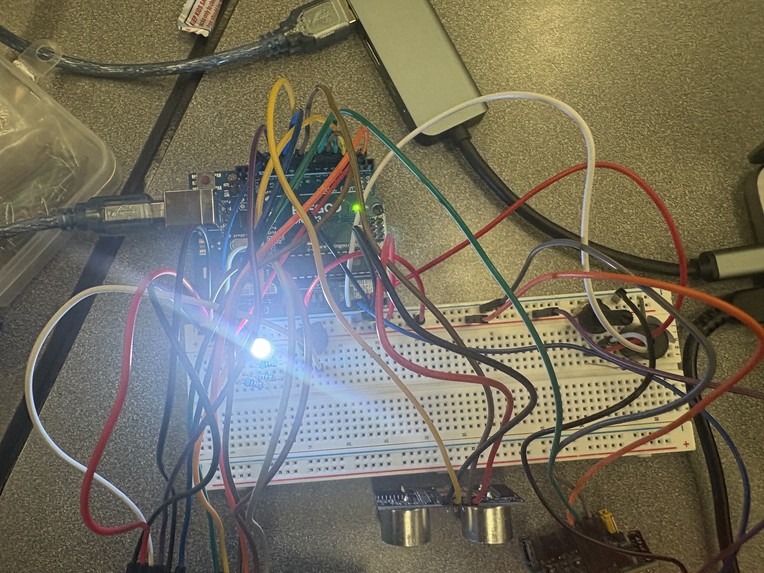
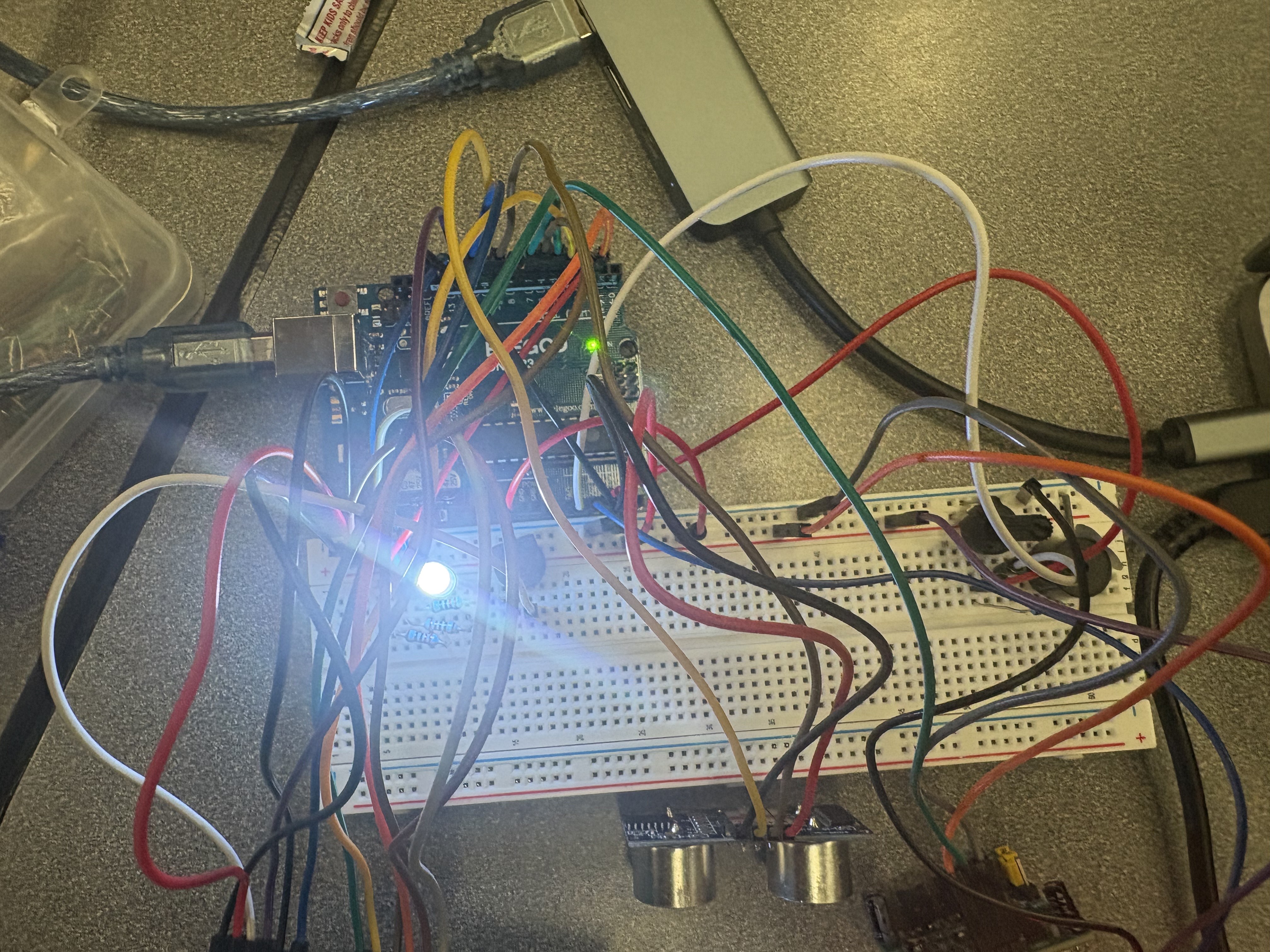
Hardware top down
-
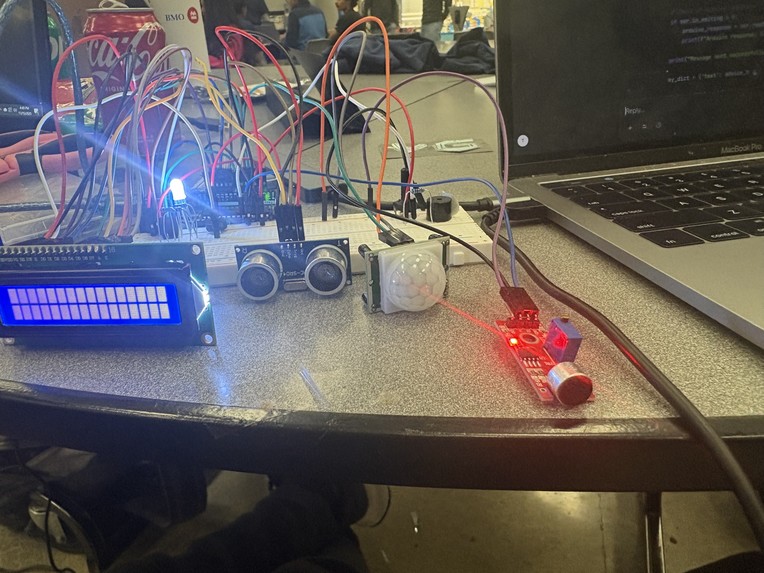
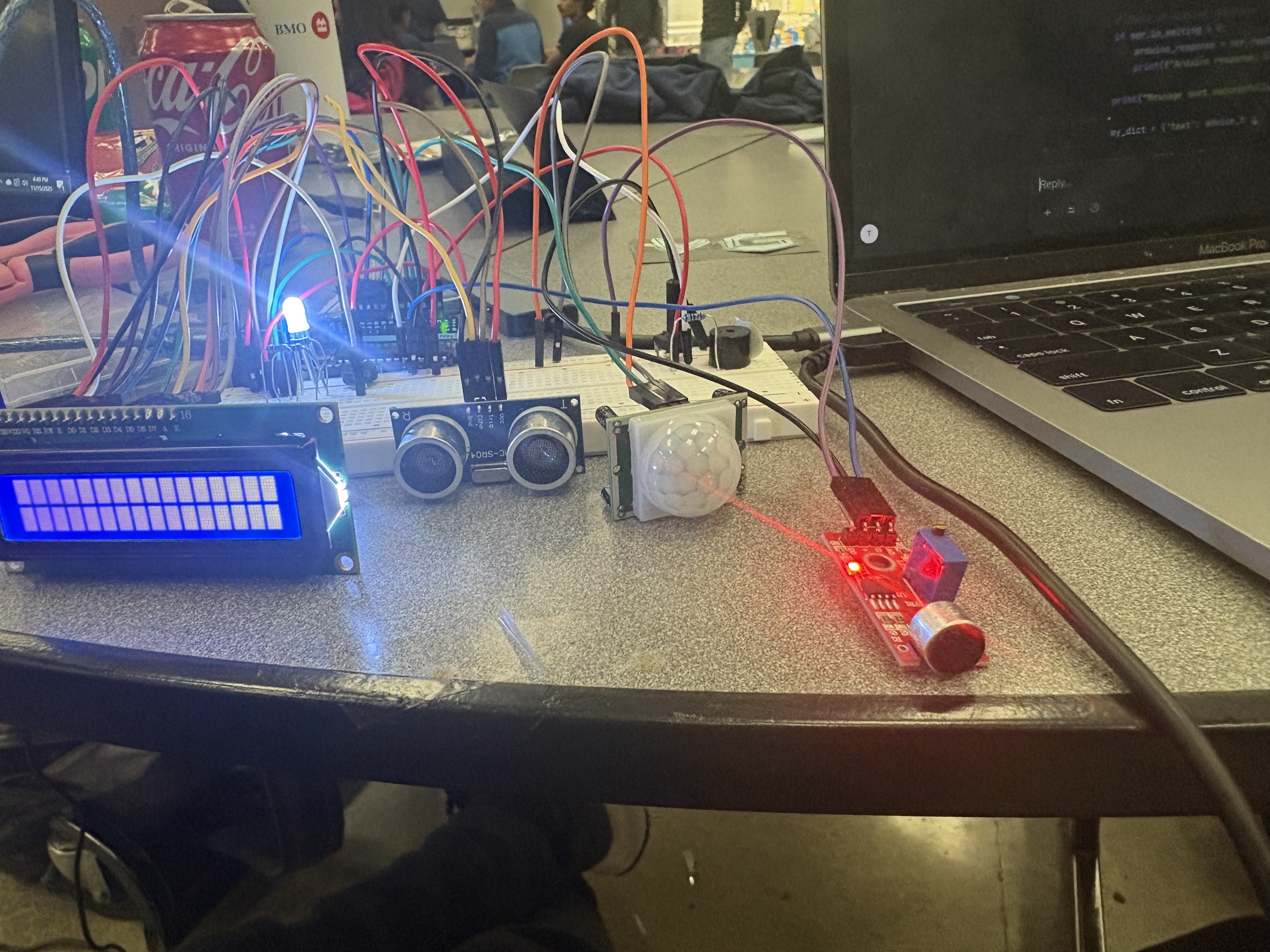
Hardware from the front
In school, we watched friends—especially neurodivergent classmates—stand outside loud classrooms, crowded clubs, or busy events, trying to decide if they could handle the environment. Sometimes they joined. Sometimes they left. Sometimes they just felt alone.
We realized something important: A room’s vibe decides whether someone can connect… or feel left out.
So we asked ourselves, “What if we could translate the vibe of a space into something clear, simple, and supportive?”
That’s how VibeGuard was born.
We built a small hardware sensor that listens and observes the environment. It detects noise, movement, and activity levels. Then our webapp uses AI to turn that raw data into something human — a mood.
Instead of numbers, you get a feeling: Calm. Social. Loud. Overwhelming.
Now, anyone—especially someone who gets overstimulated—can check the vibe of a room before walking inside. They can feel prepared, confident, and included.
VibeGuard isn’t just a tool. It’s a bridge. It helps people decide how to join a space, not whether they can. And sometimes, that small difference is what makes connection possible.

Log in or sign up for Devpost to join the conversation.