-
-
cover slide
-
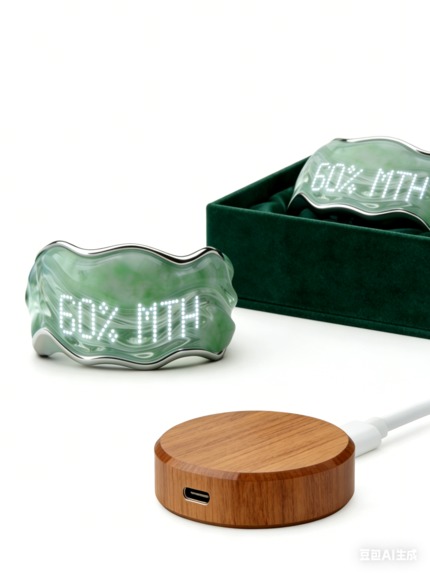
vibe bracelet
Inspiration
While brainstorming, we kept coming back to the same theme of paranoia and interoception. Why do some rooms feel wrong before anything happens? Why do some people drain you before they speak? The science exists: neuroception, cardiac field emissions, neural coupling. But no tool had ever unified it into something a person could actually use. We built VibeCheck for everyone who's ever been told they were imagining it.
What it does
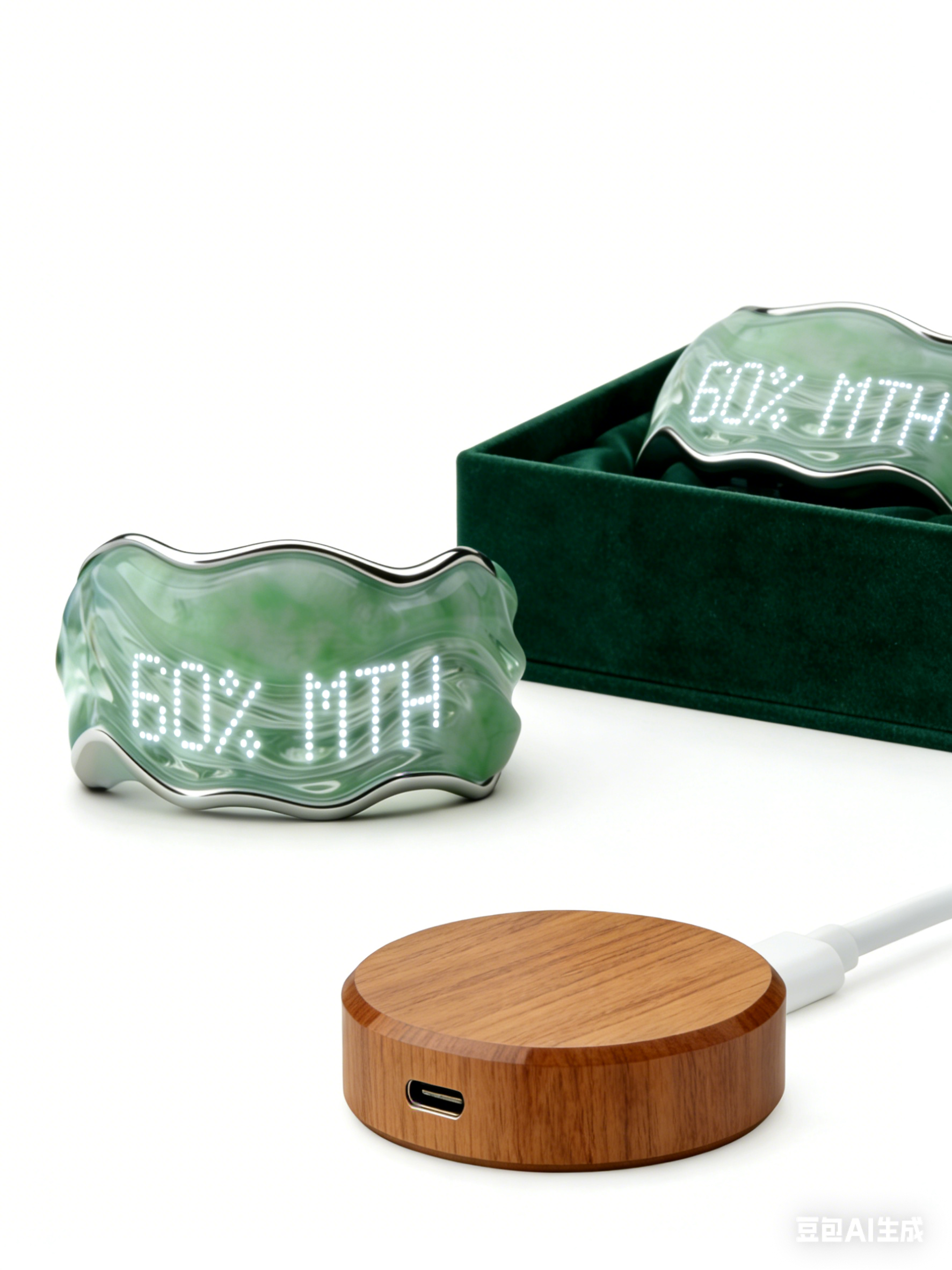
VibeCheck is a biosensor wearable system that translates your nervous system's unconscious environmental scan into legible, actionable self-knowledge. It tracks chemical, thermal, motion, and proximity signals across four behavioral layers generating a real-time Resonance Quotient that tells you what your body already knows: whether a space, a situation, or a person is genuinely safe.
How we built it
We designed VibeCheck as a speculative but internally consistent system. grounding every sensor input in existing or near-future biosensing research, building a proprietary metric framework (RQ, FC, EI, EL, RAS), and designing the interface around one core principle: the data lives in the background, the insight surfaces in the foreground, only when it matters.
Challenges we ran into
The hardest problem wasn't the sensing but the ethics behind it. Tracking proximity behavior, chemical signatures, and social field interactions meant designing consent architecture from the ground up. We also had to resist the pull toward complexity. Every feature we added had to earn its place against the risk of turning a clarity tool into another source of information overload.
What we learned
That the most powerful thing a wellness tool can do isn't optimize you, but rather validate your experiences. The moment VibeCheck stops being a data product and becomes the first thing that ever told someone "you weren't imagining it", that's when the design actually works.
Built With
- figma
- figmamake


Log in or sign up for Devpost to join the conversation.