Inspiration
Vibe Coder is more than just a shopping tool; it’s a bridge between the inspiration we find online and the reality of our kitchens. By combining video analysis, image recognition, and predictive budgeting, it transforms the "chore" of grocery shopping into a seamless, hyper-personalized experience
What it does
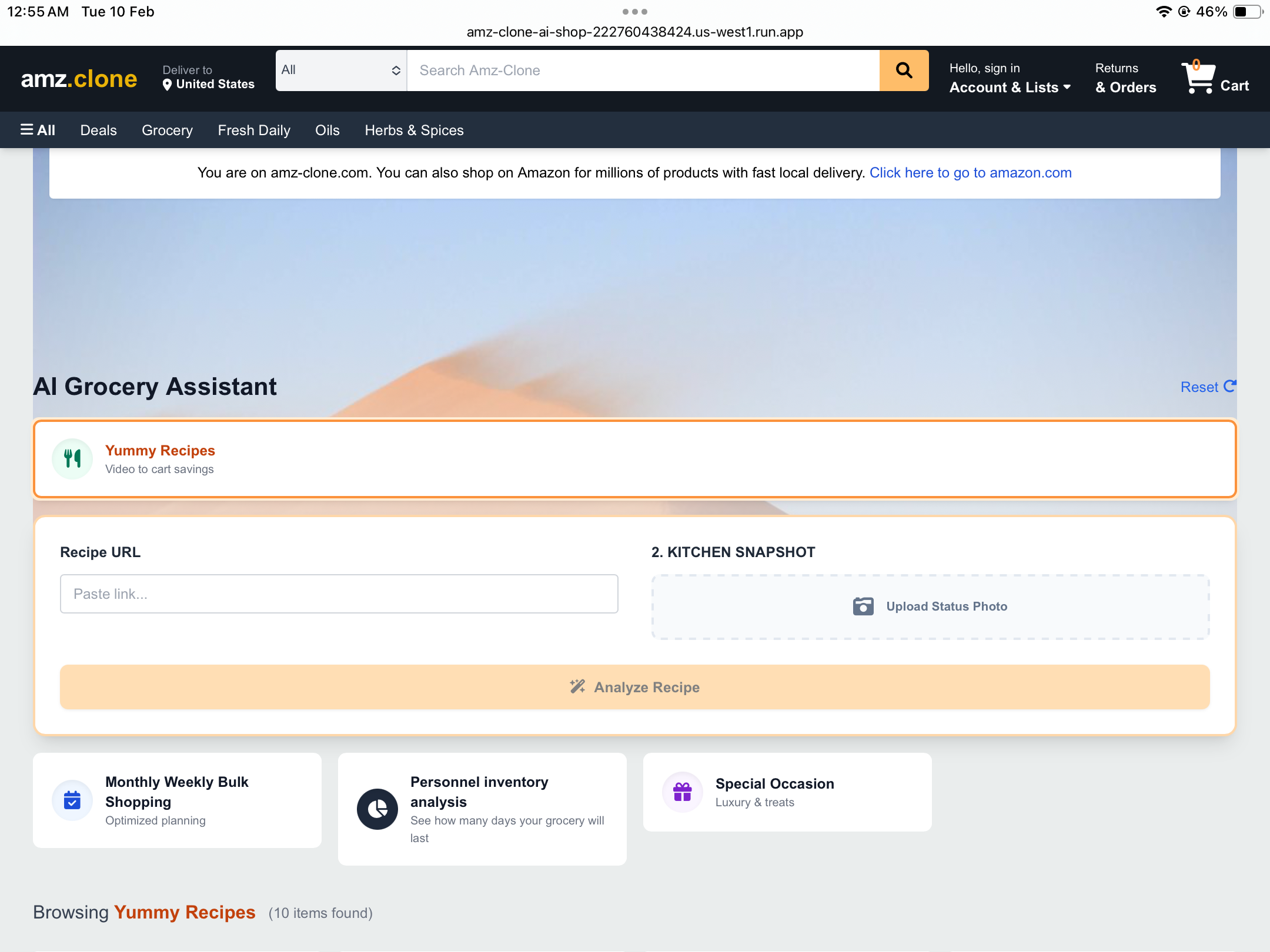
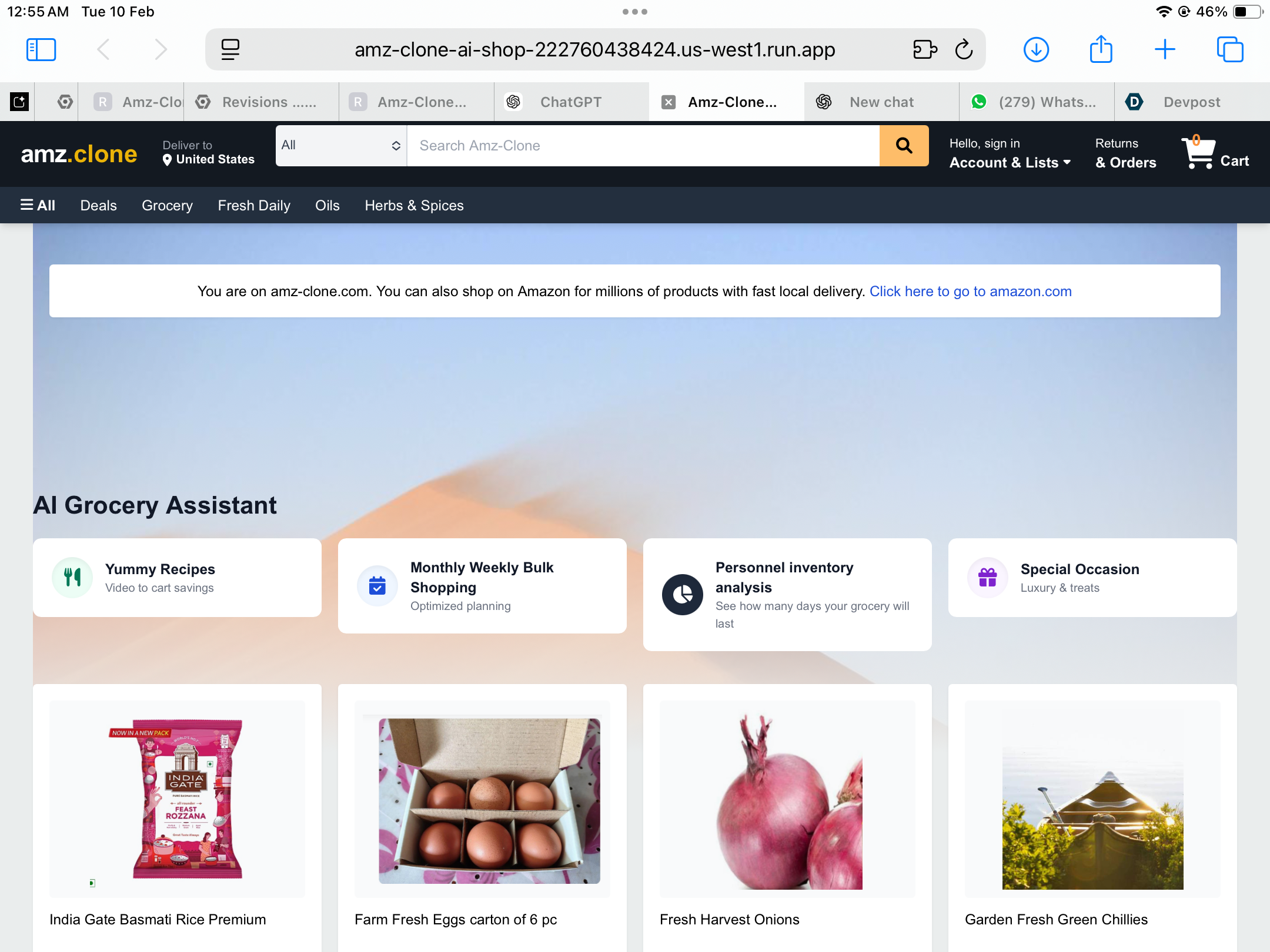
Vibe Coder is designed to be a "hyper-shopping" assistant that removes the guesswork from cooking and budgeting. It acts as a bridge between your digital inspiration and your physical kitchen.
Here is a breakdown of its core functions:
functions:
📹 Video-to-Ingredients
Instead of manually typing out a grocery list while watching a cooking video, you simply paste the video link into the app. The AI analyzes the content, identifies the necessary ingredients, and instantly creates a matched shopping list for you.
📸 Smart Inventory Analyzer
To prevent you from buying things you already have, Vibe Coder uses computer vision:
Image Detection: You can upload a photo of your fridge or pantry.
Need vs. Have: The AI detects your current stock and subtracts those items from your shopping list.
Restock Alerts: It analyzes your inventory levels and suggests exactly when it’s time to restock essentials, acting as a personal pantry manager.
💰 Intelligent Budget Curation
The app doesn't just list prices; it manages your wallet. It curates a personalized budget by looking at:
Past Spending: How much you usually spend on certain categories.
Preferences & Likings: Prioritizing items you love while finding cheaper alternatives for others.
Real-time Tracking: It helps you stay within your set limit by calculating the total cost of your "must-buys" versus your "nice-to-haves."
How we built it
Building this project as a non-coder required a heavy reliance on Agentic AI and a "lego-block" approach to development:
The Intelligence: I utilized Gemini to act as the primary engine. It parses video links to extract ingredient lists and uses computer vision to analyze uploaded images of pantries.
The Backend: I used Firebase to store product catalogs and user data. This allowed me to keep track of a user's inventory in real-time.
The Budgeting Logic: I designed a system that curates a shopping list based on a "Smart Budget" formula:
B available =B limit −∑(Cost past +Cost current ) The AI adjusts suggestions based on P pref (past preferences) and L curr (current likings), ensuring the user never exceeds their financial comfort zone.
Challenges we ran into
The path wasn't without its obstacles, especially coming from a non-technical background:
The "Non-Coder" Wall: Translating my vision into actual prompts that the AI could execute without errors was a steep learning curve. I had to learn to be incredibly specific with my instructions.
Database Mapping: My biggest challenge was successfully uploading a product catalog from a JSON file to Firestore. Dealing with data types and ensuring the AI could "read" the database correctly took many late-night troubleshooting sessions.
Restock Accuracy: Training the logic to distinguish between "you have this" and "you have this, but you are almost out" required fine-tuning the inventory analyzer's detection thresholds.
Accomplishments that we're proud of
Executing this app gives imense delight the idea and concept can build something big
What we learned
Everything from coding to execution
What's next for Vibe Shopper
Vibe Coder aims to eliminate waste. By analyzing when to restock and matching it with your financial goals, it ensures you only spend what you need on the things you love. It’s not just an app; it’s your personal inventory manager and financial advisor in one.
Built With
- ai
- gemini

Log in or sign up for Devpost to join the conversation.