-
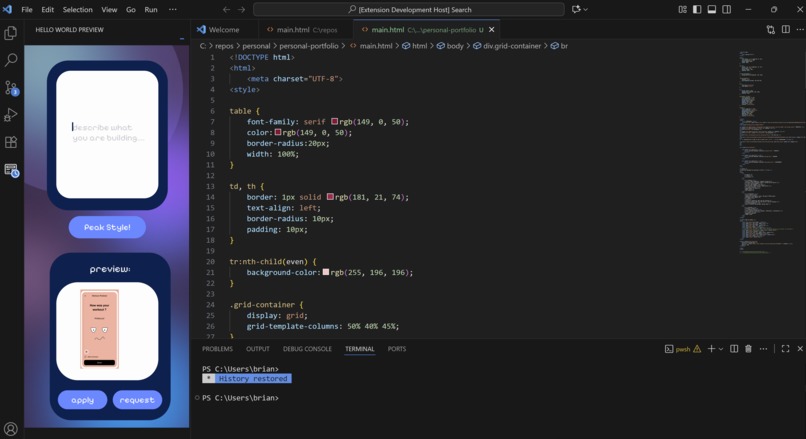
VS Code extension in action
-
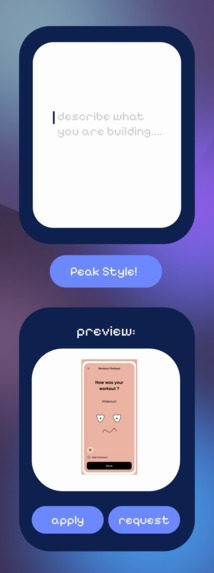
ui/ux design
Inspiration
Our journey to Via began with a challenge every developper knows too well: racing against the clock to ship fully functioning features and debug, all while trying to make an interface that actually captures users’ attention. Developers lack the time and mental bandwidth to collect real user insights on designs, analyze design trends, and translate them into interfaces people truly enjoy. But, without such a design, even the most functional code can become inefficient, costly, wasted potential if it doesn’t attract. That frustration sparked our idea: to merge the convenience and reliability of UI/UX galleries directly into the coding workflow.
What it does
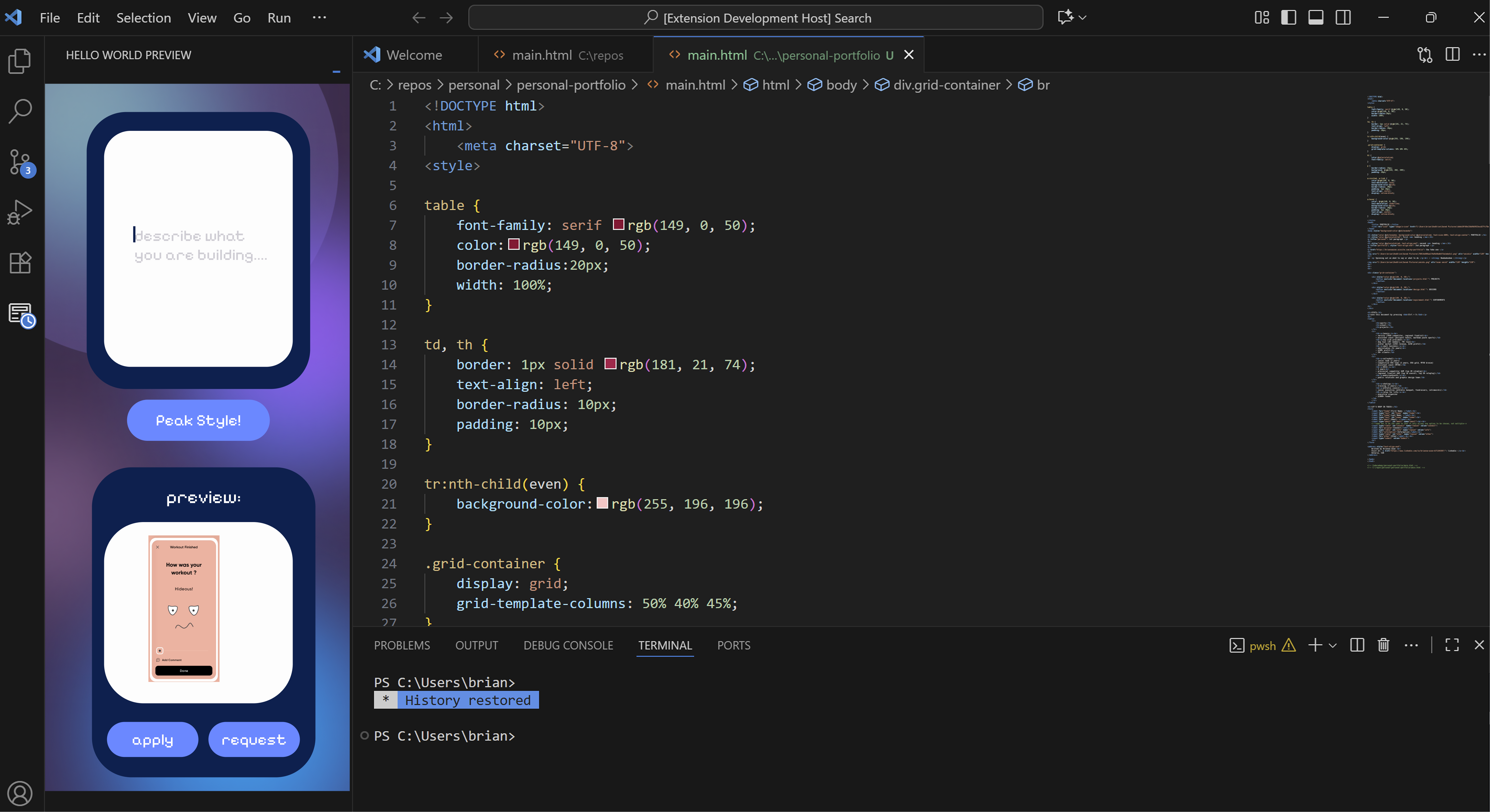
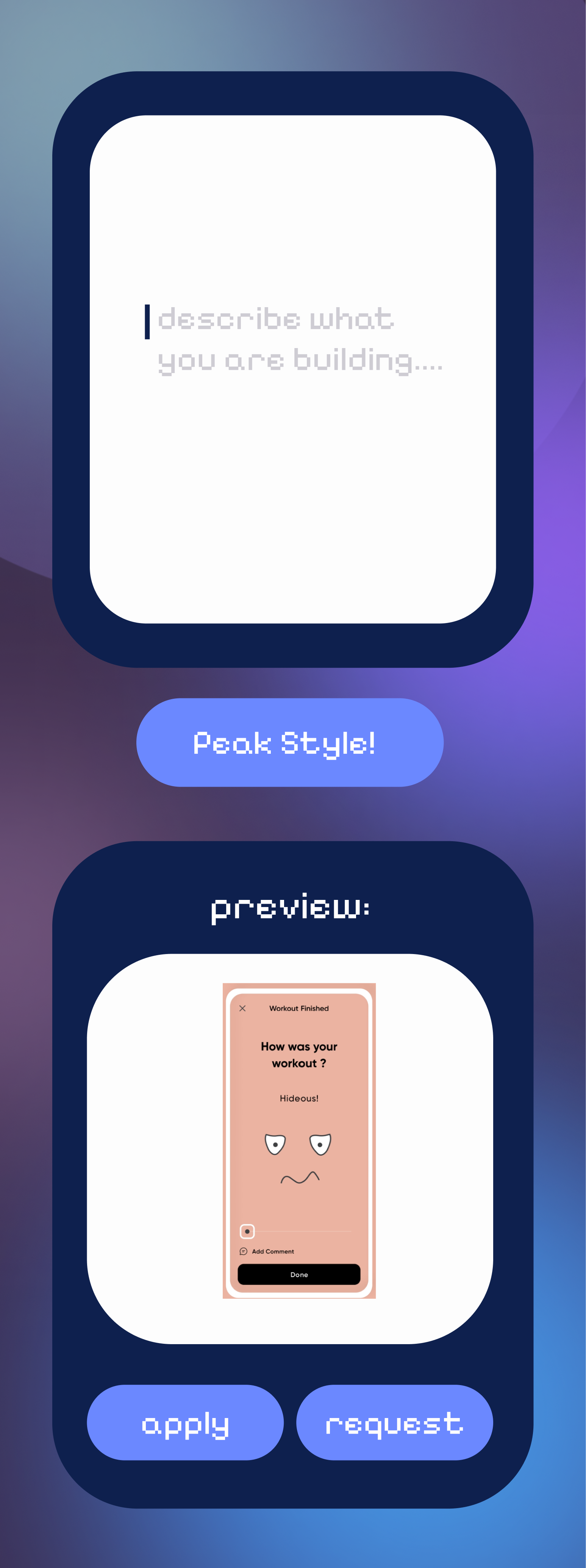
Via is a VS Code extension that extracts user engagement and style of the most desired user interfaces from Dribbble. Tell it the type of project you are working on or it’s niche, and it’ll curate a preview of your features fused with the latest user trends. Then, you have the option to implement changes to your code or request a style change with the same system. It makes sure your product is appealing to the majority, and reduces the churn rate by keeping elements fresh and user-centric.
How we built it
-VS Code Extension to provide an in-editor gallery and smooth developer experience.
-Trend Data Pipeline that aggregates and analyzes public Dribbble data for style and engagement signals.
-MongoDB + Node Services to store and serve curated trend sets to the extension in real time.
Challenges we ran into
-ensuring the extension loads fast and doesn't slow down vs code
getting real user data that shows the current trends
building a reliable external rendering service that doesn't crash
Gray box :(
Accomplishments that we're proud of
Looking back on our journey with Via, we’re proud of how far we’ve come in such a short time. Our biggest accomplishment is turning a common frustration for developers - offering functionality in a visually appealing and user-centric way - into a working tool that offers real, actionable solutions. We’re especially proud of the technical hurdles we overcame, from scraping and structuring the user data to integrating AI insights seamlessly into a VS Code extension. Building a system that not only analyzes design trends in real-time but also previews them, all while keeping developers in control, is no small endeavour. More than anything, we’re proud that Via has the potential to make the development process smoother, more impactful, and connected to real users.
What we learned
That webview system, messaging apis, and security restrictions create unique challenges. Working with llm apis taught us that getting consistent, clean output is harder than it looks. You spend most of your time handling edge cases and cleaning up generated code. Discovered that the real work isn't in the flashy ai features but in all the boring infrastructure - error handling, api key management, file storage, and making sure nothing breaks when services go down.
What's next for Via
We plan to enrich Via with deeper insights and interactivity, including:
- integrating custom api and software to broaden the complexity and versatility of the generated designs
-Heatmaps & Analytics from anonymized engagement data to reveal which UI elements capture attention.
-A/B Preview Comparisons so developers can evaluate multiple design approaches side-by-side.
-Audience Guidance showing how style choices (e.g., vintage vs. minimal) align with different demographics.
Built With
- dribbble
- firecrawl
- node.js
- openai
- openrouteservice
- react
- typescript


Log in or sign up for Devpost to join the conversation.