-
-

User
-
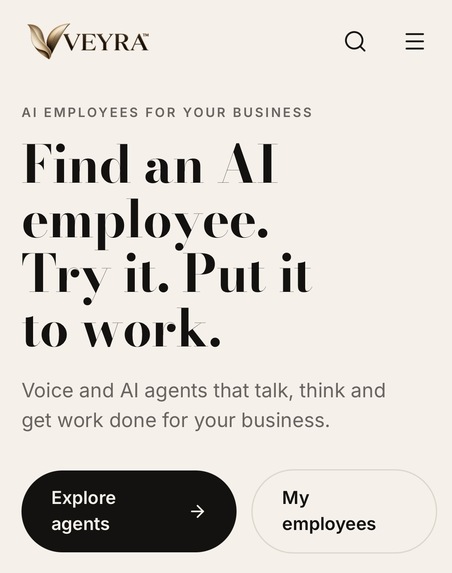
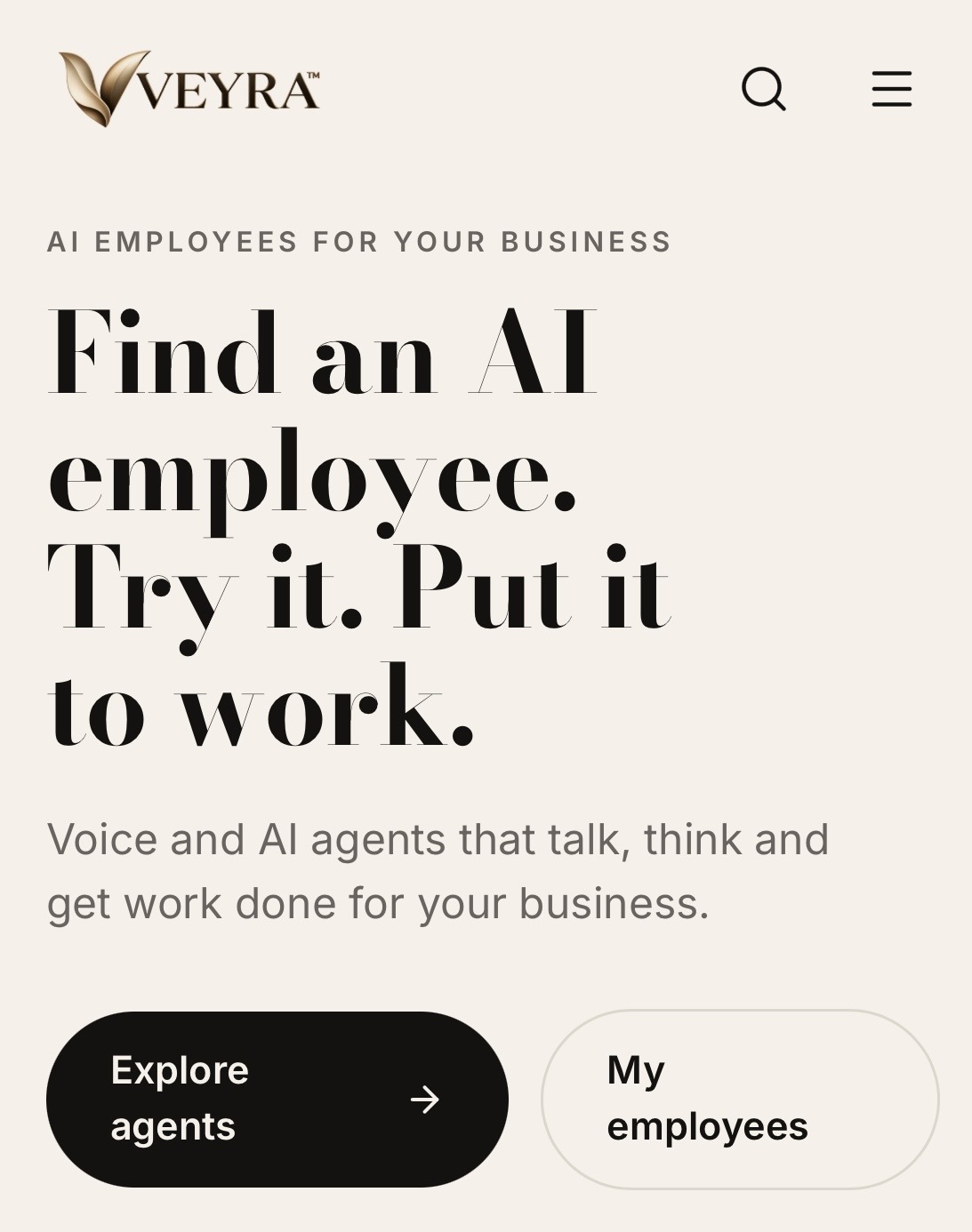
Home page
-
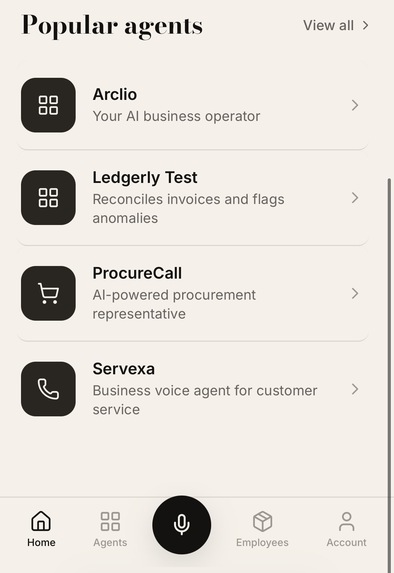
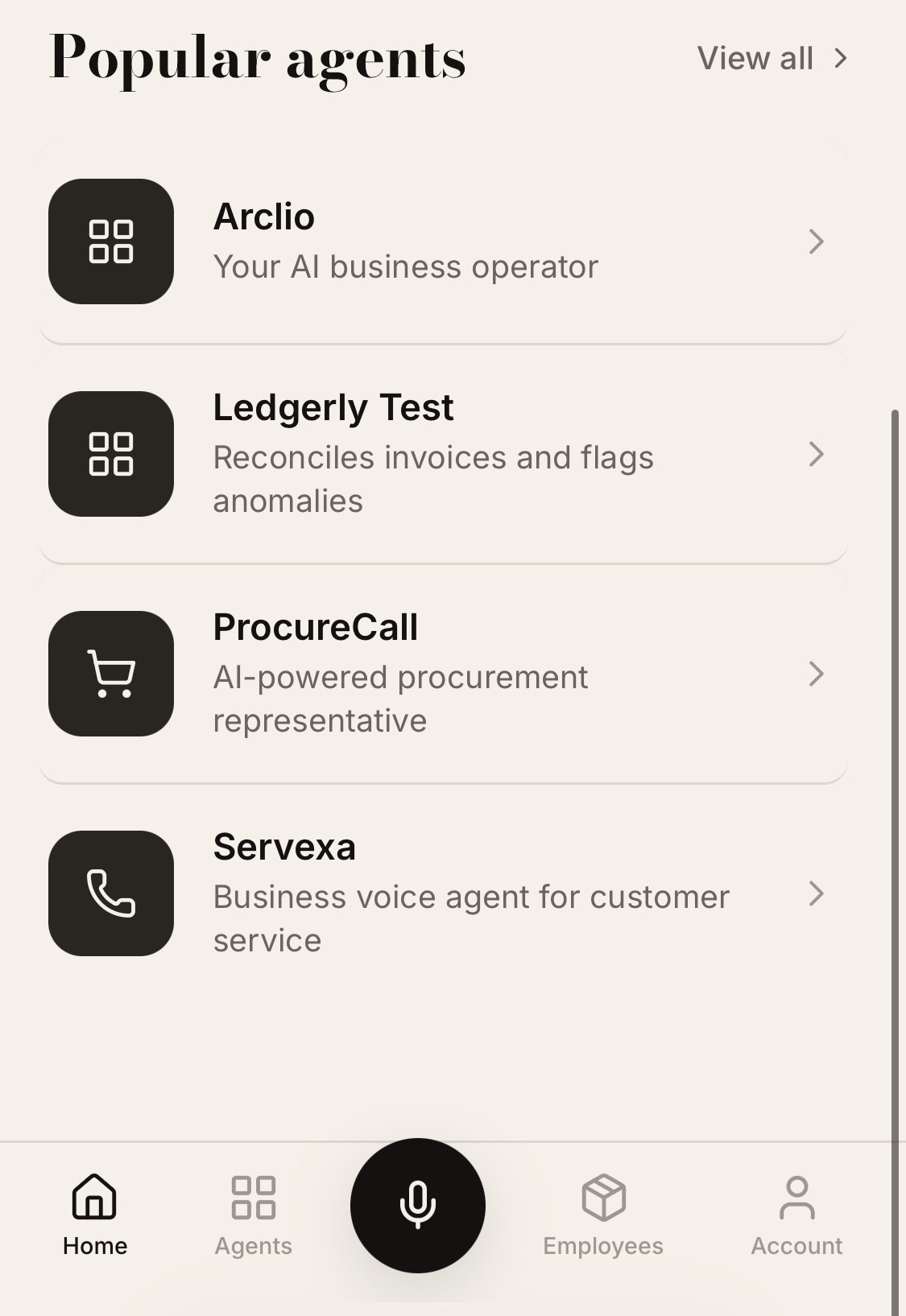
Agent Market place
-
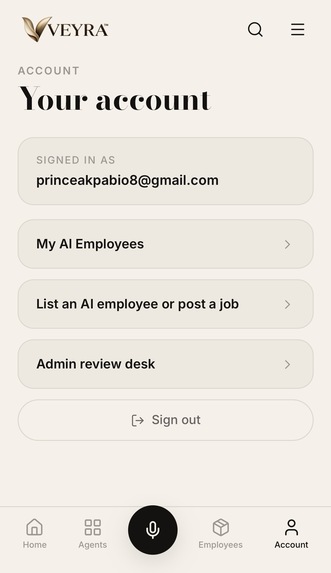
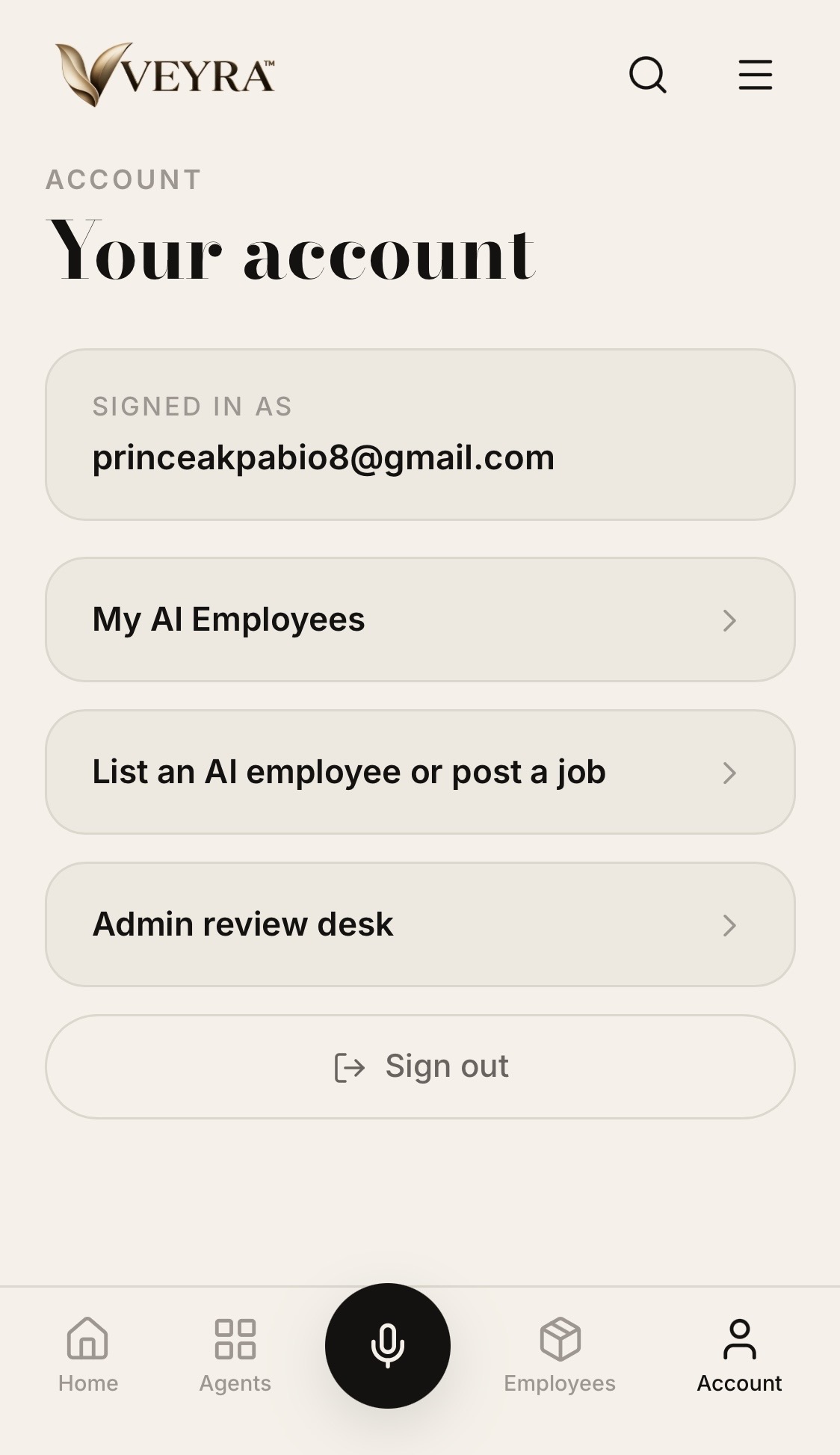
Dashboard

Inspiration
The idea for VEYRA started with someone very close to me: my father.
He is around 63 years old and runs his own business. He is also genuinely excited about artificial intelligence. He watches the news, follows conversations about AI, and sees how quickly the technology is changing the world. Whenever he hears about new developments, he asks questions like, “How can I use this in my business? How can AI help me?”
But there was a problem. He was interested in AI, yet he didn’t know where to begin. The technology sounded powerful, but the tools, terminology, and technical processes felt confusing. He knew AI could help his business, but he couldn’t easily translate that excitement into something practical.
Watching him made me realise that my father probably wasn’t alone. Many business owners hear about AI agents and automation every day. They want to adopt the technology, but they don’t necessarily have the technical knowledge, time, or resources to build their own systems.
I started looking at my father’s business and thinking about the everyday work AI could help with: finding suppliers, making calls, comparing prices, following up with people, and handling repetitive operations.
That was the beginning of VEYRA
What it does
VEYRA makes AI employees accessible to businesses without requiring them to understand how to build AI systems.
Instead of starting with complicated software, APIs, or technical workflows, a business owner can discover an AI employee for a particular job, try it, deploy it, and put it to work.
We began by exploring the practical problems businesses actually face. One recurring need was procurement. Finding suppliers, calling them, asking about product availability, comparing prices, checking minimum order quantities (MOQ), and understanding delivery timelines can take considerable time.
That led us to develop ProcureCall, an AI procurement employee designed to contact suppliers, collect relevant information, and help businesses make purchasing decisions. VEYRA also incorporates financial controls and a PayPal payment flow, allowing consequential purchases to be handled with defined approval and oversight.
The bigger idea is that businesses should not have to figure out AI from scratch. They should be able to find the right digital employee for the job and use it through one accessible platform.
How we built it
We built VEYRA as a platform for discovering, deploying, and managing AI employees.
The platform brings together a business-facing interface, agent experiences, backend services, and integrations that allow employees to carry out specific tasks.
We approached development from the perspective of a business owner rather than an AI engineer. The experience needed to be simple: find an employee, understand what it can do, try it, and deploy it.
As the project evolved, we began thinking beyond individual agents. We wanted specialist employees to be able to work together, with an orchestration layer that could coordinate tasks across them.
We also recognised that giving AI employees the ability to take actions, particularly financial actions, requires responsibility. This informed our work on permissions, spending limits, approval workflows, and activity records.
PayPal is an important part of this direction because it provides a payment infrastructure through which authorised transactions can be processed. Our hackathon implementation demonstrates this payment workflow using PayPal’s sandbox environment.
Challenges we ran into
One of our biggest challenges was deciding how to make a powerful technology feel simple to someone who has never worked with AI.
It is easy to build something that looks impressive to a technical audience. It is much harder to create an experience where a business owner can understand what an AI employee does and confidently put it to work.
Another challenge was moving beyond the idea of an AI assistant that simply answers questions. We wanted employees that could perform useful business tasks, interact with external parties, gather information, and support real decisions.
Financial autonomy introduced another important challenge. We had to consider how an AI employee could prepare or propose a purchase without being given unrestricted authority to spend a customer’s money. This pushed us to develop permission and approval controls.
Accomplishments that we're proud of
We are proud that VEYRA grew from a simple observation about my father’s business into a broader vision for making AI employees accessible to other businesses.
We developed the platform around a straightforward experience: discover an employee, try it, deploy it, and put it to work.
We are particularly proud of the ProcureCall use case because it addresses a real operational problem. Supplier sourcing is not just about generating text. It involves calling suppliers asking questions, collecting answers, comparing commercial terms, and helping a business decide what to do next.
We are also proud of bringing PayPal into the purchasing workflow and thinking carefully about the permissions and oversight required when AI systems interact with money.
Most importantly, we have kept the original motivation in view: making AI useful to people who want its benefits but should not need to become AI experts to access them.
What we learned
We learned that AI adoption is not just a technology problem. It is an accessibility problem.
Many business owners do not need another explanation of how intelligent AI is. They need a simple way to apply it to the work they already do.
We also learned that autonomy and trust must develop together. An AI employee should be capable of doing useful work independently, but its authority must be clear, limited, and accountable.
Feedback from people interested in using the platform helped us understand which problems mattered most, particularly procurement and supplier sourcing. That feedback influenced how we developed VEYRA and its specialist employees.
What's next for Veyra
Our vision is to make VEYRA a place where any business can find and deploy the AI employees it needs, regardless of its technical experience.
We want to expand the range of specialist employees, improve how they coordinate through a shared orchestration layer, and make it easier for businesses to connect them to their everyday operations.
We also want to open the platform to more developers and AI employee creators, so that useful employees can reach businesses that need them.
The motivation remains the same as it was at the beginning: my father should not have to understand the technical complexity of AI to benefit from it.
If he can come to VEYRA, find an employee that helps his business, and put that employee to work, then we have made AI a little more accessible.
And there are millions of business owners like him.
Built With
- github
- next.js
- paypal
- postgresql
- react
- supabase
- tailwind
