-
-
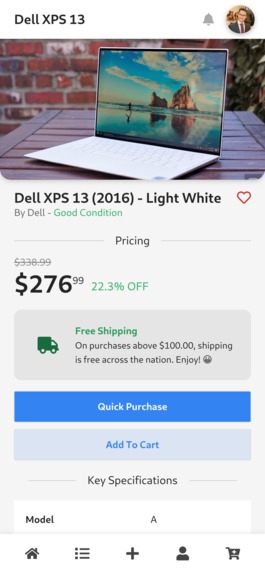
Product Page (XPS 13)
-
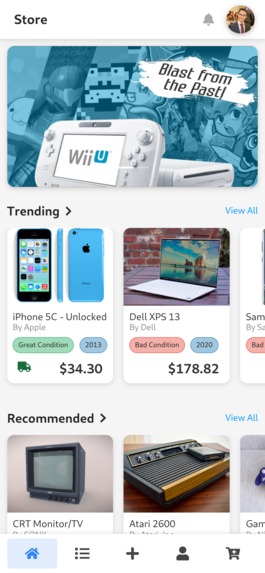
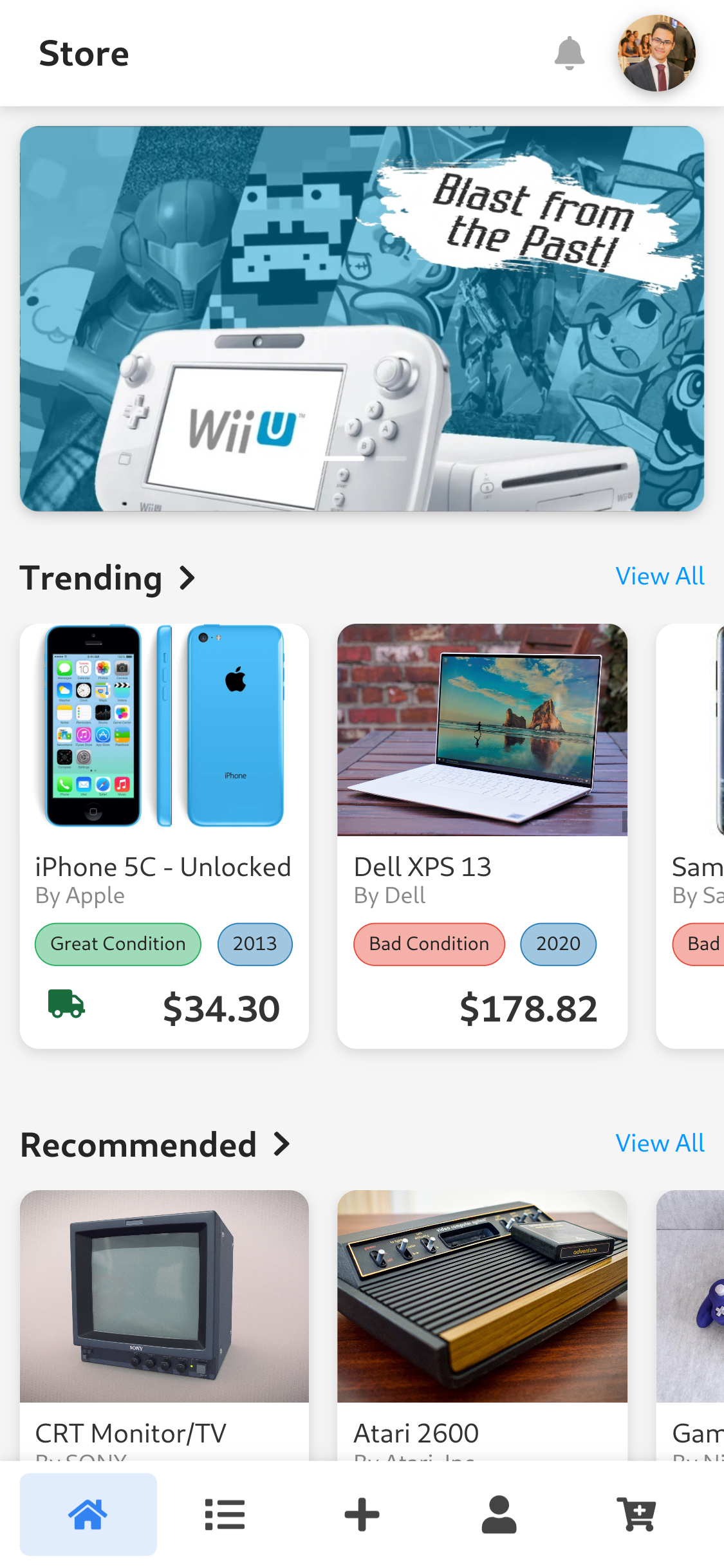
Marketplace Home Page
-
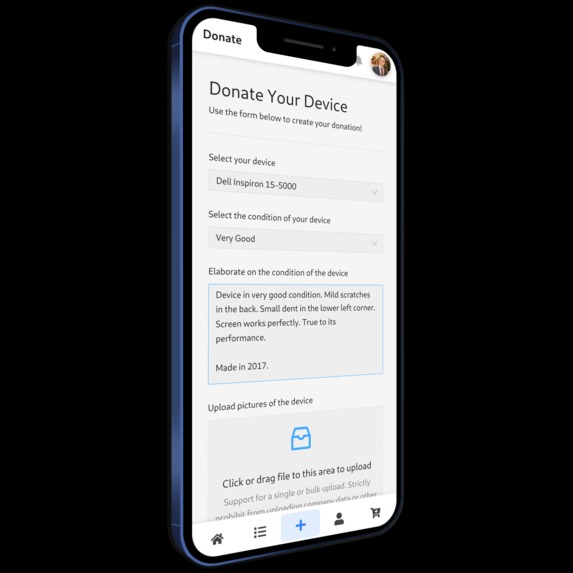
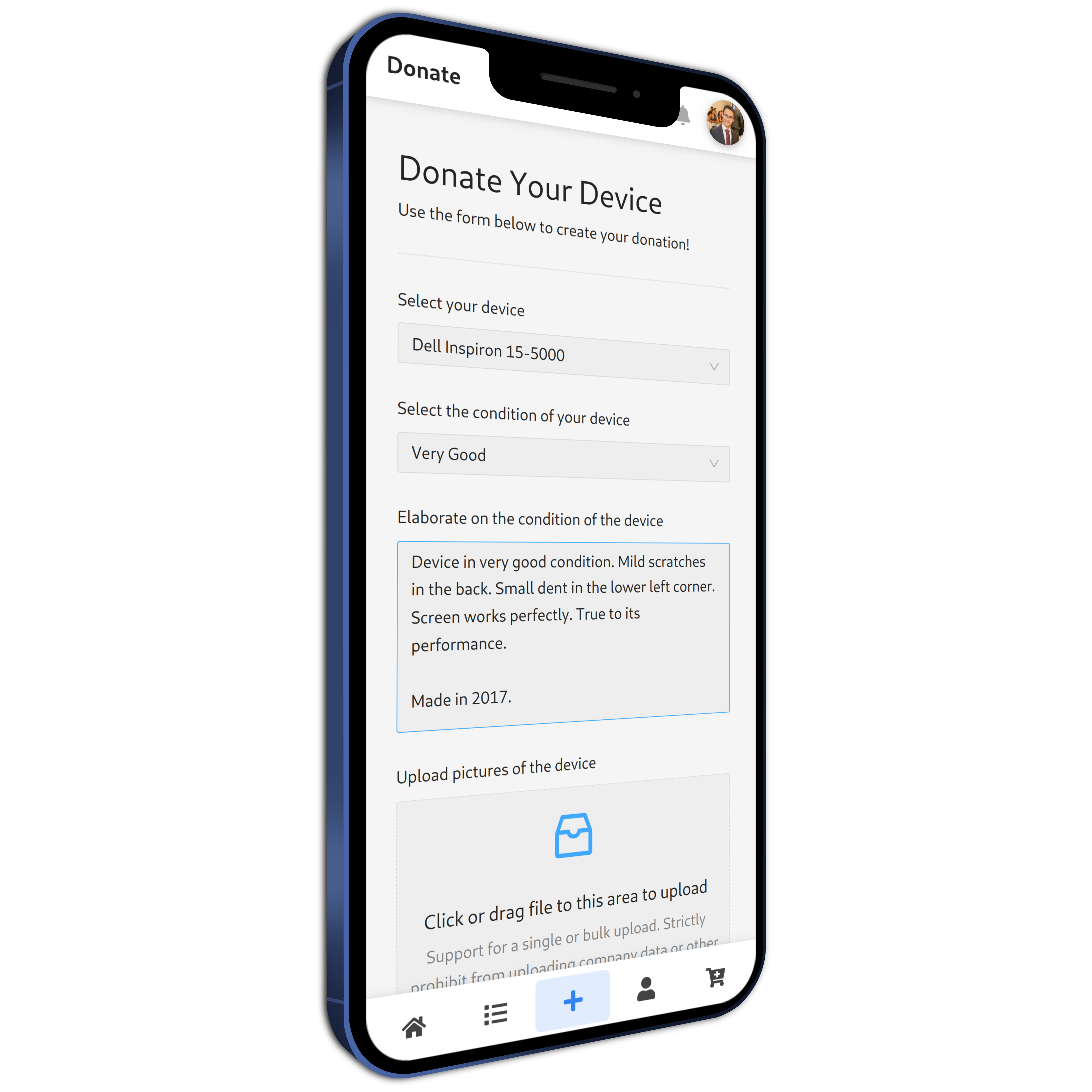
Donation Submission Page
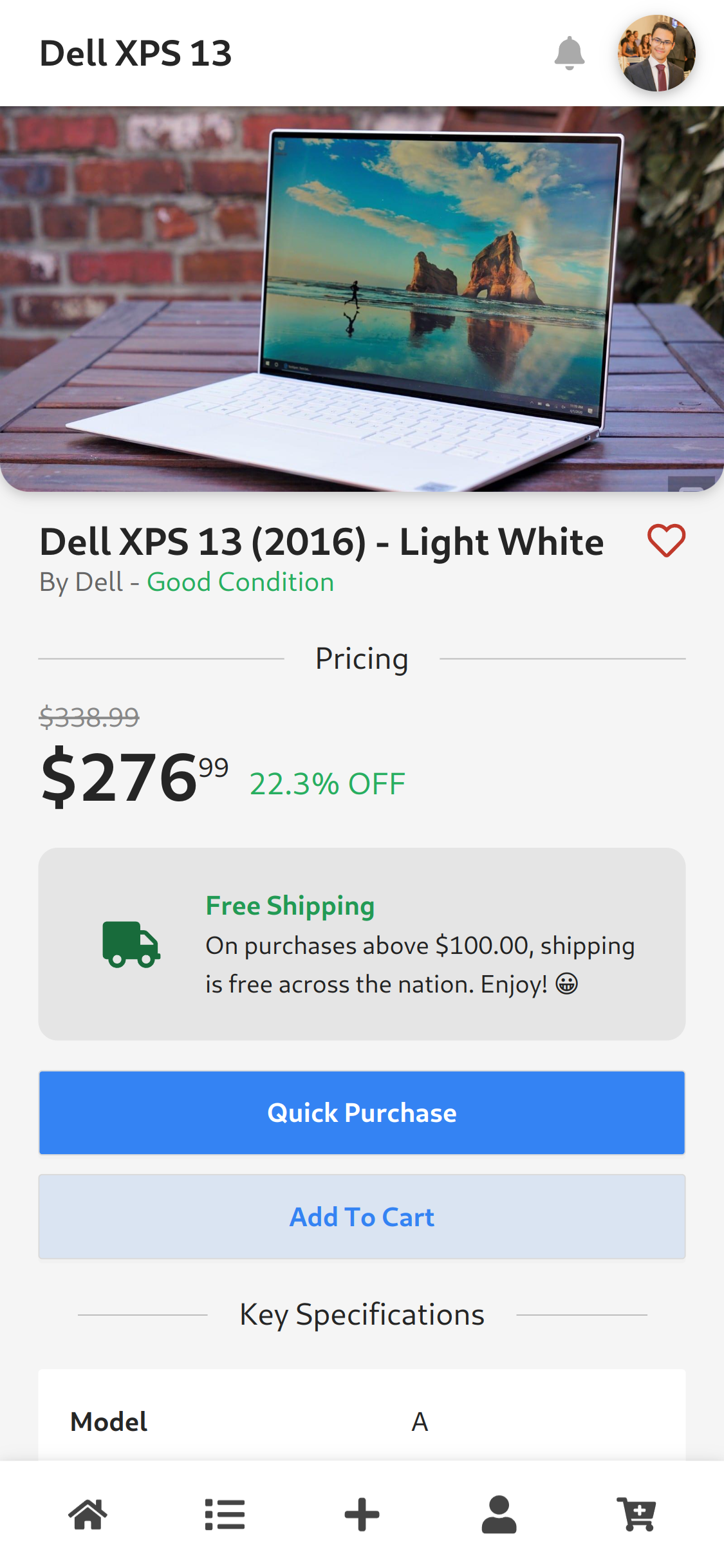
Inspiration
We have always worried about e-waste. Coming to HackGT 9, it was clear to us that creating a solution to this latent problem was one of our priorities. Vetro is not only a solution to the problem, but also the work of passion developed by three Georgia Tech students. We hope that, through Vetro, our dream of ending e-waste is one step closer to reality.
What it does
Vetro is the middleman between those that want to get rid of their old hardware and those that want to buy old devices. It takes the hassle out of the process by charging no fees from the donor, picking-up the devices, and working out the logistic of both transportation and remarket of those items.
With Vetro, the donor don't have to worry about shipping the items, selling, monitoring postage, or even moving the item around. At the same time, the buyer can buy a cheaper product with guaranteed quality from Vetro's Marketplace.
We manage the logistics so you can focus on what really matter: Getting rid of e-waste in a safe and environment-friendly way.
How we built it
We used React.js to build the interface, creating a quick demo of Vetro in the span of the Hackathon. PWA was also used to smooth the usage of Vetro in mobile devices, allowing it to behave like an Application. In the future, an API built upon Express.js and PostgreSQL could be an option.
Challenges we ran into
Understanding how old hardware is treated inside households is indeed a daunting task. As such, it became our number one challenge as soon as we started researching the feasibility of the project. After interviewing friends and reading a couple papers on the matter, we got a better understanding of the process and how we could improve it.
Another challenge came into the question of logistics. With the goal of cutting costs and improving profit margins, we developed an algorithm using Google Maps Distance Matrix API that allowed us to calculate the best route possible using the least amount of gas. This tool helped us greatly when calculating costs and understanding the feasibility of the platform.
Accomplishments that we're proud of
Having a prototype built in the span of two days is definitely an accomplishment to be proud of. Our prototype, while not 100% functional, is already enough for us to test and better understand if our value proposition achieves the product market fit.
Also, solving a big challenge such as logistics by implementing our own route calculation algorithm is one of the peaks of our Hackathon weekend so far. This tool is invaluable when it comes to quickly testing and deriving costs.
What we learned
Throughout the Hackathon, we learned a lot about Web Development, specifically in the field of React paired with Hooks. We also learned a lot about logistics, a topic we had not yet studied in depth. Finally, we also learned how to perform teamwork, how to boost our leadership abilities, and how to implement Agile Methodologies when it comes to managing our project. Those are lasting impacts this Hackathon will leave at each and every one of us.
What's next for Vetro
We plan on acquiring our first client, booking a truck for a day, and moving old/abandoned hardware out of our customer houses for the first time. This will let us better understand the market we are in and how we can continuously improve our business.
Built With
- google-cloud
- google-maps-distance-matrix
- python
- react

Log in or sign up for Devpost to join the conversation.