Inspiration
The inspiration for Vestige comes from the "cultural loneliness" felt by those disconnected from their origins. We noticed that while the internet is full of data, it lacks sanctuary—a dedicated space for the quiet, personal work of reclaiming one’s identity. We wanted to build a bridge for the person who feels their heritage is slipping away, giving them a way to witness and participate in their culture's survival.
What it does
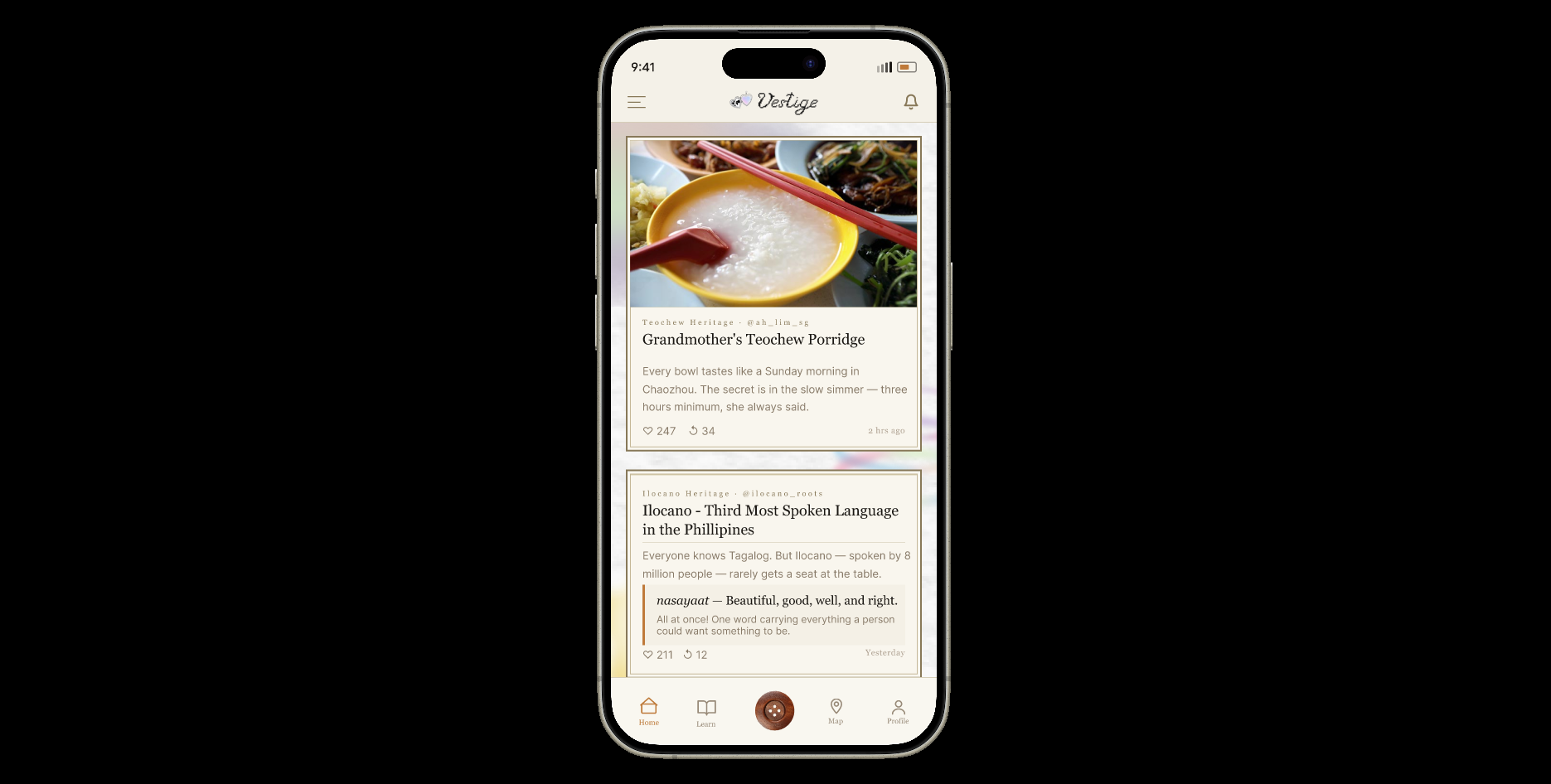
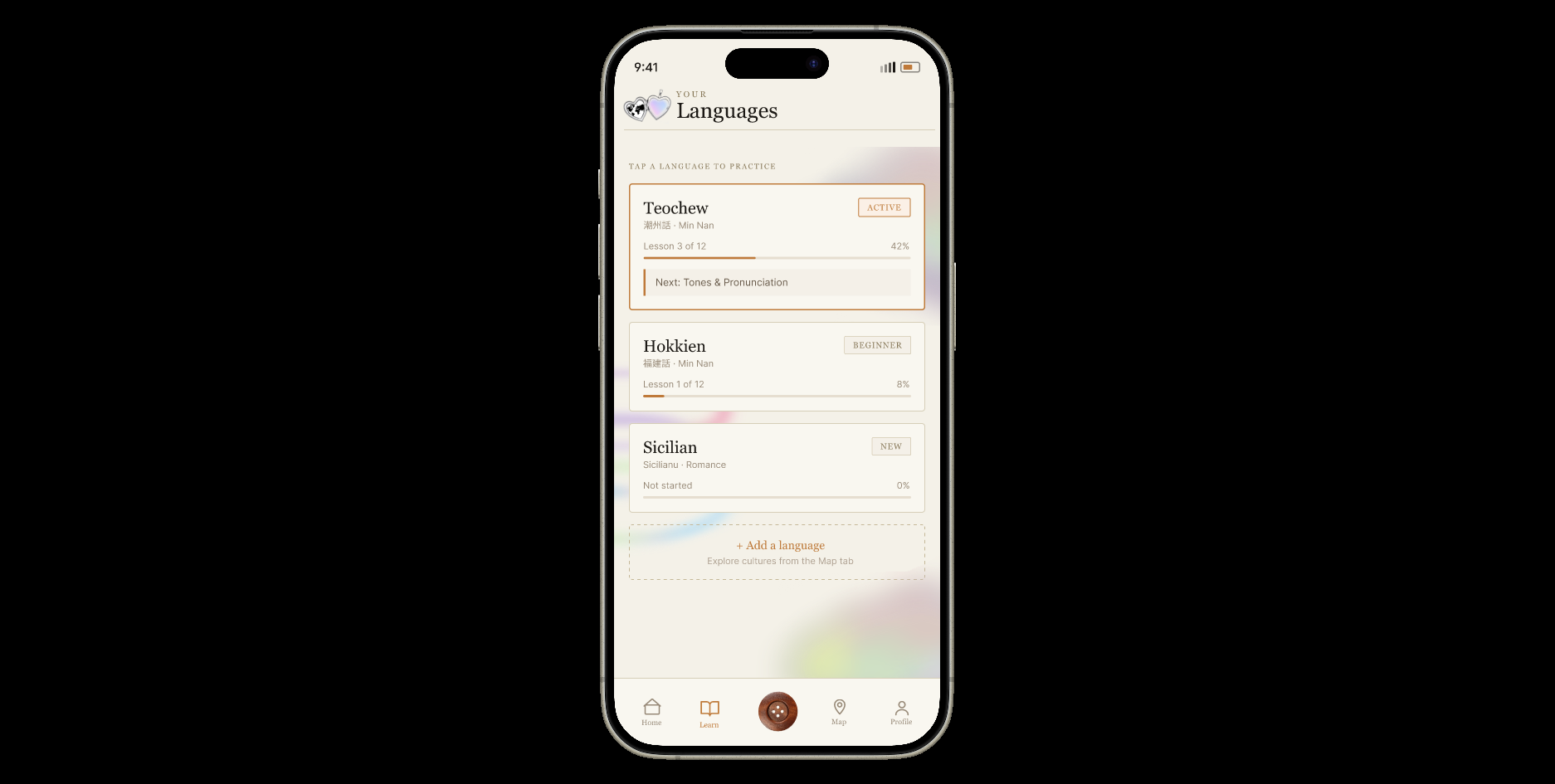
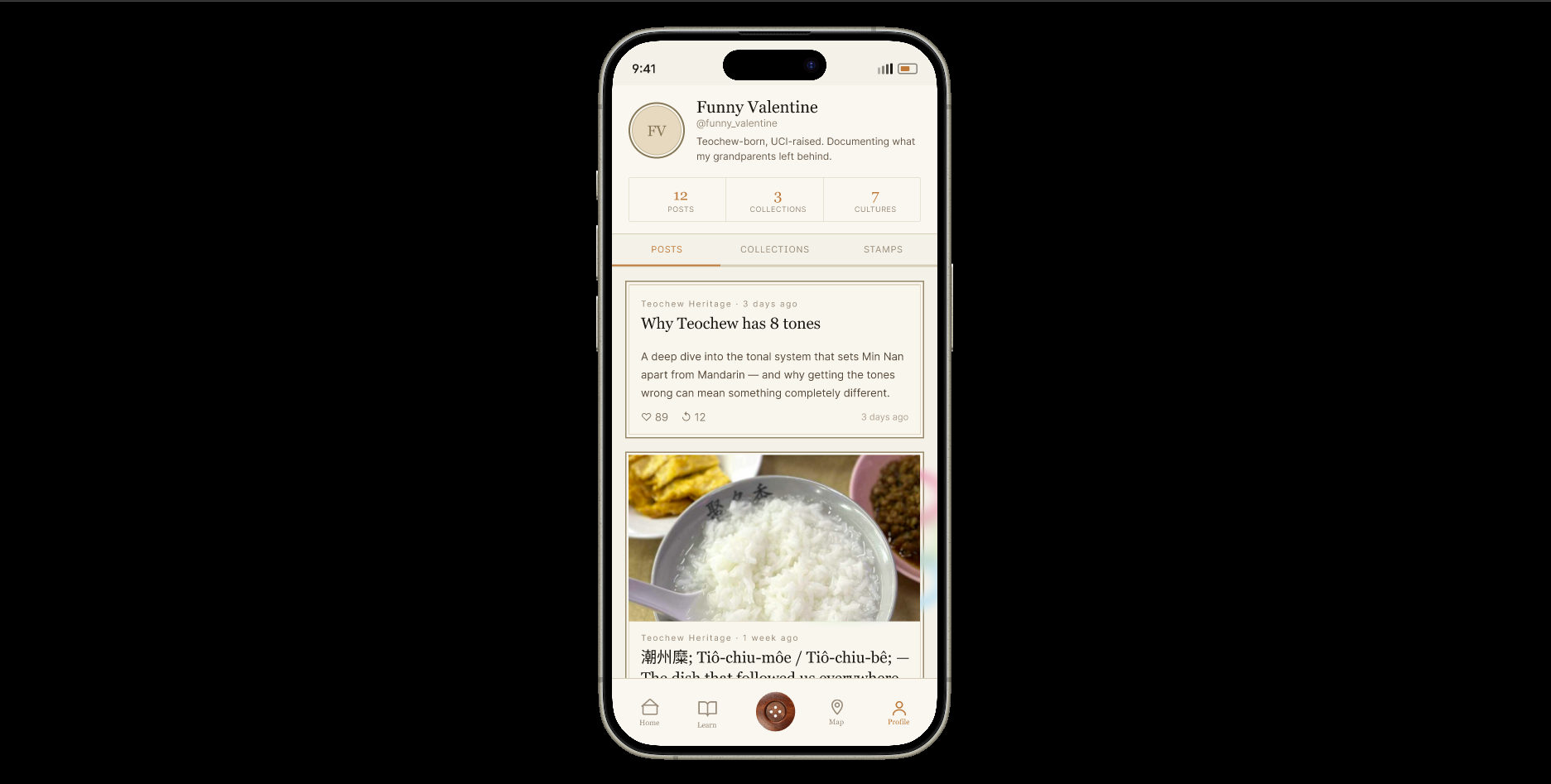
Vestige is a community-driven platform for cultural reconnection. Through a navigable globe, users explore "traces" of heritage—shared dialects, traditional crafts, and family histories—contributed by others. It allows individuals to "reignite" their own cultural identity by documenting their personal journey and sharing it with a global network, turning fragmented memories into a vibrant, shared community.
How we built it
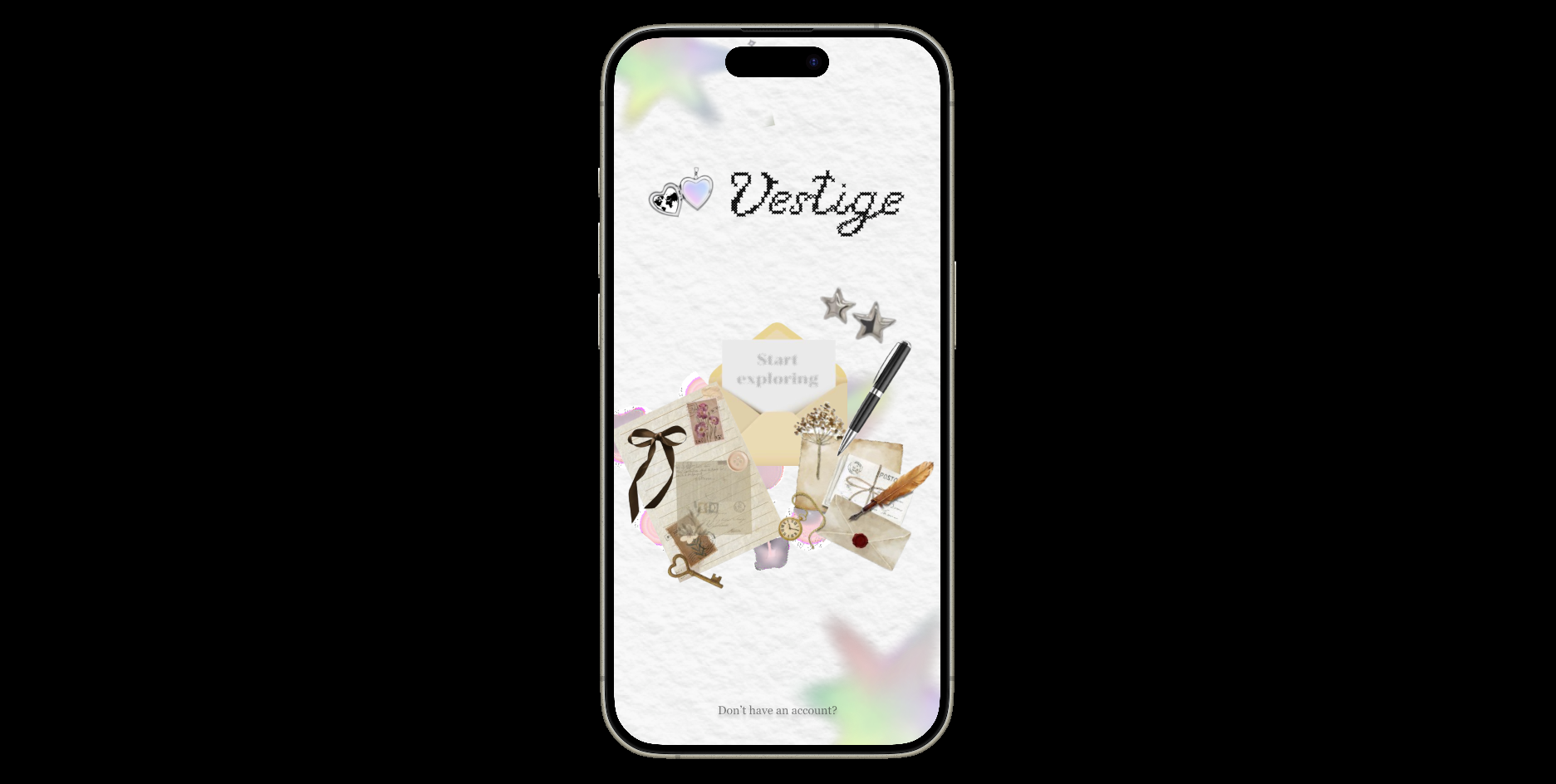
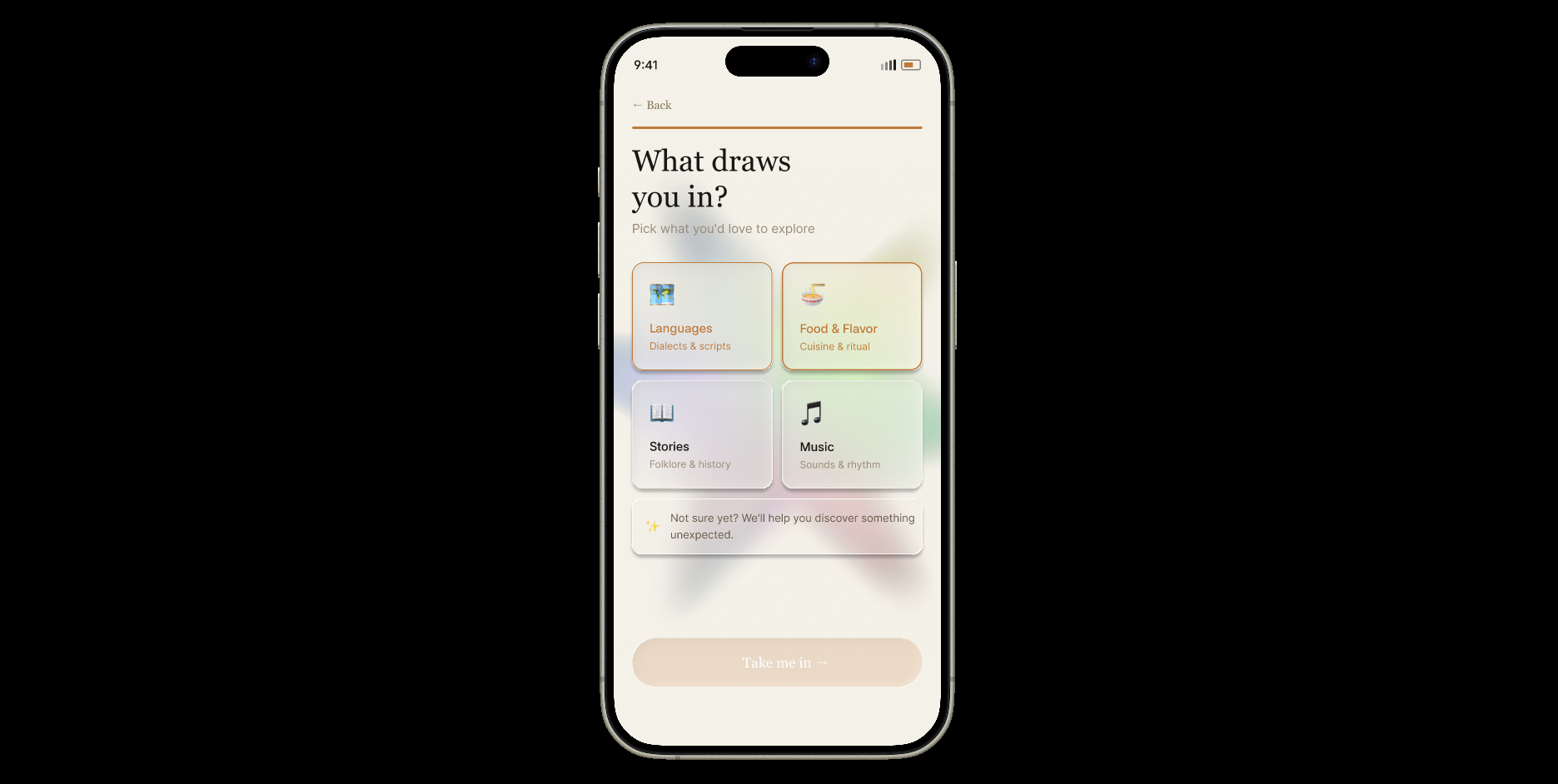
We built the entire experience in Figma, leaning into a "old but modern" aesthetic. We combined high-fidelity prototyping with elements like textured paper, pastel highlights, and details like lockets and pens to give it a classy yet dreamy feel. We used Google Gemini as our primary collaborator to brainstorm the narrative, refine the community-focused language, and ensure our storytelling hit the emotional depth required for the Professional Track.
Challenges we ran into
Our primary challenge was a lack of direct user data; after our surveys received no responses, we had to pivot quickly from user-specific research to broader public research. This forced us to rely on cultural trends and cultural news to validate our direction.
Additionally, we faced a significant "identity crunch." We spent over half of our time debating the visual soul of Vestige, oscillating between different aesthetics before landing on our "Notebook Scrappy" theme. This deep dive into styling left us in a major time crunch for the final build, requiring us to be extremely disciplined and intentional with every minute of the remaining development phase.
Accomplishments that we're proud of
We are most proud of our resilience. As first-time Figma users, we successfully navigated a steep learning curve to produce a functional, high-fidelity prototype from scratch. We managed to take a "scrappy" vision and turn it into a professional-grade product that honors the weight of cultural heritage, proving that a clear "why" can overcome a lack of initial data.
What we learned
We gained a deep understanding of the UI/UX hierarchy. We learned that while aesthetics are vital for setting the tone, user flow and narrative must be prioritized—a beautiful button is useless if the user doesn't know why they are clicking it. We discovered how to balance "scrappy" storytelling with professional usability.
Regarding Figma, we went from zero to high-fidelity, learning the power of components, auto-layout, and prototyping to turn a static "notebook" idea into a living, navigable globe. We learned that the most important part of design isn't just the final pixels, but the resilience to pivot when your research fails and the ability to execute a vision under a strict time crunch.
What's next for Vestige
Our immediate goal is to expand the platform's reach by implementing additional cultures and deepening our archive of shared heritage. We want to move beyond our current scope to ensure Vestige is a truly global sanctuary for everyone.
From a technical standpoint, we plan to hone our current features to ensure total user satisfaction. While we achieved a high-fidelity look, there are several "advanced vestiges" of design we want to master and implement, including:
- Dynamic Visual Effects: Creating immersive animations and object movements to make the "Global Traverse" feel even more alive.
- Advanced Logic: Incorporating conditional buttons, sliders, and interactive effects to create a more responsive, personalized experience.
- Skill Mastery: We view this prototype as just the beginning; our next step is to master the complex prototyping skills in Figma that will allow us to bring our most ambitious visual metaphors to life.


Log in or sign up for Devpost to join the conversation.