-
-
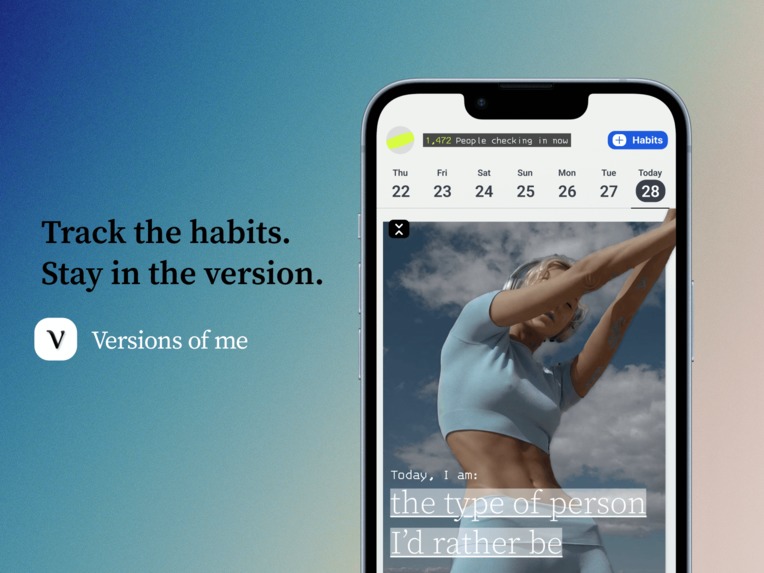
Eyecatch
-
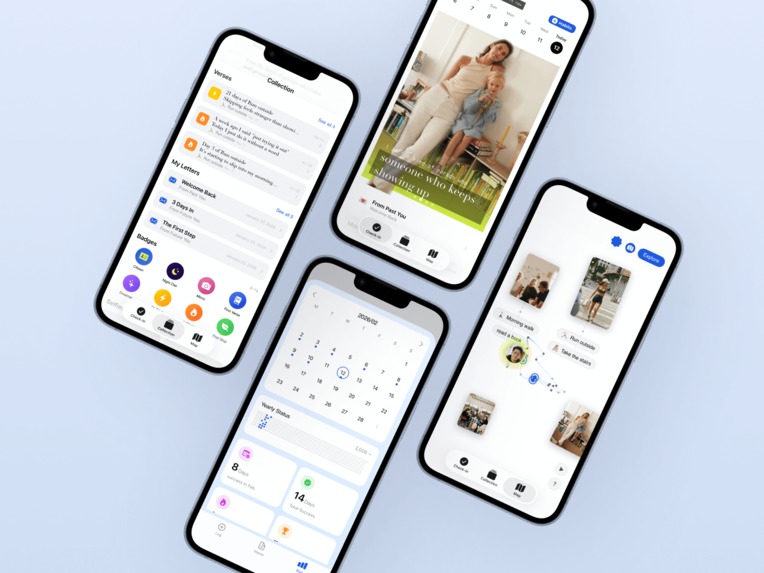
Screenshots
Inspiration
I tried every habit tracker. They all tracked what I did. None of them showed who I wanted to be.
A broken streak felt like failure. Completion rates became the point. The version of myself that started it all? Nowhere on screen.
The problem isn't a lack of willpower. It's that the consciousness of who you want to be fades — every single day. No app was designed to sustain that awareness.
What it does
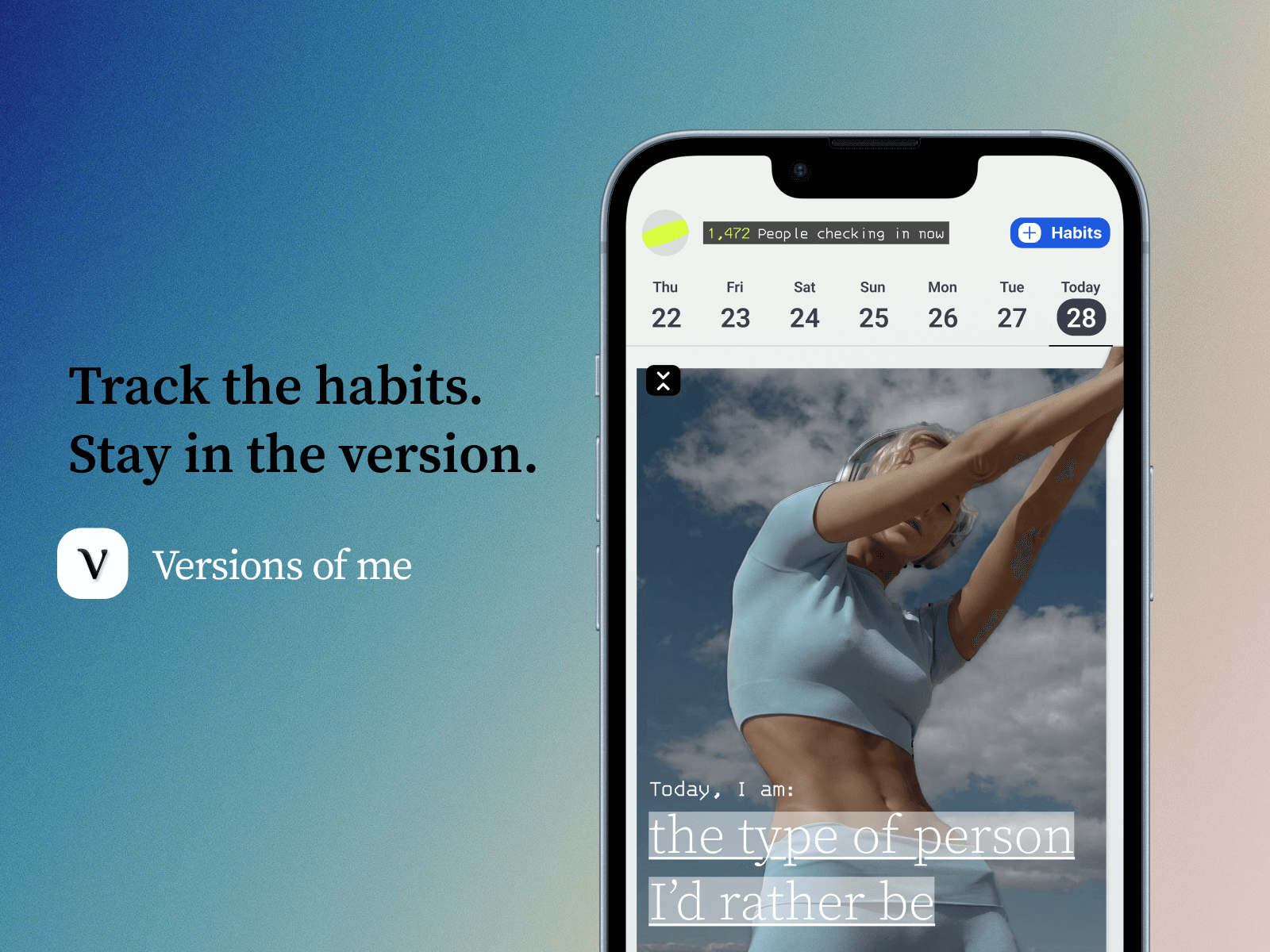
Versions of Me puts her back in view. Your Vision — the version of yourself you're becoming — lives at the top of your screen. Tilt your phone and she responds. Below that, one line: "I am the kind of person who..." Not "I want to be." "I am."
Then you check your habits. Not as tasks. As things that version of you naturally does. Check them off. Close the app. Go live your life.
A few seconds of daily synchronization with the version of yourself you've chosen to be.
How I built it
Solo-developed in Swift 6 / SwiftUI. The Vision parallax uses Apple's Vision framework to generate depth maps on-device, rendered as a mesh with Metal and CoreMotion for tilt response. Data layer is SwiftData, backend is Firebase (Auth / Firestore / FCM), subscription management via RevenueCat, AI generation for the Letter System via OpenAI API. Live Activities for timed habits use WidgetKit / ActivityKit. Re-engagement Cloud Functions run on Node.js.
Challenges
Designing without punishment. No failure states. No red for missed days. No guilt-inducing percentages. Blank days are whitespace, not failure.
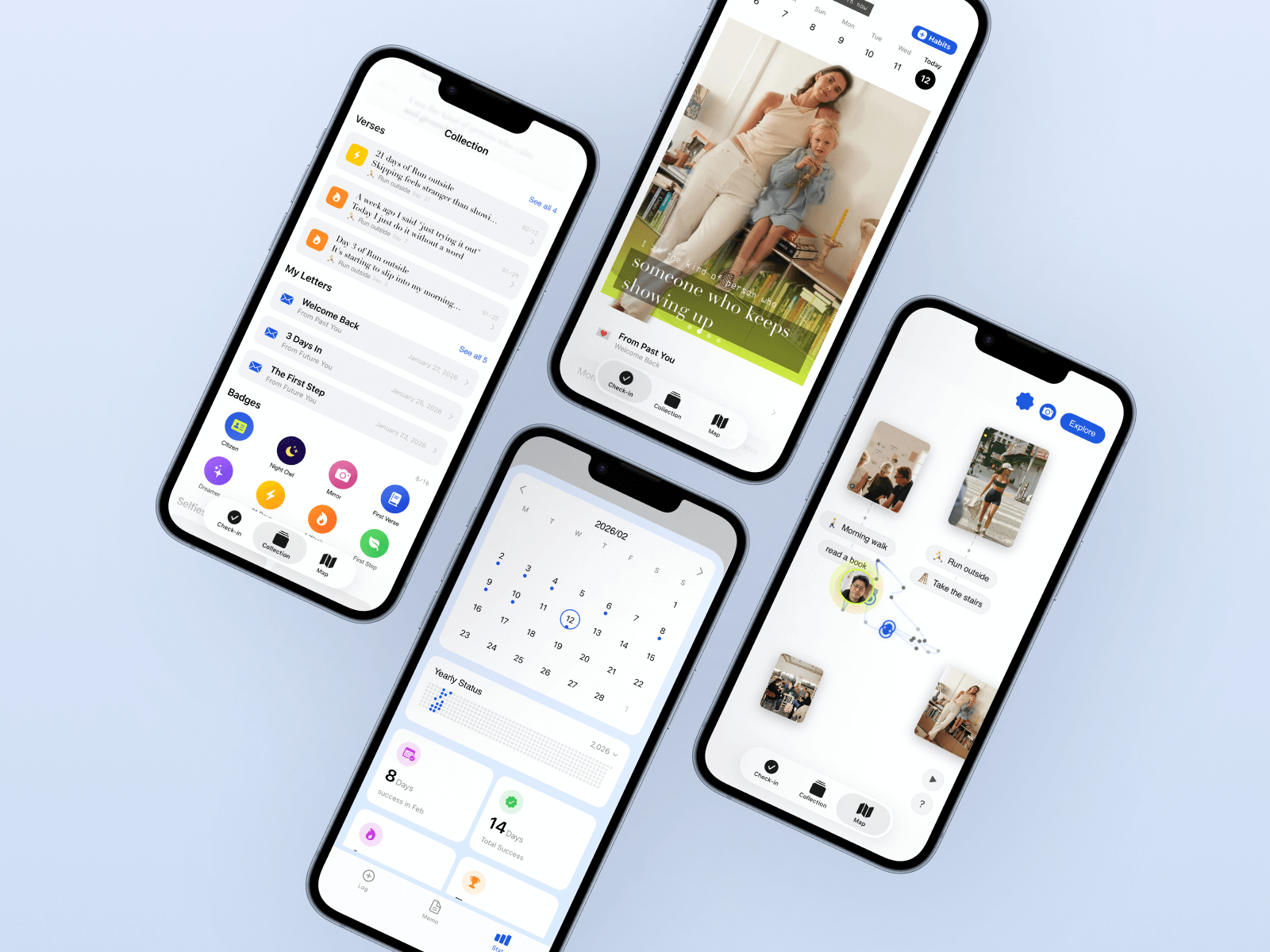
When you remove every evaluative metric, you have to answer: what does progress even look like? The answer became the Vision Map — where your habits grow as dots, connected to who they serve. Not a report card. A record of what you've built.

Log in or sign up for Devpost to join the conversation.