Inspiration
Researchers, clinicians, biologists, and biotechnologists generate enormous amounts of valuable data every day. However, transforming that data into publishable scientific insights often requires advanced statistical, programming, and scientific writing skills that many domain experts do not possess. We wanted to democratize access to high-quality data analysis and scientific publication workflows.
What It Does
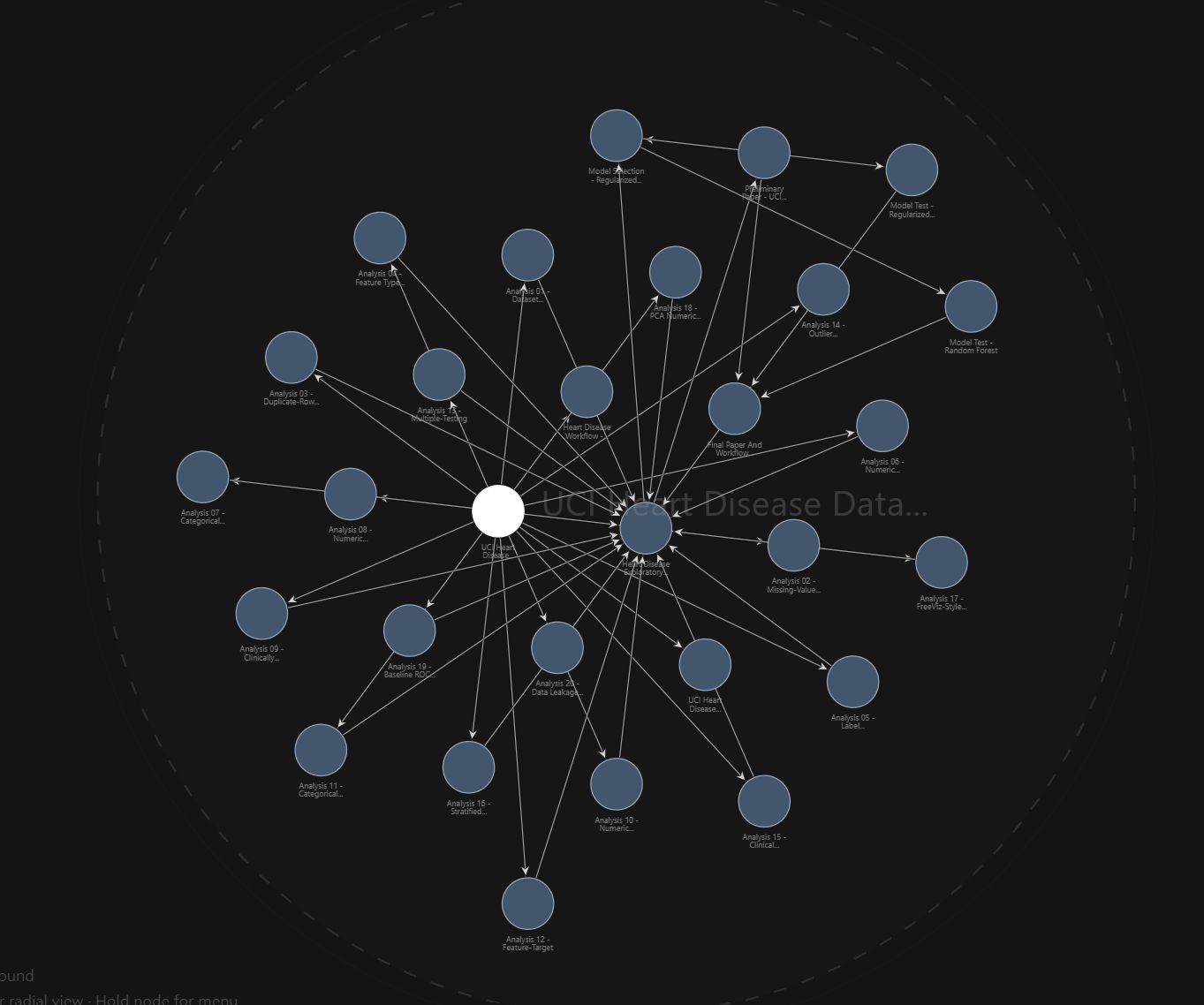
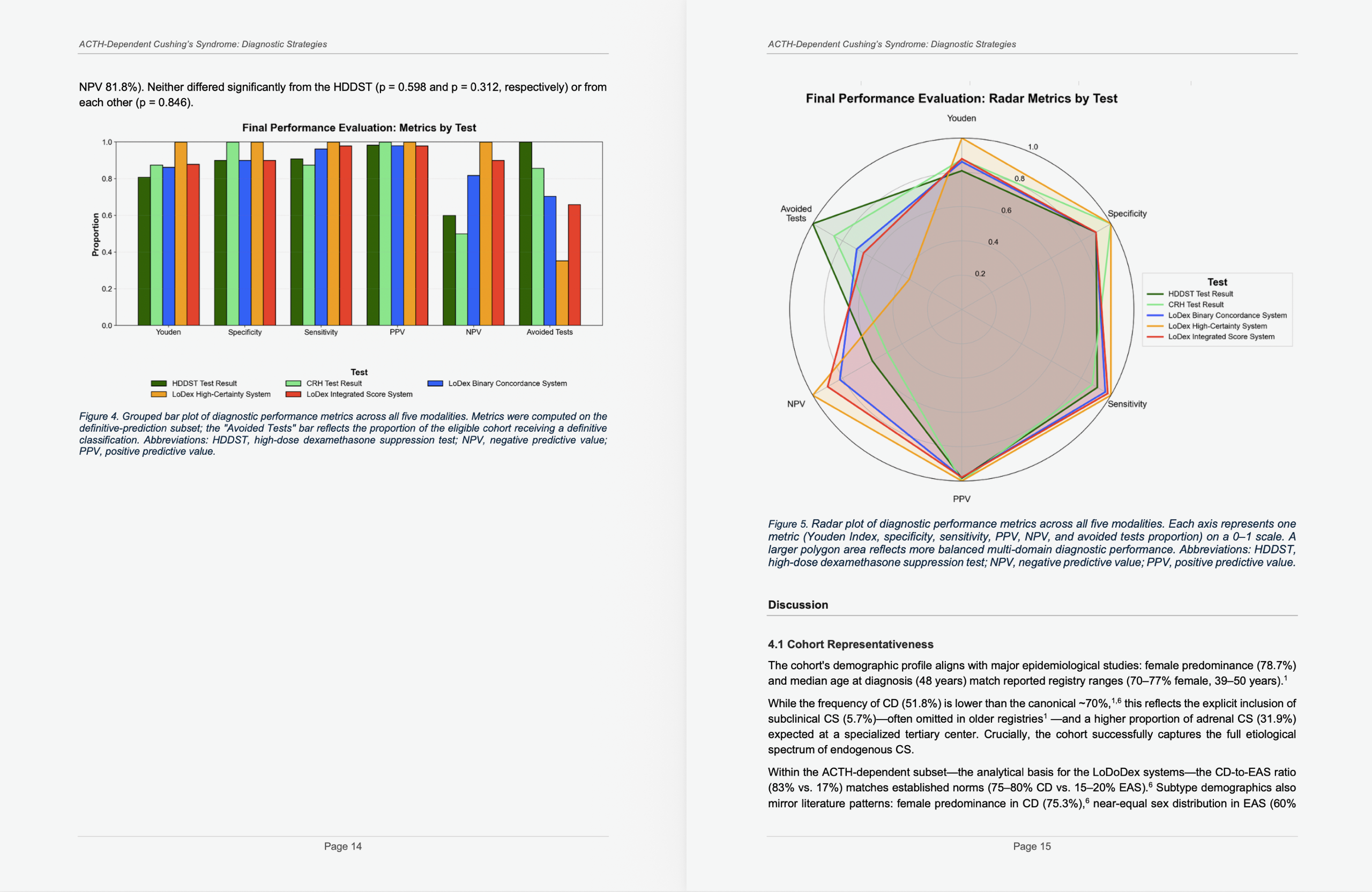
VeronesiDataAnalysis is an AI-powered research assistant that transforms raw research data into publication-ready scientific outputs. By leveraging autonomous research branching, it explores multiple analytical pathways, evaluates alternative hypotheses, identifies robust findings, and automatically generates a structured LaTeX manuscript draft ready for expert review.
How We Built It
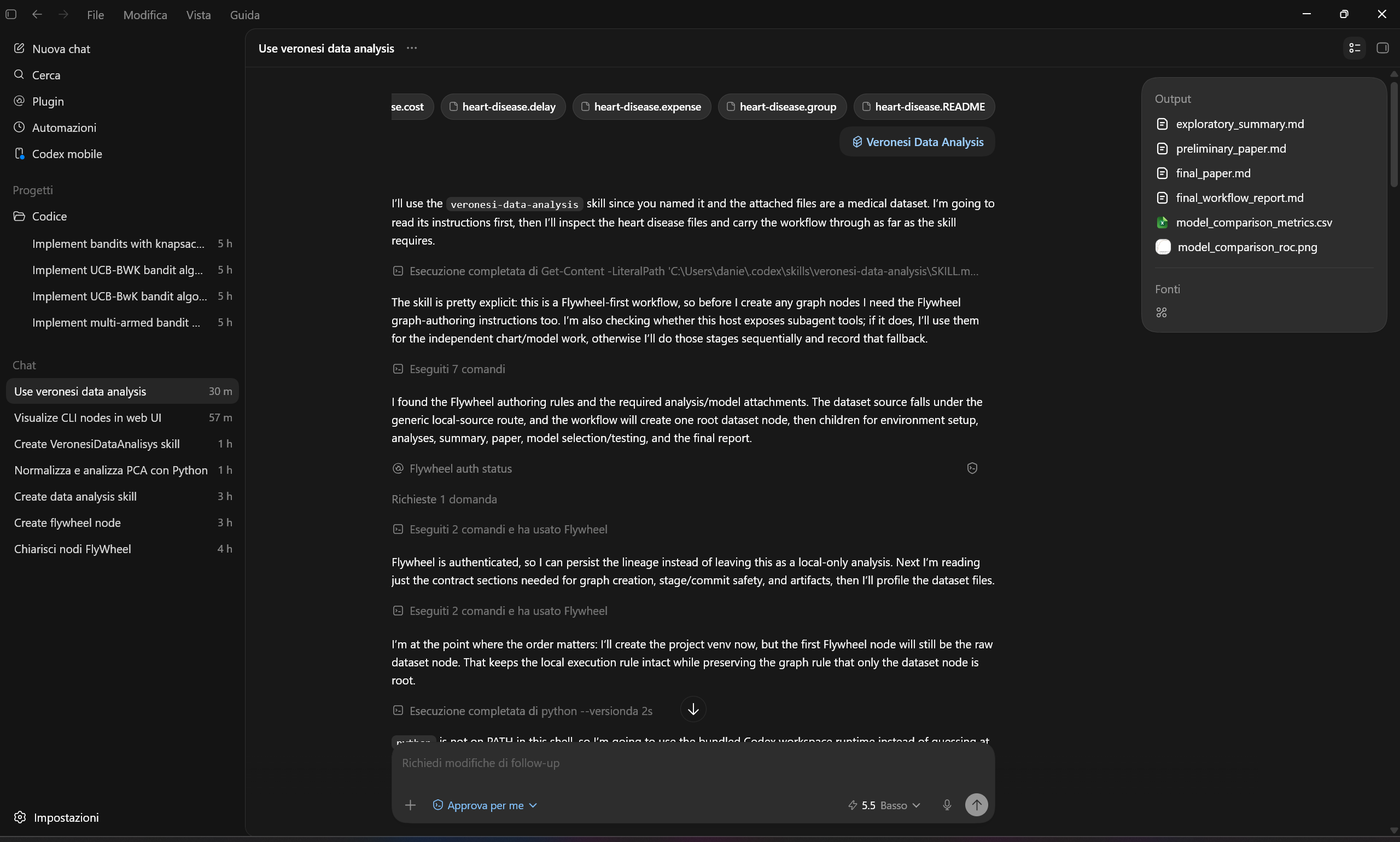
We combined large language models, statistical analysis pipelines, and Paradigma’s autonomous research branching framework into a unified workflow. The system integrates data preprocessing, exploratory analysis, hypothesis testing, result interpretation, literature-aware reasoning, and scientific manuscript generation within a single automated platform.
Challenges We Ran Into
Ensuring statistical rigor while maintaining automation. Handling heterogeneous biomedical datasets. Selecting the most relevant analytical pathway among many possible alternatives. Generating scientific text that is both accurate and publication-ready. Balancing speed with reproducibility and transparency. Accomplishments We’re Proud Of Reducing weeks of analytical work to approximately 20 minutes. Automatically generating structured LaTeX manuscripts. Enabling non-technical researchers to perform advanced analyses. Building a system capable of exploring multiple research directions autonomously. Creating a workflow that accelerates the journey from data to publication.
What We Learned
Researchers need explainability as much as automation. Scientific workflows benefit greatly from iterative and branching analysis. Domain expertise and AI complement each other rather than compete. Reproducibility and transparency are critical for trust in AI-assisted research.
What’s Next
Expand support for additional biomedical and omics datasets. Incorporate automated literature review and citation generation. Introduce stronger validation and reproducibility checks. Integrate with institutional research infrastructures. Move toward a fully autonomous AI research copilot capable of supporting the entire scientific discovery lifecycle.
Built With
- codex
- flywheel
- markdown
- openai