-
-
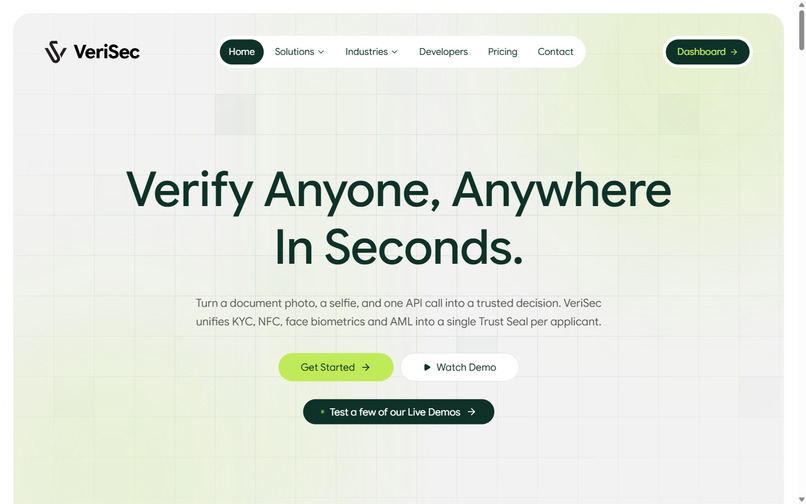
Verisec: verify anyone, anywhere in seconds
-
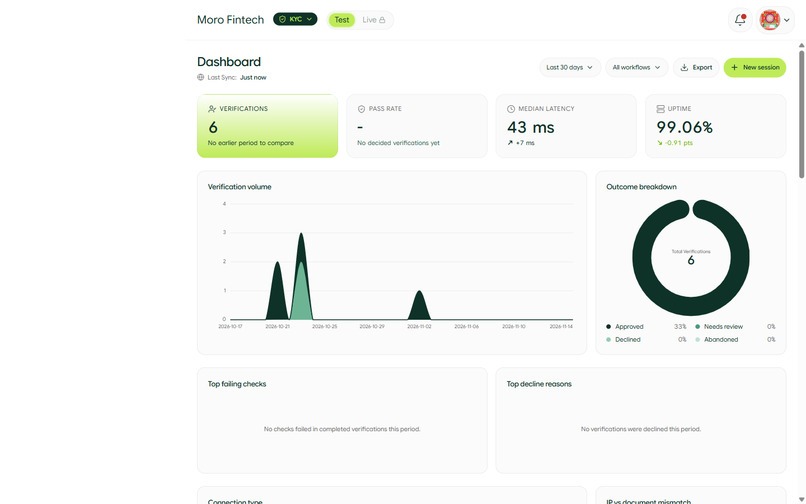
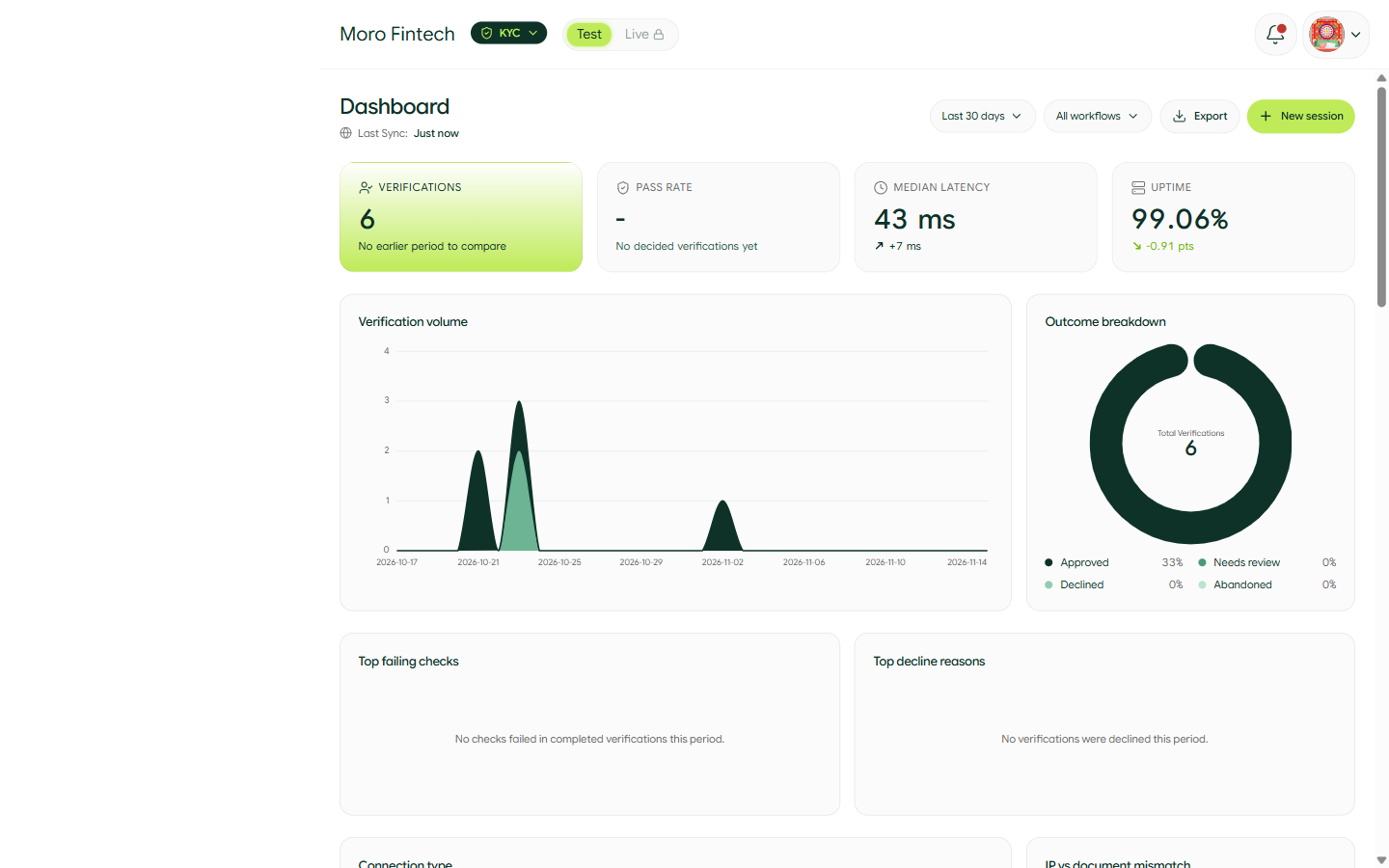
KYC dashboard: verification volume, pass rate, latency and outcomes
-
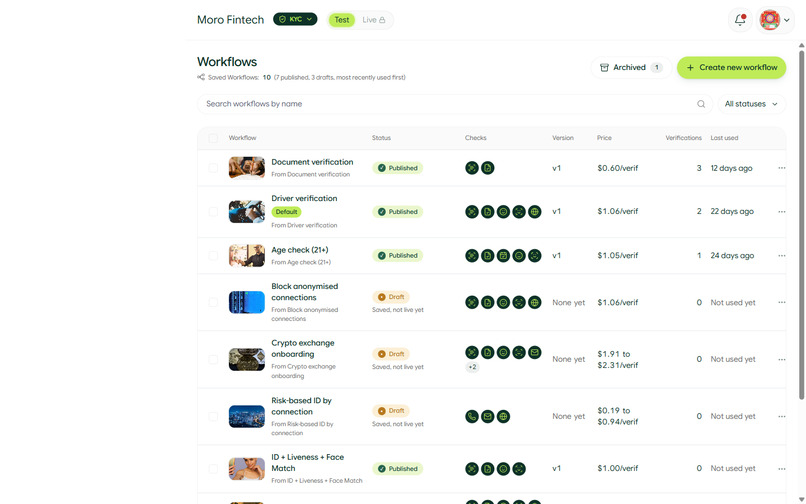
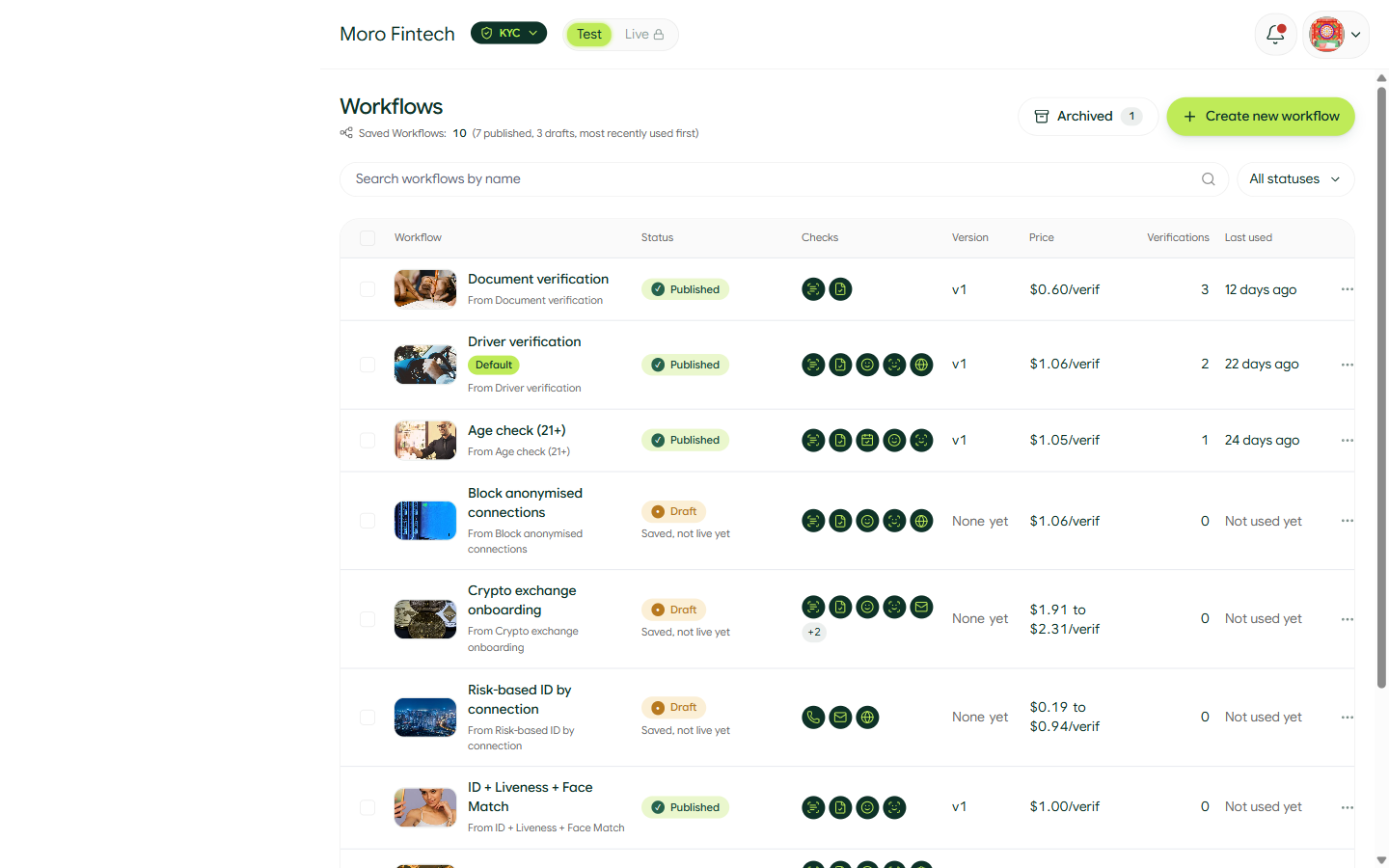
Workflows: published verification flows with their checks and pricing
-
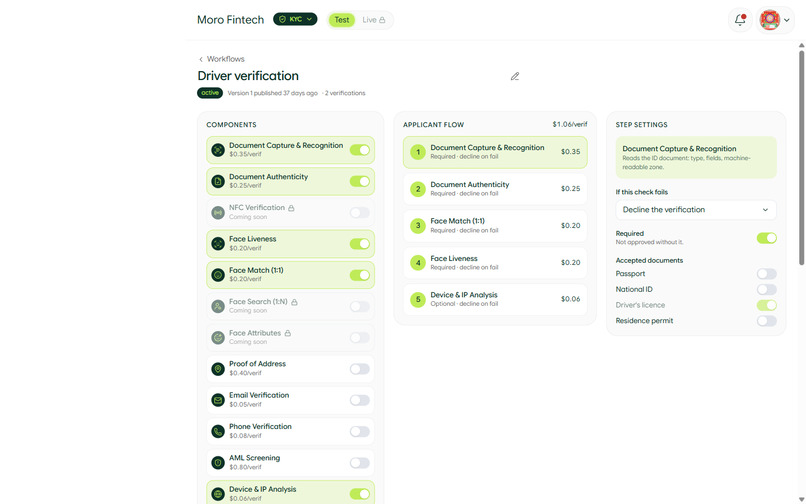
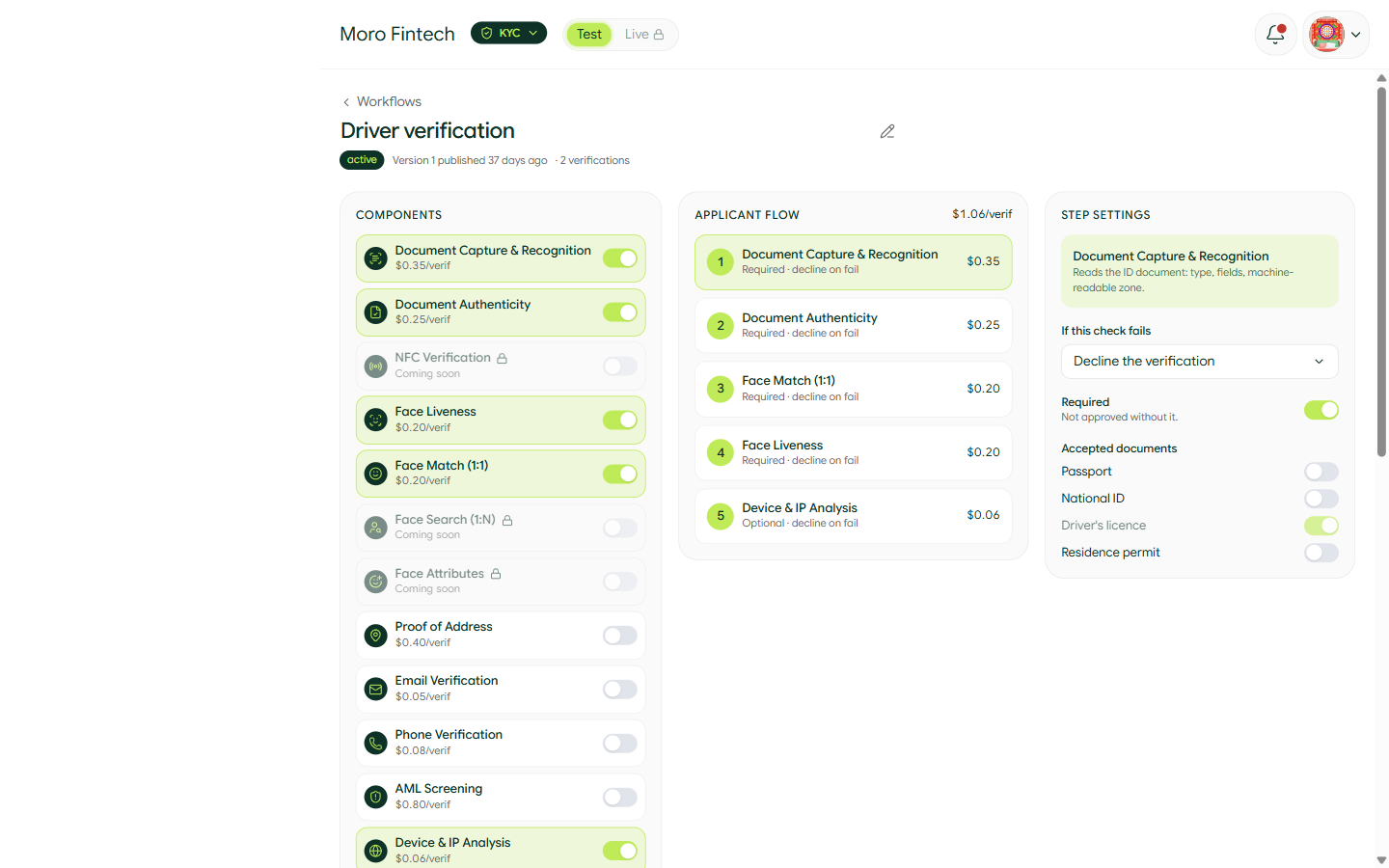
Workflow builder: pick the checks, order the applicant flow, set step rules
-
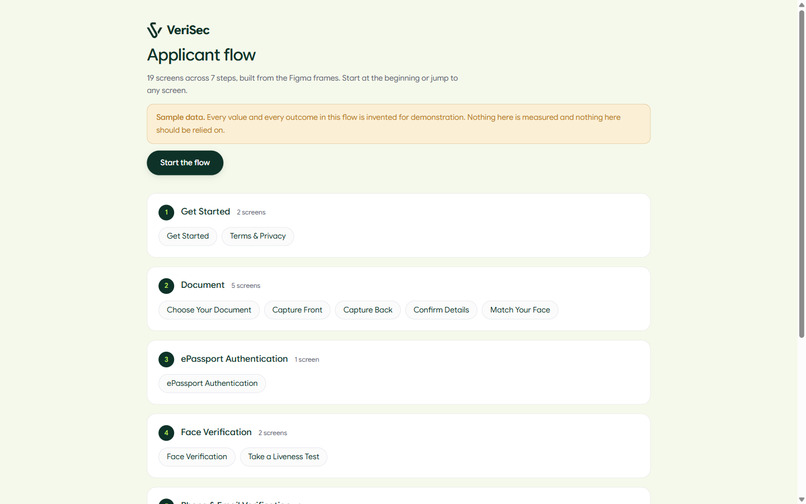
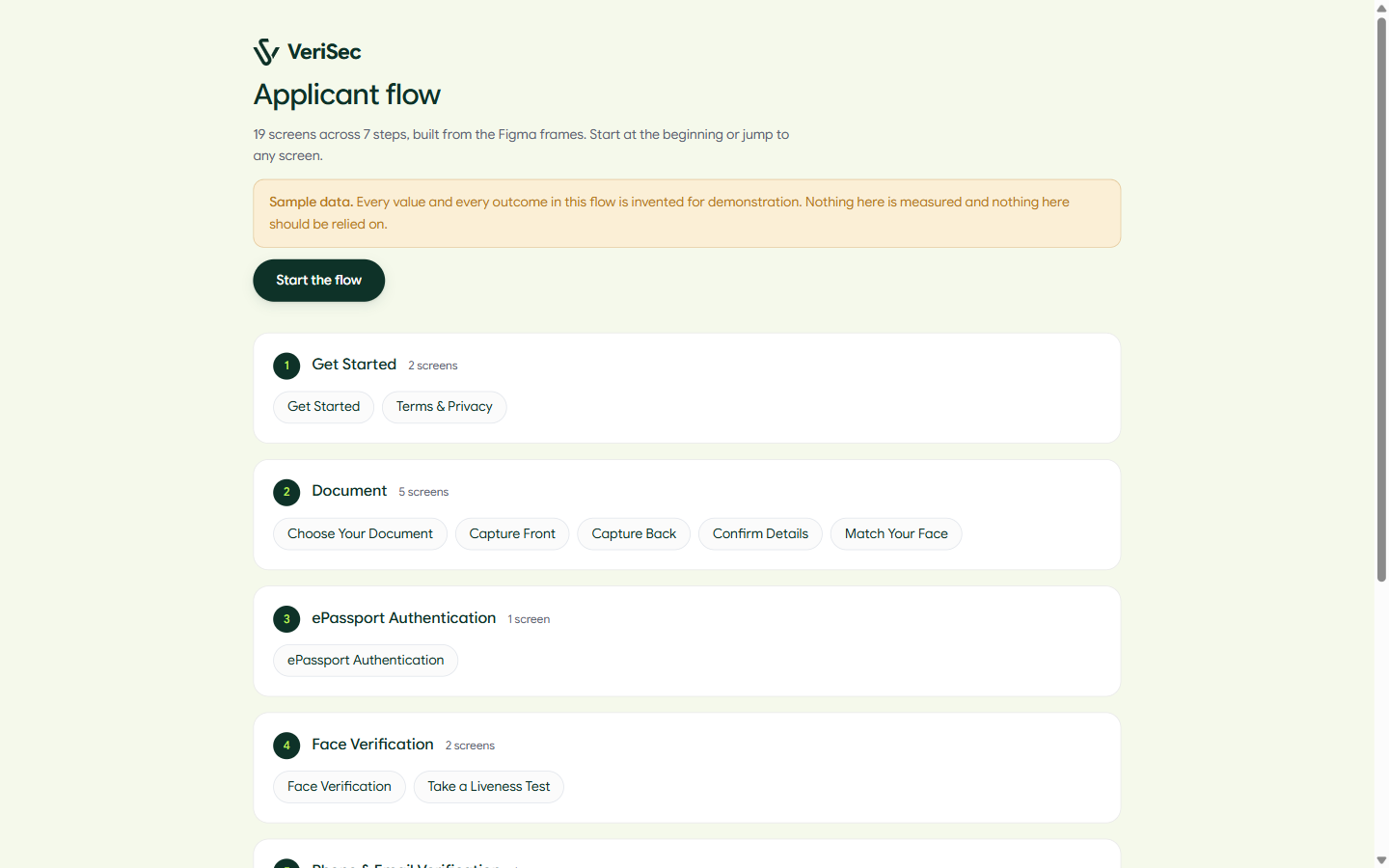
Applicant flow: document, ePassport NFC and face verification screens
-
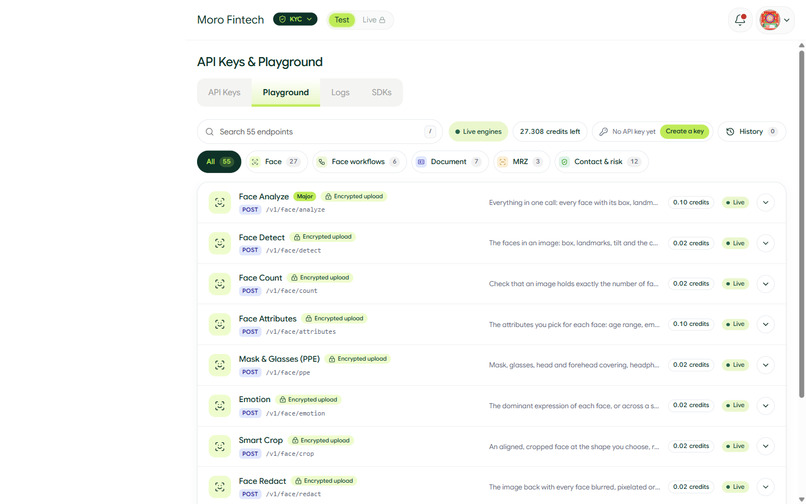
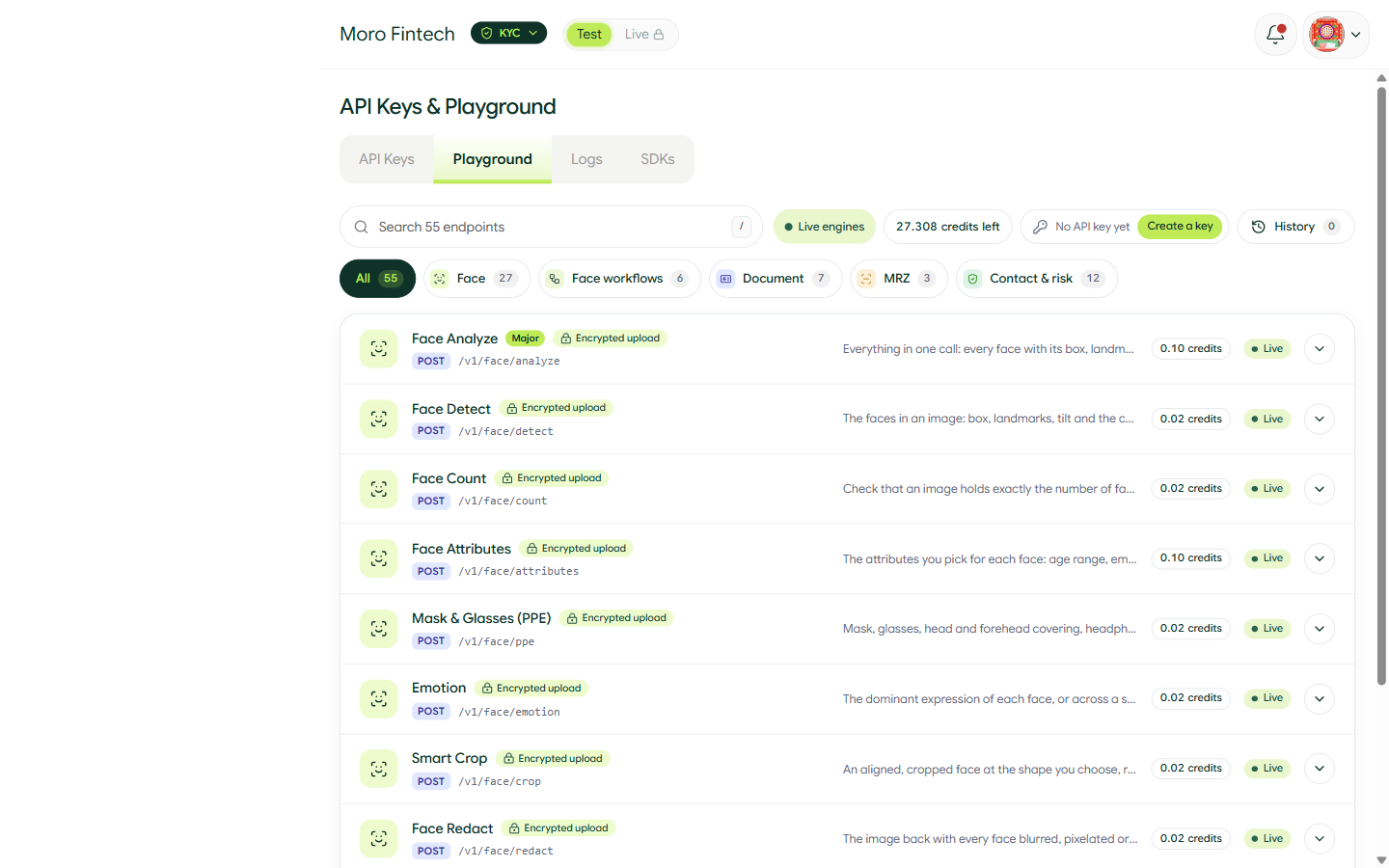
API playground: try every endpoint live with your key
-
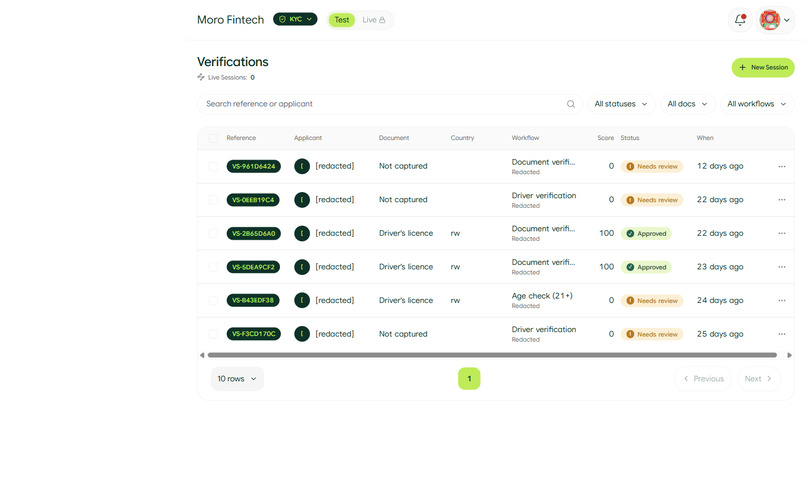
Verifications: every session with its status and score (applicants redacted)
-
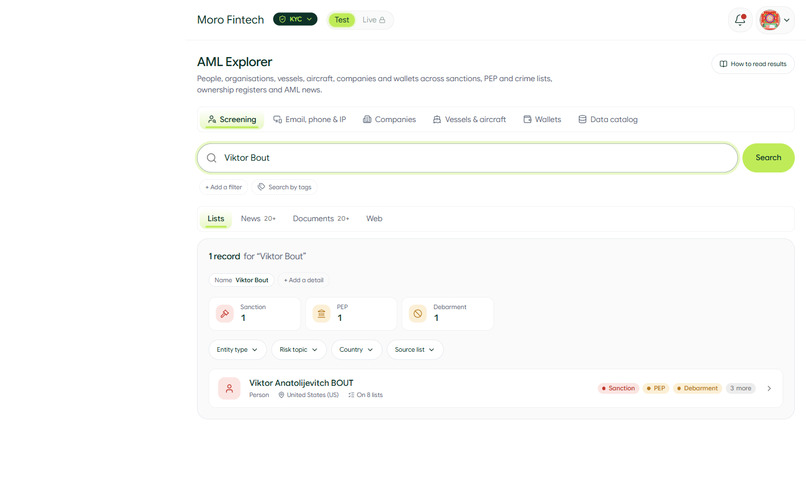
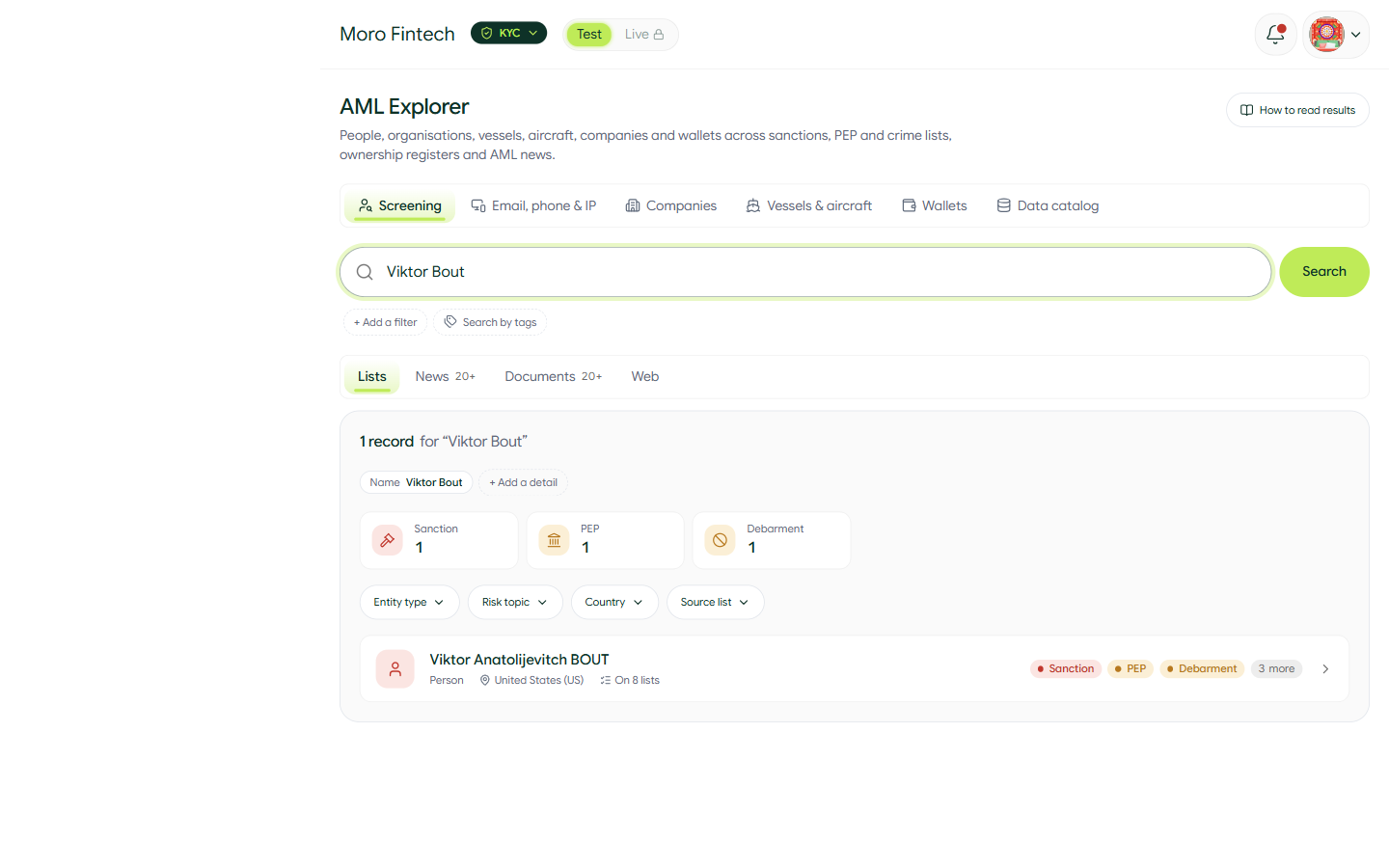
AML Explorer: screening a sanctioned name across sanctions, PEP and watchlists
-
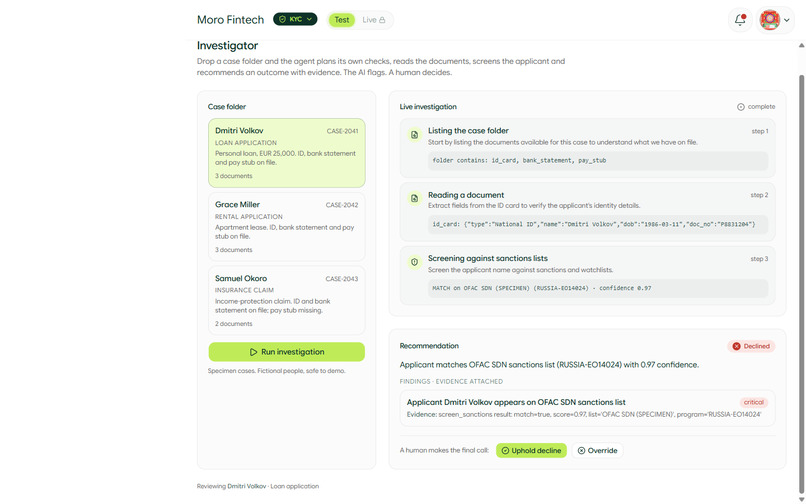
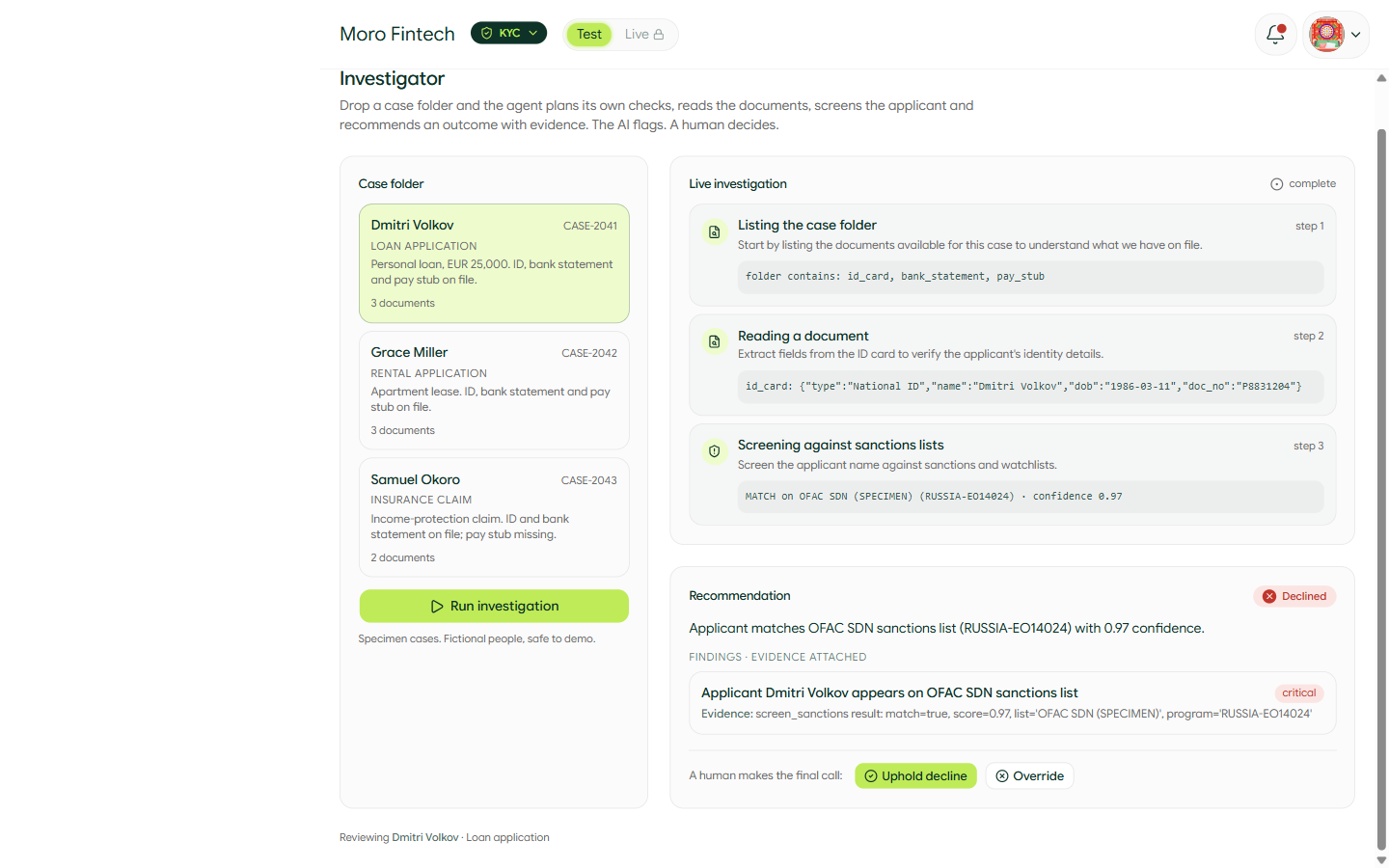
Investigator, the AI reviewer: sanctions match found, decline recommended with evidence
-
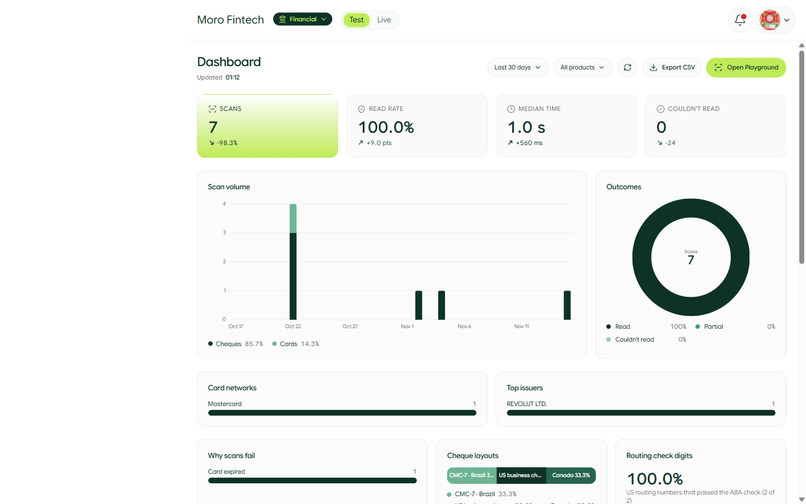
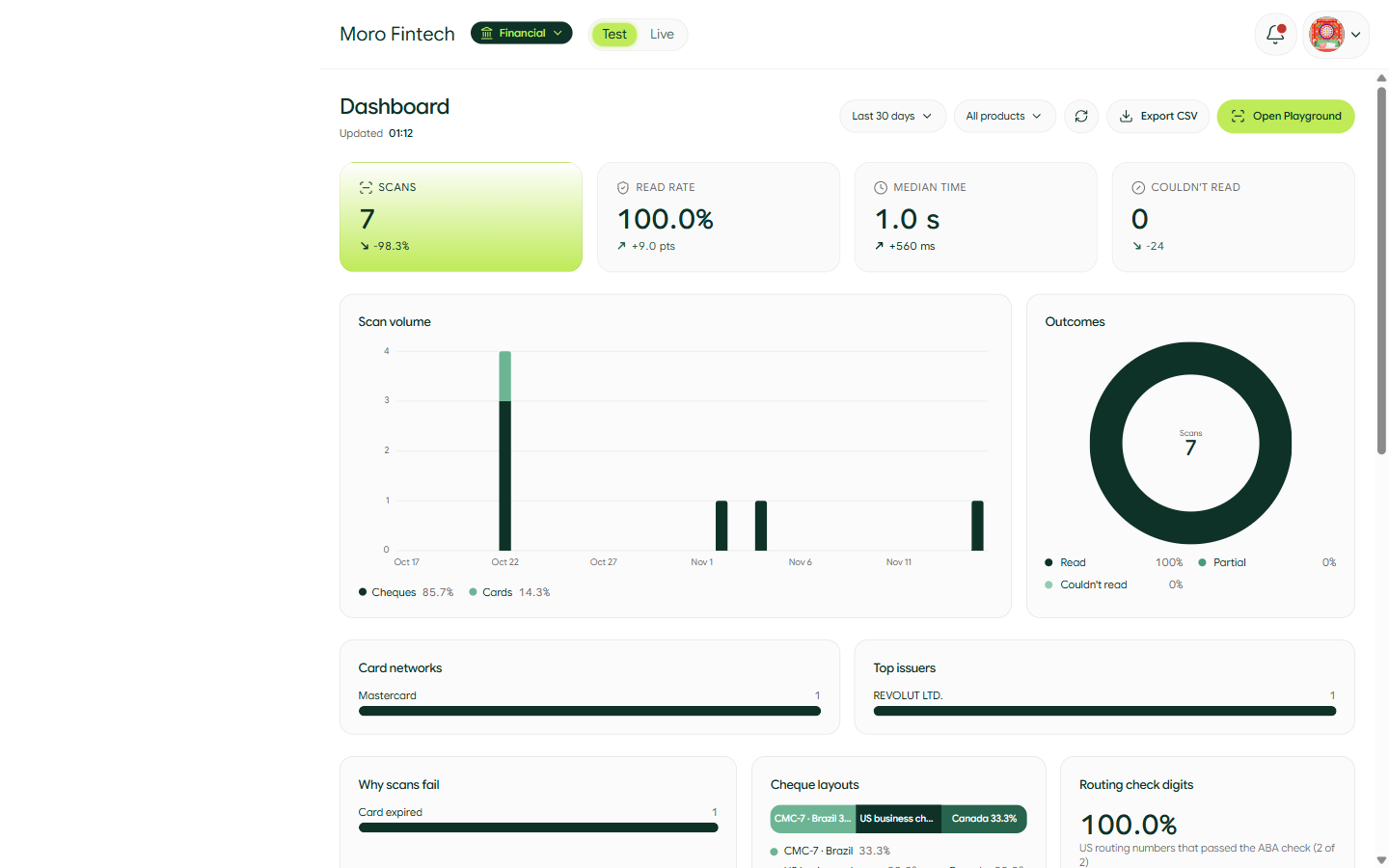
Financial portal dashboard: cheque and card scans, read rate, routing checks
-
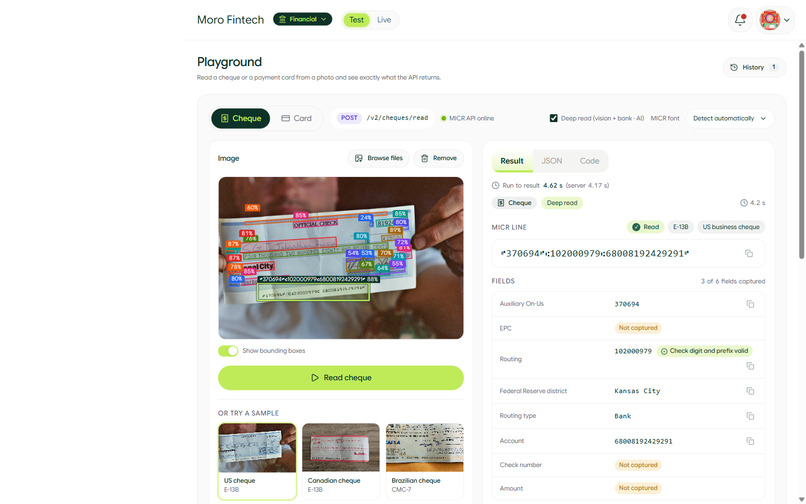
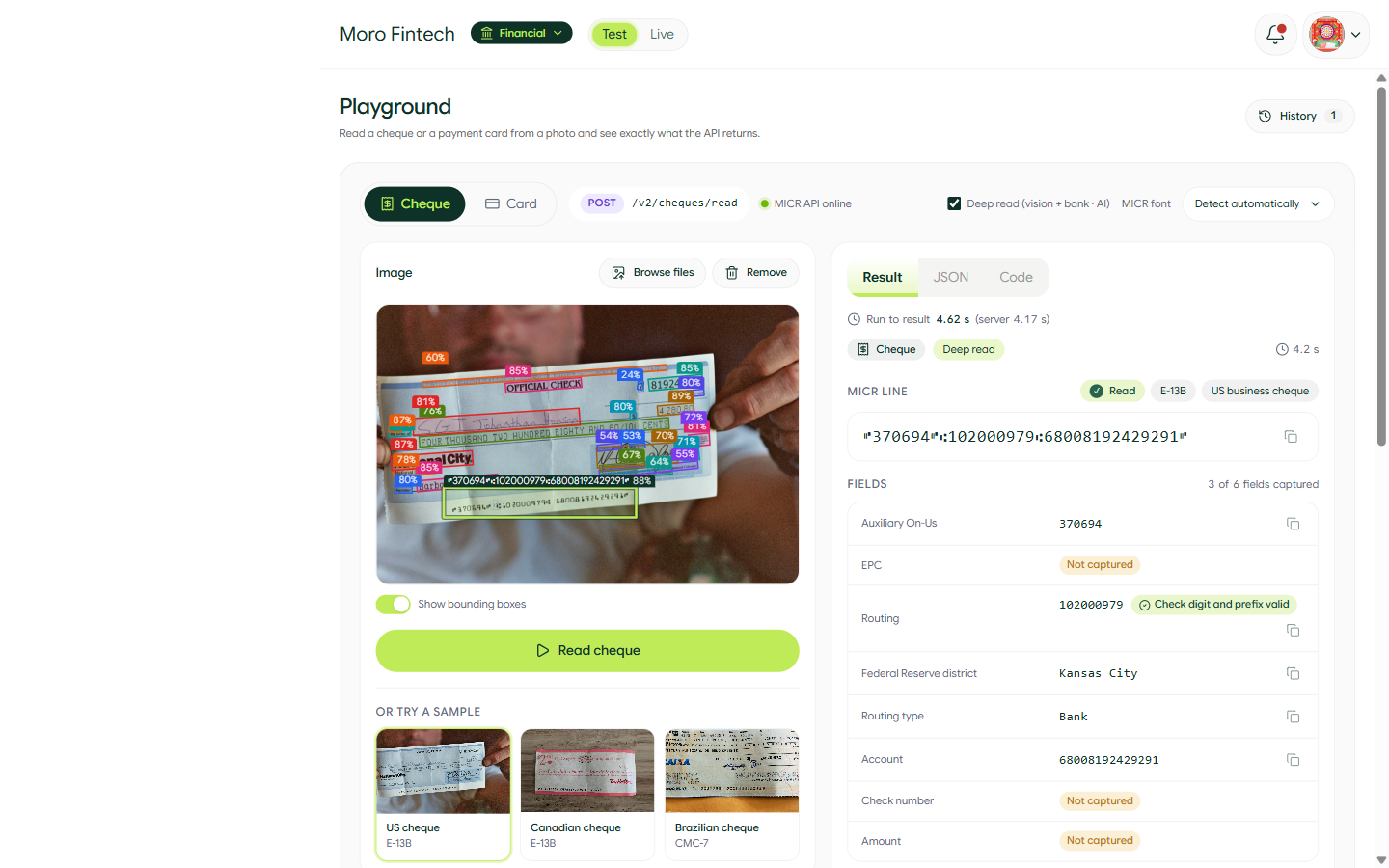
Cheque reader: MICR line decoded, routing number checked, fields extracted
-
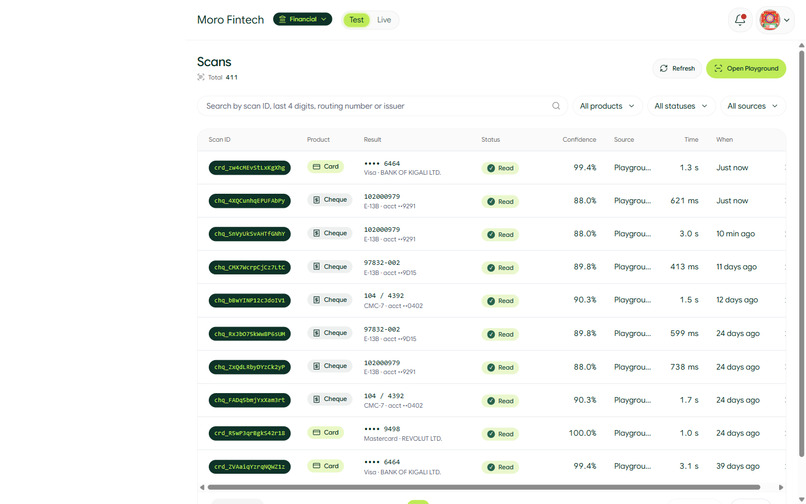
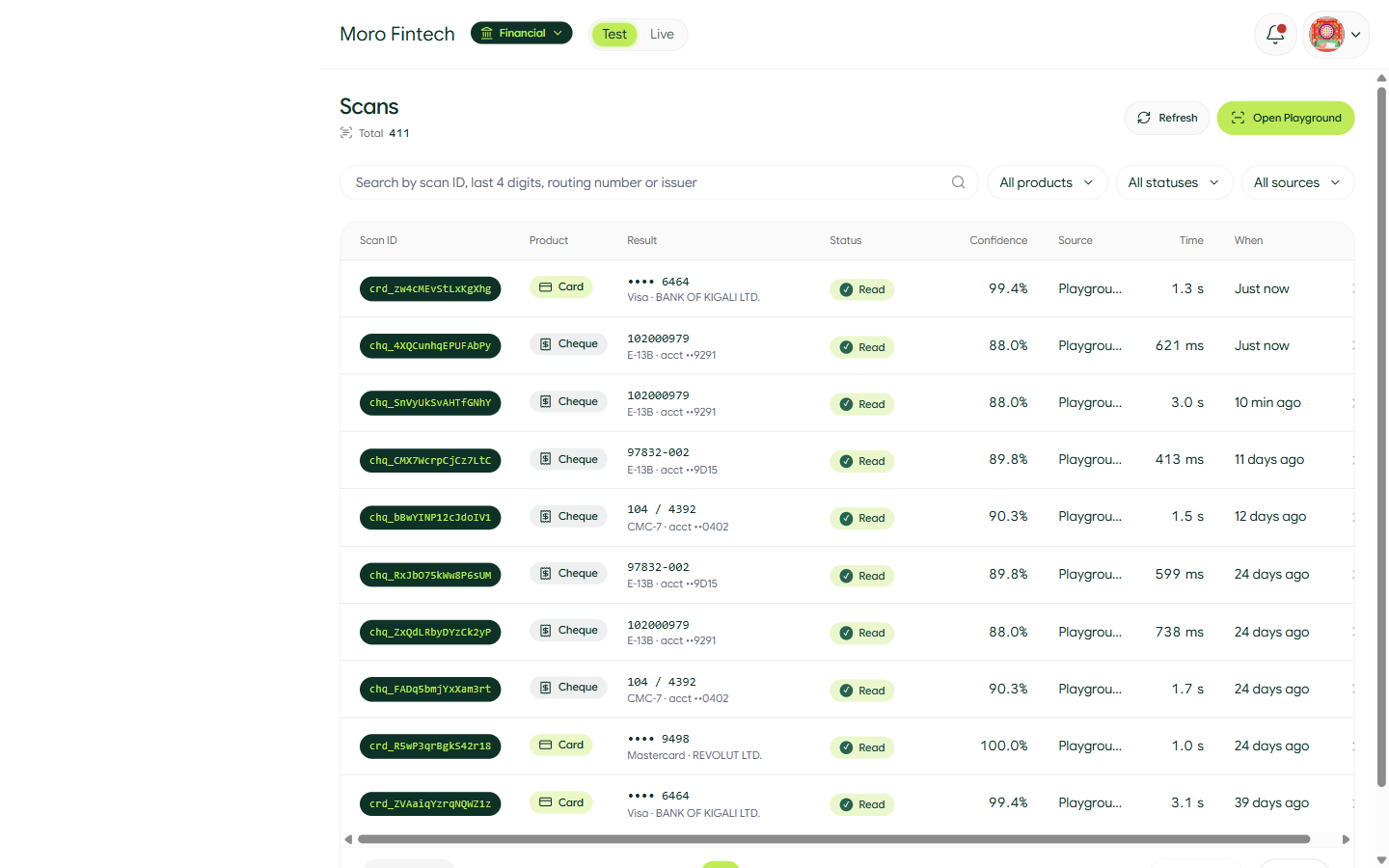
Scans: every cheque and card read with confidence, masked numbers
-
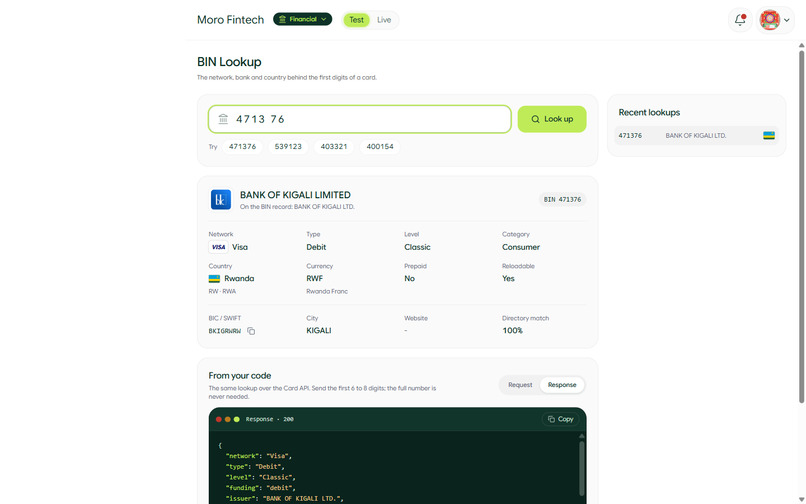
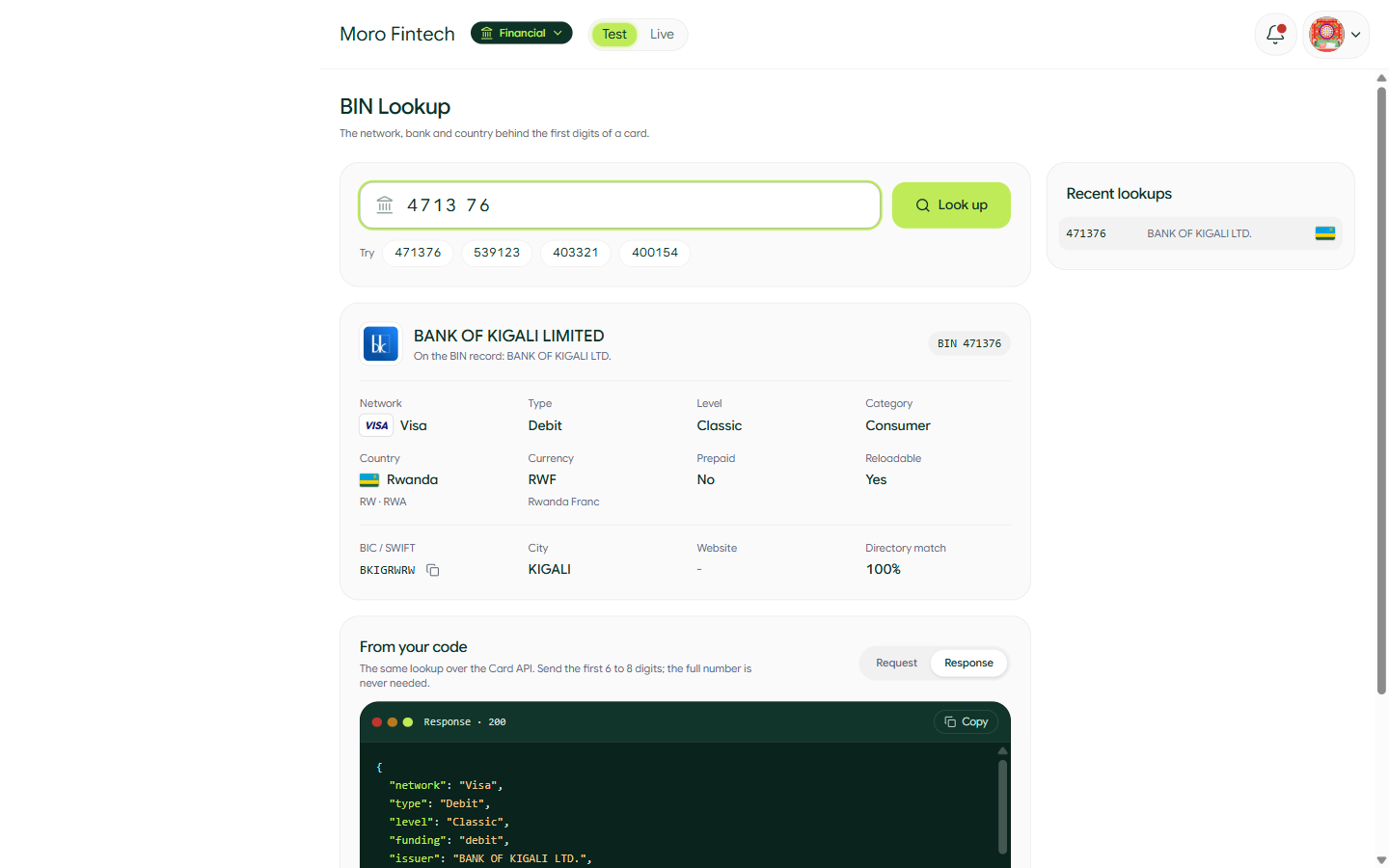
BIN lookup: bank, network, card level and country from the first digits
-
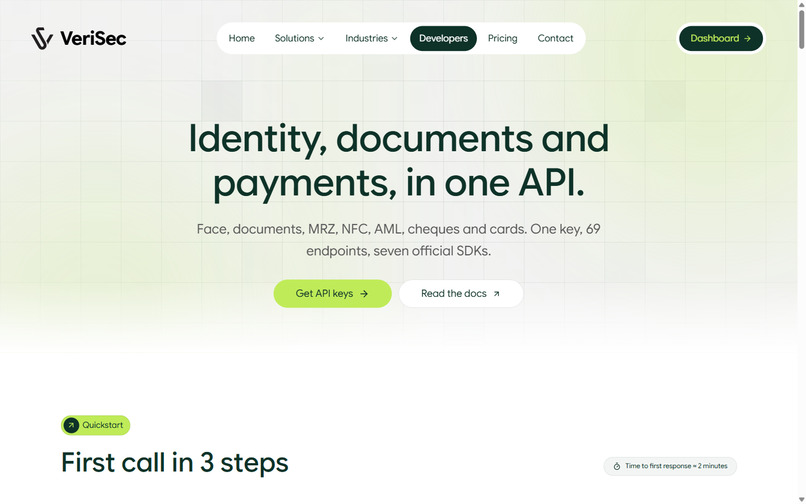
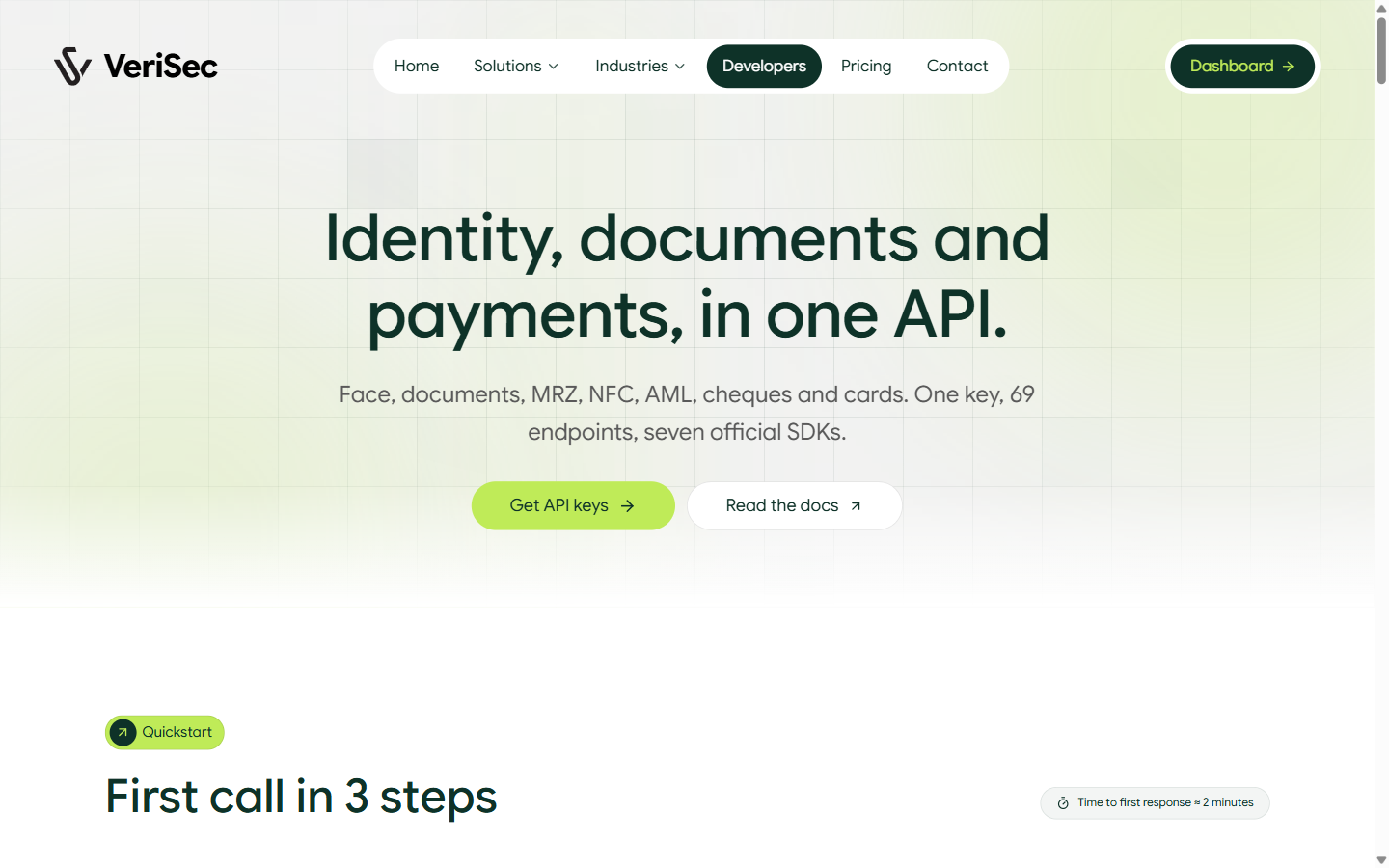
Developers: identity, documents and payments in one API, seven SDKs
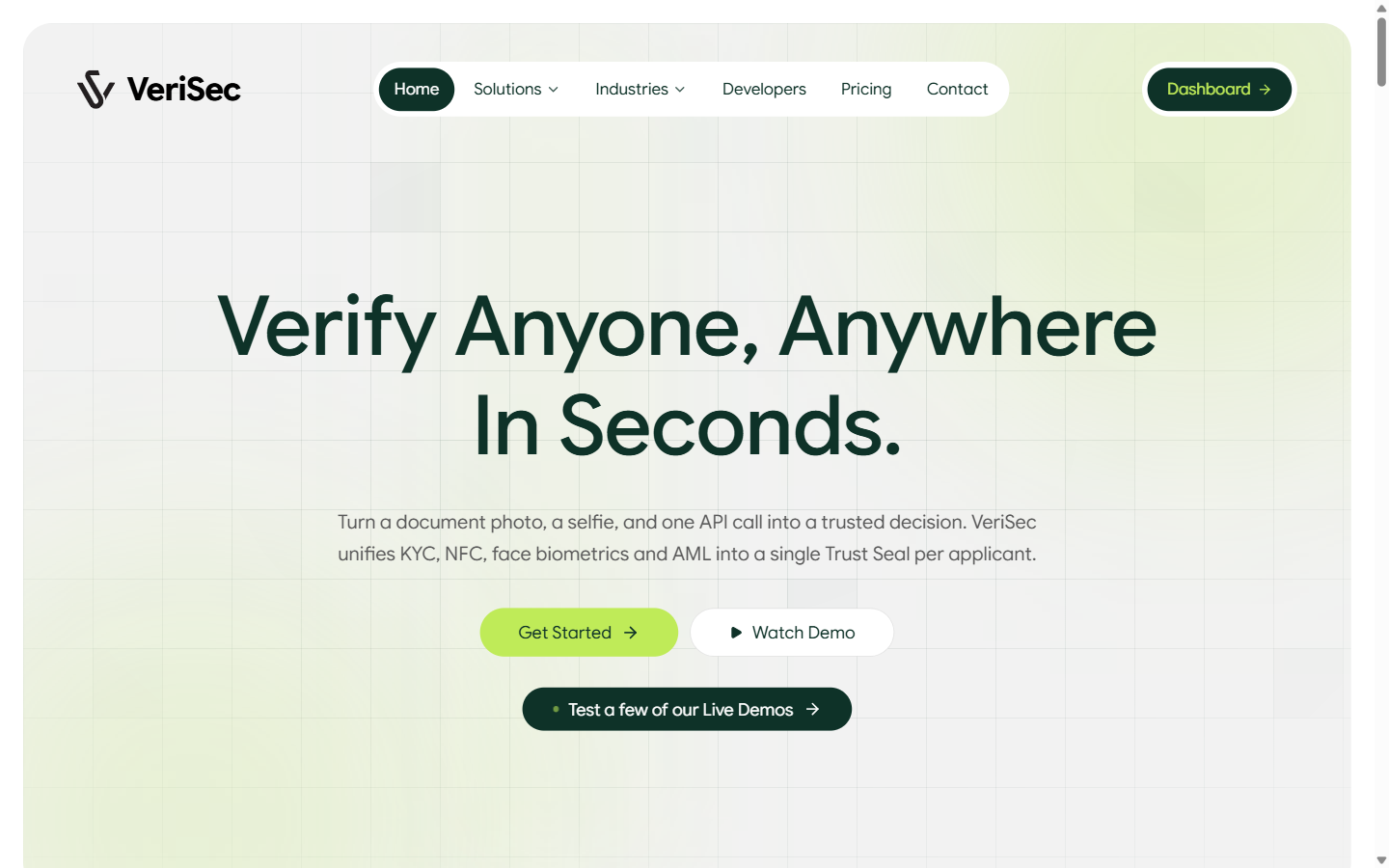
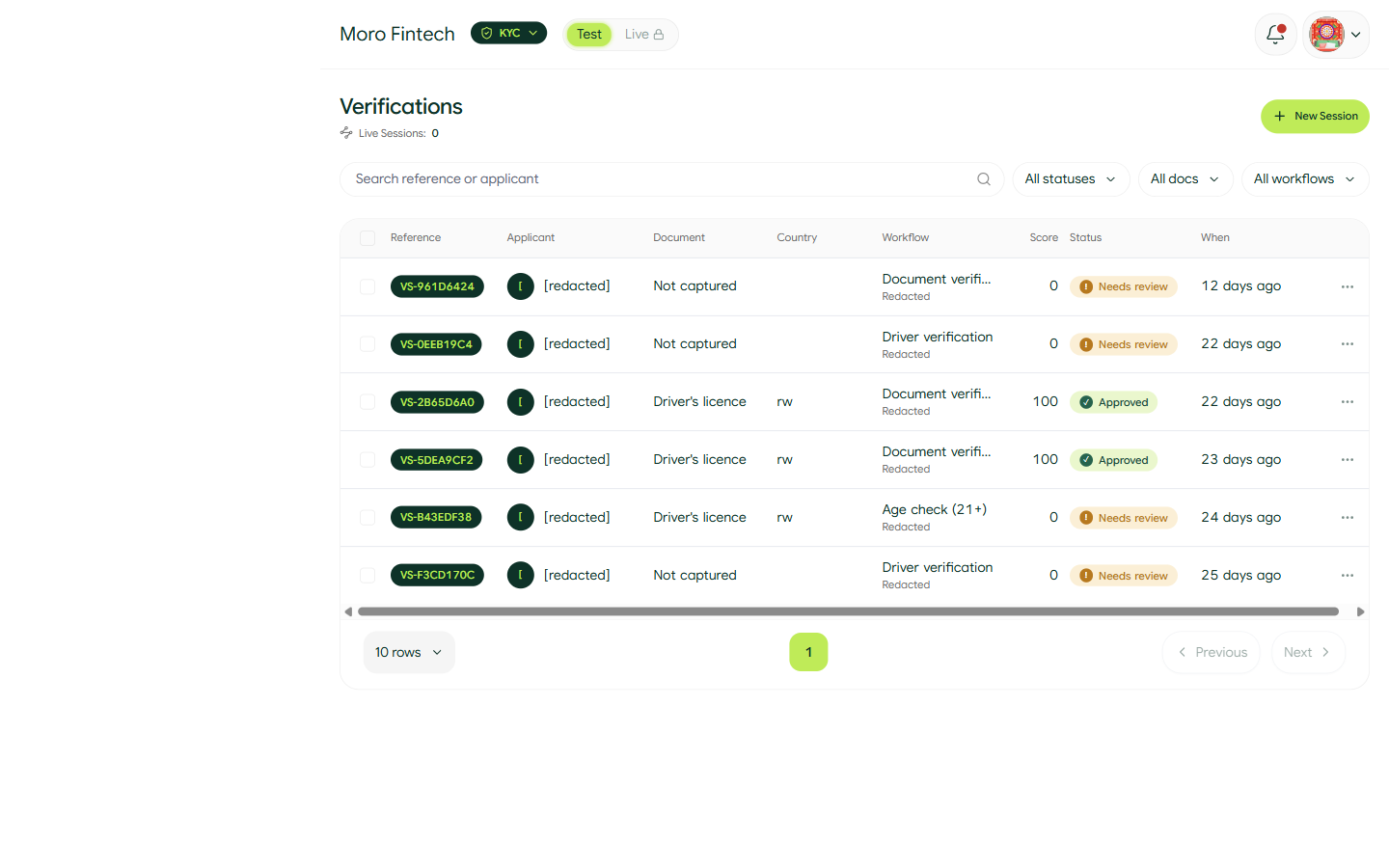
Inspiration Fraud teams drown in paperwork. Every loan, rental and insurance case arrives as a folder of IDs, bank statements, pay stubs and cheques, and an analyst reviews each one by hand. It is slow and inconsistent. Miss one forged document and it can cost millions; decline a good customer and you lose them. Checking a single identity can be automated, but investigating a whole case still is not. We built VeriSec to do both.
What it does VeriSec is an identity and cheque verification platform with an AI reviewer on top.
- Workflows: a business composes the checks it needs in the console, and one API call starts a verification session with a secure link and QR code.
- Identity checks: document security features and machine-readable zone, ePassport NFC chip with signature verification, liveness and face match, phone and email codes, and proof of address.
- One trust score per applicant, with every check and its evidence on record.
- AML Explorer: screen any name against sanctions, PEP and adverse-media lists.
- Financial portal: cheque MICR decoding with routing-number checks, payment-card reading, and one dashboard for every scan.
- Investigator, the AI reviewer: it takes a whole case folder and investigates it like an analyst would.
How Investigator works:
- Plans which checks to run from what is in the folder.
- Acts by calling tools: read a document, screen sanctions, check stated vs verified income, compare names across documents, score risk.
- Reasons step by step, streamed live to the screen.
- Adapts: when evidence is weak or a document is missing, it sends the case to a human for review instead of guessing.
One rule runs through everything: no finding without evidence. The AI flags, the human decides. Every flag links to the exact tool result it came from, and a reviewer upholds or overrides each recommendation.
The demo shows three specimen cases (fictional people): a sanctions hit with inflated income (decline), a clean applicant (approve), and a name variant with a missing pay stub (review).
How we built it
- Console: Next.js and React with Tailwind, built as a static export. Investigator is a native page in the console with a live step stream, evidence-backed findings and an uphold/override bar.
- Backend: a Go API gateway, a NestJS console API for verifications, workflows, billing and team, and Python services for document reading, cheque MICR decoding and card reading.
- AI reviewer: a Node agent service runs the plan, act, observe loop. Each turn the model picks the next tool, the tool runs real logic over the case data, and the result is fed back until the model returns a decision. Steps stream to the UI as Server-Sent Events. The model is reached through OpenRouter and the key never leaves the server.
Challenges we ran into
- The console is a static export, so a server route would have broken the production build. We run the agent as its own small service, the same way the console talks to the other backends.
- Free model tiers rate-limit hard. We added retry with backoff so a run never dies mid-case.
- Keeping the model honest: the prompt forces one JSON step at a time and every finding must quote the tool result it came from.
Accomplishments that we're proud of
- One platform from onboarding to investigation: identity, cheques, cards, AML and an AI reviewer in the same console.
- A real agent loop, not a scripted demo: the same case can take a different path, and it still lands on an evidence-backed call.
- The review case: on its own, the agent noticed a name variant across documents plus a missing pay stub and escalated to a human instead of guessing.
What we learned
- Human-in-the-loop is a product feature, not a disclaimer. Reviewers trust the agent more when every flag shows its evidence and they keep the final say.
- Narrow, well-typed tools beat one giant prompt.
What's next for VeriSec
- Connect every Investigator tool directly to the live document, MICR and AML engines.
- Bank-verified income through account data, and cross-case link analysis to catch fraud rings.
- Learning from reviewer overrides so recommendations improve with each case.
Built With
- docker
- go
- nestjs
- next.js
- node.js
- openrouter
- postgresql
- python
- react
- server-sent-events
- tailwindcss
- typescript

