-
-
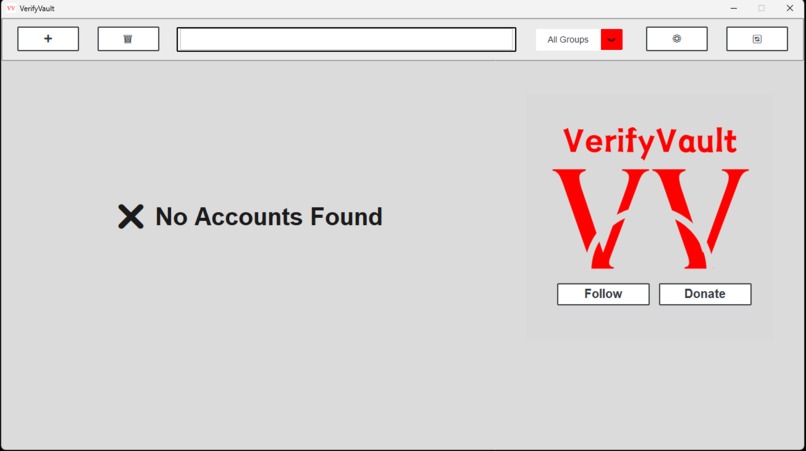
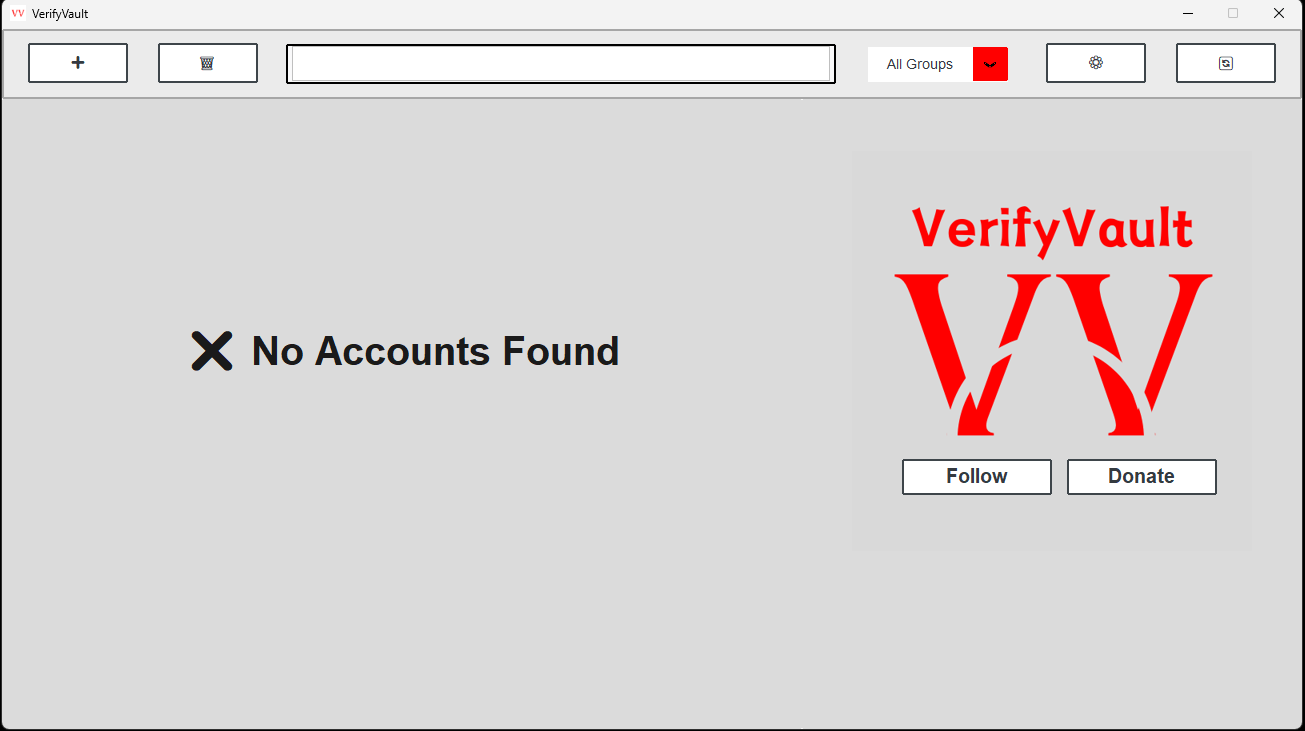
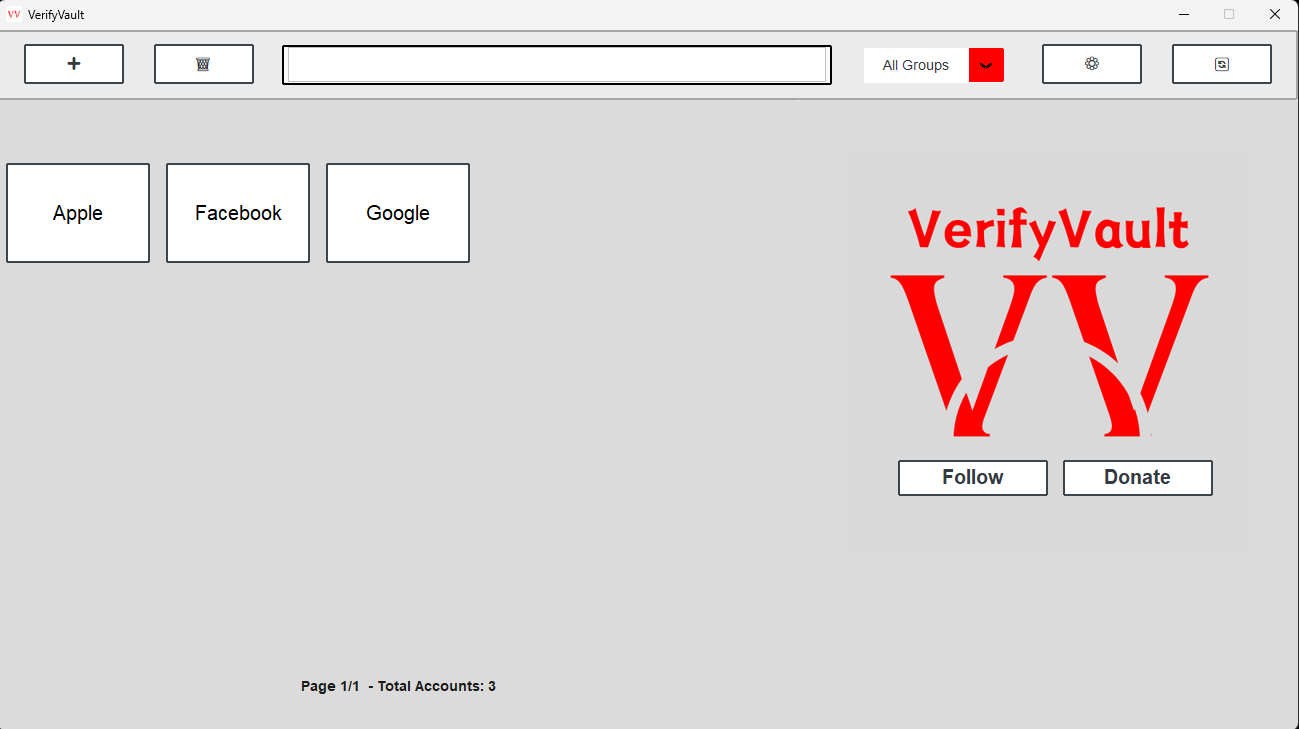
Homepage Light Mode
-
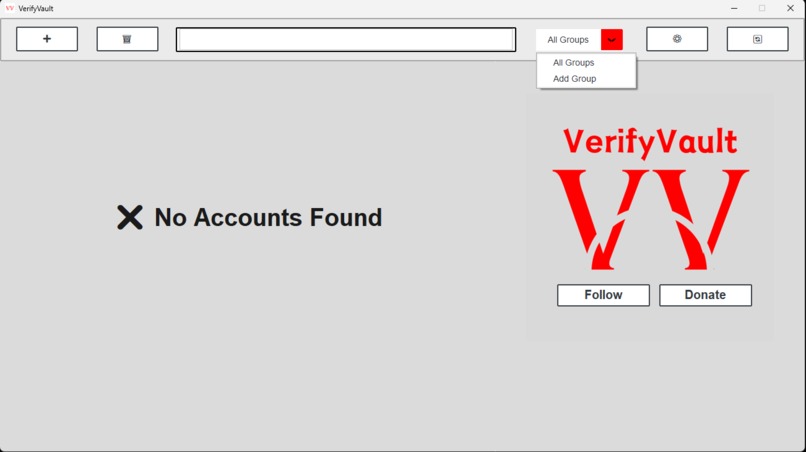
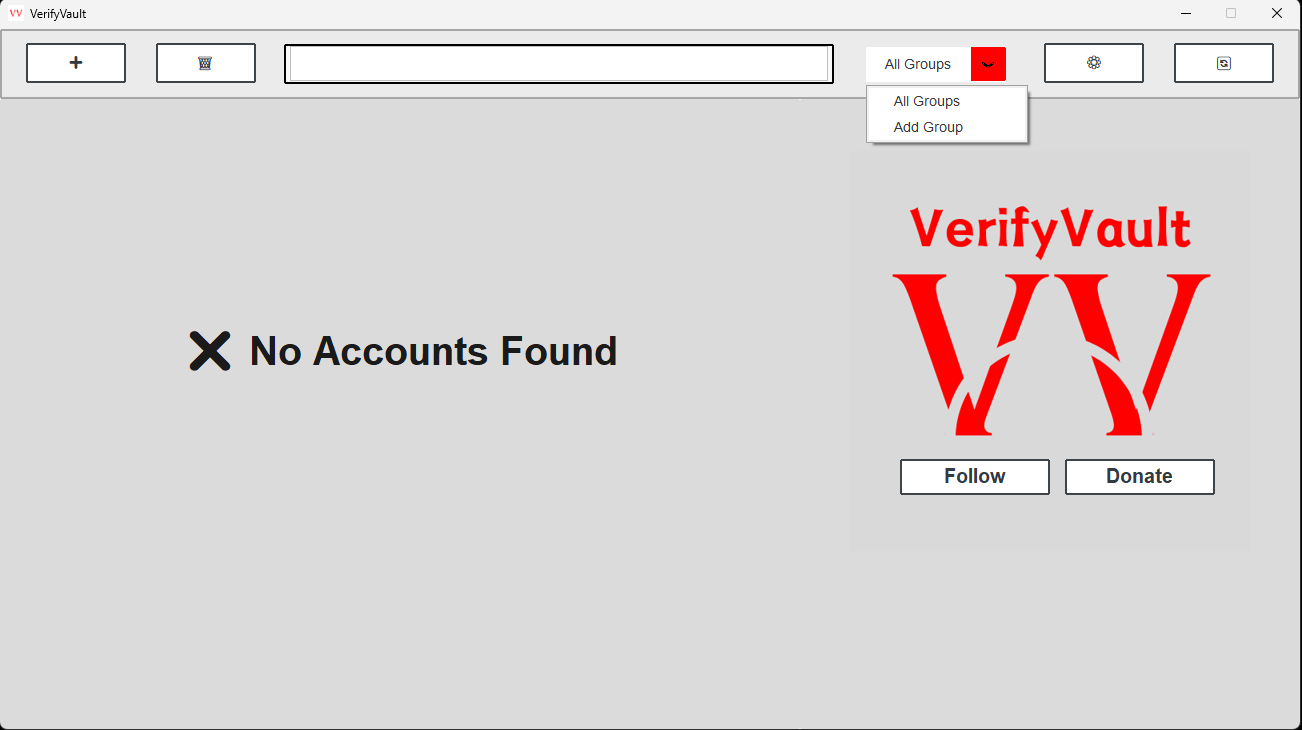
Groups Dropdown Light Mode
-
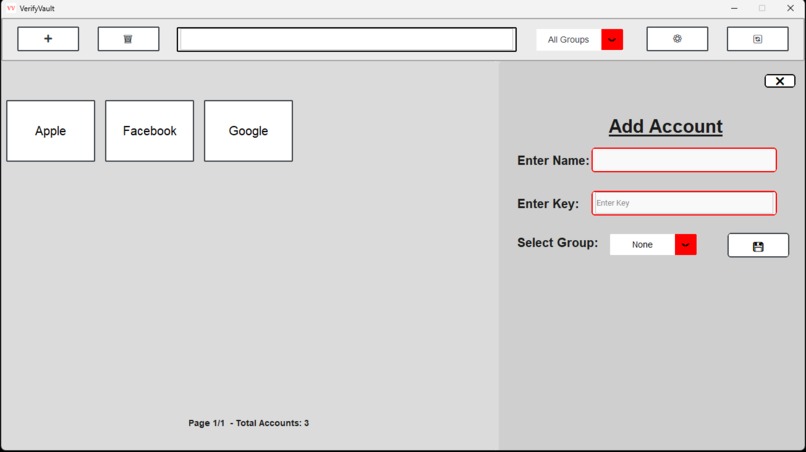
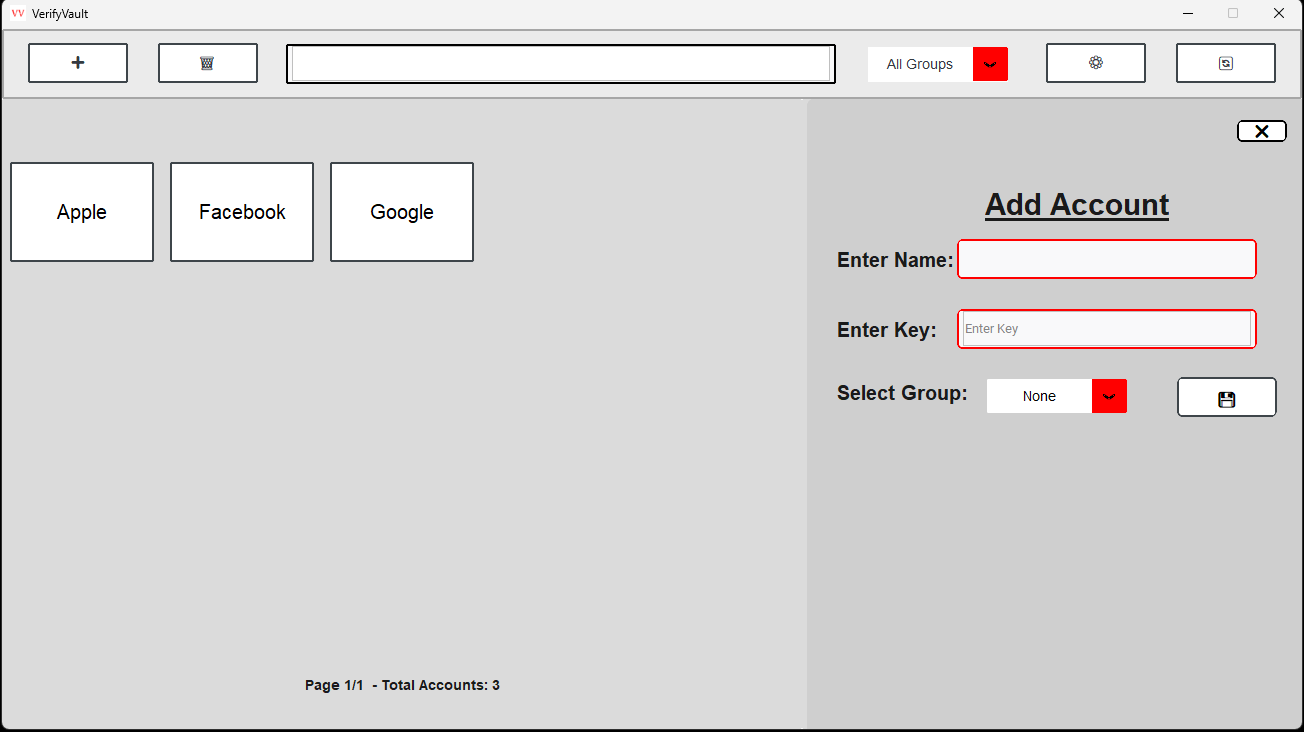
Add Account Light Mode
-
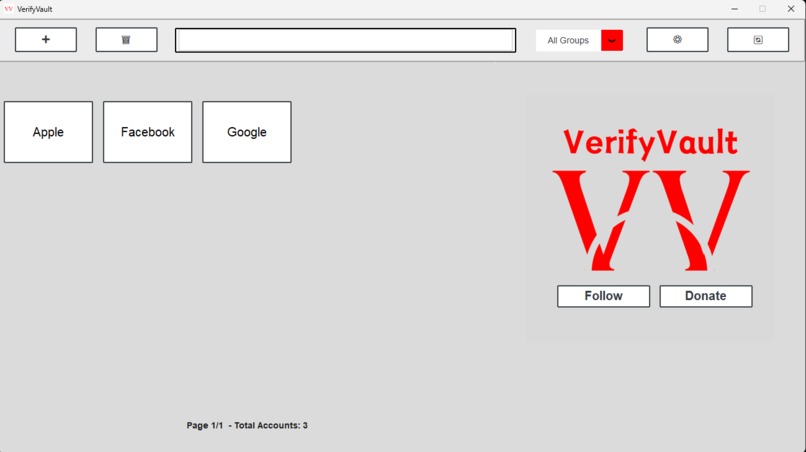
Accounts Light Mode
-
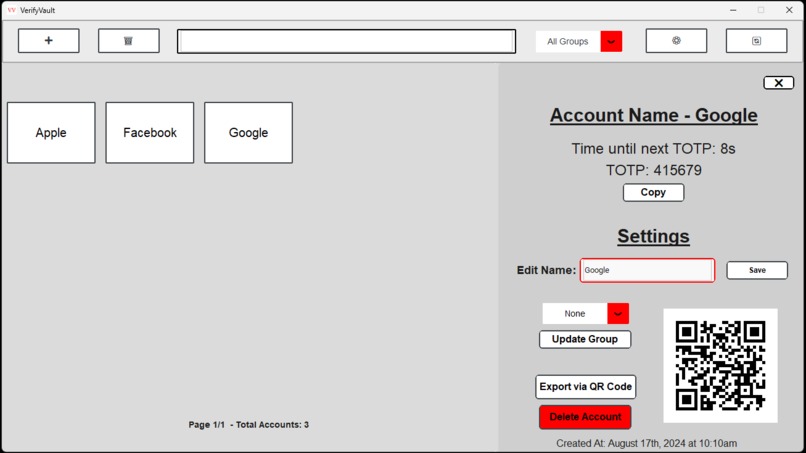
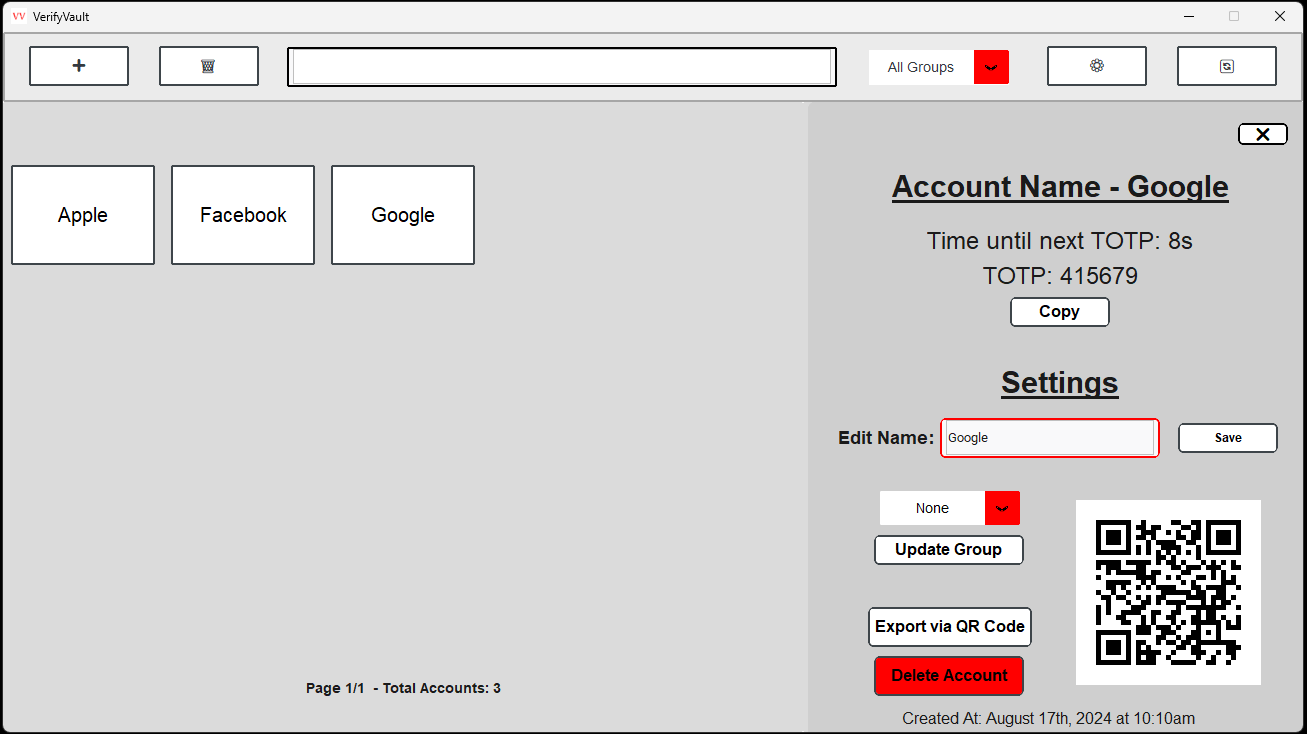
Account Information Light Mode
-
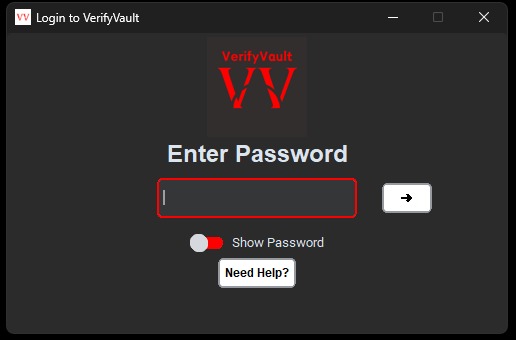
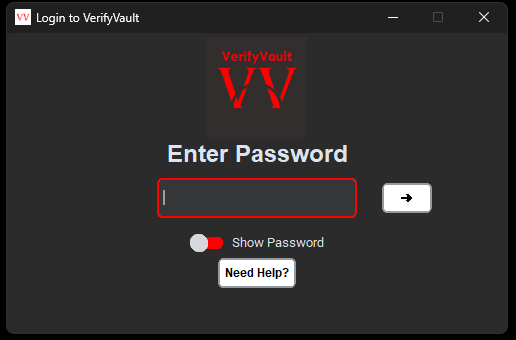
Enter Password Dark Mode
-
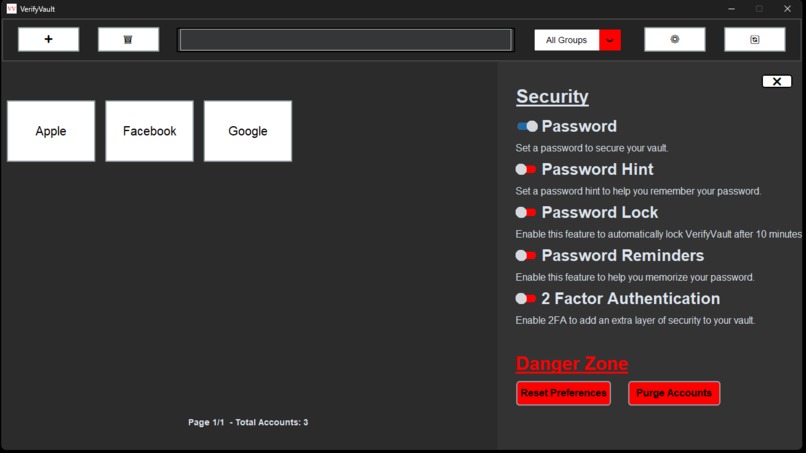
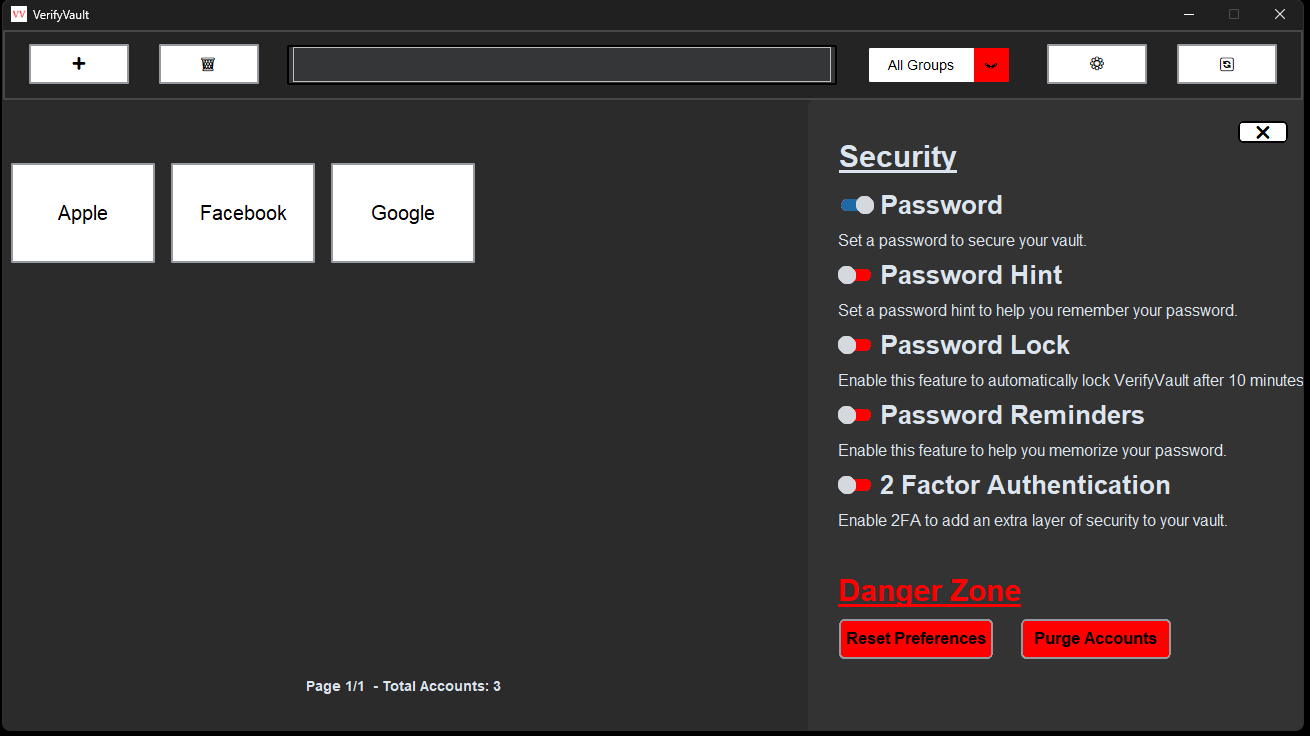
Password Settings Dark Mode
-
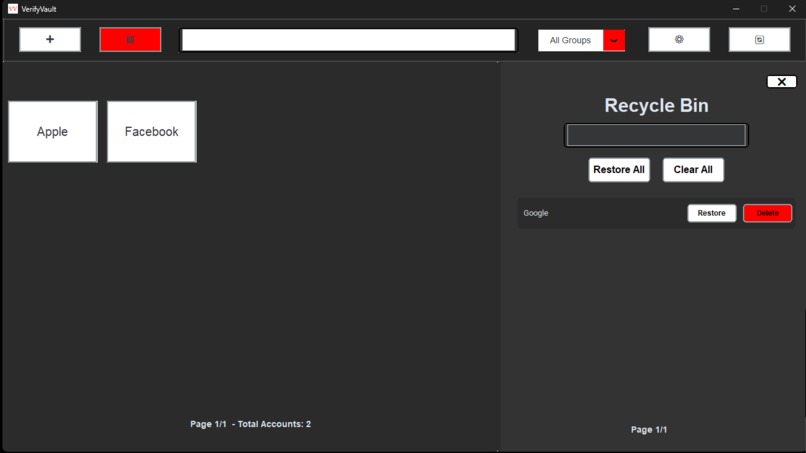
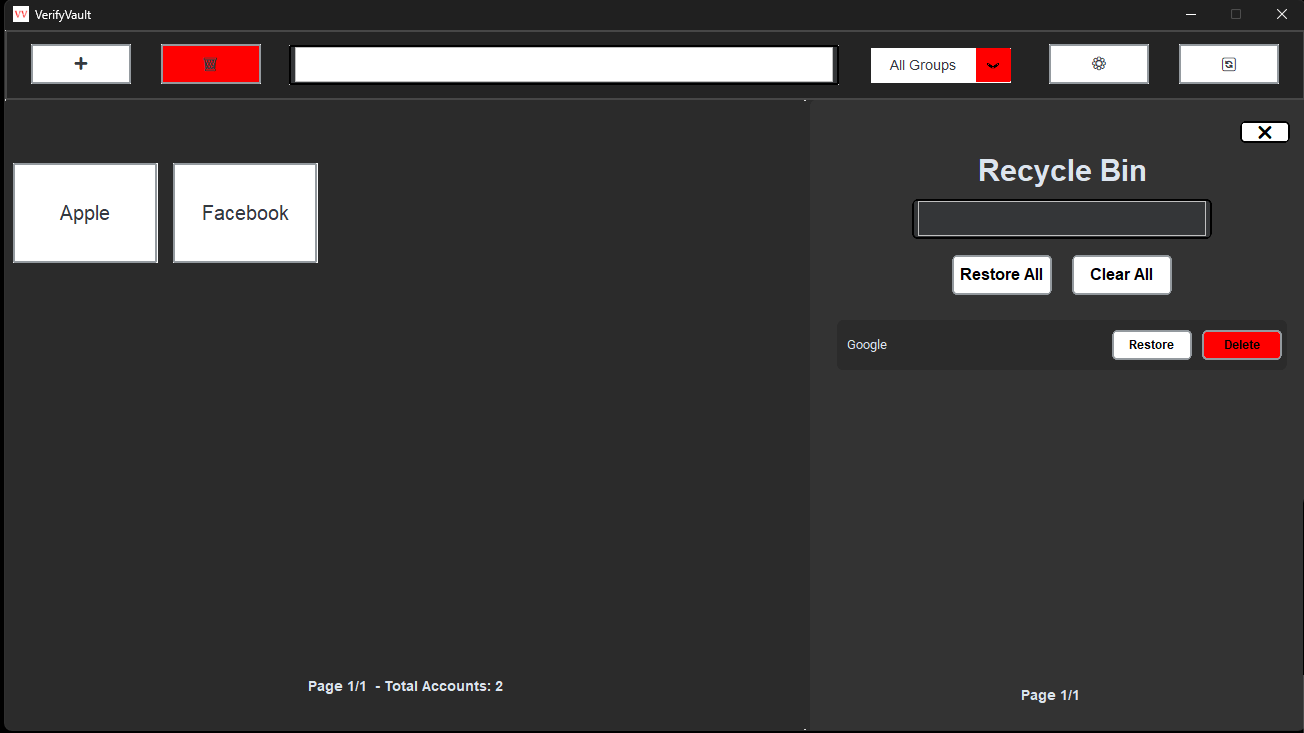
Recycle Bin Dark Mode
-
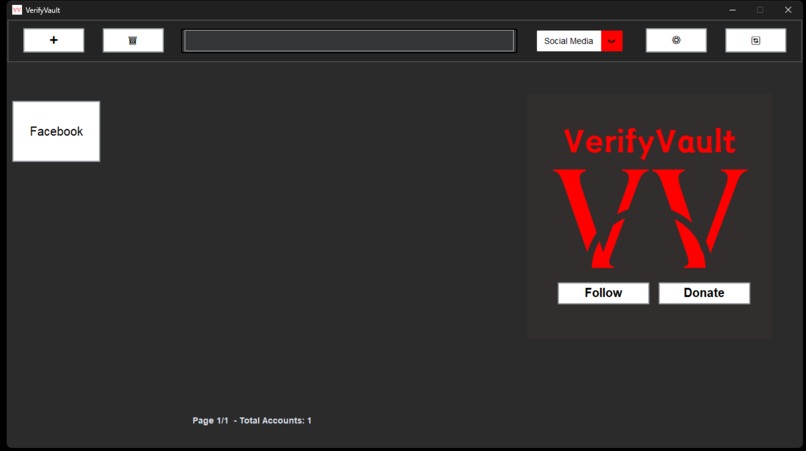
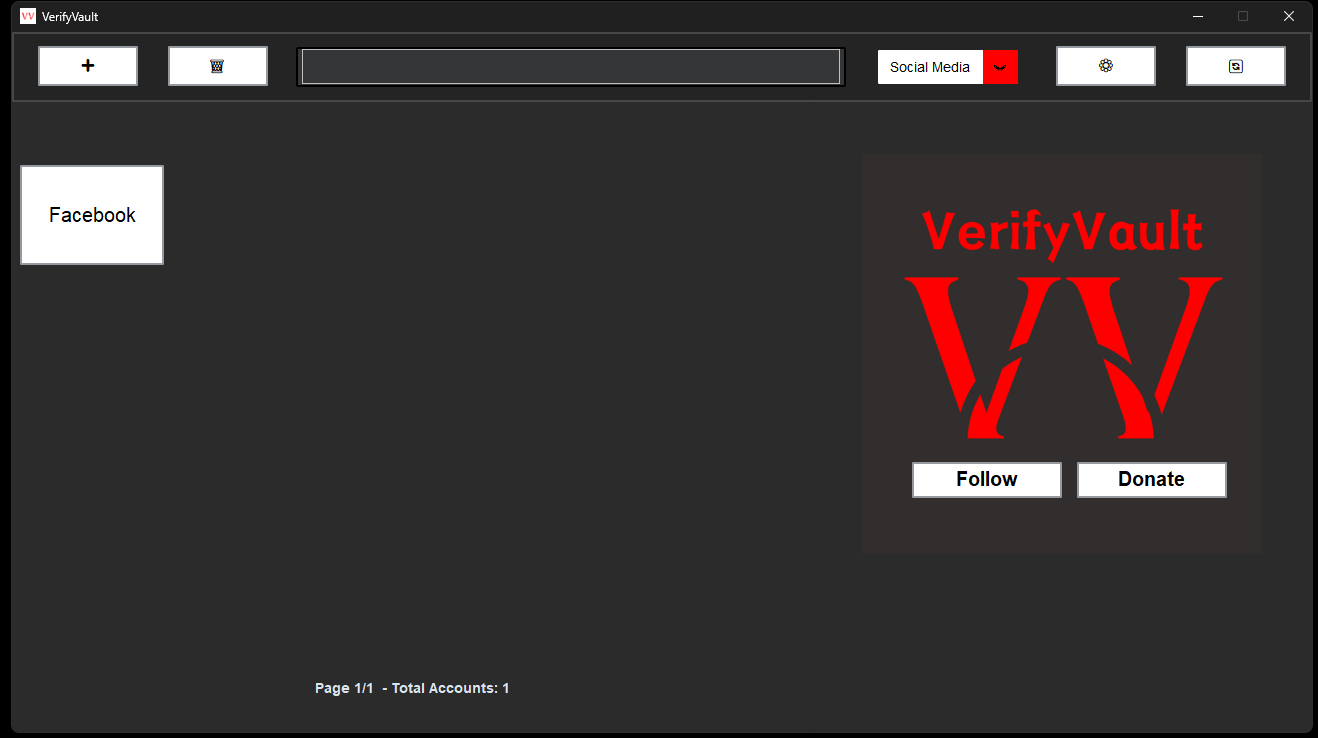
Groups Dark Mode
-
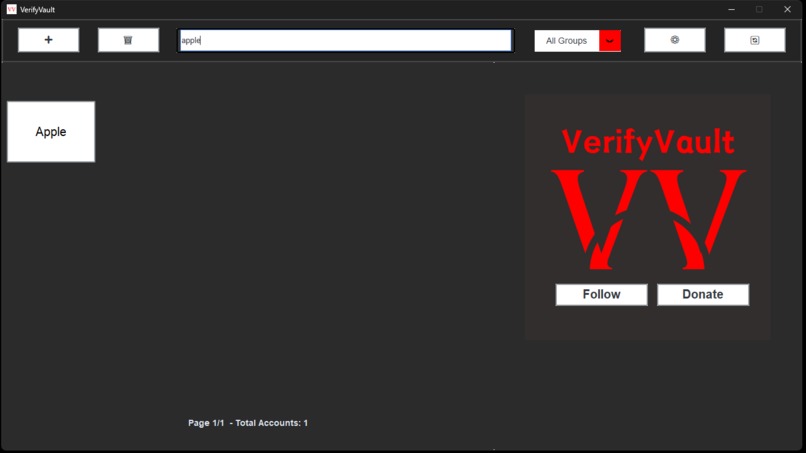
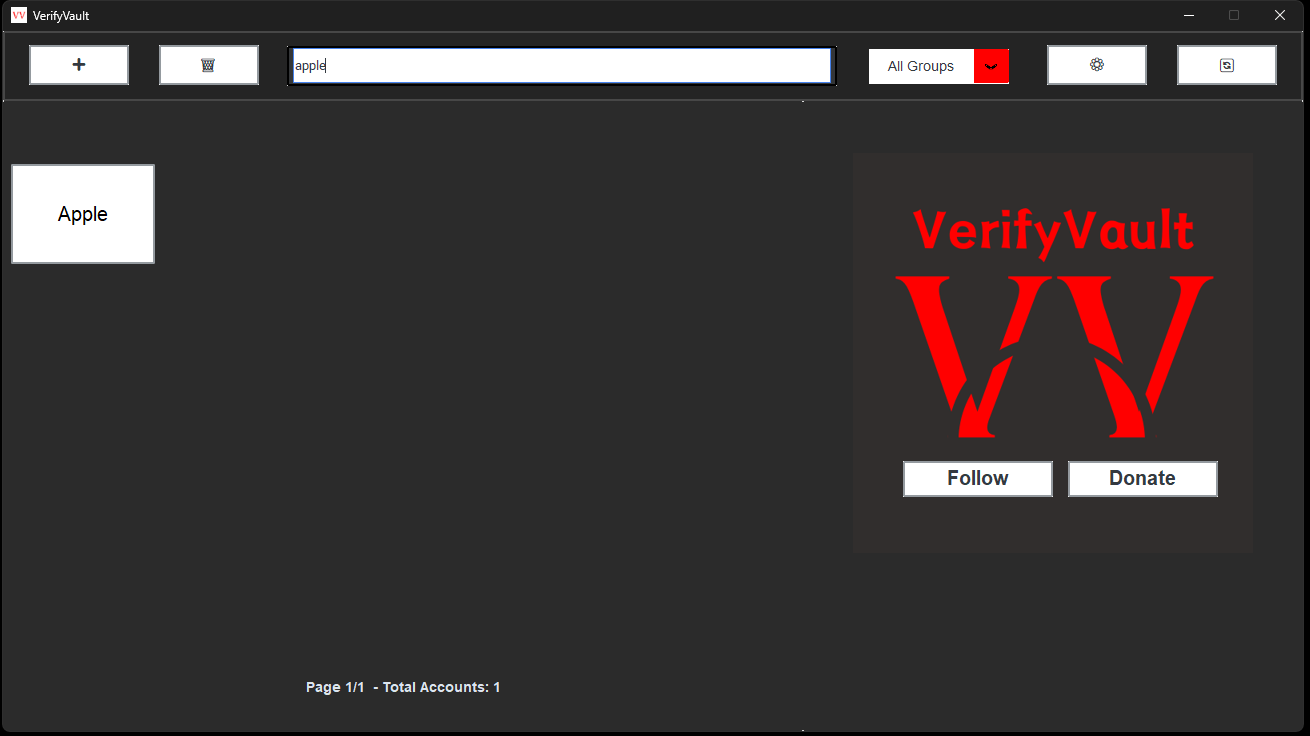
Search Bar Dark Mode
Inspiration
The inspiration of VerifyVault was born out of the discontinuation of Authy's desktop application in March. Authy, is one of the most popular two-factor authenticators on the market, and had been the go-to solution for desktop users since 2017. With most 2FA apps being mobile-centric, a desktop solution offers immense convenience—users can log in and access their TOTP codes directly from their computer without reaching for their phones. Authy's proprietary nature and lack of privacy respect were key motivations for us to create a privacy-focused, open-source alternative.
What it does
VerifyVault provides a secure desktop application for storing and managing 2FA codes. It allows users to easily access their codes and log in to their online accounts without compromising security.
How we built it
The application was developed from the ground up using Python.
Challenges we ran into
I've faced numerous challenges, including debugging persistent errors and implementing complex features. Each challenge required extensive research and problem-solving to overcome.
Accomplishments that we're proud of
I'm proud of releasing the first official version of VerifyVault. In recent months, I've developed a beta version incorporating user-requested features and feedback, which has helped refine this application.
What we learned
I've learned that user feedback is both frequent and demanding, which can be overwhelming but also invaluable. Marketing the program has also been challenging, as I’ve faced criticism for my efforts to promote and improve VerifyVault. Despite these hurdles, I remain committed to my mission.
What's next for VerifyVault
The long term goal for VerifyVault is establish it as one of the leading 2FA applications across all platform. My aim is to provide an open source and privacy respecting alternative to popular proprietary 2FA applications such as Authy and Google Authenticator to enhance privacy and security for all.

Log in or sign up for Devpost to join the conversation.