Inspiration
At Verb.AI, we draw inspiration from the remarkable capabilities of artificial intelligence itself—a technological marvel that can interpret visual-spatial tasks, recognize patterns, solve mathematical problems, and even understand abstract concepts. If AI, which has no physical senses or imagination, can make sense of the world through language and data, we believe it can serve as a powerful bridge for individuals with strong verbal skills to grasp non-verbal concepts.
Learning disabilities often require tailored, resource-intensive approaches to overcome challenges. With an AI-powered learning platform, we aim to provide personalized, adaptive support that aligns with each individual’s unique cognitive profile. By translating complex non-verbal tasks into verbal frameworks and leveraging the strengths of our users, we strive to create meaningful connections that foster understanding and growth.
Our mission is to empower learners to navigate their challenges with confidence, transforming obstacles into opportunities for success. Together, we can build a future where every individual has the tools to thrive, no matter how they learn.
What it does
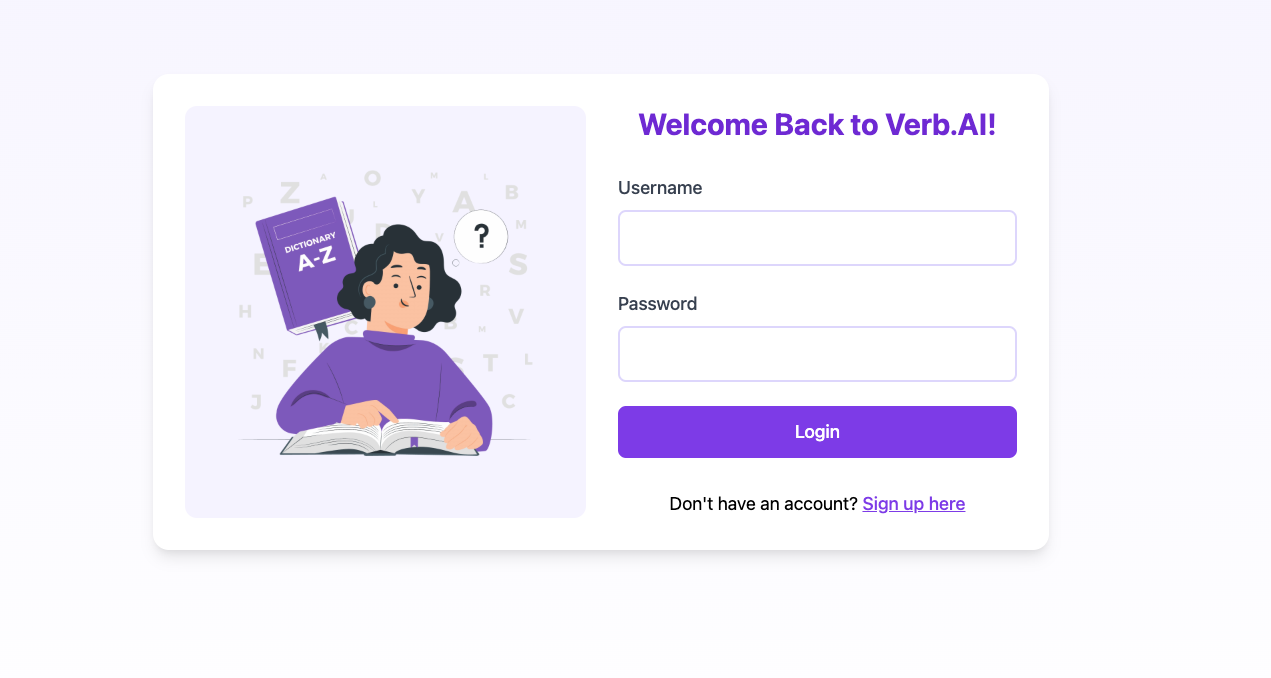
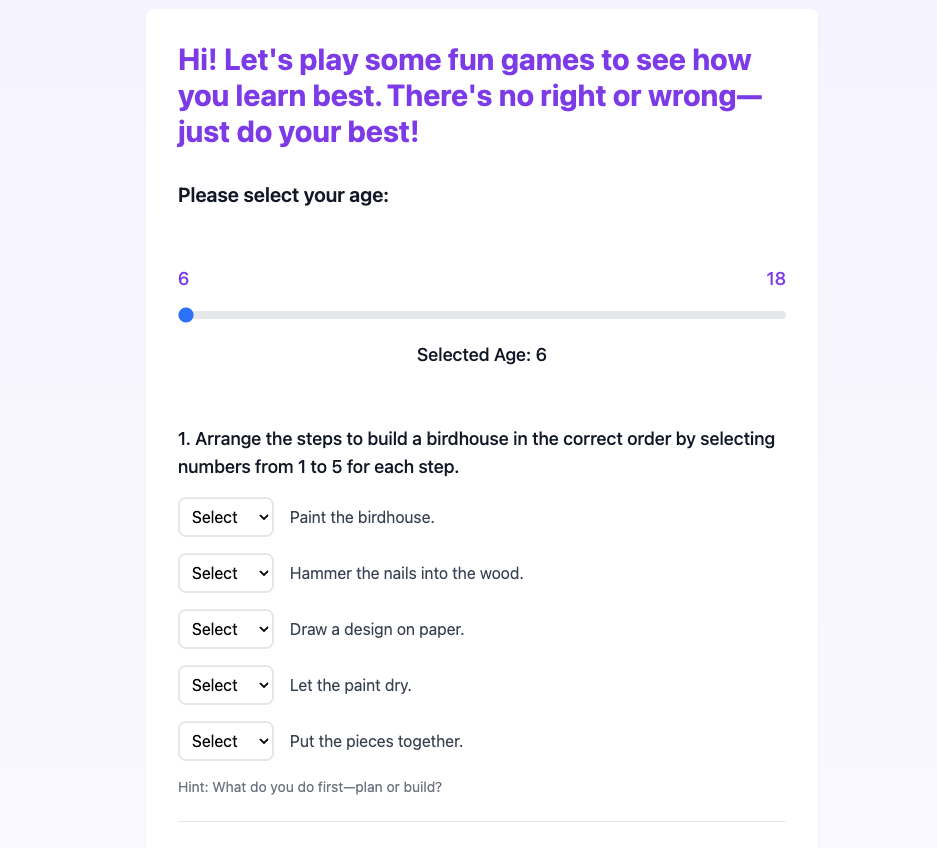
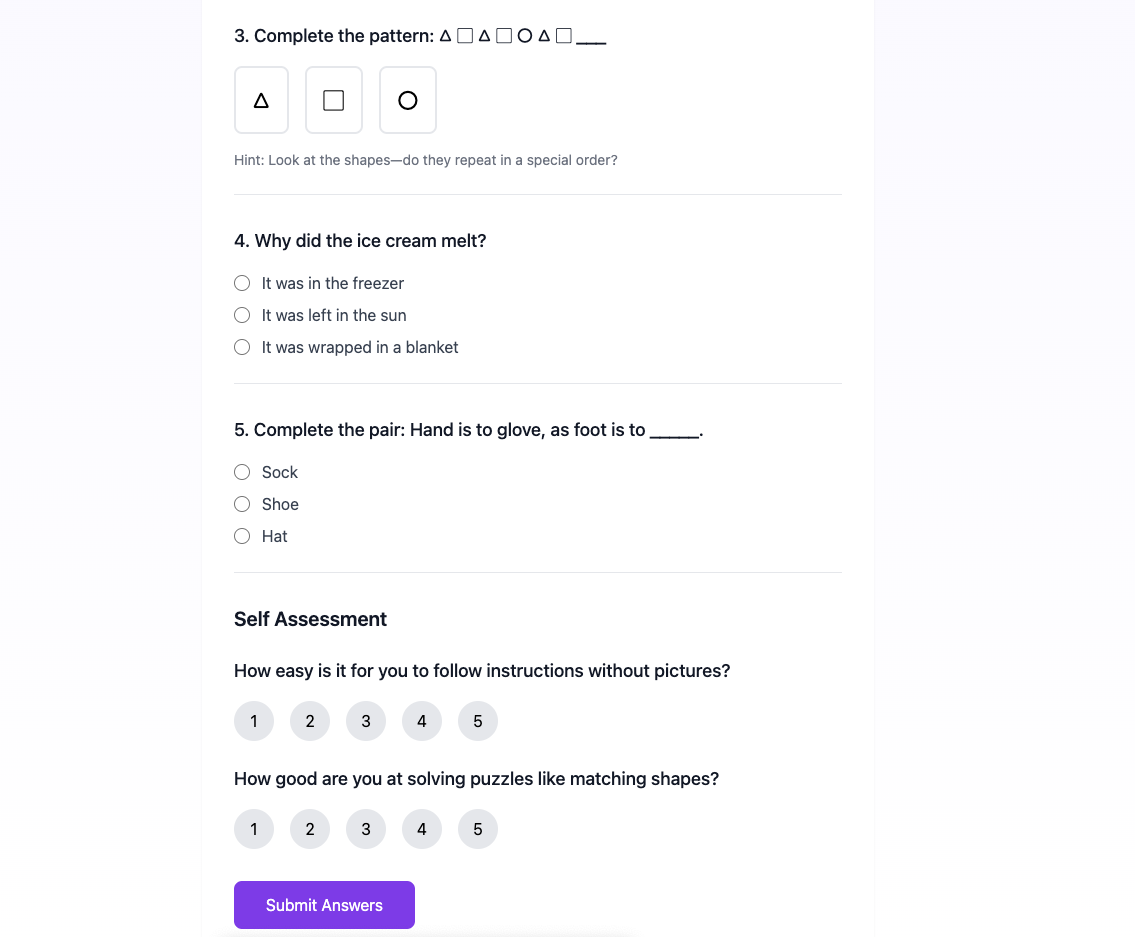
Verb.AI is a personalized learning platform designed to help individuals with verbal strengths and non-verbal deficits overcome their challenges through adaptive, AI-powered support. By leveraging advanced AI agents, Verb.AI:
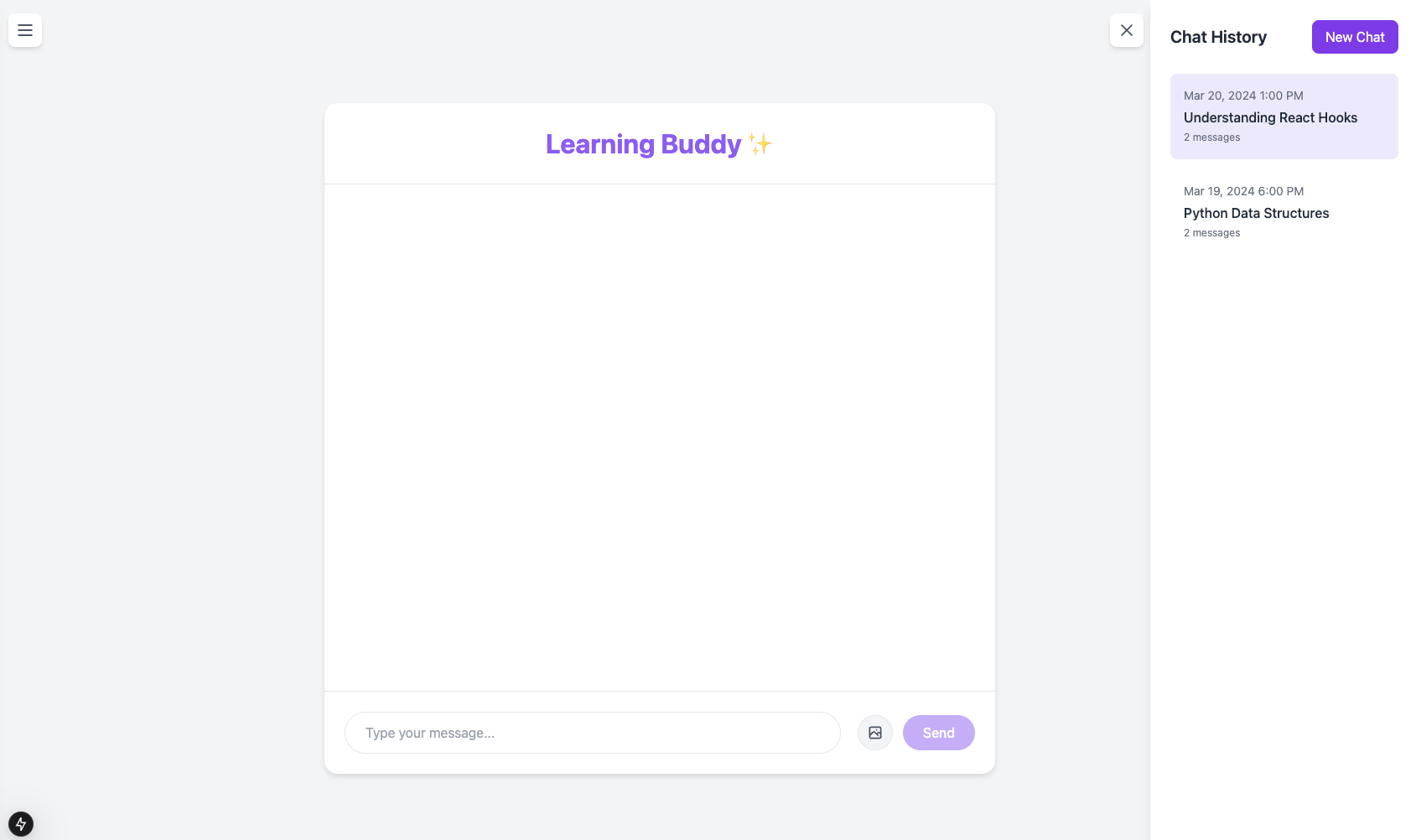
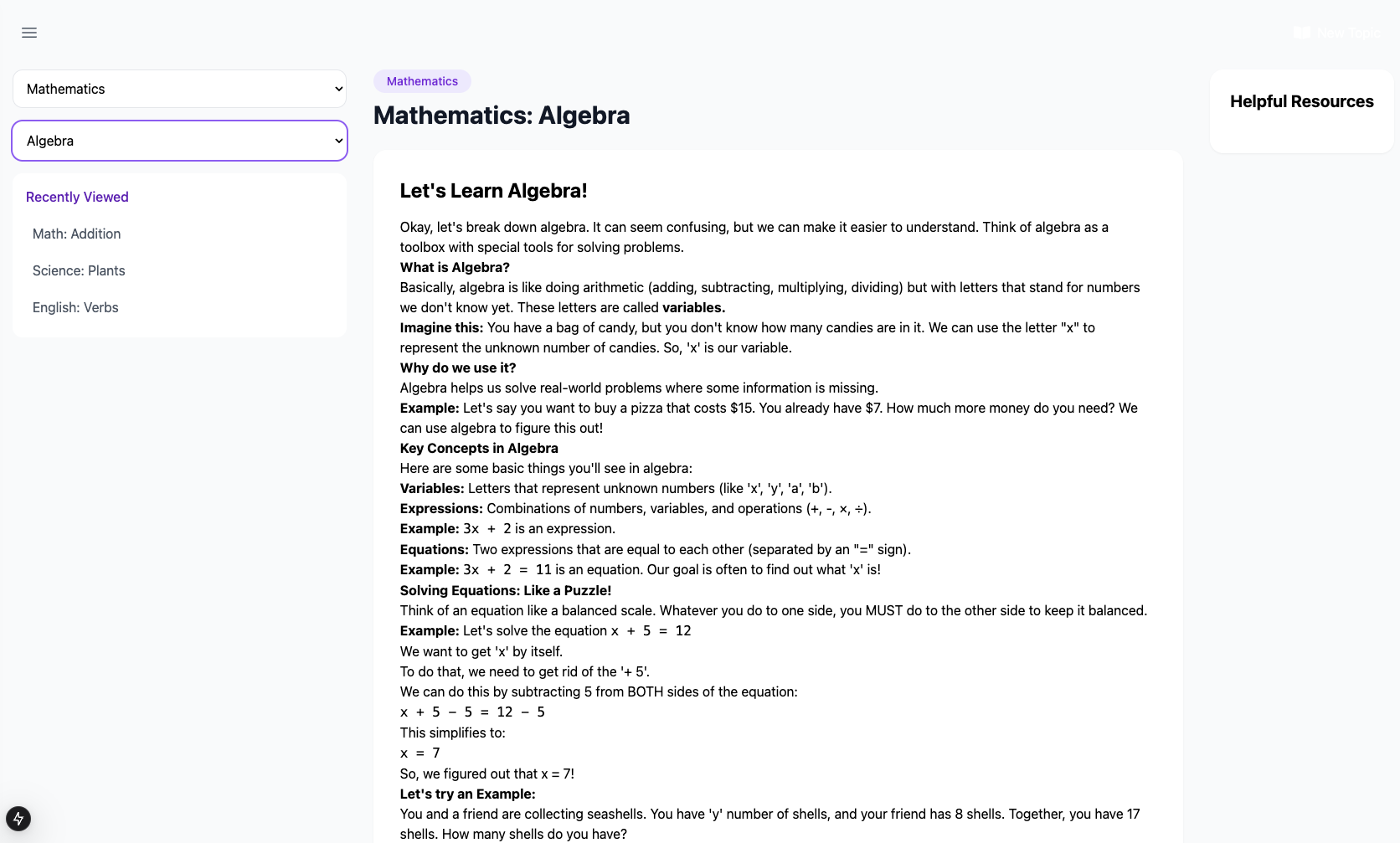
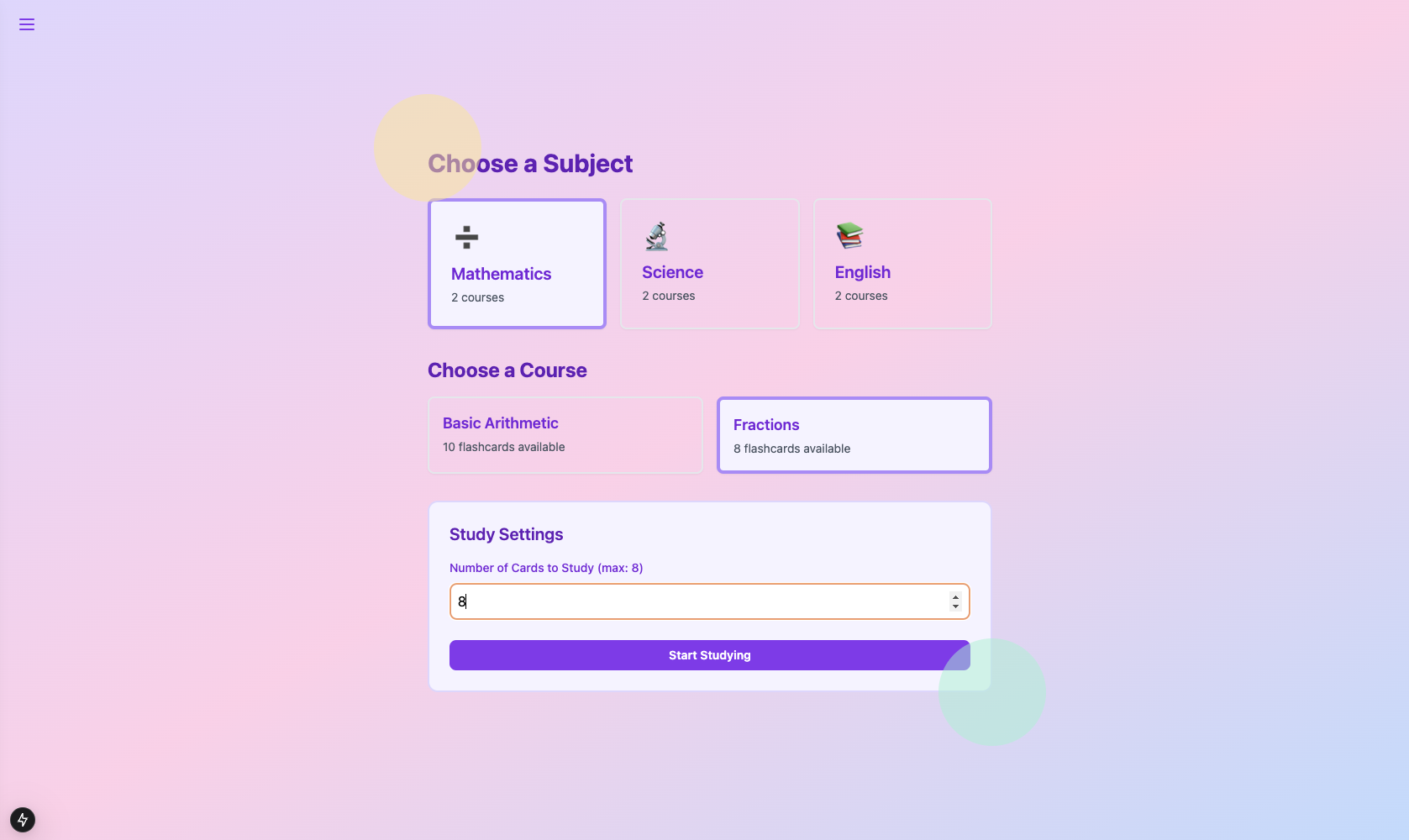
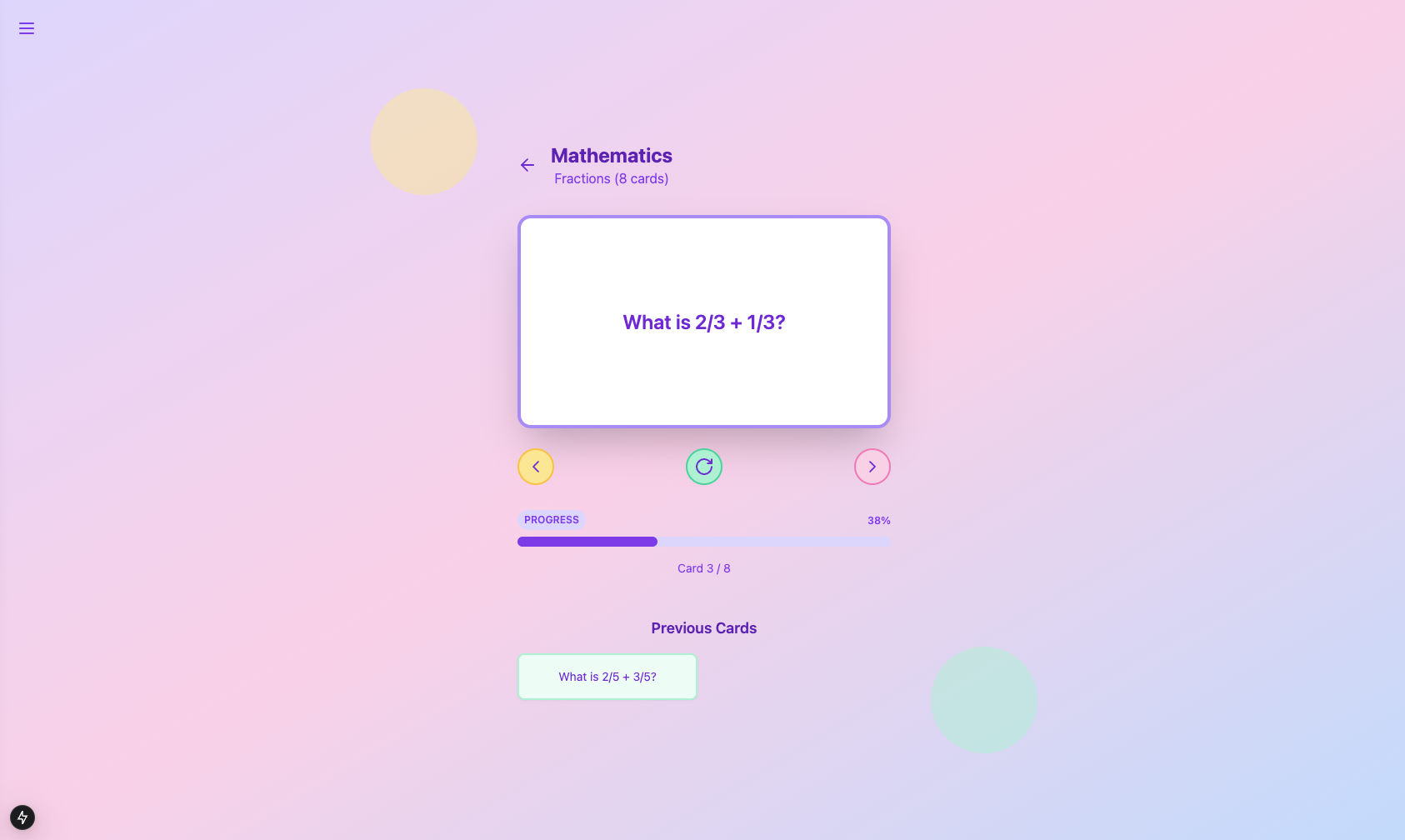
Assesses cognitive profiles to identify verbal and non-verbal strengths and weaknesses. Scaffolds non-verbal tasks (e.g., spatial reasoning, math, pattern recognition) using verbal strategies tailored to the user’s learning style. Provides personalized feedback through an interactive chatbot that adapts in real-time to the user’s progress. Offers customized resources, including tutorials, flashcards, and gamified learning experiences, to reinforce understanding.
How we built it
Frontend: Built with React, Next.js, and Tailwind CSS for a responsive and intuitive user interface. Backend: Powered by Python and FastAPI, with SQLite for database management. AI Agents: Integrated Gemini 2.0 Flash for natural language processing and adaptive learning. DevOps: Deployed using Cloudflare Tunnel for secure and scalable hosting. Workflow: Designed an agentic structure with two AI agents—Planning Agent (identifies mistakes and creates plans) and Analysis Agent (generates comprehensive reports and recommendations).
Challenges we ran into
Adaptive Learning Logic: Designing an AI system that dynamically adjusts to individual learning profiles was complex, especially for users with mixed verbal and non-verbal strengths. Real-Time Feedback: Ensuring the chatbot provides accurate, real-time feedback while maintaining a natural conversational flow required extensive testing and iteration. Data Integration: Combining user data (e.g., cognitive profiles, time-spent analytics) into a cohesive dashboard was challenging but rewarding. Balancing Complexity: Simplifying the platform for younger users while maintaining advanced features for older learners required careful design decisions.
Accomplishments that we're proud of
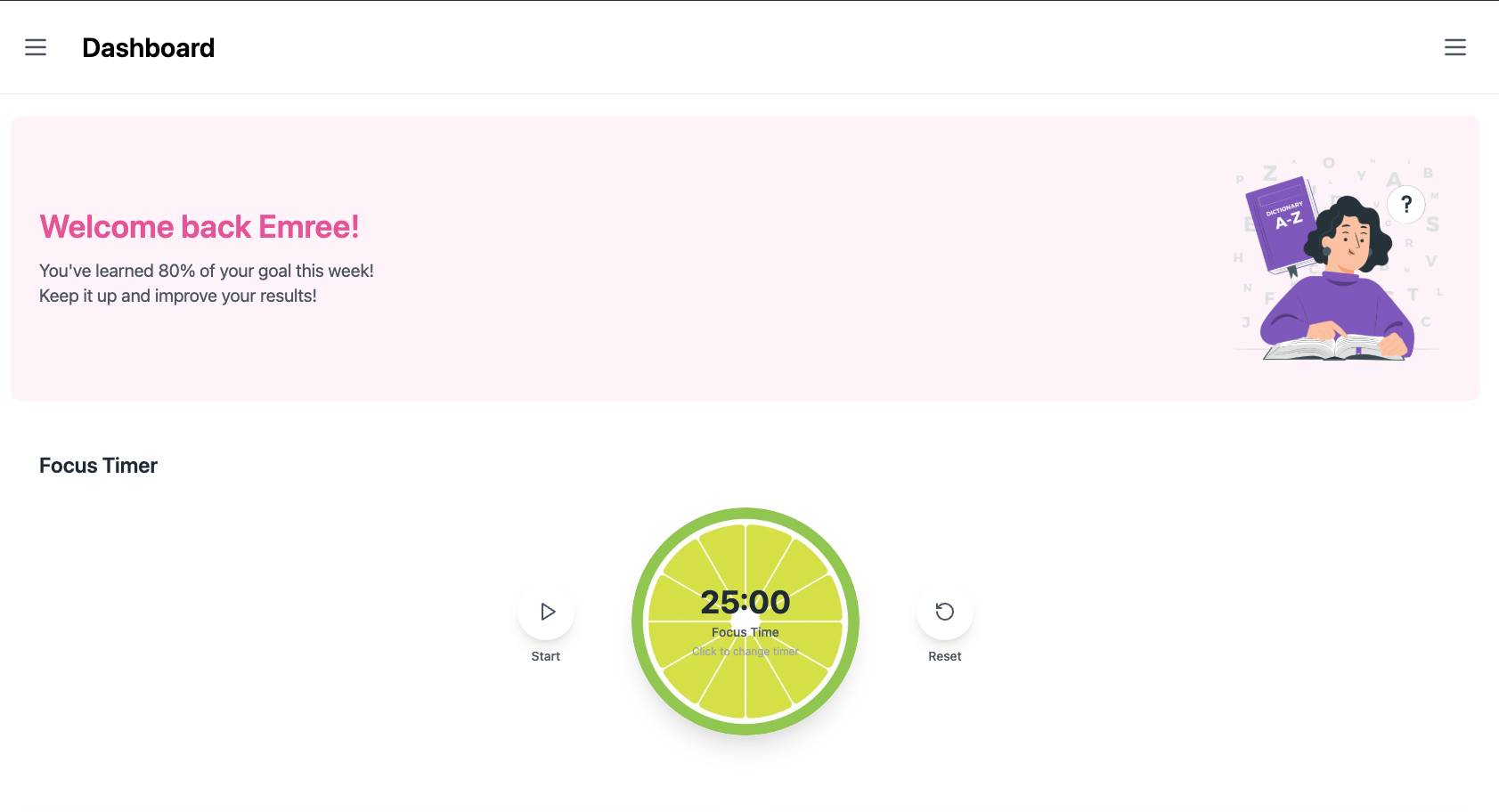
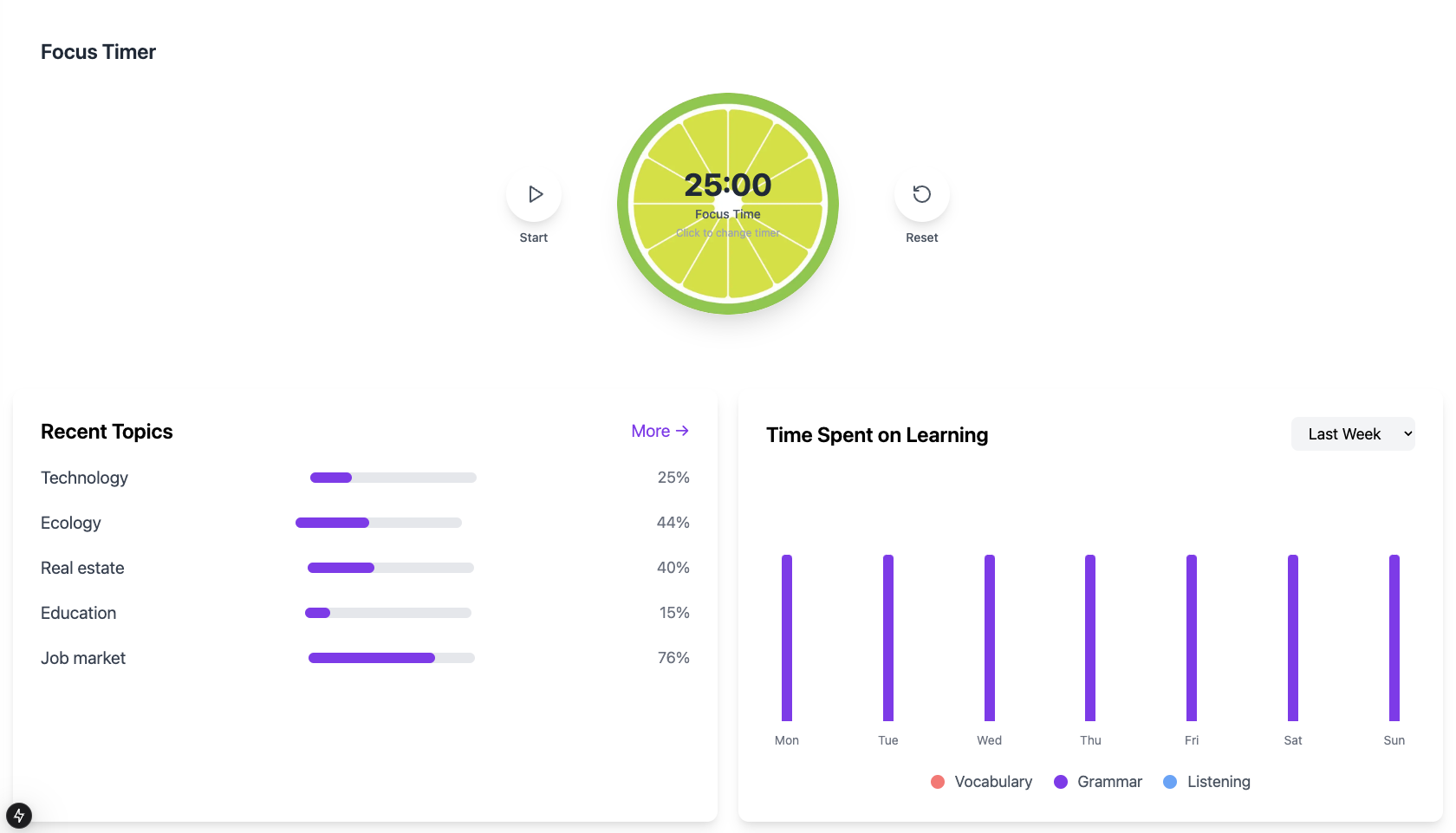
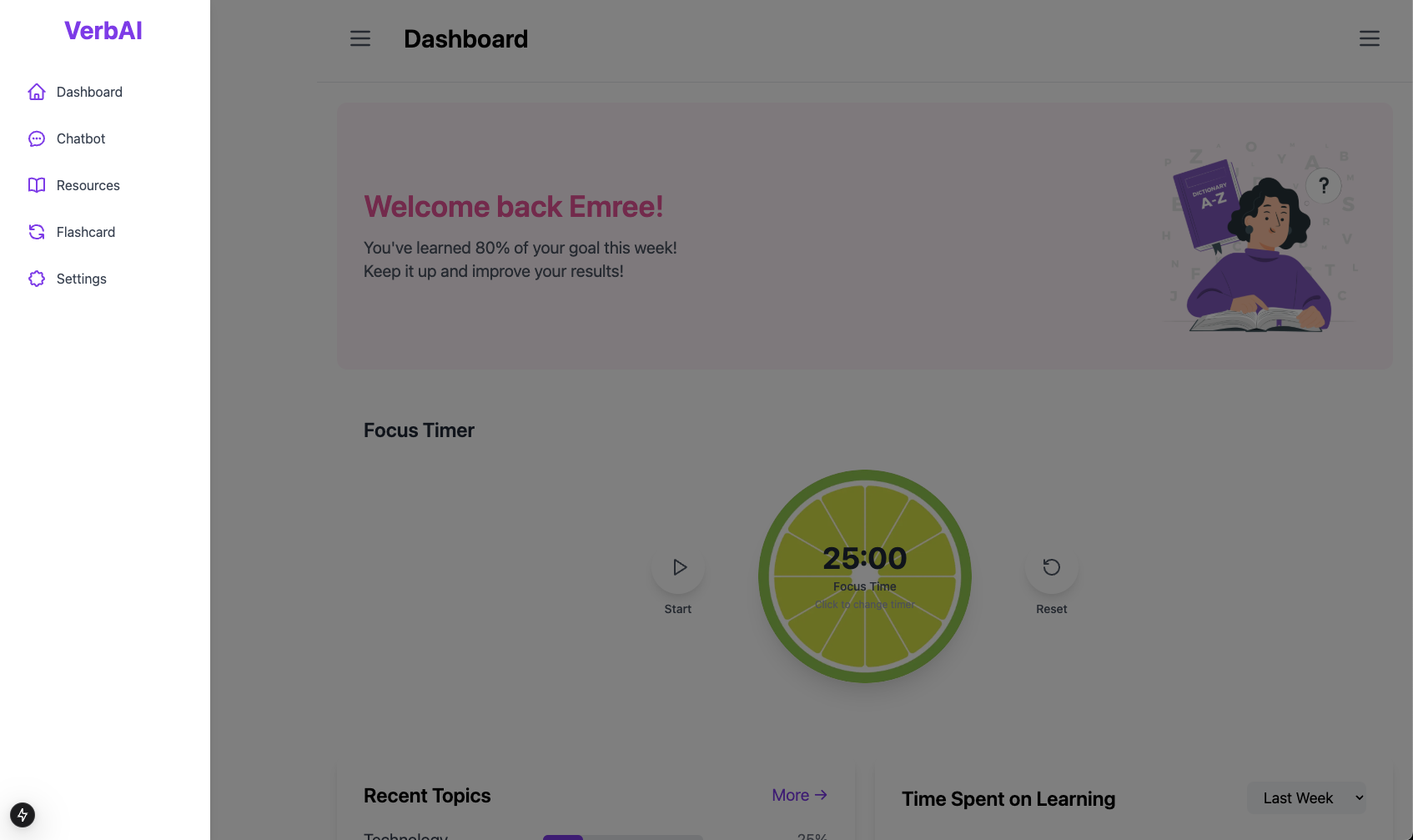
Successfully built a fully functional MVP that integrates cognitive profiling, adaptive learning, and real-time feedback. Created a user-friendly dashboard with features like Pomodoro tracking and time-spent analytics to help users monitor their progress. Developed an agentic AI workflow that provides personalized, actionable insights for learners. Designed a scalable architecture that can accommodate future features and improvements.
What we learned
Adaptive AI is powerful but challenging: Balancing personalization with usability requires careful design and testing. User feedback is critical: Early testing with diverse users helped us refine the platform’s features and interface. Simplicity is key: Breaking down complex tasks into manageable steps makes learning more accessible for users with non-verbal deficits. Collaboration is essential: Working as a team allowed us to tackle technical challenges and innovate faster.
What's next for Verb.AI
Enhanced Visual and Animated Assistance: Introduce animations and visual aids to help users better understand spatial and abstract concepts. Interactive Games: Develop gamified learning experiences that adapt to the user’s cognitive profile. Story-Based Learning: Use narratives to link concepts together and deepen understanding. Fine-Tuned AI Models: Deploy LLaMA or similar models for more personalized and context-aware conversations. Learning Through Speaking: Encourage users to explain concepts verbally, strengthening their verbal reasoning skills. Collaborative Features: Introduce group activities and parent/teacher dashboards to foster peer learning and support. Accessibility Improvements: Add voice commands, text-to-speech, and speech-to-text features to make the platform more inclusive.
Built With
- fastapi
- gemini
- next.js
- python
- react
- sqlite
- tailwind.css
- typescript


Log in or sign up for Devpost to join the conversation.