-
-
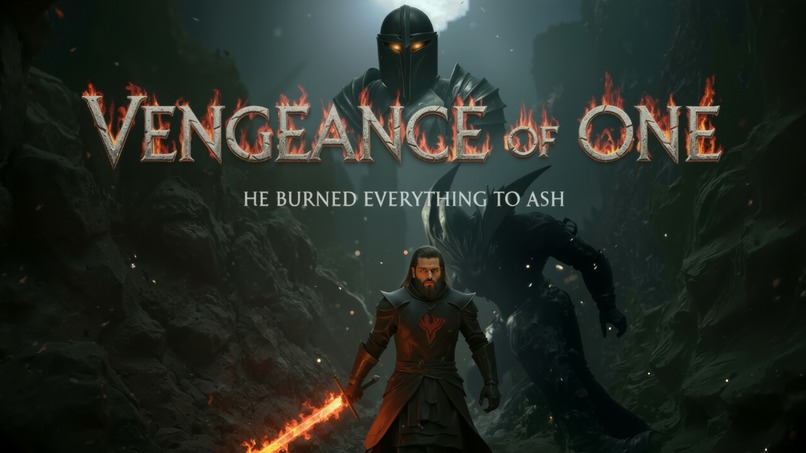
Vengeance of One
Inspiration
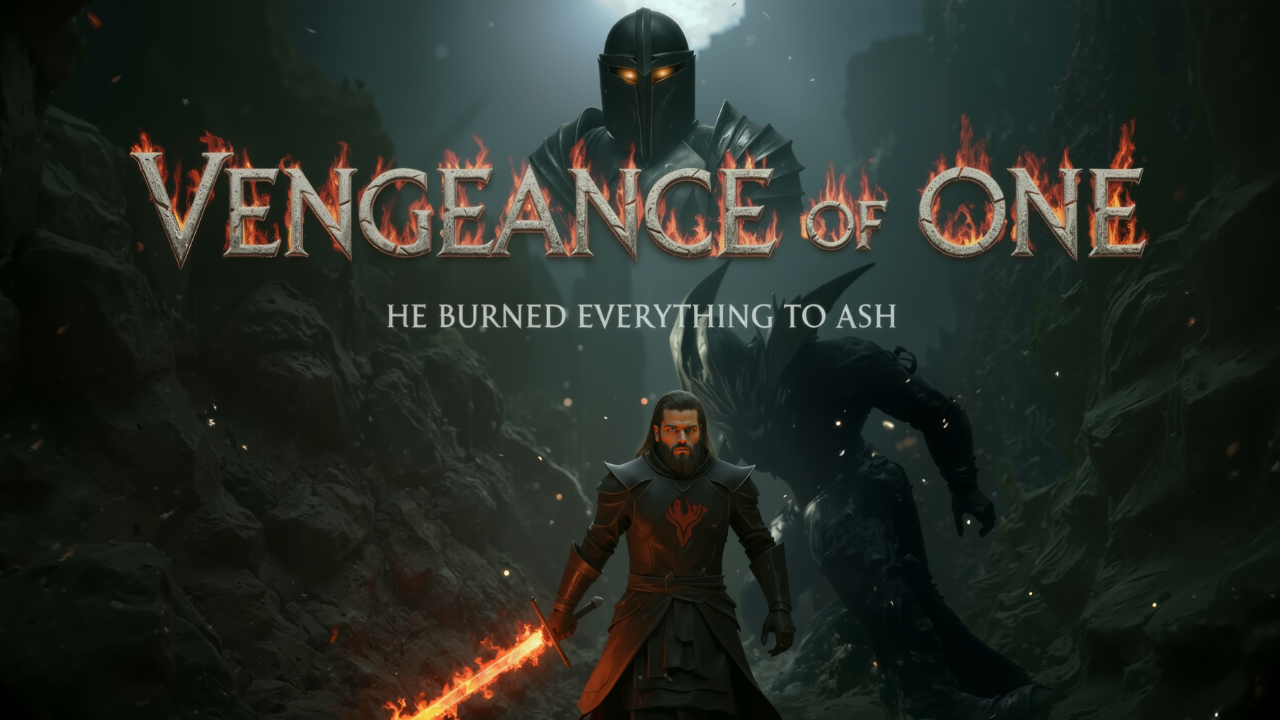
Vengeance of One started with a simple question: what happens when revenge is pointed at the wrong person, and the truth is buried inside your own mind? I wanted to explore grief, anger, and justice through a character whose reality is unstable, where memory, identity, and guilt keep contradicting each other. Instead of a traditional whodunnit, this film becomes a “who am I?” story wrapped inside a tense psychological thriller.
What the project is
The film follows a grieving man obsessed with finding the person responsible for destroying his family. As he digs deeper, his sense of self begins to fracture. Voices, missing time, and conflicting memories blur the line between detective and suspect. Visually, the short leans into high‑contrast lighting, tight close‑ups, and unstable camera moves to keep the audience locked inside his perspective as his world narrows around a single goal: vengeance.
How it was built
The project was designed using an AI‑assisted film pipeline. I used the following tools:
- Adobe Firefly Boards – Generate visual references and concept frames to establish mood, camera language, and color palettes.
- Luma Ray 3 – Generate final shots and transitions through multiple iterations, especially for complex or surreal moments inside the character's mind. All action shots in the film were created using Ray 3.
- Google Flow – Create final voice and sound elements, layering AI‑driven outputs with traditional sound design through multiple generations to build an uneasy psychological atmosphere. All dialogue in the film was generated using Flow.
- Notion – Organize story structure, script notes, and production planning using my own formulated prompting framework—a tested method I created for film projects that generates action-driven and highly emotional outputs.
- CapCut – Edit and refine the final cut, including rhythm, pacing, and visual tone.
The core storytelling choices—script, performance direction, editing rhythm, and final visual tone—were guided by a human, with AI acting as a creative amplifier rather than a replacement.
Challenges & what I learned
Balancing AI‑generated ideas with a grounded emotional story was the biggest challenge. It was easy to make “cool images”; it was harder to keep everything anchored to the character’s inner life and trauma. I learned to treat AI tools like collaborators in pre‑production and post, not as a shortcut: test a lot, throw away most, keep only what serves the emotional spine of the film. That process shaped Vengeance of One into a focused, character‑driven thriller instead of just an AI tech demo.
Accomplishments that we're proud of
I'm incredibly proud that I was able to bring my vision to life in such a short time. It's amazing that I could create something this complete and emotionally resonant using AI tools as creative partners. This experience has empowered me to keep creating and bringing my ideas to the screen so I can entertain audiences with stories that matter.
What we learned
I learned that AI will not do everything—you still need a human to create and steer the vision. Yes, AI can get you there in a short time, but quality is still in the hands of the human. It's the execution that matters, not the AI tool you use to create it with.
What's next for Vengeance of One
Not sure yet.
Built With
- adobe
- and-color-palettes.-**luma-ray-3**-?-generate-final-shots-and-transitions-through-multiple-iterations
- camera-language
- capcut
- especially-for-complex-or-surreal-moments-inside-the-character's-mind.-all-action-shots-in-the-film-were-created-using-ray-3.-**google-flow**-?-create-final-voice-and-sound-elements
- firefly
- flow
- layering-ai?driven-outputs-with-traditional-sound-design-through-multiple-generations-to-build-an-uneasy-psychological-atmosphere.-all-dialogue-in-the-film-was-generated-using-flow.-**notion**-?-organize-story-structure
- luma
- notion
- script-notes

Log in or sign up for Devpost to join the conversation.