
Inspiration
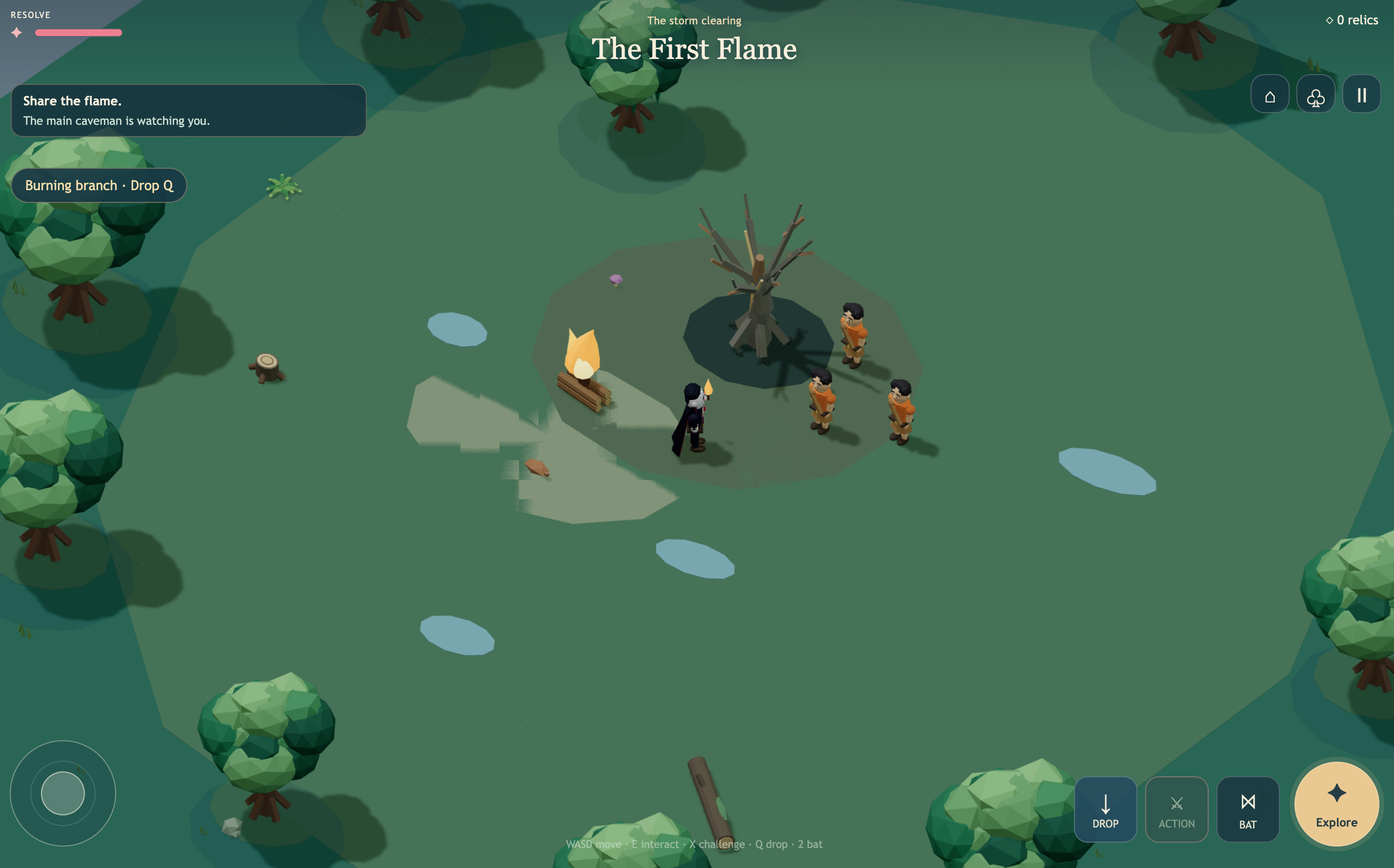
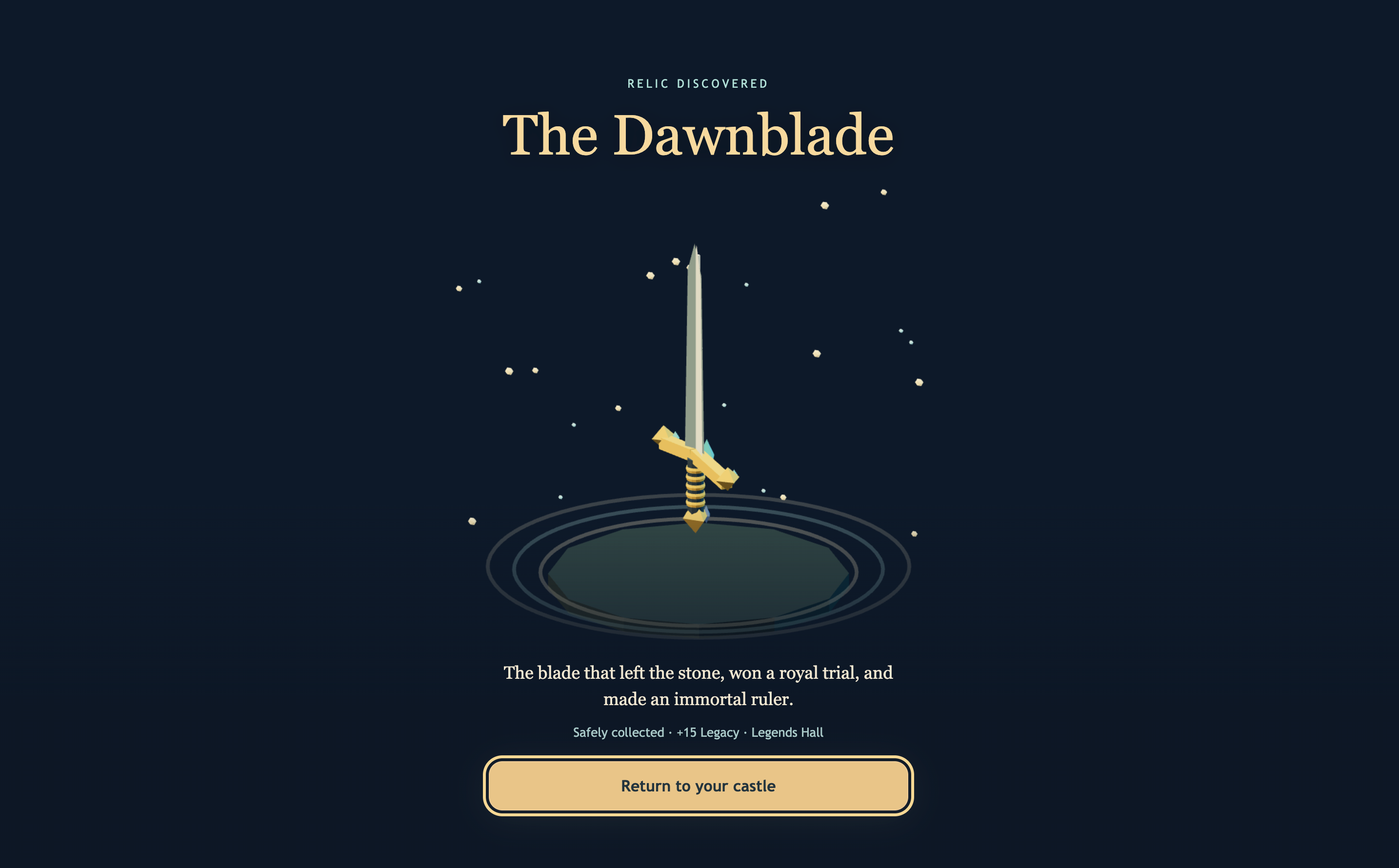
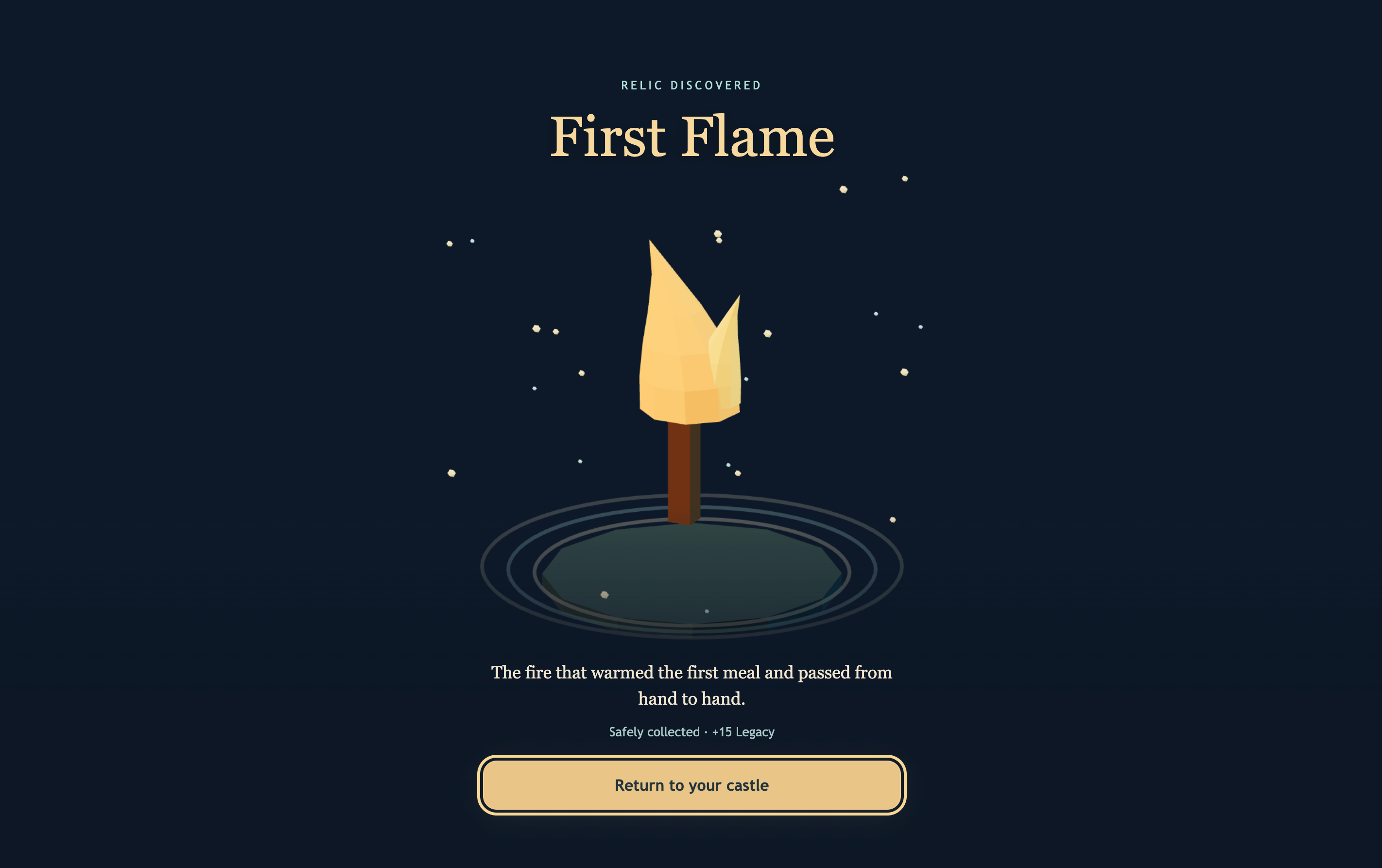
Vempire began with a question: what if history were somewhere you could explore? The first flame, the invention of the wheel, ancient civilizations, and discoveries that changed the world all seemed like the beginnings of playable adventures. An immortal vampire became the connection between those moments. His castle gave the journey a purpose: return from each adventure with something worth remembering. The goal was to make curiosity itself the reason to keep playing.
What it does
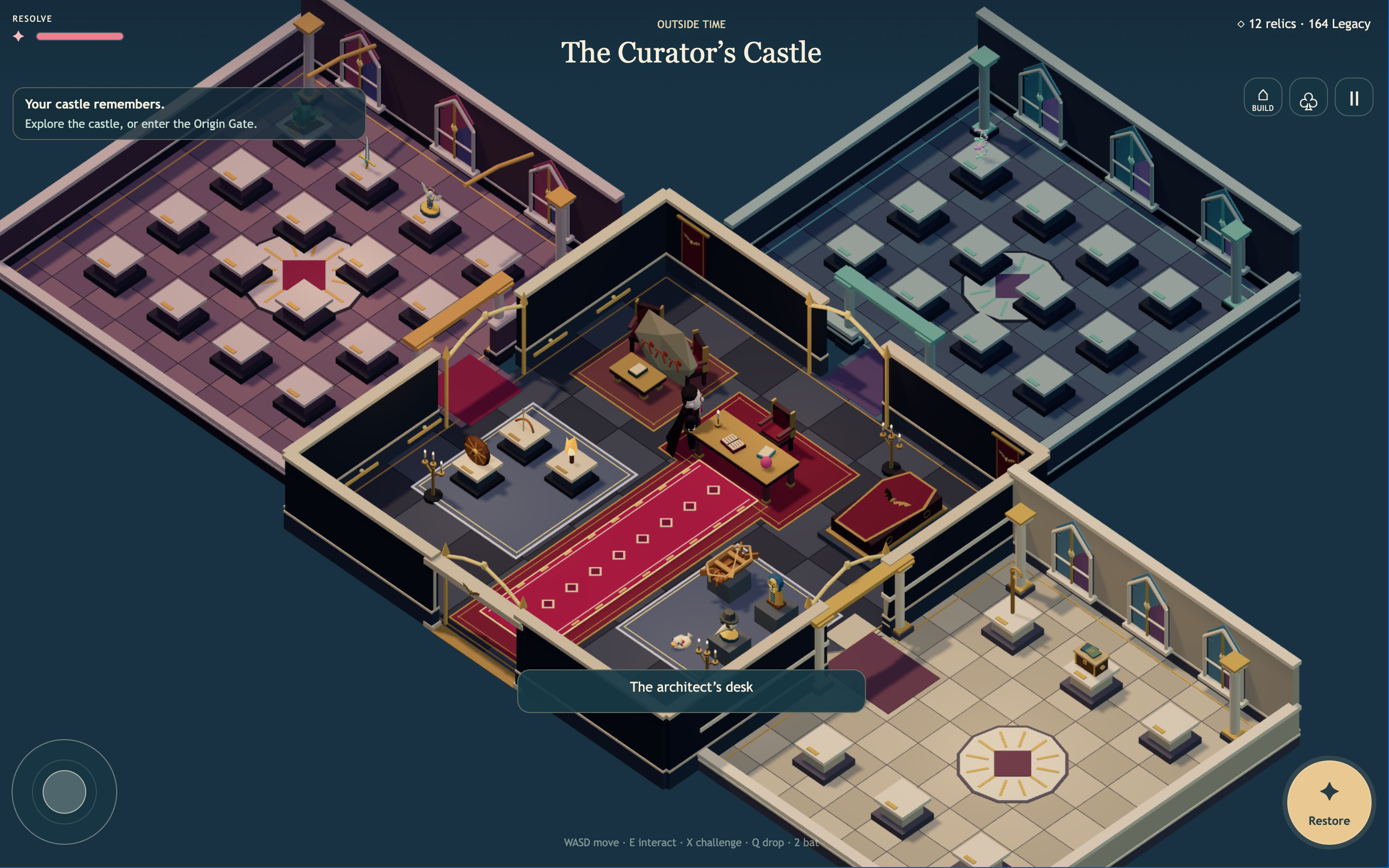
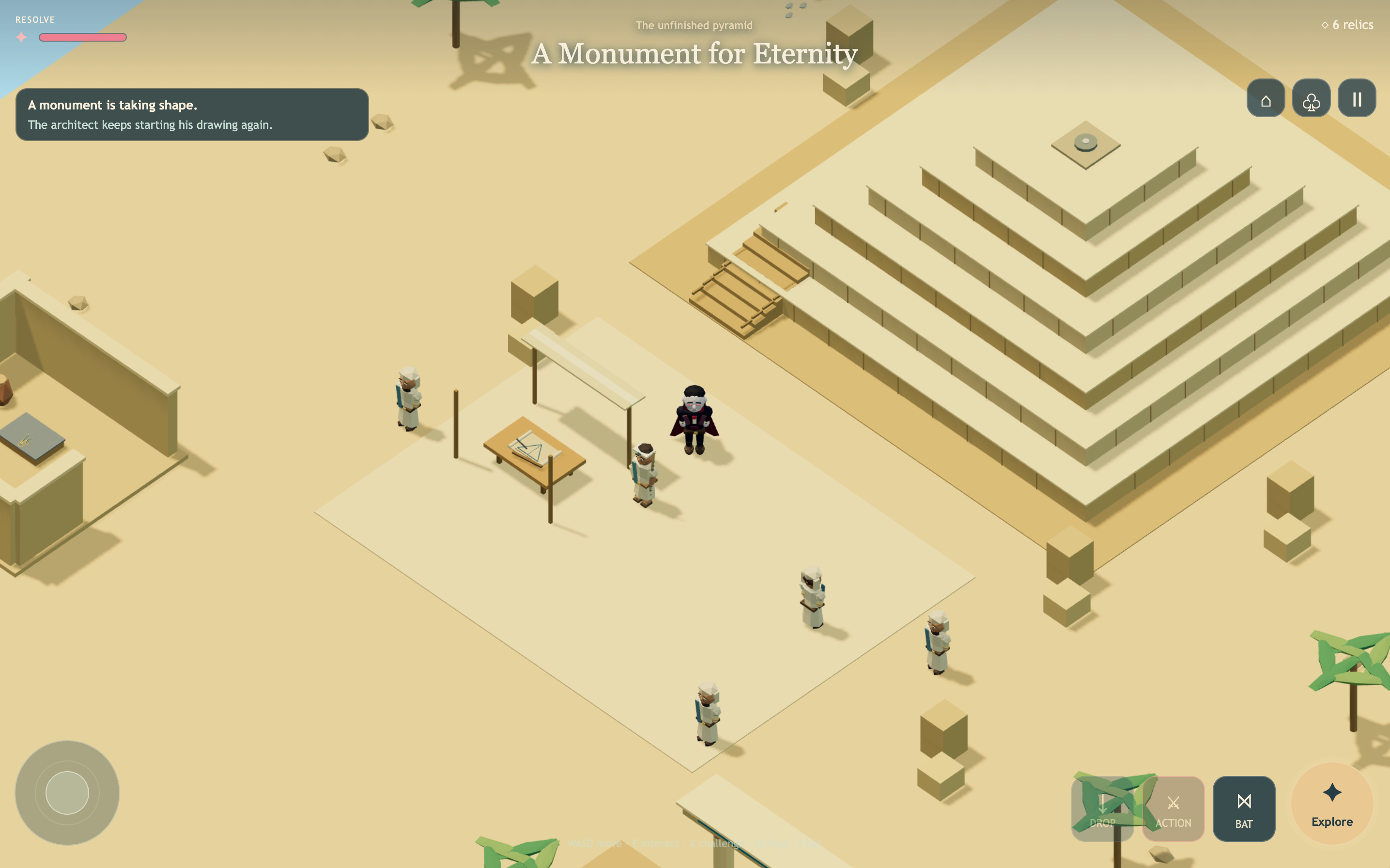
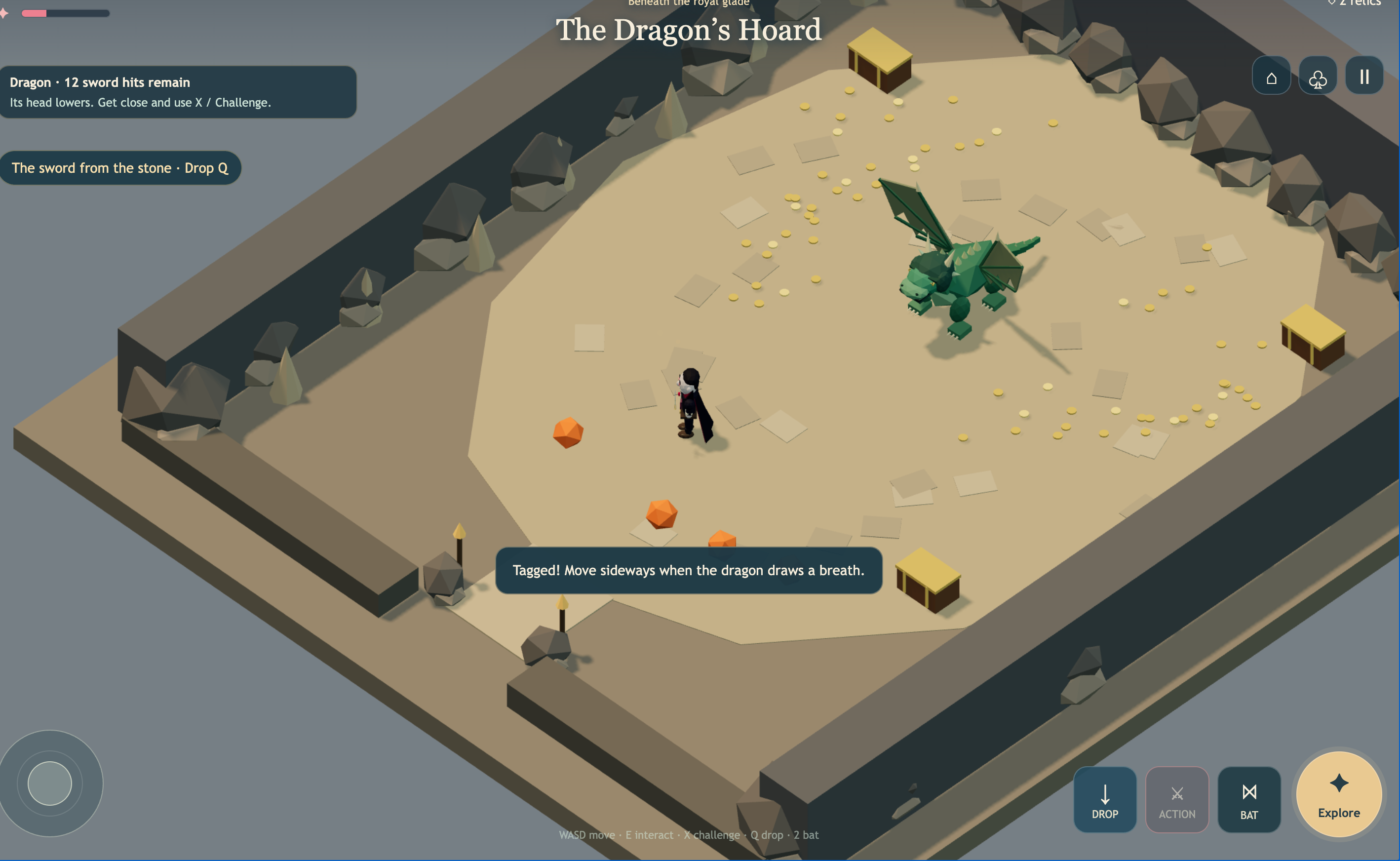
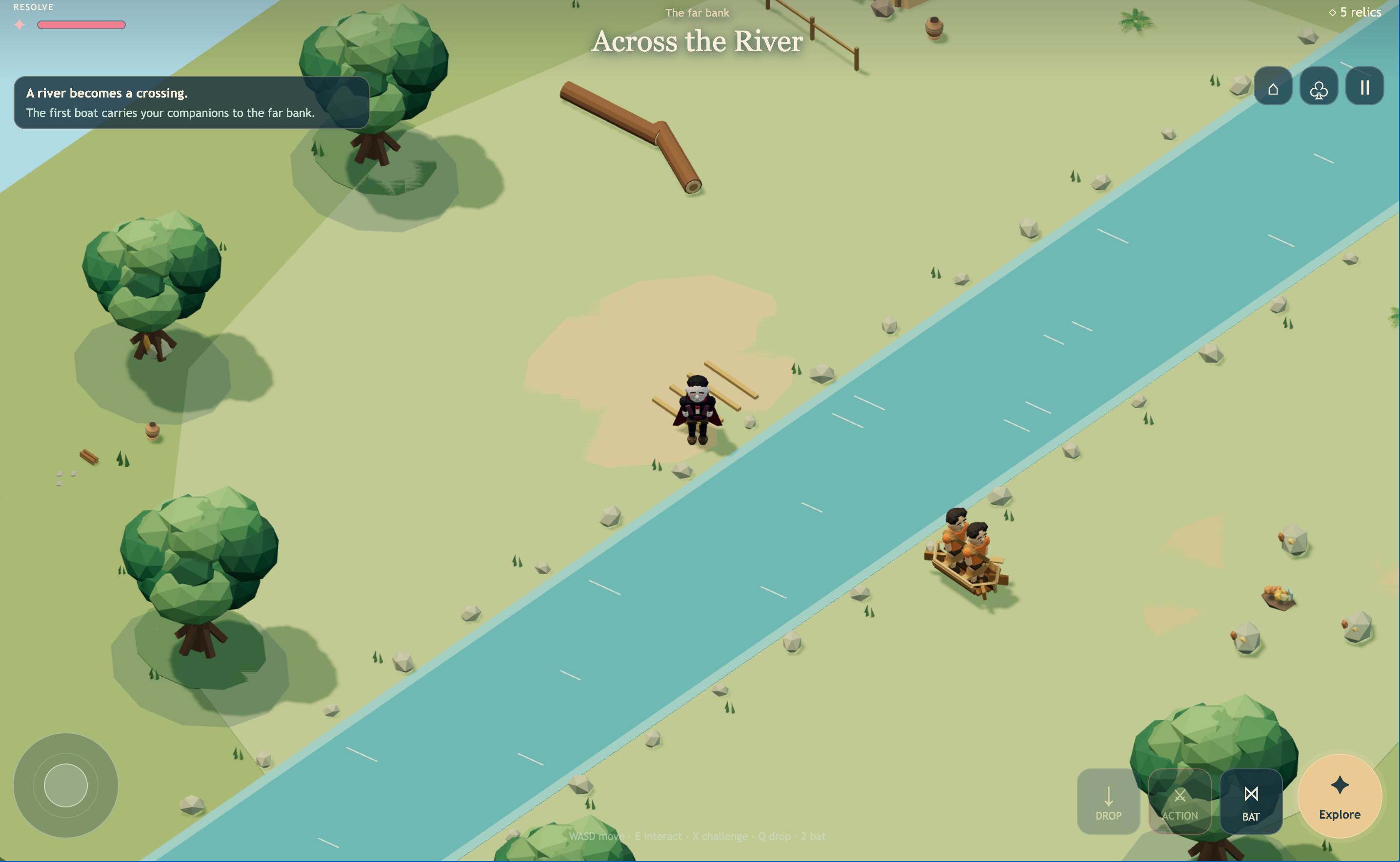
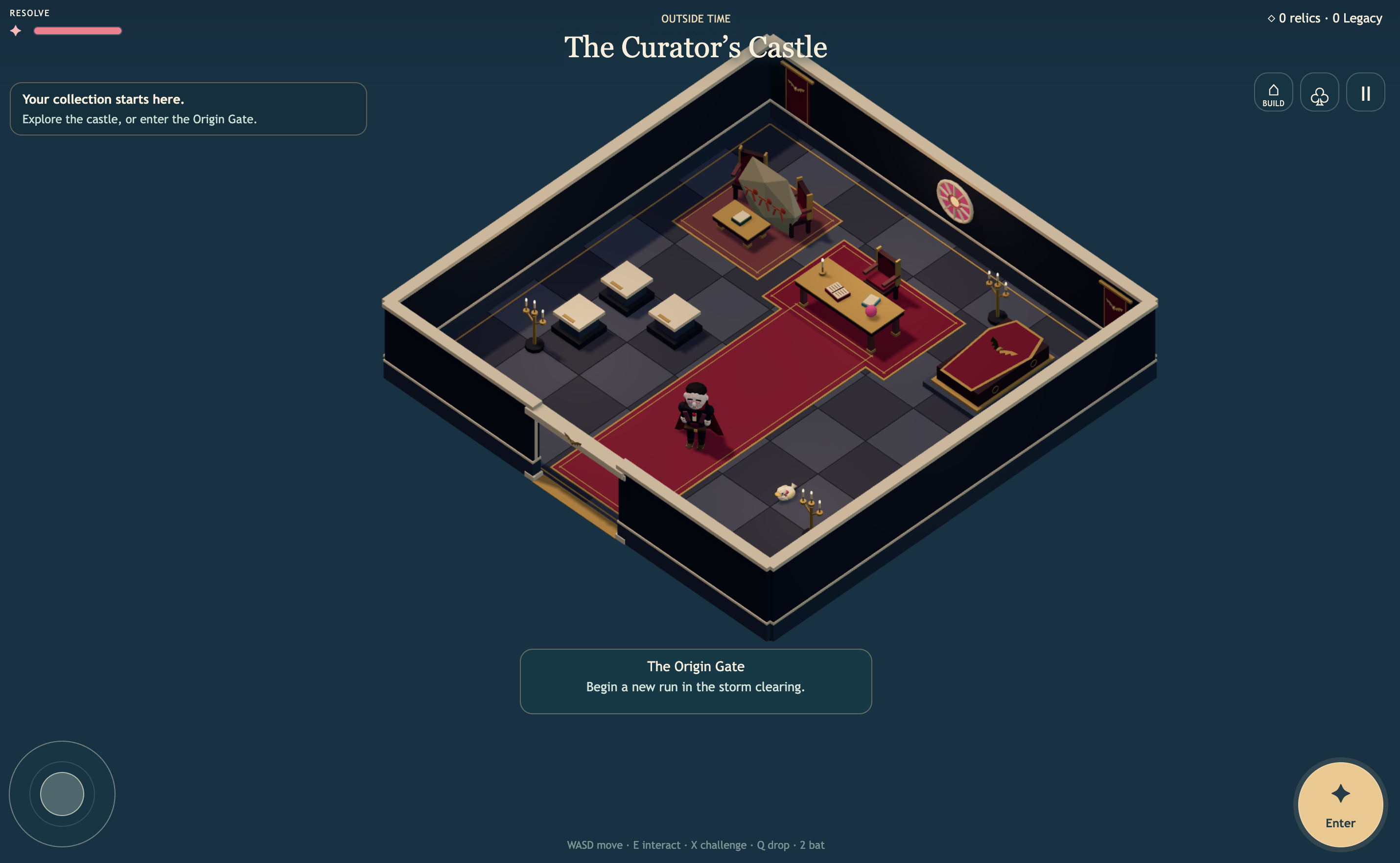
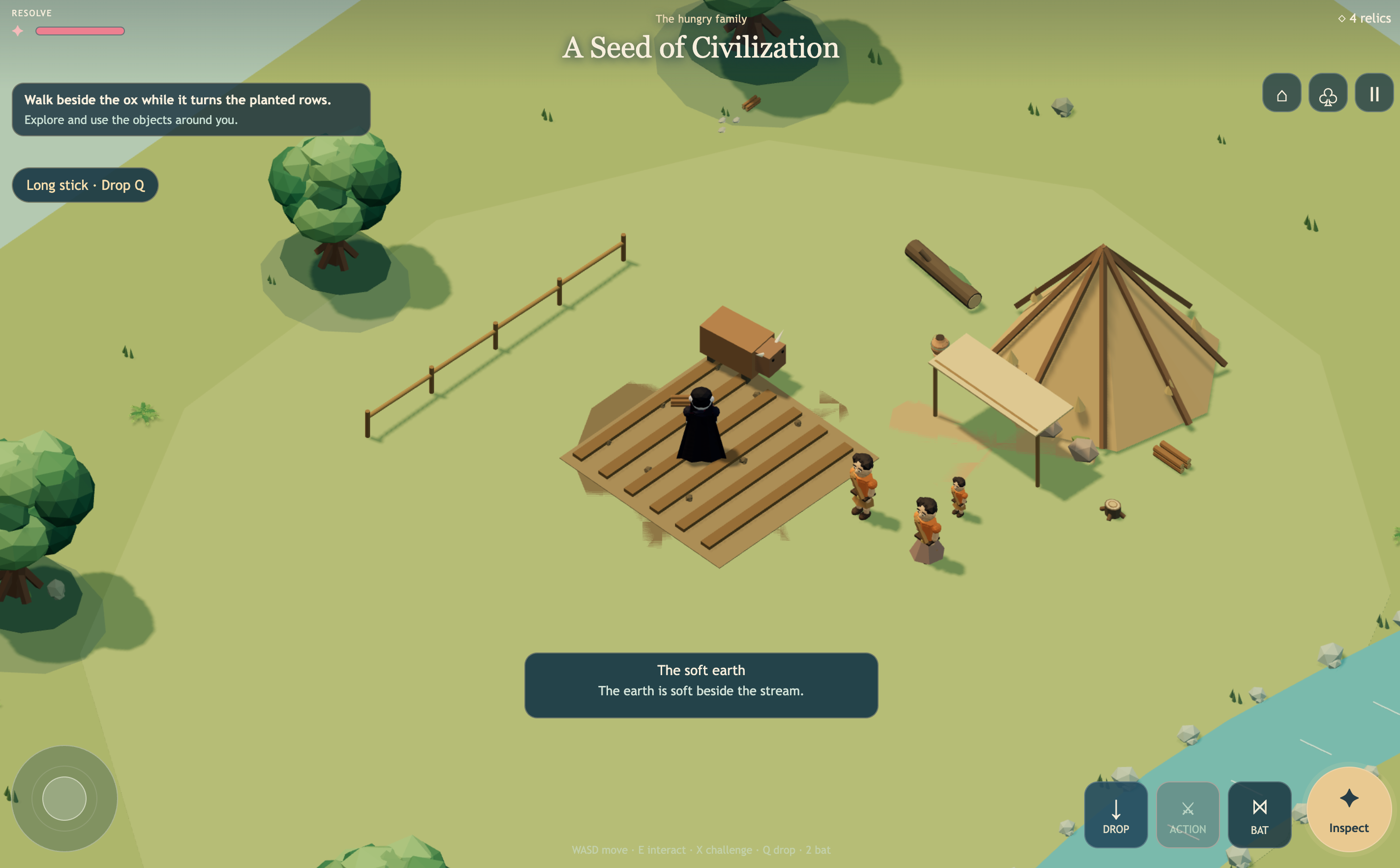
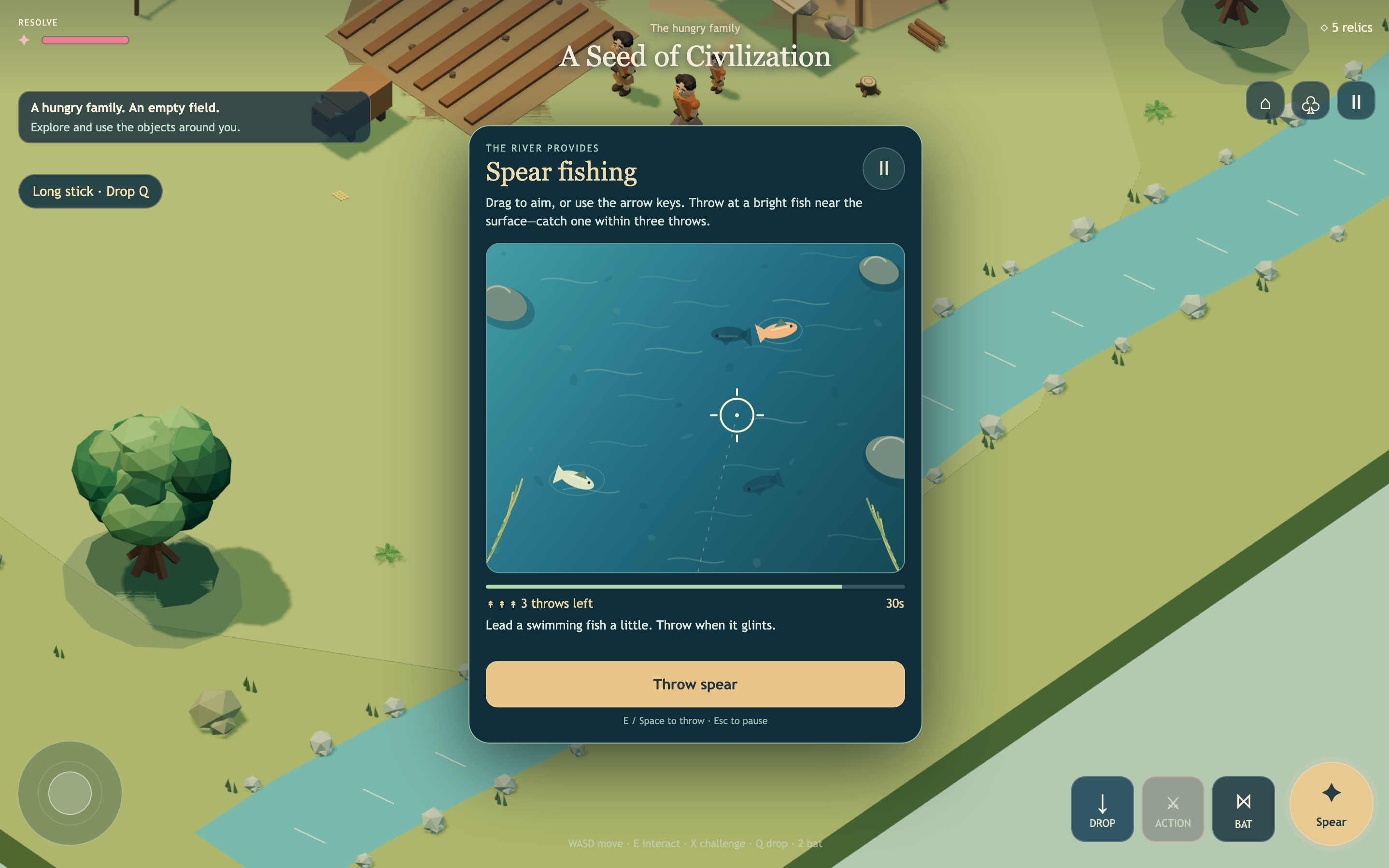
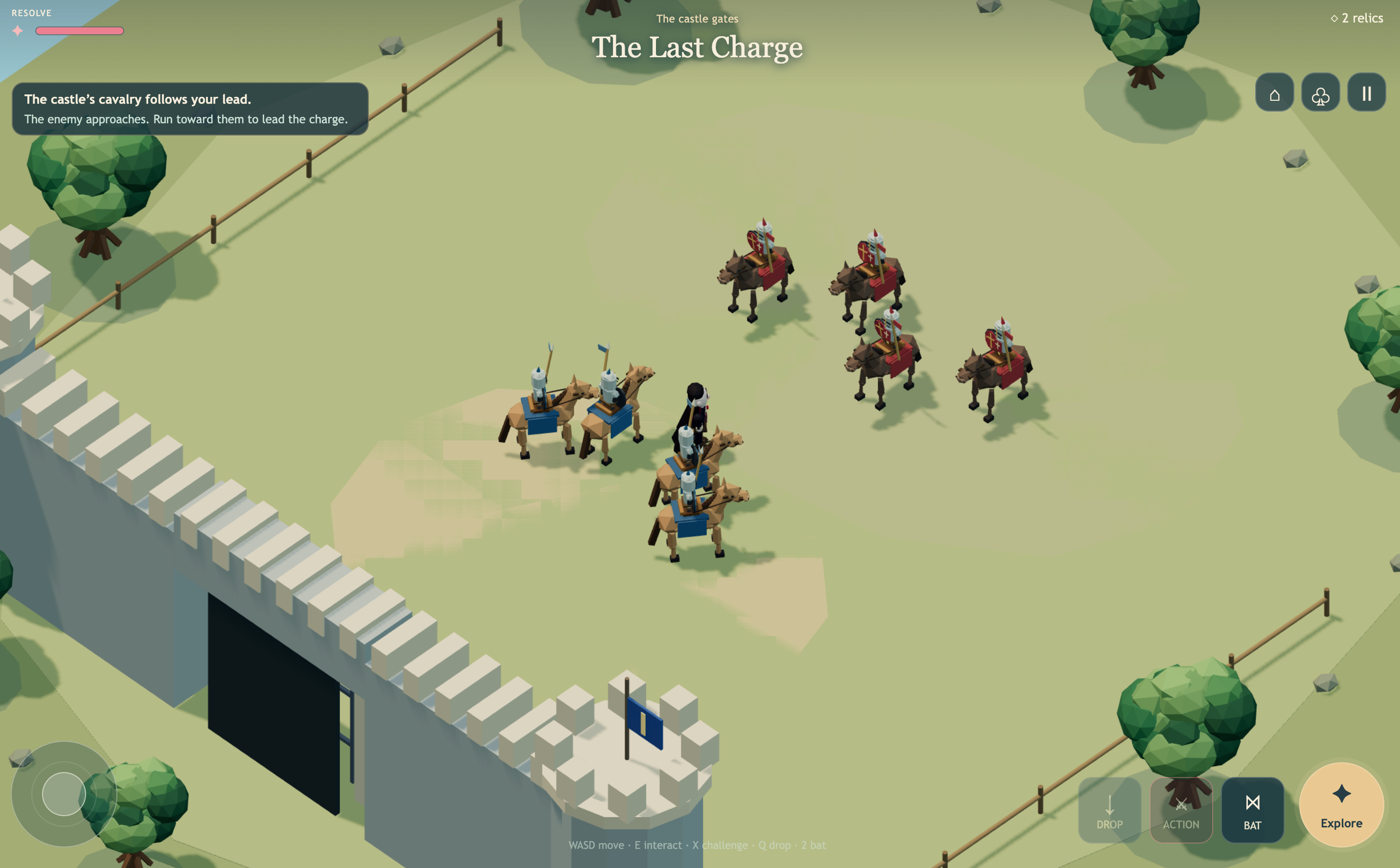
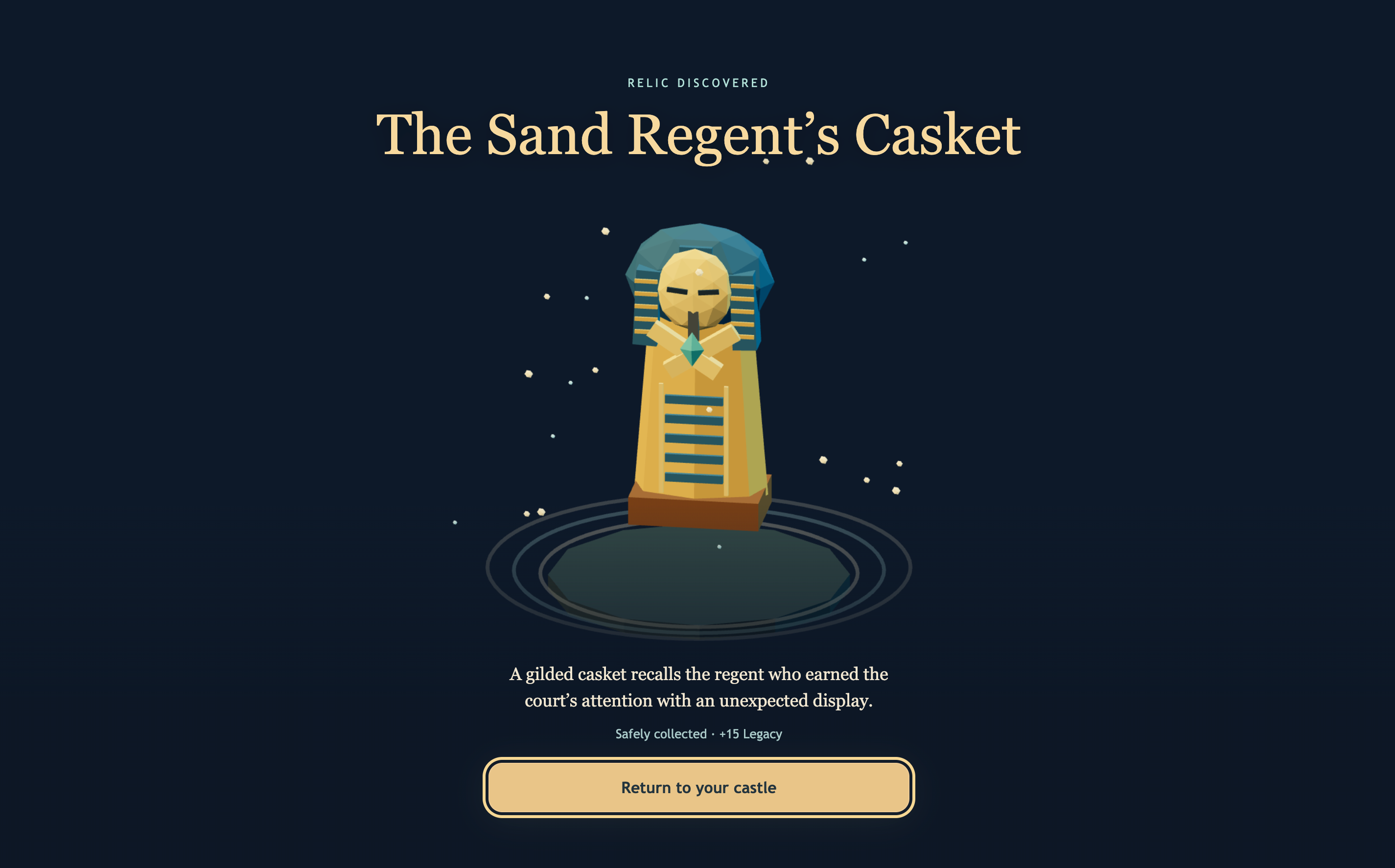
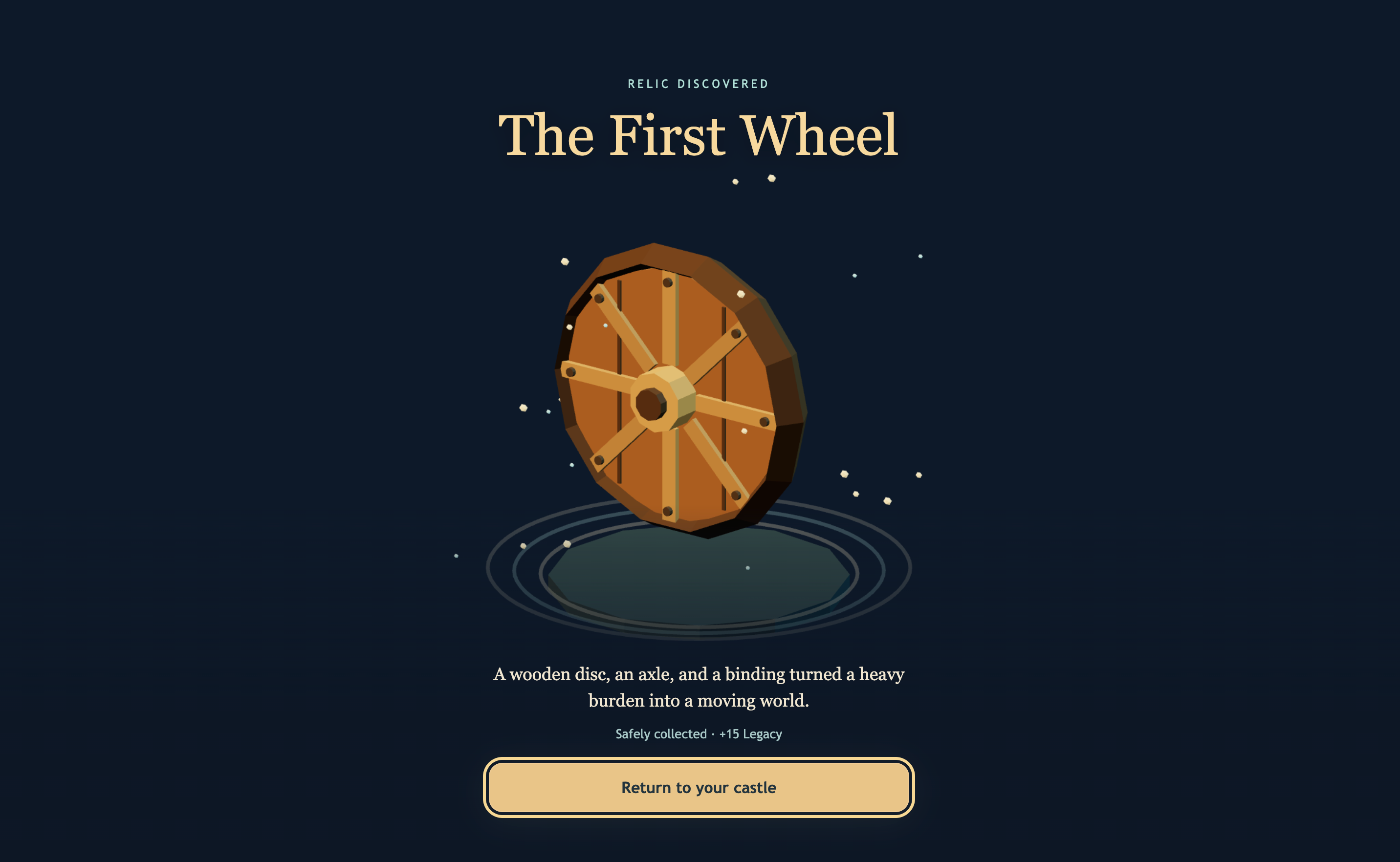
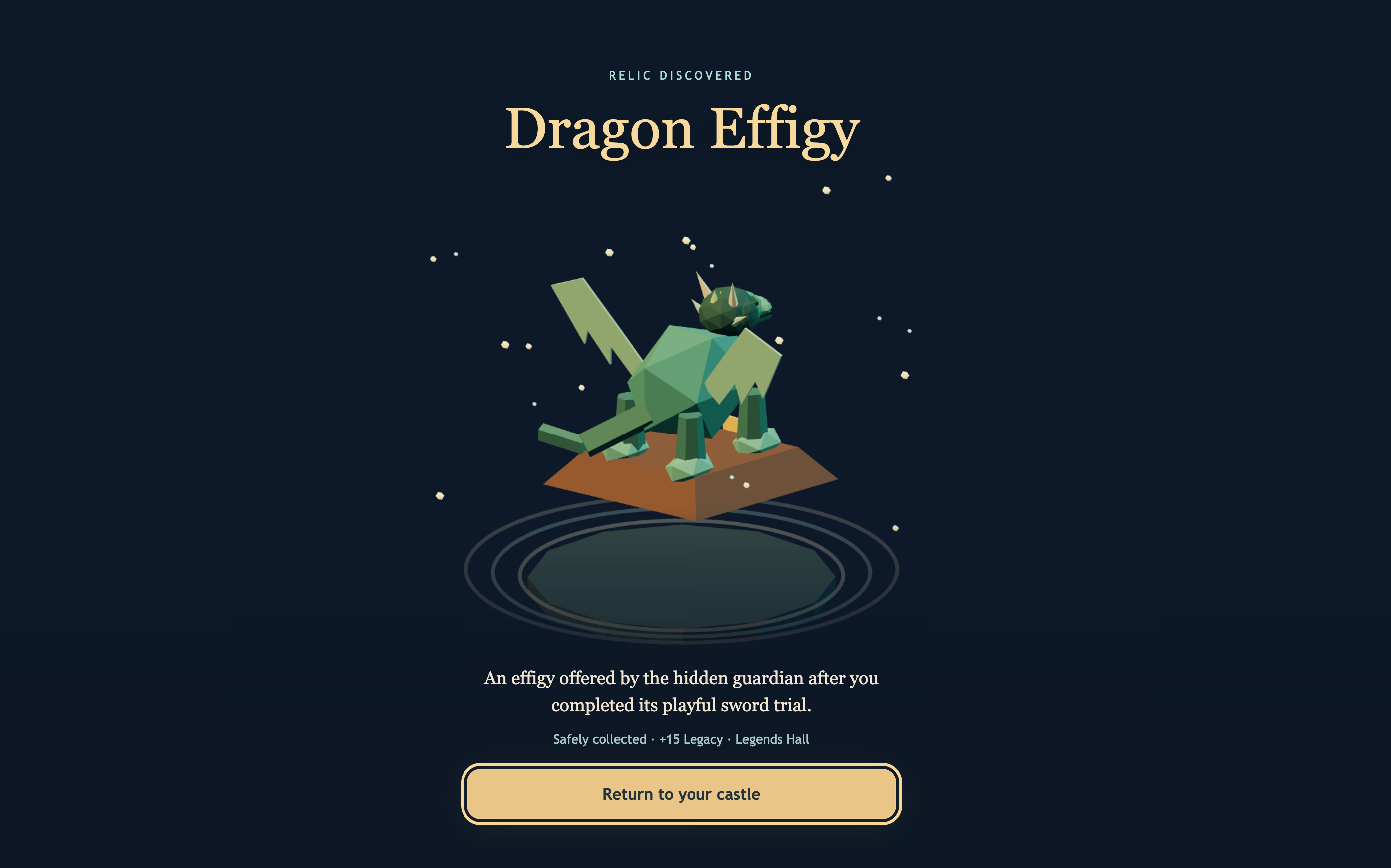
Vempire is a solo adventure where players explore fictional scenes inspired by history and legend, experiment with objects, and recover relics for their castle. You might gather materials to complete an invention, help a family grow food, solve a mechanical puzzle, or transform into a bat to investigate somewhere difficult to reach. Deadlines and local hazards give those discoveries urgency. Different actions reveal different branches of the story. The central twist is first discovery versus repeat discovery. Finding a new relic ends the run and brings it home. Finding it again lets you continue farther along that branch. Your knowledge of earlier scenes becomes part of your progression.
Relics fill the castle's galleries, while earned Legacy pays for restored halls, decorations, and eventually a gateway into previously visited events.
How I built it
The game uses Three.js, HTML, CSS, and JavaScript. I supplied the creative direction, detailed scene designs, and playtest feedback, using ChatGPT/Codex to generate and revise the implementation, procedural art, and automated checks. Most environments, characters, and props are assembled from reusable geometry. The illustrated opening uses AI-generated artwork, audio is synthesized locally, and progress is saved in browser storage. The submission bundles the game and its assets into an offline package, with readable game code inside index.html and Three.js included locally.
Challenges I ran into
The biggest challenge was making an ambitious idea straightforward to play. Early versions had too many systems and too much guidance competing with exploration. Repeated feedback led to a simpler focus: move, inspect, carry, experiment, and discover. Branching also created difficult state problems. Carried objects, unfinished puzzles, secret detours, rewards, and saved progress all had to remain consistent. Fixing unreachable interactions and unreliable transitions mattered as much as adding new scenes.
Accomplishments that I'm proud of
• 49 event and encounter scenes, 46 collectible relics, and four achievements. • Branches discovered through actions and exploration. • A castle that visibly grows around the player's earned collection. • Touch and keyboard controls in a package of approximately 3.63 MB. • 119 passing automated integration checks covering gameplay, progression, rewards, and saving.
What I learned
Clear interactions are the foundation of discovery. Players can enjoy a hidden solution when they understand how to experiment with the world. The project also showed how much iteration AI development requires. Detailed prompts can produce substantial systems quickly, but consistent design, careful testing, and direct feedback determine whether those systems form an enjoyable game. Automated checks protect progress; they cannot replace watching someone play.
What's next for Vempire
The next priority is testing on actual phones: refining movement, camera framing, interaction targets, and replay pacing. Castle prices and rewards also need longer play sessions to establish a satisfying balance. From there, the plan is to deepen the strongest branches, add more memorable historical discoveries, and rebuild the core experience with the competition's Early Access creation tools. Every expansion should give players another compelling reason to explore—and another story to bring home.


Log in or sign up for Devpost to join the conversation.