-
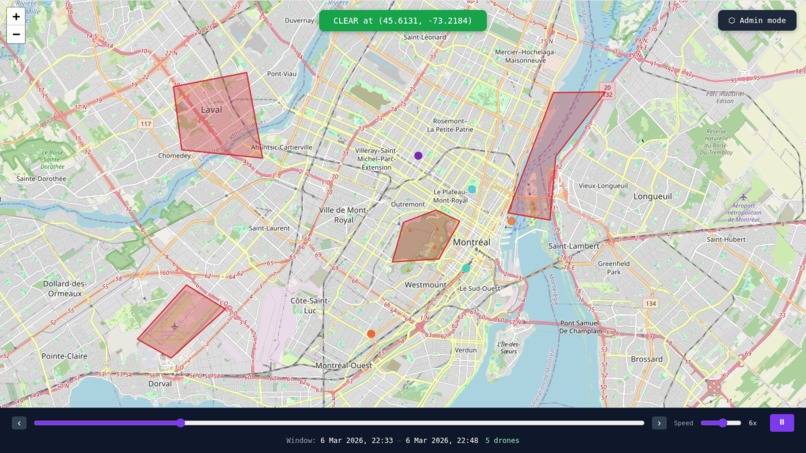
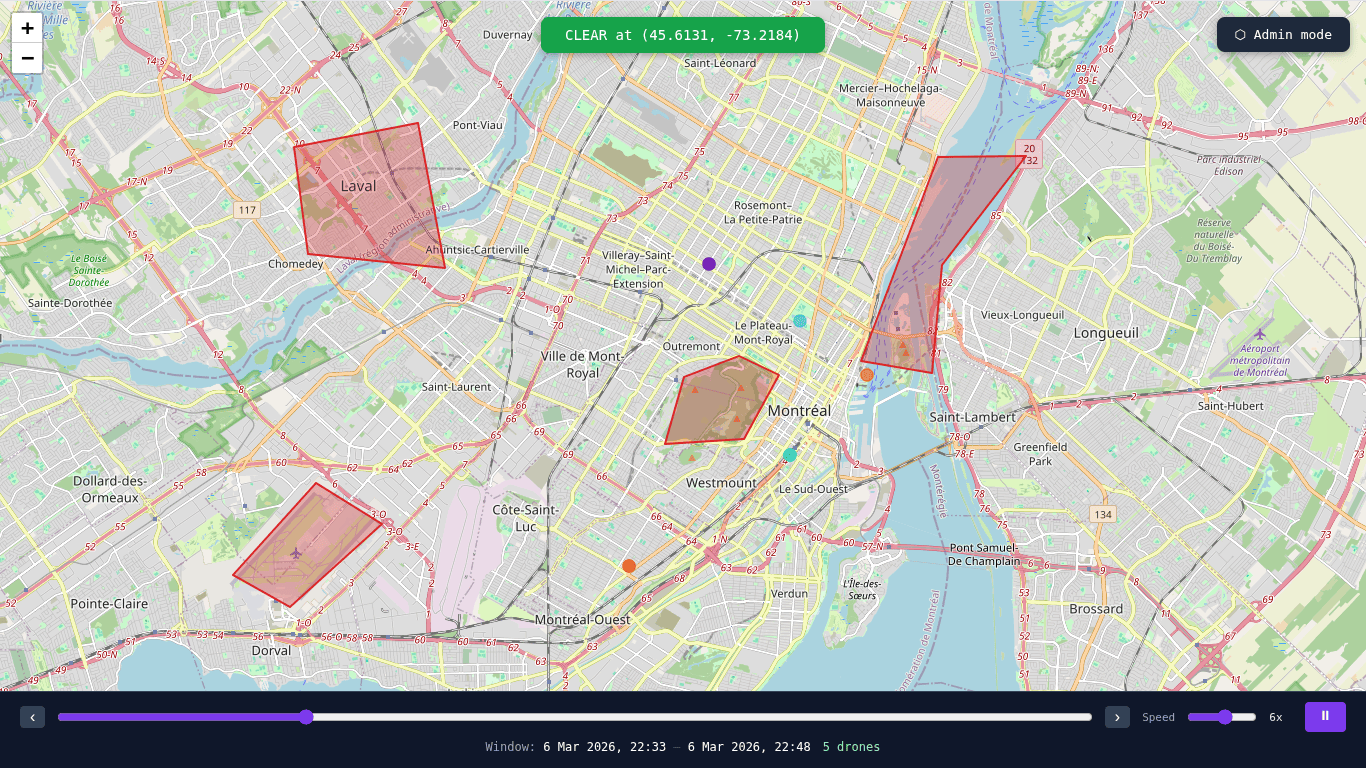
Display of Unauthorized Regions With Drone Locations
-
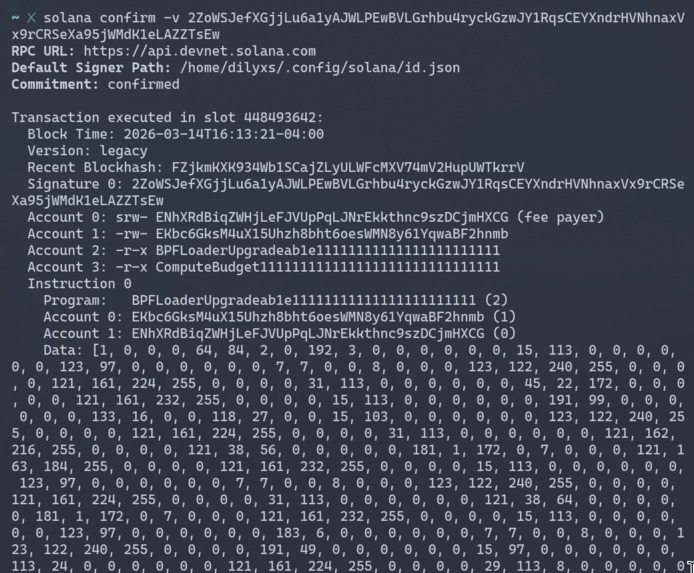
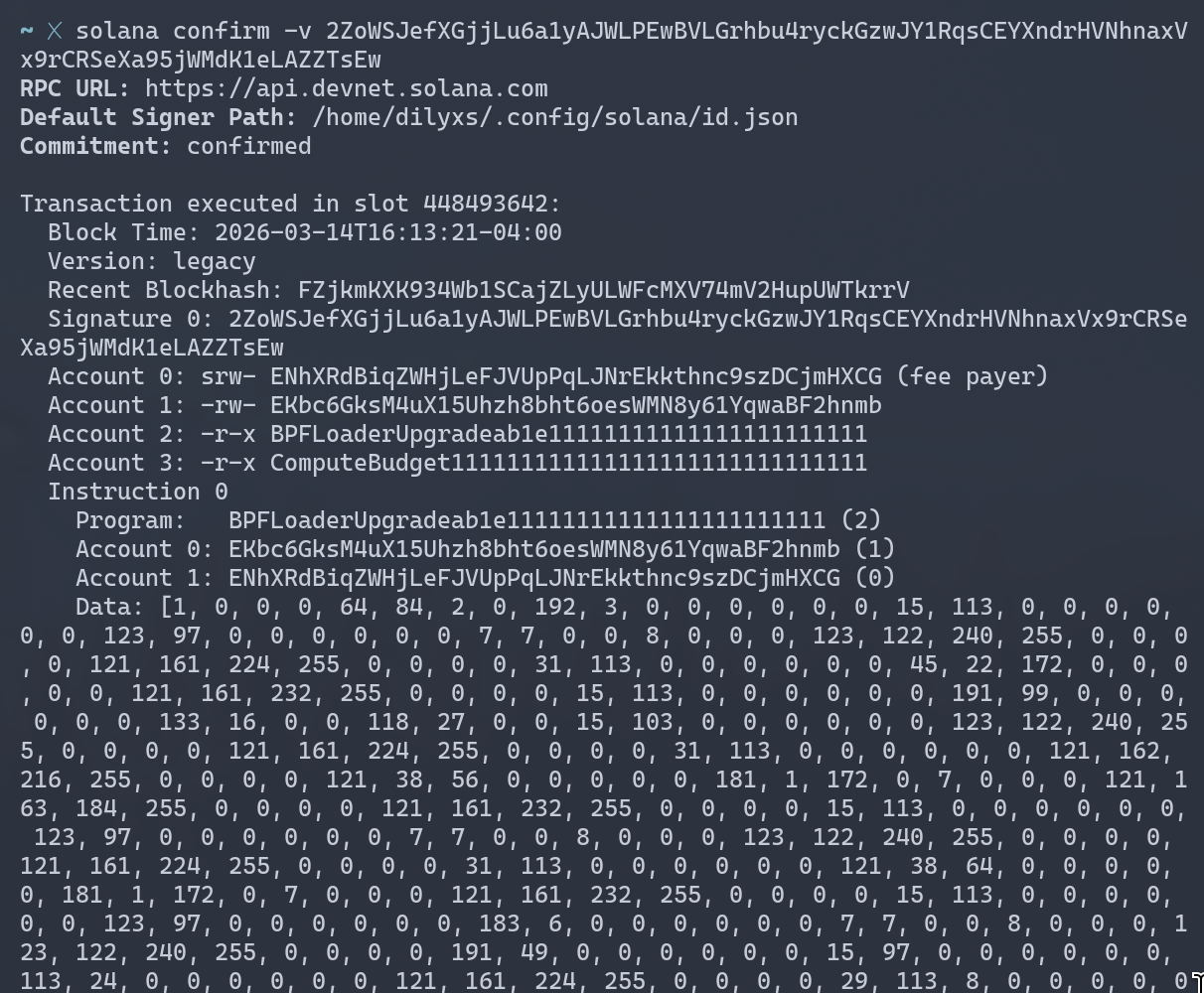
A transaction being processed in the blockchain by our program
-
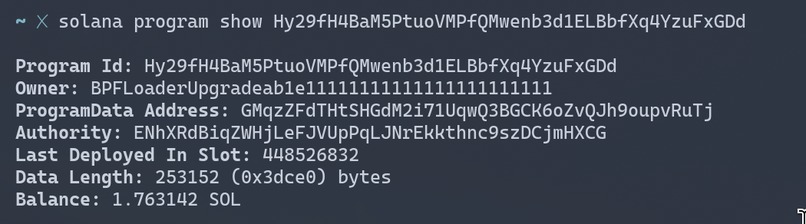
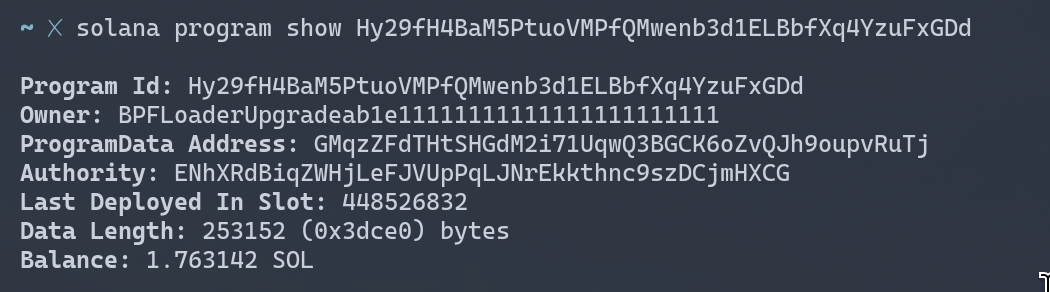
information about our program in the blockchain
-
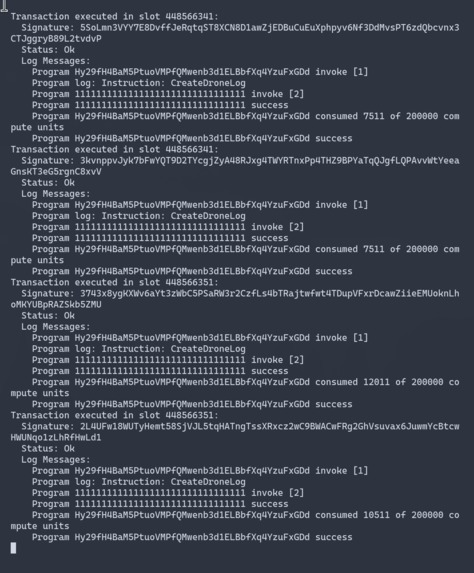
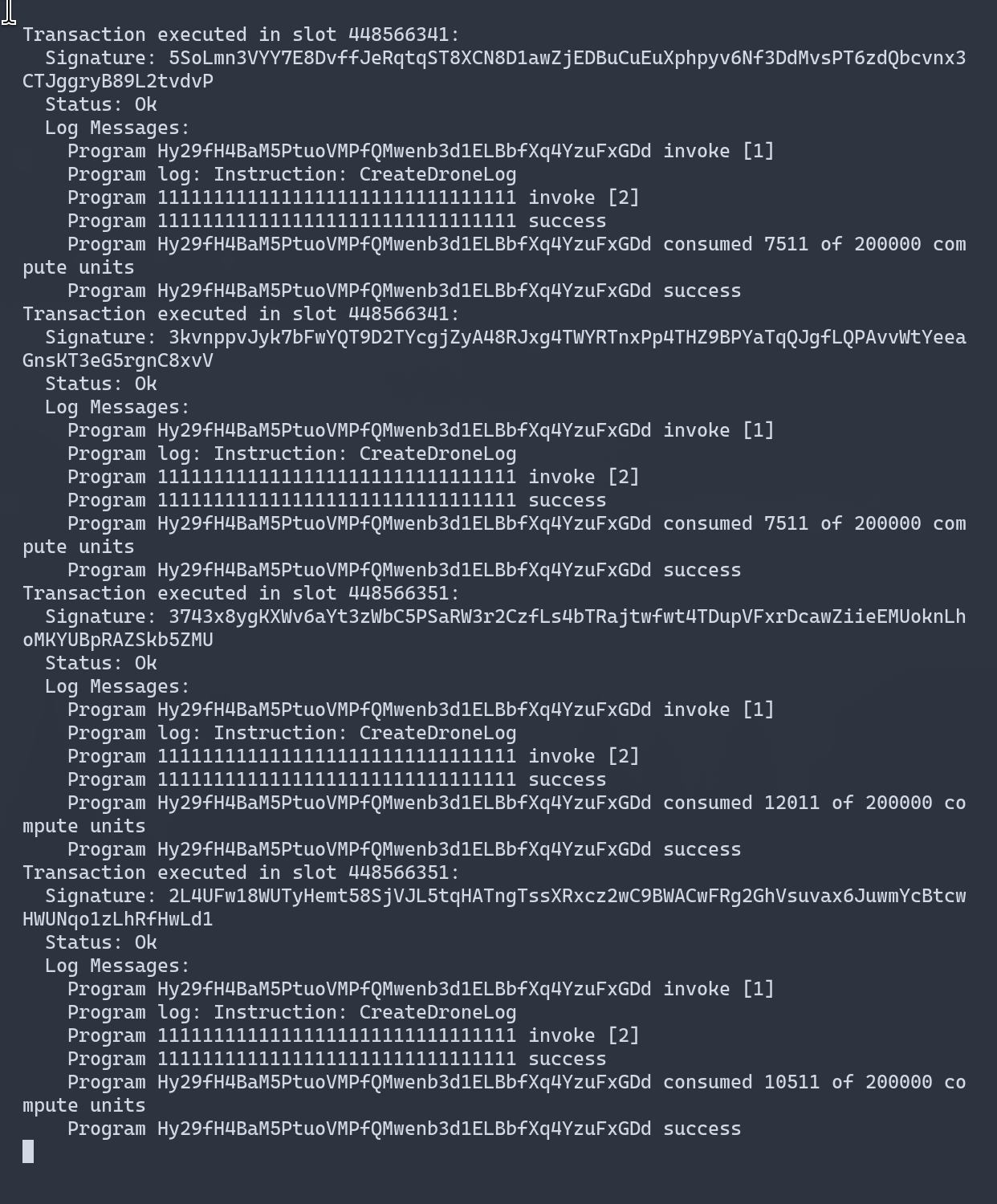
Smart Contracts being processed real-time by our program
Inspiration
We wanted to solve a real-world infrastructure problem with blockchain instead of another DeFi or NFT project
What it does
Velocity is a decentralized airspace registry on Solana. Verified government authorities create, update, and delete no-fly zones, each stored as a polygon with GPS coordinates. The data is public and permissionless to read, so any device or app can query the blockchain and know exactly where flight is restricted, with a full audit trail of who created each zone and when
How we built it
Backend is purely on-chain with Anchor/Rust. Frontend is React(typescript) with @solana/wallet-adapter. We used Leaflet to draw polygon zones on a map.
Challenges we ran into
Anchor macros like #[account], has_one, and init_if_needed don't play well with Rust LSP tooling. no autocomplete, no inline errors, just red squiggles everywhere. We were essentially coding blind and relying on anchor build to catch mistakes when we build it.
Accomplishments that we're proud of
None of us had written a Solana program before this. Going from zero to a deployed, access-controlled, on-chain registry in a weekend felt huge
What we learned
Solana's security model is fundamentally different from traditional backends. There's no middleware, no auth layer, every permission check has to be baked into account constraints. If you forget a check, anyone can call your instruction
What's next for Velocity
Real-time drone integration , a lightweight SDK that drones can query on-chain to check if their GPS coordinates fall inside any active no-fly zone polygon
Built With
- anchor
- blockchain
- leaflet.js
- react
- rust
- solana
- typescript


Log in or sign up for Devpost to join the conversation.