-
-
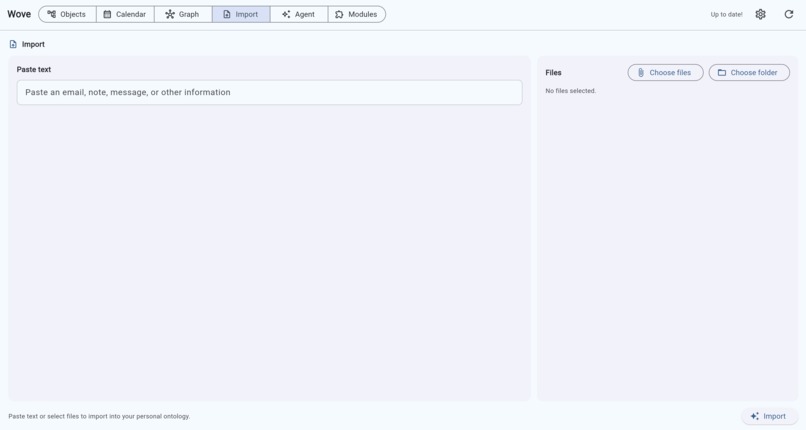
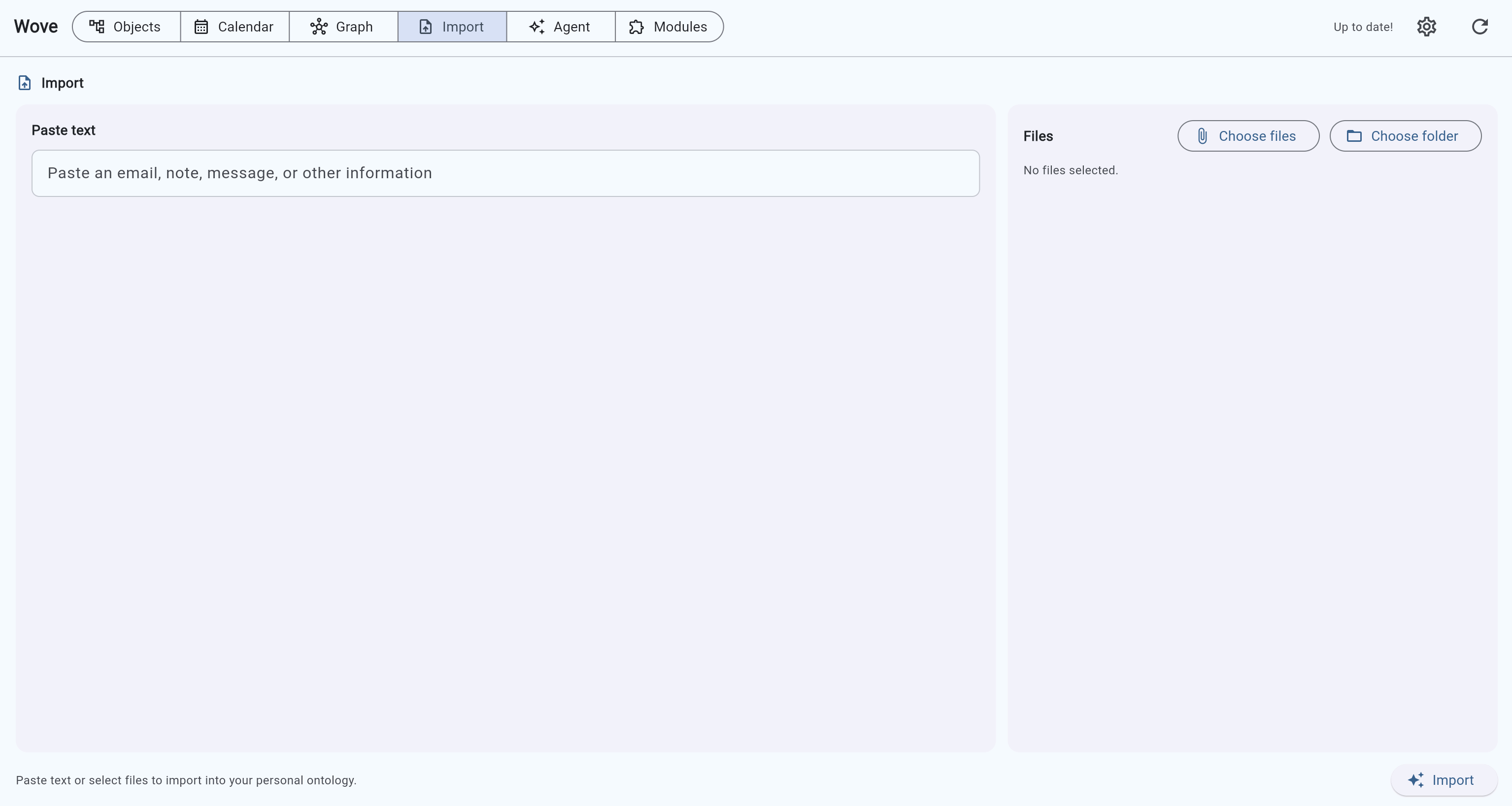
import view
-
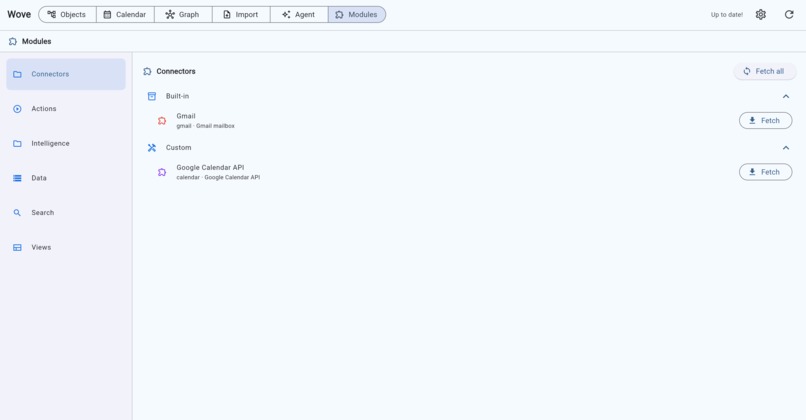
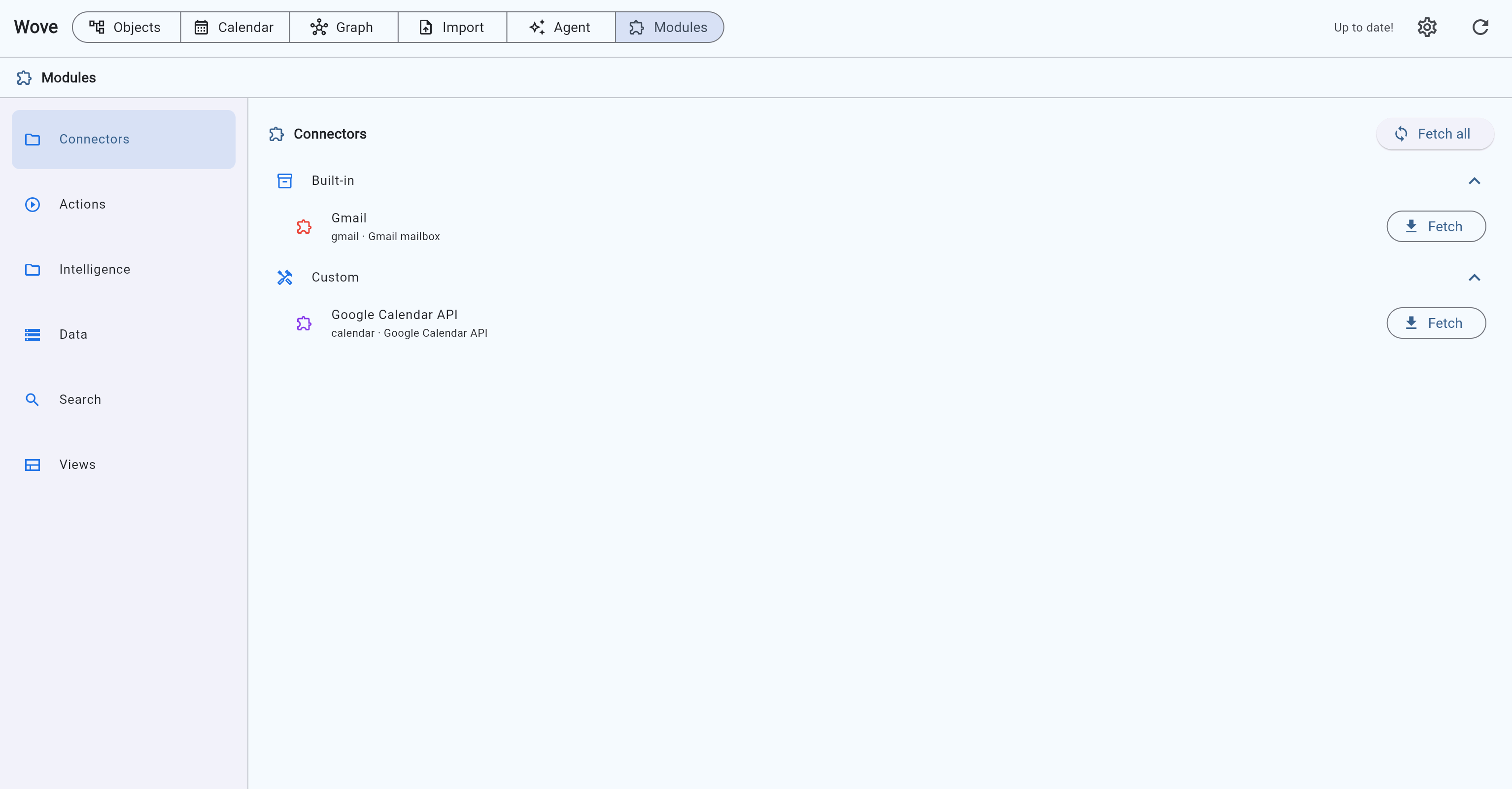
modules view
-
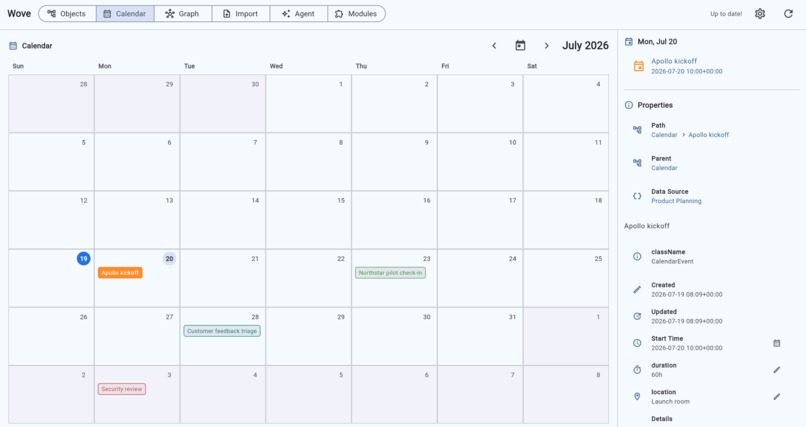
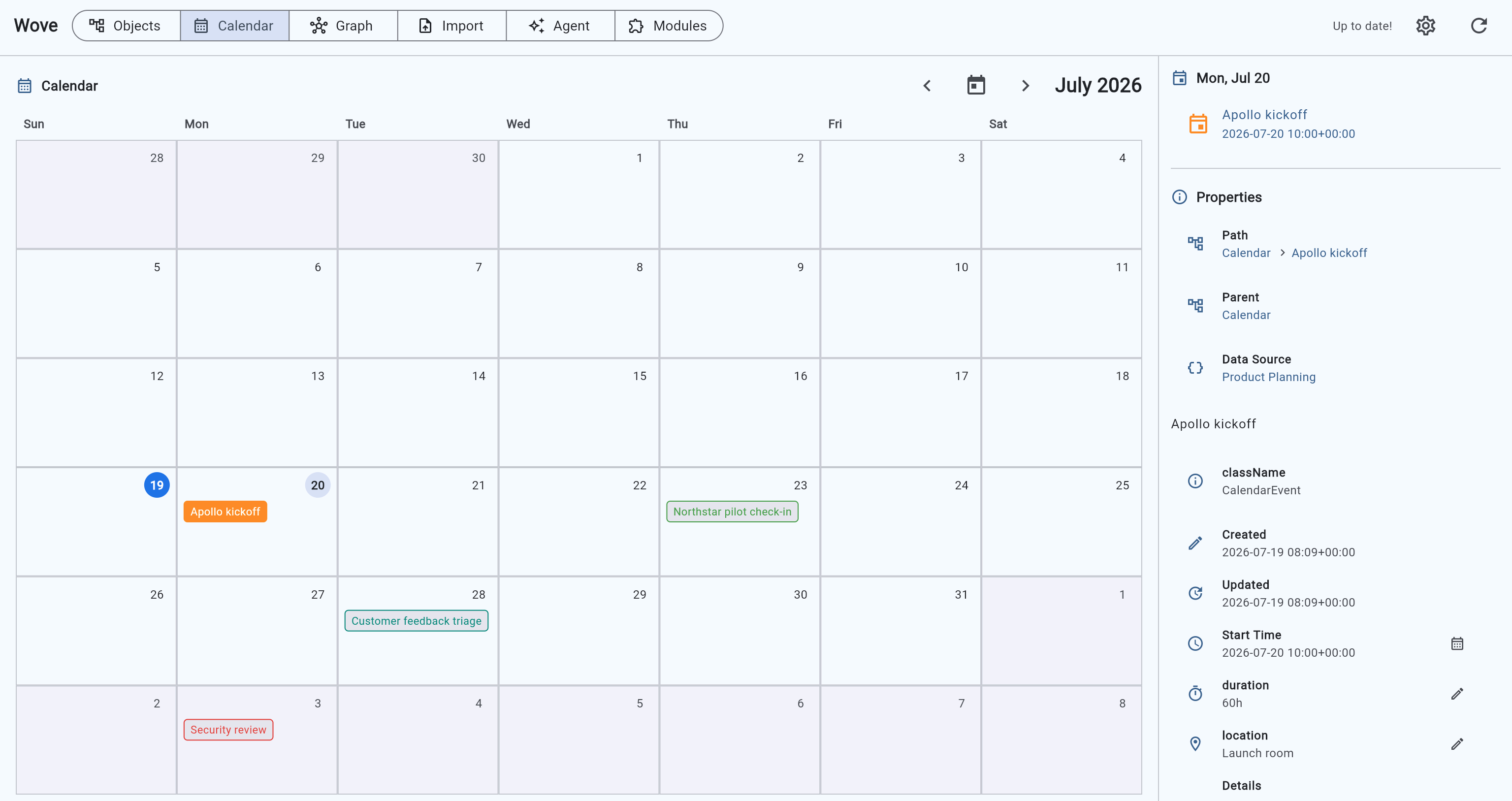
calendar view
-
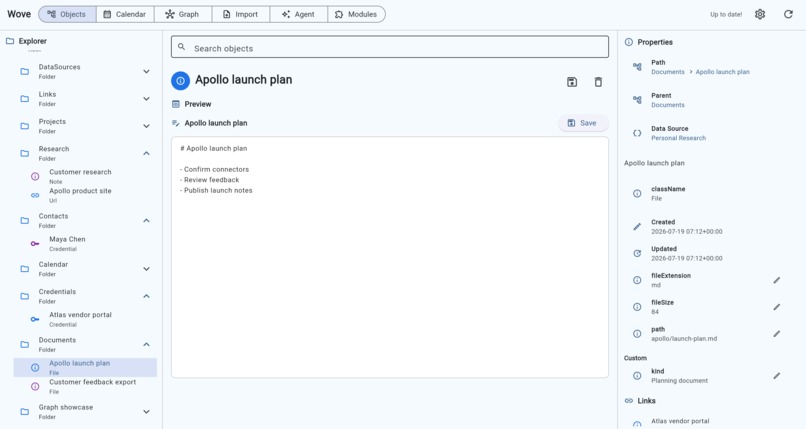
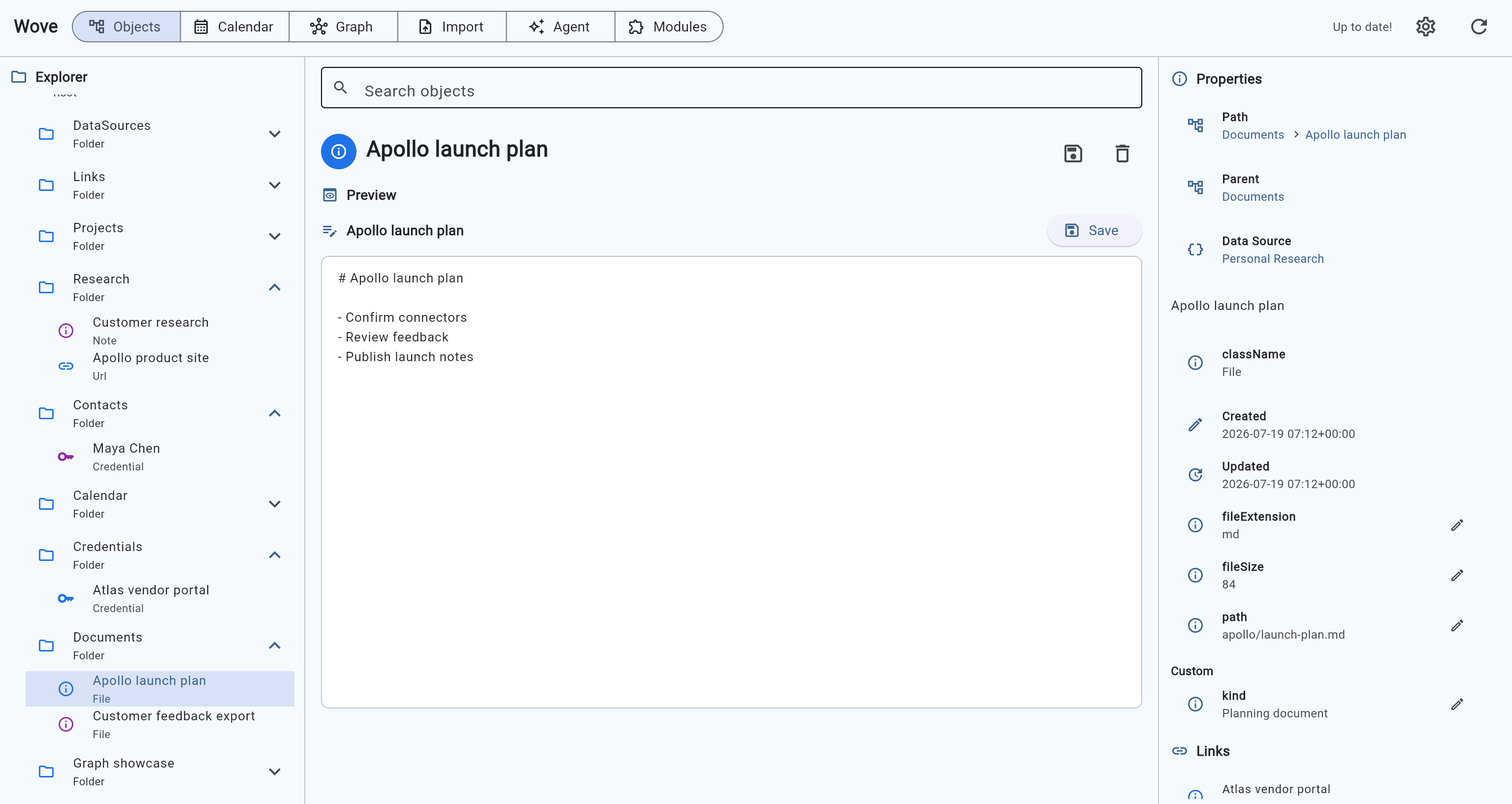
main detailed view
-
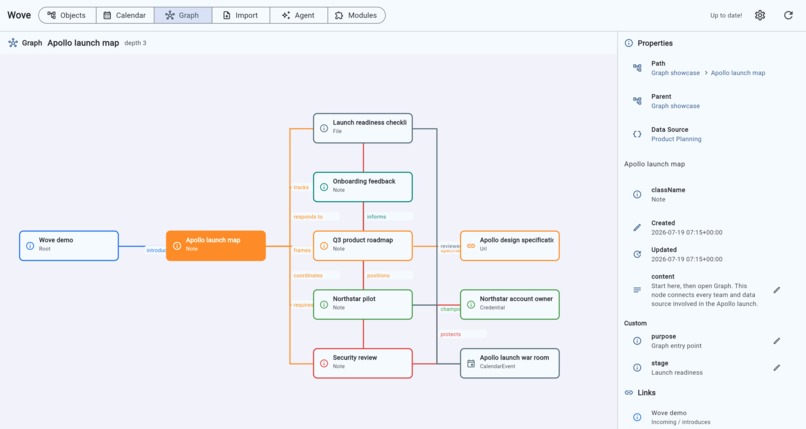
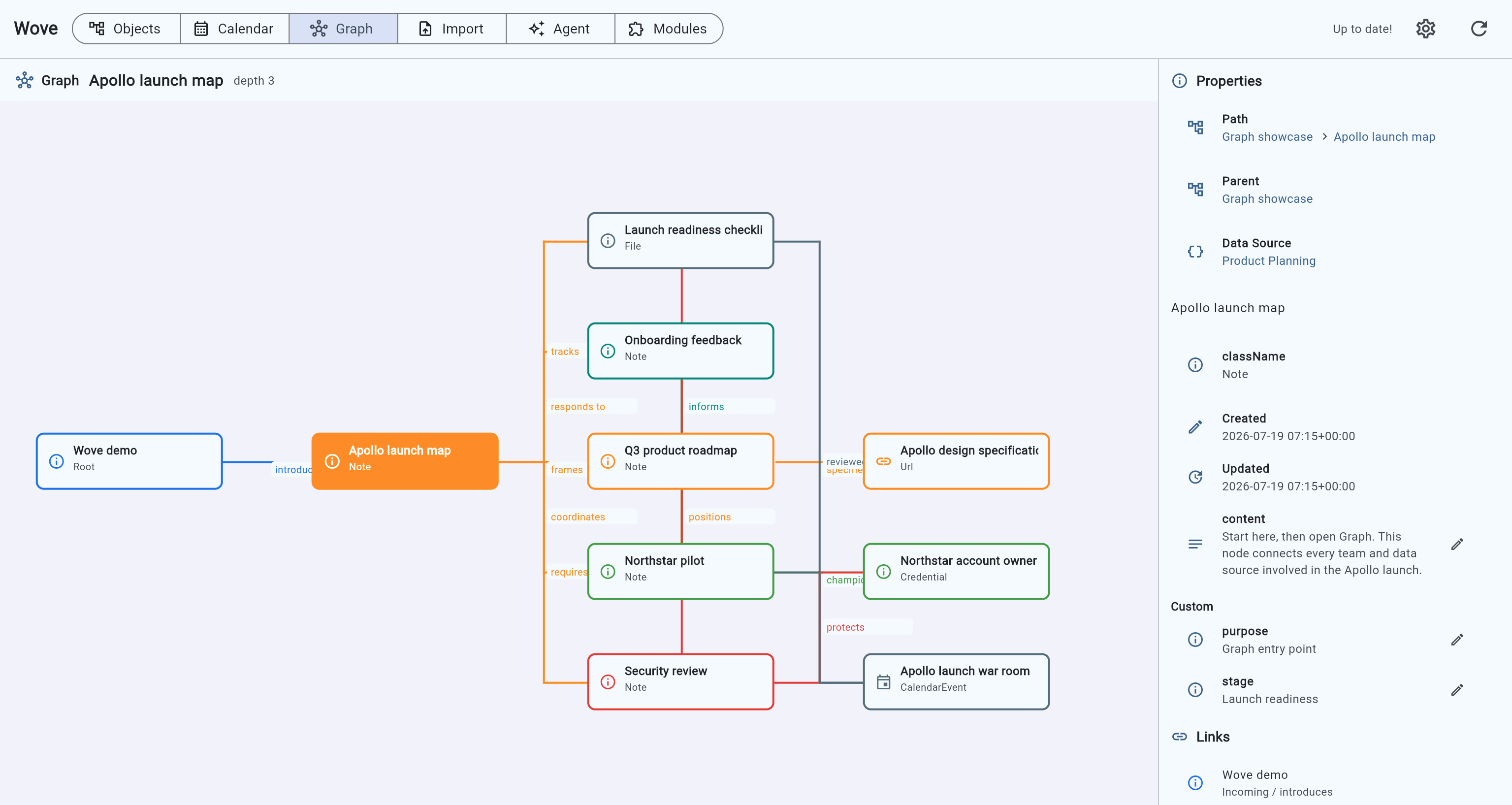
graph view
-
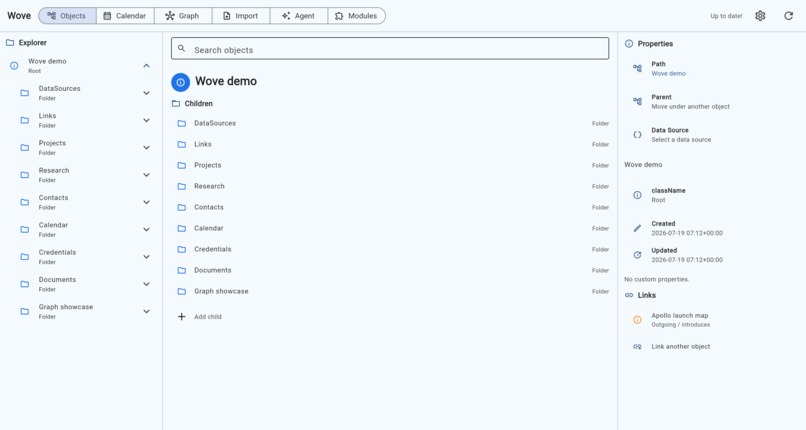
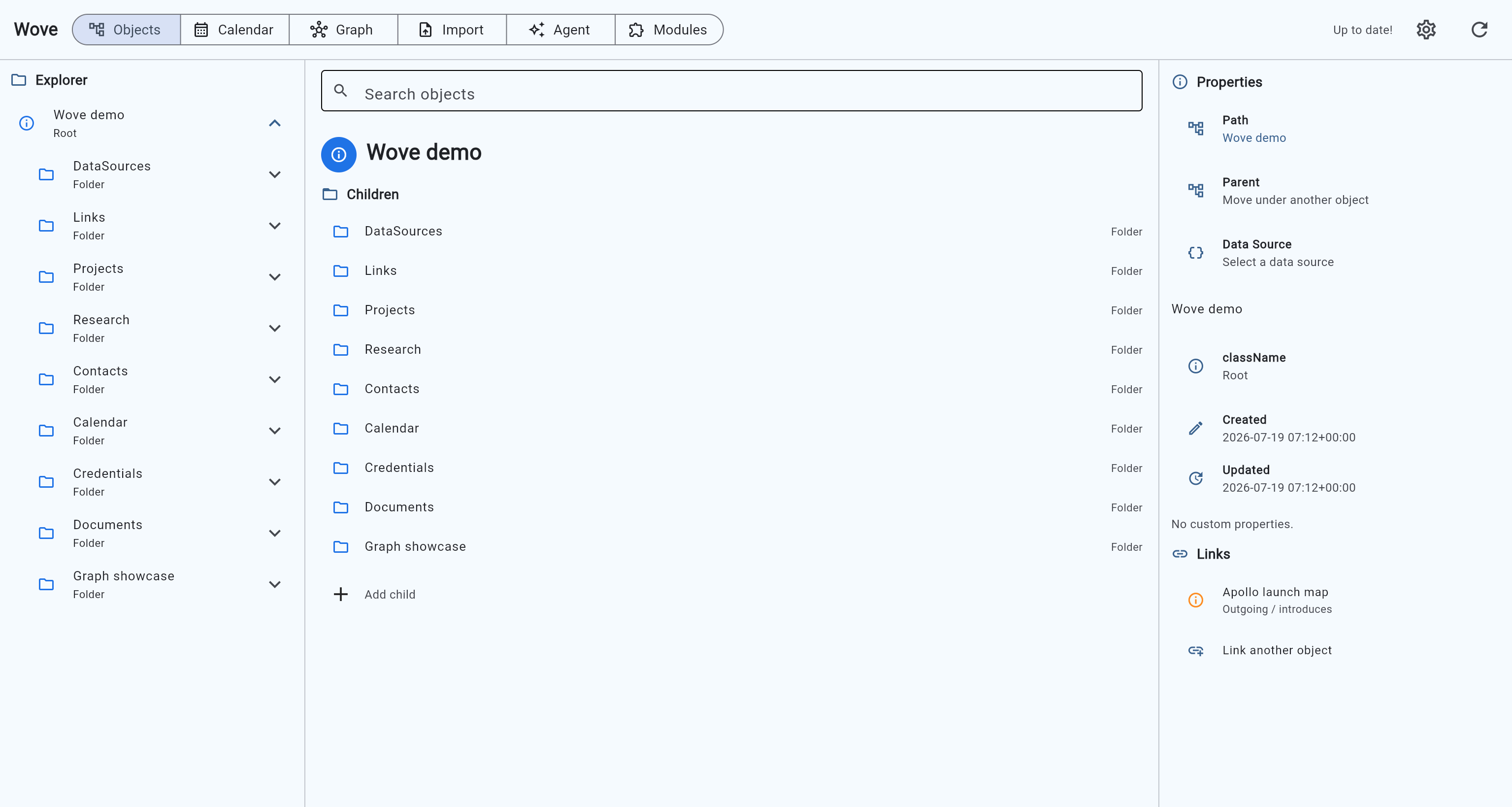
main view
Inspiration
So i've been working with game engines (Mainly LuaU game engines) and noticed it has multiple object types all glued together. Now, looking at our own life management options - Why do we need a calendar app, a todo list app all to know what's going on? Information in life is also way too messy. I hate it when I need to search through emails, local files that are only present on one device, websites, etc. just to find something useful.
The idea: What if we make a GAME ENGINE, but for your life? it should have all the features game engines do - different kinds of objects, different views for each object, organization etc. but be also extremely modular and support datasources from all different places.
What it does
Core: Python ontology objects built on flet, everything is an instance (notes, links, calendarevents etc) Everything is modular. Modules:
- Connectors - Where do you want to auto port data IN?
- Intelligence - What do you want to process your data? gemini? openai-compatible? ur own local llm?
- Actions (WIP) - What do you want your data to do? Update your todo list? Google calendar? Send emails to your coworkers?
- Views - How do you want to SEE your data? On top of the default views, you can also add your custom views like map? dashboards to visualise specific object types?
- Data - Where do you want your data to be stored? Pickle = Local, but you can also configure it as appwrite, ur own custom databases... etc. What types of files and where do you want it to be?
How we built it
I started with a giant excalidraw page where i dumped out all ideas, drew connected nodes etc for a long time. It started with the core (The library, example code below) and i slowly expanded it outward to include ideas like connectors, views etc. Codex was used to assist in making these modules and interfacing with these services, especially parts where it required adapting the code to work for android and custom flutter dart extensions.
Challenges we ran into
Accomplishments that we're proud of
The architecture!! It was INSANELY interesting to design. Library has to basically emulate a lua-like environment where the python code literally looks like this:
newRoot = Root("Root Name")
Folder = Folder("FolderName", newRoot)
Folder.createdAt = ...
This made it INCREDIBLY modular, making it easy for me to attach objects that worked with the ontology tree like the UI, rendering, saving etc.
What we learned
- Modularity is good!
- I've used this personally now and it's quite useful
- To make something good, force yourself to use it
What's next for Wove
- Obviously, finish actions
- Patch the known security vulns (1. web version wont work as a dynamic app due to RCE/SSRF risk 2. it's very insecure to do syncing that way due to risk of data loss 3. Encrypt credentials before deployment. RSA write only vault for the agents)
- Maybe release it as open source when i'm satisfied with it.
NOTE: preview AI features are not available. Docker is cut off from internet access (for obvious reasons, so i don't get SSRF'd)


Log in or sign up for Devpost to join the conversation.