-
-
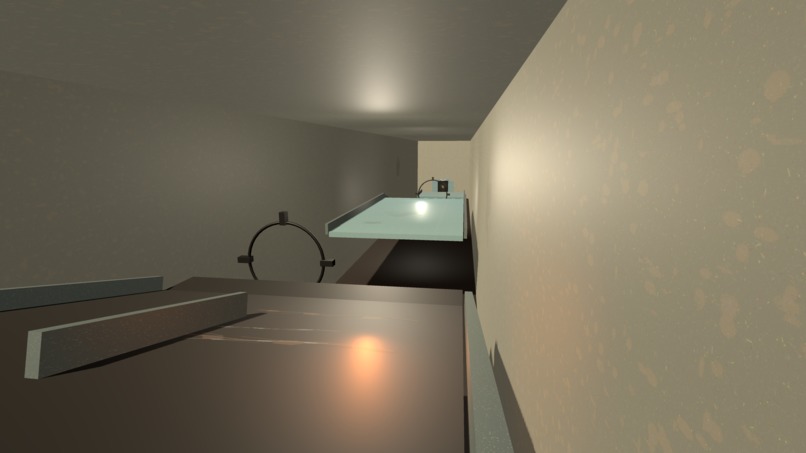
Room 1
-
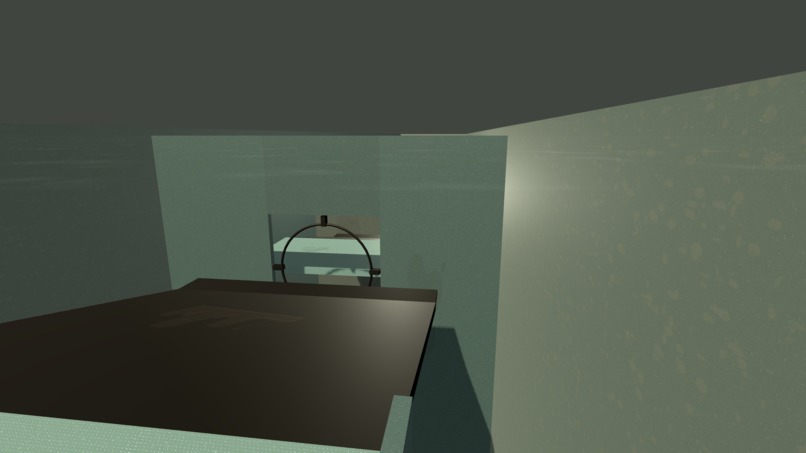
Room 3
-
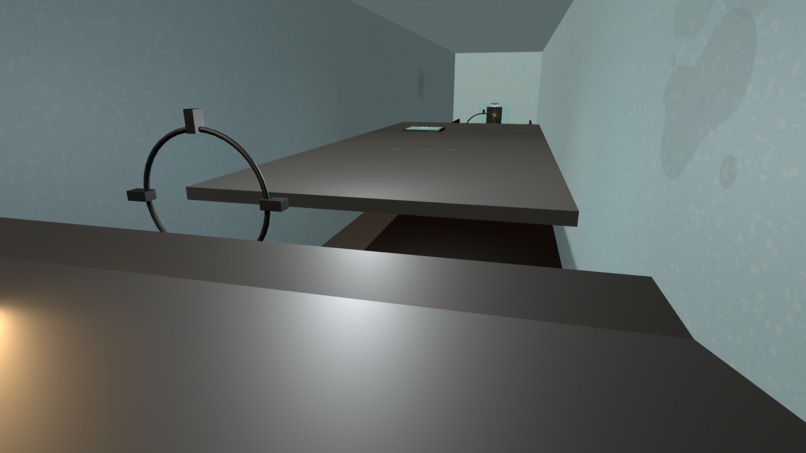
Room 5
-
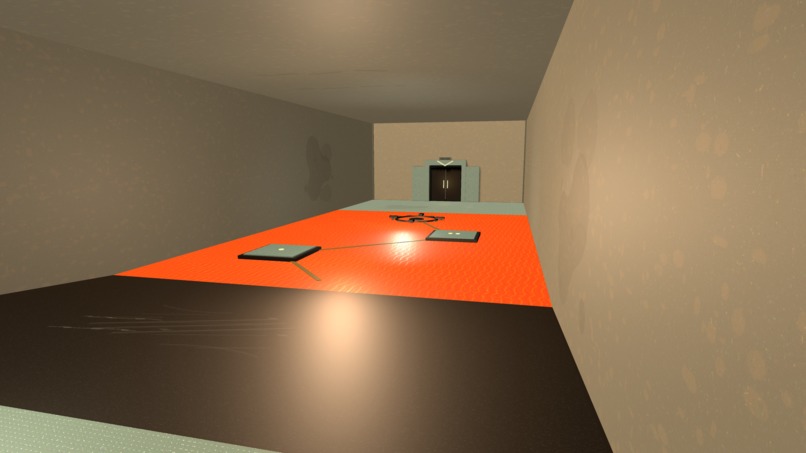
Room 7
-
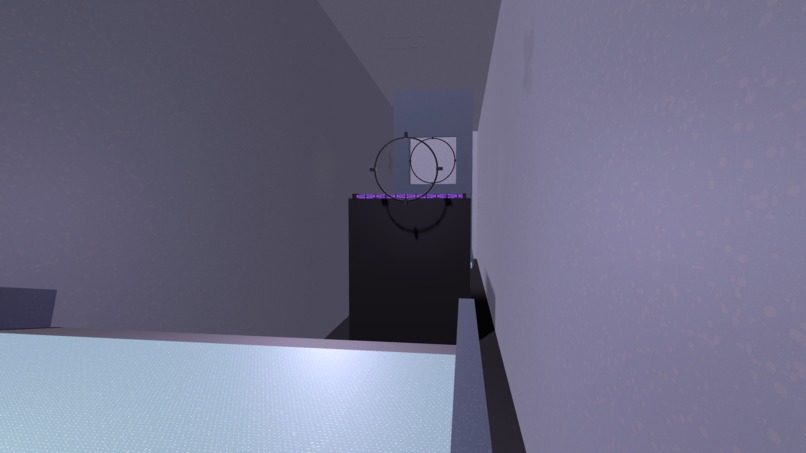
Room 9
-
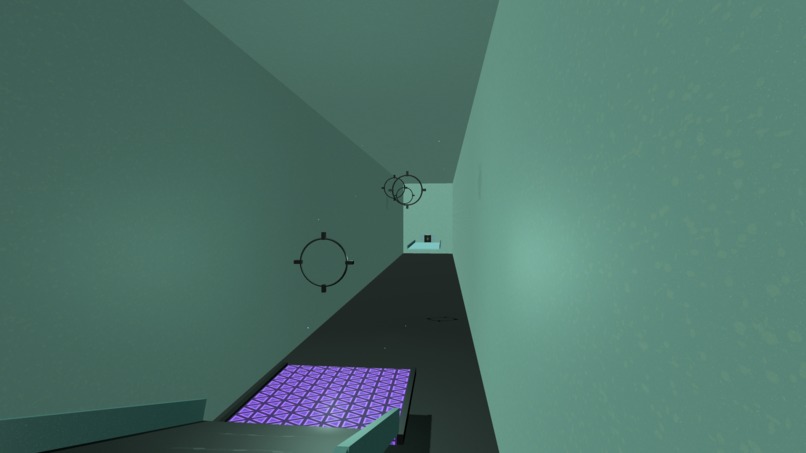
Room 11
-
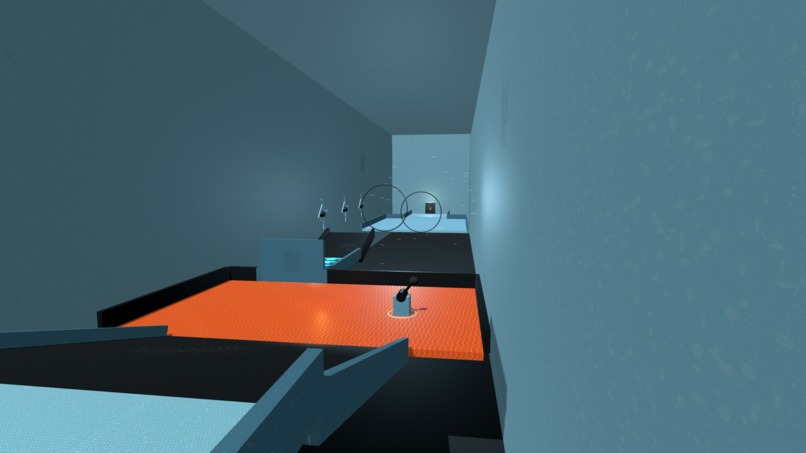
Room 13
-
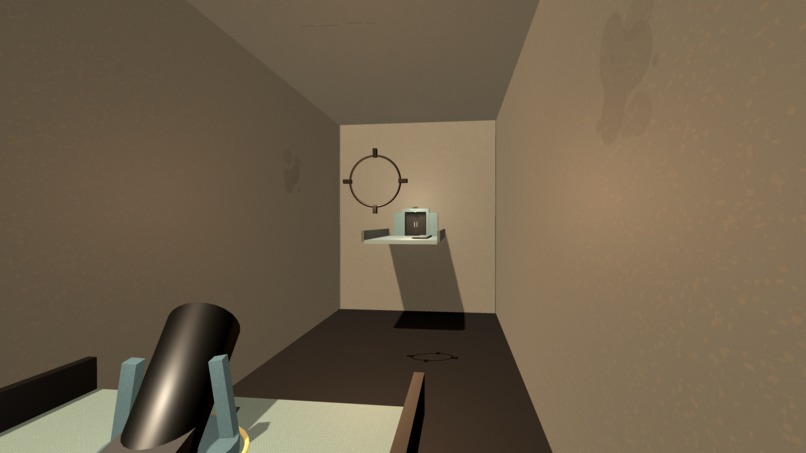
Room 16
-
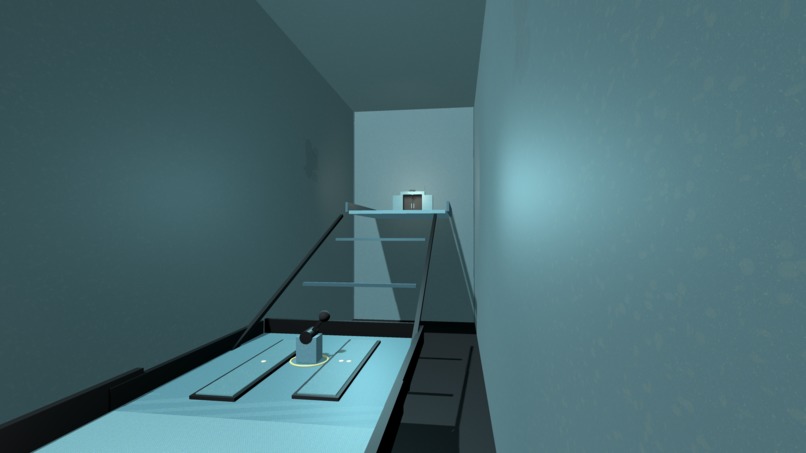
Room 18
-
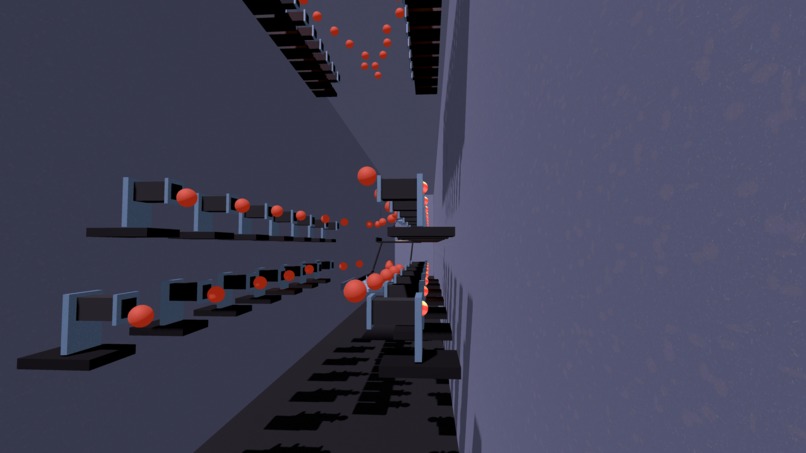
Room 20
-
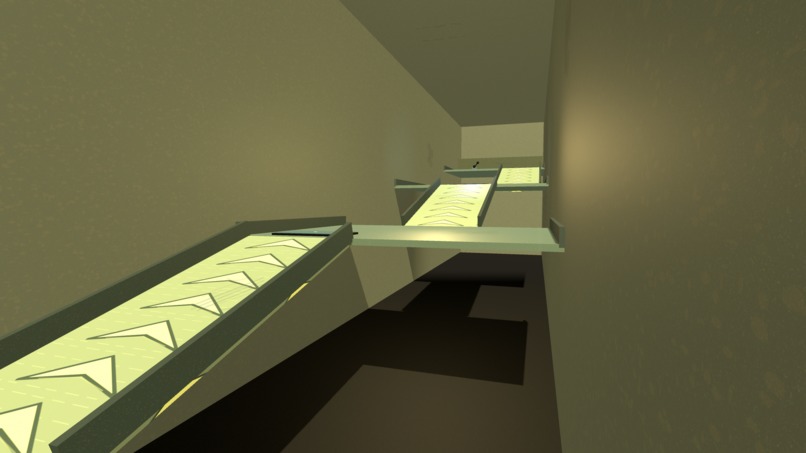
Room 22
-
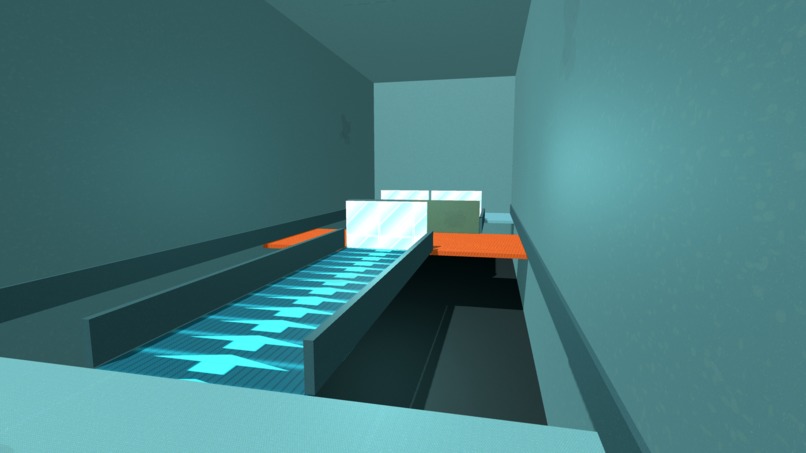
Room 24
-
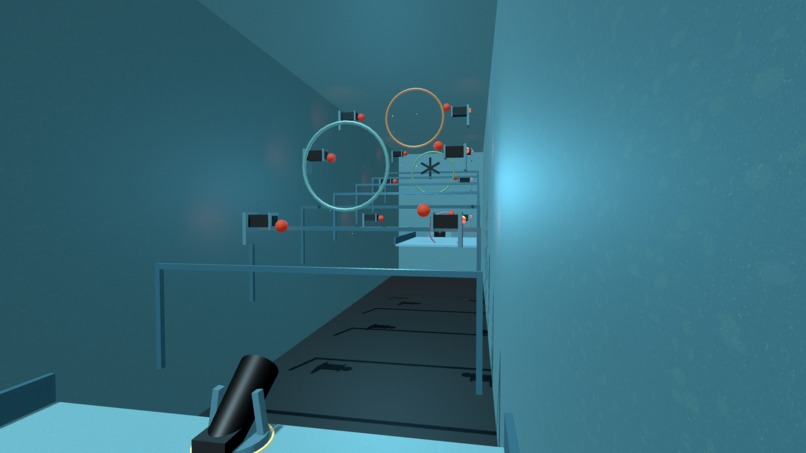
Room 26
-
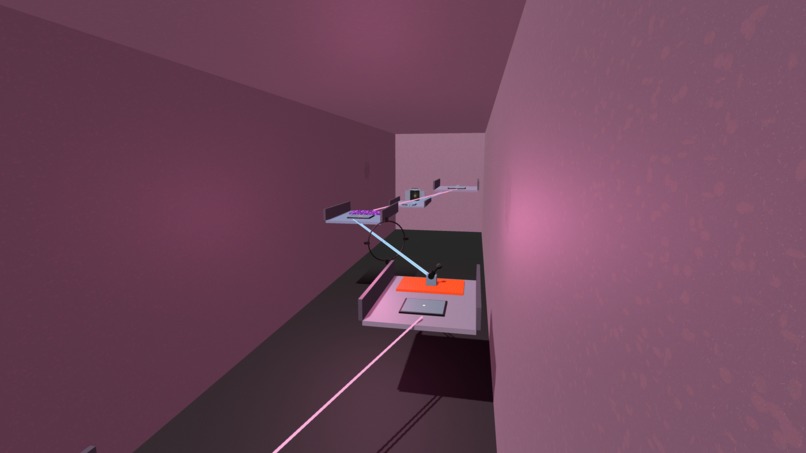
Room 27
-
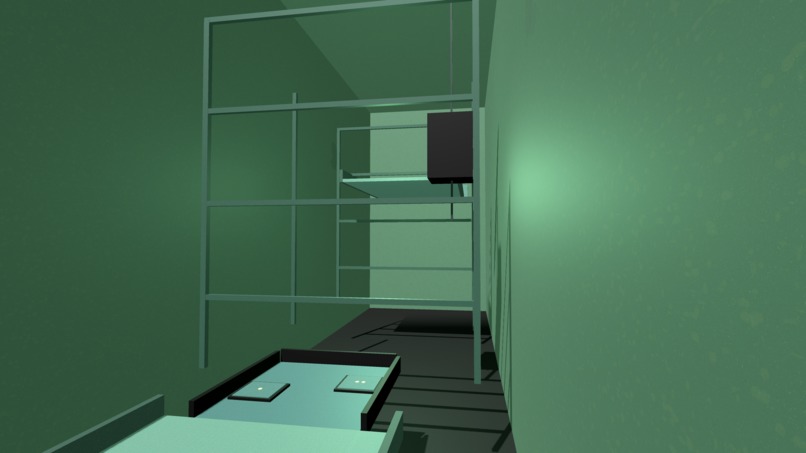
Room 28
Inspiration
I wanted to make a puzzle game where movement itself is the puzzle. I liked the idea that a small candy could feel fast, heavy, and difficult to control depending on the machine around it.
I wanted to create puzzles where slopes, surfaces, timing, and direction matter more than a large list of player abilities. The candy-machine setting gave me a playful way to make physics readable and turn every movement decision into part of the solution.
What it does
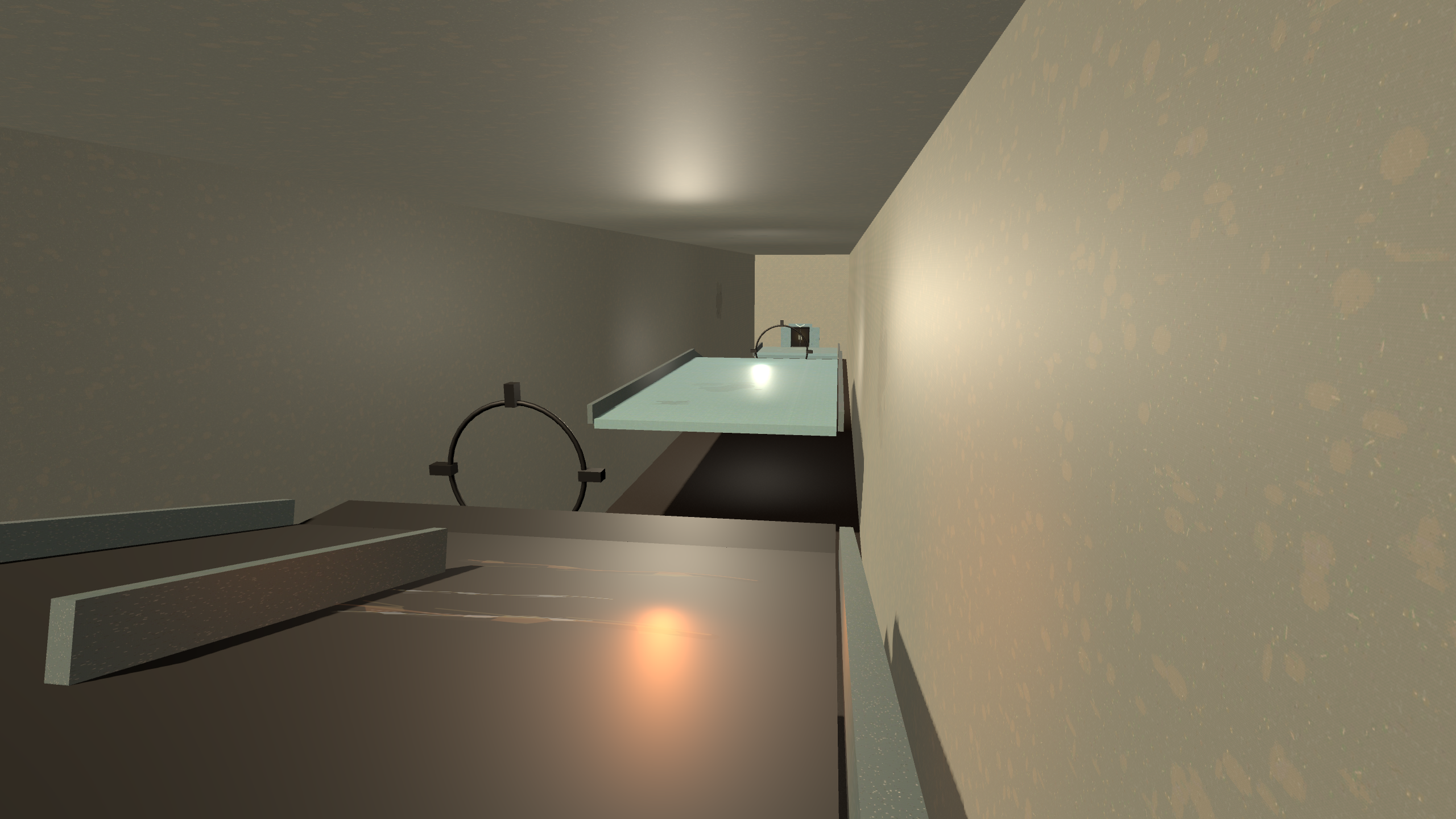
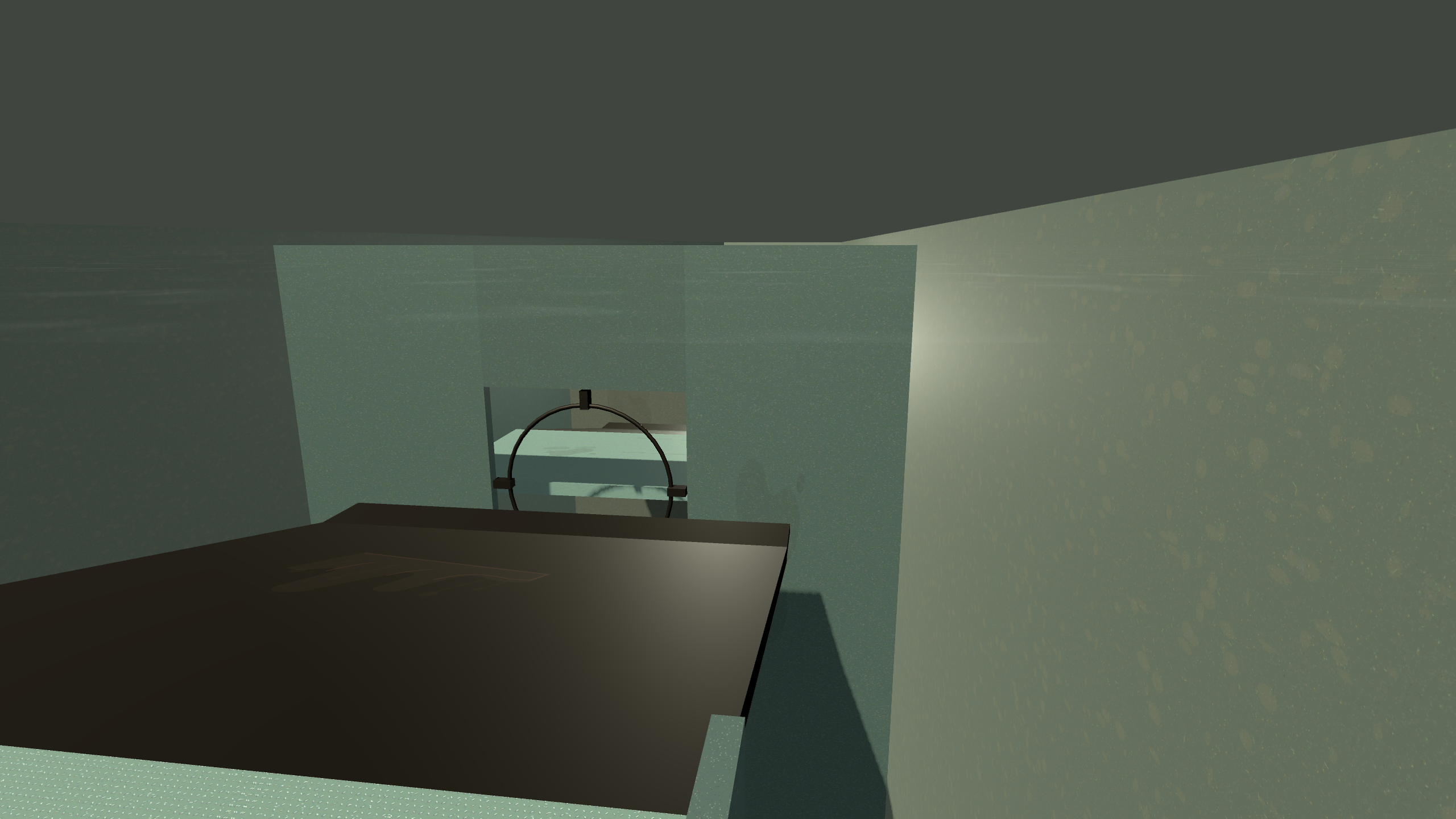
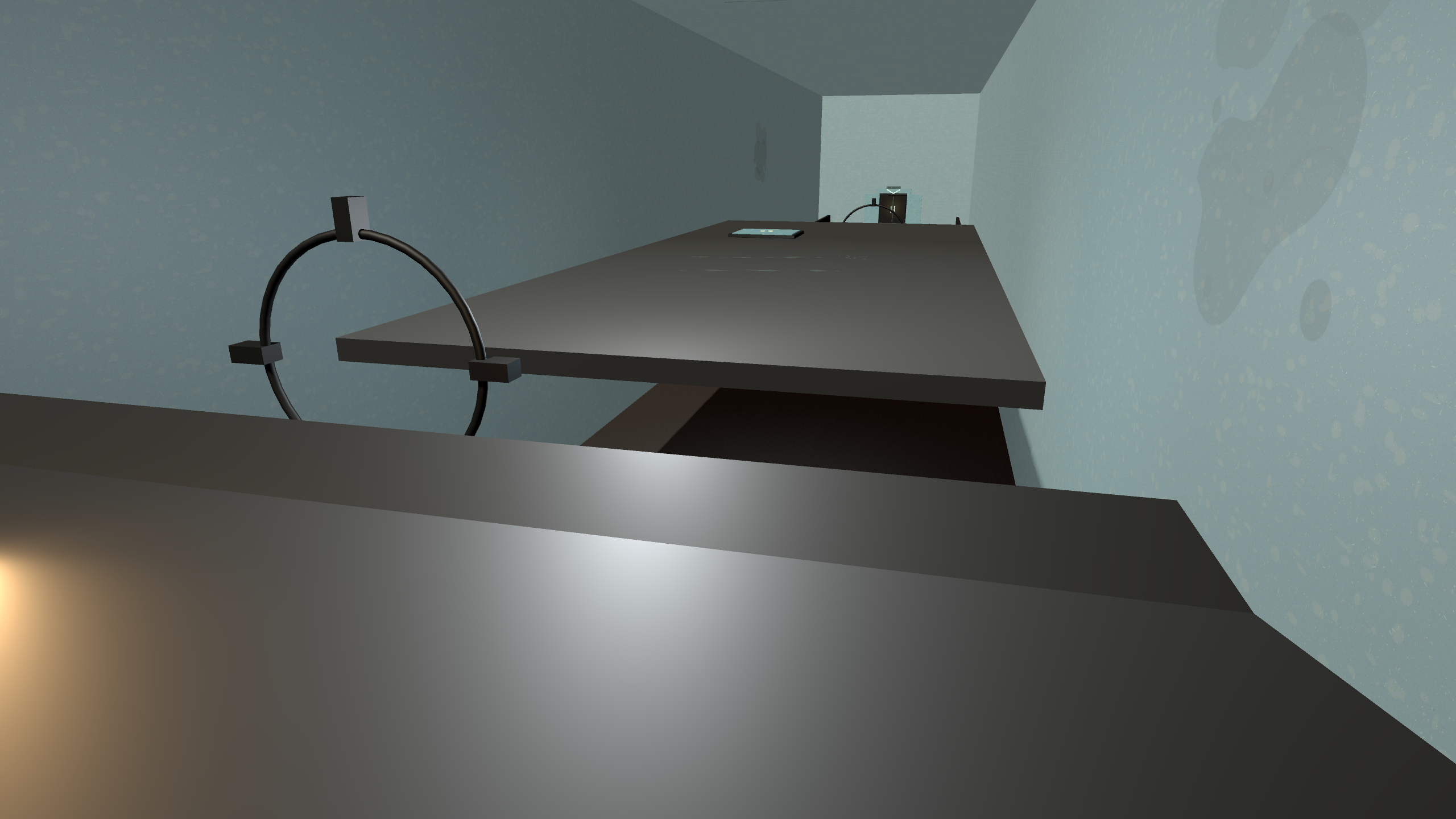
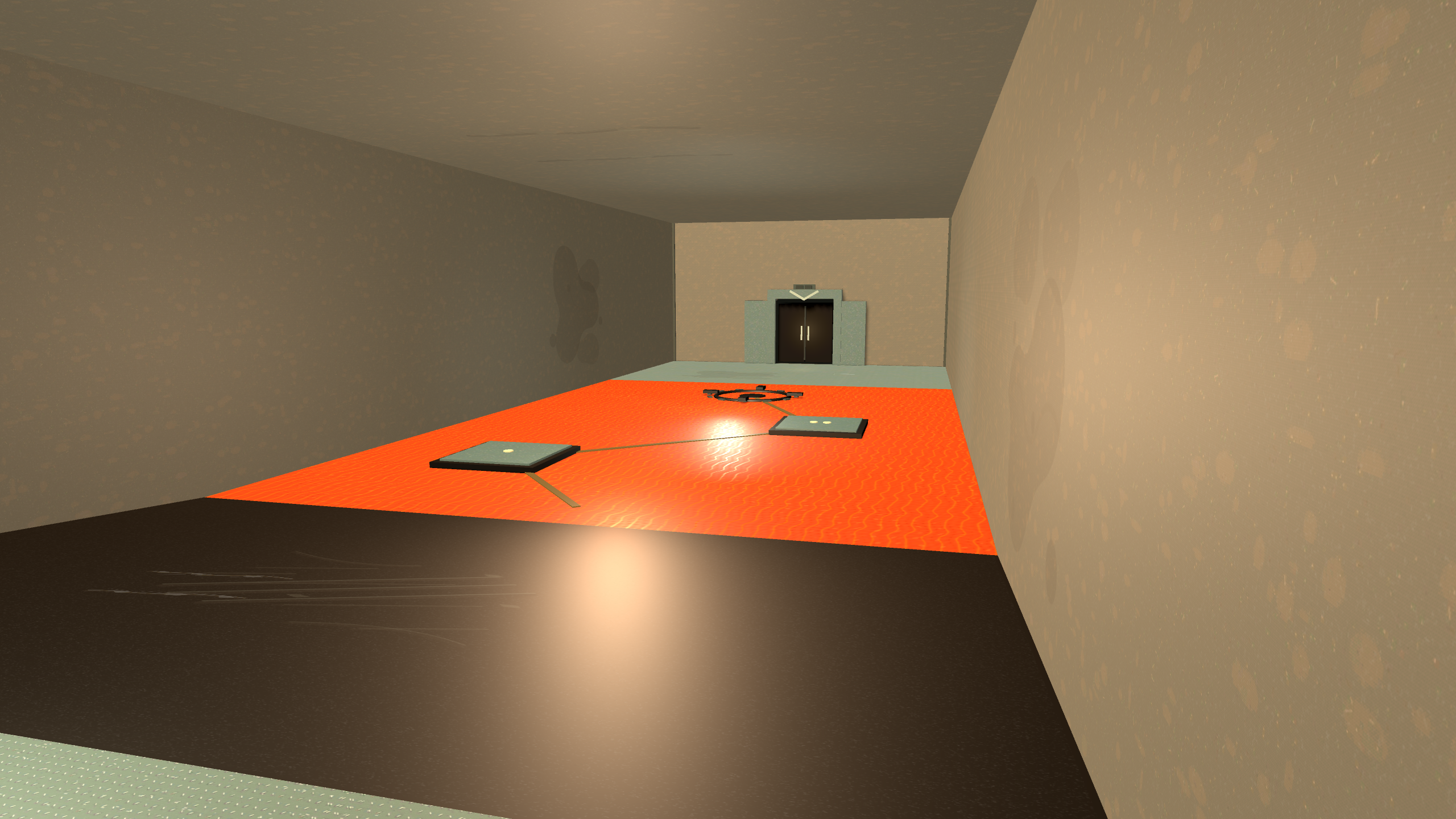
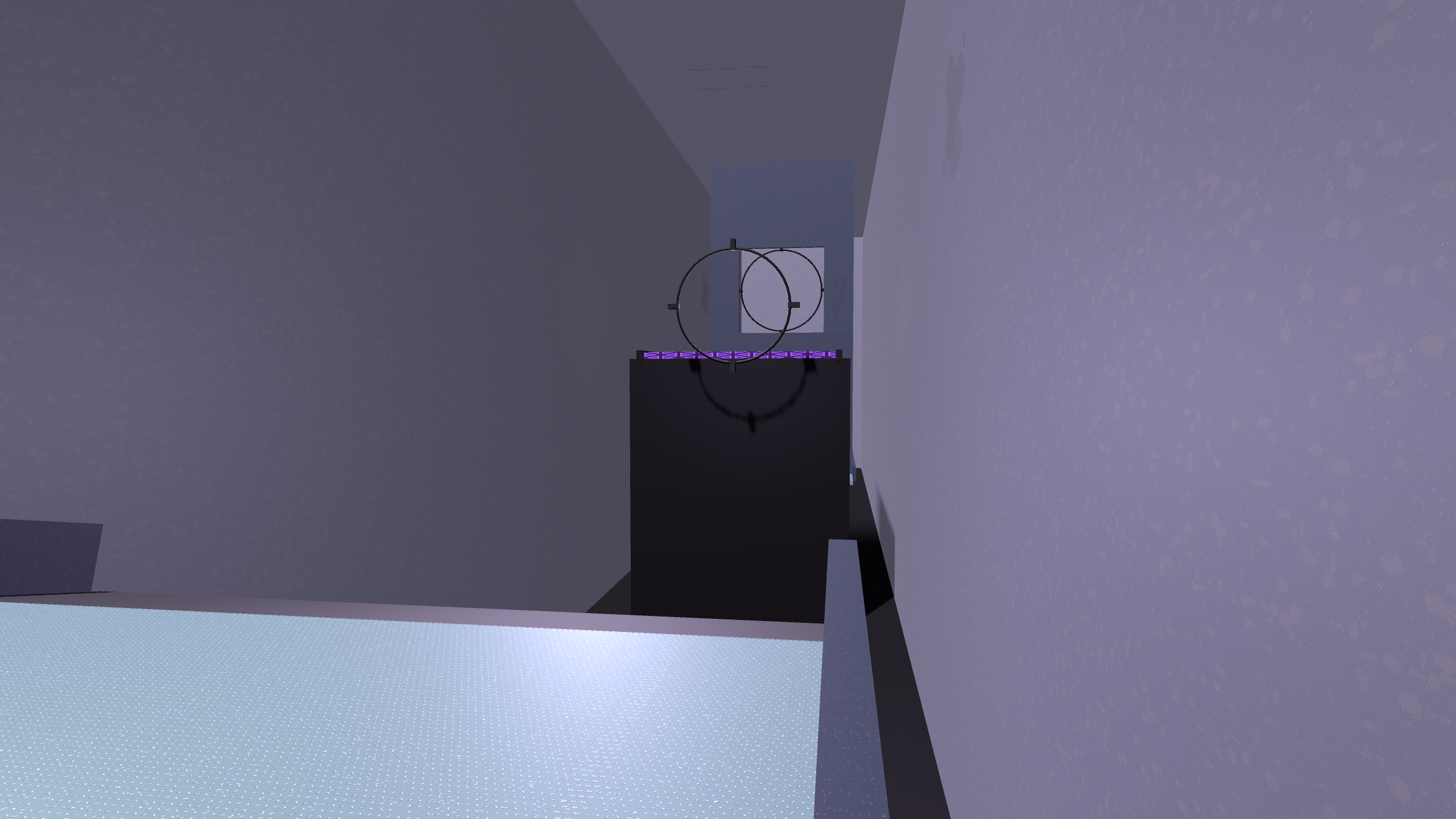
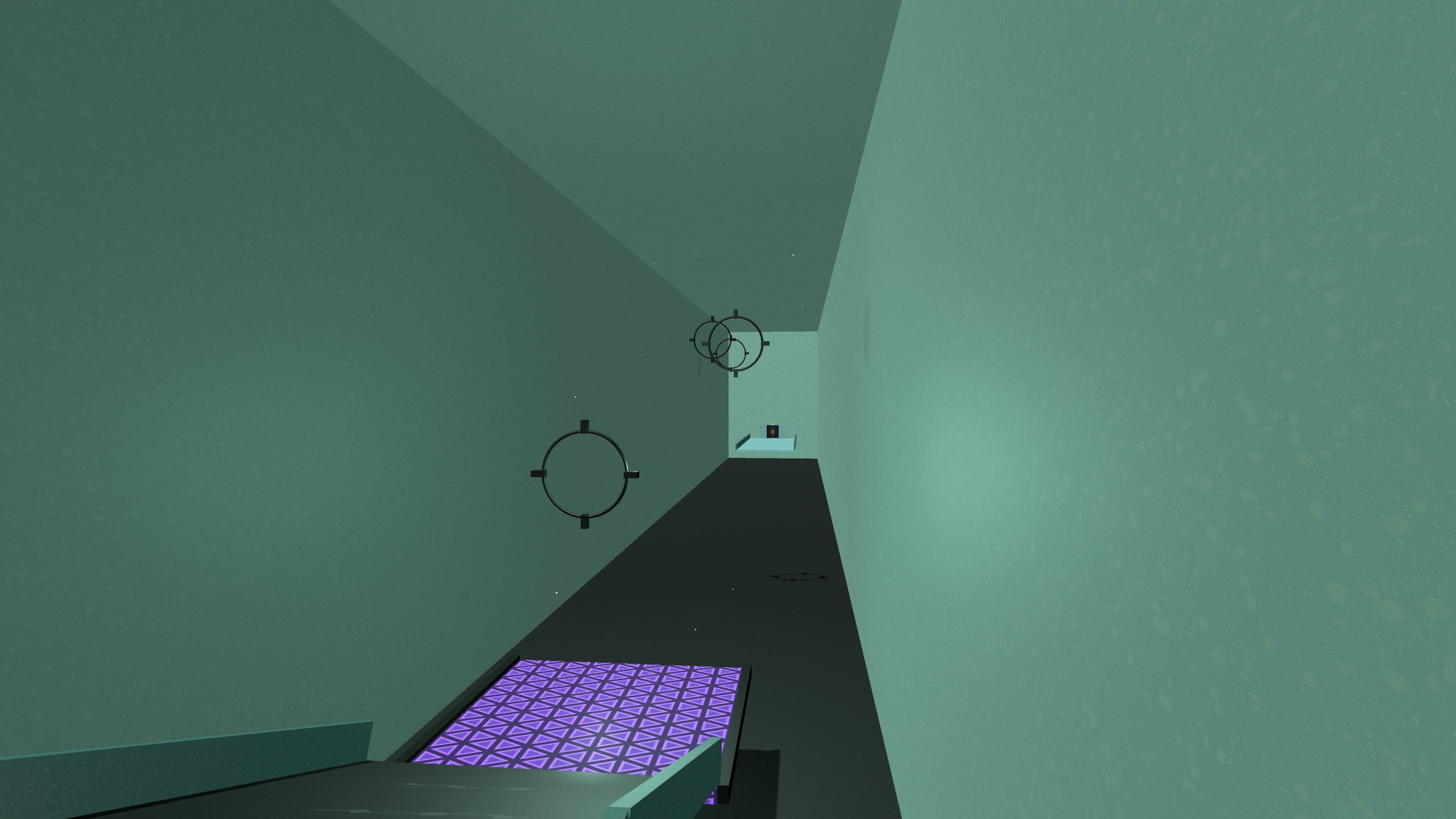
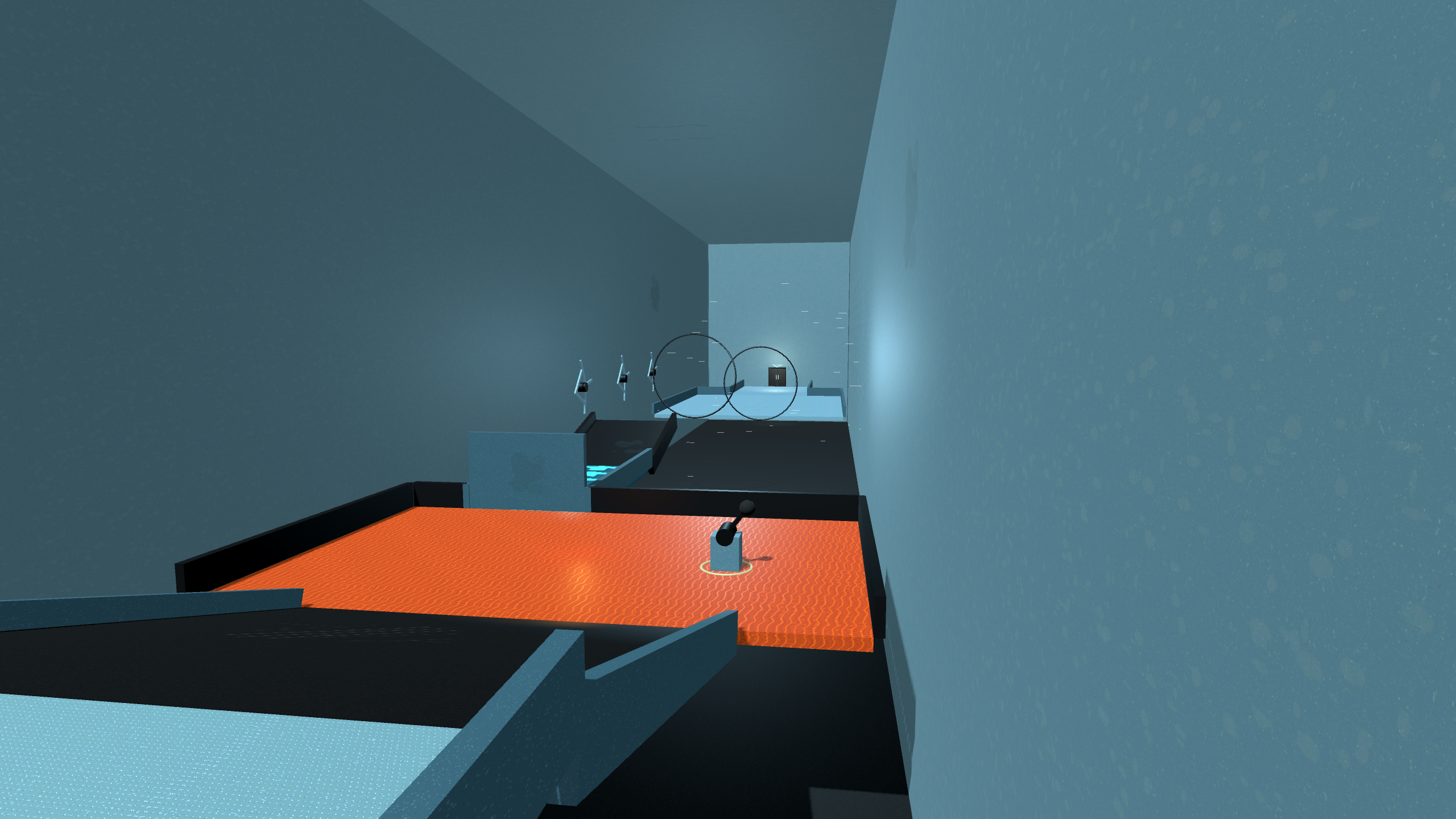
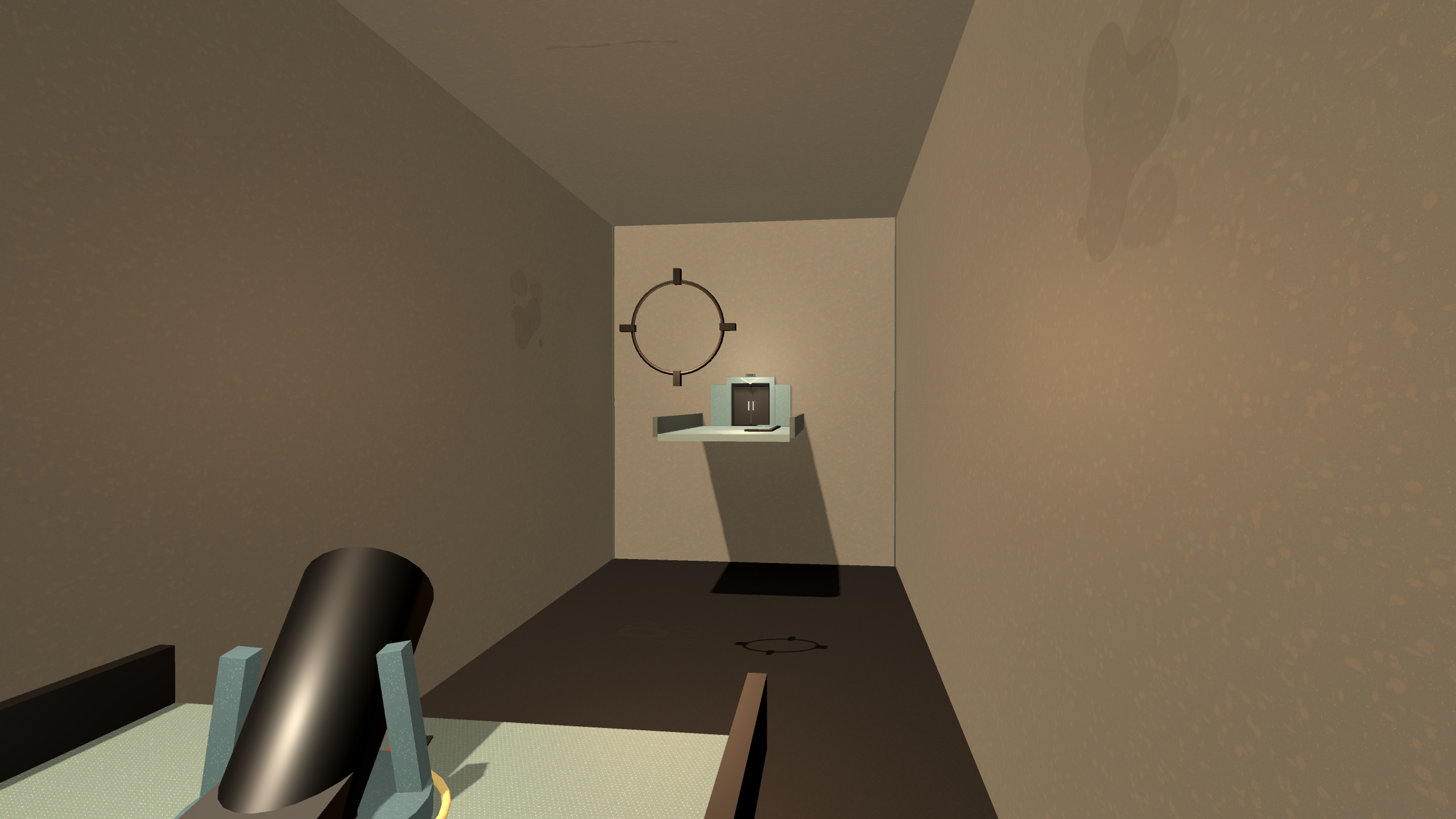
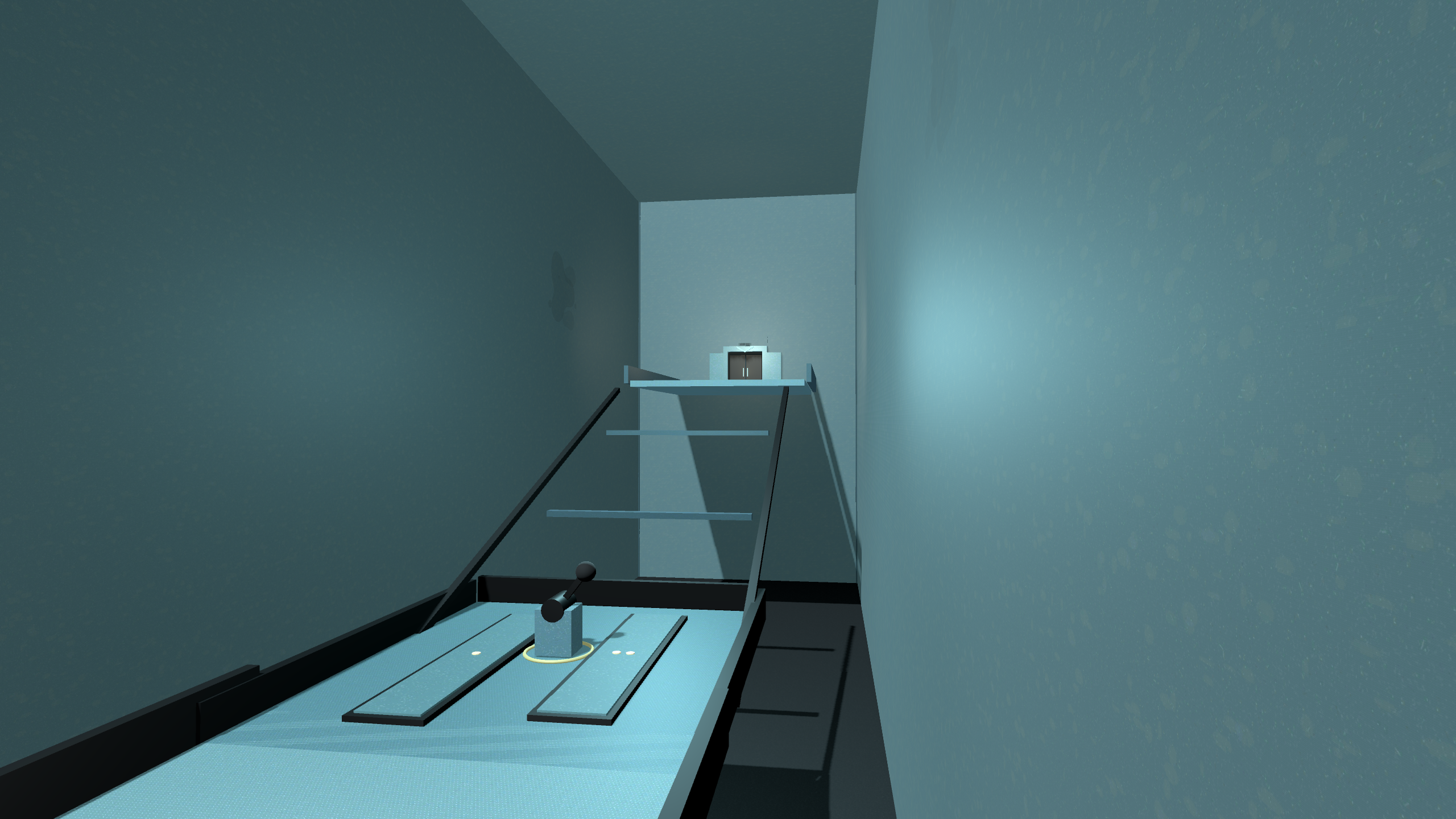
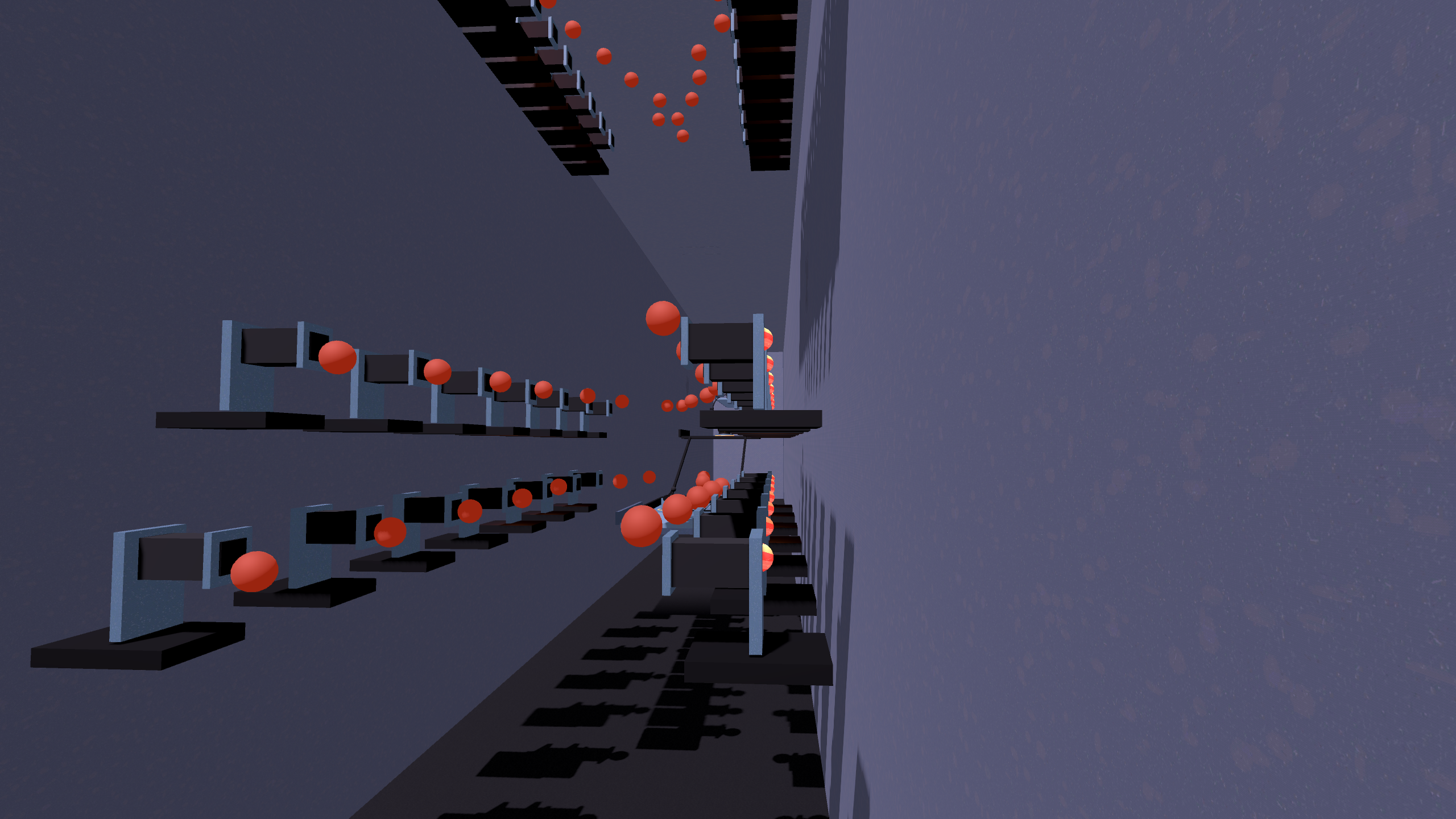
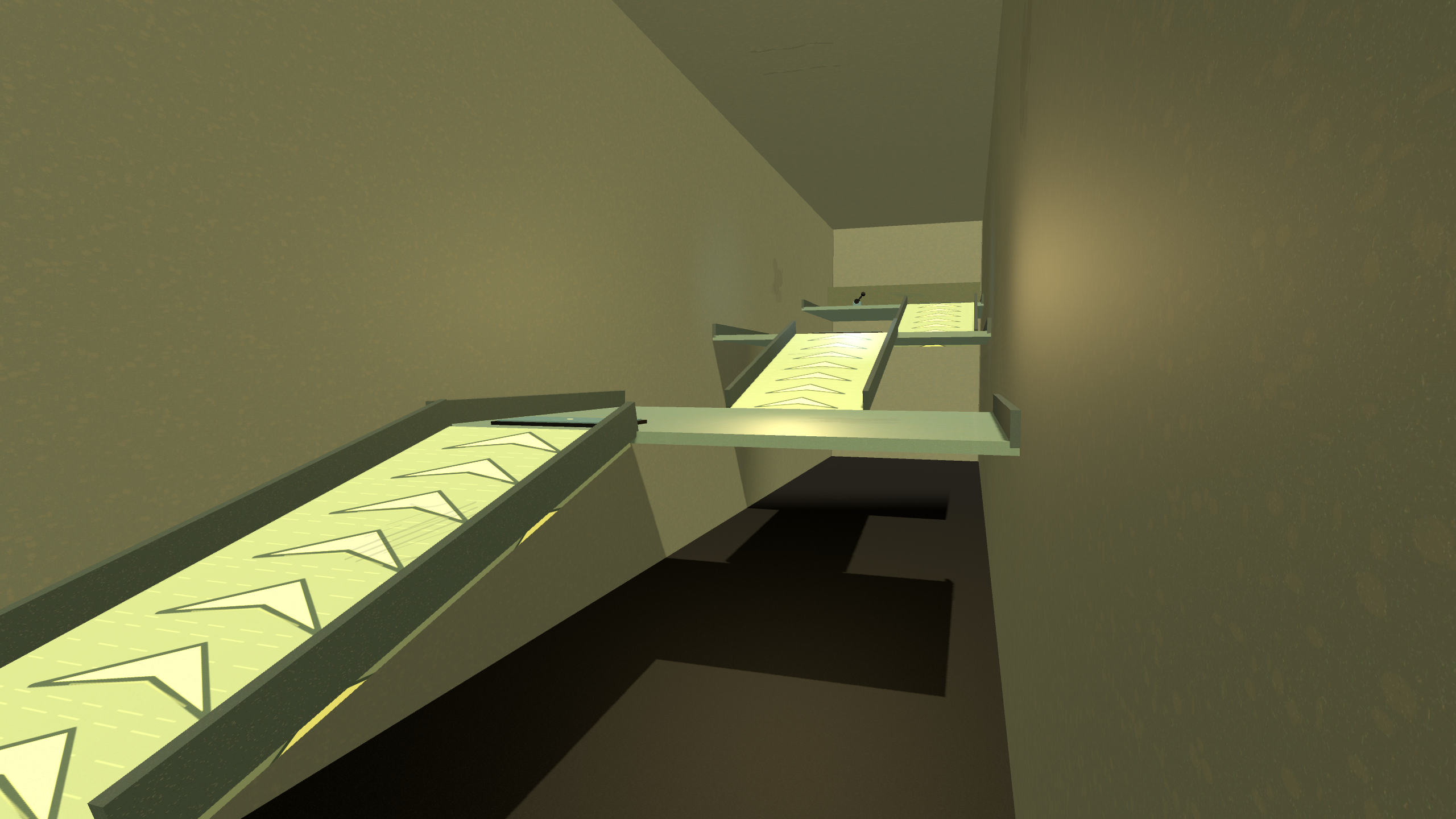
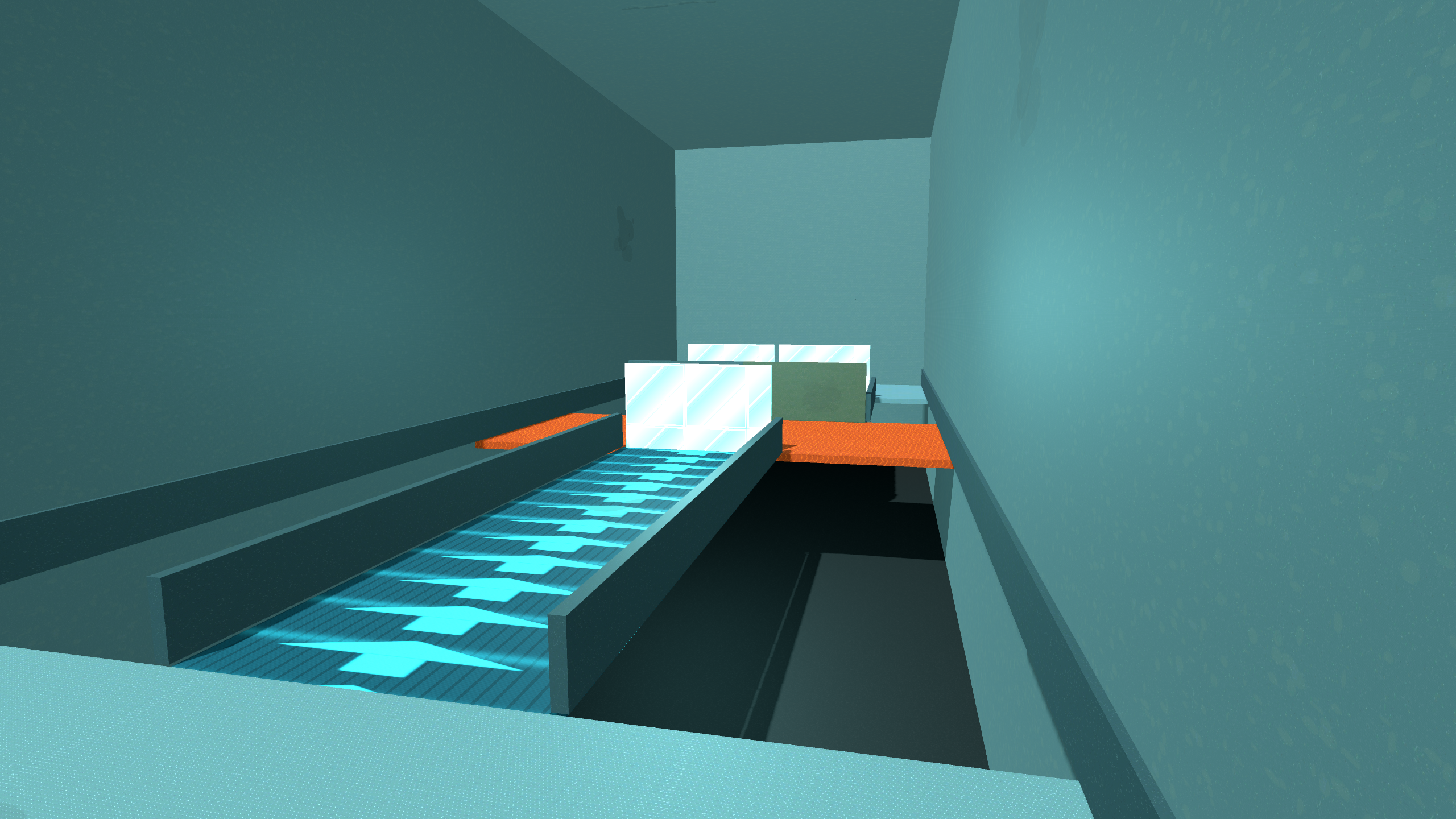
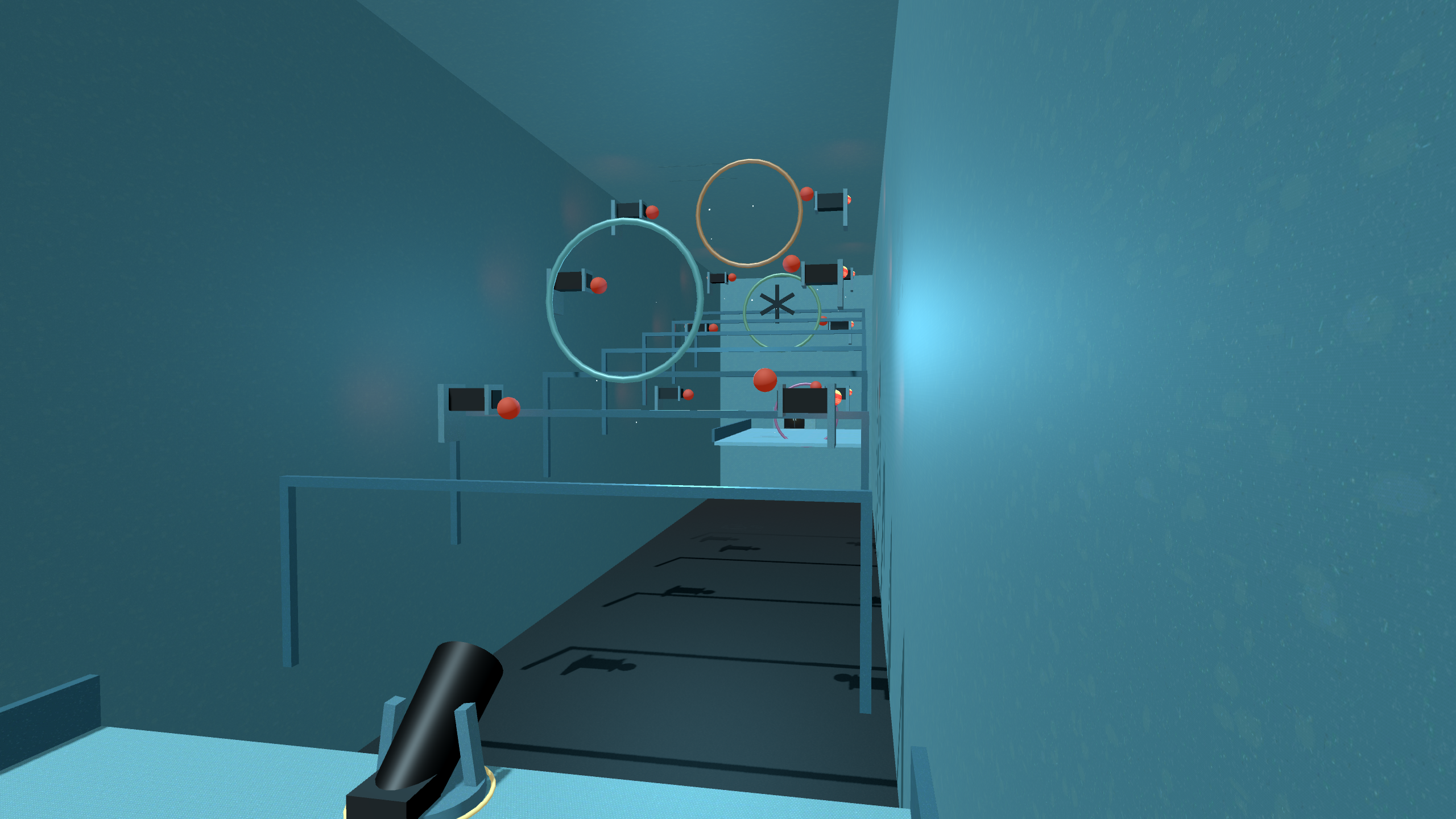
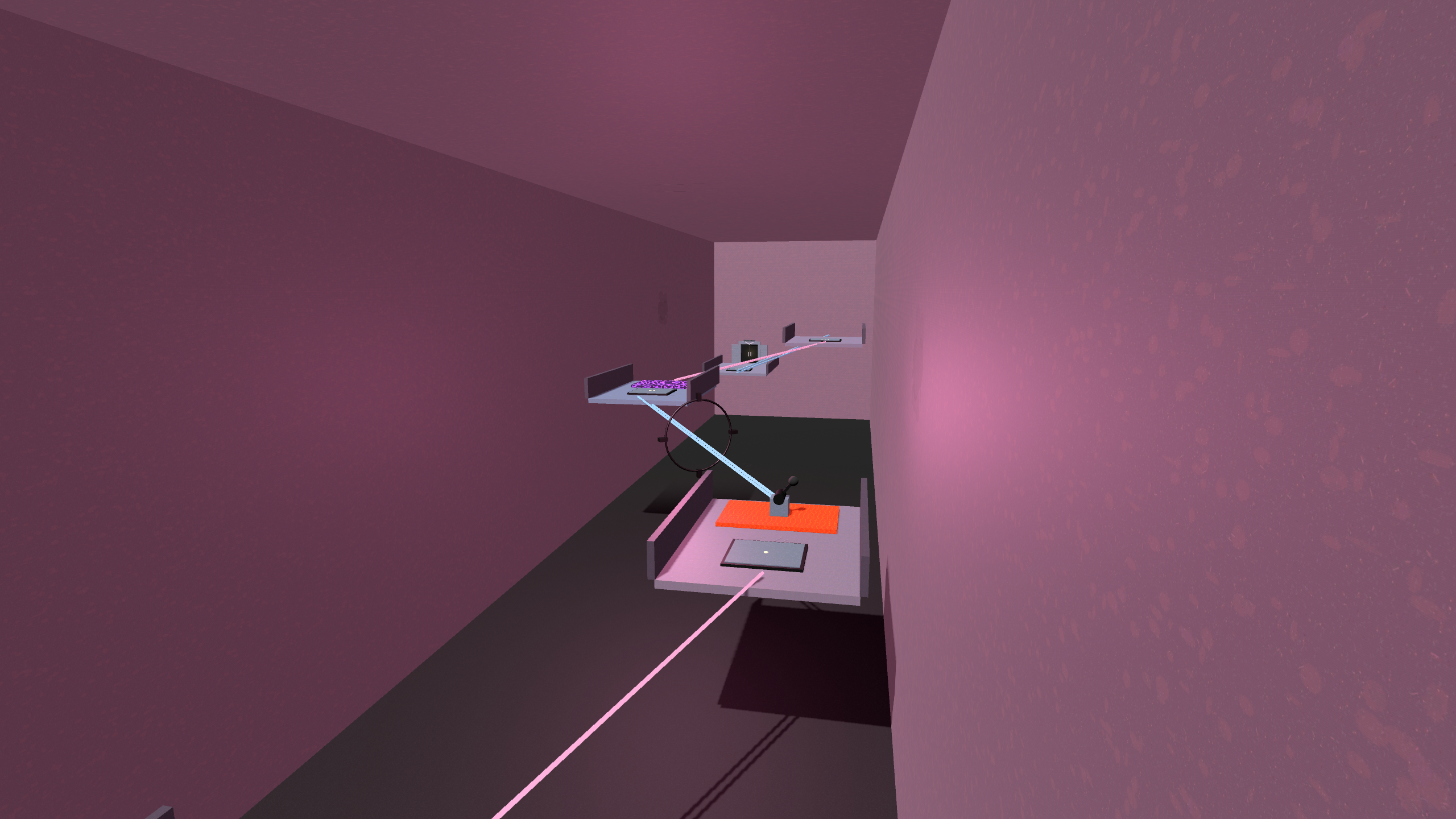
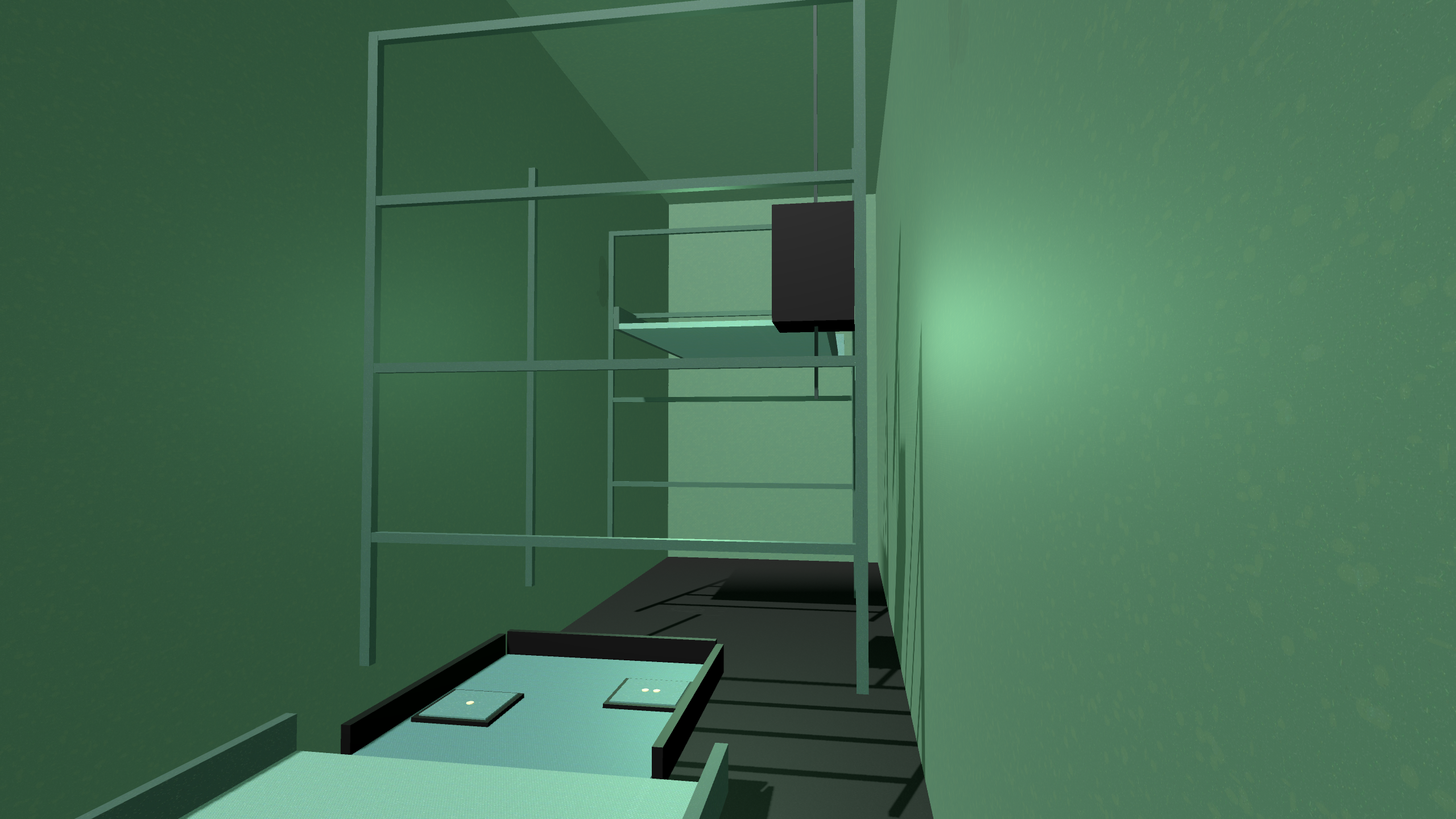
Velocitex is a downloadable Windows 3D momentum-puzzle game. Players guide a candy through a handcrafted machine world, using slopes, bounce, grip, braking, rails, pressure plates, moving platforms, cannons, magnets, and timing to reach the collection cup.
The game includes skin customization, achievements, room-start saves, room selection, remappable controls, subtitles, and first person/third person camera change.
How I built it
Velocitex was built with Godot 4.7 .NET and C#.
I used Codex throughout the implementation and verification workflow: translating design decisions into Godot/C# changes, investigating movement and fixing issues, refining mechanics, and building repeatable build, export, and smoke-test workflows.
GPT-5.6 Sol & Terra, used through Codex, helped me reason through physics behavior, collision and save-state edge cases, room progression, and test coverage. I made the final product, design, and engineering decisions.
Challenges I ran into
The hardest part was actually making Codex do what I wanted him to do. Small requests were done flawlessly, but once I started requiring Codex to do many things at once, it very quickly started failing them or just not doing them at all. Eventually, I had to compromise on many things, but I believe the final game (at least as it is now) came out better than I expected in some ways.
Another challenge was progression. Each room needed to introduce one idea clearly before later rooms combined it with other mechanics. Saving, restarting, Room Select, accessibility settings, and the Windows build also had to work together as one coherent product.
Accomplishments that I'm proud of
I am proud that Velocitex is a complete, downloadable game rather than only a prototype.
The game allready looks like a full game (maybe not a very large one), and I think it contains everything a game needs to be a game - being fun and rewarding yet easy to understand.
What I learned
I learned that physics-driven games need repeatable testing. A room that works once is not enough: it must remain understandable and reliable across restarts, saves, camera modes, and future changes.
I also learned that accessibility and quality-of-life features belong in the core design. Clear settings, readable feedback, saves, and room access make difficult momentum puzzles more welcoming.
What's next for Velocitex
Next, I want to gather player feedback, refine room difficulty and pacing, improve onboarding, and continue polishing the game’s presentation and accessibility. The main thing that stopped me from packing it into the game as it is now was the usage limit for Codex, that I discovered very quickly that even with a Plus subscription is not enough for such projects.
I also plan to expand the momentum-puzzle ideas with new room concepts and mechanics, and especially making more challenging rooms with the existing features in the game.


Log in or sign up for Devpost to join the conversation.