-
-
LoginView
-
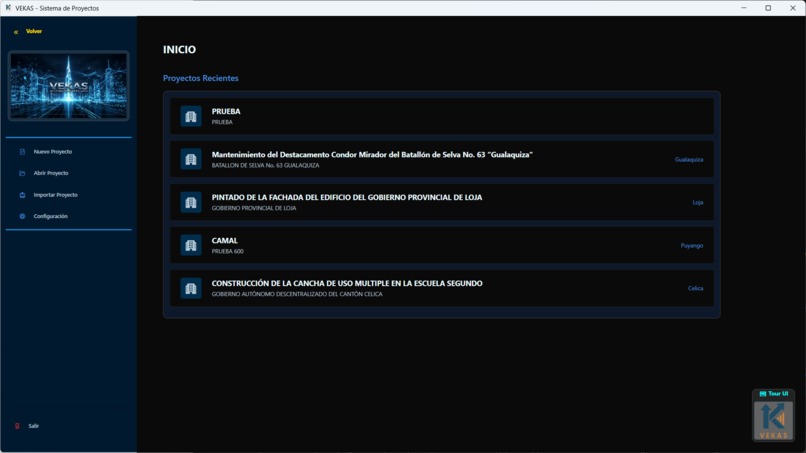
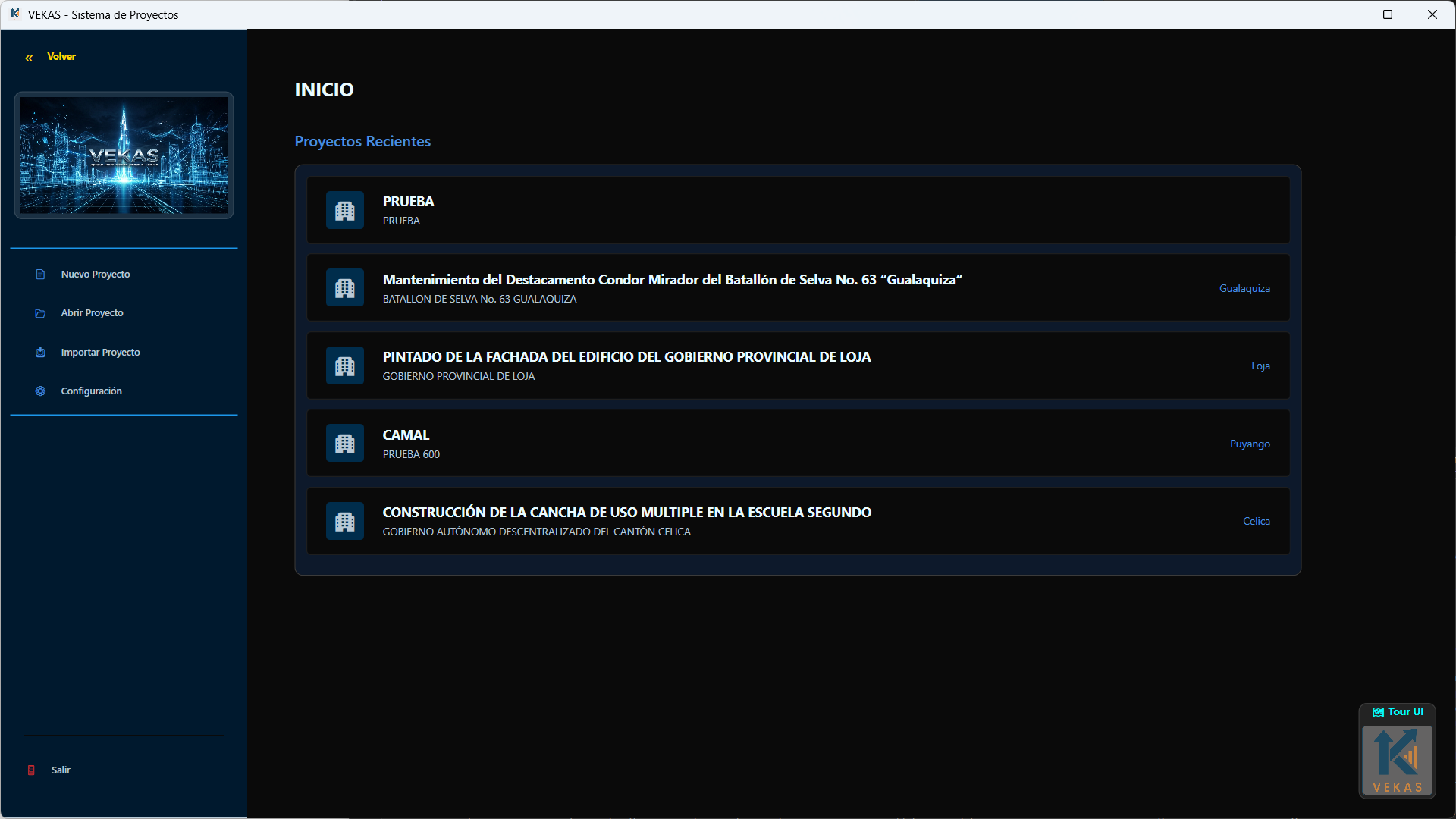
Home View
-
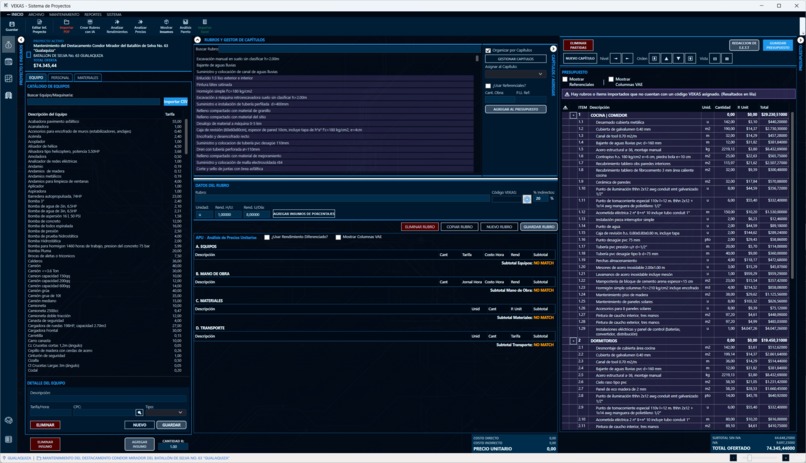
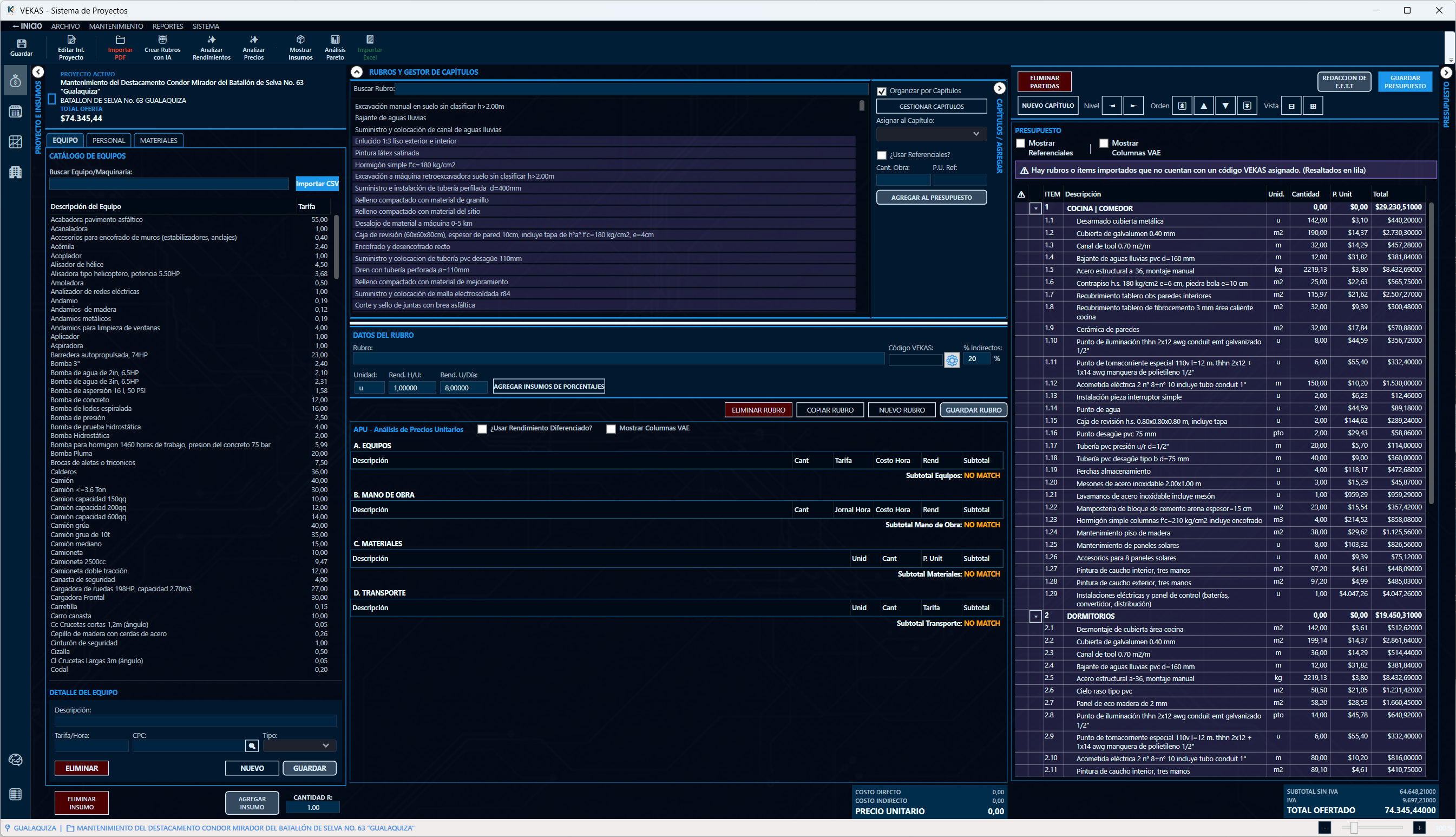
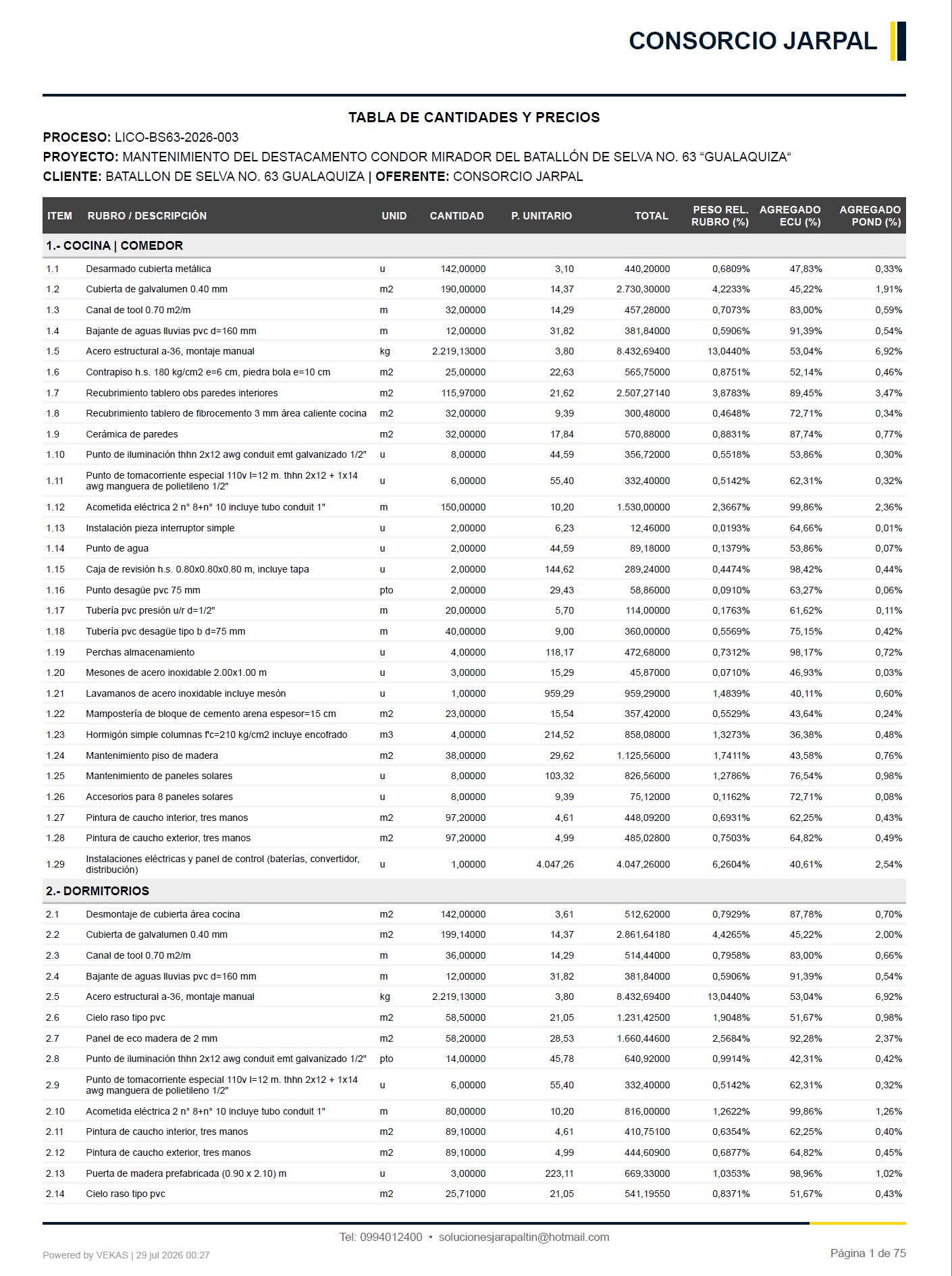
UI Presupuestos
-
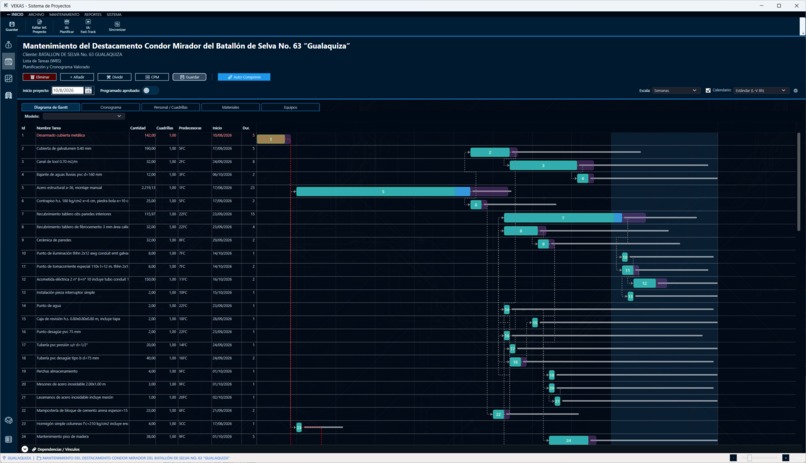
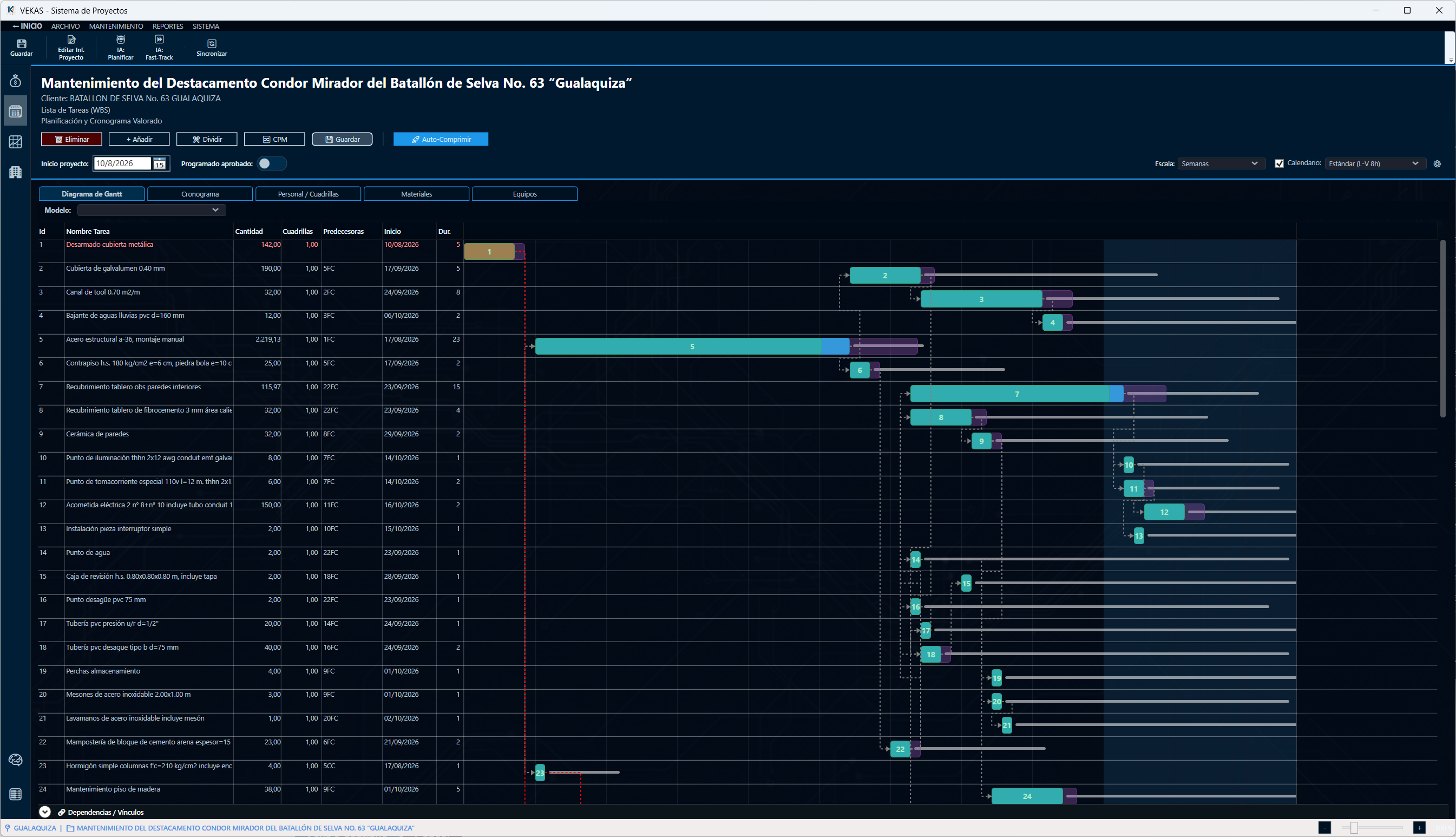
UI Planificacion
-
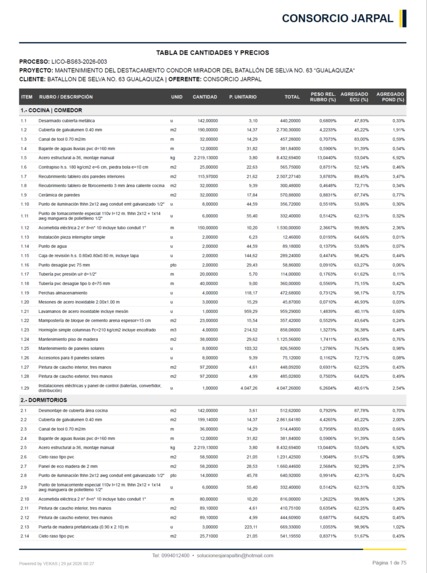
PDF Presupuesto Exportado
-
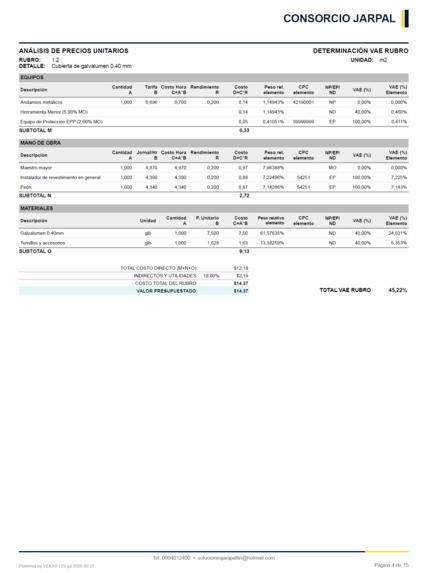
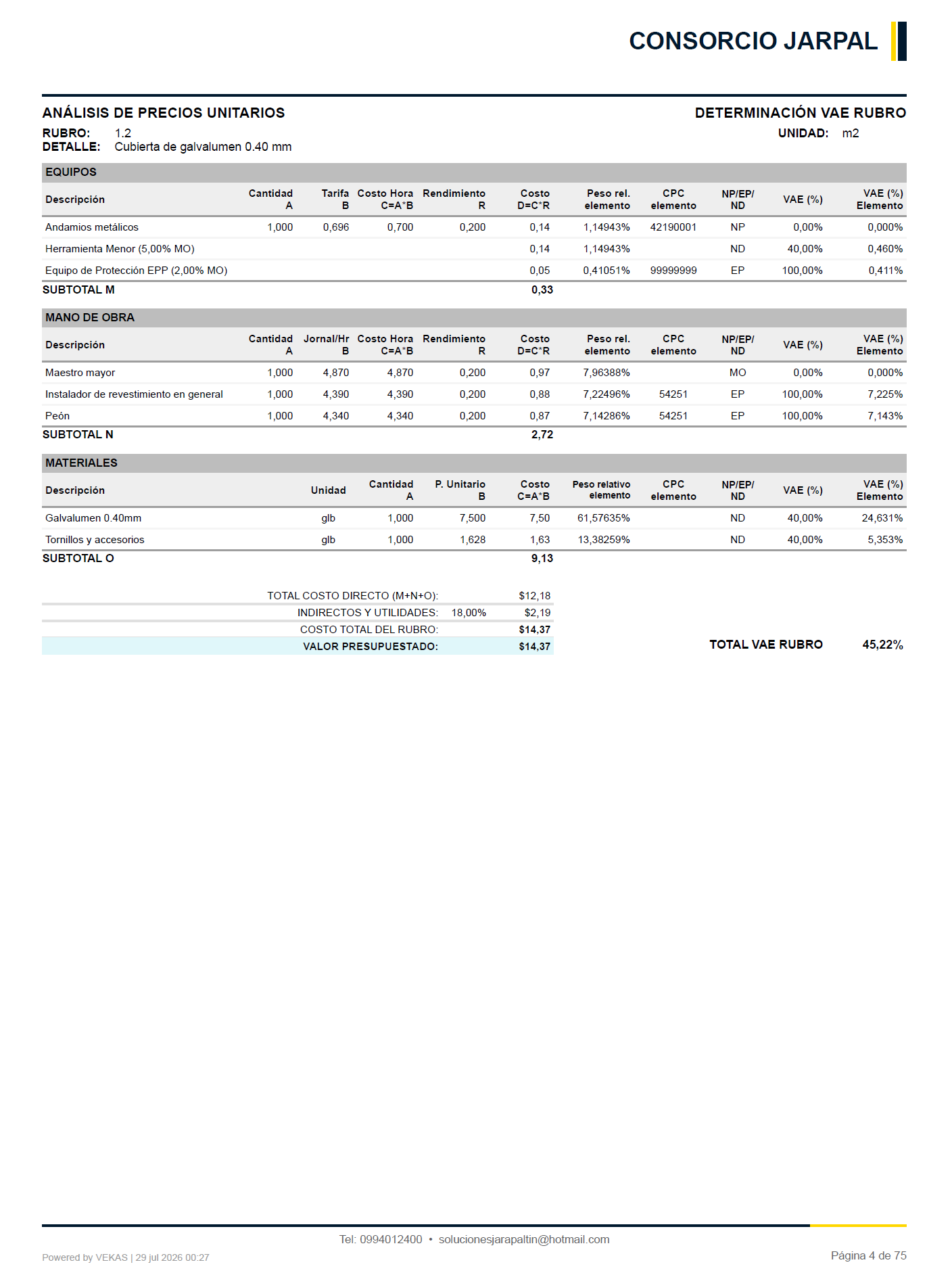
APU Exportado formato Desagregación
-
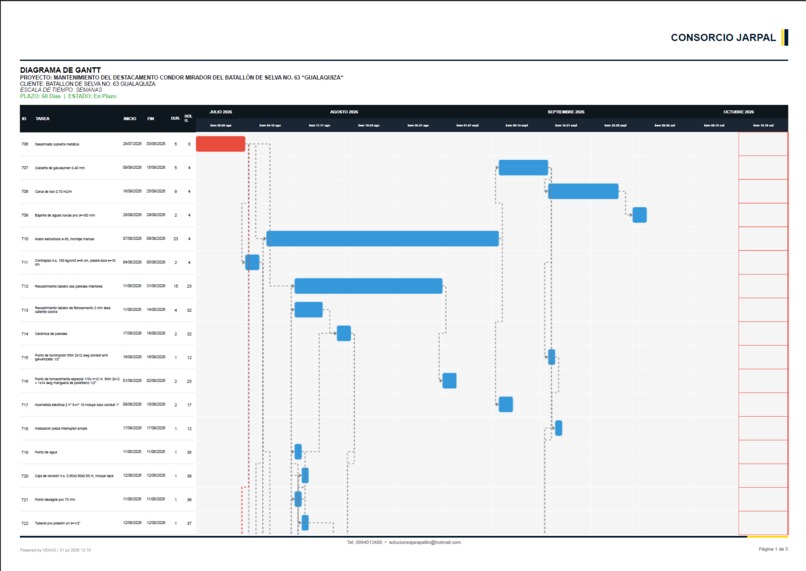
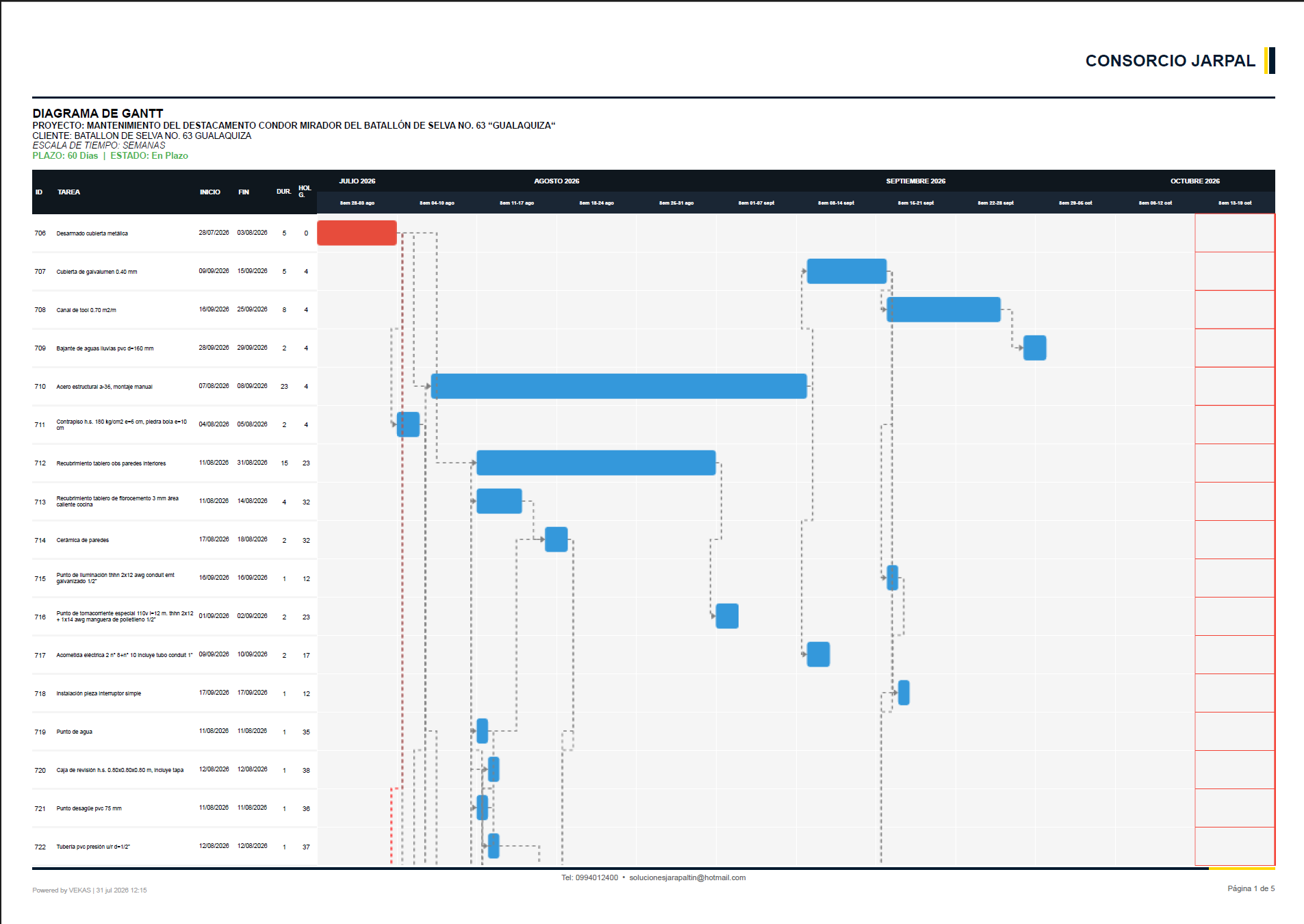
Gantt
-
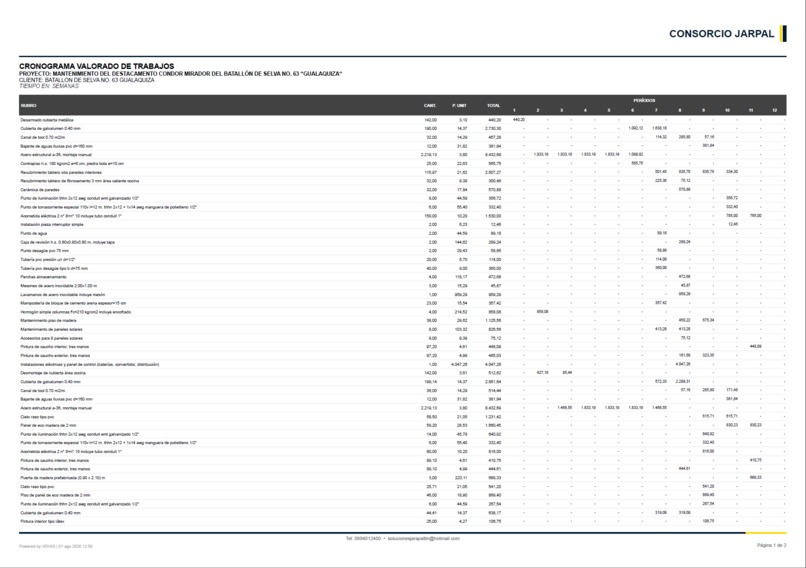
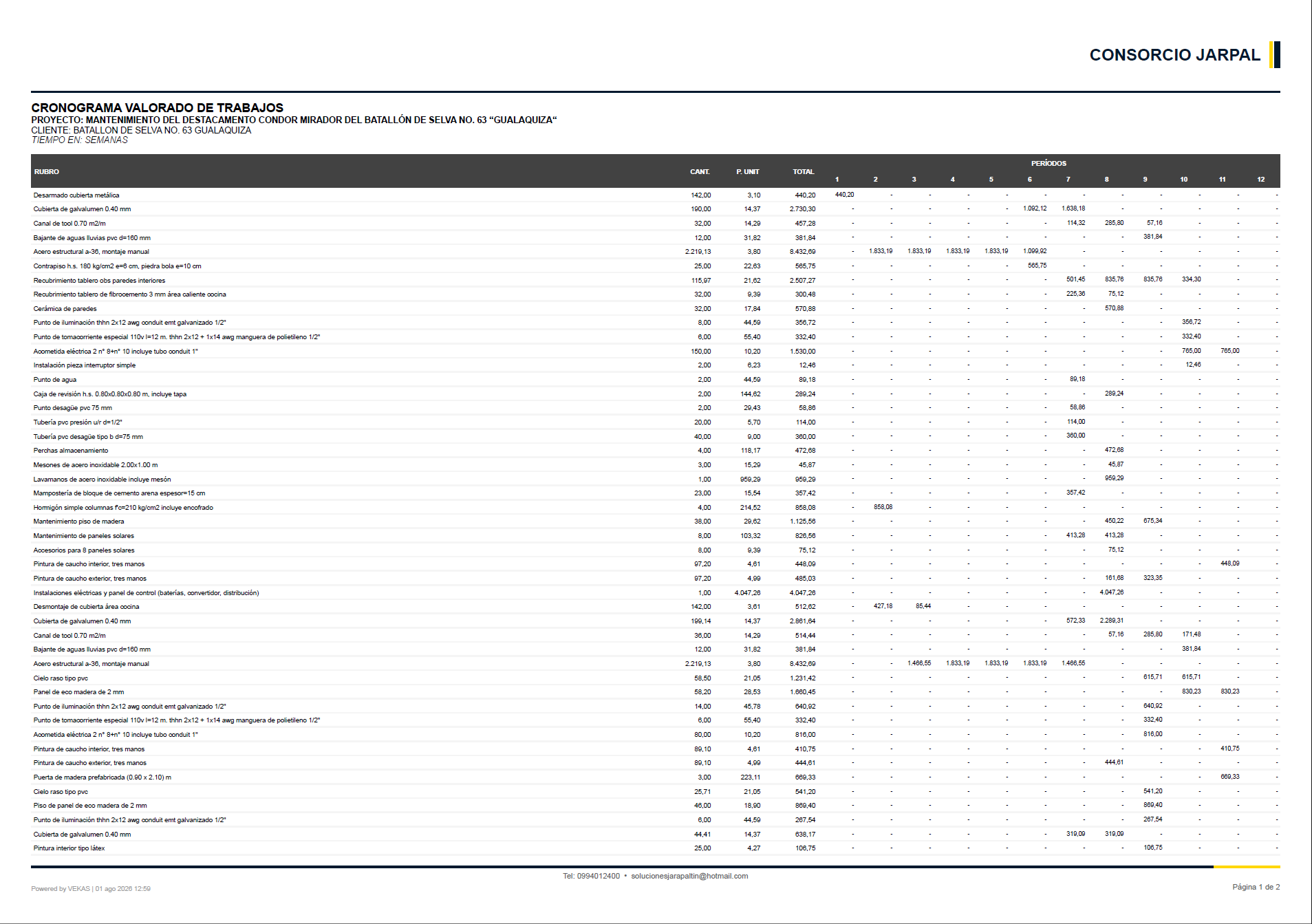
Cronograma Valorado
-
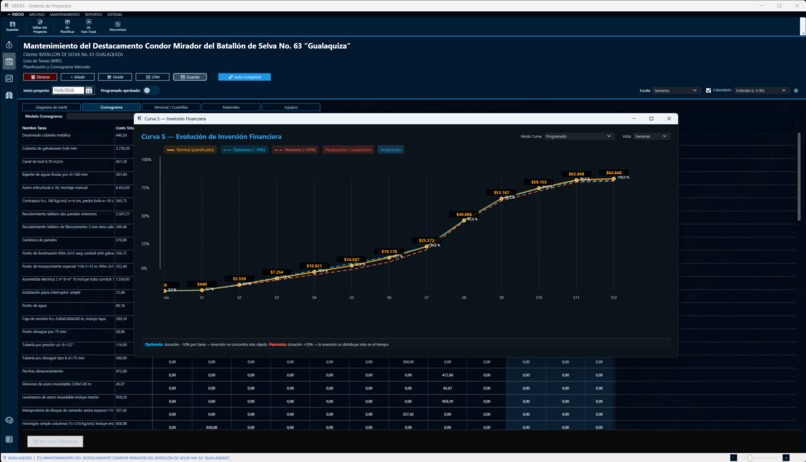
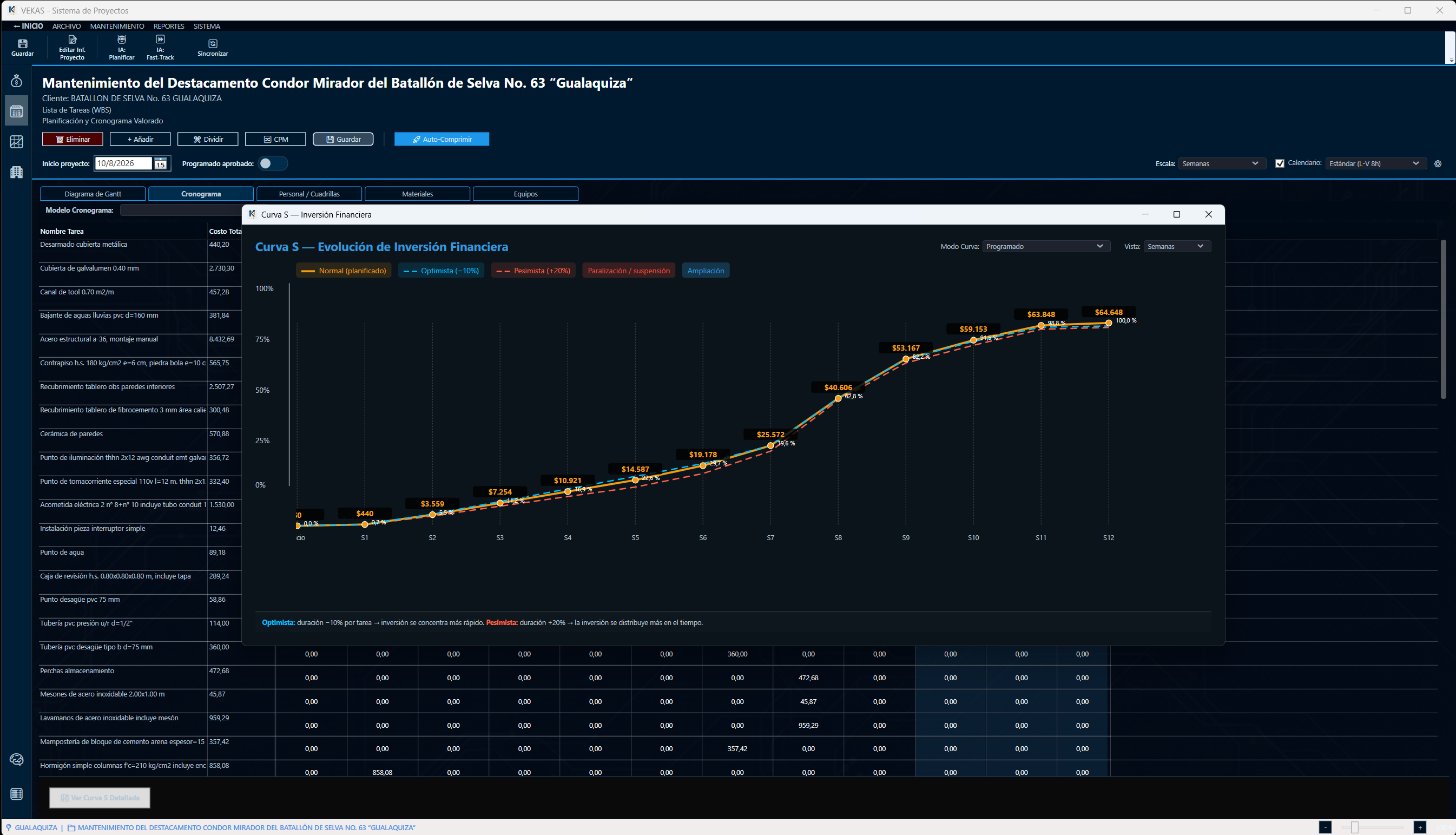
Curva S
💡 Inspiration
The construction sector relies heavily on complex budgets and Unit Price Analysis (APUs). Traditionally, civil engineers, architects, and contractors depend on chaotic, error-prone Excel spreadsheets or rigid, outdated legacy desktop software that hasn't evolved in decades. The inspiration behind VEKAS was born from the urgent need to bridge this gap: combining the speed, precision, and modern interface of desktop applications with specialized engineering automation. Our goal was to eliminate human formatting mistakes, lost formulas, and data inconsistency, empowering professionals to build millimeter-precise technical bids, valued schedules, progress payment claims (planillas), and official price readjustments with complete confidence and speed.
Note: While this project description is presented in English, the application UI, reports, and documentation are entirely in **Spanish, specifically tailored for the regulatory and public procurement framework of Ecuador (SERCOP, INEC, and LOSNCP).
⚙️ How We Built It
VEKAS is built from the ground up as a high-performance Windows desktop application using:
- Framework & Language: .NET and C#
- User Interface: Windows Presentation Foundation (WPF) with custom modern themes and responsive data grids.
- Architecture: MVVM (Model-View-ViewModel) design pattern with clean separation of UI state, commands, and domain logic.
- Engineering Engines:
- Algorithmic evaluation of Ecuadorian Polynomial Price Readjustment Formulas ($P_r = p_0 + \sum a_i \frac{B_i}{B_0}$) integrated with official INEC index series.
- S-Curve (Curva S) and CPM Gantt scheduling algorithms for financial and physical tracking.
- Embedded 3D BIM viewer for structural and architectural IFC files.
🧗 Challenges We Ran Into
As an architect stepping into software development for the very first time, building an application of this scale presented a massive learning curve:
- Mastering MVVM: Shifting mindset from visual/spatial design to rigorous software architecture was challenging. Understanding two-way data binding, property notifications (
INotifyPropertyChanged), converters, and asynchronous commands required perseverance.- Taming "God Objects" and Massive Views: In early development stages, monolithic "God classes" and massive XAML views grew out of control. Refactoring these large files into modular, decoupled UserControls and focused ViewModels was a major engineering breakthrough.
3. Complex Regulatory Math: Accurately modeling government-mandated price escalations, cuadrillas tipo, and consecutive payment deduction logic while keeping the UI responsive in real time.
🧠 What We Learned
- Software Architecture as Structure: Just like in architecture and structural engineering, software requires a solid foundation. Clean architecture, separation of concerns, and design patterns are essential for maintainable systems.
- The Power of Domain Knowledge: Being a construction professional building software for construction professionals proved to be a superpower—allowing us to solve real, day-to-day pain points that generic software overlooks.
- Modern WPF & Performance: Deep dive into XAML optimization, template styling, and efficient rendering of large analytical data grids with hundreds of items.
🚀 What's Next for VEKAS
- AI-Powered APU & Spec Assistant: Implementing AI models to suggest materials, equipment yields, and generate technical specifications automatically.
- Cloud Collaboration & Sync: Enabling real-time multi-user synchronization between site engineers (residentes) and office teams.
- Regional Expansion: Expanding default catalogs and regulatory formulas to other Latin American public procurement standards.
Built With
- csharp
- dotnet
- entity-framework
- entity-framework-core-(ef-core)
- geminiapi
- google-gemini-api
- json
- json-serialization
- sqlite
- vectorgra
- wpf
- wpf-(windows-presentation-foundation)


Log in or sign up for Devpost to join the conversation.