How Veil started
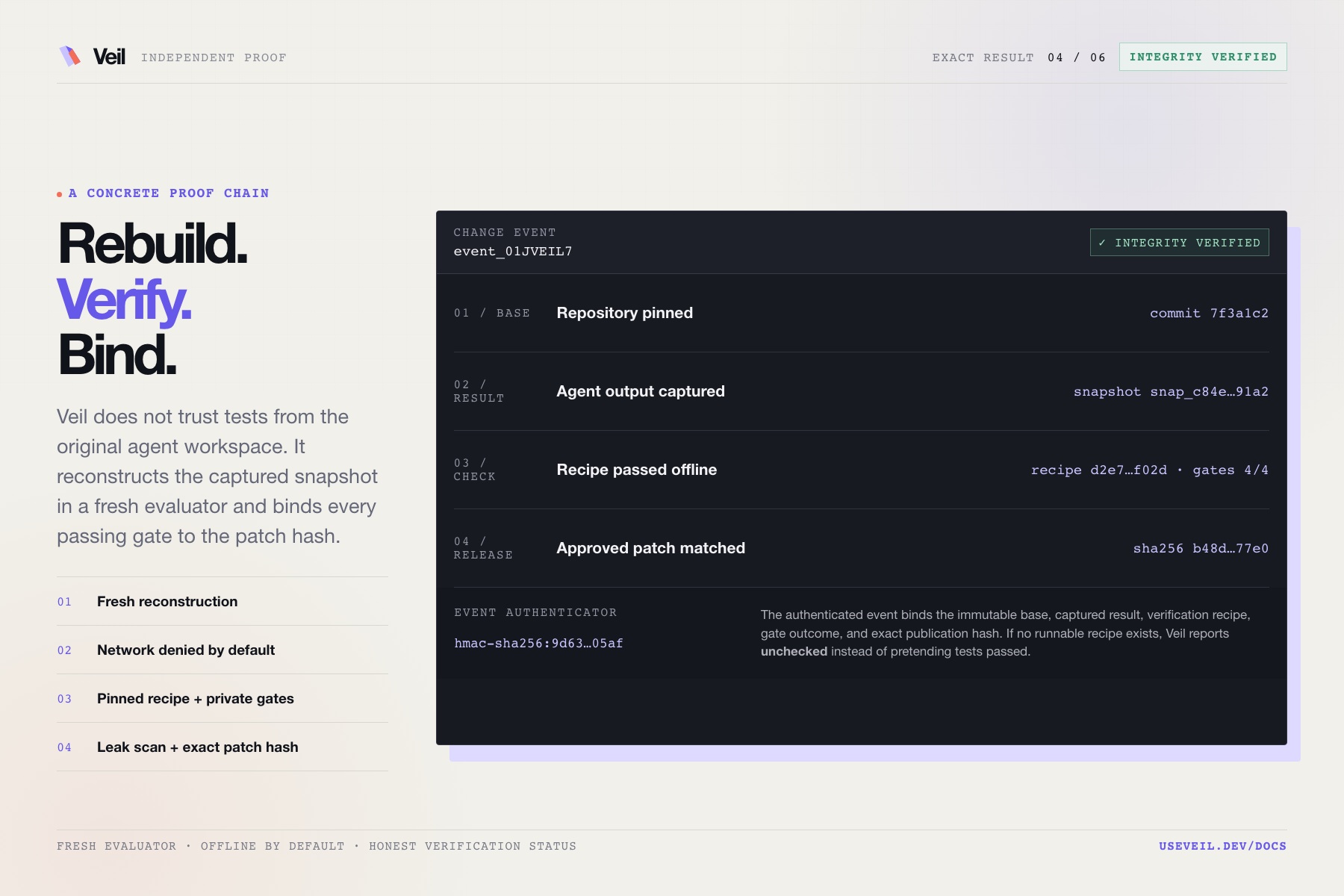
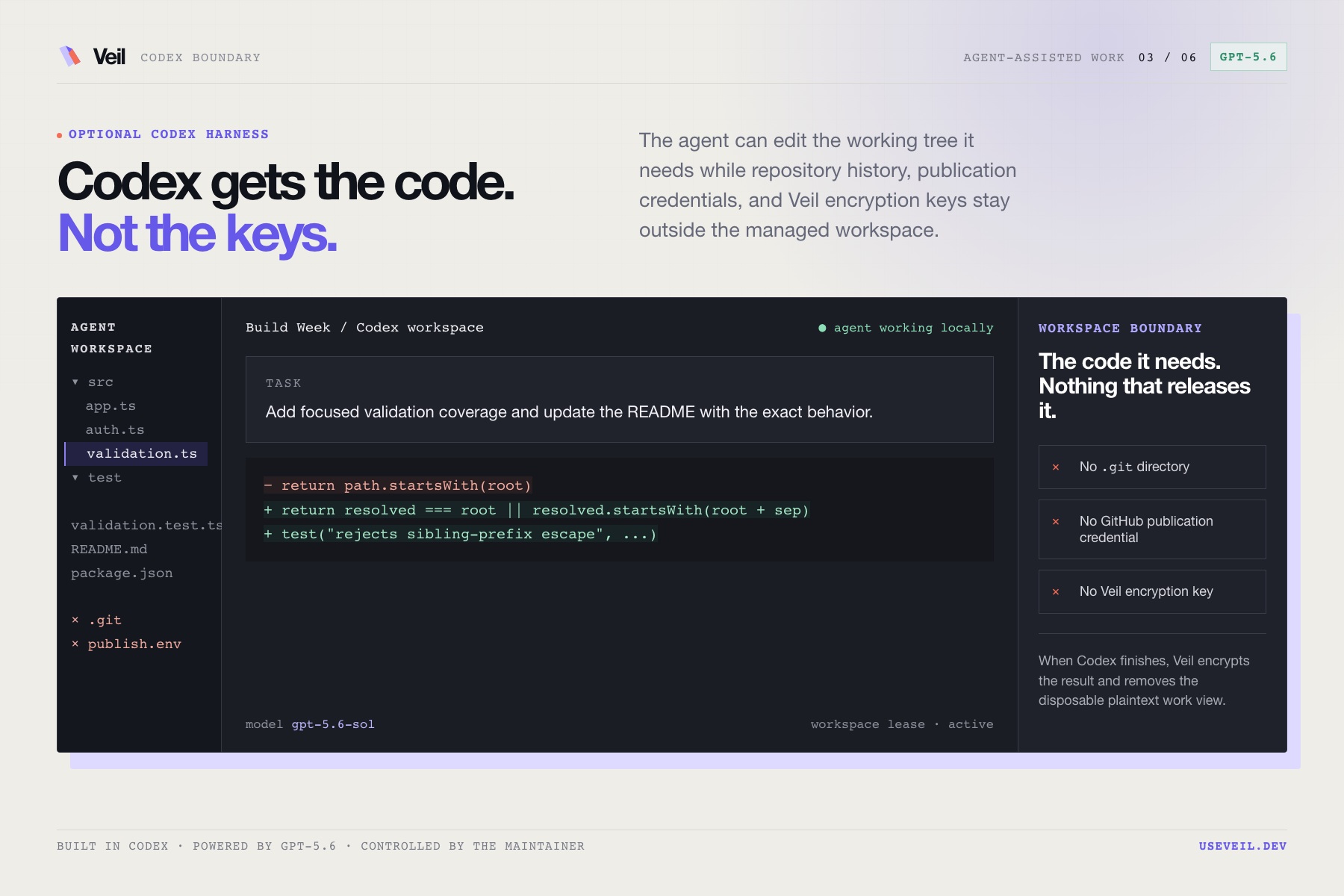
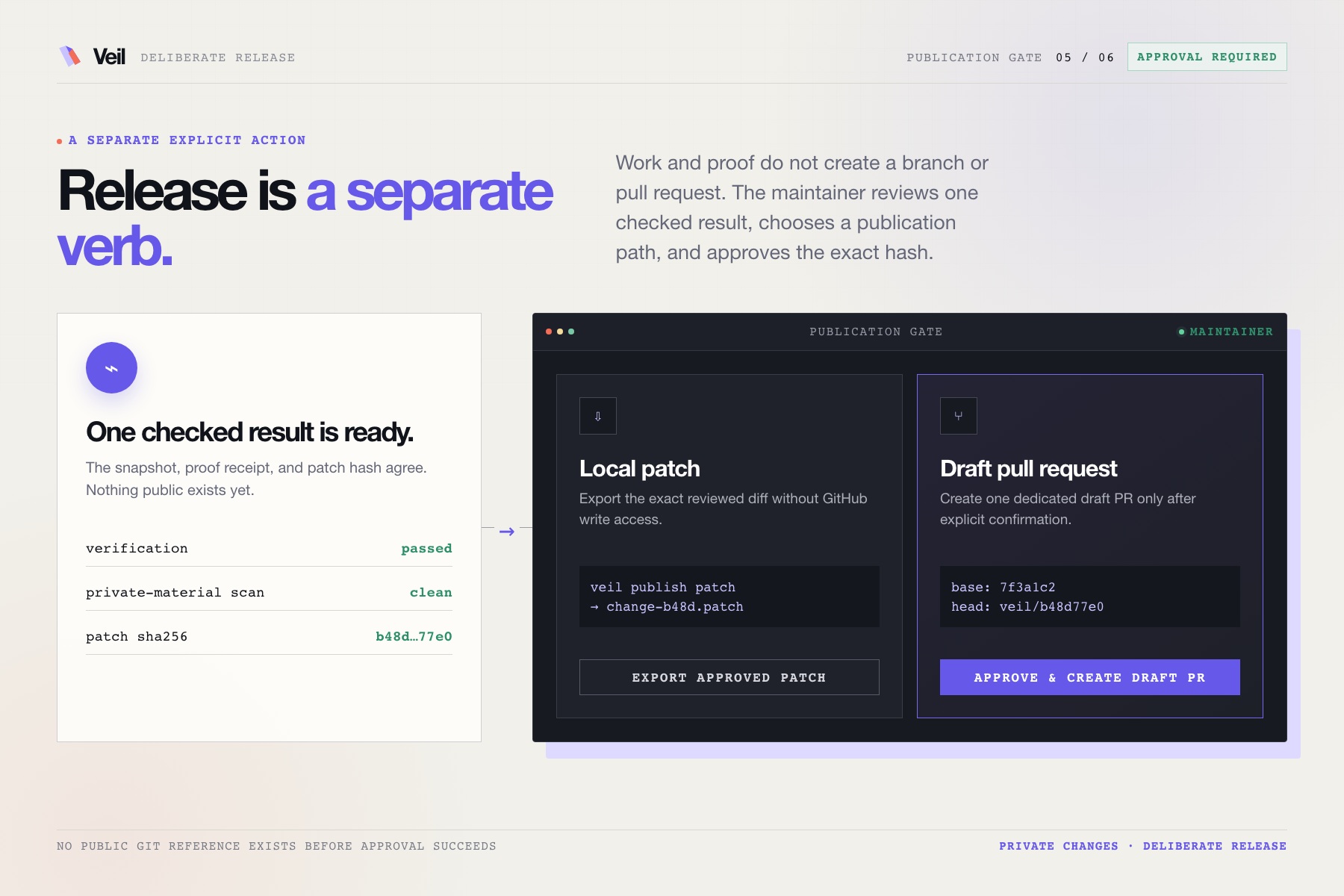
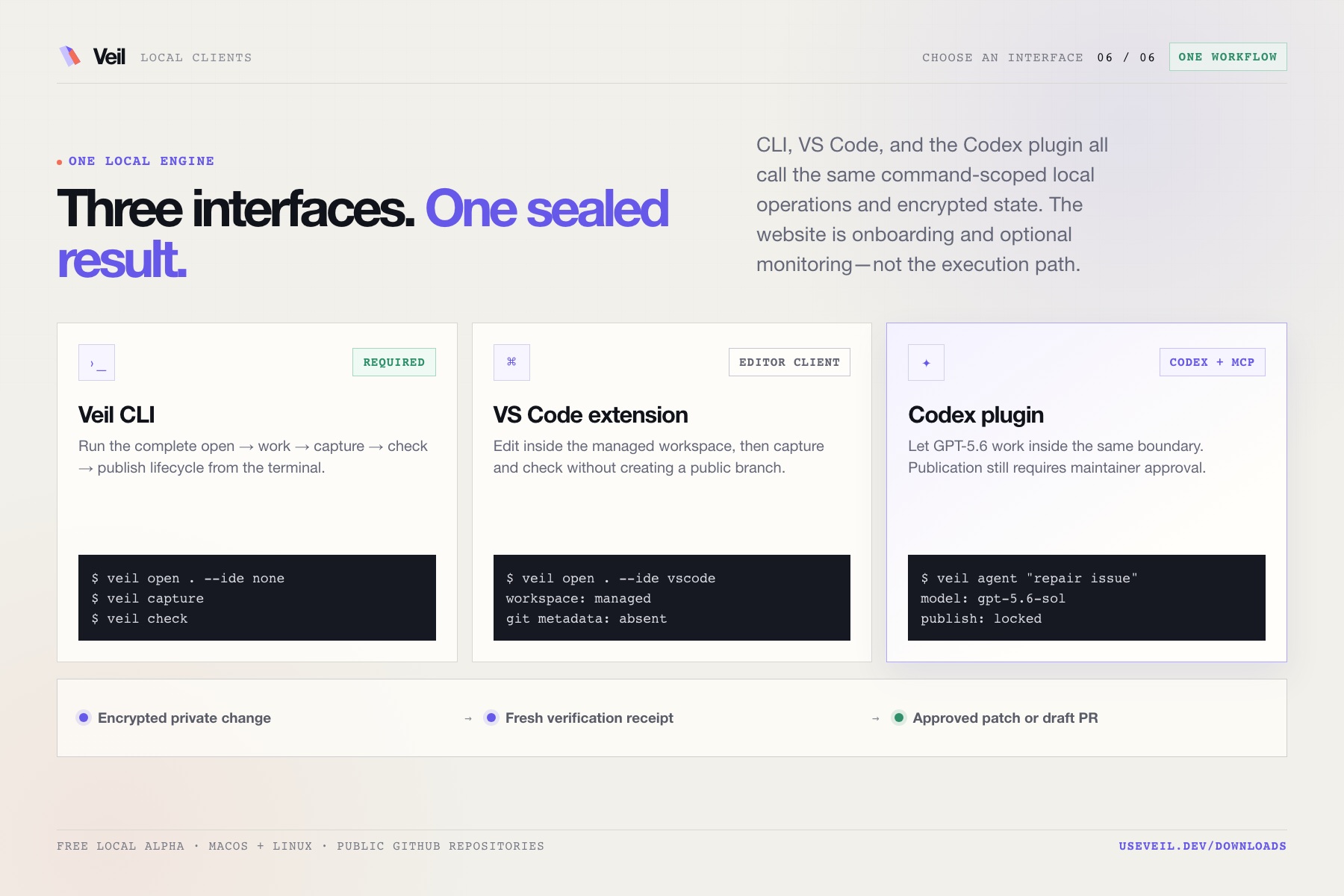
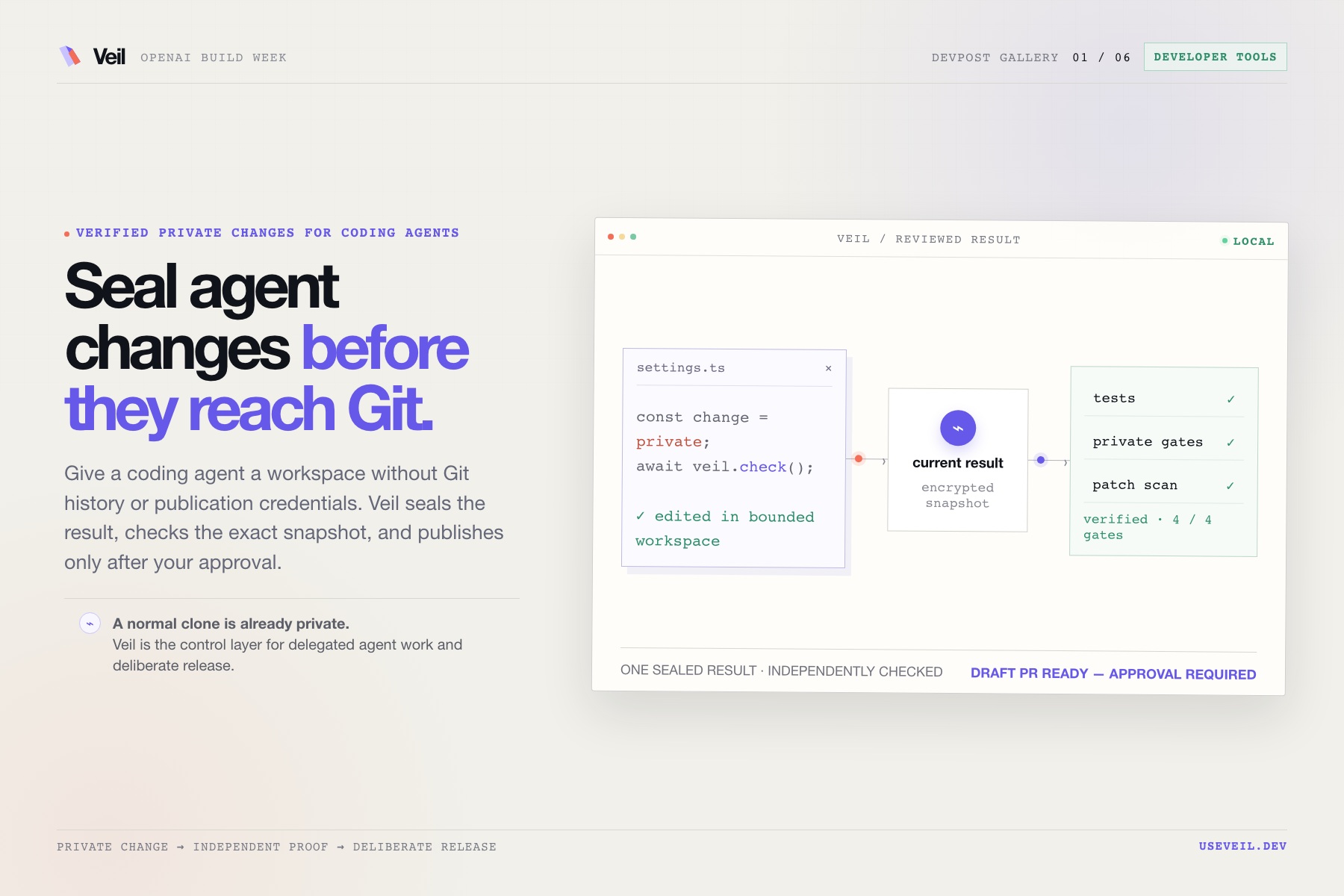
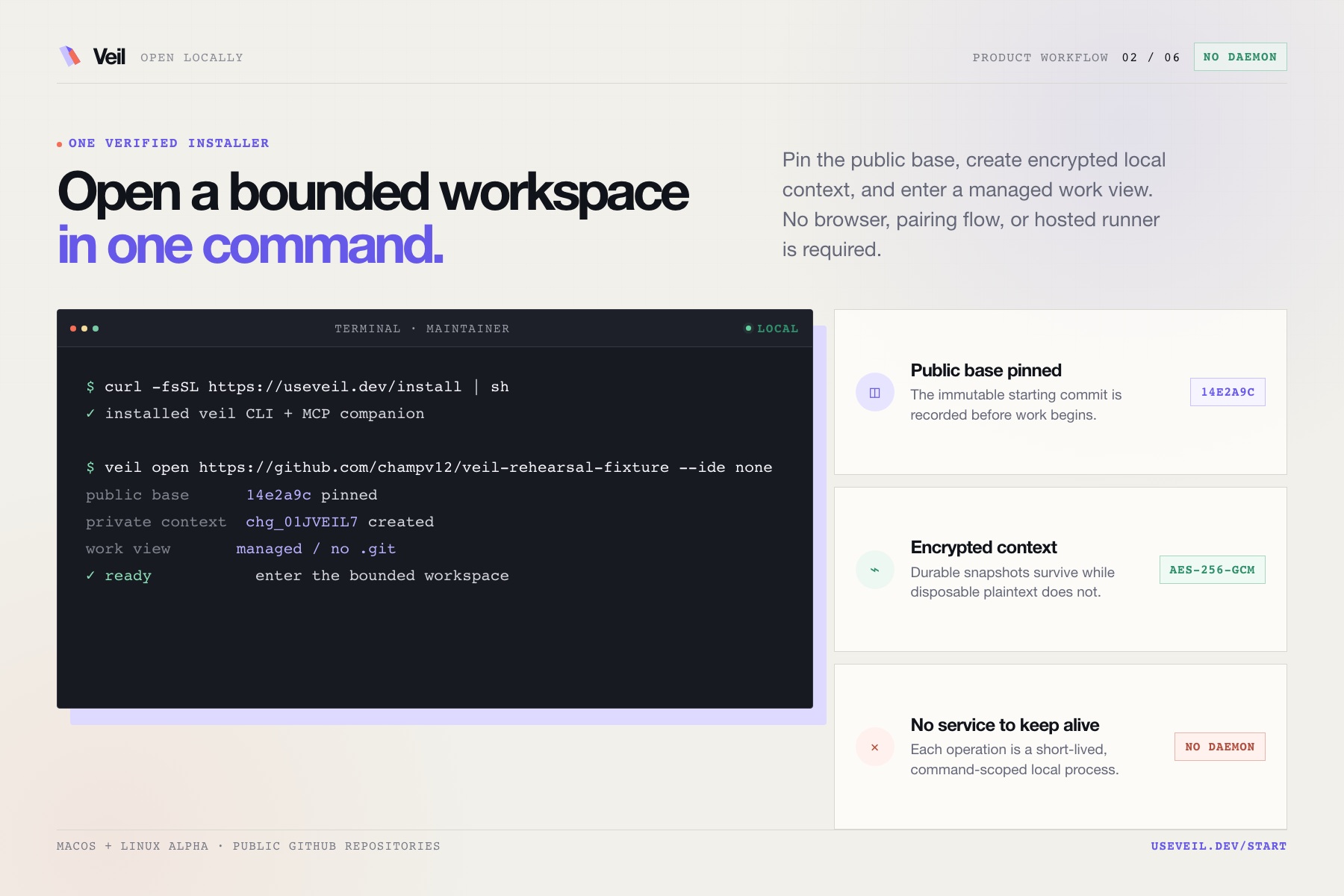
The idea for Veil started while I was watching a Theo (t3.gg) video about how much more ambitious individual developers can be now. His point was that frontier models have changed the scale of what one person can realistically attempt. Projects that previously needed several developers, or even an entire team, can now be explored by one person working with capable coding agents. Being overly ambitious is not necessarily a mistake anymore. Sometimes it is what helps you find an idea that would never have seemed achievable before. Theo also talked about projects he wished someone would build. One idea that stayed with me was a new kind of Git workflow for agentic development. Git and pull requests were designed for changes humans could reasonably review, but agents can now produce PRs containing tens of thousands of lines. At that scale, opening another enormous PR is not a complete answer. I kept thinking about that idea, but I did not immediately try to build anything. I had the $20 Codex subscription and mostly used it to ask questions. I am still learning as a developer, and I was uncomfortable with letting an agent do all my work. I saw Codex as a learning tool more than something I would trust to build a complete product. Then I randomly found the OpenAI Build Week announcement in my email. I had never entered a hackathon before, but I decided this was the right excuse to finally attempt the idea. I opened Codex and started by talking through the problem. The original ambition was something closer to a replacement for Git, but we quickly decided that trying to replace Git completely in three days would be too broad. Instead, we narrowed it to a problem that agents already create today: how can an agent work on a repository without receiving Git history or publishing credentials, and how can a developer verify and approve the exact result before it becomes public? That narrower idea became Veil. I started on the afternoon of July 18, which meant I was already very late. I had three usage resets left and initially wanted to see how far I could get with the $20 plan. For the next three days, I worked almost nonstop with Codex. Eventually, I upgraded to the $100 plan because the project had grown far beyond what I expected. Codex handled most of the implementation. It helped build the encryption and key-management infrastructure, deploy the website through Vercel, configure AWS, Supabase and WorkOS, set up CI/CD, create the CLI and editor integrations, build the release pipeline, debug production issues, and even turn the logo concept into an SVG. I still made the product decisions. I questioned the idea when it stopped making sense, changed the scope, supplied the accounts and constraints, tested the results, and decided what Veil should and should not claim. But Codex performed most of the coding, research, configuration, testing, and debugging required to make those decisions real. Most of the project was built with GPT-5.6 Sol at medium reasoning. I used high reasoning for some of the more difficult security and architecture work, while many of the parallel subagents ran on Terra. I also used Computer Use heavily. Codex worked through provider dashboards, browser flows, deployment logs, DNS configuration, authentication failures, and production bugs that could not have been solved by editing code alone. That experience changed how I think about agentic development. Without Codex, I would have spent most of the three days reading documentation and trying to understand how several different providers fit together. Instead, Codex could research a system, implement the integration, test it, and then help me diagnose it when something failed. I am still not interested in handing every part of my development process to an agent without understanding it. But I am no longer closed off to agents doing substantial work for me. Veil itself came from that tension: agents are incredibly capable, but developers still need control over what they can access, how their work is checked, and when it is published. The current version of Veil is not a replacement for Git. It adds a private, controlled layer before Git: open a repository without exposing .git, work manually or with Codex, capture the result, independently check it, and publish only after approval. The larger idea is still on the roadmap. This first version is only the beginning, but I am genuinely proud of what I managed to build during my first hackathon and three very intense days with Codex.
Built With
- gpt-5.6


Log in or sign up for Devpost to join the conversation.