Managing company vehicles manually through spreadsheets and paperwork often leads to missed service schedules, inaccurate mileage records, booking conflicts, and inefficient vehicle usage. Our team wanted to create a centralized digital solution that simplifies fleet operations and improves transparency for both administrators and employees.
The inspiration for this project came from observing how organizations struggle to manage vehicle registrations, maintenance schedules, employee bookings, and usage tracking in one place. Modern fleet and vehicle management platforms demonstrate how automation and centralized dashboards can significantly improve operational efficiency and reduce administrative overhead.
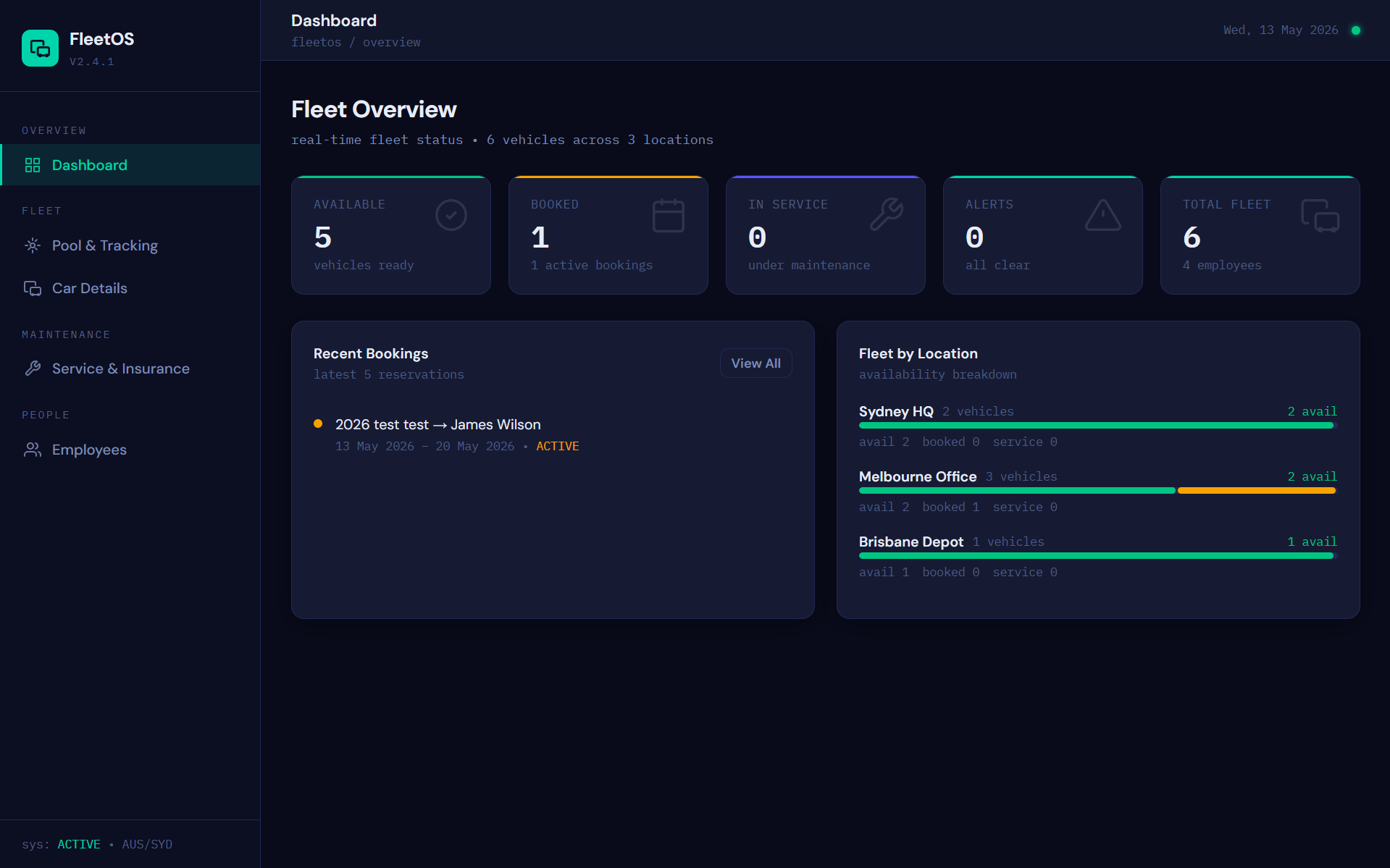
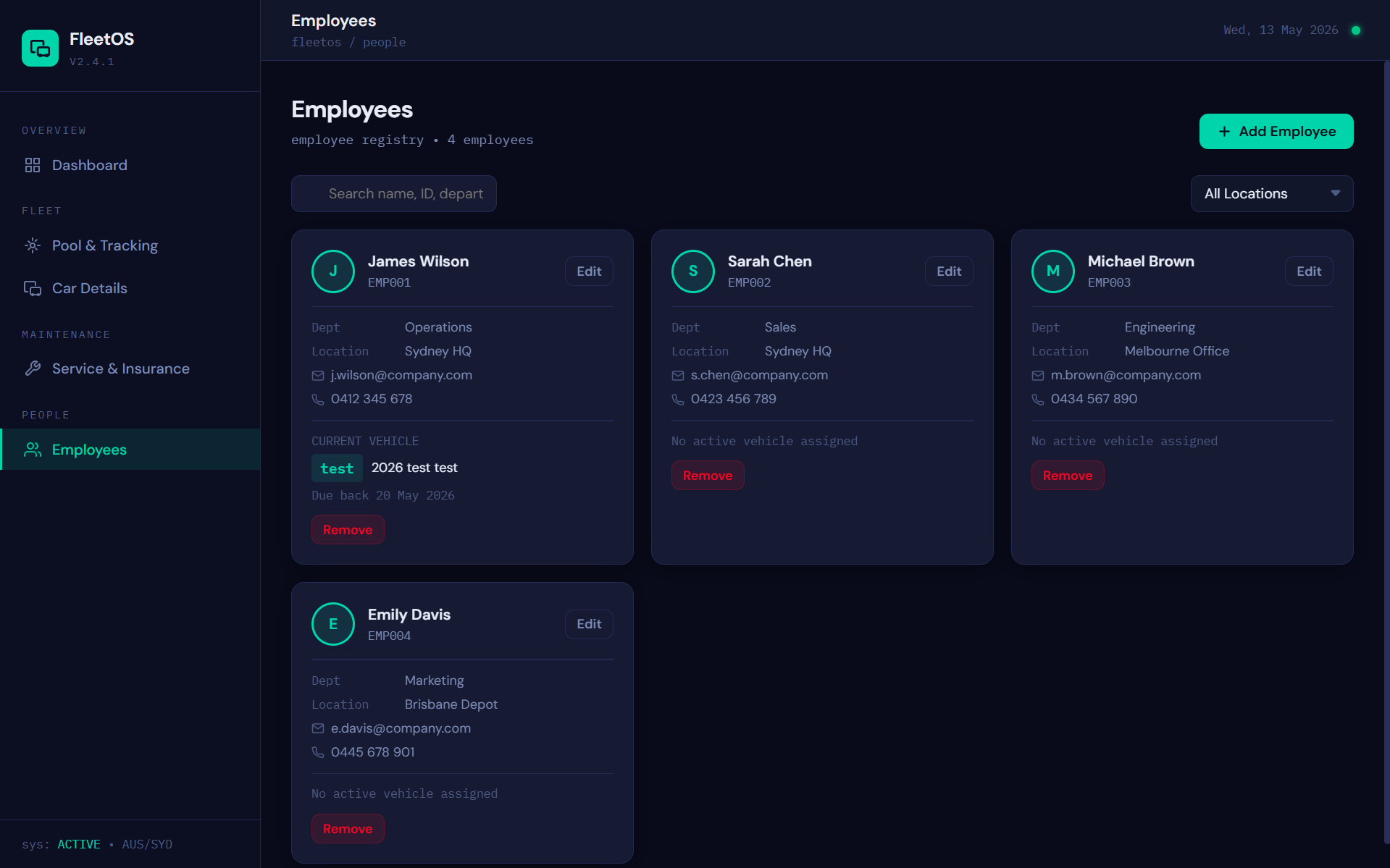
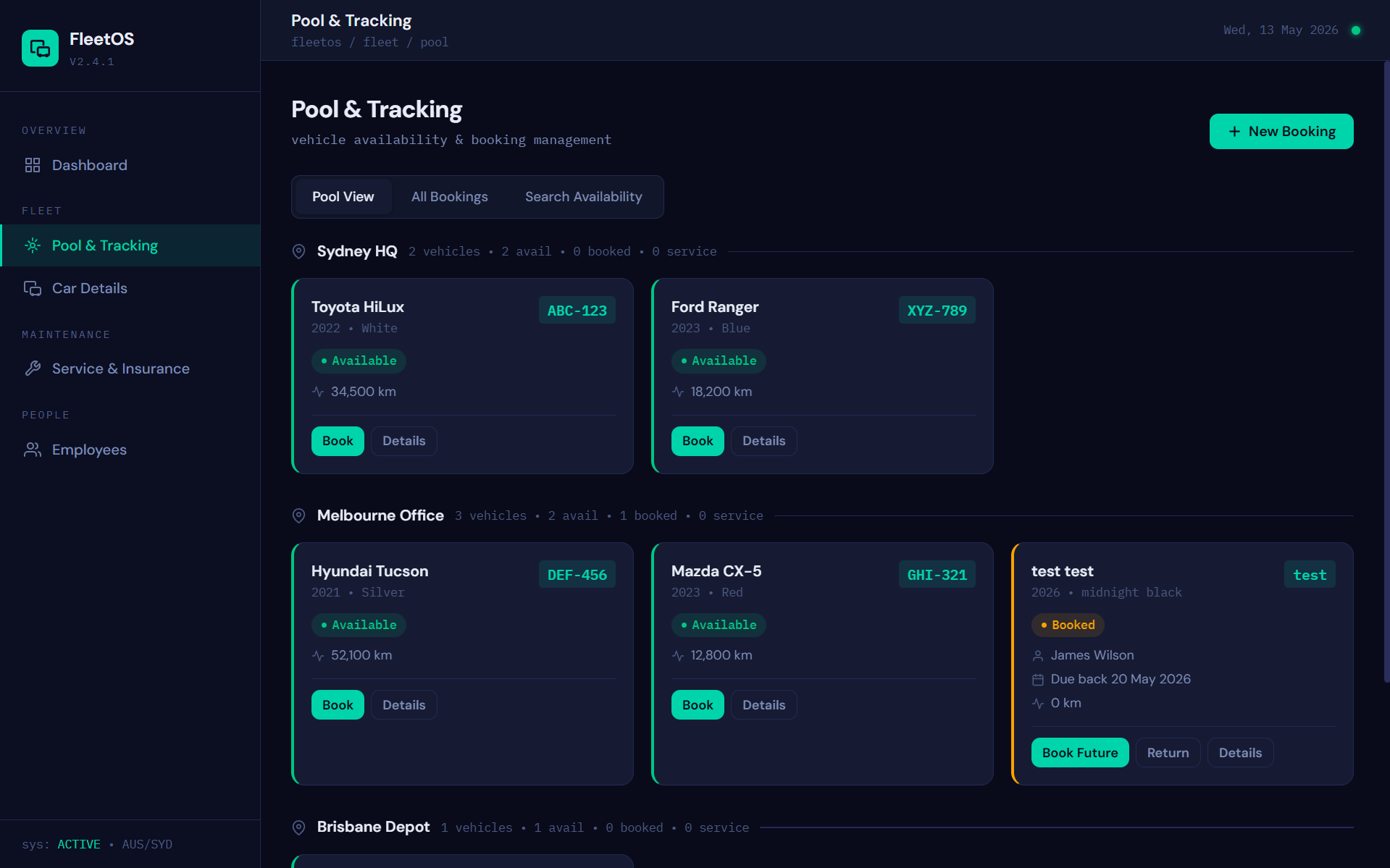
What the Project Does Our application is a complete vehicle management system designed for organizations to manage their fleet efficiently. The platform allows administrators to: • Manage vehicle registration details • Track servicing and maintenance schedules • Monitor mileage and vehicle usage • Maintain vehicle availability records • Enable employees to book vehicles easily through the system
The booking functionality helps eliminate scheduling conflicts while ensuring vehicles are utilized effectively across departments.
How We Built the Project We designed the system with a focus on usability, scalability, and real-time management. The application architecture includes: • A responsive frontend dashboard for administrators and employees • Backend APIs for managing vehicle and booking data • A centralized database to store vehicle records, mileage, servicing history, and booking information • Notification and validation mechanisms to avoid overlapping bookings and missed service reminders
During development, we followed a modular approach so that additional features such as GPS tracking, fuel monitoring, analytics, and mobile support can be integrated in the future. Similar fleet management systems inspired our architecture and feature planning.
Challenges We Faced One of the biggest challenges was designing a system that could handle multiple vehicle bookings without conflicts. Managing real-time vehicle availability while ensuring a smooth user experience required careful backend logic and database design. Another challenge was organizing different vehicle-related data such as registration details, service history, mileage, and employee usage into a clean and easy-to-use interface. Large fleet systems often struggle with presenting complex data in a simple way, and we worked hard to keep our application intuitive and user-friendly.
We also faced challenges in: • Designing scalable database relationships • Creating efficient search and filtering functionality • Ensuring accurate mileage and service tracking • Implementing secure authentication and role management • Building responsive UI components for different devices
What We Learned This project helped us gain practical experience in: • Full-stack application development • Database design and optimization • REST API development • Authentication and access control • Real-time booking management • UI/UX design for enterprise applications • Team collaboration and agile development practices
We also learned the importance of building software around real business problems instead of just technical features. Through this project, we understood how automation can improve operational efficiency and reduce manual work in fleet management environments.
Future Improvements In future versions, we plan to add: • GPS and live vehicle tracking • Fuel consumption monitoring • Predictive maintenance alerts • Mobile application support • Advanced analytics and reporting dashboards • Integration with company HR and transport systems
Overall, this project was a valuable learning experience that allowed us to solve a real-world organizational problem while strengthening our technical and teamwork skills.

Log in or sign up for Devpost to join the conversation.