Inspiration
Traditional competitive exam preparation heavily relies on static multiple-choice questions (MCQs) and rote memorization. However, modern competitive exams have evolved toward complex analytical evaluation—featuring statement-based questions, assertion-reasoning, and multi-column matching. We created vdda to bridge the gap between outdated study tools and the real, analytical demands of modern competitive exams, giving students a realistic simulation environment powered by AI.
What it does
vdda is an intelligent exam readiness and simulation platform that transforms how students prepare for competitive tests:
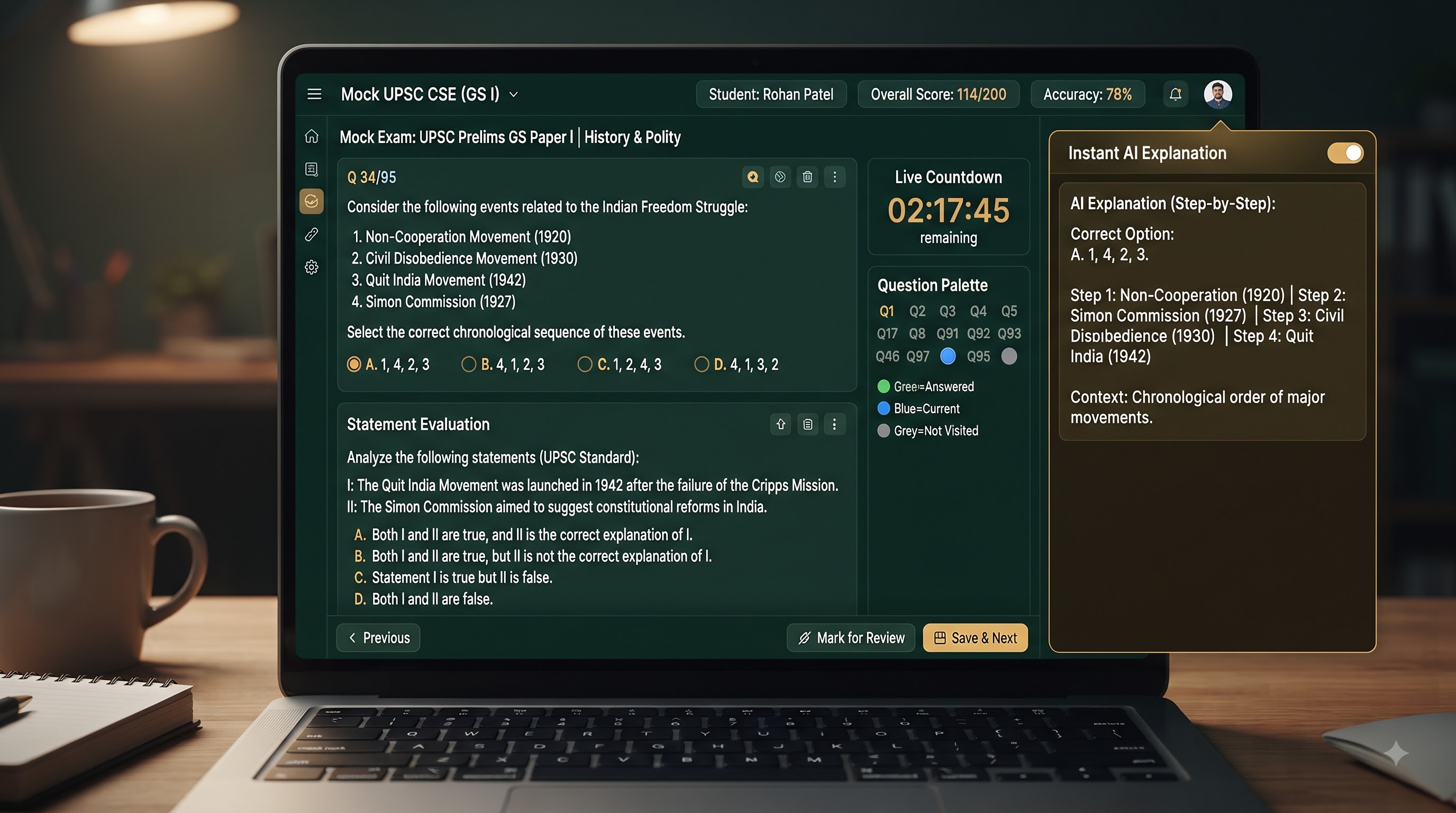
- Advanced Question Formats: Simulates modern testing patterns including assertion-reasoning, multi-statement evaluation, and matching columns.
- Multimodal Note Evaluation: Evaluates handwritten notes directly from student uploads, offering instant corrective feedback and gap identification.
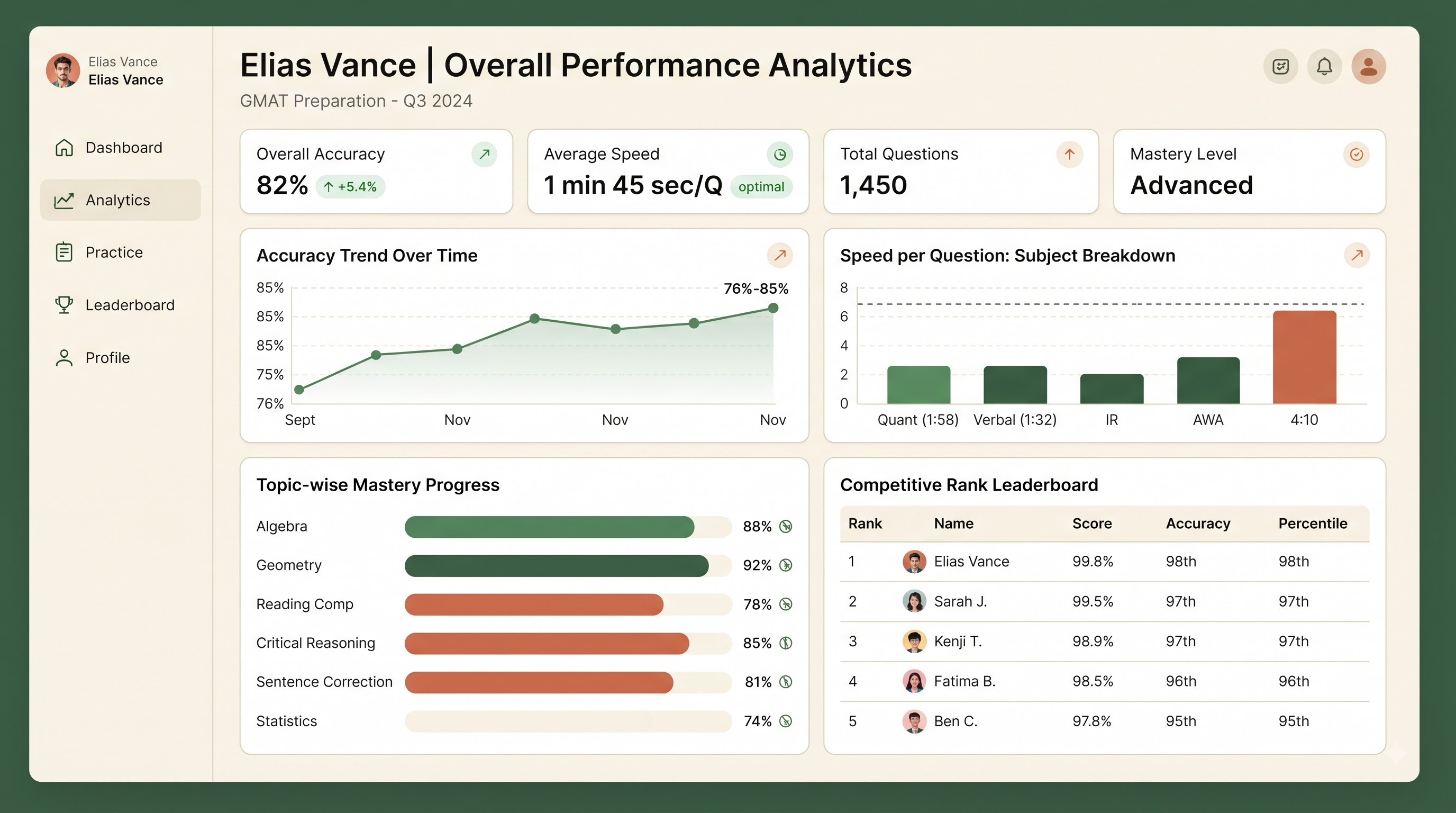
- Topic-Level Progress Tracking: Pinpoints micro-concept strengths and weaknesses to direct student effort where it matters most.
- Timed Mock Simulations: Provides realistic, time-bound exam conditions with detailed post-test analytical breakdowns.
How we built it
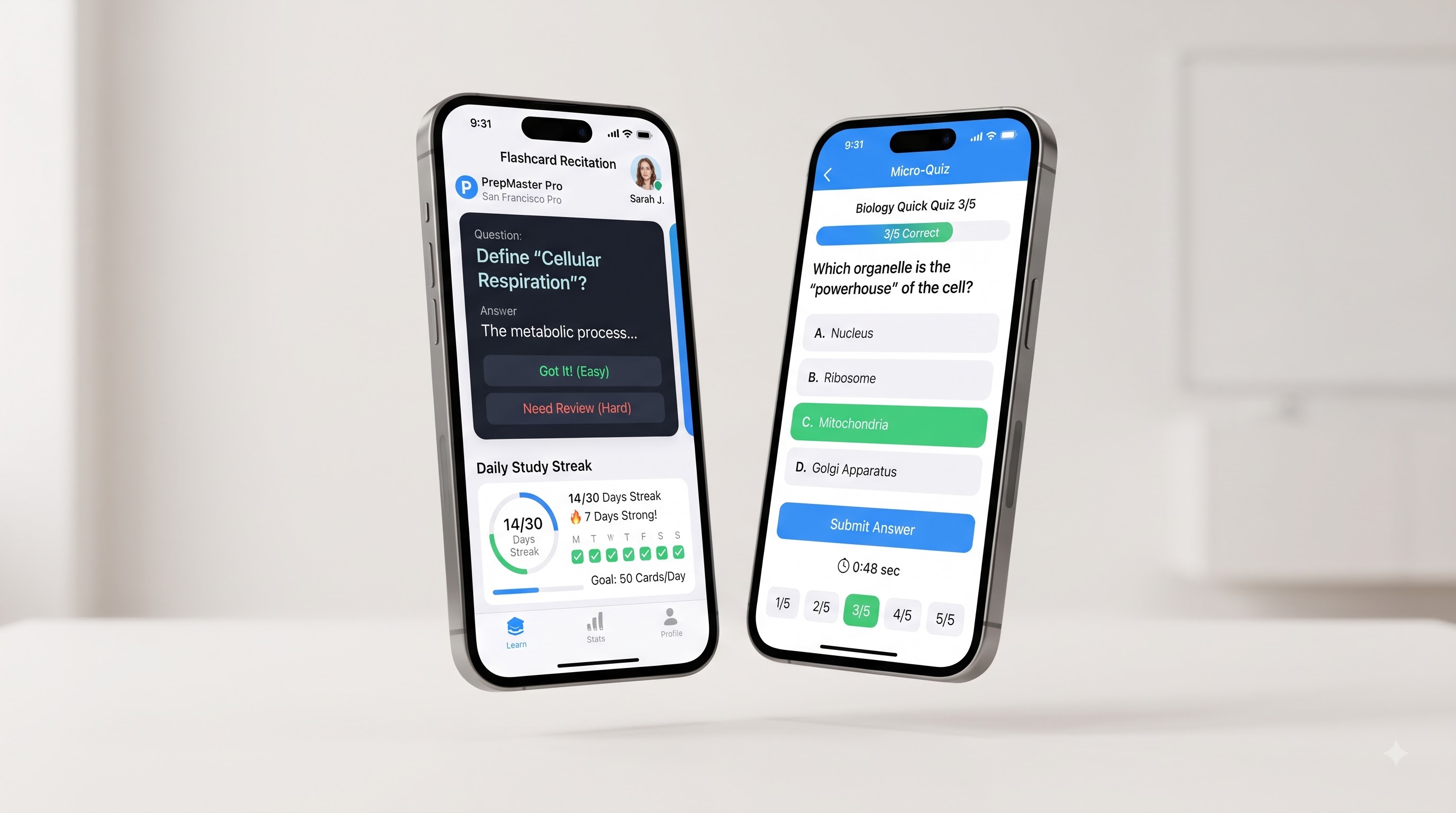
- Frontend: Built a responsive, interactive user interface using React Native / Flutter for cross-platform availability.
- Backend: Developed high-performance REST APIs using Python FastAPI / Node.js to manage test states and user data.
- AI Engine & Vision: Integrated vision-capable Large Language Models (LLMs) paired with Retrieval-Augmented Generation (RAG) to accurately digitize, evaluate, and provide feedback on handwritten notes against syllabus standards.
- Database & Vector Search: Utilized PostgreSQL for user profiles and test metadata alongside Vector Databases for embedding-based concept matching.
Challenges we ran into
- Handwriting OCR Accuracy: Processing varying handwriting styles, messy layouts, and diagrammatic notes required fine-tuning computer vision prompts to avoid false corrections.
- Domain Accuracy in AI Feedback: Ensuring AI-generated explanations for complex assertion-reasoning questions remained 100% grounded without model hallucinations.
- Real-time Latency: Minimizing latency during live, timed mock simulations while processing complex analytical questions and instant score updates.
Accomplishments that we're proud of
- Successfully building an end-to-end multimodal pipeline that accurately parses and grades handwritten notes.
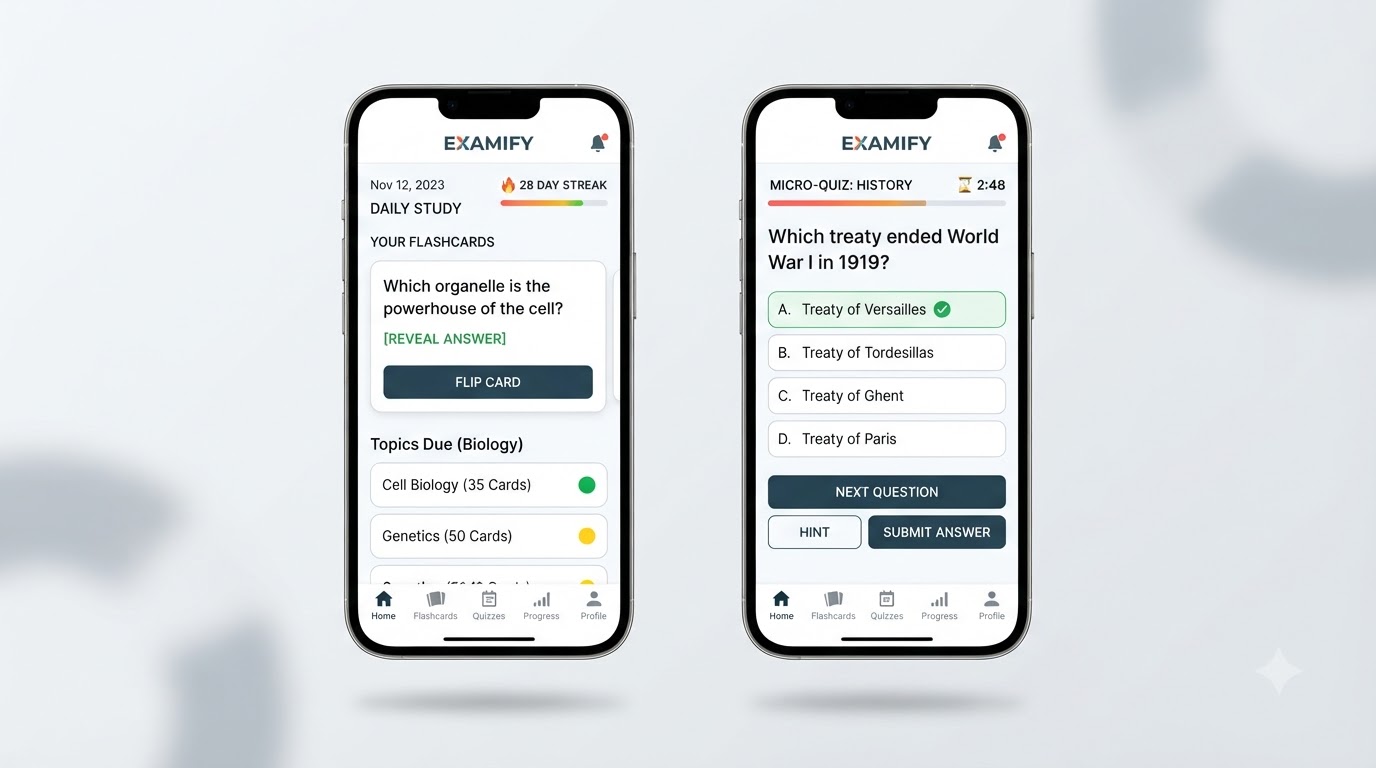
- Designing a seamless simulation UI that replicates modern competitive exam environments.
- Creating a topic-level granular tracking system that gives students actionable insights instead of simple percentage scores.
What we learned
- The crucial role of grounding LLMs through RAG to ensure absolute factual accuracy for exam prep materials.
- Strategies for optimizing computer vision workflows for student-submitted media.
- Design patterns for presenting dense analytics and progress metrics in a simple, non-overwhelming student dashboard.
What's next for vdda
- Multilingual Evaluation: Expanding OCR and AI feedback to support regional Indian languages (e.g., Kannada, Hindi).
- AI Adaptive Timelines: Automatically generating daily study plans based on mock simulation weaknesses.
- Offline Mock Mode: Enabling students in low-bandwidth areas to download test packages and sync performance metrics once reconnected.

Log in or sign up for Devpost to join the conversation.