-
-
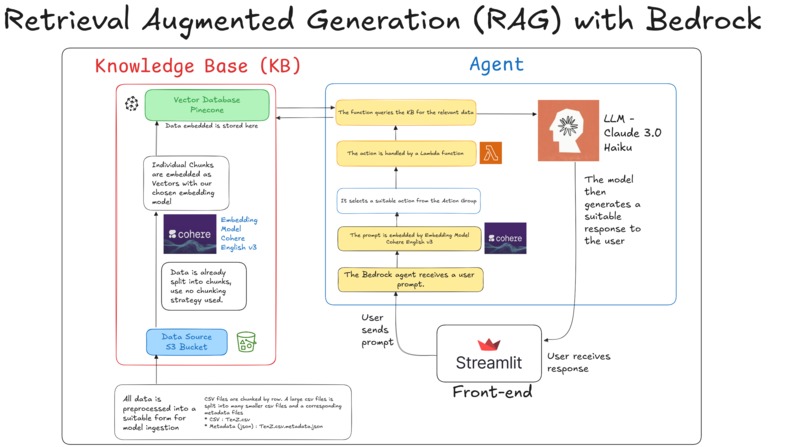
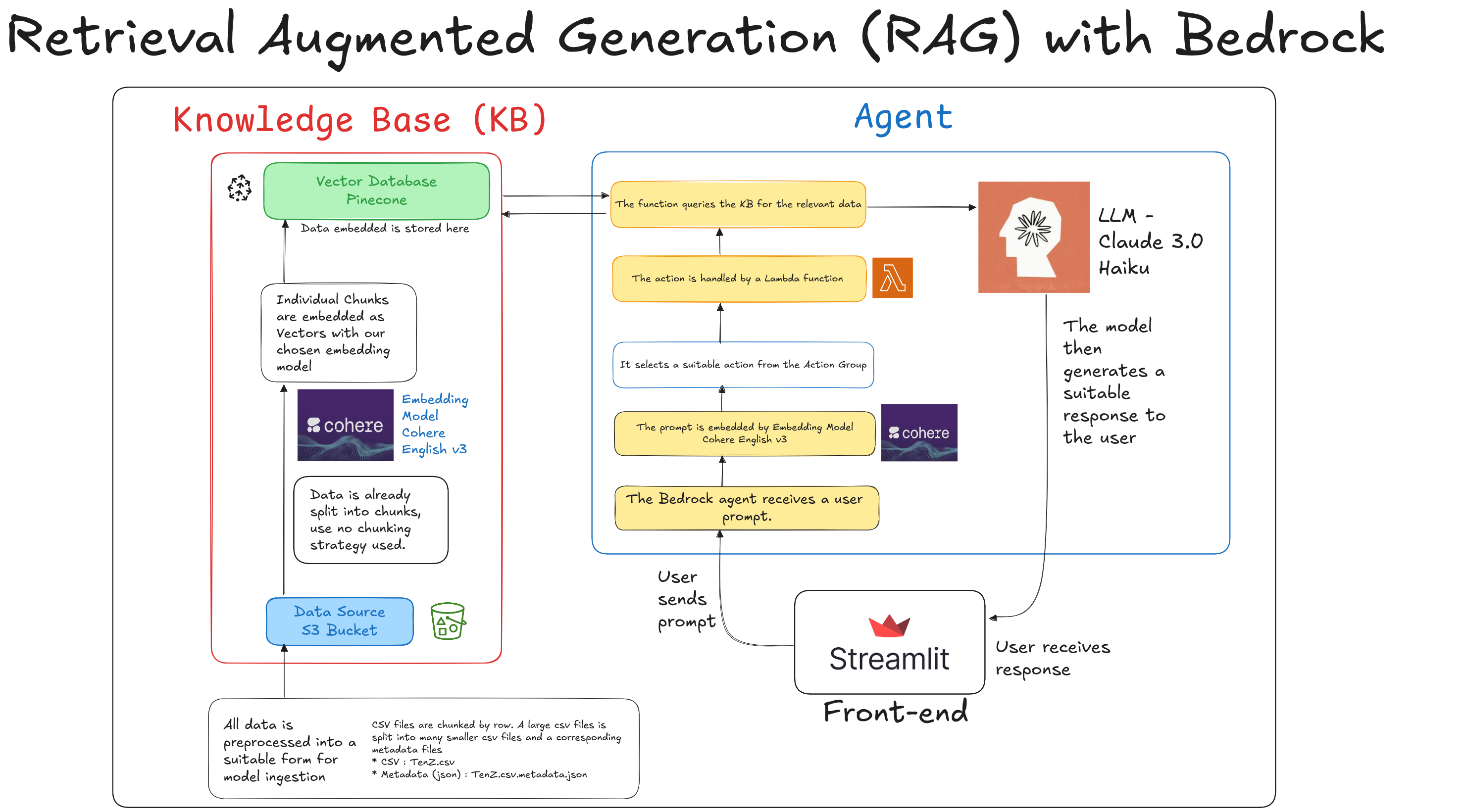
Our overall model architecture
Introduction
ScoutBot is an AI-powered digital assistant designed to streamline scouting and recruitment for VALORANT Esports teams. By analysing player data and team compositions, it offers insights to help build optimal teams based on playstyle, roles, and regional performance.
Inspiration
As avid followers of esports and passionate gamers ourselves, this project aligned perfectly with our interests. We also study data science, analytics, and AI, making this challenge a unique opportunity to combine our knowledge of these fields with our love for competitive gaming. The chance to use AI to solve real-world problems in eSports made the VCT Hackathon especially exciting for us, bringing together two areas we are deeply passionate about.
What it does
ScoutBot supports the scouting and recruitment process for VALORANT esports teams. It builds teams based on player data, such as roles, performance stats, and agents played, and answers questions about player suitability and team composition. By leveraging Amazon Bedrock’s generative AI, it retrieves data to suggest balanced and effective team rosters. The assistant provides insights on how each player fits into the team, helping team managers to make informed decisions quickly and efficiently.
How we built it
Firstly we gathered data through web scraping and retrieval from various official sources based on our understanding of how VALORANT eSports teams are formed.
We built the AI-powered assistant using Amazon Bedrock to integrate a large language model (LLM) capable of processing and analysing player data. The data was stored in S3, while API keys were securely managed with Secrets Manager. Serverless functions were handled using Lambda to automate tasks like querying player data and generating team compositions.
For vector storage and retrieval, we used Pinecone, allowing the model to efficiently search and filter data based on player roles, regions, and performance stats. It is an extremely cost effective option for our use case.
Lastly, we used Streamlit to build a simple, user-friendly front-end interface, allowing managers and coaches to easily interact with the assistant and visualize the team compositions and insights it generated. The combination of these technologies provided a robust system for supporting esports team building and recruitment.
Challenges we ran into
- There is insufficient data on players in game changers in China. Hence, we do not include the Chinese region for game changers in our analysis.
- The first challenge involved chunking the CSV files. The factors we considered was the structured nature of CSV data, which would be lost with most predefined chunking strategies predefined in AWS. Since we needed each row in the CSV file to represent a single chunk, we had to write additional scripts to handle this manually. This added complexity to the data processing workflow but was necessary to ensure the model received the data in the correct format.
- The second challenge was with metadata in Pinecone. Upserting data through the console didn’t work because the metadata fields weren’t being read correctly, preventing the model from filtering data based on metadata. To solve this, we had to write more scripts to upsert and embed data without using the console, adding another layer of scripting to the project.
Accomplishments that we're proud of
We are particularly proud of building a fully functional AI-powered assistant, despite having no prior experience with LLMs or AWS. Tackling the steep learning curve, we quickly learned to integrate Amazon Bedrock with other AWS services and successfully implemented a solution that effectively supports team-building in VALORANT esports.
Another achievement was overcoming technical challenges, such as manually handling file chunking and resolving metadata issues with Pinecone. Through these efforts, we were able to streamline data processing and ensure smooth functionality, which was key to the project's success.
All of this is done while we all had academic and internship commitments. We did not take any down time and devoted much of our time to this project.
What we learned
We learned how to integrate LLMs with Amazon Bedrock, and manage complex workflows using AWS services like S3, Secrets Manager, and Lambda. The project also taught us the importance of efficient data management with Pinecone for vector storage and how to create intuitive visualisations with Streamlit.
One of the biggest takeaways was understanding how to build an AI-powered solution from scratch, adapting to new tools and overcoming challenges. The experience taught us the value of persistence, collaboration, and being open to learning as we went along, ultimately delivering a fully functional product.
Another key takeaway is that future improvements should begin with a deeper understanding of how agents function in the game. Instead of relying solely on human intuition for forming eSports teams, we aim to gather data systematically based on agent roles and mechanics. This will allow us to build more effective models and provide insights grounded in the game's core mechanics, leading to better team compositions and performance predictions.
What's next for AI-Driven Team Building: VCT eSports Manager Hackathon
If given the opportunity to and more resources, we would like to improve the project in the following ways:
- Extend the ScoutBot capabilities to other eSports titles like League of Legends, making the tool adaptable for different games and competitive formats.
- Expanding the Dataset: We plan to incorporate more player data, including additional performance metrics and historical tournament records, to allow for a dynamic understanding of the VALORANT eSports scene.
- Robust Approach to Unstructured Data: Enhance our handling of unstructured data, such as regional playstyles, by leveraging Reddit APIs to gather opinions and clustering them to derive deeper insights.
- Enable the AI assistant to answer general questions about VALORANT esports, such as "What is VALORANT?" or "How can I play in Game Changers?", making it useful for a broader audience.
Built With
- amazon-web-services
- bedrock
- github
- openapi
- pinecone
- python
- streamlit


Log in or sign up for Devpost to join the conversation.