Inspiration
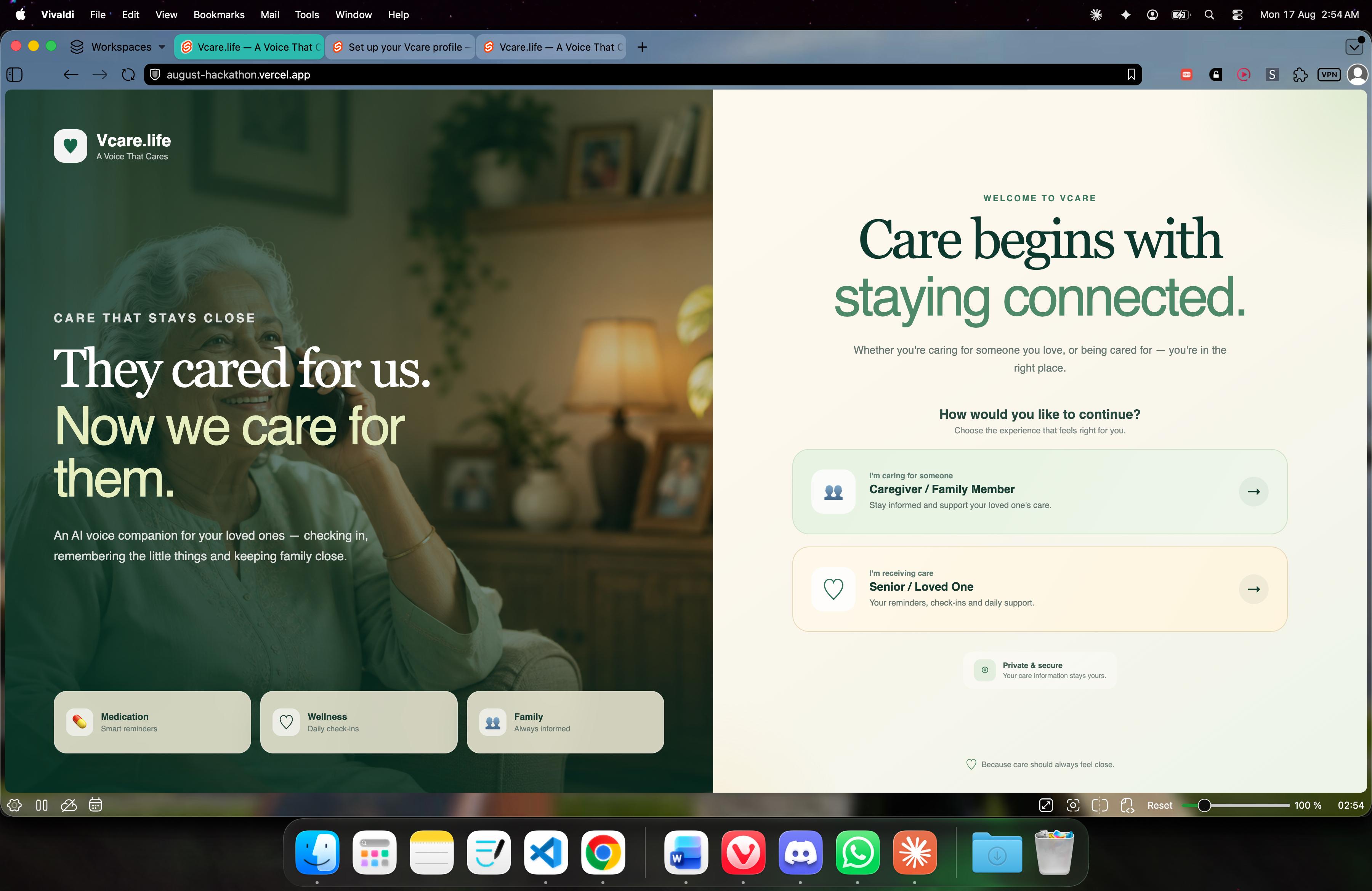
Vcare.life started with a simple thought: reminders are useful, but sometimes people need more than a notification — they need someone to actually check in.
For many seniors, remembering medicines, appointments and everyday routines can become difficult, while family members and caregivers cannot always be physically present.
We wanted to explore whether AI could make this experience feel more human.
Instead of asking a senior to constantly open an app, what if the technology could reach out to them?
That idea became Vcare.life — A Voice That Cares.
What it does
Vcare.life is an AI-powered voice companion for seniors that combines everyday care management with conversational phone check-ins.
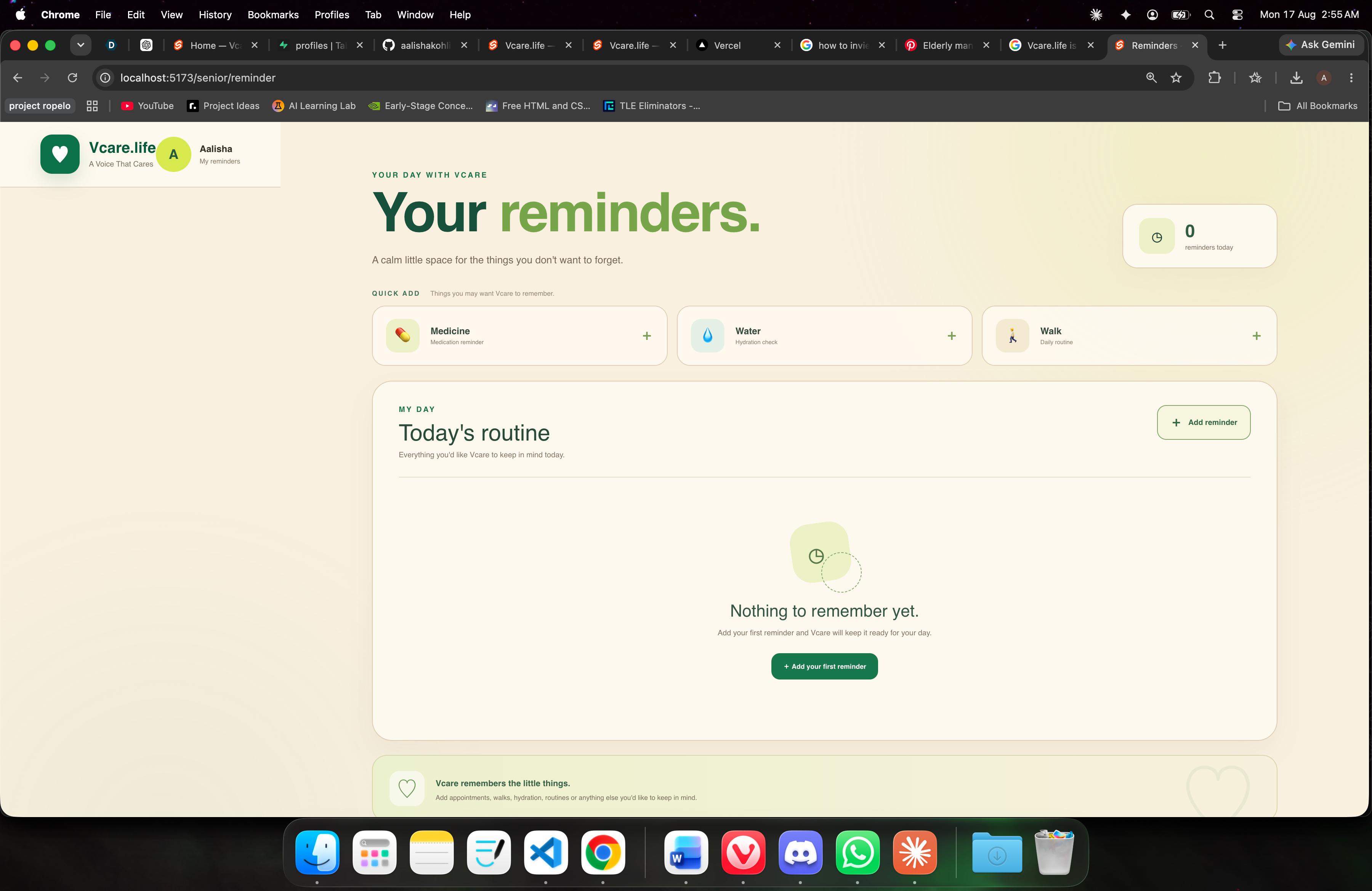
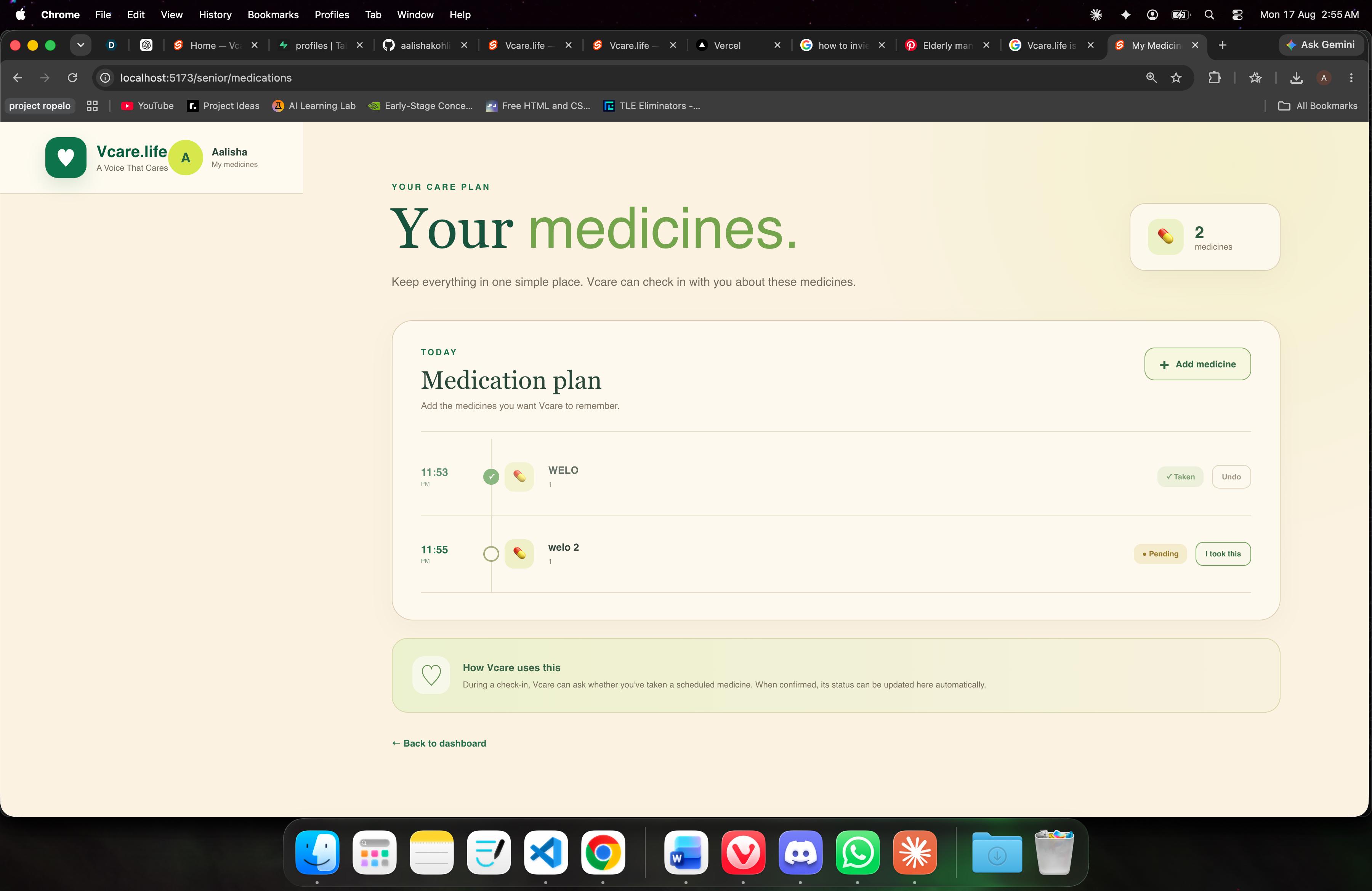
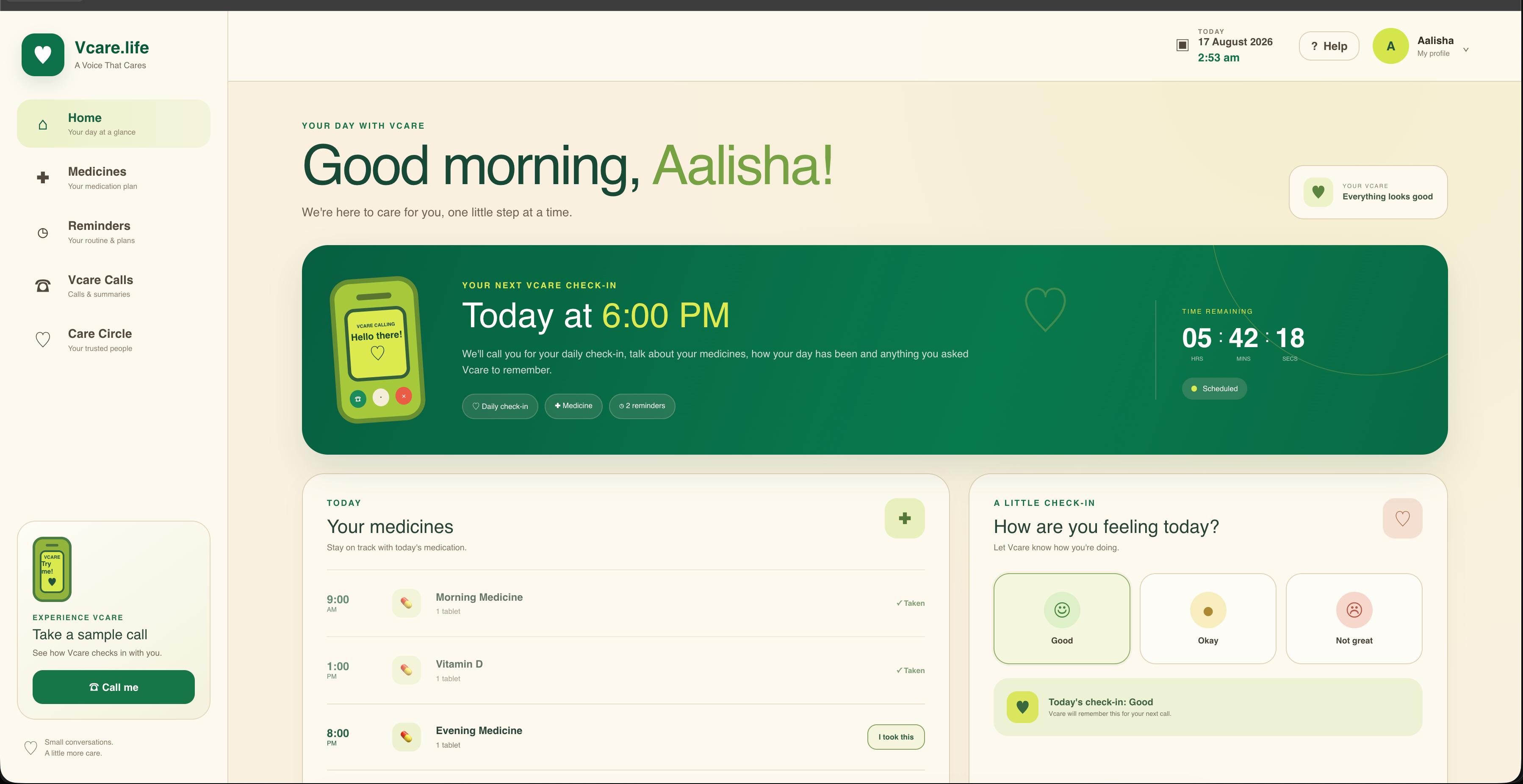
The platform provides a simple senior-friendly dashboard where users can manage:
- Medicines and their scheduled timings
- Daily reminders and routines
- Medication status
- Mood check-ins
- A trusted Care Circle
- Previous Vcare calls and summaries
The key feature is AI-powered voice calling.
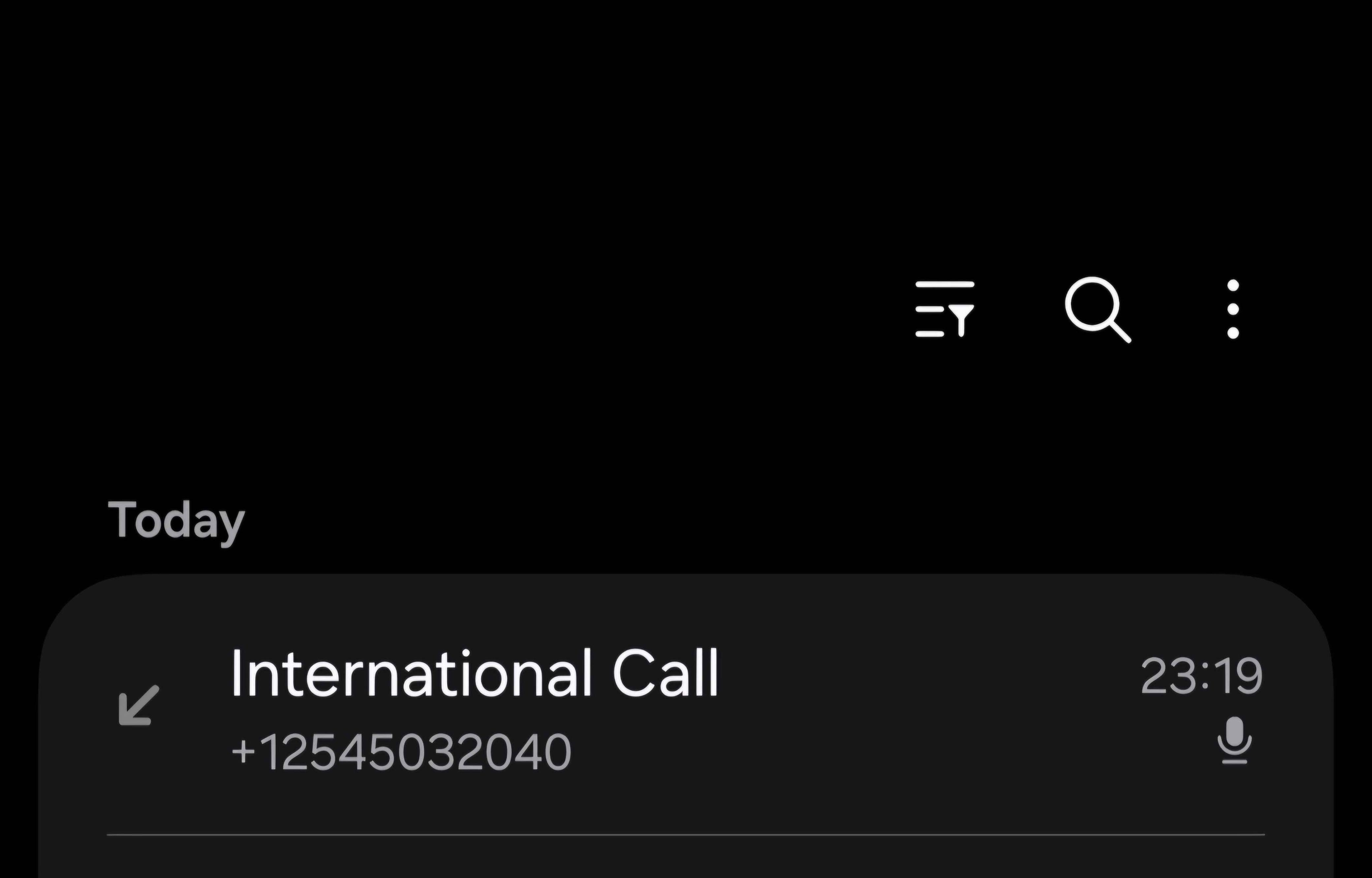
Vcare can initiate a real phone call with the senior and use information from their profile and care plan to make the conversation contextual.
Instead of simply showing “Medicine Reminder,” the goal is for Vcare to actually ask whether the senior has taken their medicine and have a natural conversation around their daily care.
How we built it
We built Vcare.life using SvelteKit and JavaScript for the application and interface.
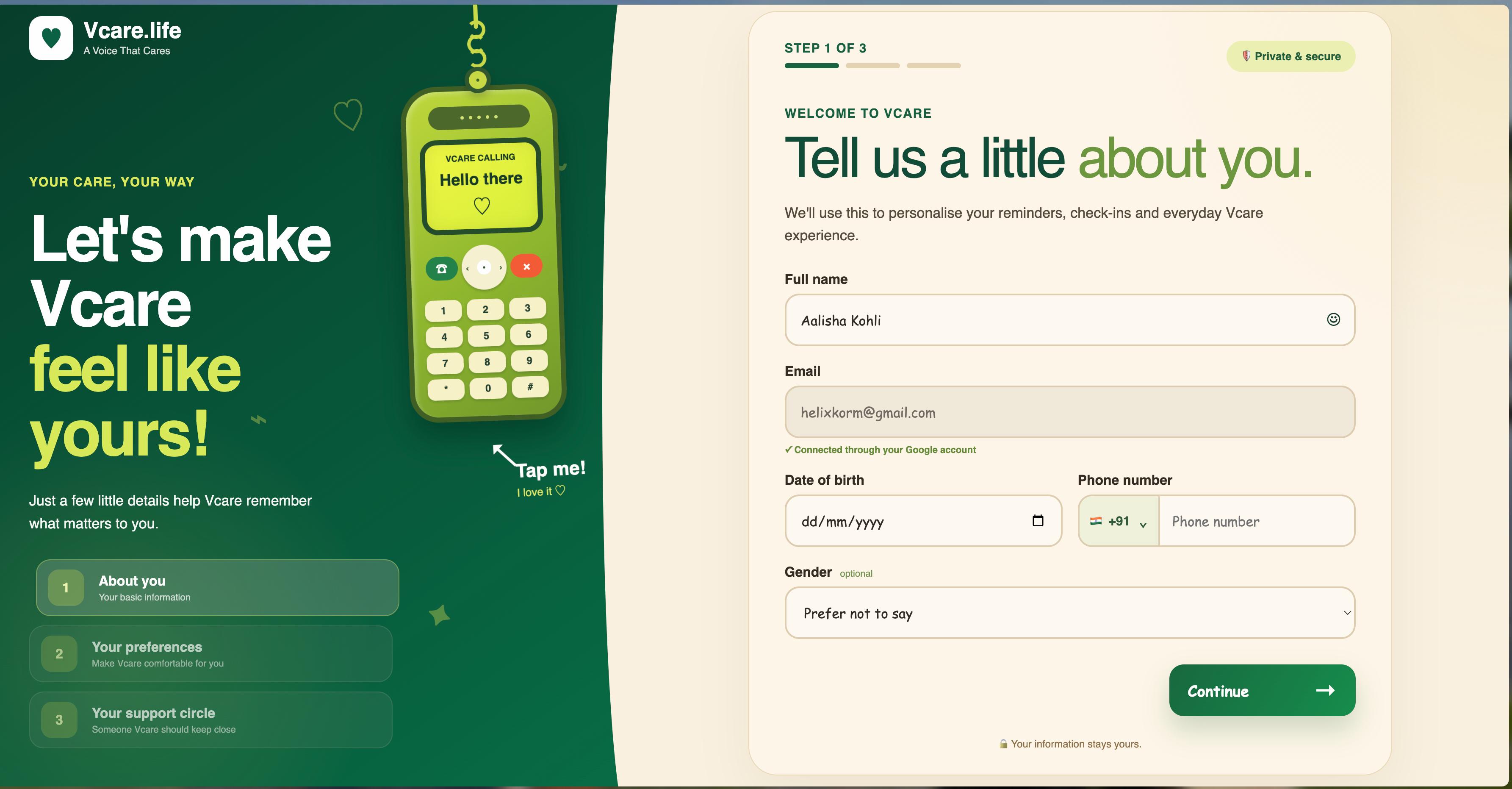
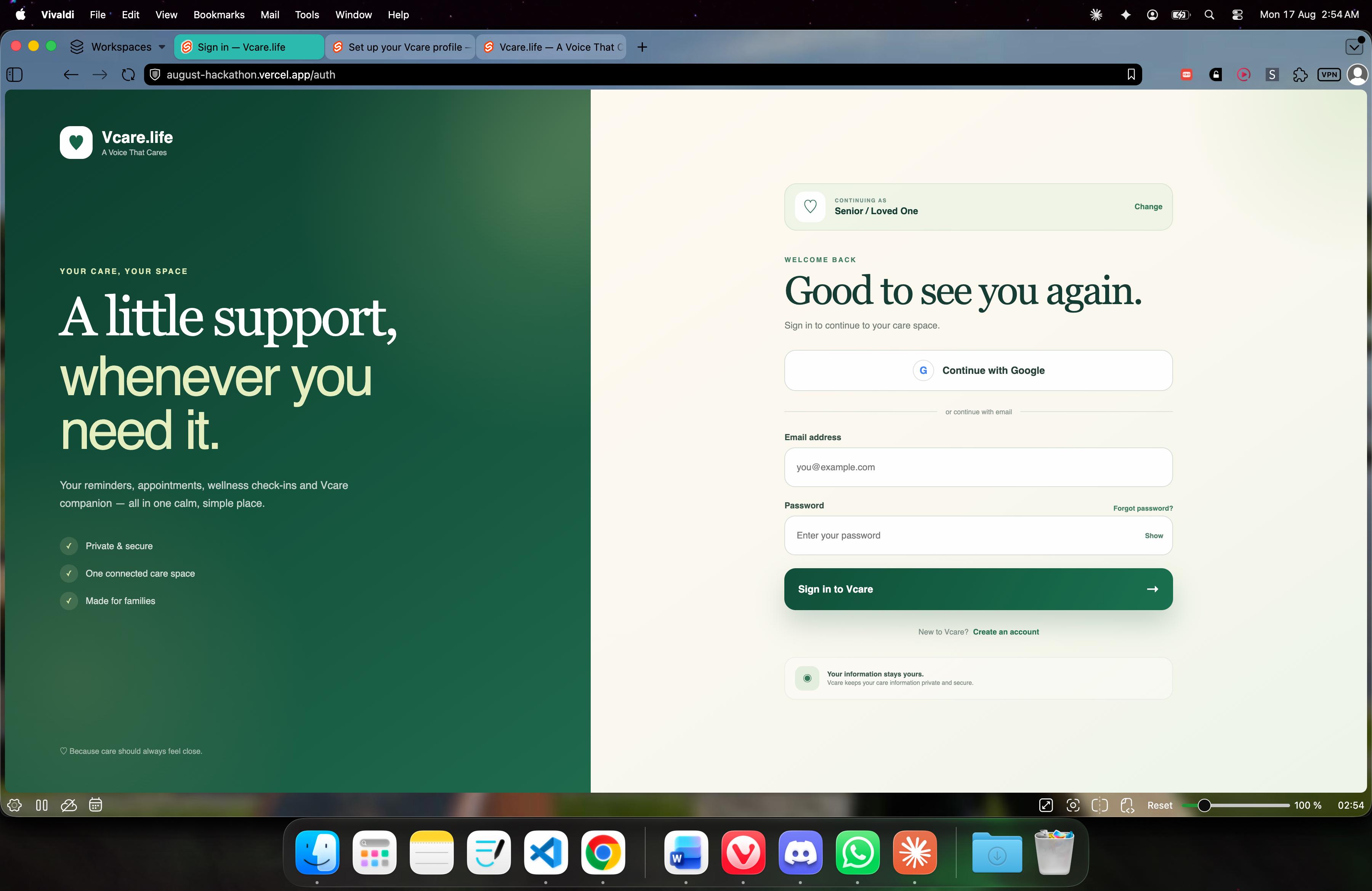
Supabase powers our authentication and database, storing information such as senior profiles and medication records.
For the voice layer, we integrated Bland AI to enable real AI-powered phone calls.
Our application connects the senior dashboard to a server API. When a Vcare call is initiated, the application can retrieve relevant information such as the senior's profile, phone number and pending medication and provide that context to the voice-call workflow.
We also created separate interfaces for medicines, reminders, calls and the senior's Care Circle, while keeping the design intentionally simple and accessible.
Challenges we ran into
One of our biggest challenges was connecting several different systems within a limited hackathon timeframe.
We worked through authentication, database queries, API routes, user-specific data, phone-number formatting, AI voice calls and frontend state.
Deployment was another major challenge. Our application contains dynamic server functionality for the calling system, while part of our initial deployment configuration was designed for a static application.
Rather than remove the dynamic functionality just to obtain a deployment link, we prioritised demonstrating the complete working prototype locally and keeping the architecture ready for a proper dynamic deployment.
Designing for seniors was also challenging. We had to constantly ask ourselves whether a feature that made sense technically would actually feel simple to the person using it.
Accomplishments that we're proud of
We're especially proud that Vcare.life moved beyond being just a UI concept.
We successfully connected an AI voice agent with our application and demonstrated an actual phone-based AI interaction.
We also built a functioning senior experience with authentication, database-backed medication information, reminders, mood check-ins and care-related interfaces.
Most importantly, we created a prototype where AI is not simply another chatbot inside a webpage — voice itself becomes the interface.
What we learned
Building Vcare.life taught us how different pieces of a real full-stack AI product fit together.
We gained hands-on experience with SvelteKit, Supabase, authentication, databases, API integrations and conversational voice AI.
We also learned that integrating AI effectively is less about adding AI everywhere and more about choosing where it genuinely improves the user experience.
For our users, opening another chatbot may create additional friction. Receiving a familiar phone call can remove that friction entirely.
What's next for Vcare.life
Our next step is to make Vcare increasingly proactive and autonomous.
We plan to:
- Automatically schedule AI check-in calls
- Update medication status from confirmed voice responses
- Generate structured summaries after conversations
- Alert trusted caregivers when something requires attention
- Connect reminders directly to the voice agent
- Expand the caregiver dashboard
- Introduce multilingual voice conversations
- Improve accessibility for elderly users
- Complete production deployment of the dynamic application
Eventually, we envision Vcare as a companion that understands someone's care routine and checks in without requiring them to navigate technology first.
Vcare.life — It calls. It listens. It remembers.


Log in or sign up for Devpost to join the conversation.