-
-

Title
-
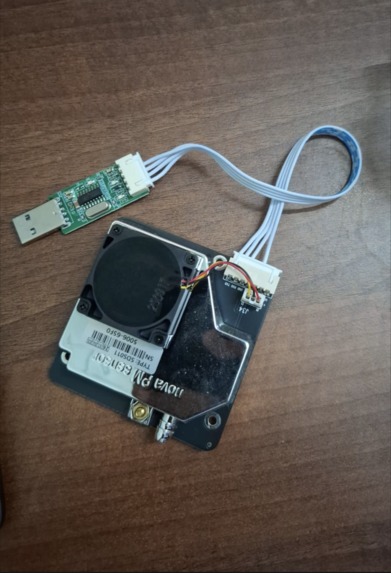
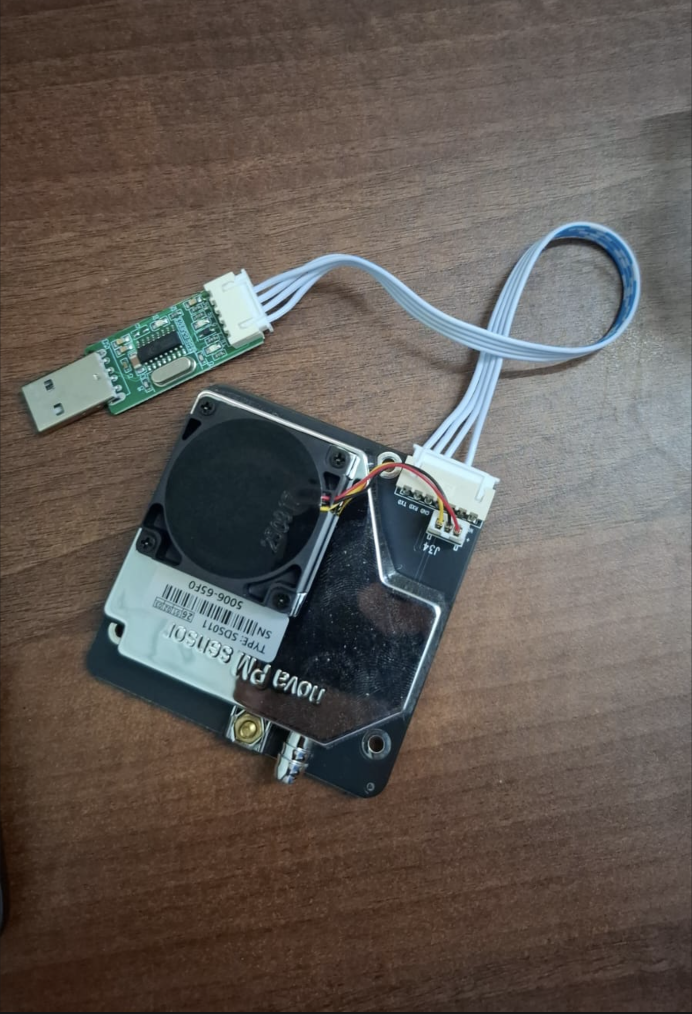
SDS011 - PM2.5 and PM10 Sensor
-
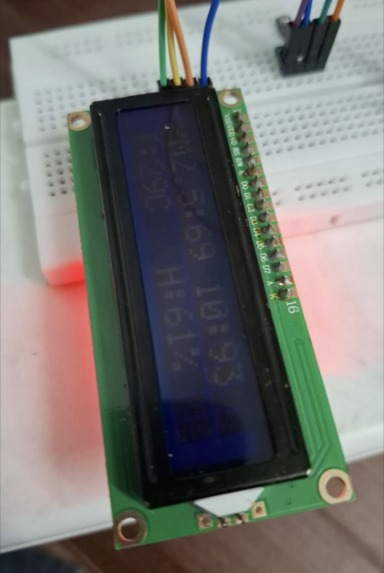
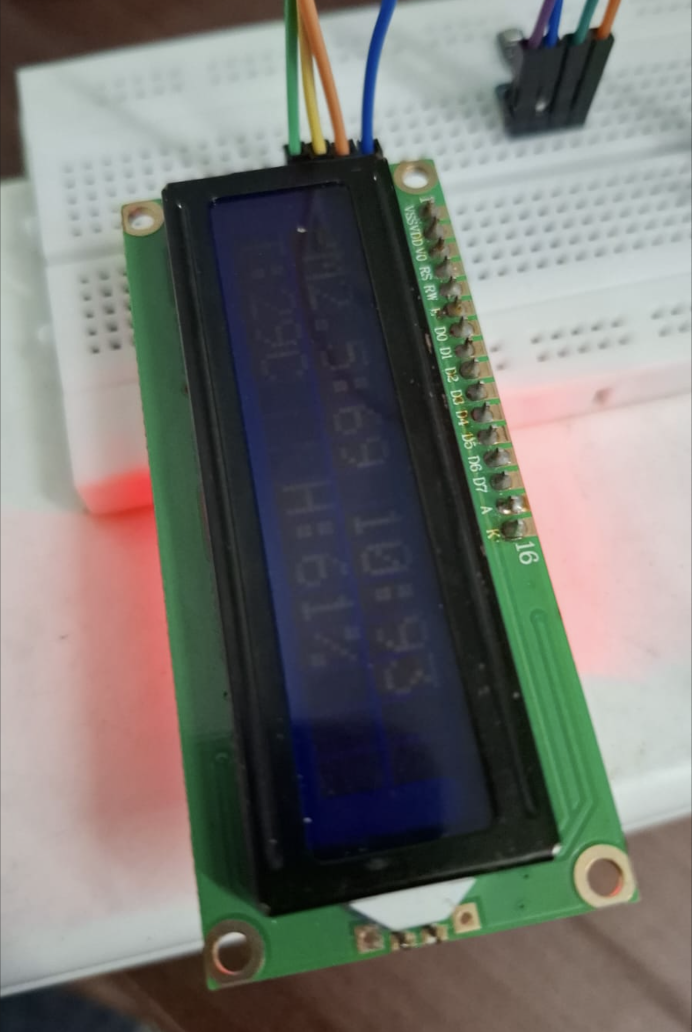
Real-time readings from sensors on display
-
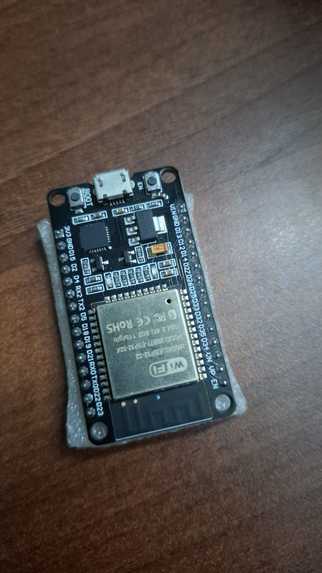
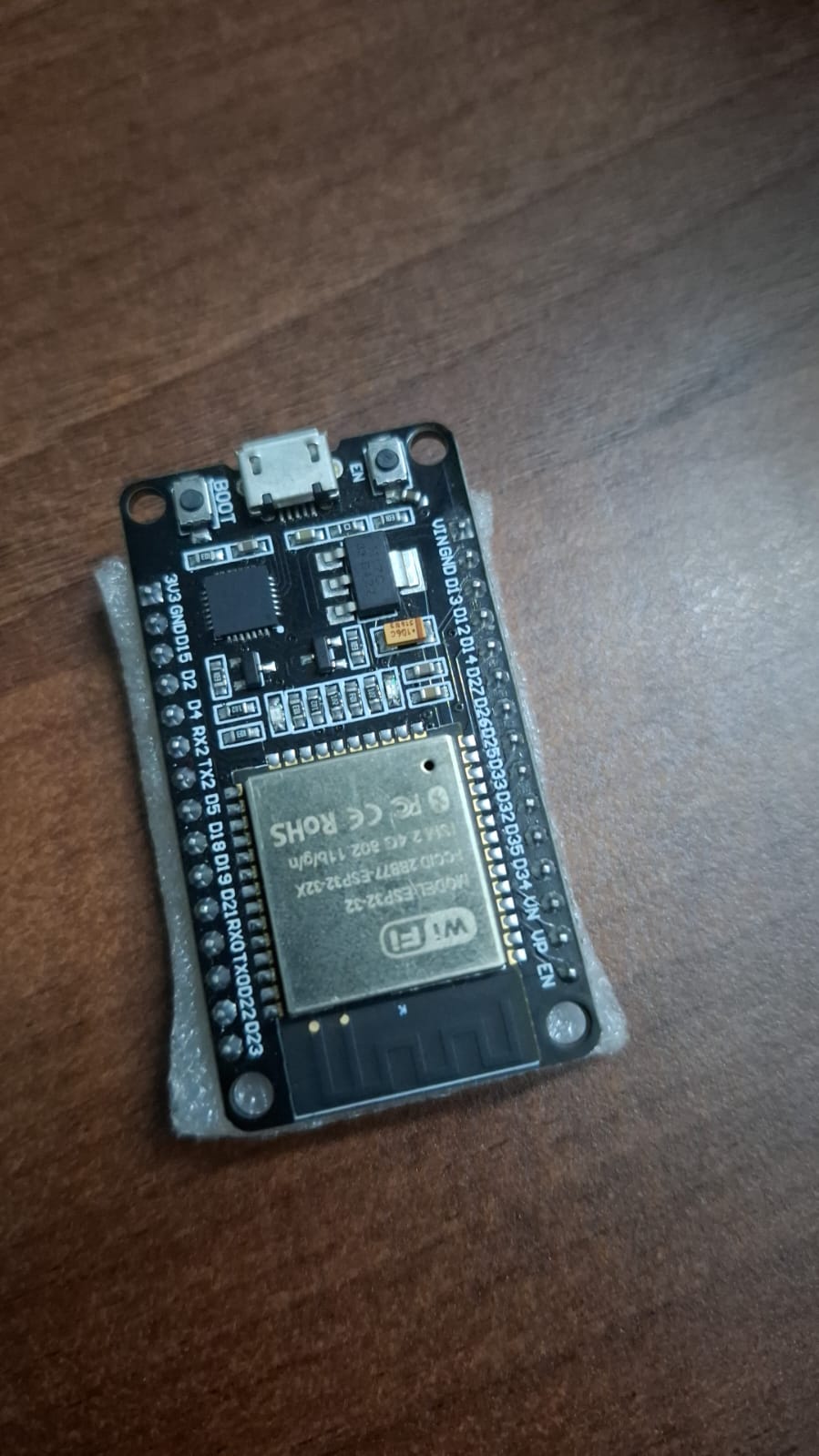
ESP32
-
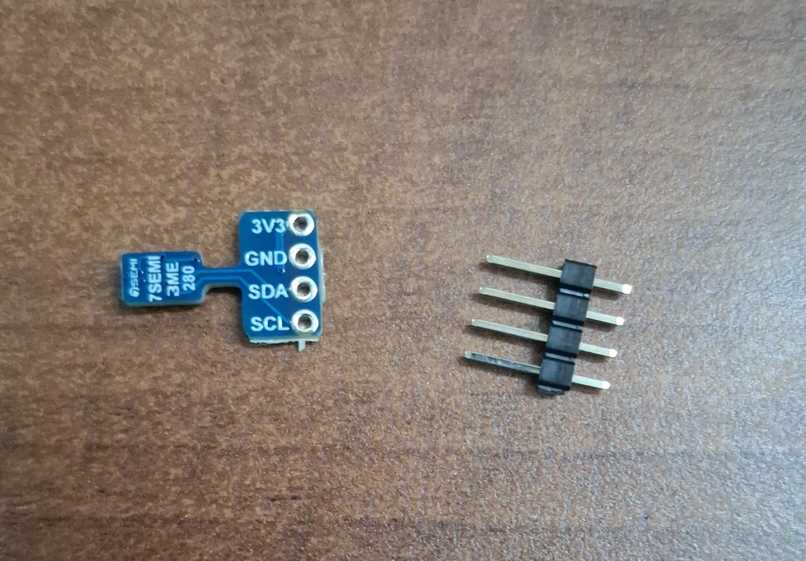
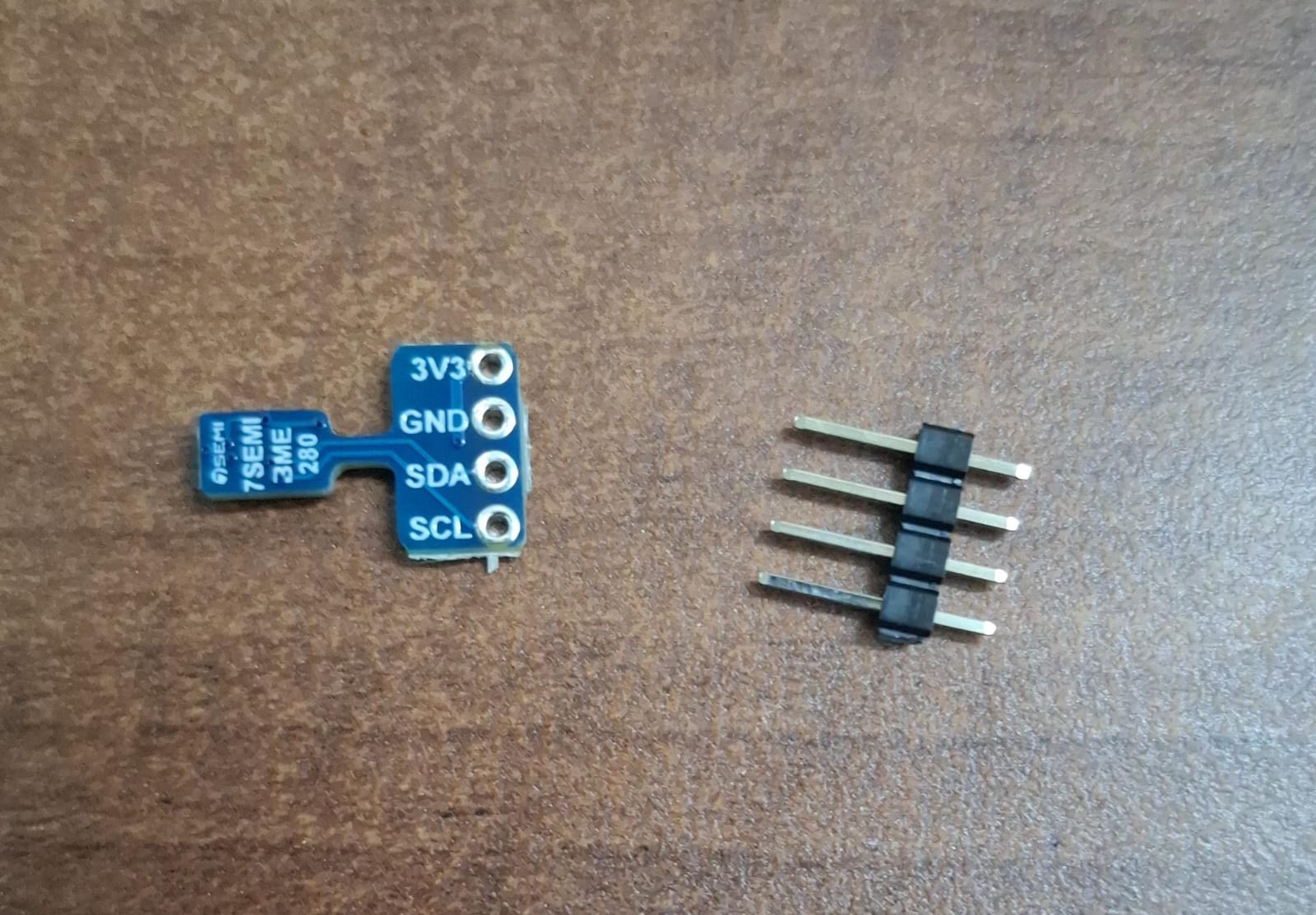
BME280 - Tempereature and Humidity Sensor
Inspiration
In 2022, outdoor air pollution wiped out $339.4 Billion - a staggering 9.5% of India's GDP - while claiming 1.24 million lives. Yet, the systemic response to this crisis is trapped in a bureaucratic nightmare. The global standard for monitoring relies on $60,000 government CAAQMS sensors that create massive spatial blind spots. When a citizen reports a localized pollution event (like a trash fire or illegal industrial emission), it takes 7 to 14 days for a field inspector to verify it. By then, the event is over, and the damage to human lungs is already done.
We realized that fighting a real-time crisis with paper-speed bureaucracy is a losing battle. We needed to build an autonomous system that completely removes the human bottleneck. VayuBudhi (Sanskrit for "Air Intelligence") was born out of the necessity to sprint from the moment a toxic particle is inhaled to the moment a policy enforcement order is executed.
What it does
VayuBudhi is an autonomous, end-to-end air quality intelligence grid. We took a 14-day administrative lag and compressed it into a 42-second neural sprint.
- Detect: A hyper-local network of $35 IoT edge nodes actively monitors the air.
- Fingerprint: Instead of just recording pollution, the nodes use laser-scattering physics to mathematically fingerprint the emission source in real-time.
- Validate: The data hits a central AI brain that uses Conformal Prediction to statistically prove the source, outputting a confidence level rather than a blind guess.
- Enforce: If the AI is highly confident, it dynamically routes a physical enforcement van to the coordinates. If uncertain, it routes a quick verification drone.
How we built it
We architected VayuBudhi as a multi-agent pipeline spanning edge hardware, machine learning, and operations research.
1. The Edge Scalpel (Hardware)
We built custom IoT nodes using an ESP32 microcontroller, an SDS011 laser dust sensor, and a BME280 weather module. To fingerprint sources, we rely on the aerodynamic behavior of aerosols. The node calculates the particle ratio on the fly: $$ Ratio = \frac{PM_{2.5}}{\max(PM_{10}, 0.1)} $$ According to peer-reviewed physics, a ratio \( > 0.5 \) is the precise signature of combustion aerosol (smoke/exhaust), while a ratio \( < 0.35 \) indicates mechanical coarse dust. The ESP32 formats this data into strict JSON payloads and fires it to our backend over WiFi.
2. The Ingest & Attribution Engine (AI)
Our backend is built in Python (FastAPI). When a payload arrives, it is processed by our machine learning pipeline. We trained a Random Forest Classifier, but standard ML isn't reliable enough for legal enforcement. To solve this, we wrapped our model in MAPIE Conformal Prediction. Instead of predicting a single label, the model outputs a mathematically guaranteed prediction set (e.g., ["Combustion", "Vehicular"] with 95% confidence).
3. The Optimizer (OR-Tools)
Once a hotspot is confirmed, the system triggers Google OR-Tools. It solves the Capacitated Vehicle Routing Problem with Time Windows (CVRPTW), instantly calculating the most optimal patrol routes for a fleet of inspectors and drones based on live traffic and priority scores.
4. The War Room (Frontend)
Everything is visualized in a sleek, dark-mode React / Next.js dashboard where administrators can watch the autonomous dispatches happen in real-time.
Challenges we ran into
- Hardware Integration: Calibrating the SDS011 laser sensor to output realistic data while running simultaneously on an I2C bus with the BME280 caused severe I2C lockups on the breadboard. We had to write a software failsafe that simulates realistic atmospheric physics if the physical weather sensor disconnects, ensuring the ML pipeline never crashes during a demo.
- AI Honesty: Traditional ML classifiers were confidently predicting the wrong pollution sources when dealing with edge-case data. Implementing Conformal Prediction was mathematically dense but essential for building an AI that knows when to say "I'm not sure, send a drone to check."
Accomplishments that we're proud of
We successfully connected raw C++ hardware bits to high-level Python ML and operations research mathematics in a single, unbroken pipeline. Watching the system autonomously generate an optimal driving route just seconds after lighting a stick of incense in front of the physical sensor was an incredible moment for the team.
What we learned
We learned that data is entirely useless without action. Building a beautiful dashboard that shows high pollution means nothing if it doesn't trigger a physical consequence. We learned how to bridge the gap between IoT data collection and logistical operations research.
What's next for VayuBudhi
We plan to integrate XGBoost forecasting utilizing the Ventilation Index (Boundary Layer Height \( \times \) Wind Speed) to predict atmospheric stagnation 72 hours in advance. Ultimately, we want to pilot a 50-node network in a tier-2 city to prove that a $2,000 hardware investment can completely automate environmental enforcement for an entire municipality.
Built With
- arduino
- bme280
- c++
- conformal-prediction
- esp32
- fastapi
- google-or-tools
- hardware
- iot
- machine-learning
- mapie
- python
- react
- sds011
- typescript
- xgboost


Log in or sign up for Devpost to join the conversation.