-
-
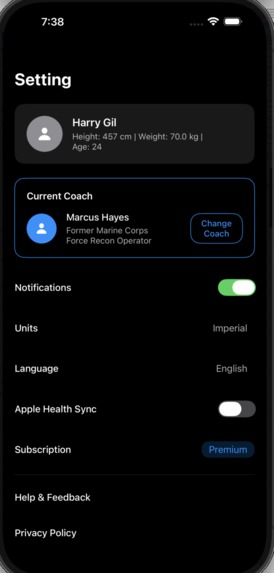
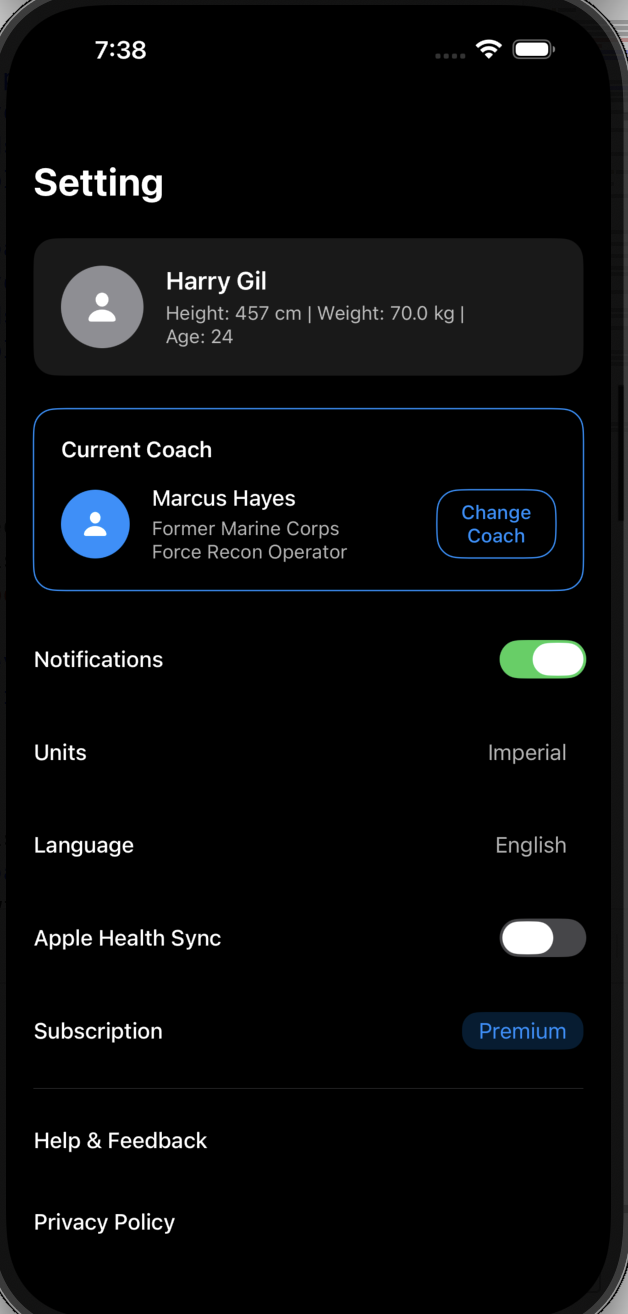
Settings
-
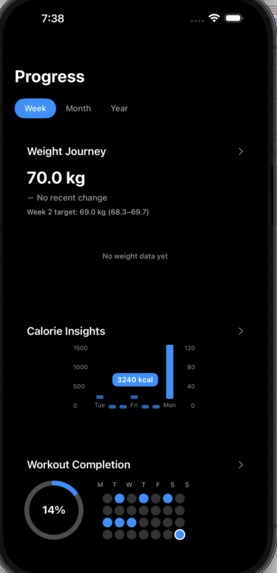
Progress
-
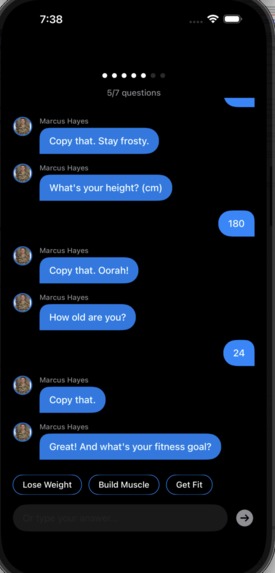
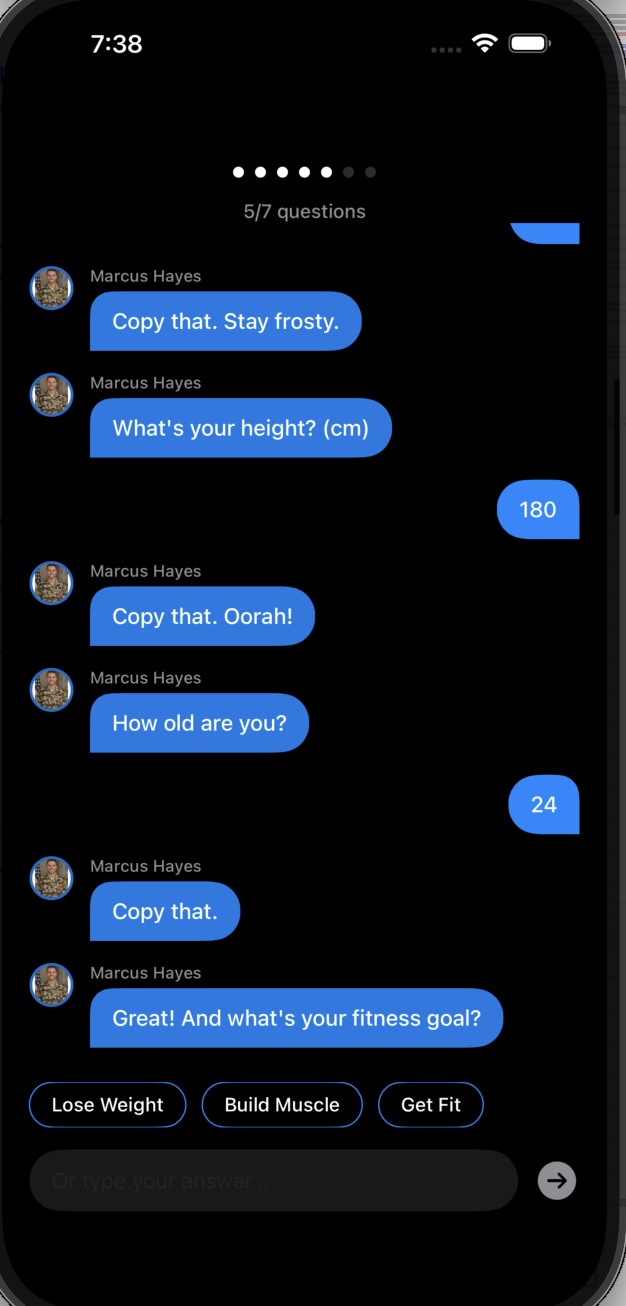
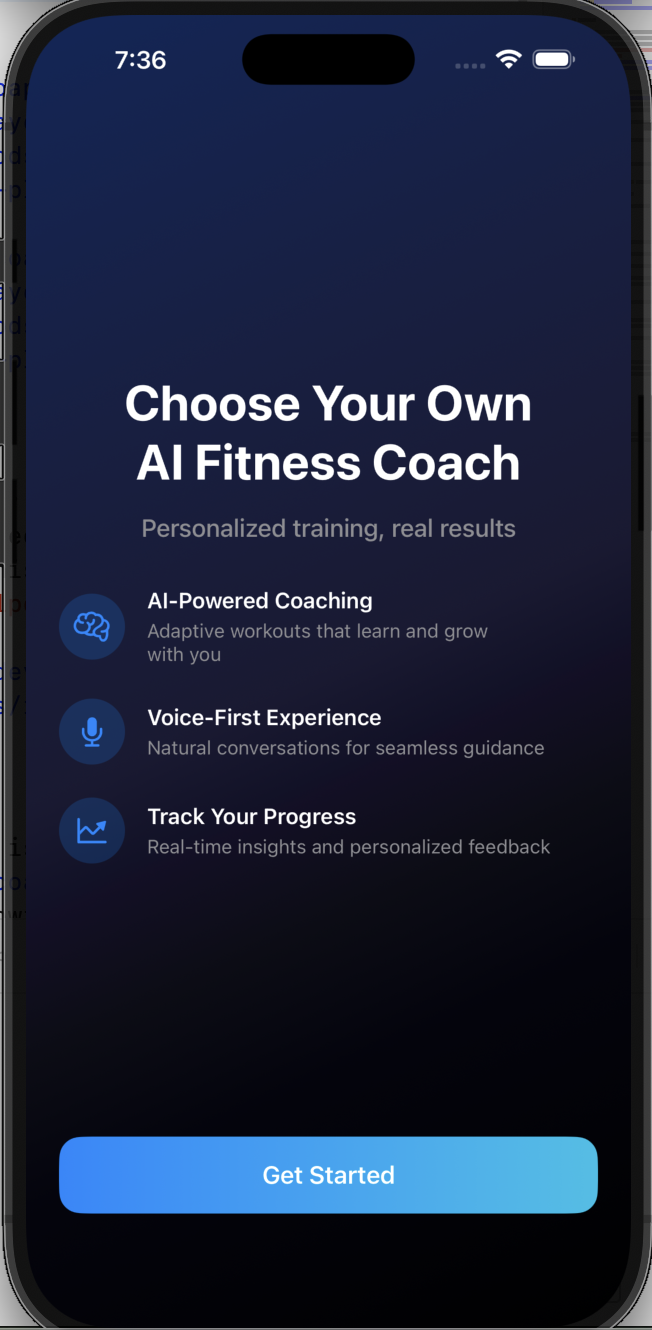
OnBoarding
-
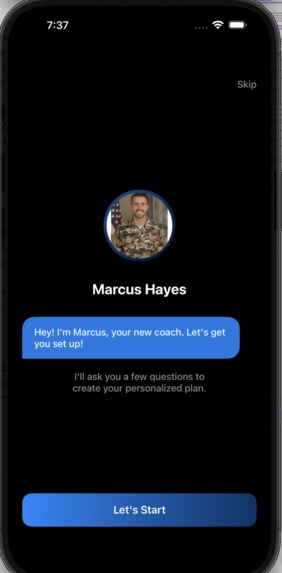
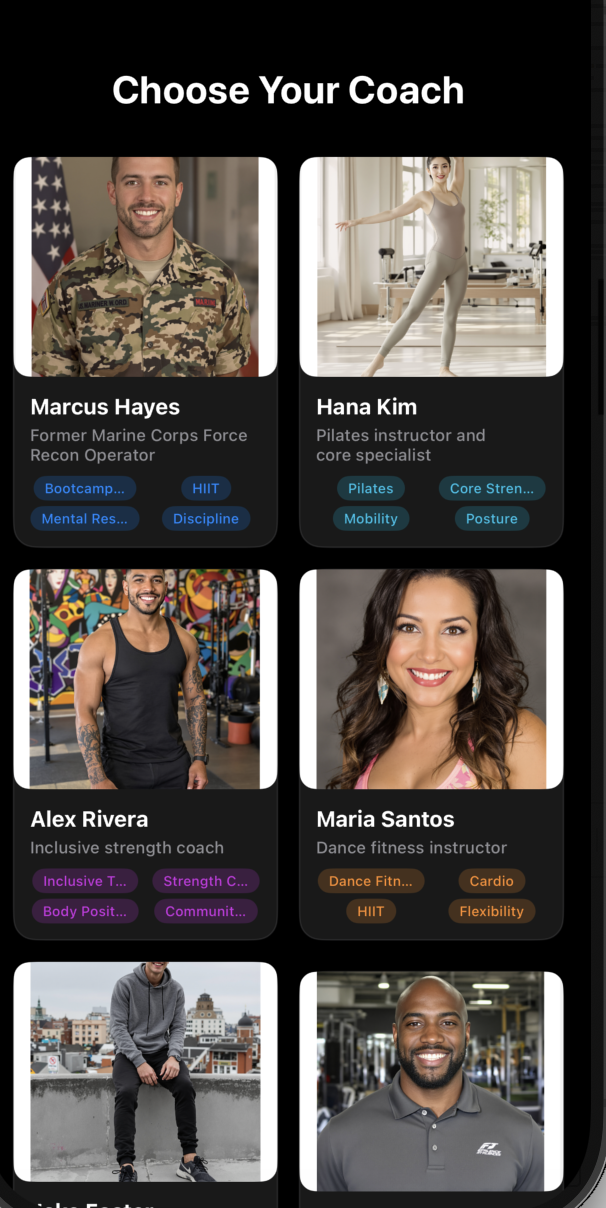
Choose your coach
-
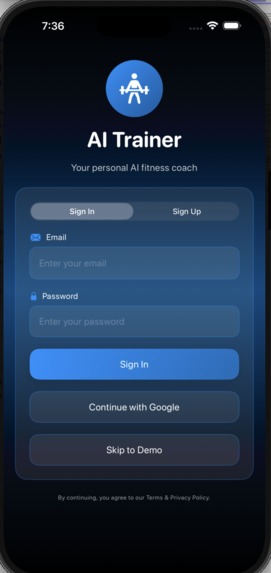
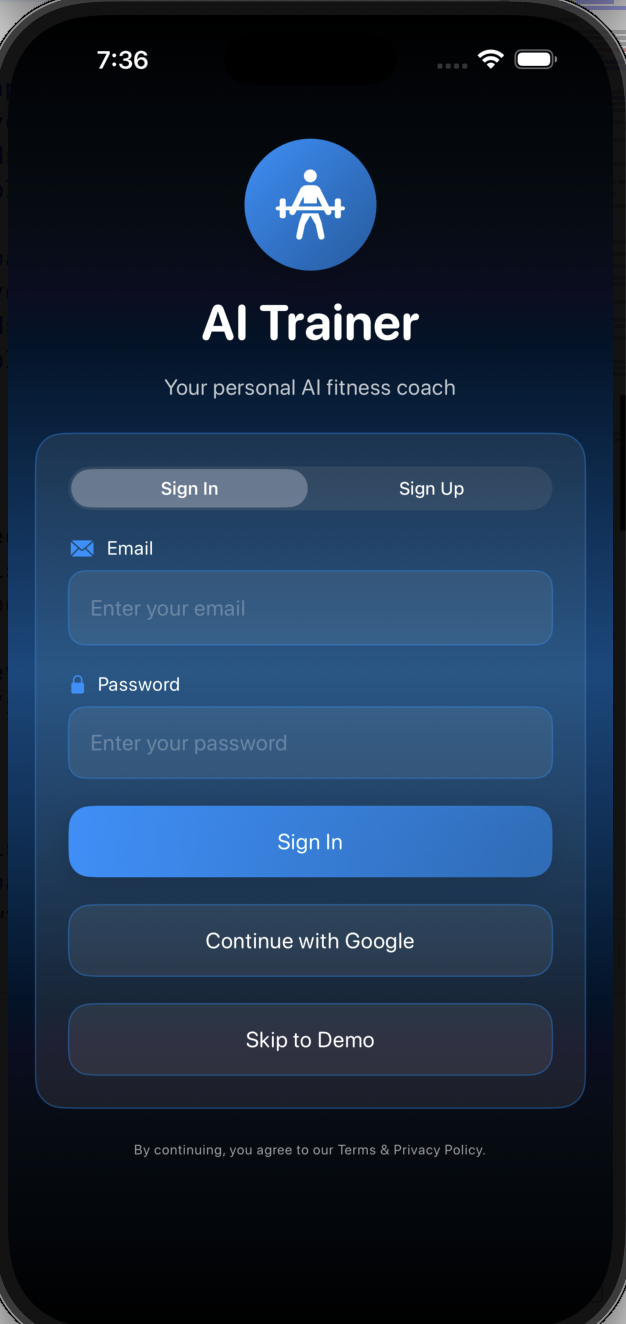
Login
-
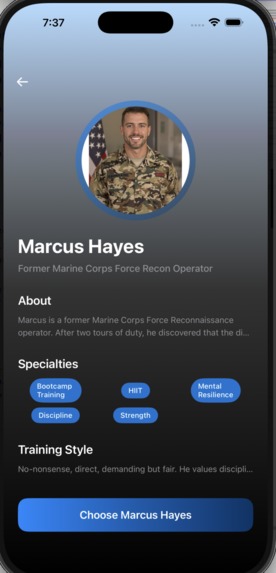
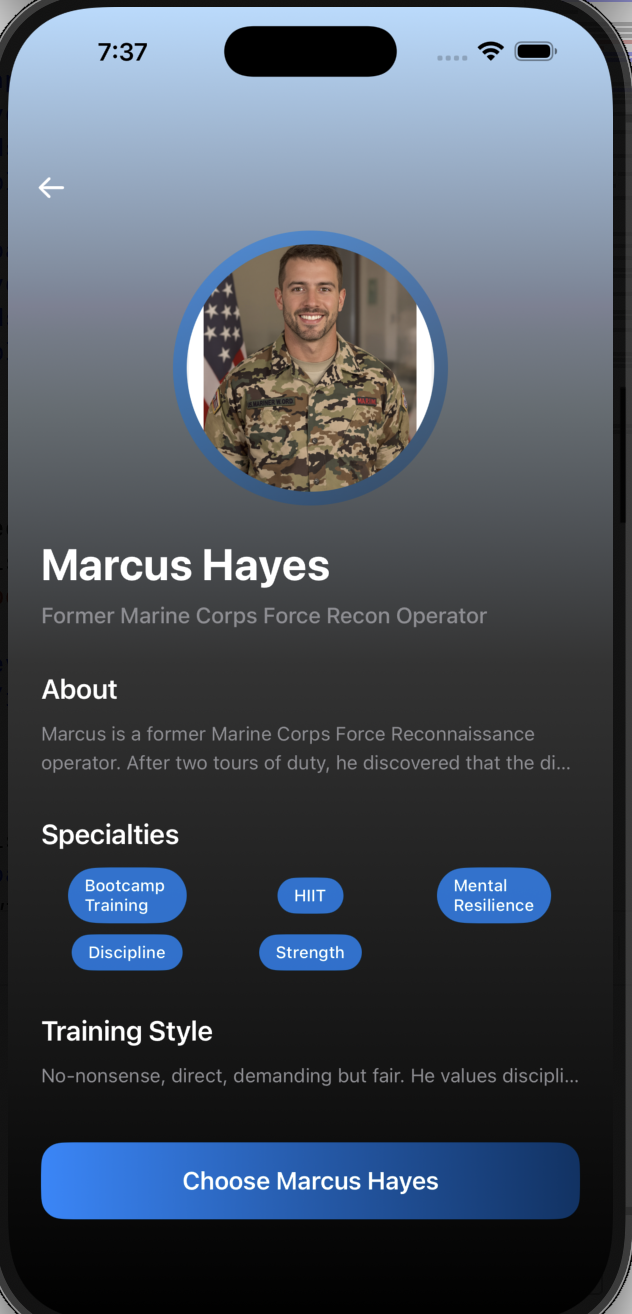
Coach Persona
-
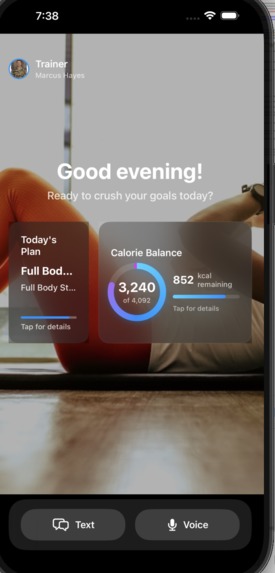
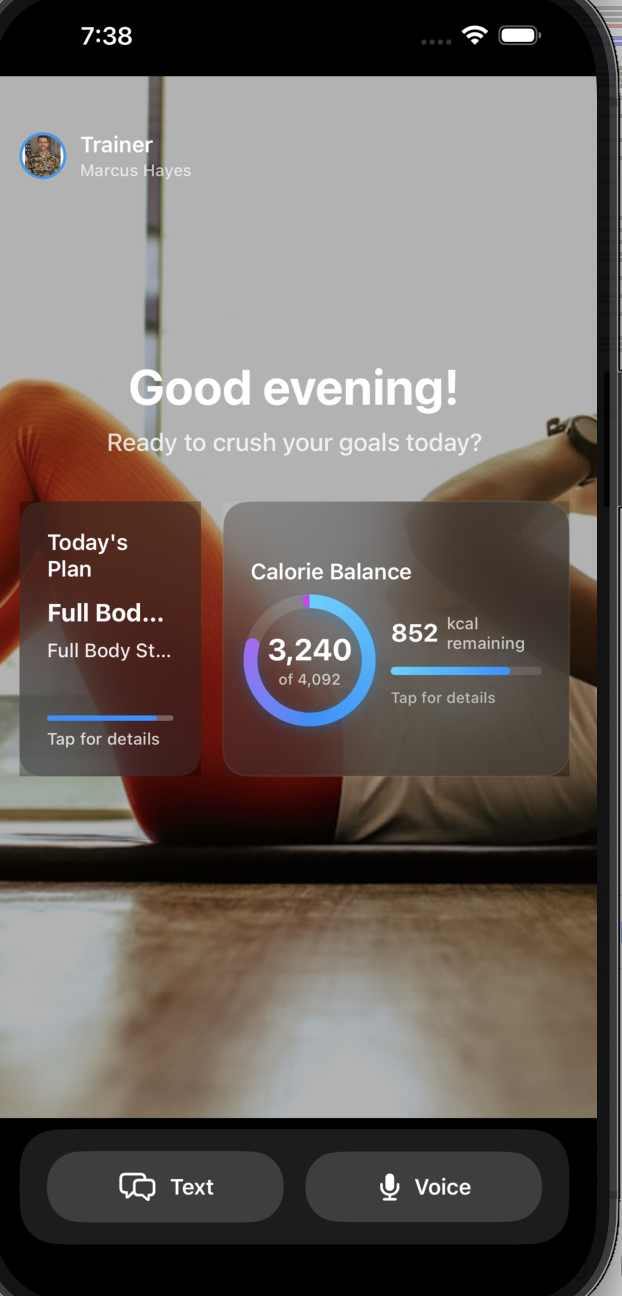
Dashboard
-
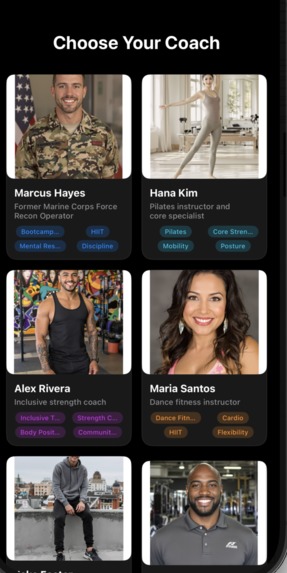
Coaches
-
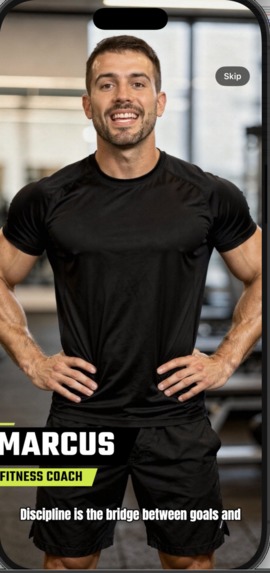
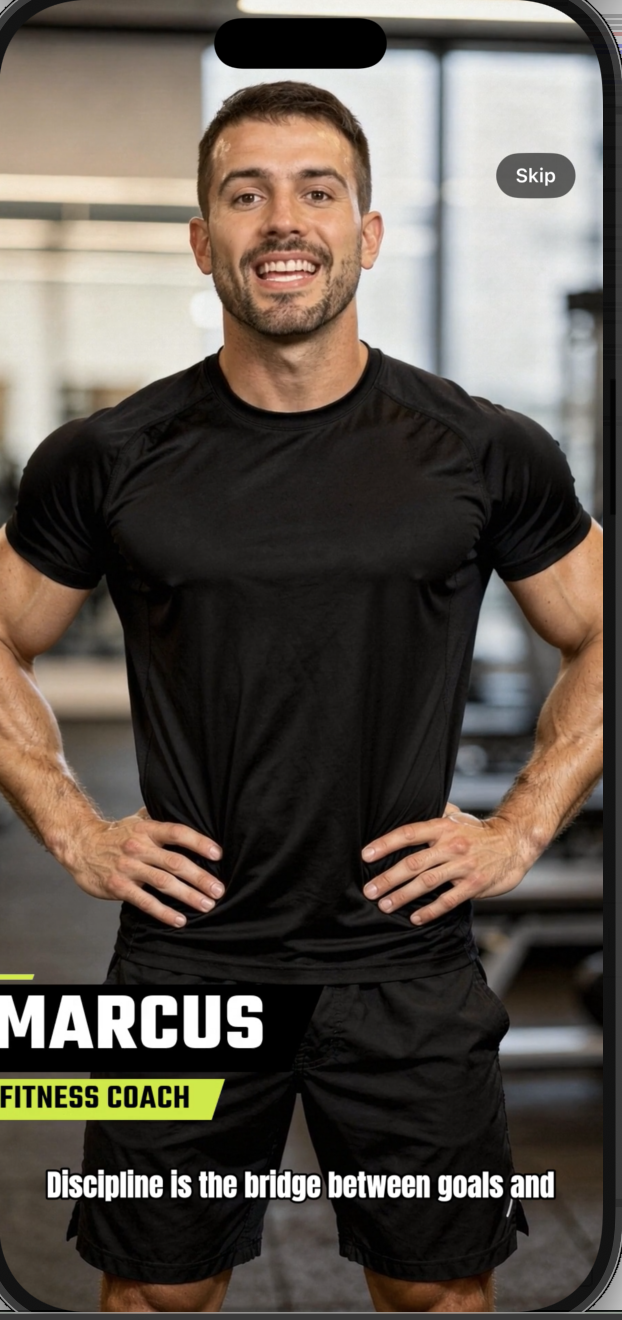
Coach Video
-
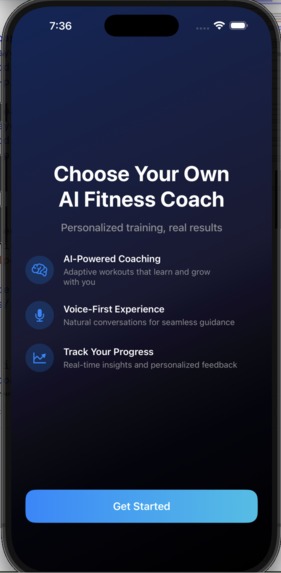
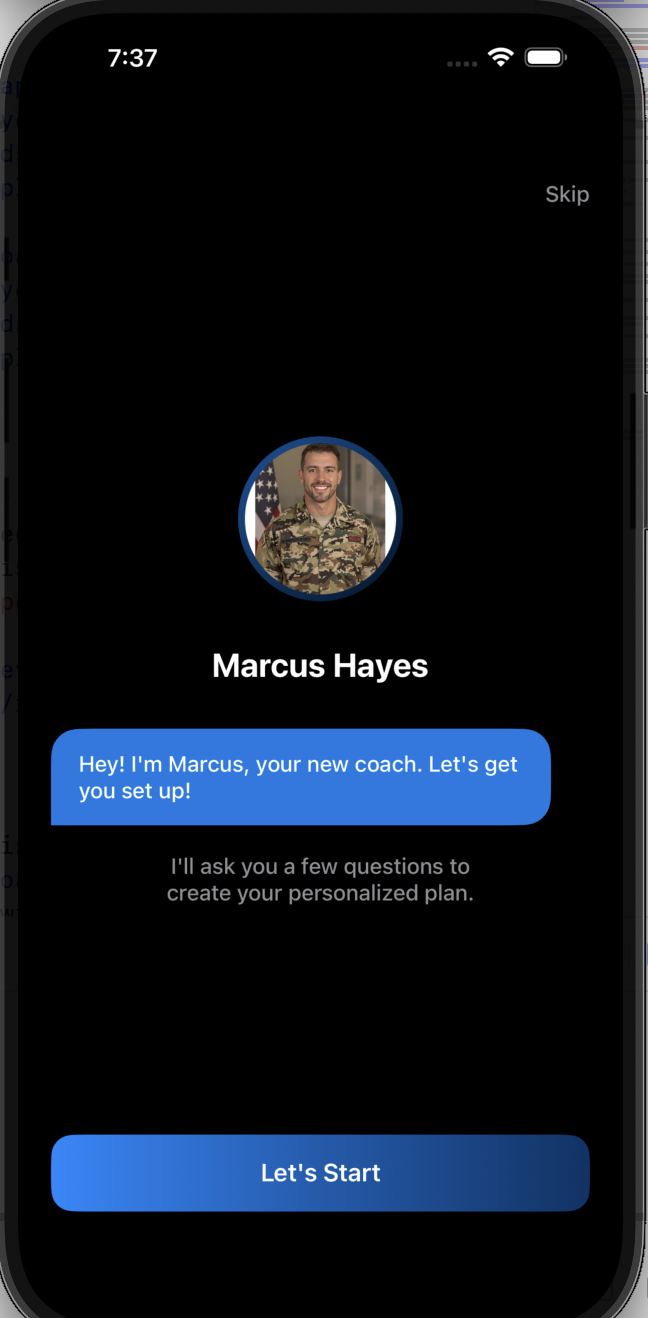
Introduction
-
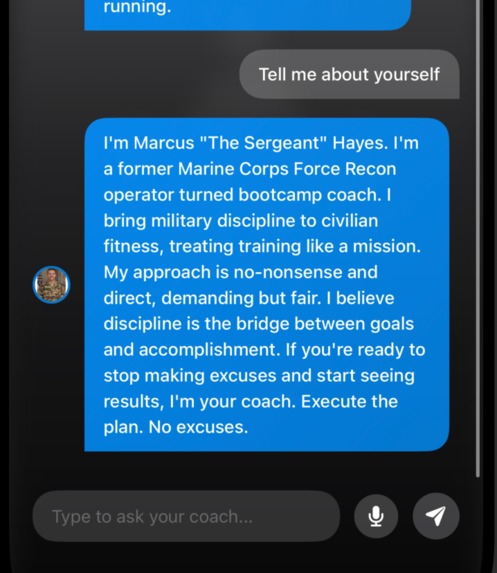
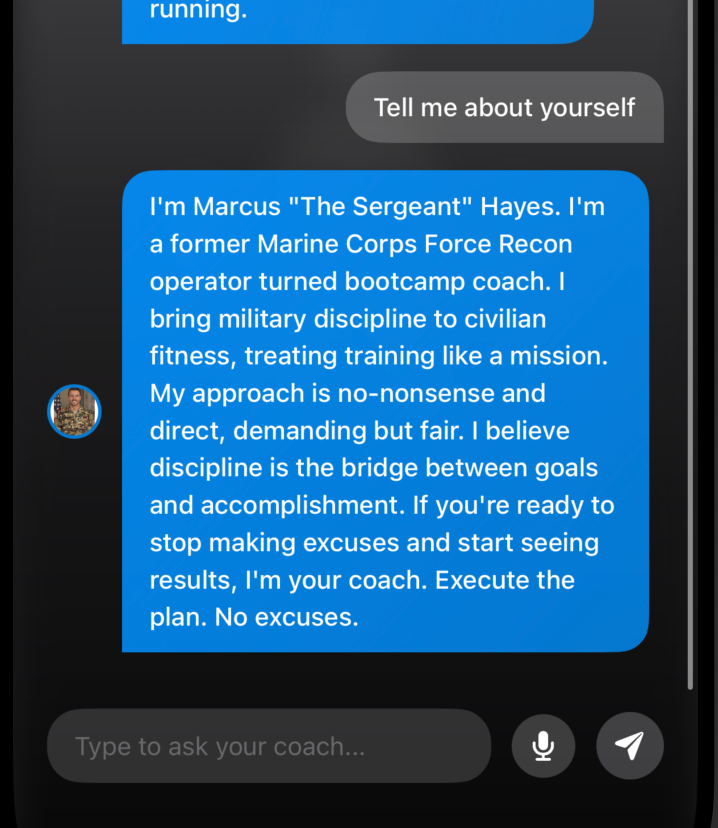
agent chat
-
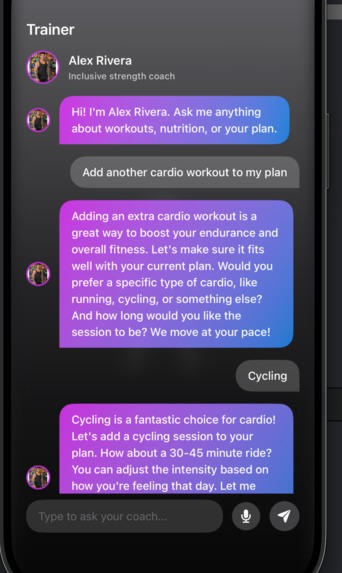
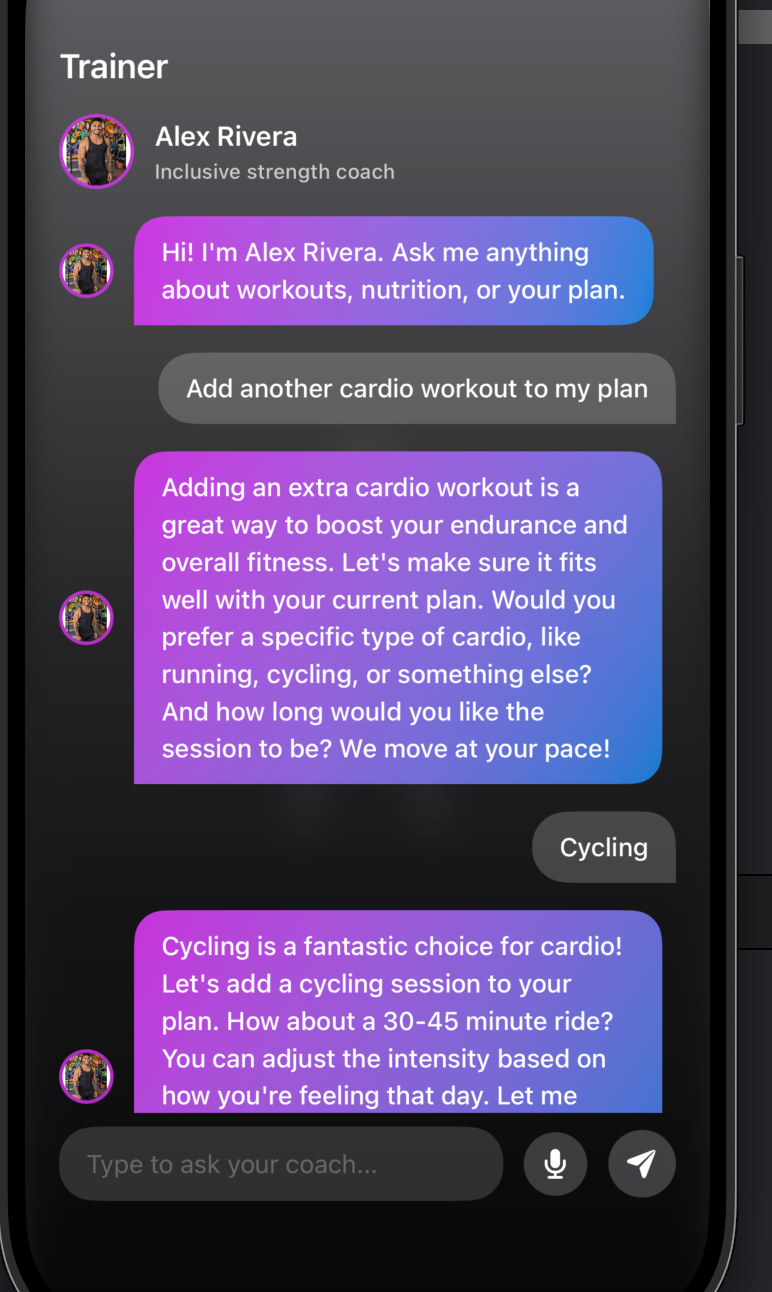
another agent chat

Inspiration
Vaylo Fitness: Your Humanized AI Fitness Partner
About the project
The Inspiration: Why Fitness Apps Fail Us
Fitness is deeply personal, yet the apps we use are anything but. They are cold, generic, and transactional. They feel like a chore. This is why over 90% of users abandon fitness apps within the first month. We’re left with a graveyard of apps, a subscription we forgot to cancel, and the same unmet fitness goals.
I was inspired to solve this problem by asking a simple question: What if your fitness app wasn’t just a tool, but a partner? What if it had a personality, understood your journey, and provided genuine, human-like motivation? This was the spark for Vaylo Fitness—an AI partner that makes fitness feel personal again.
How We Built It: From Personas to Product
The journey started with the heart of the experience: the coaches. We didn’t want generic AI; we wanted characters with depth, background, and unique philosophies.
Crafting the Coaches: We meticulously designed 11 distinct AI coach personas, from a no-nonsense former Marine to a calming Pilates expert. Each has a unique background, personality, communication style, and voice, brought to life with generative AI.
Designing the Experience: We built the app in React Native with a clean, focused UI. The design process was iterative; initial designs were cluttered, but through user feedback, we stripped it down to a sleek, intuitive interface focused on the conversation.
Building the Backend: The brain of Vaylo is a FastAPI (Python) backend that orchestrates multiple AI services. It handles:
- Conversational AI using the OpenAI API (GPT-4o).
- Voice-to-Text transcription with Whisper.
- Text-to-Speech generation for coach responses.
- Image Analysis for features like food logging.
Challenges We Faced
Building Vaylo was a journey of overcoming both technical and design hurdles:
The Multi-Modal Input Nightmare: Our biggest challenge was creating a seamless input system. Early versions had broken, non-functional buttons. We had to re-architect the entire input bar to support text, voice, and image uploads within a single, persistent component. The voice recording feature was particularly tricky, as it would stop prematurely. We solved this by implementing a proper toggle-based state management system in the frontend.
The Rogue AI: At one point, our AI coach started sending multiple, conflicting responses to a single user message! This wasn’t a UI bug but a subtle backend state management issue. We had to debug the entire request-response lifecycle, adding logging and checks to ensure a strict 1-to-1 conversation flow. It was a powerful lesson in the complexities of managing conversational state.
Finding the Soul of the App: The initial UI designs were functional but lacked personality. We went through several iterations to find a visual identity that matched our "humanized AI" concept, finally landing on a clean, dark-themed design that feels both modern and personal.
What I Learned
This project was an incredible learning experience. I learned that for AI products, the "human" element is the most critical component. It’s not just about the technology, but about the story, personality, and emotional connection you create. I also learned the importance of rapid iteration and listening to user feedback—the UI and core features of Vaylo were fundamentally shaped by identifying what wasn’t working and being willing to rebuild from the ground up.
Built With
- google-generative-ai-(gemini)
- google-places
- langchain
- openai-api
- postgresql
- python
- redis
- supabase
- swift
- swiftui
- tavily
- uikit
- youtube-data-api

Log in or sign up for Devpost to join the conversation.