-
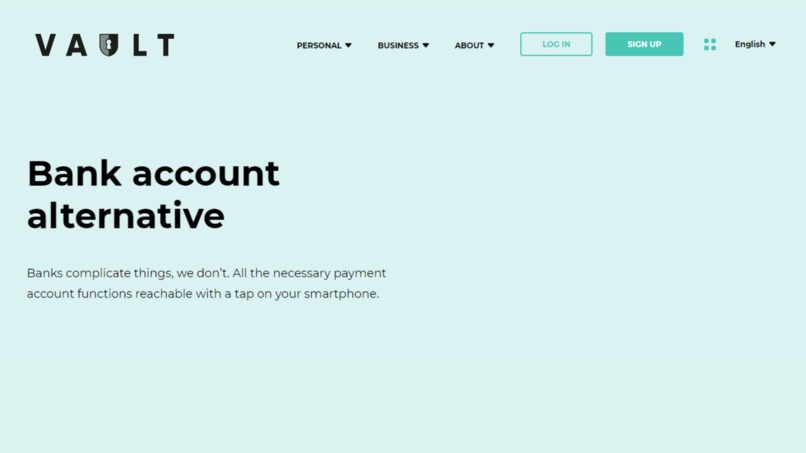
Home Page
-
-
-
-
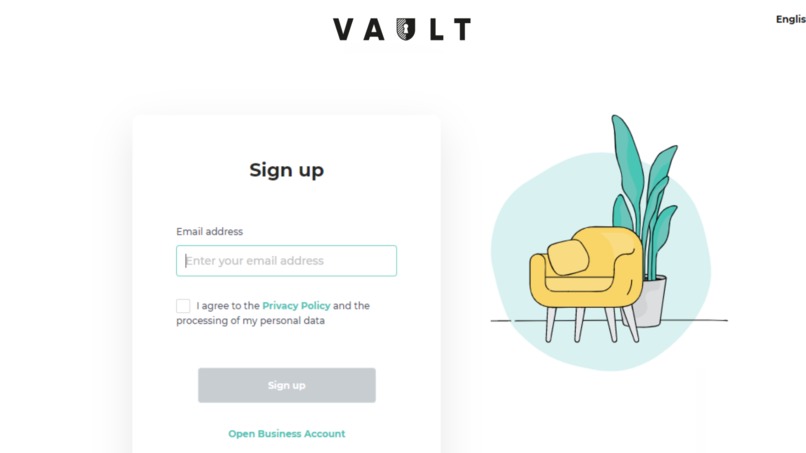
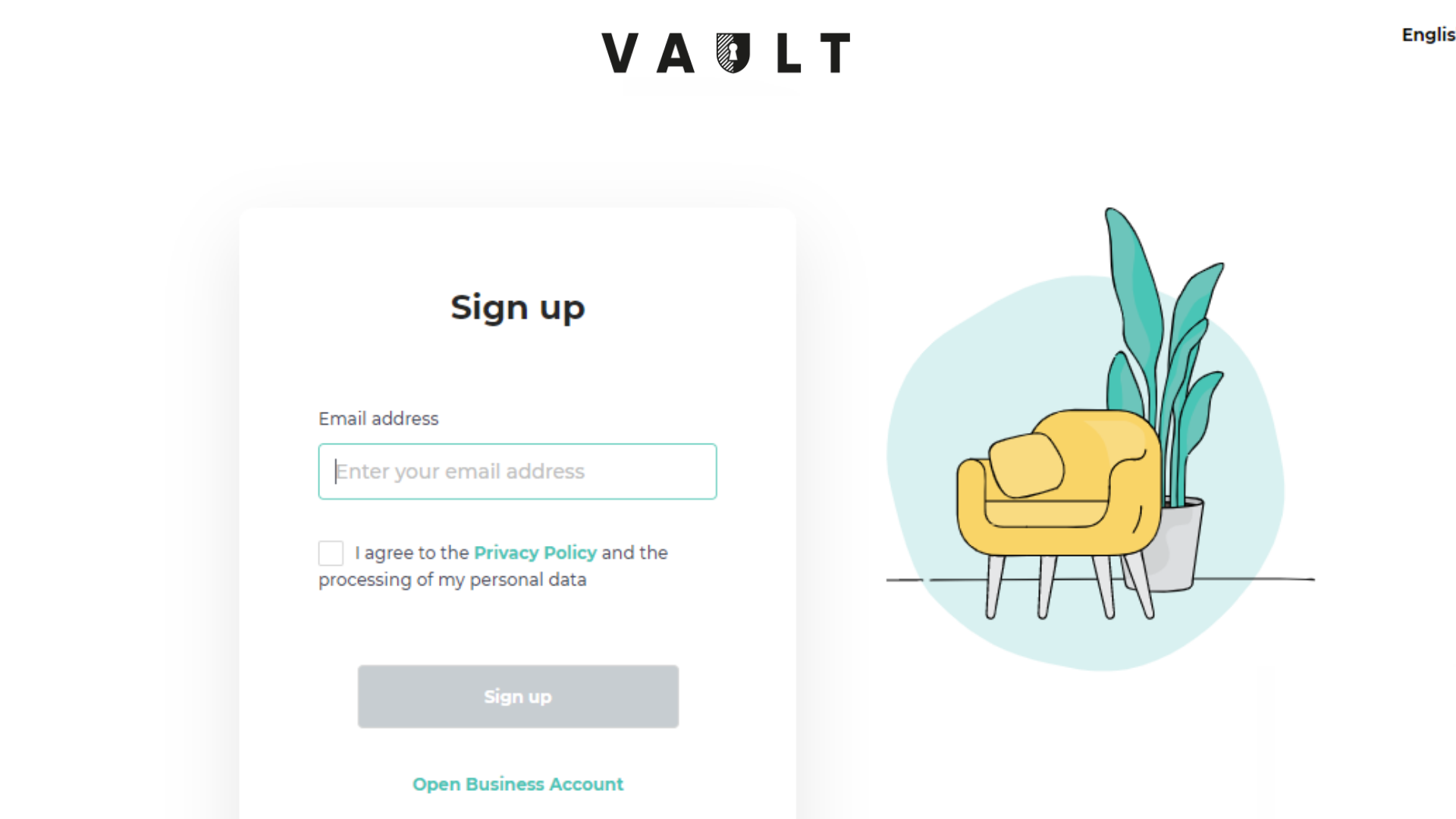
Personal Account - Sign up
-
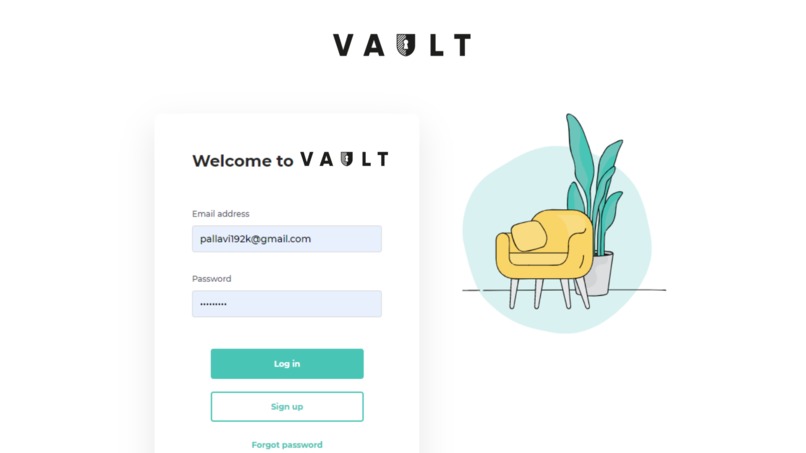
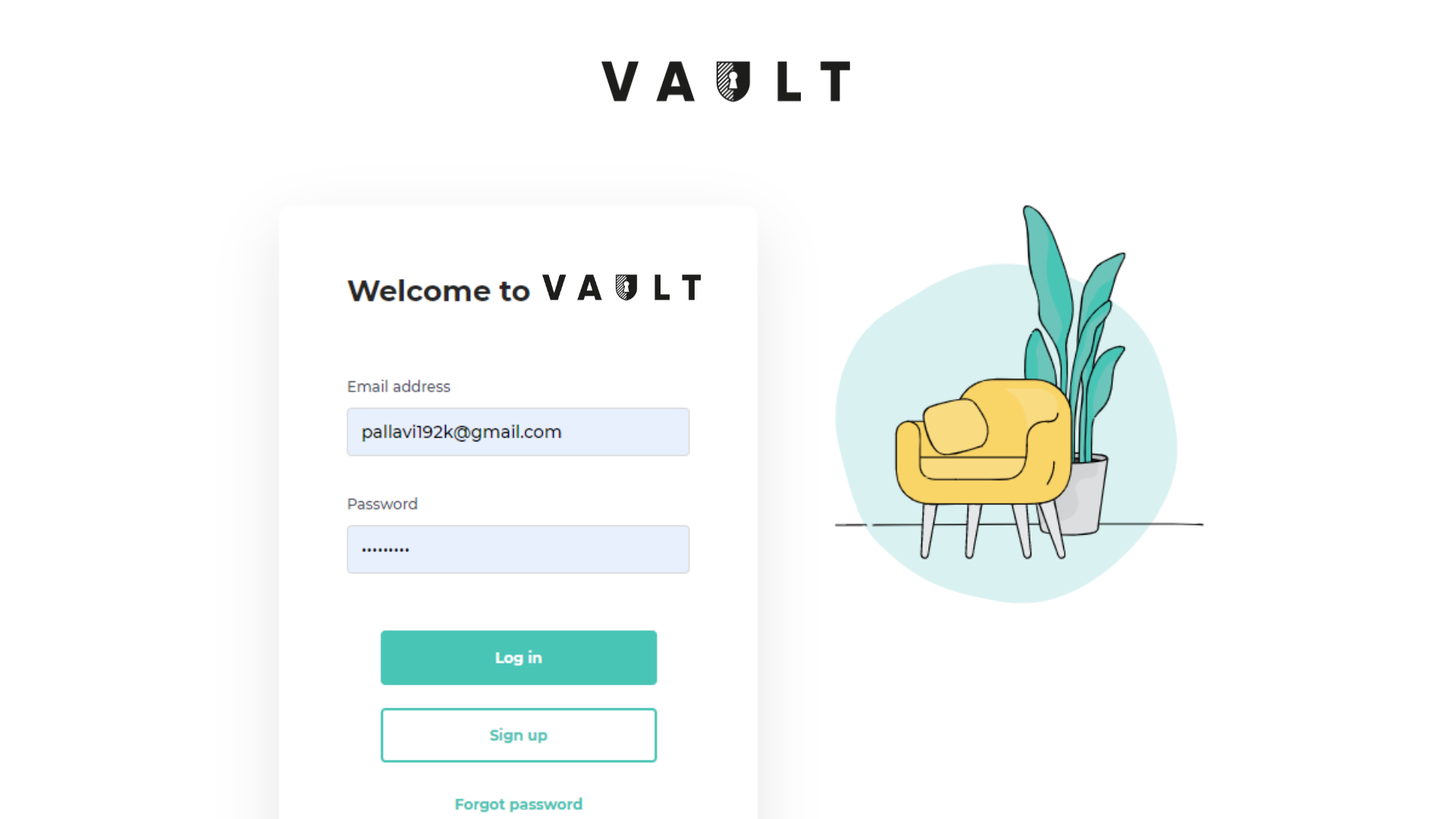
Login
-
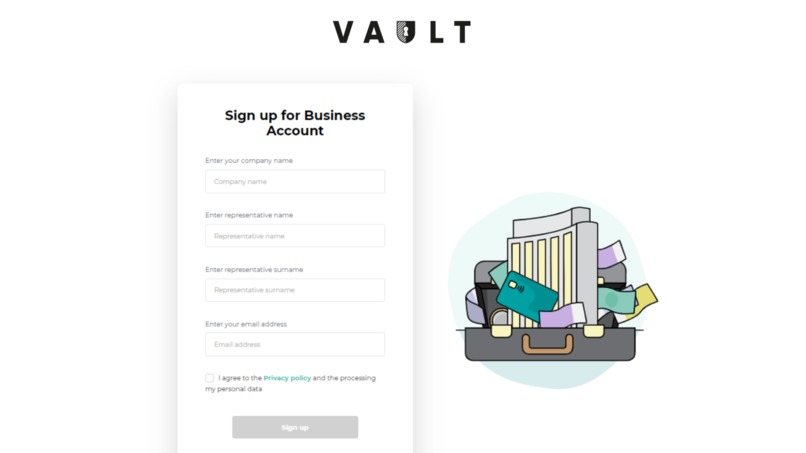
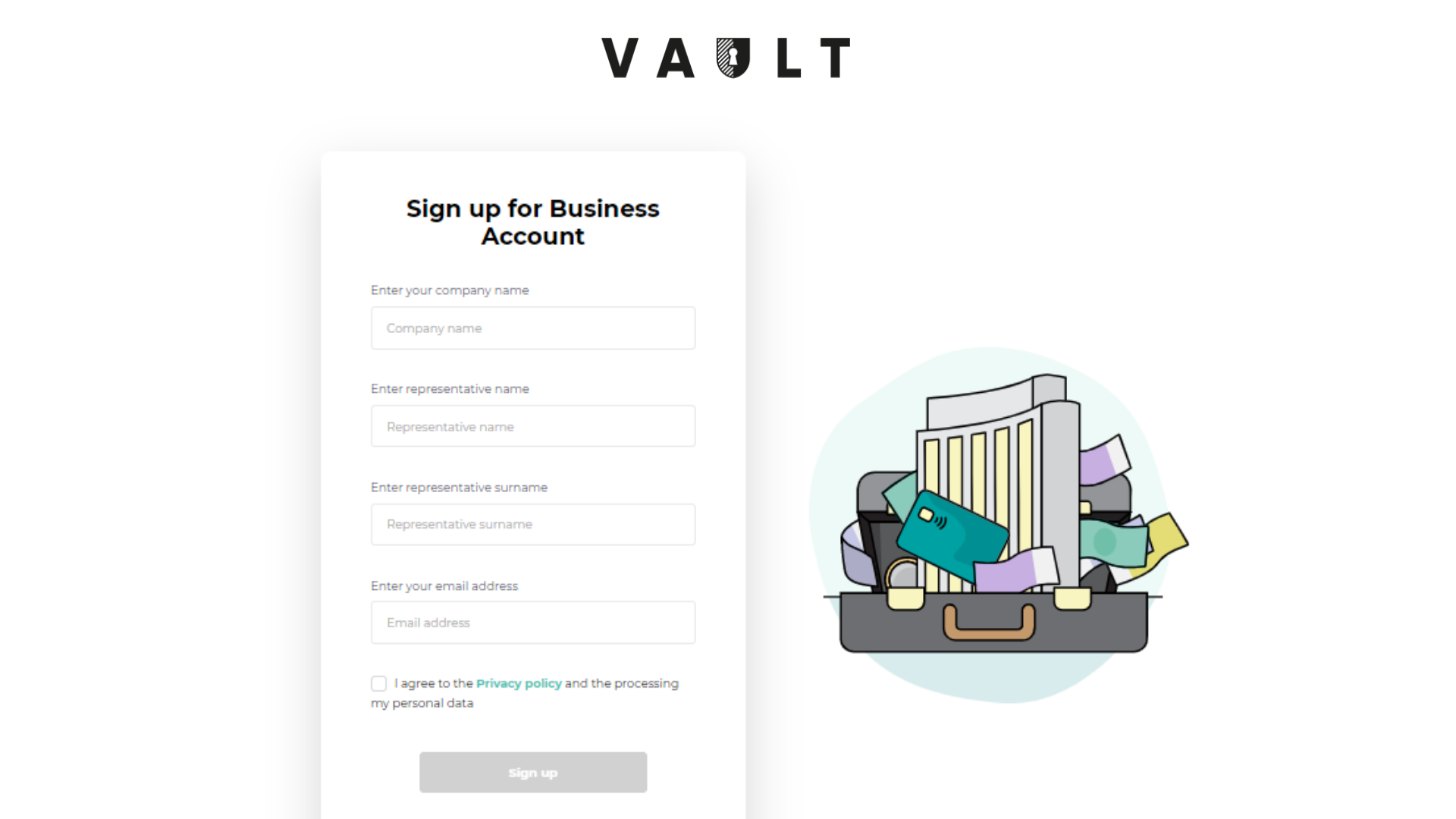
Business Account - Signup
-
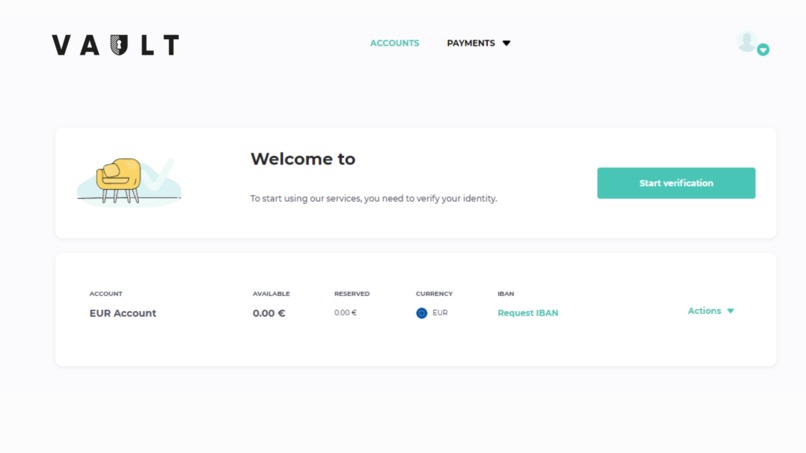
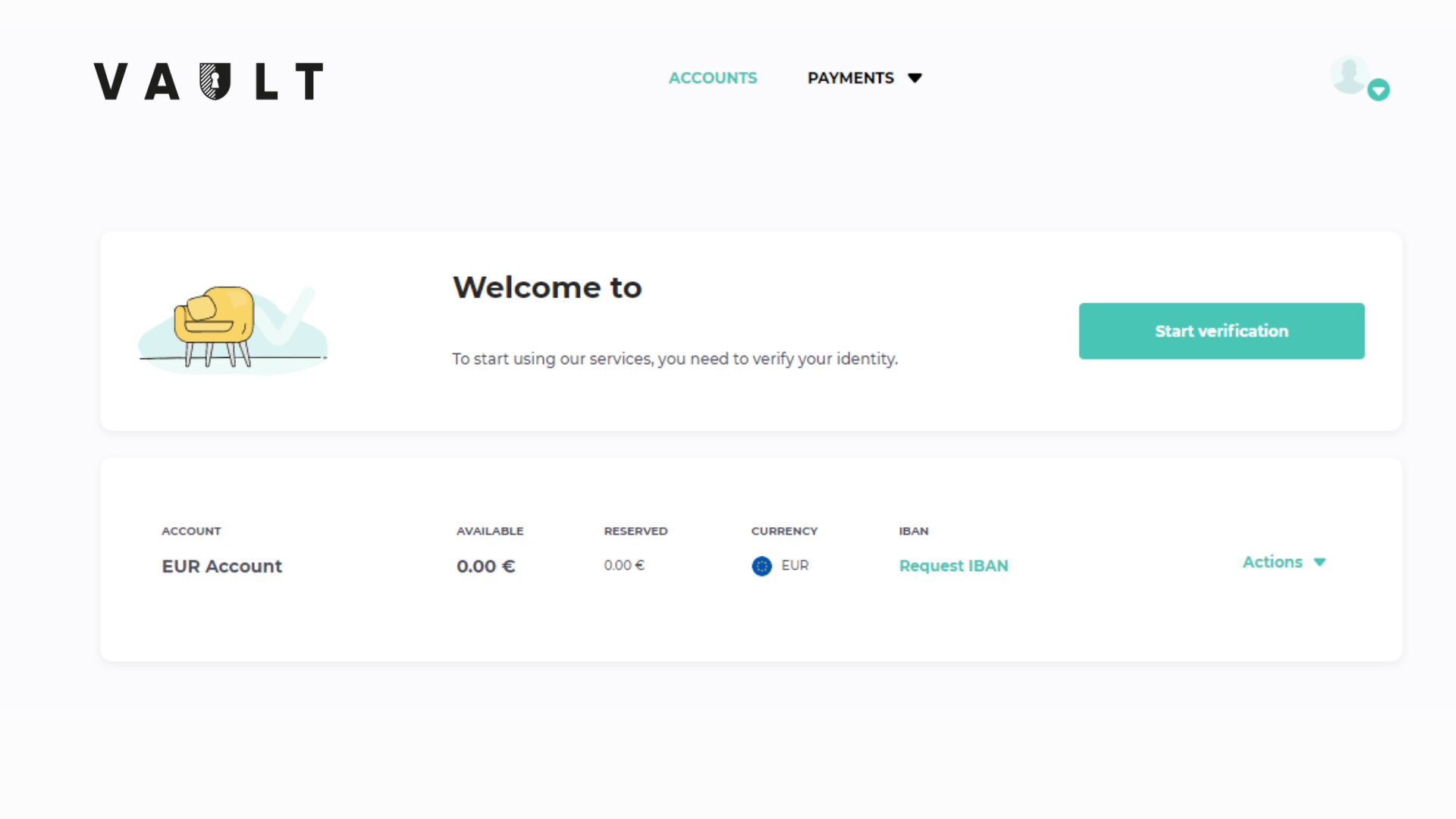
DashBoard
-
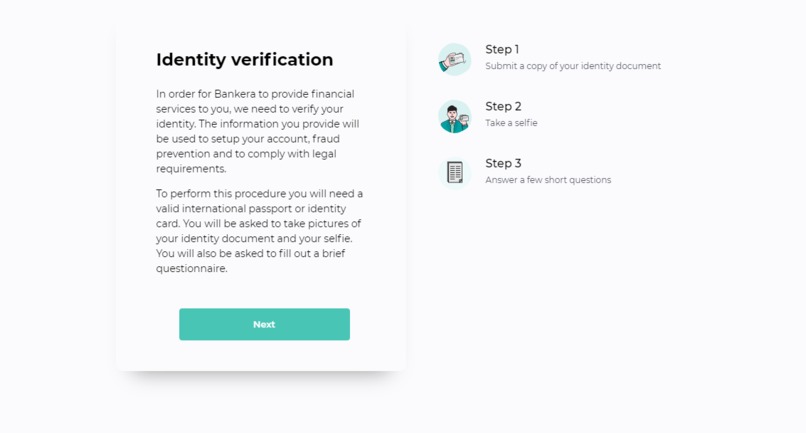
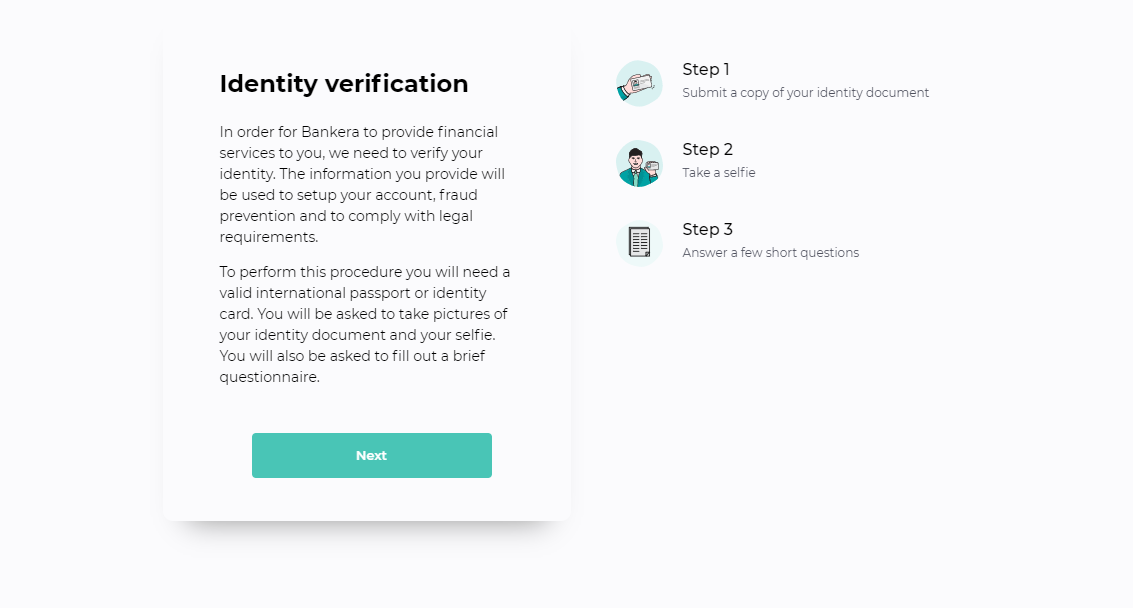
Verification
-
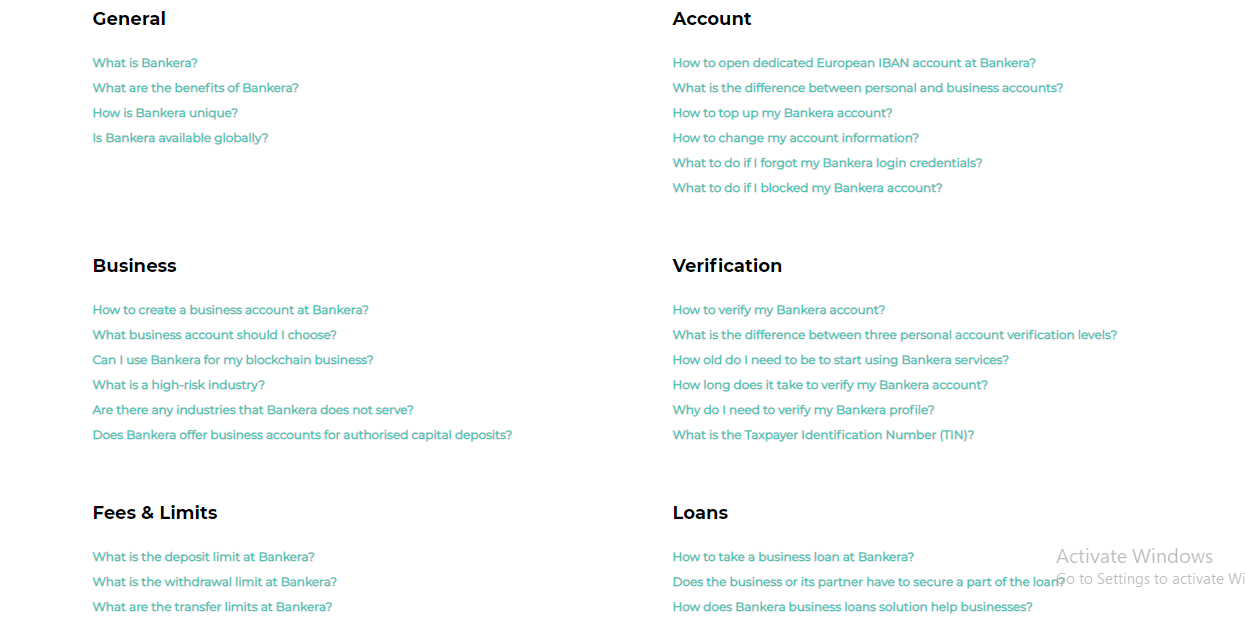
FAQ
-
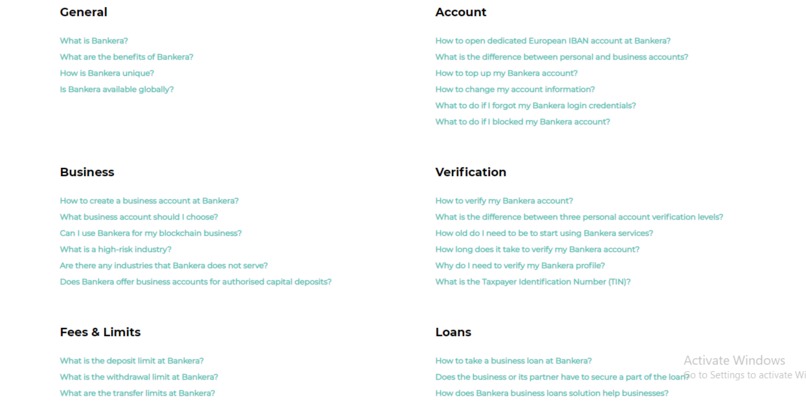
-
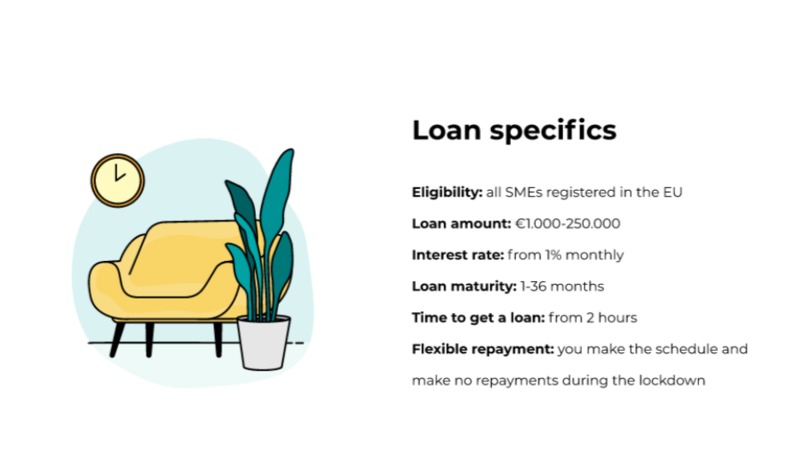
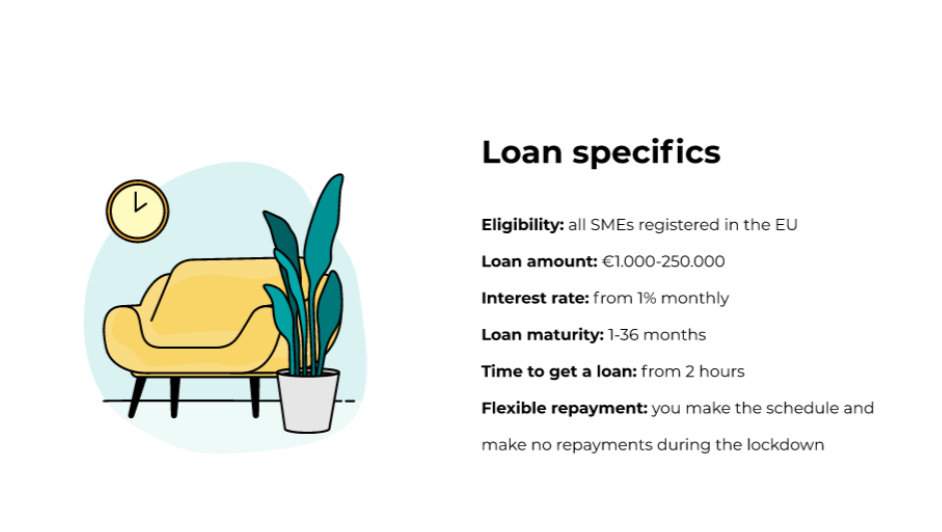
Loan specifics
-
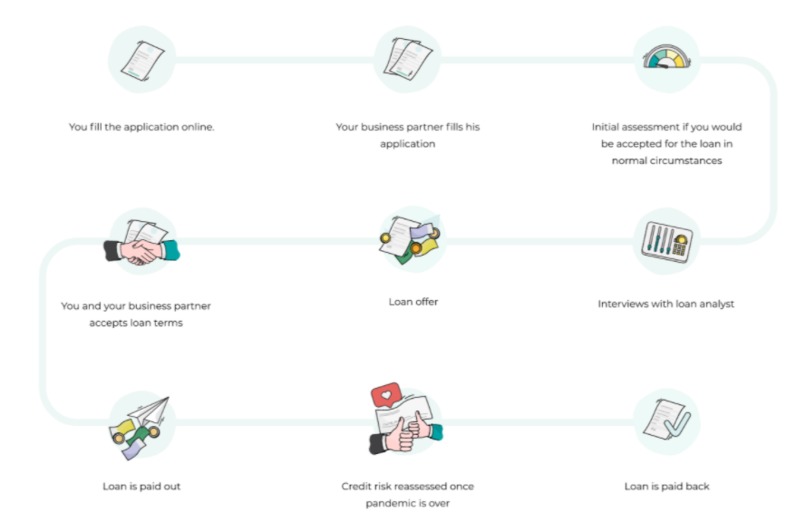
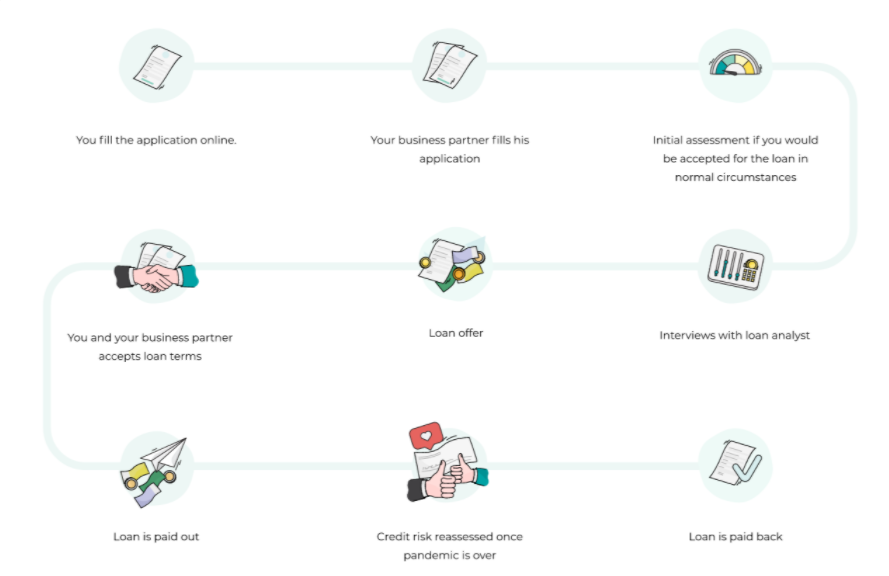
Process flow
Inspiration
COVID-19 pandemic and measures taken to fight it such as travel bans, business lockdowns and quarantine have not been experienced by modern society. Many of Small and Medium Enterprises (SME’s) were forced to halt their activities or saw significant reductions in revenues (e.g. restaurants, dentists, travel agents, hotels). Many of these businesses have strong business fundamentals but are facing a temporary liquidity shortfall and cannot pay invoices to their suppliers. To add to the complexity, lenders are also unwilling to lend them given the high uncertainty of the situation.
If a business becomes insolvent, it has at least the following repercussions on the economy which can easily translate into a wider problem through second-round effects:
Outstanding invoices will likely not be paid Any future business will be lost Replacing the buyer may be difficult (or impossible), costly or timely Coupled with a general decrease in economic activity this will very likely have a domino effect where an insolvency of one SME leads to further insolvencies of its partners and may even spill over to businesses that are not directly affected by the pandemic. Hence, it is important to provide support to each member of the supply chain.
Most schemes introduced by public institutions target helping businesses to serve their existing debts, thus, our proposed solution that helps paying other business expenses (e.g. rent, paying suppliers) is very relevant. Also, government aid measures may be less effective due to bureaucracy: a business may not fall under eligibility criteria, financing may not be substantial and getting it may take longer than a business can afford.
What it does
“Vault” help SMEs that are fundamentally strong and have good long-standing relationships with their partners by providing short-term financing to cover their liquidity needs.
“Vault” brings together both parties of the distressed contract: the buyer who faces financial shortfall and the supplier. They pledge a double-guarantee of the loan: in a typical case, 50% is guaranteed by the buyer and 50% is guaranteed by the supplier. Vault talks to both parties and can get a full picture to check if the supplier knows its buyer well enough to guarantee the loan (this eliminates information asymmetry problems). The supplier has an interest in the buyer surviving (so that the business relationship continues after the pandemic) and is willing to repay 50% of the loan amount in case the buyer doesn’t make the repayment. Even if the buyer goes bankrupt, losing 50% of the outstanding amount is better than losing 100%.
In addition, we offer flexible repayment (the borrower can plan the repayment schedule themselves). That means a struggling business can be sure that that they will not have to make any repayments during the quarantine and can repay the loan once the business is back on its feet.
What are the differences vs other financing solutions:
Government or EU-wide financing: temporary measure; may not fall under eligibility criteria; bureaucracy and slower speed Loans from credit institutions: mostly collateral-based; mostly locally-based (a travel agency from Lithuania would find it hard getting financing from a bank based in France) Conventional factoring: we use the guarantee from both parties; we talk to both the buyer and the lender, thus, minimizing information asymmetry
How we built it
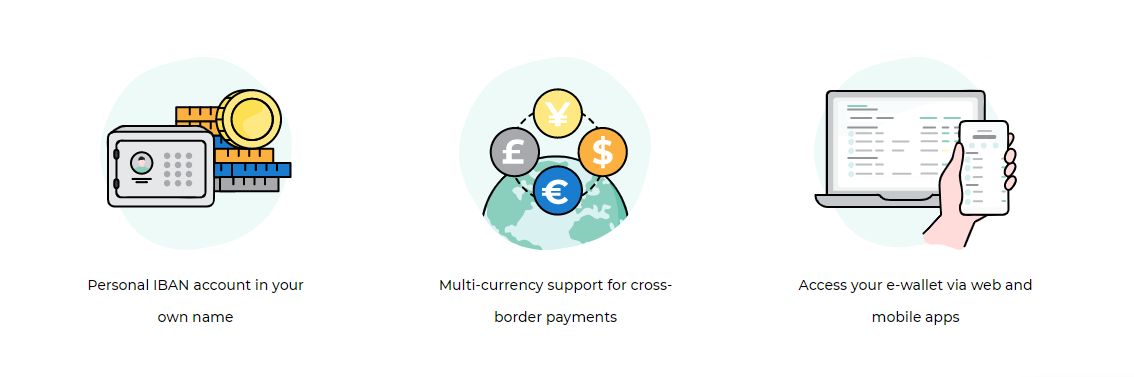
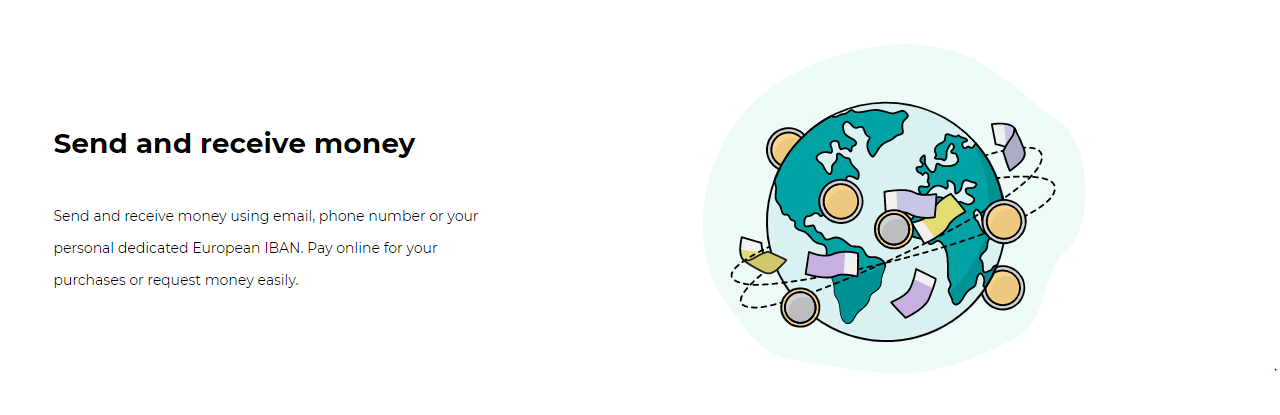
We are building this solution on top of our existing Vault infrastructure which already supports payment accounts and other necessary features for a financial business.
Challenges we ran into
Estimating COVID-19 related risks for businesses and differentiating it by regions (intra- and inter-country) as well as different industries (for example, country data is rather easy to come by but getting more granular data is difficult).
Accomplishments that we're proud of
We have developed a new financing solution to struggling businesses around the EU that incorporates:
Double-guarantee of two business partners: a buyer and a supplier Credit risk model that takes into account COVID-19 related risk factors Flexible-repayment (repayments can be made after the quarantine) We provide services to businesses across EU (not just locally) We don't require collateral since businesses are already troubled The solution developed is not just theoretical, it can be deployed to supplement current Vault offerings.
What's next for Vault
As the MVP consists of the Vault loan application process and specially COVID-19 risk assessment based on geographical, industrial, and businesses specific risks related to the pandemic, we would apply this risk assessment tool for a wide range of Vault business clients to identify potential financial shortfalls and offer them Vault solution.
If this solution proves attractive to SME’s, we would be delighted and ready to bring the “Vault” to practice. Increased awareness of the product, thus, would be an immense help to the project.

Log in or sign up for Devpost to join the conversation.