Inspiration
Traditional study groups often struggle to balance seamless peer-to-peer discussion with immediate access to reliable information. Taking inspiration from Discord's real-time community dynamic, Varta4 was conceived as a collaborative workspace tailored specifically for research and study teams. By embedding AI directly into a live chat room, we aimed to eliminate context-switching and allow students and researchers to brainstorm, fact-check, and analyze topics together in real time.
What it does
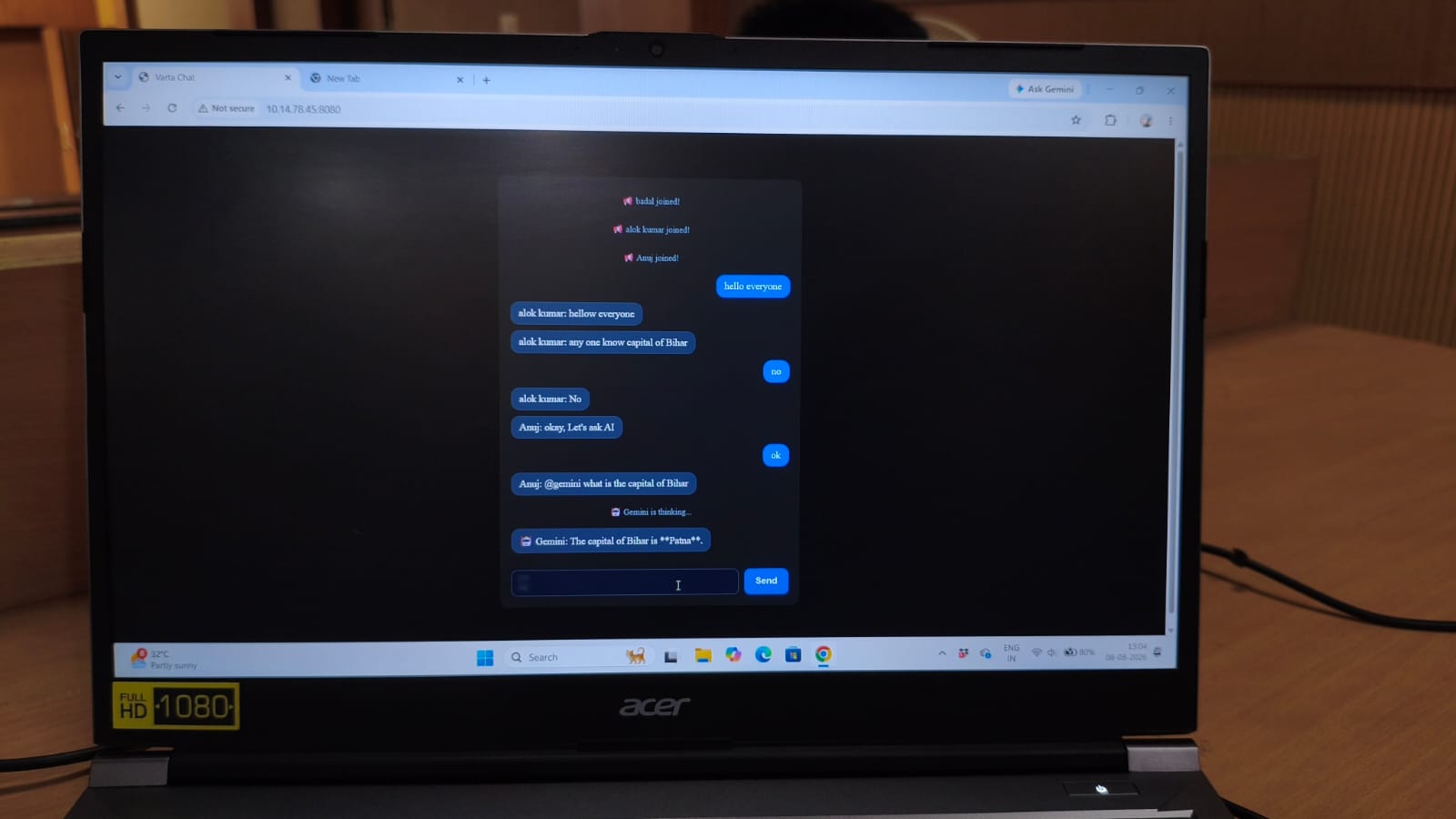
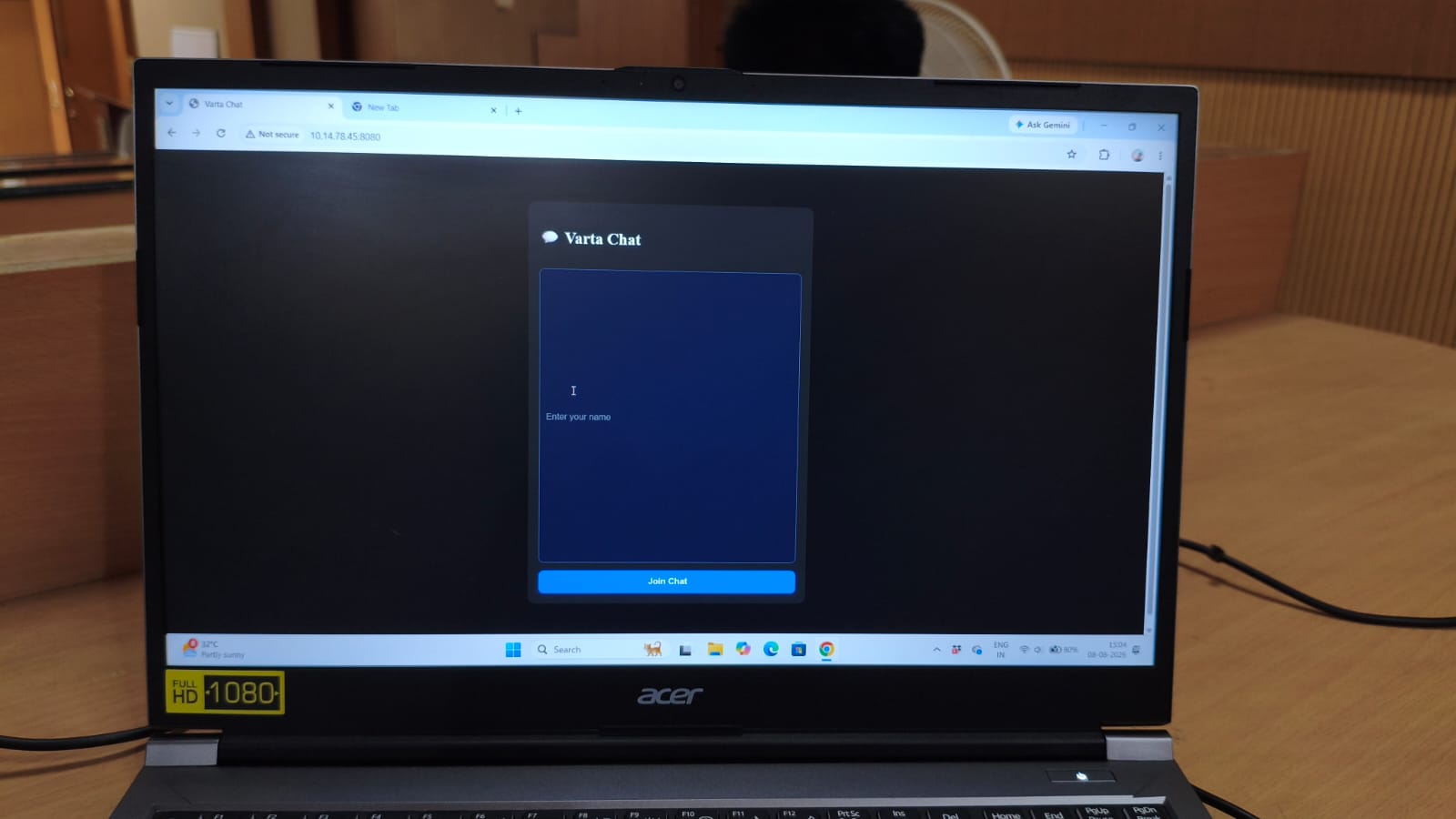
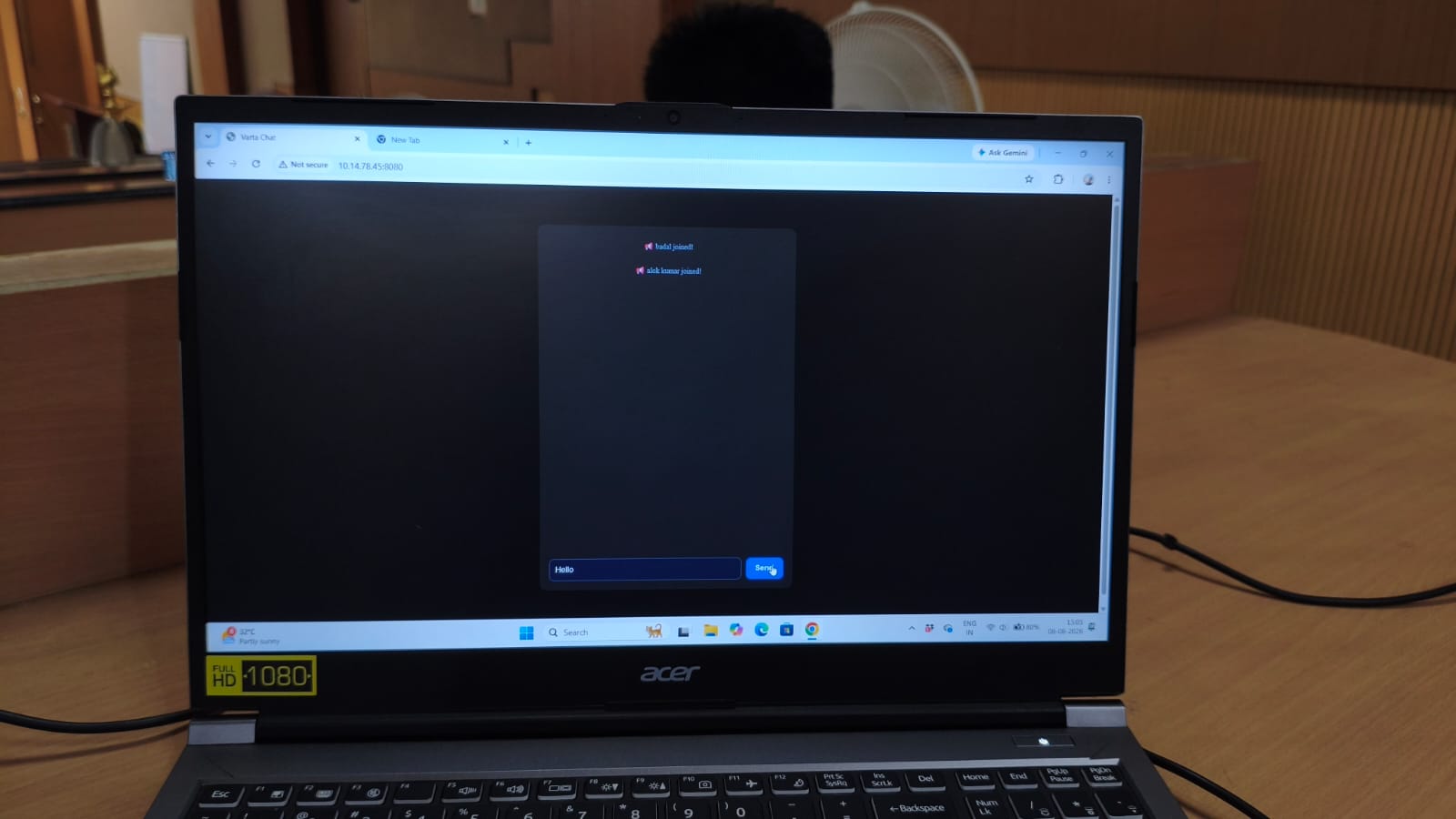
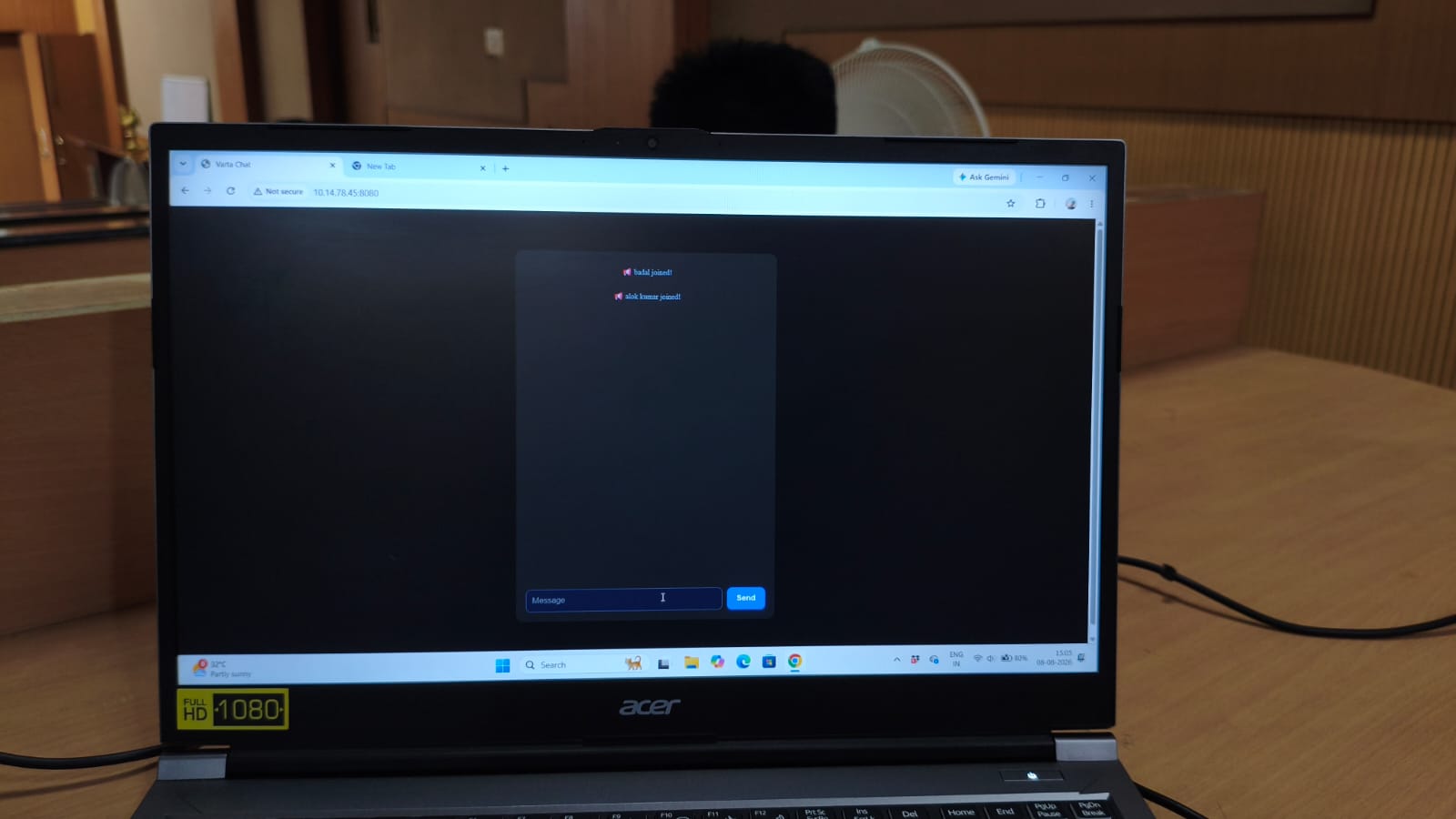
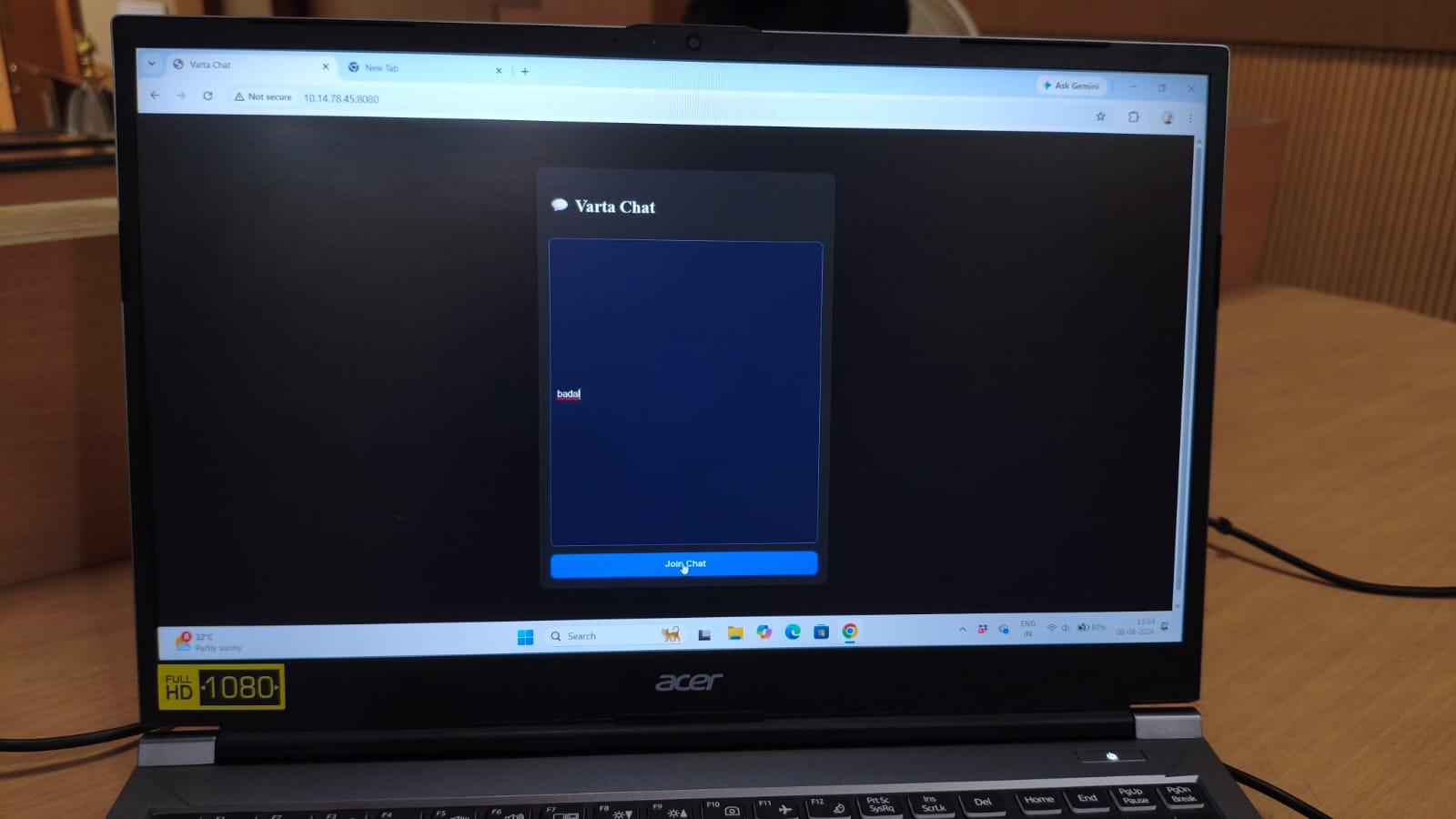
Varta4 is a real-time collaborative chat platform designed for academic and research workflows. Key capabilities include:
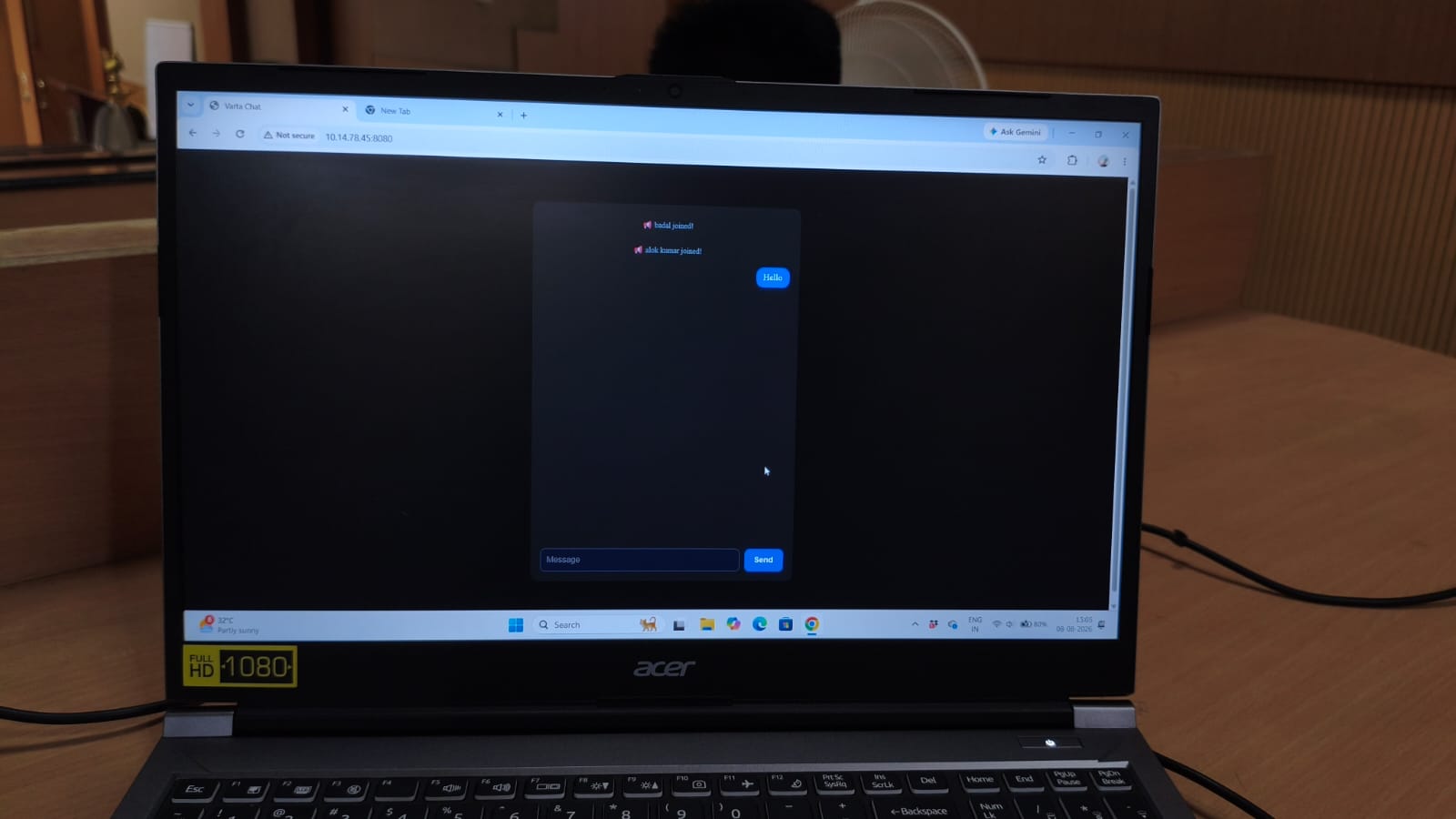
Real-Time Group Communication: Instant messaging across dedicated study rooms, enabling smooth, uninterrupted collaboration similar to Discord or WhatsApp.
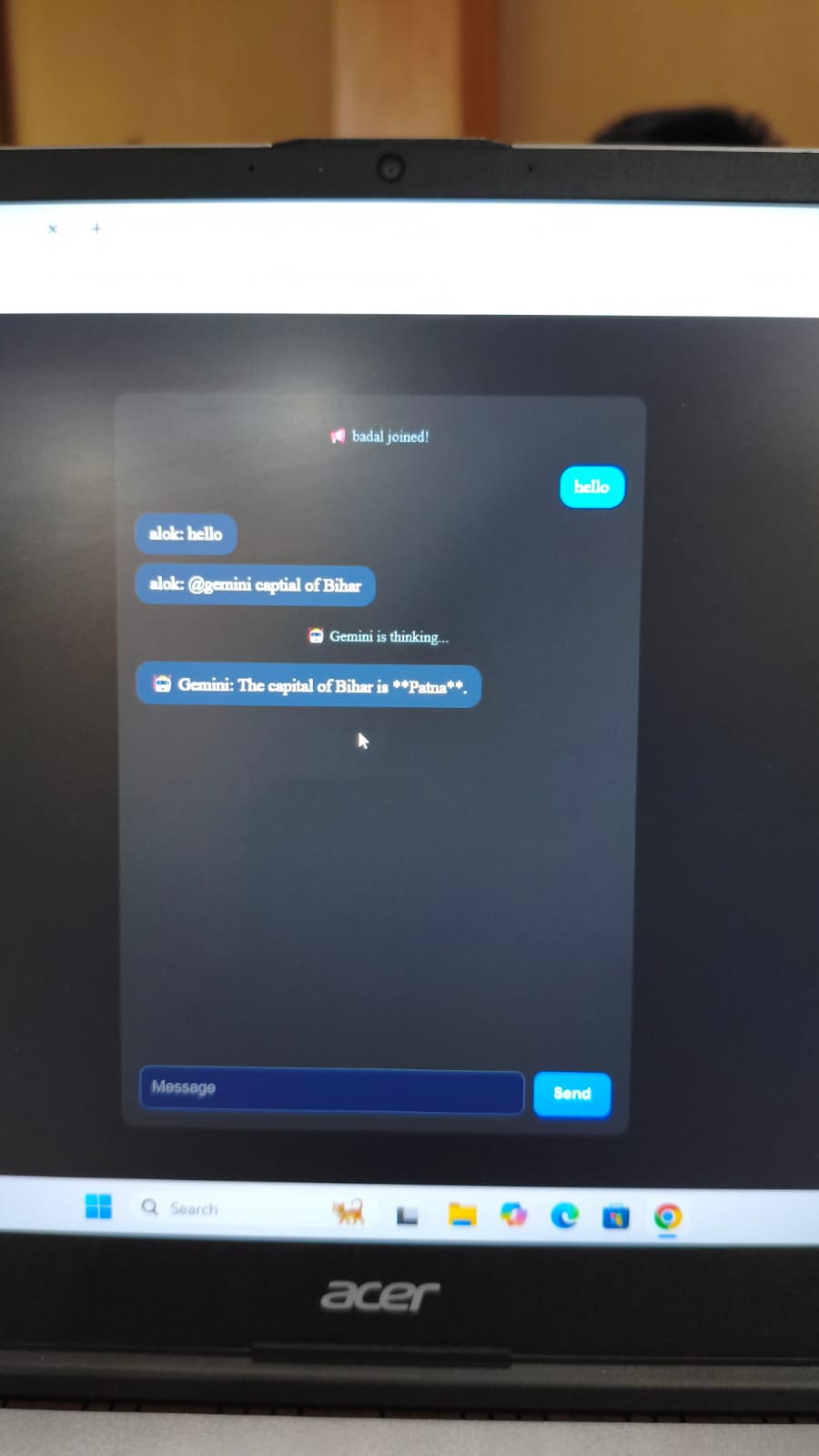
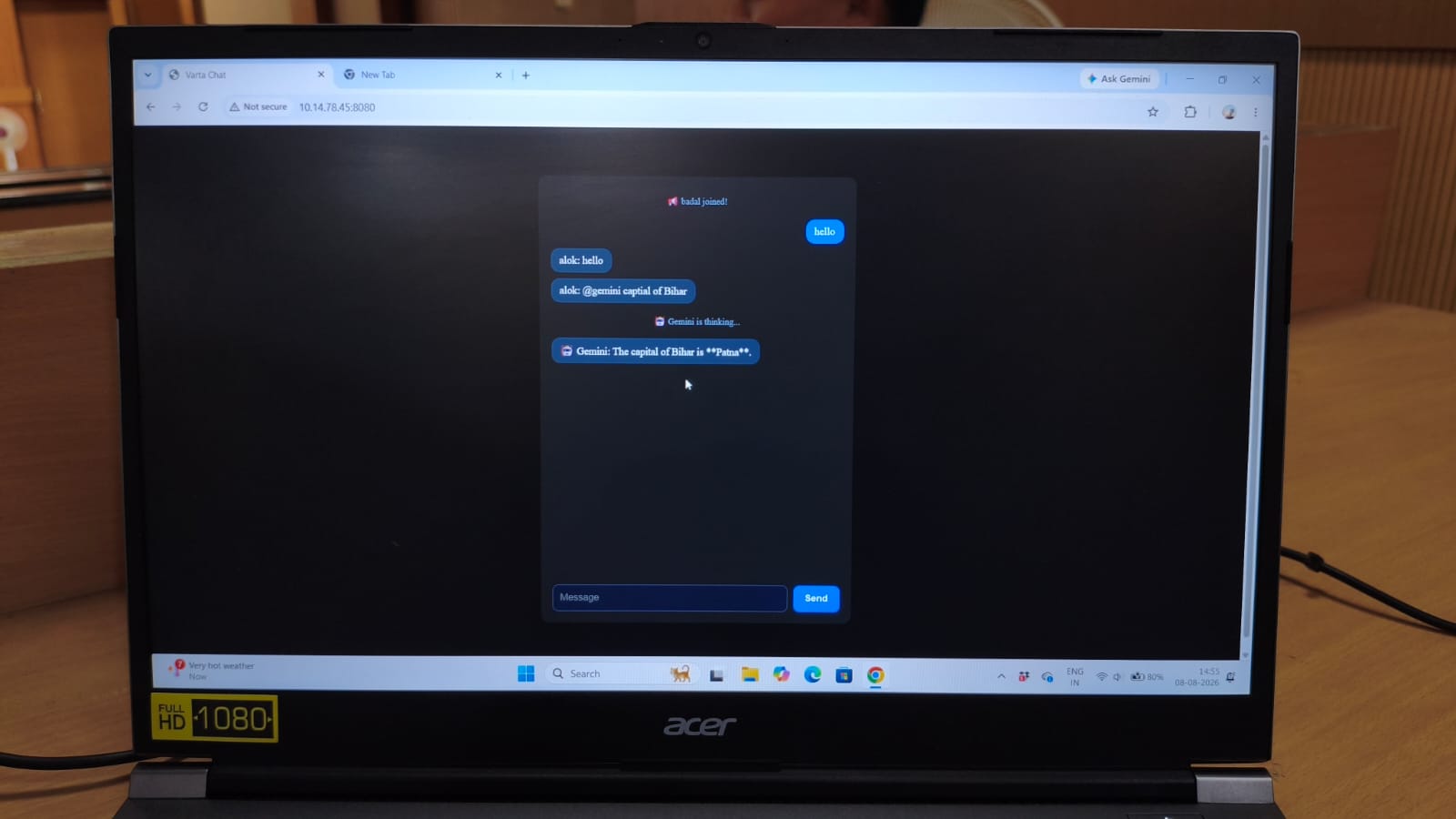
Embedded Gemini AI Assistant: An integrated AI assistant residing directly within the chat environment, capable of answering research queries, summarizing complex papers, drafting content, and clarifying difficult concepts on demand.
Contextual Co-Learning: All participants in the room can interact with the AI simultaneously, making AI responses a shared part of the conversation rather than an isolated, solo endeavor.
How we built it
We developed Varta4 with a focus on low latency and responsive full-stack performance:
Backend Framework: Built using Python and FastAPI to manage server logic, routes, and API endpoints efficiently.
Real-Time Layer: Utilized WebSockets and Python’s asyncio library to maintain persistent, bidirectional connections for instant message routing between multiple users.
AI Integration: Integrated Google’s google-genai / Gemini SDK to query Gemini models asynchronously without blocking live message handling.
Frontend: Developed a lightweight, responsive interface using vanilla HTML, CSS, and JavaScript to mimic modern chat layouts.
System Utilities: Applied standard library modules like os for environment configuration, API key management, and system-level operations.
Challenges we ran into
API Rate Limits & Model Availability: Handling API constraints and model availability while routing real-time queries for multiple active users required careful management of asynchronous calls and fallback handling.
WebSocket Synchronization: Managing concurrent WebSocket connections alongside streaming AI responses required precise async task handling to ensure that AI output didn't block peer-to-peer user messages.
Latency Management: Minimizing delay between asking a question, receiving the AI response, and broadcasting that response across all connected clients simultaneously.
Accomplishments that we're proud of
Seamless Real-Time Chat Infrastructure: Successfully engineered a multi-user real-time chat architecture from the ground up using FastAPI and WebSockets.
Native AI Co-Presence: Successfully embedded Gemini directly into the chat dynamic, turning an individual search engine tool into a shared team research engine.
Intuitive User Experience: Created a sleek, familiar interface modeled after proven messaging platforms like Discord and WhatsApp, eliminating any learning curve for new users.
What we learned
Asynchronous AI Integration: Gained deep practical experience combining asynchronous WebSockets with modern generative AI APIs.
Solving Real-World Academic Pain Points: Learned how to translate student and researcher friction points into functional software features.
Time-Constrained Engineering: Mastered rapid prioritization, agile task management, and debugging under intense hackathon deadlines.
What's next for Varta4
Multi-LLM Integration: Adding support for additional state-of-the-art models like Claude AI, giving users the freedom to select or compare different AI engines within the same room.
Video & Voice Conferencing: Implementing WebRTC-based video and audio calls to support full-featured distance learning and study sessions.
Document & PDF Analysis: Allowing teams to upload research papers and datasets directly into the chat room for real-time document querying and summarization.

Log in or sign up for Devpost to join the conversation.