-
-
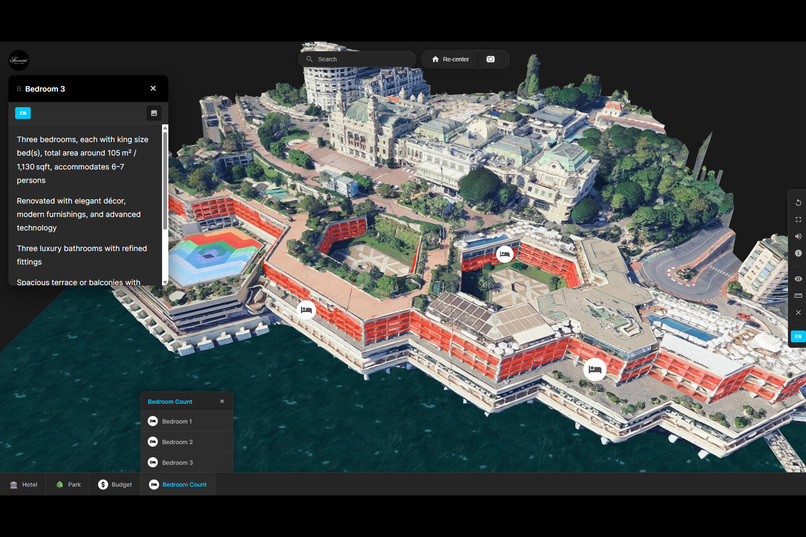
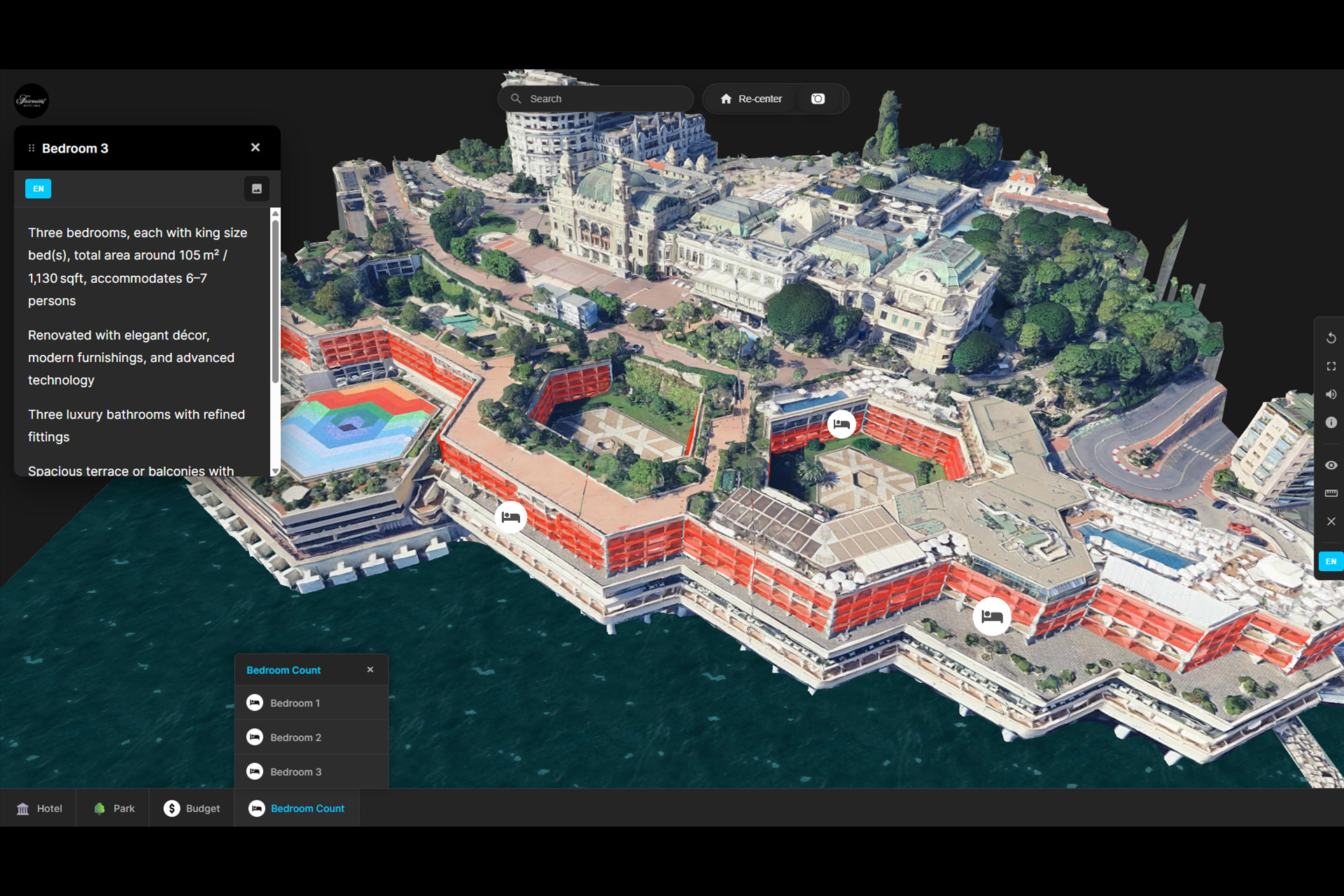
Tourism Usecase
-
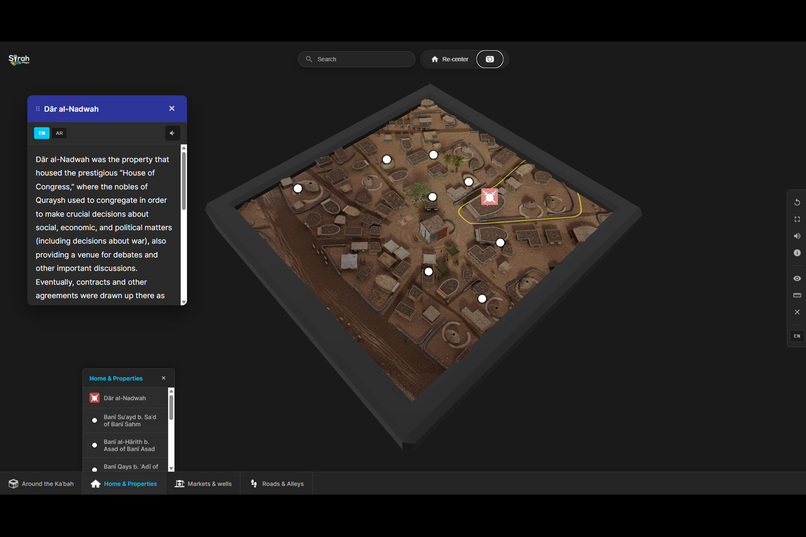
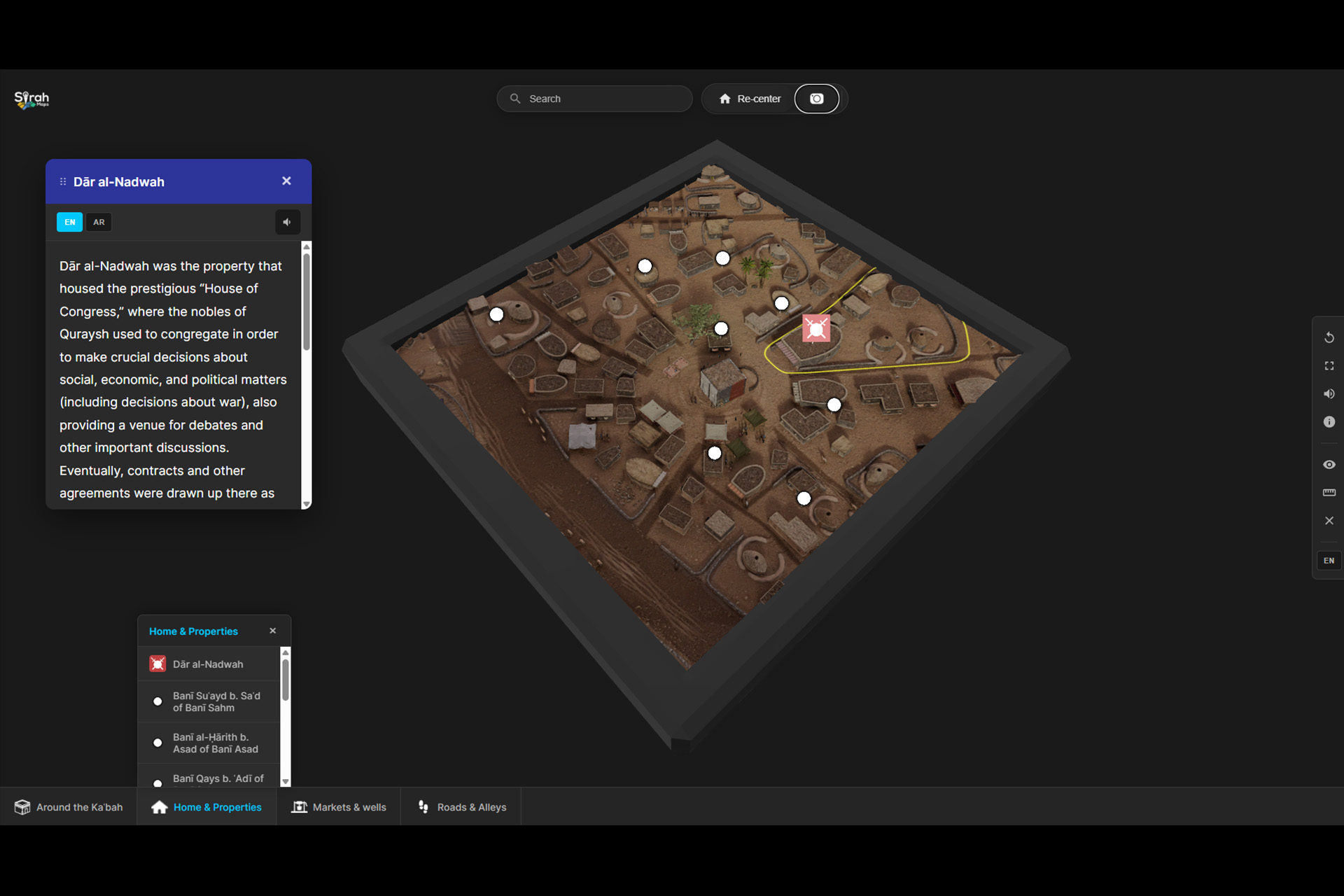
Historical Reenactment
-
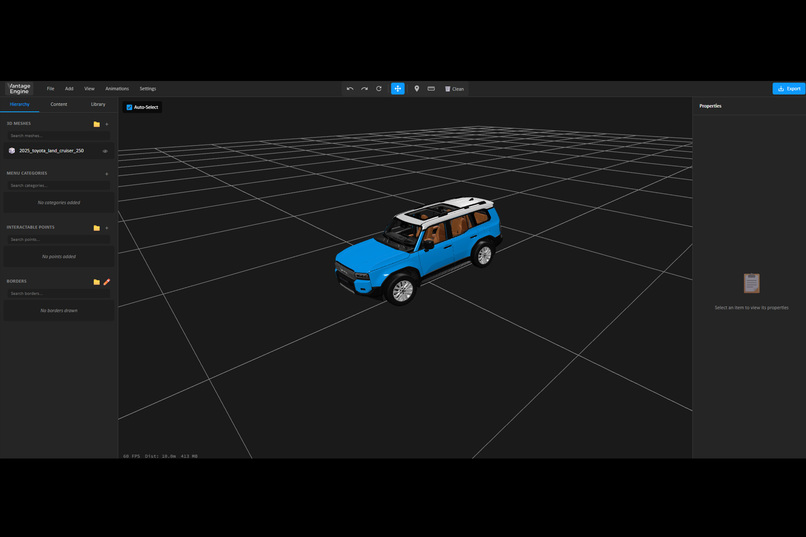
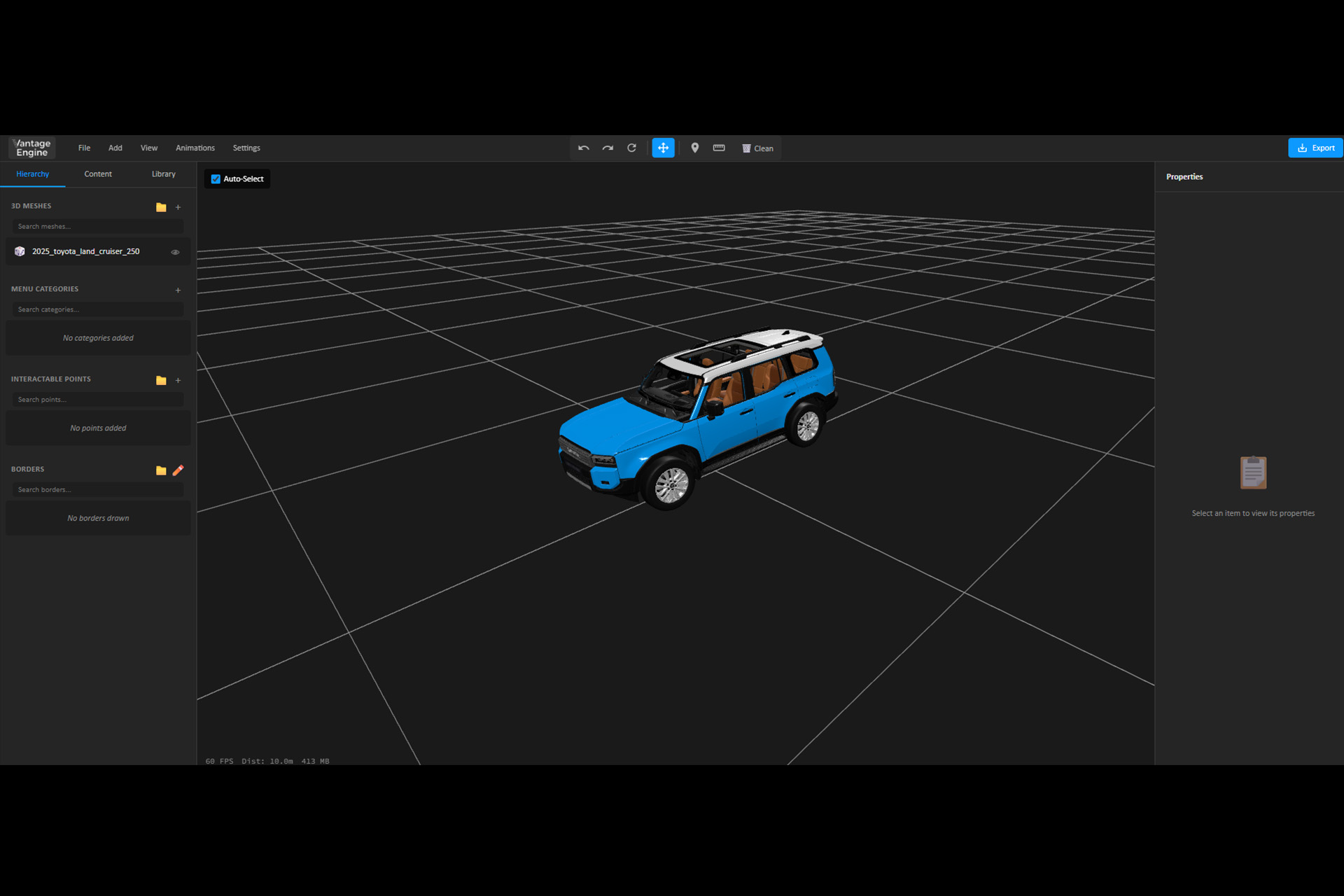
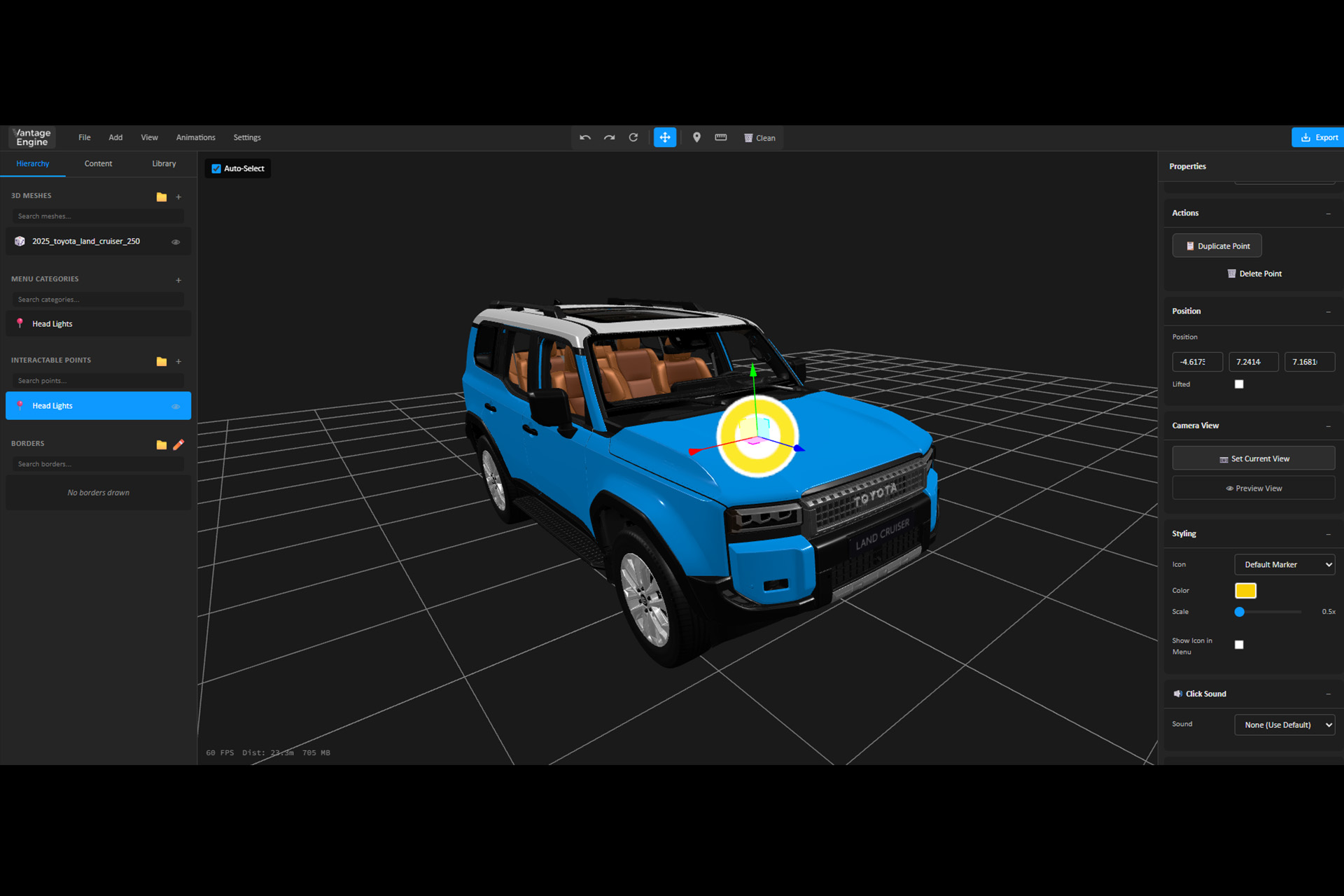
3D mesh
-
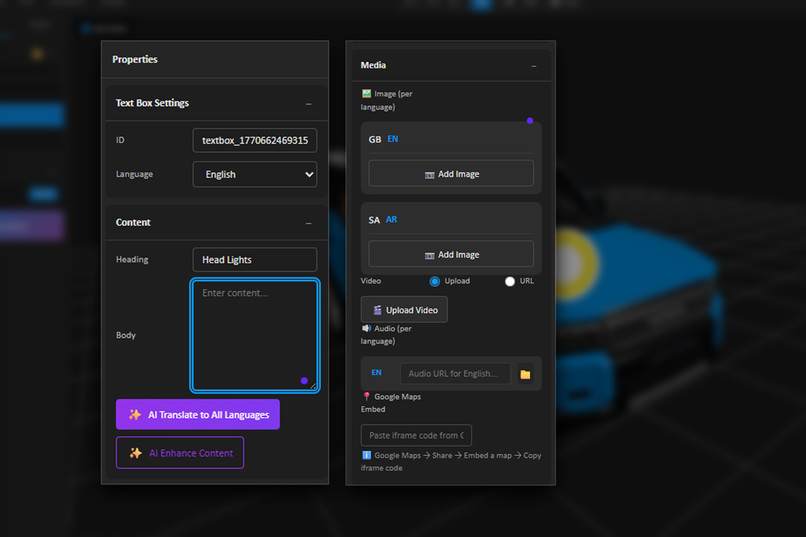
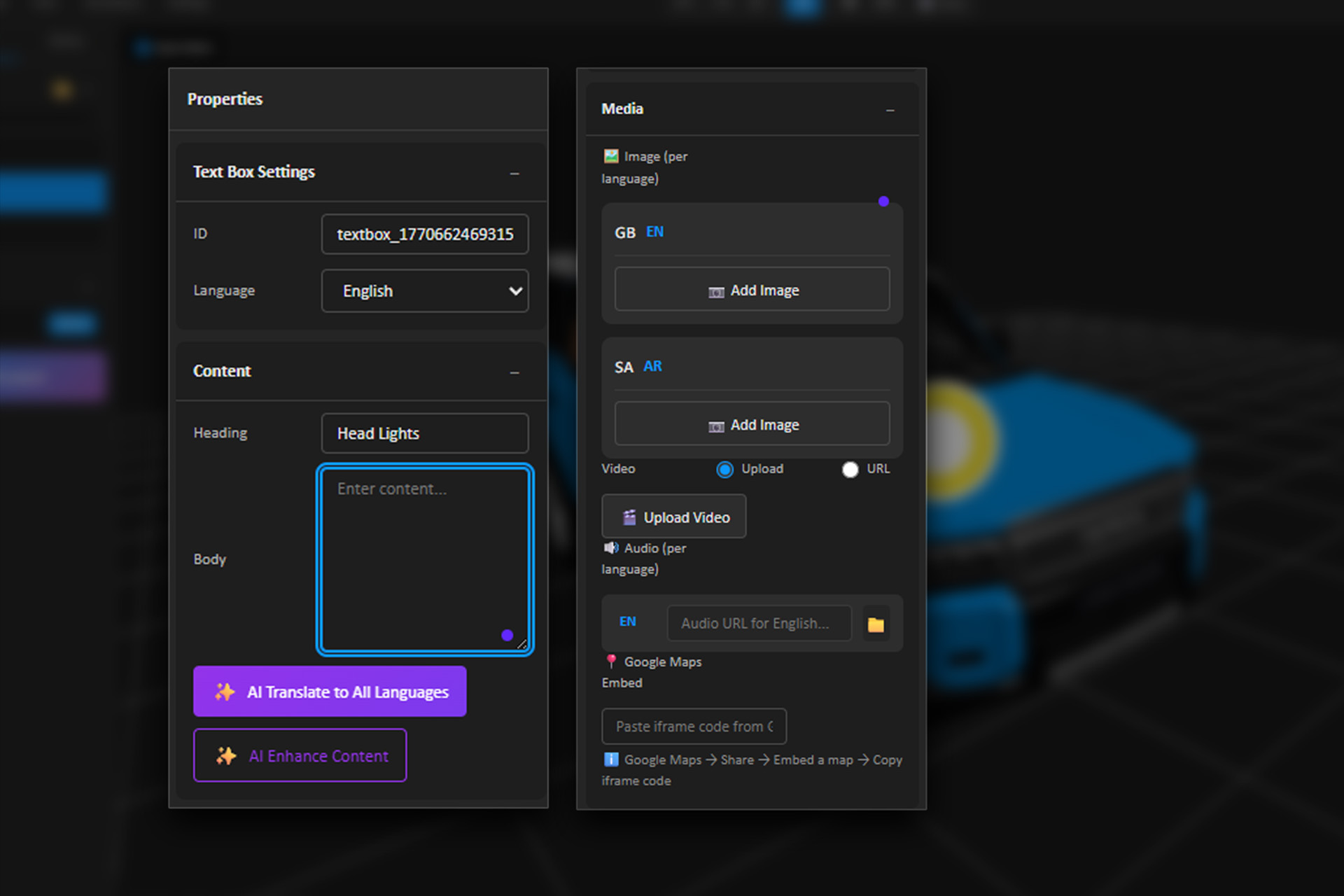
Multi-Media
-
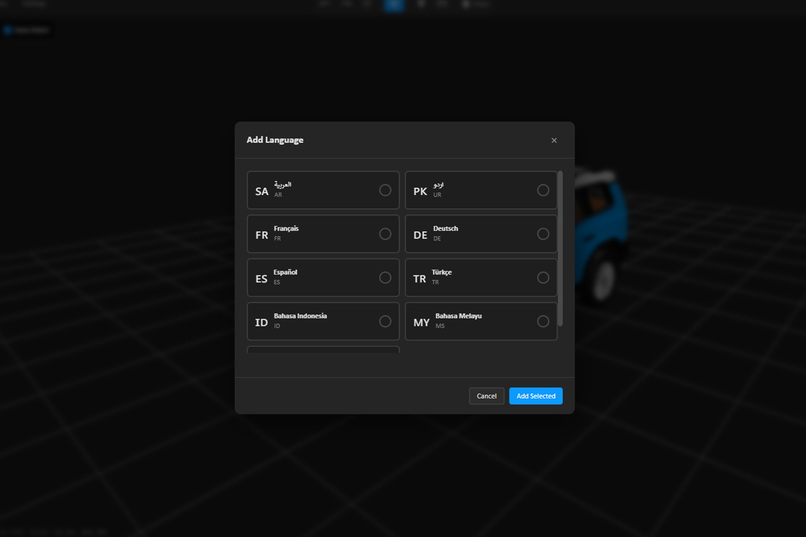
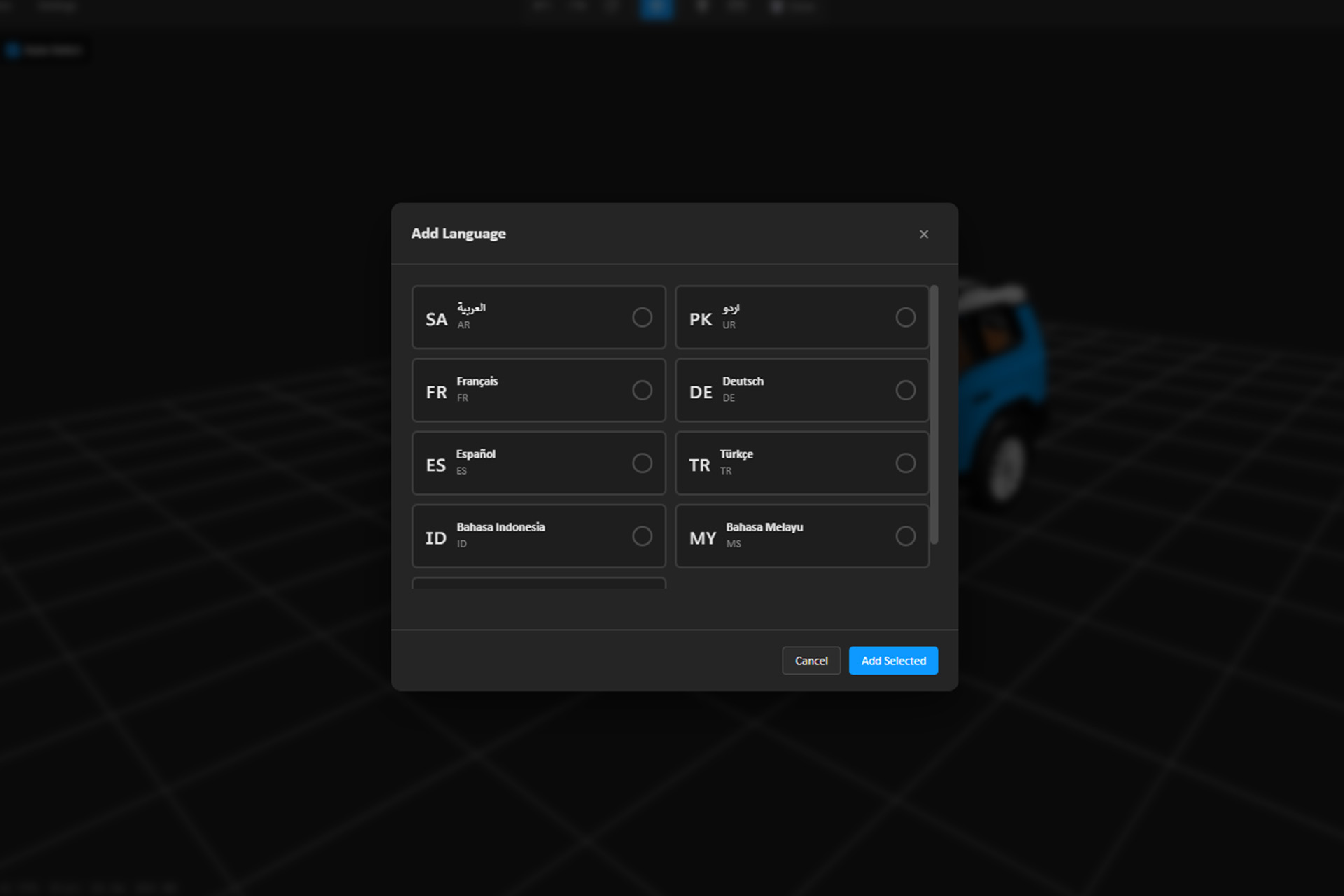
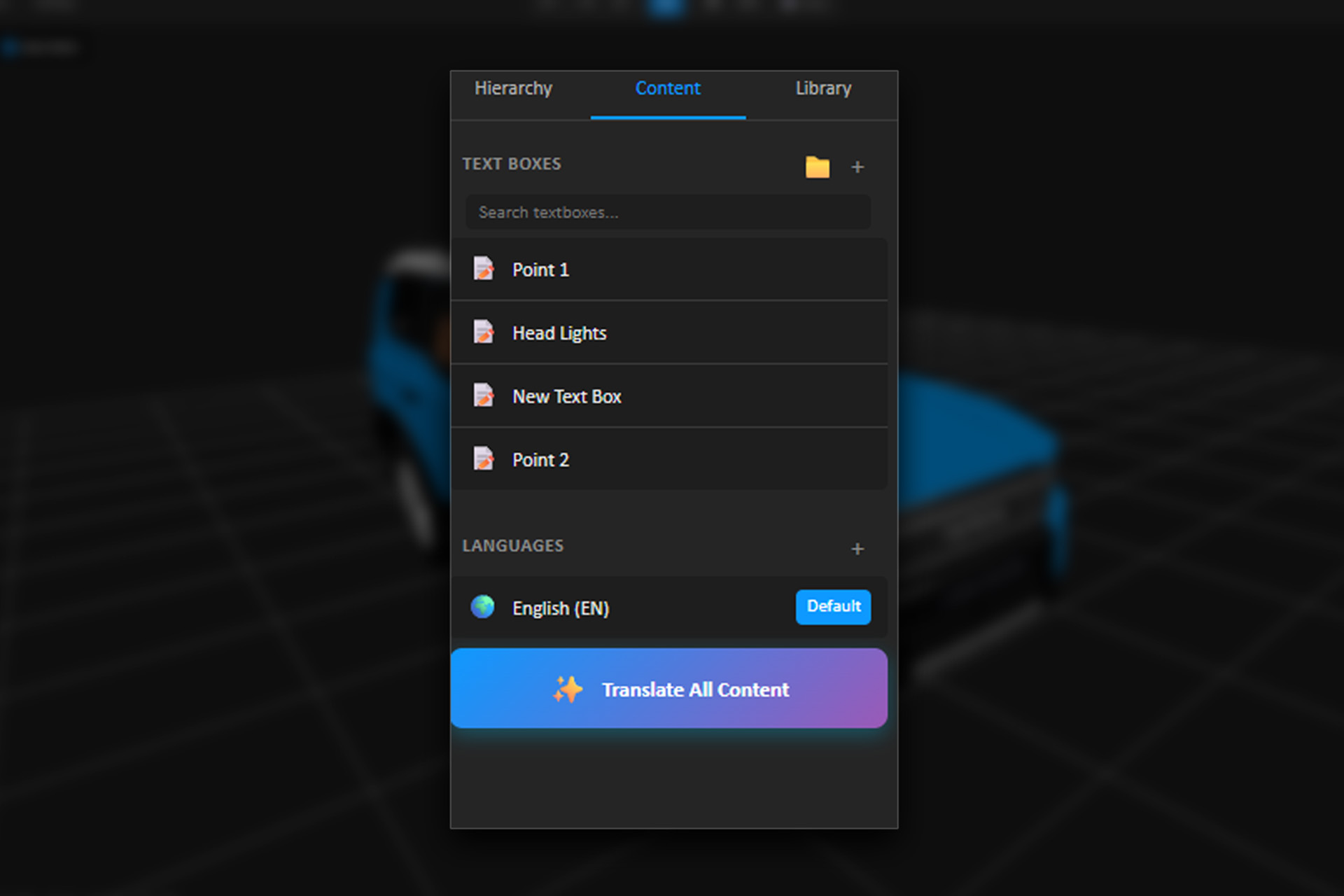
Multilingual support
-
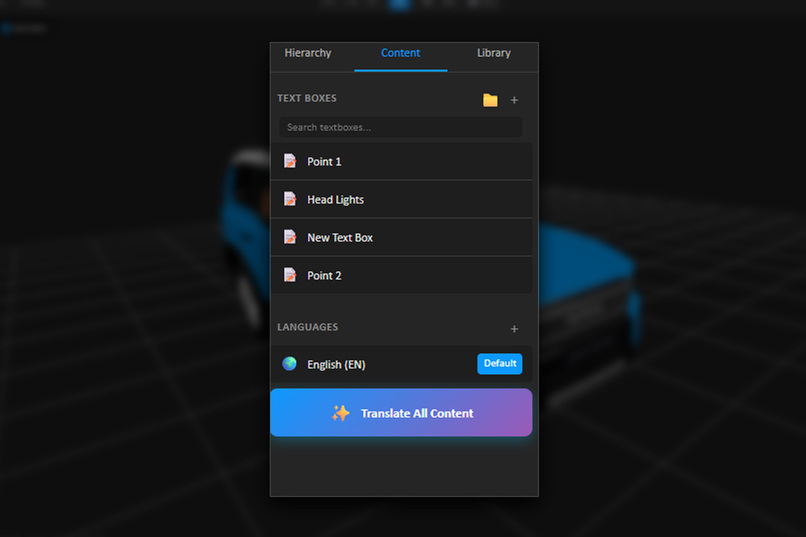
AI Translation
-
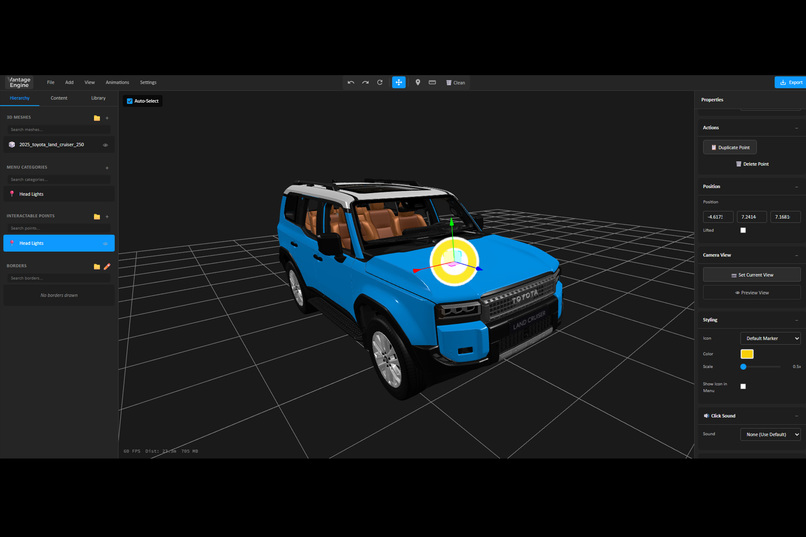
Interactive points
-
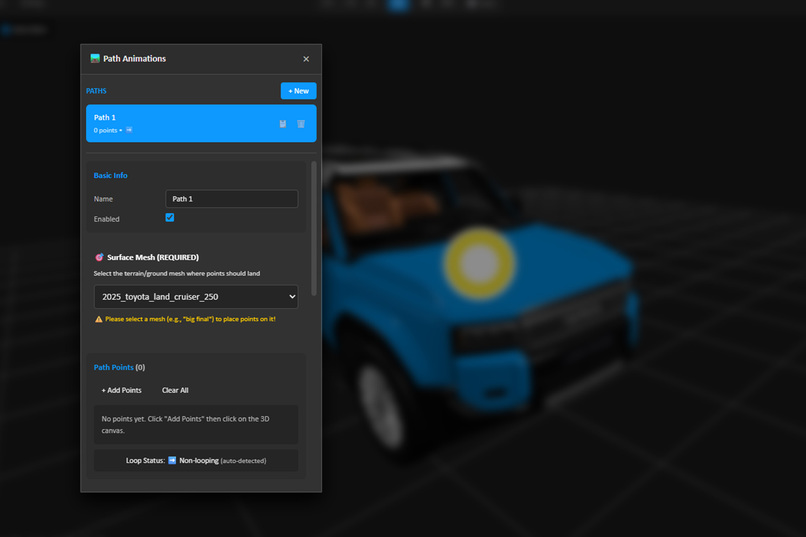
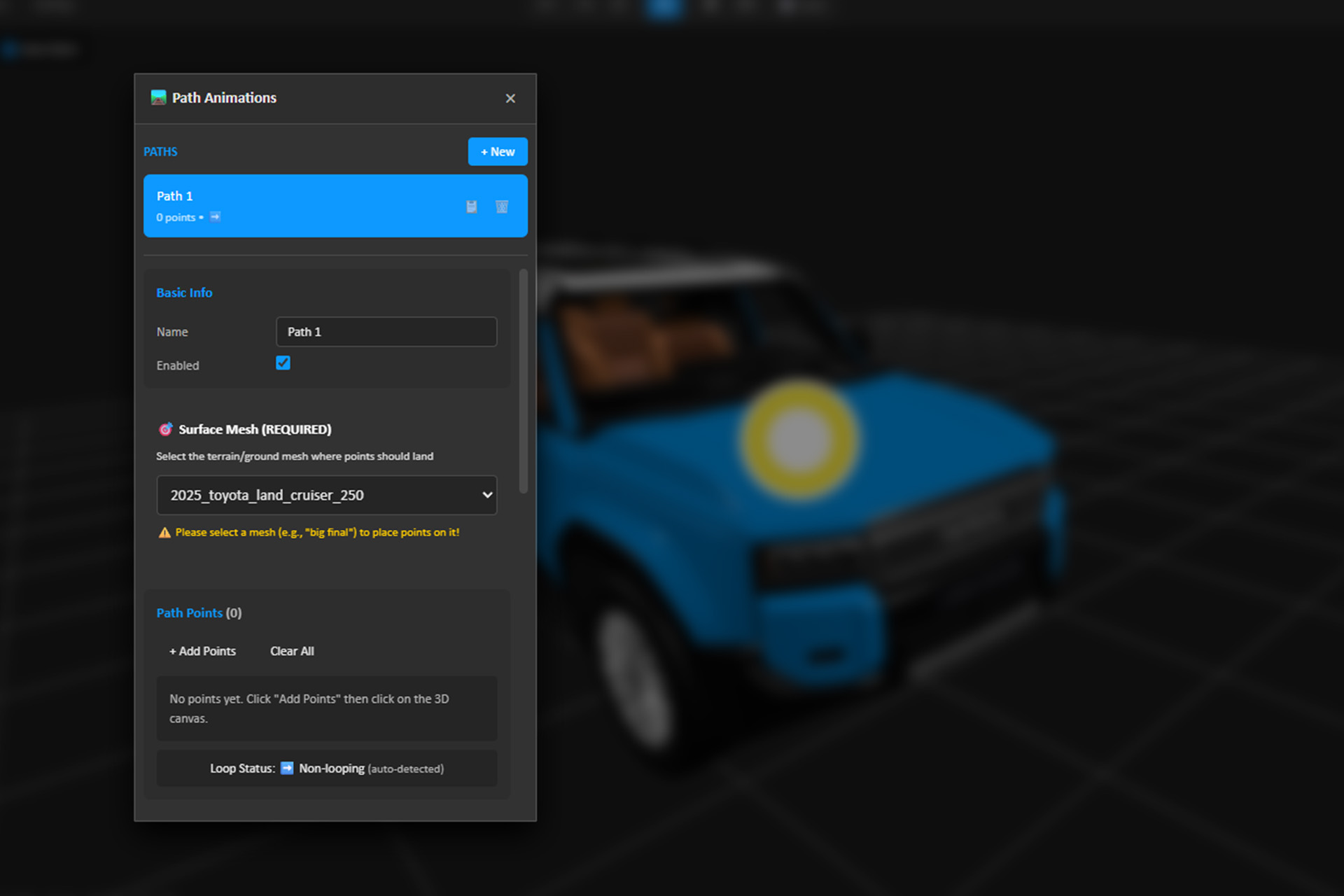
Path Animations
Inspiration
We have spent six years working across 3D design, visualization, and digital twin development, delivering interactive experiences using industry standard tools. Over time, we identified critical limitations in existing platforms, including missing core features, slow innovation, and poor support for advanced use cases. Recognizing a clear market gap after exploring Gemini and Antigravity, we set out to build a purpose built platform for modern digital twins, with a particular focus on scalable, tourism focused interactive experiences.
What it does
It is a tool for creating seamless 3D and interactive experiences that work across mobile and desktop. Users can upload maps, 3D models, or products and add interactive hotspots with videos, images, and text. The platform includes variant control, allowing different meshes and elements to appear or disappear based on user interaction. Supports options to create multi-lingual experiences.
How we built it
We had deep insight into how existing solutions worked and where the gaps were, which is how the idea began. We started by designing graphics and UI schematics, clearly mapping out how the app would function. Using images, annotations, and detailed explanations, we guided Gemini through how each feature and navigation element should work.
Despite having little to no coding experience, our understanding of 3D software building blocks allowed us to structure the system effectively. After a few early iterations, we reached an MVP and spent the next month refining it.
Challenges we ran into
Developing an app with AI has been a masterclass in iterative engineering. While the technology is evolving rapidly, we've navigated two primary hurdles:
1. Prompt Engineering & Specification Drift Early in development, the primary bottleneck was semantic alignment. We faced significant challenges in translating high-level requirements into precise technical execution.
2. Context Window & State Management Our most persistent technical challenge is contextual decay. As the codebase grows, maintaining a coherent "source of truth" across the entire project becomes difficult.
The Issue: The AI often prioritizes local optimizations, focusing on the most recent code snippets at the expense of global architectural integrity.
The Result: This can lead to regressions in features built during earlier sprints as the model loses the long-term context of the original logic.
Accomplishments that we're proud of
We have successfully engineered and deployed a production-ready solution. We have achieved the following:
Architectural Superiority: Our platform demonstrates significantly higher vertical and horizontal scalability compared to the commercial off-the-shelf (COTS) solutions we utilized over the last six years.
Operational Efficiency: We optimized the computational throughput and streamlined workflows, resulting in a marked reduction in latency and resource overhead for real-world production environments.
Extensible Framework: By maintaining full ownership of the codebase, we have eliminated vendor lock-in. This modular design provides an unlimited runway for integrating bespoke features and advanced AI capabilities.
What we learned
Through the development process, we gained a deep understanding of decoupled software architecture, mastering the interplay between modular code components and high-performance execution. By synthesizing these software engineering principles with our specialized 3D domain expertise, we achieved significant optimizations:
Integrated Systems Design: We successfully bridged the gap between standard application logic and complex 3D rendering pipelines, ensuring seamless data flow between the backend and the viewport.
Throughput Optimization: By leveraging low-level resource management and parallel processing, we maximized computational throughput, allowing our system to handle dense geometries and real-time simulations with minimal overhead.
Domain-Specific Synergy: Our ability to map a proprietary 3D knowledge base directly onto scalable code structures allowed for the creation of a highly performant, specialized engine tailored for professional workflows.
What's next for Vantage Engine
The trajectory for Vantage Engine is focused on lowering the barrier to entry for spatial computing while maximizing commercial utility. Our development pipeline is currently focused on three core pillars:
1. AI-Augmented Spatial Authoring We are integrating Generative AI workflows directly into the engine to streamline the creation of complex 3D interactive maps.
2. Scalable E-commerce Integration To drive conversion for retail partners, we are deploying a high-fidelity 3D Product Visualization layer. This module is engineered for mass scalability, allowing brands to ingest large product catalogues and render interactive assets that provide a significant uplift in consumer engagement and sales metrics.
3. Advanced Behavioural Analytics Underpinning our engine is a new Interaction Analytics Suite. Currently in development, this feature set will provide granular telemetry on user behaviour within 3D environments, including:
Data Visualization: Tracking spatial dwell time and navigational bottlenecks.
Interaction Funnels: Measuring the transition from 3D exploration to transactional intent.
Predictive Insights: Utilizing machine learning to interpret user engagement patterns and optimize UX in real-time.

Log in or sign up for Devpost to join the conversation.